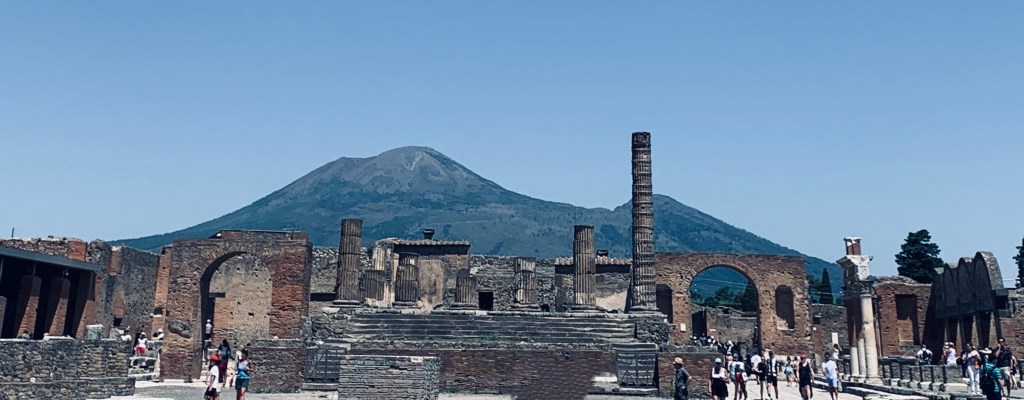
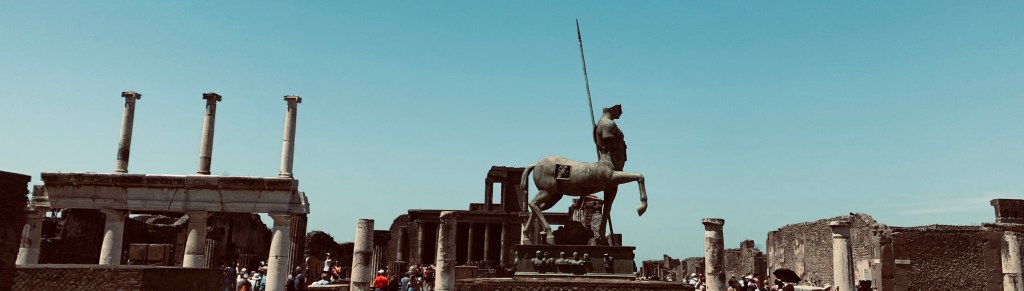
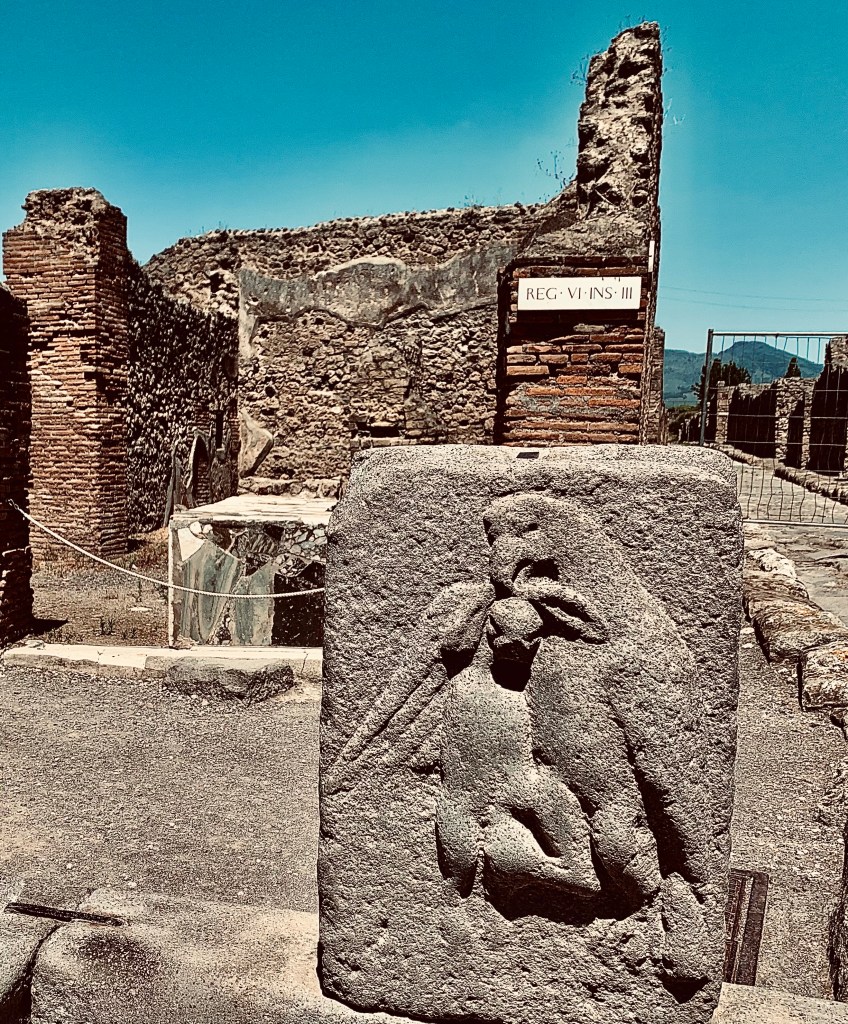
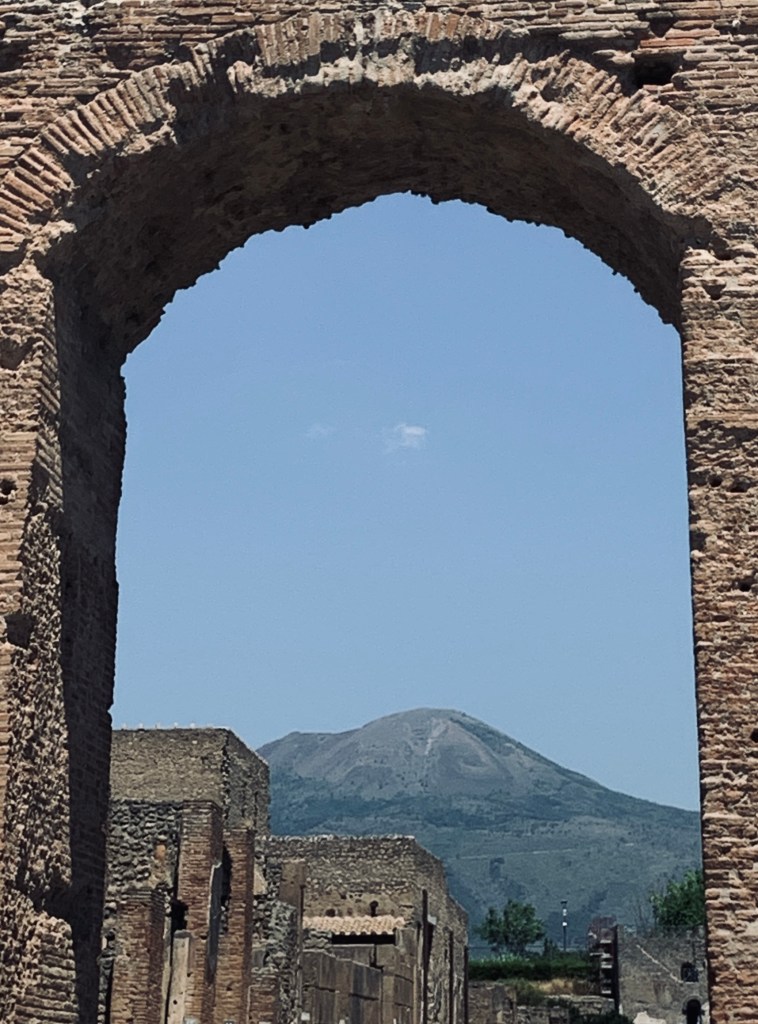
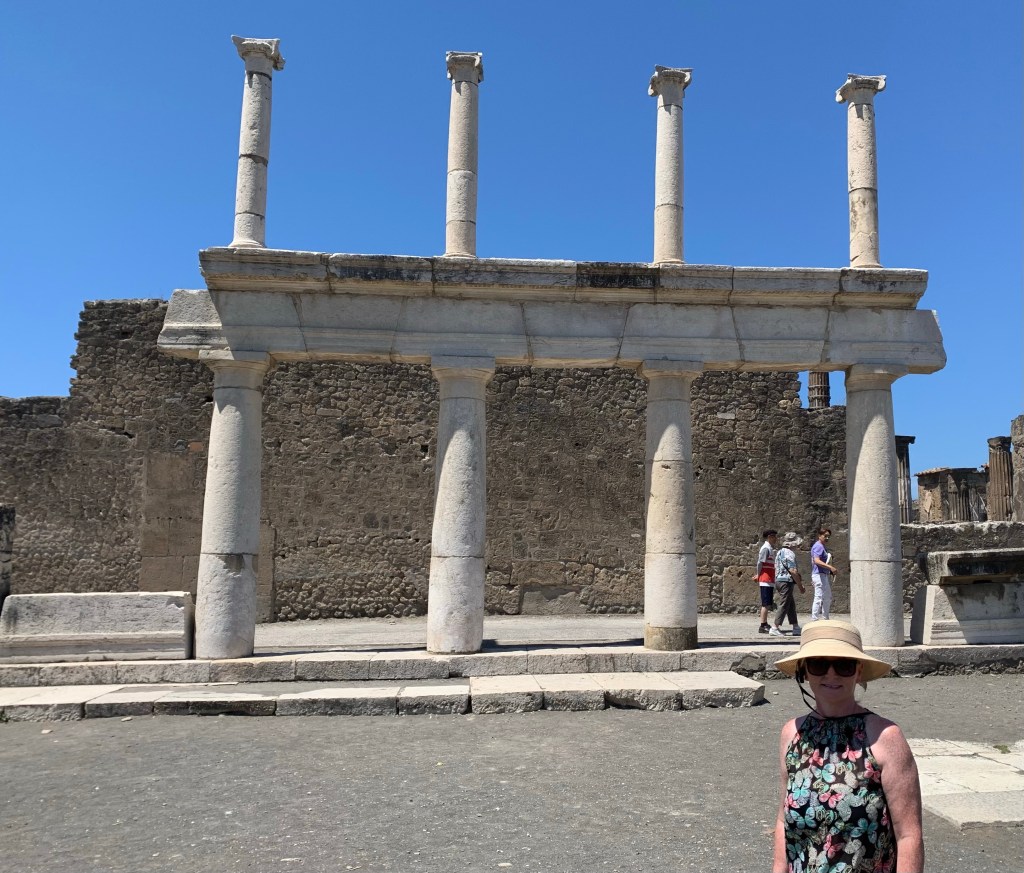
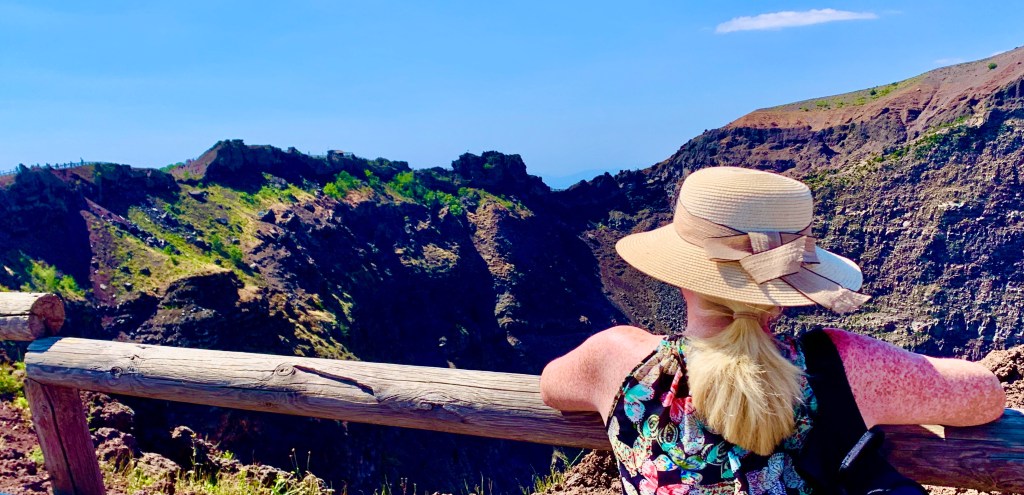
An unmissable visit to Pompeii, combined with an awe-inspiring trek up the top of Mount Vesuvius to see and (smell) the smoke that still rises from the crater.
I had wanted to visit Pompeii and Mount Vesuvius in one day. Sorrento where we were based not being that far away, made this very achievable. There are a few ways of doing this.
You can do it independently or by booking a tour with a local company. We booked with a local tour company on a guided tour around Pompeii, it just saves the hassle of getting there, waiting for connections between the two locations and having to rely on public transport, all this has to be planned when doing it yourself, factor in that public transportation is not very reliable.
Although I spoke to people who did it independently and they enjoyed the experience but said it was rather a long day and they had to pay if they wanted a guide in Pompeii. There are pros and cons to both options so best do a bit of research first.
By doing it independently you have more control over what you want to see and do but have the aggravation of waiting for buses and you will have a few connections. By pre-booking a tour you are picked up from your hotel have a guide for the day and everything is scheduled for you. The downside to this is you have no control of your day and may want to spend more time in some places and less in others.
I would personally advise doing Pompeii in the morning and Mount Vesuvius in the afternoon. As Pompeii is a bit quieter in the morning and you will get a few more lunch options at Mount Vesuvius. This however was just my personal preference.
Pompeii
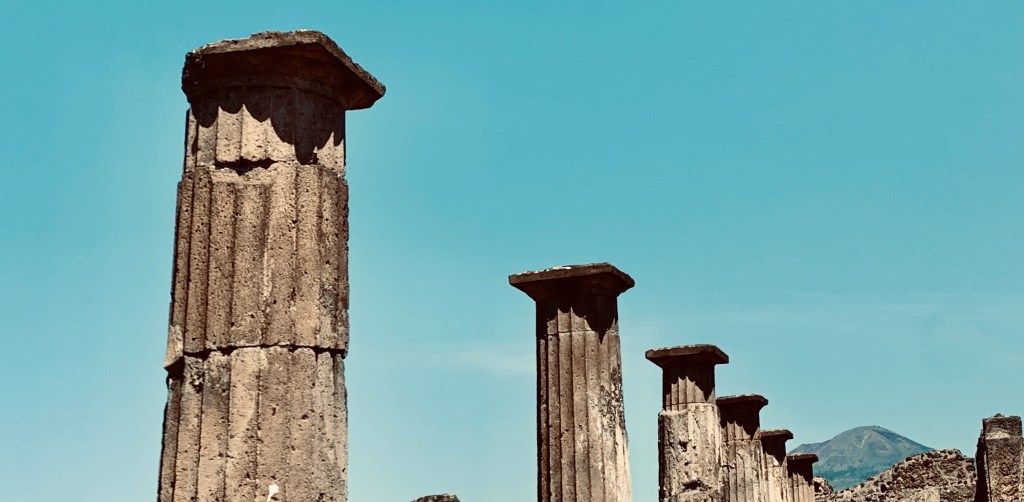
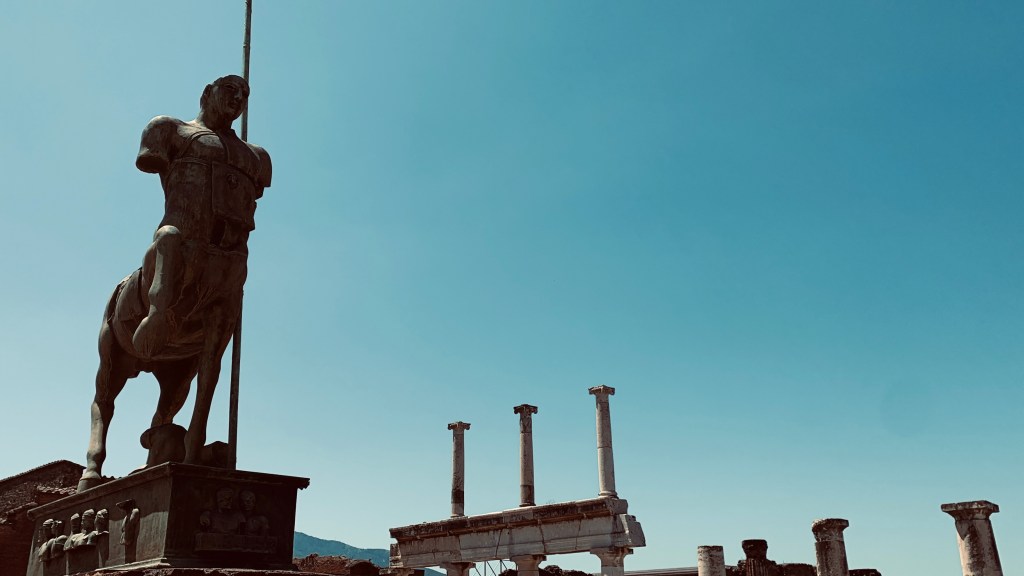
Largely preserved under ash, Pompeii offers a unique snapshot of Roman life frozen in time. A UNESCO World Heritage Site.
Today Pompeii is the major driving force behind the economy of the nearby town that bears its name. With many locals employed in the tourism and hospitality business which surrounds the area.
For many visitors, Pompeii is high on its travel agenda. It’s not hard to see why. Pompeii’s survival for nearly 2000 years makes it one of the Worlds historical, archaeological and human significance. It’s Italy’s second most visited “attraction”
Mount Vesuvius which had laid dormant for over 700 years towered over Pompeii. The fertile soil, its proximity to Naples, and its access to the sea would have made this a pleasant and prosperous place to live and work. All this altered in 79AD when Pompeii was devastated in a day or two, when Mount Vesuvius erupted.
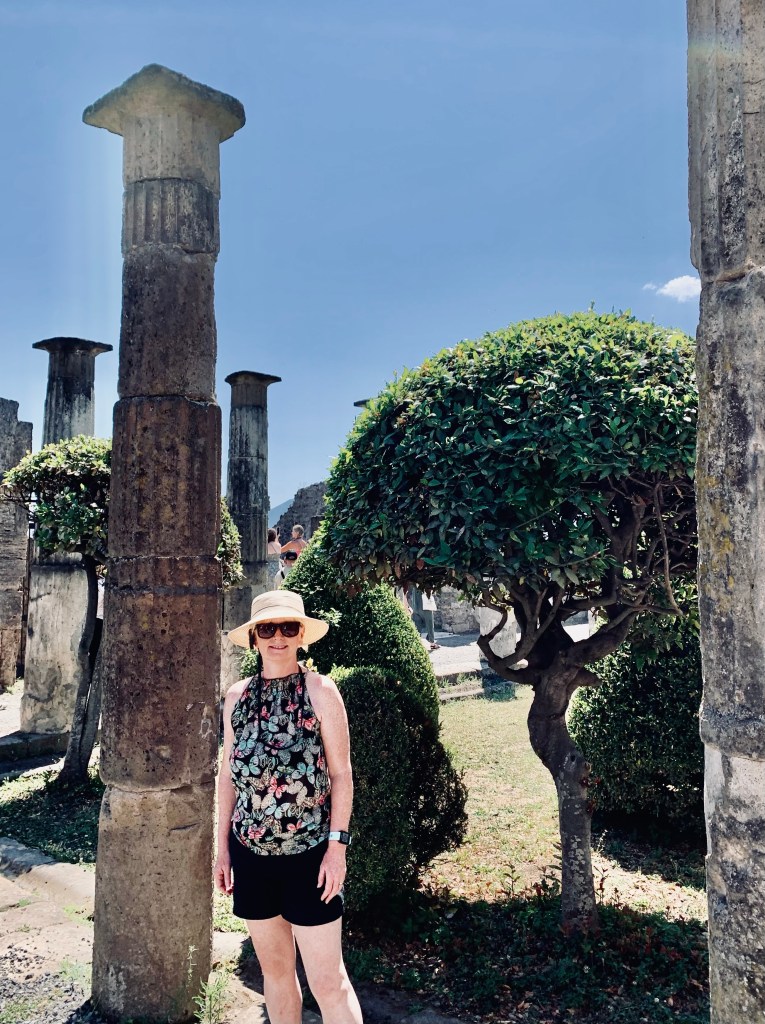
The site is huge! It covers an area of 163 acres, spread out and involves a lot of walking in the hot sun with little shade. How long you take is another contentious issue. Some people could spend days here, for me two and half hours was enough time with a knowledgeable guide to point out the main sites. Any longer I would start to get ruin fatigue and my interest would start to wane.
The site remained practically buried for over 17 centuries. It was not always forgotten though as Pompeii was marked on a 12th-century map, and briefly having been discovered in the 15th century during some aqueduct tunnelling. However, they were properly discovered in 1748 and for many was the start of the modern science of archaeology.
The significance of Pompeii cannot be overstated. Although there are many Roman ruins across Italy and Europe with impressive sites in Verona, Rome and Sicily to name a few, Pompeii’s importance strangely enough is due to its normality, as well as its age, fate and size.
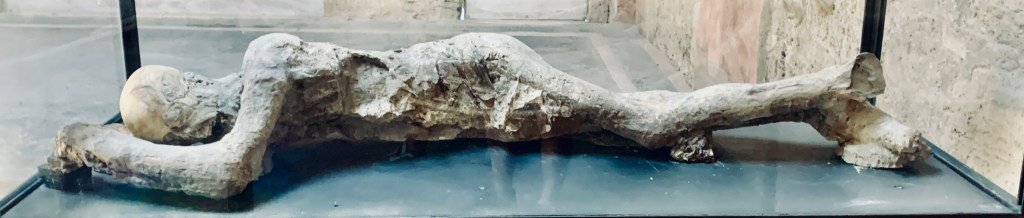
The fact that Pompeii is one of the few ancient sites that has been preserved in such great detail, everything from jars, paintings and people has been frozen in time, giving us the unprecedented opportunity to view how typical people lived over 2000 years ago, rather than the grand court of Emperor’s or stately royal castles which is usually the case.
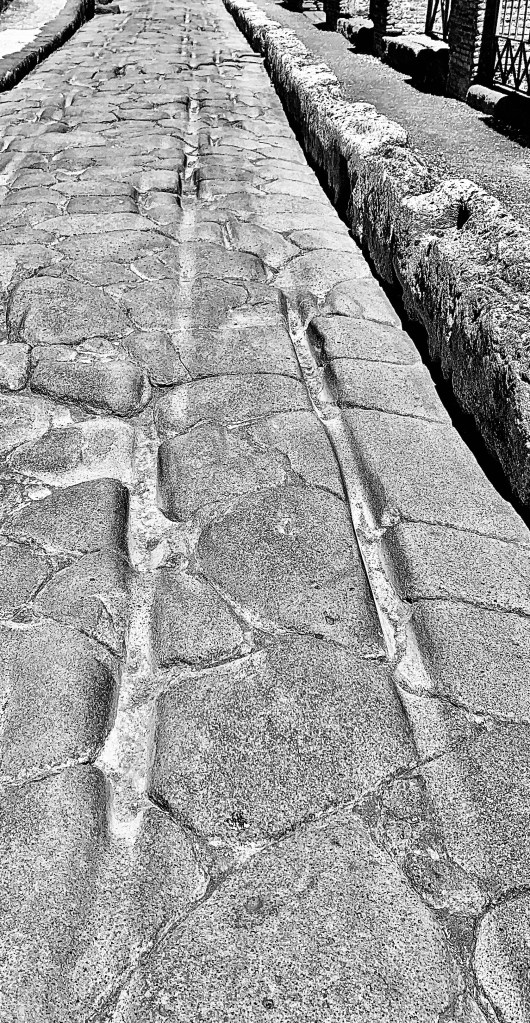
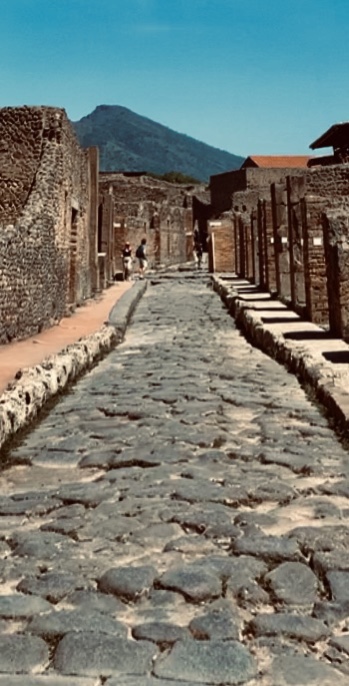
You will find the ancient Roman roads with grooves in them made by the trams that ran along them over 2000 years ago. Although today Pompeii is strictly walking only. Just be aware of the grooves in the roads as they can be uneven, a comfortable pair of shoes is a must, especially factoring in the size of Pompeii.
It is this vastness of Pompeii that is its saviour, some sections and side streets are blissfully isolated and separated from the crowds. This is probably the big plus point in discovering Pompeii independently, with our guided tour we stuck to the main sights! which were inevitably very busy, I couldn’t wander off somewhere which wasn’t on our tour itinerary. With over 2.5 million visitors a year, there is no getting away from the fact that Pompeii is a very busy place.
Due to the vastness of Pompeii don’t expect to see everything. Our visit was 2.5 hours which give us enough time to see the main sights which are reasonably near to each other, this was okay for me, but you could very easily spend a day here.
Although Pompeii seems a site of human tragedy, 2,000 people lost their lives that day, these were the ones that didn’t heed the warnings whether this was through necessity, infirmity or just plain stubbornness. It’s important to note that 17,000 people survived by heeding the warnings and packing up and leaving.
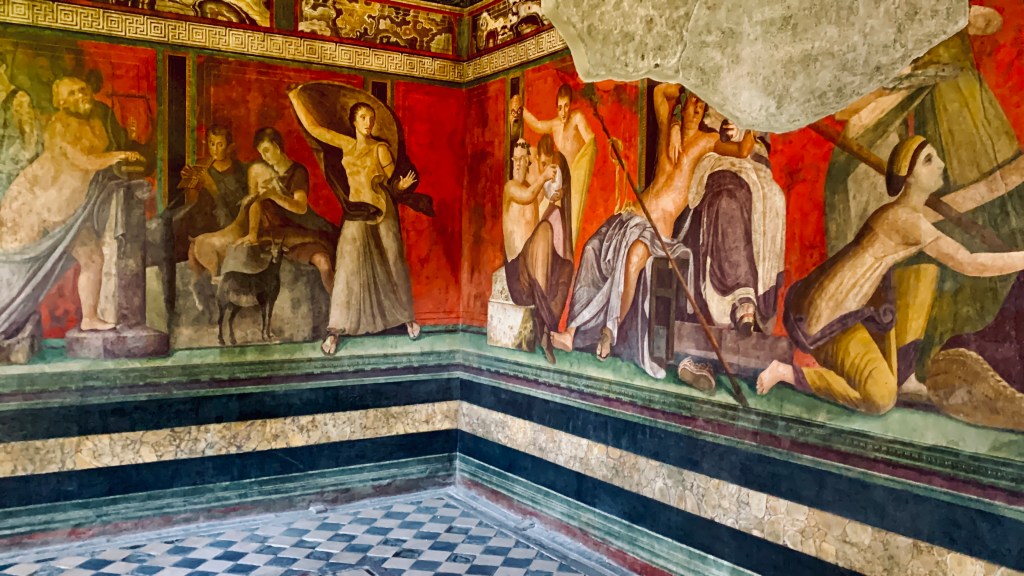
Another fascinating insight into life at Pompeii is the wonderful frescoes. This highlights the beliefs, customs and indulgences of the people. Frescoes we’re used throughout Pompeii in public and private buildings. A large number of rooms were small without windows, so frescoes added colour and light to otherwise dark drab spaces.
Even if you’re not a history buff Pompeii is well worth a visit. My personal prospective, unless you are a Roman history aficionado or a keen photographer for most people a morning is more than enough time to see the main sights and to get a feel for this historical landmark.
Mount Vesuvius
An afternoon trek up to the summit of an active volcano 🌋The ideal accompaniment to a morning spent in nearby Pompeii.
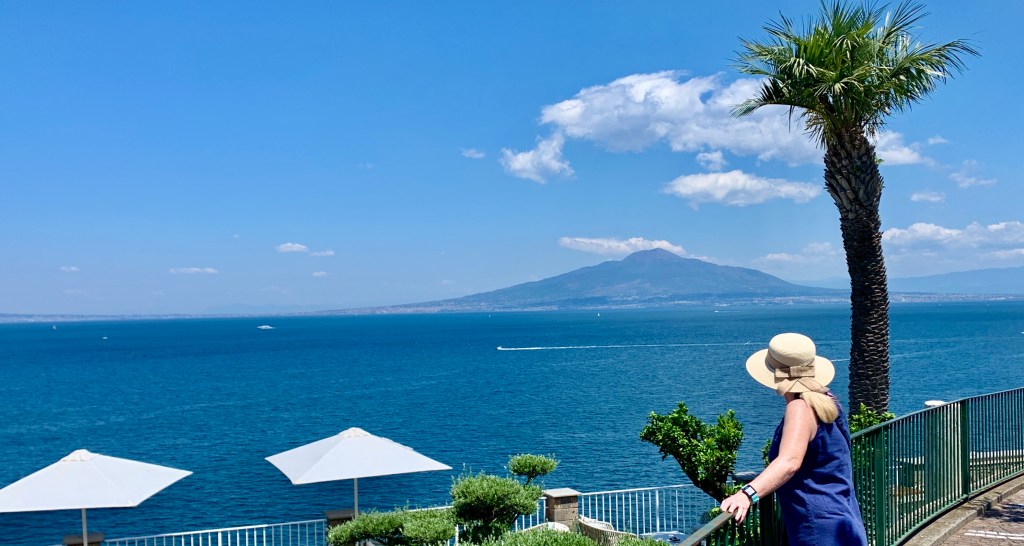
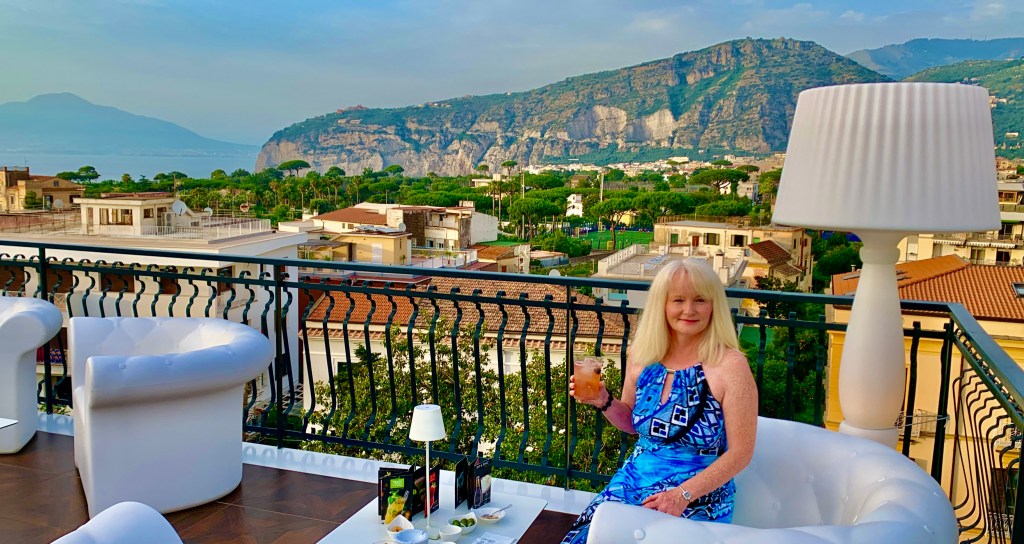
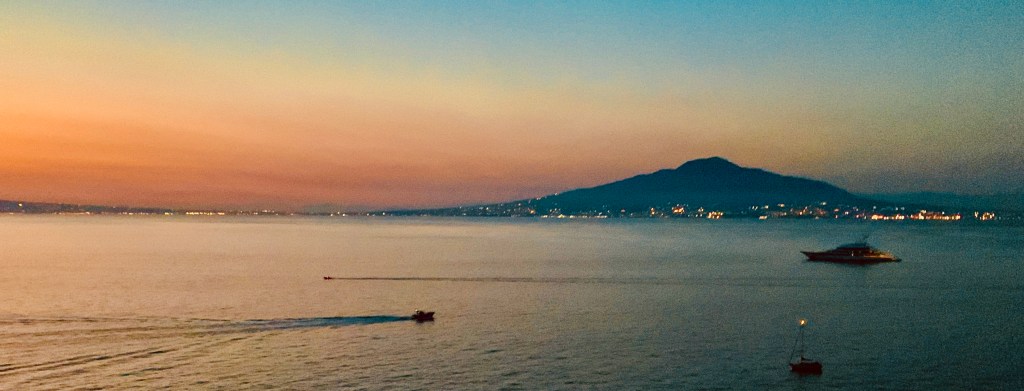
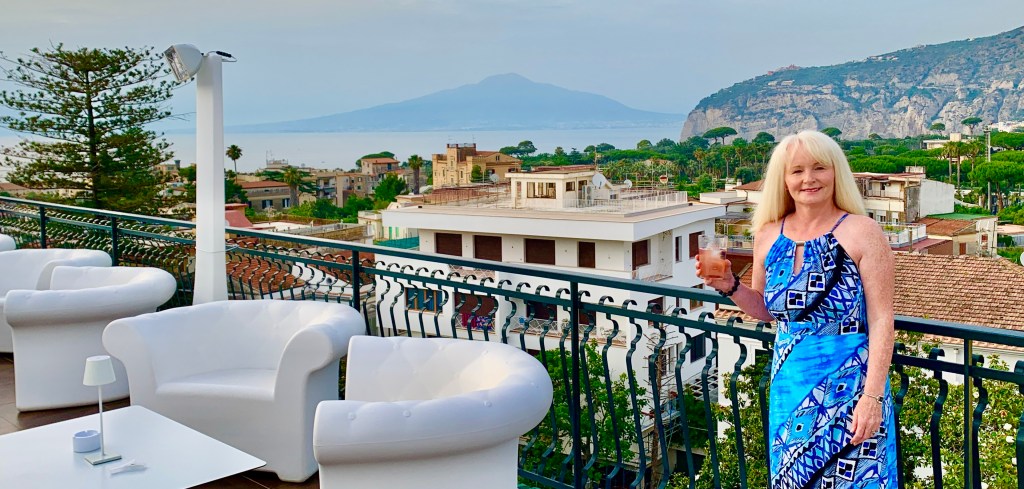
A view of Mount Vesuvius from our hotel’s rooftop terrace
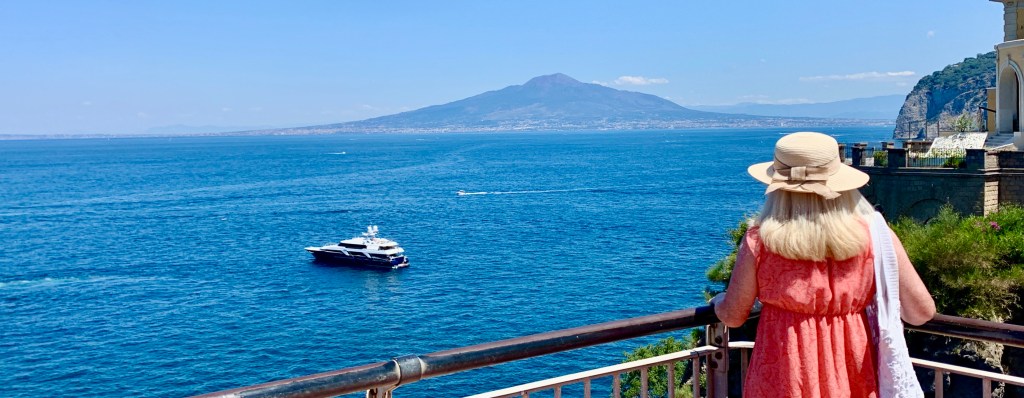
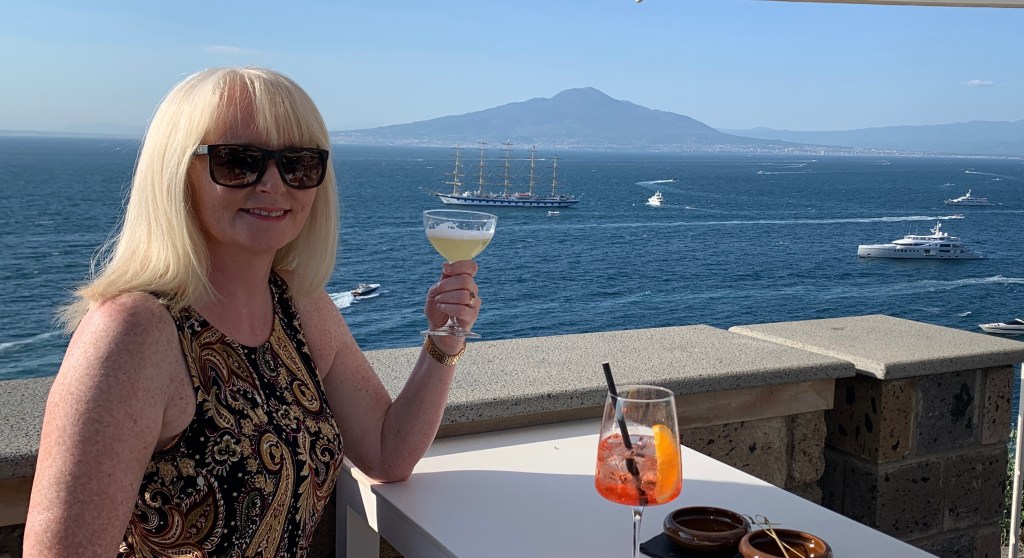
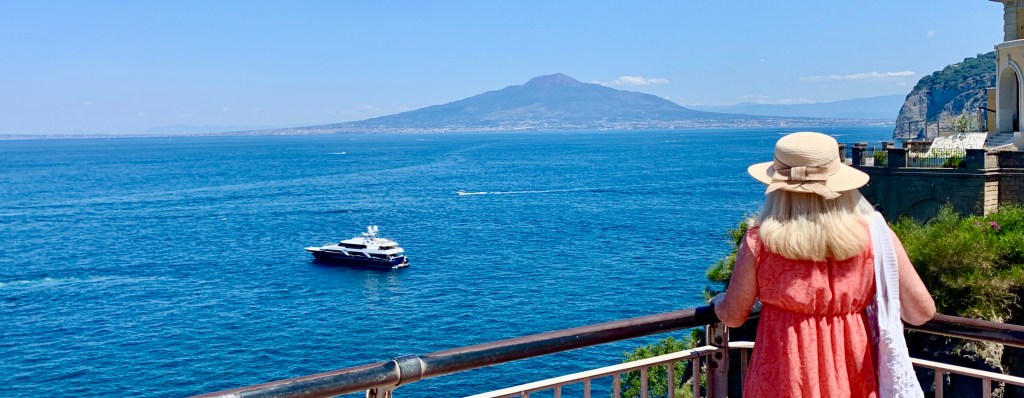
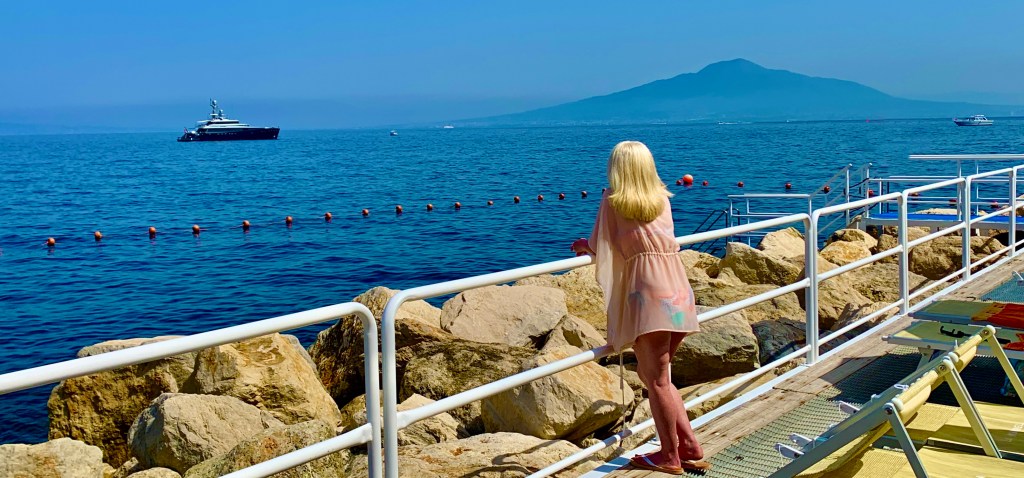
Wherever our location there was no escaping the looming presence Mount Vesuvius had over the Bay and city of Naples, the Amalfi Coast, Sorrento Peninsula and Capri.
Mount Vesuvius viewed from Sant’Agnello
When visiting the area it was one of our must-do activities. It’s the perfect activity that can be combined with a trip to Pompeii. Appreciating the great outdoors with some incredible views. Unlike my visit to Pompeii in the morning, this trek up to the top of Mount Vesuvius was relatively quiet in comparison.
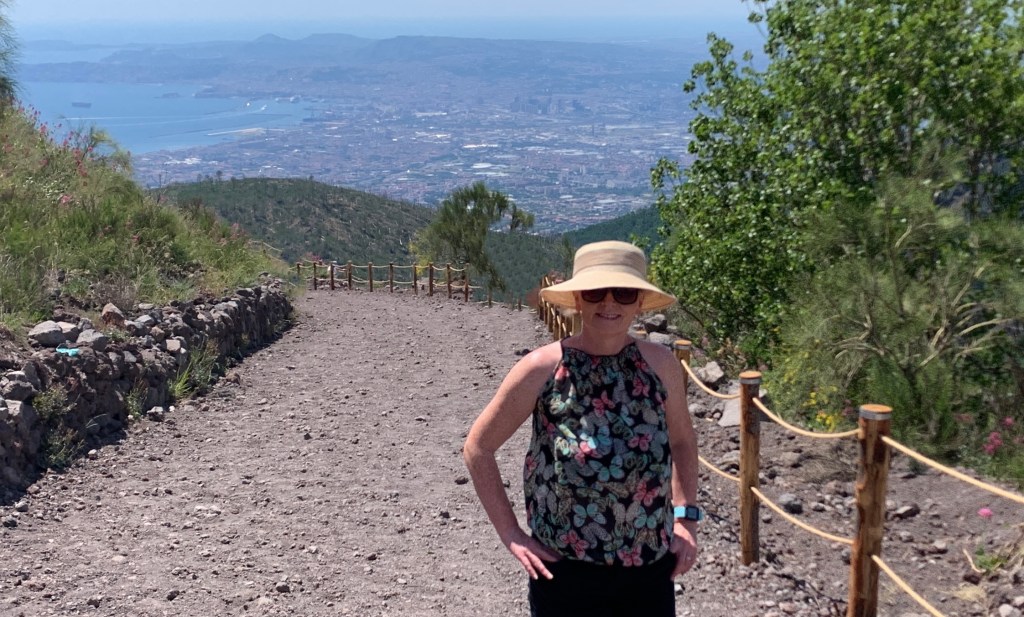
We were going to trek to the summit of Mount Vesuvius, to call it a trek is a bit of an understatement if I’m being honest. I’d call it more of a walk than a hike. Beginning at the ticket gates, entry costs €10, you will pass some stalls selling drinks and snacks etc before we started the walk on a gravel path.
This section of the volcano is the hardest part of the walk, it’s only about 800 meters in distance but the elevation rises quickly. The views while you walk are stunning.
After about 25 minutes with a few stops for photo opportunities, we reached the first of three cafes at the summit. The walk evens out and is now reasonably flat, with a few marginal ups and downs with a small section of steps to climb.
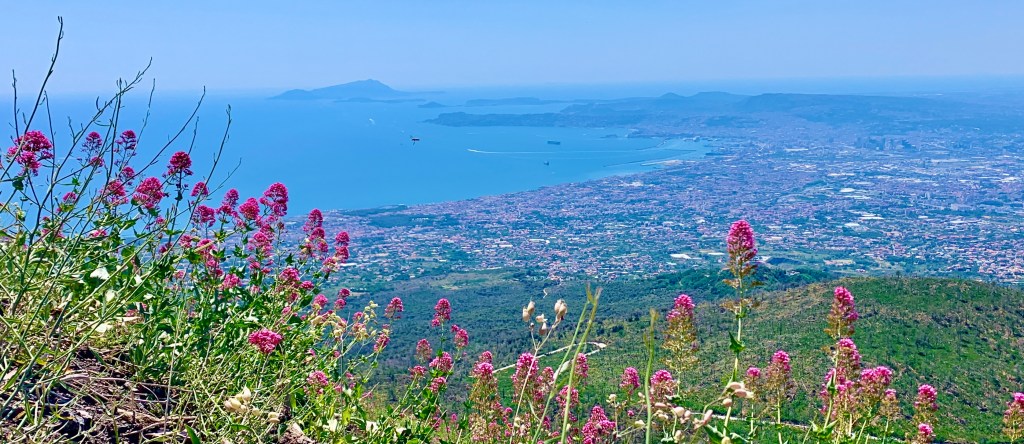
Although in all honesty, we didn’t notice as we were distracted by the beautiful panoramic views of the Bay of Naples which was to our right, and the volcanic crater to our left.
One thing to take into account is that the walk is not a loop and you will have to take the same path down as you came up. The walk will be about 4, kilometres there and back, although the return journey will be quicker and easier as there is no incline to tackle.
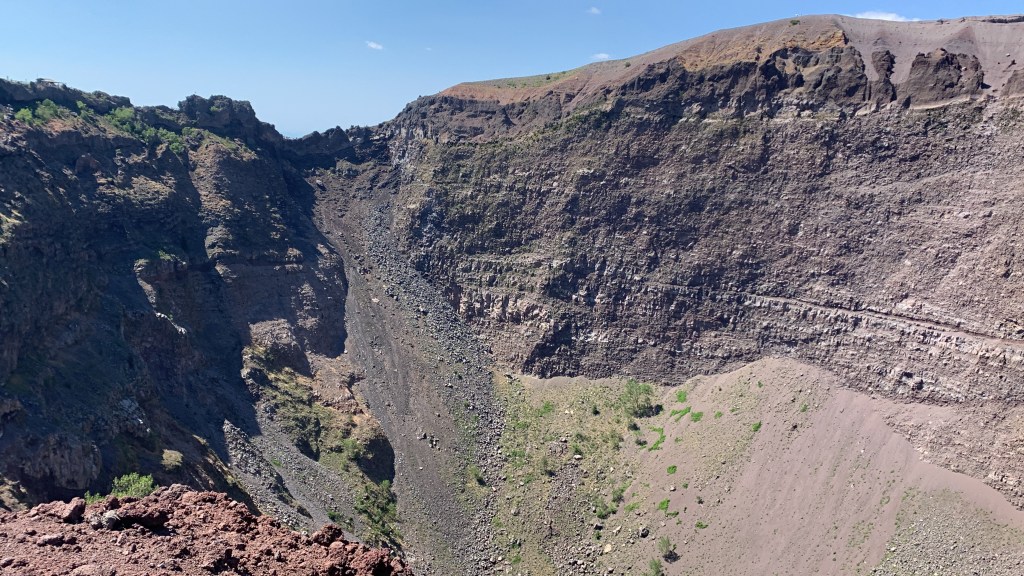
When looking into the crater try not to be too disappointed, unfortunately, nothing exciting is happening, like bubbling lava, or towers of flames 🔥 shooting towards the sky. But this is a good thing as I remembered what the volcano had done to Pompeii only 9 kilometres away.
A few facts about Mount Vesuvius. The highest point is 1281 meters (4203 ft) It last erupted in 1944, and it is regarded as one of the most dangerous volcanoes in the world because of the population of 3 million people living near enough to be affected by it. There are no toilets within the Mount Vesuvius national park 🥺, a fact I found out for myself unfortunately 🤣
On a good day, the crater will release some steam or a subtle plume of smoke as a volcano tends to do. The crater resembles a giant cone. Currently, it has a diameter of 450 meters and a depth of 300 meters.
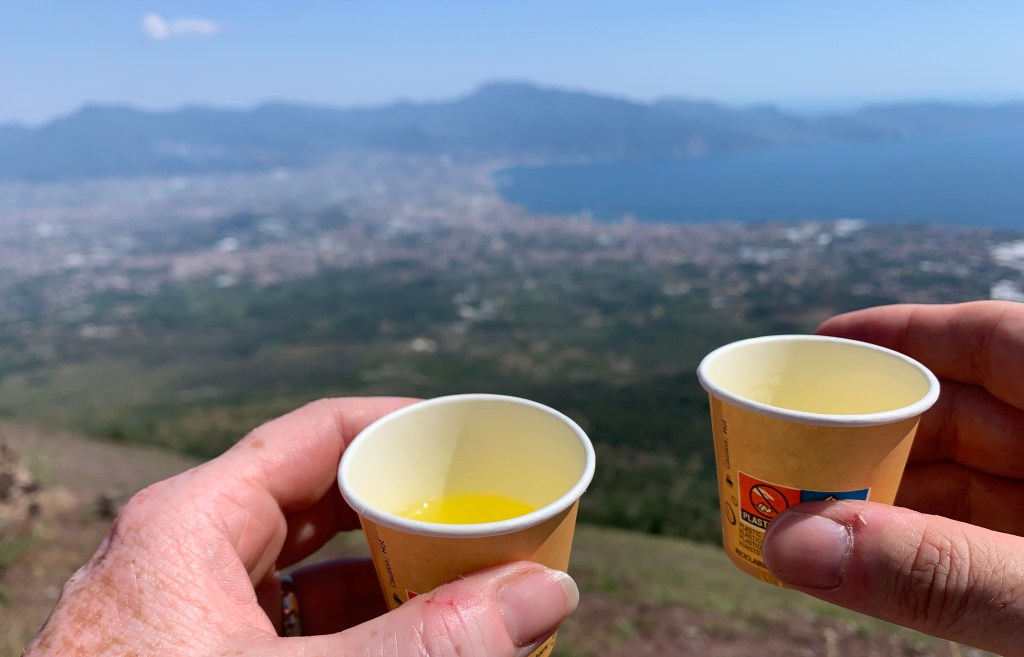
At the end of the walk, we found the third cafe/bar, this is a popular spot for a drink and has a good lookout point to view. Prices were very reasonable for the location and I thought an ice-cold limoncello was in order. It’s not every day I get to walk up to the summit of an active volcano. Just retrace our route back down to the entrance on what has been a very eventful day in Italy.
Exploring the Amalfi Coast, not by plane, train and automobile, but on foot, bus and boat
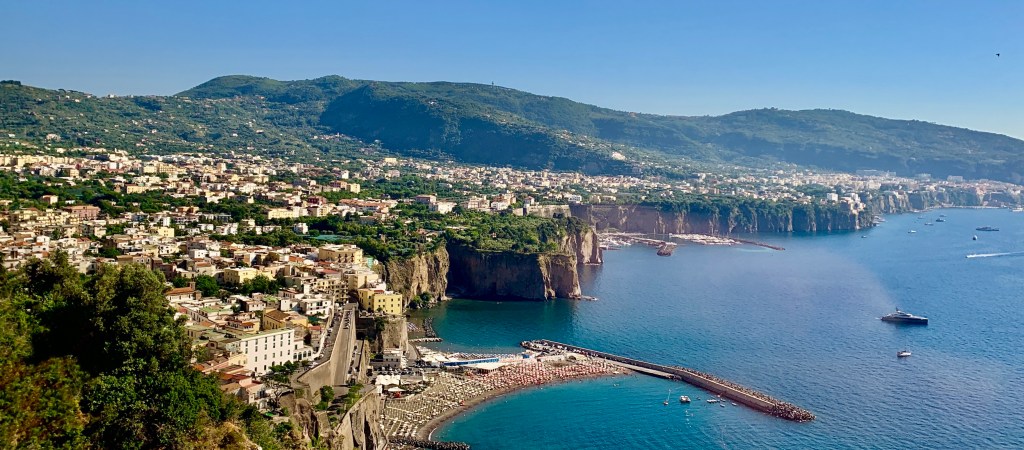
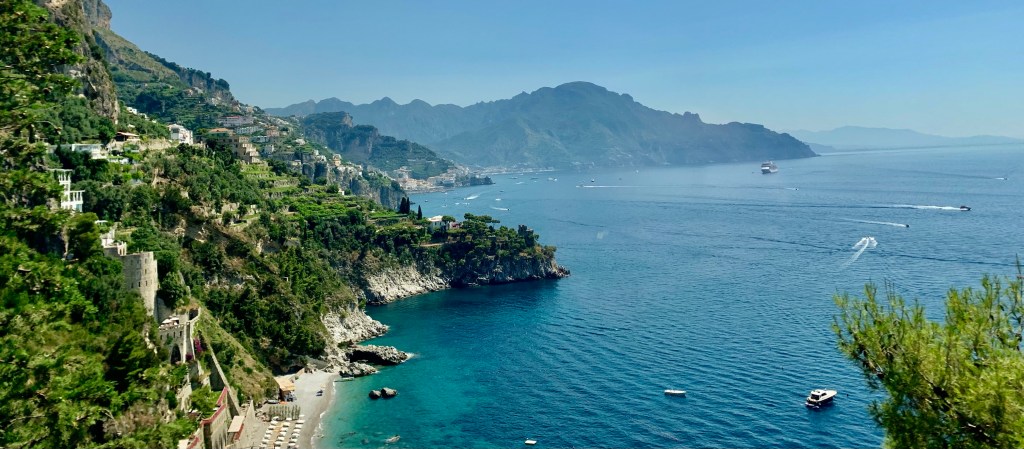
The Amalfi Coast is a glorious 50-kilometre stretch of coastline, along the edge of the Sorrentine Peninsula. A very popular destination due to its sheer cliffs rugged coastline and pastel-coloured fishing villages. It’s within easy reach of Sorrento and Naples.
How you visit is entirely up to you. By boat, on foot or by road,
We booked organised trips to best utilise our time. Booking these independently with local operators who were very knowledgeable and professionally run. Small groups on our trips so we had more personal service. Road trips and boat trips are available from Sorrento, or you can mix and match your itinerary, using both.
Path of the Gods
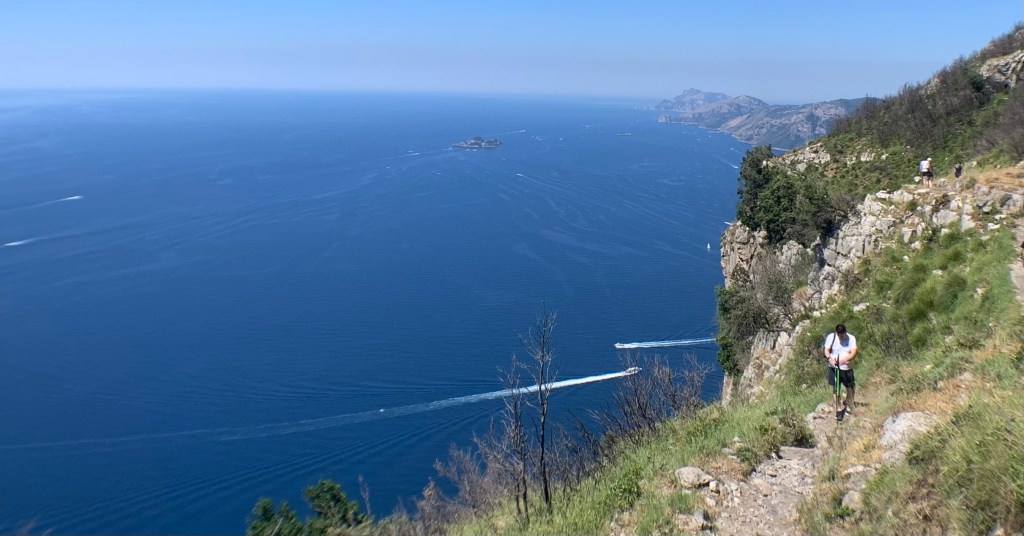
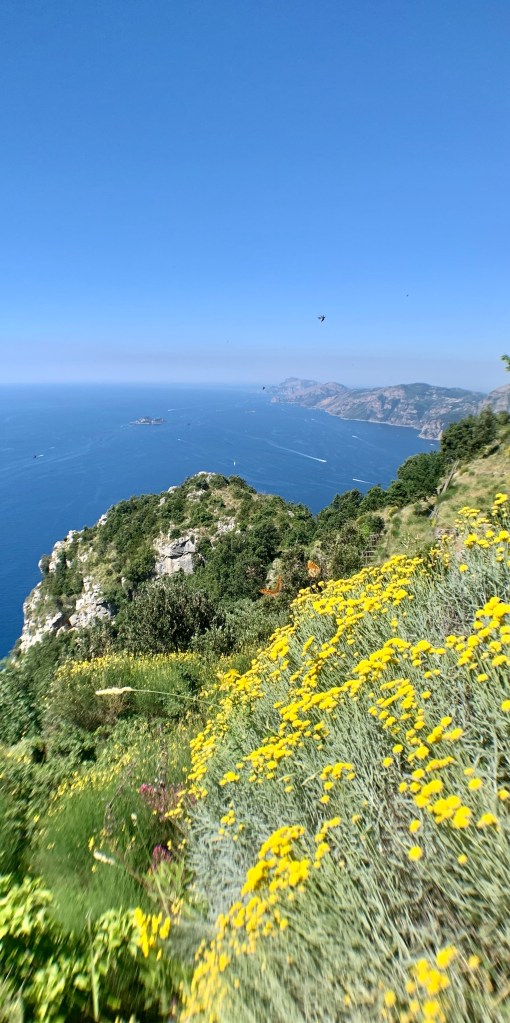
The Path of the Gods has been a popular walk for centuries. It provides pristine views of the Amalfi Coast from this cliffside path. The path certainly lives up to its name and is worthy of your time when visiting this delightful part of Italy.
You can do this walk independently, however from Sorrento, it requires a few bus transfers and the walk which should take a couple of hours turns into a full day. We opted for a guided walk, with a pick-up from the hotel and a stop for lunch before the transfer back to Sorrento, giving us some local insight into the Amalfi Coast. For us, this better utilised our time as we had a lot of places to explore.
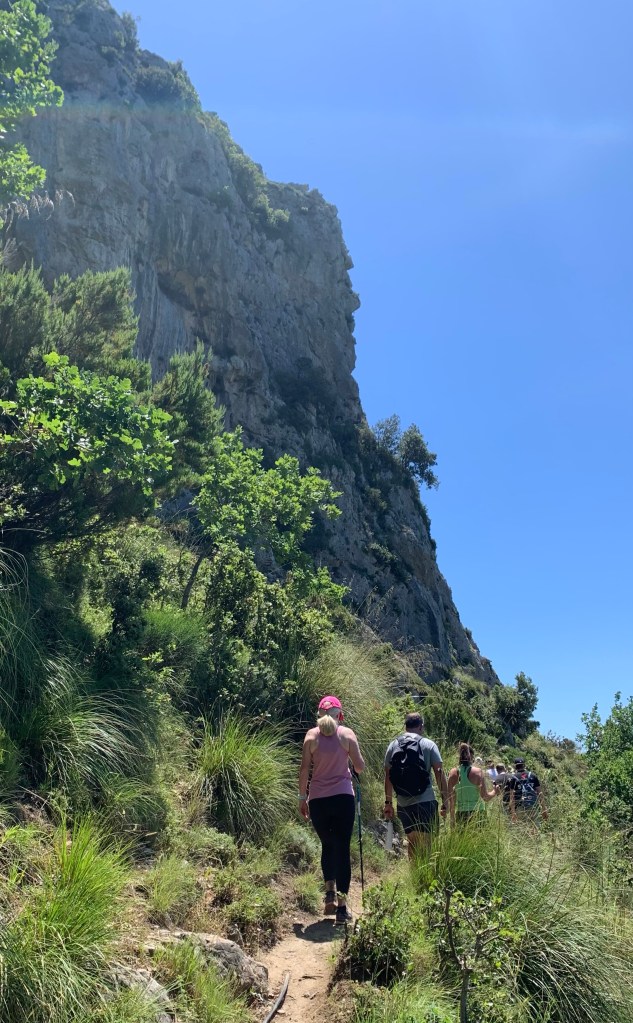
A few things to consider, the weather it’s going to be hot in the summer, so the obvious advice is to have sun cream, bottled water and proper footwear. I wore trainers which were perfectly adequate but wish I had worn trail trainers or walking boots, the trail is not particularly difficult however the terrain can be unstable in parts.
The trek is a perfect way to spend some time experiencing the beauty of the Amalfi Coast. It was certainly more serene than taking to the road or water.
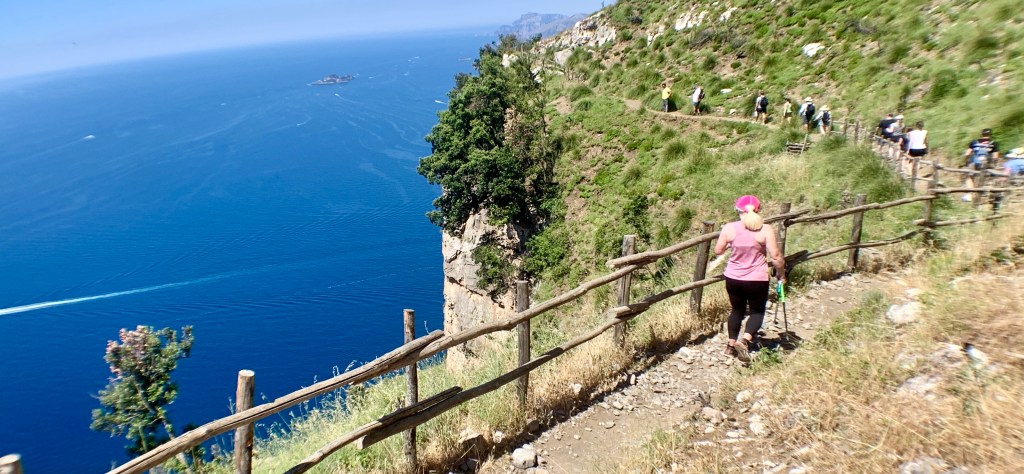
This trek will lead you above historic towns, following ancient mule routes, while as you go along serving up some of the most remarkable panoramas in Italy.
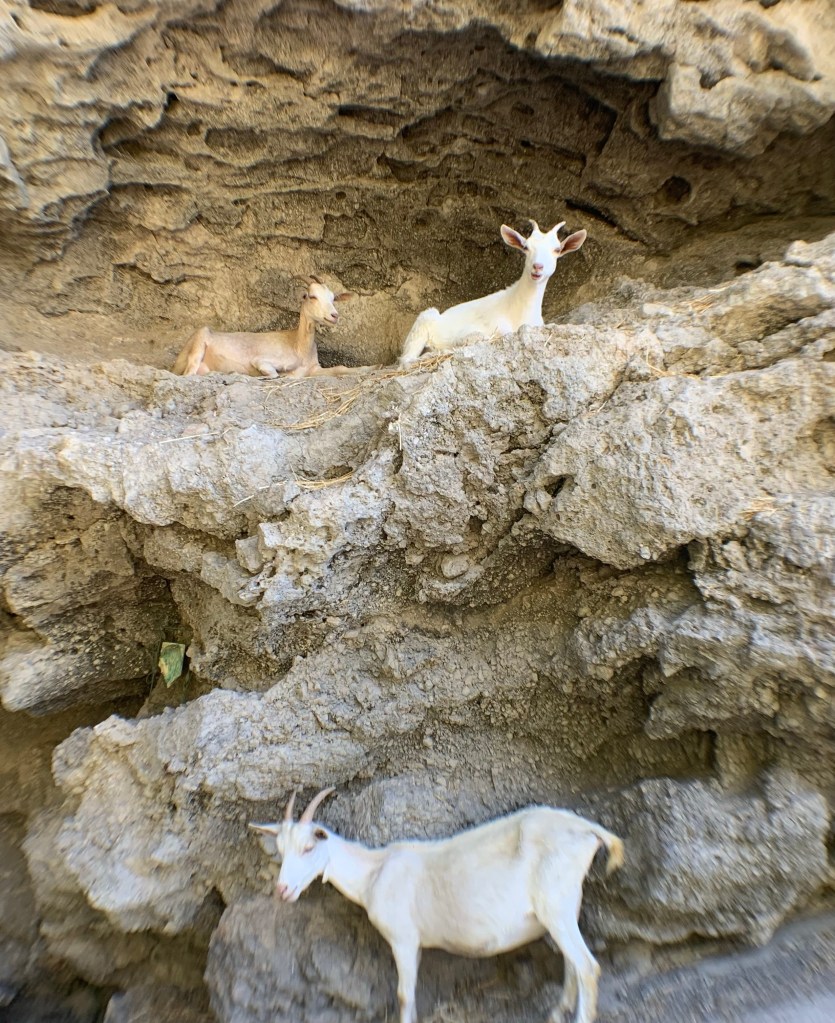
Goats and mules still roam the area as they would have centuries ago, giving the area a very rural domesticated feel.
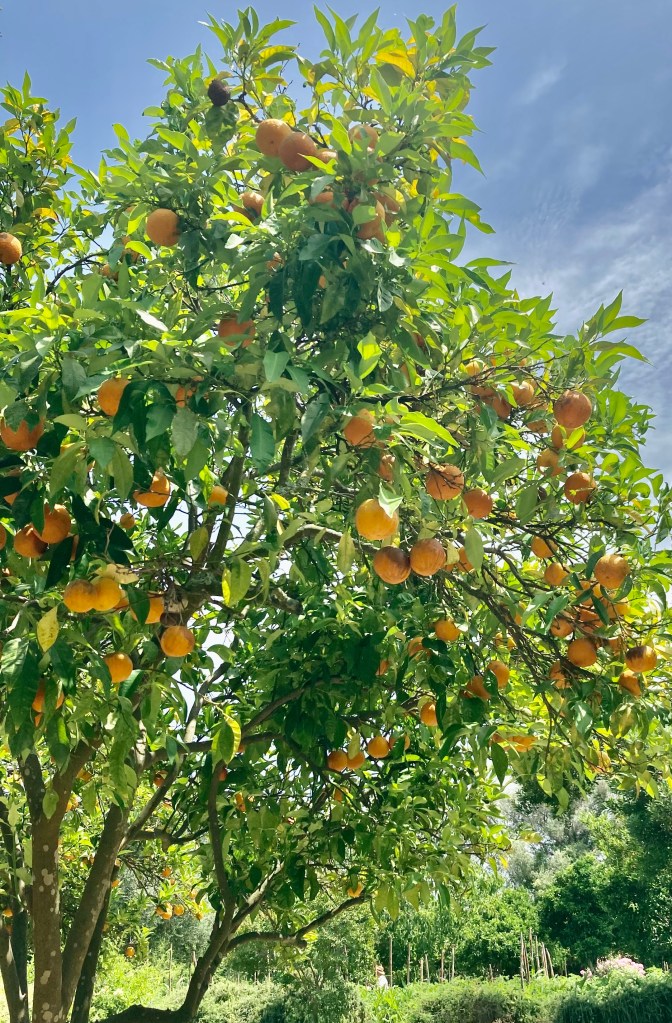
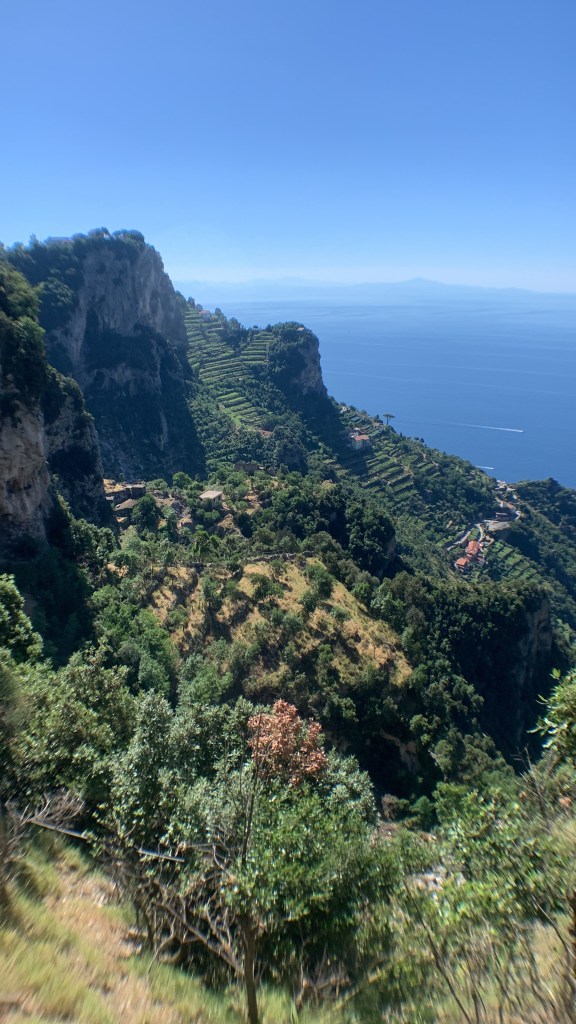
Surprisingly we were able to view a myriad of different terrains, we saw the scenery evolve from tiered hills rich with shrubbery and many different crops, including grapes, lemons, cherries and tomatoes to name a few.
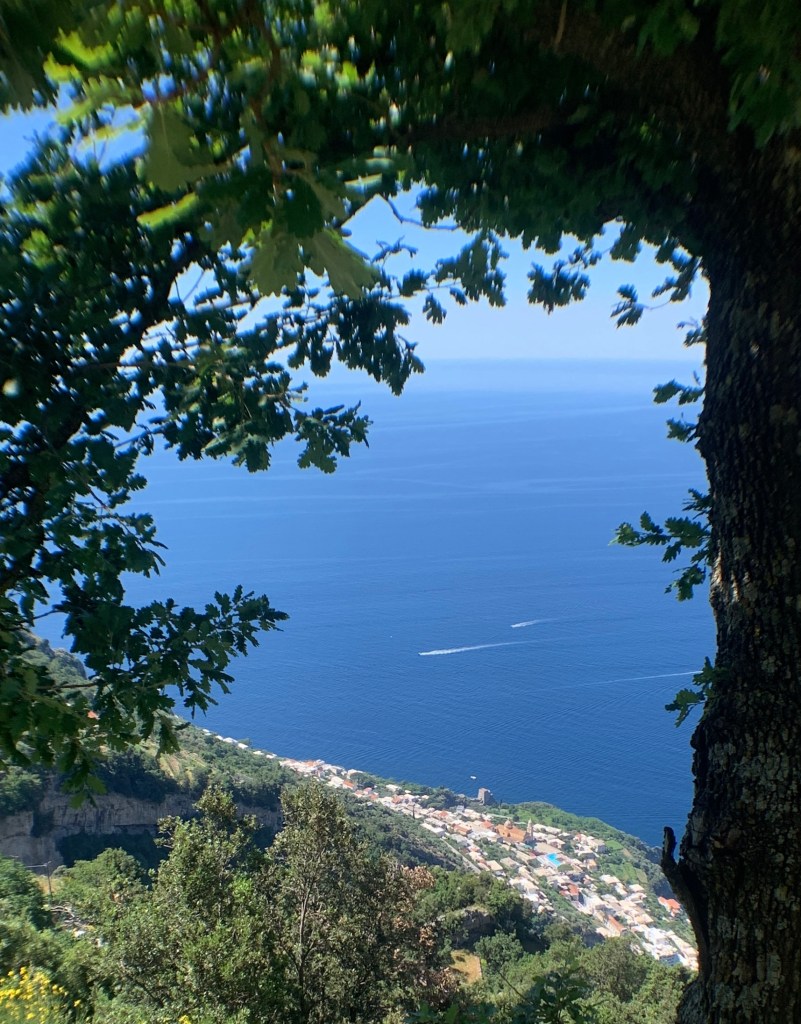
Initially, we thought we were on a nice but rather ordinary coastal walk. Then the agriculture and forestry give way, and the terrain opens up into something more dramatic, revealing numerous cliff faces and hillsides with dazzling views of the ocean, beaches and ancient towns below.
Now the course of the path starts to go up and down more abruptly, edges on cliff sides and the terrain varies in difficulty. We are coming to the most challenging part of the walk passing through Vallone Grarelle, we are now reaching our halfway point.
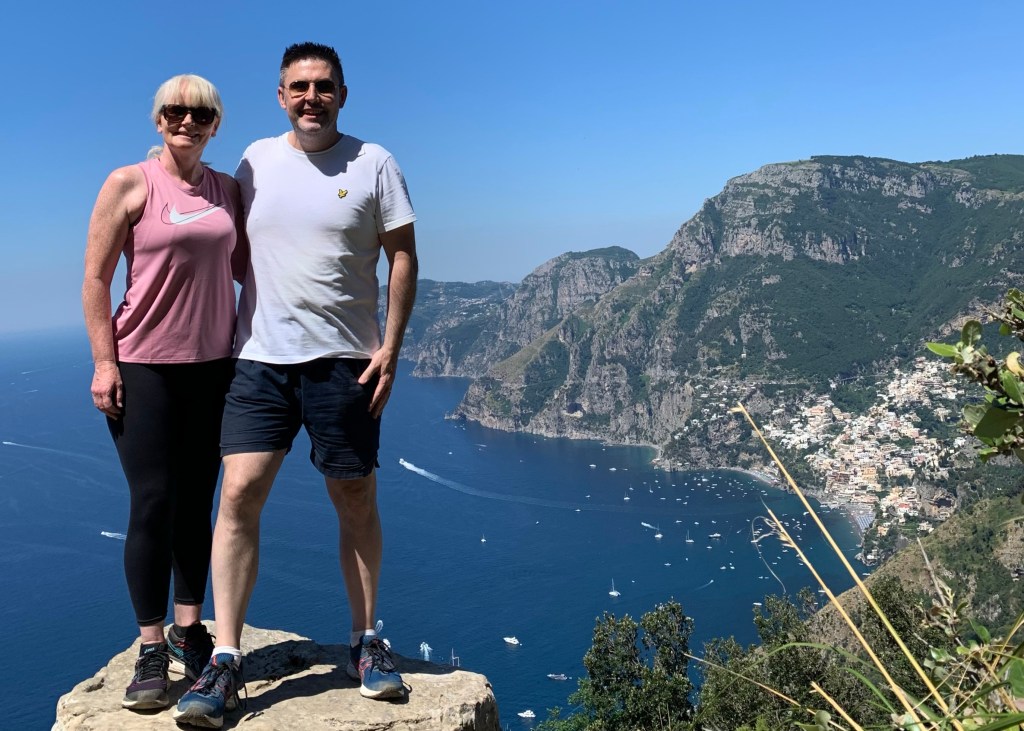
The obligatory picture with Positano in the background.
From here you can take the 1500 step staircase that leads to the village of Arienzo which is on the northern edges of Positano. We were looping back to the start of our walk. Positano was an adventure for another day. Just a brief stop to admire the beautiful panorama of Positano and the peninsula.
This section of the walk does offer some magnificent views of the Amalfi Coast. It had taken us about 90 minutes to reach this location, so it’s a good idea to bring a light lunch with you from one of the cafes, we had booked lunch in a local farmhouse which was less than 10 minutes from here.
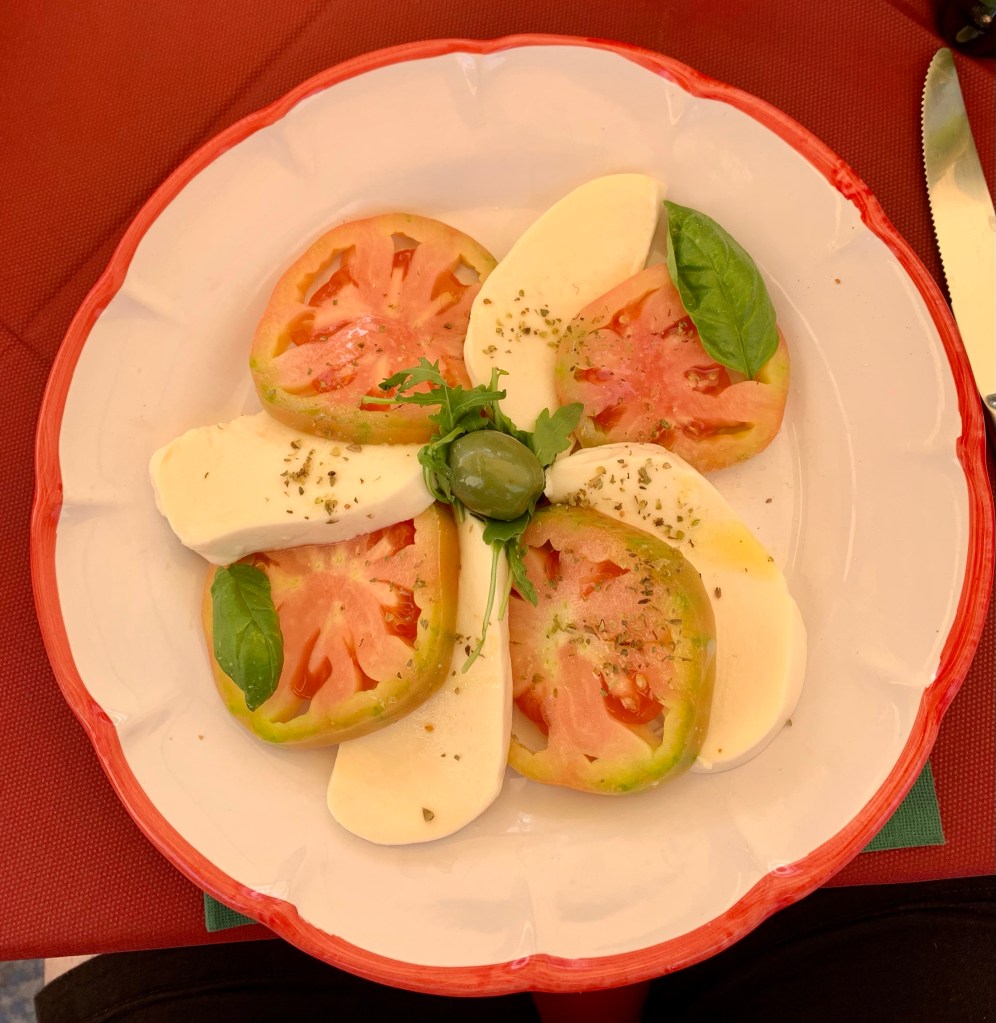
We stopped at the farmhouse where we received some warm hospitality. A simple but delicious lunch of freshly baked bread, Caprese salad made from local mozzarella and tomatoes, with fresh cherries to finish. With some impromptu entertainment after lunch with even the dog joining in.
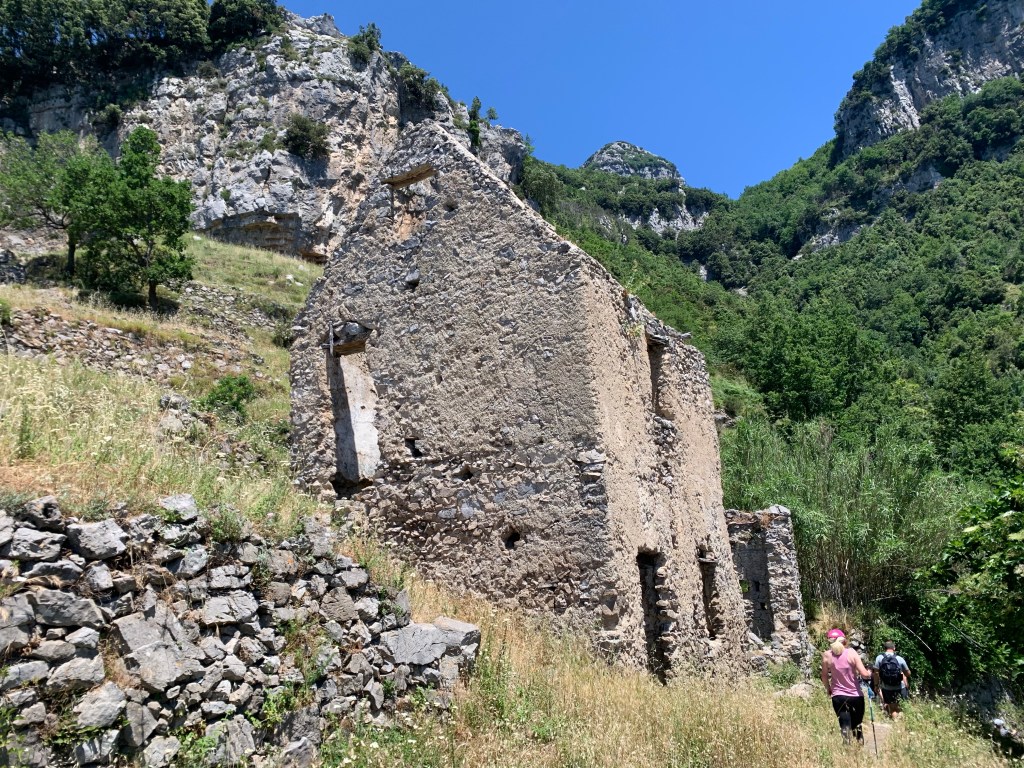
On the path, we experienced what life would have been like travelling from small village to small village, as you come across uninhabited buildings that are slowly being reclaimed by the natural environment.
We were soon back at our starting location, the trek was about 8 kilometres, although there are different starting points and routes. Many walk to Positano and get transport back from there.
We did a loop back to our starting point, whatever you choose it’s worth the time and effort to view this beautiful location from an entirely different perspective, far removed from the busy crowds you will find in the towns and coastline down below.
Amalfi Coast by boat
Another less energetic way of viewing the Amalfi Coast is by boat. There are no shortage of itineraries to choose from, full and half-day tours from Sorrento, shorter cruises from the towns along the coast or even hire a boat for the less inhibited.
I was going to be brave and rent a boat, however, common sense prevailed and I thought an organised charter boat may be less stressful. The two most popular destinations are Positano and Amalfi. I decided to take a boat tour from Amalfi as I had viewed Positano while on the Path of the Gods and visited on foot.
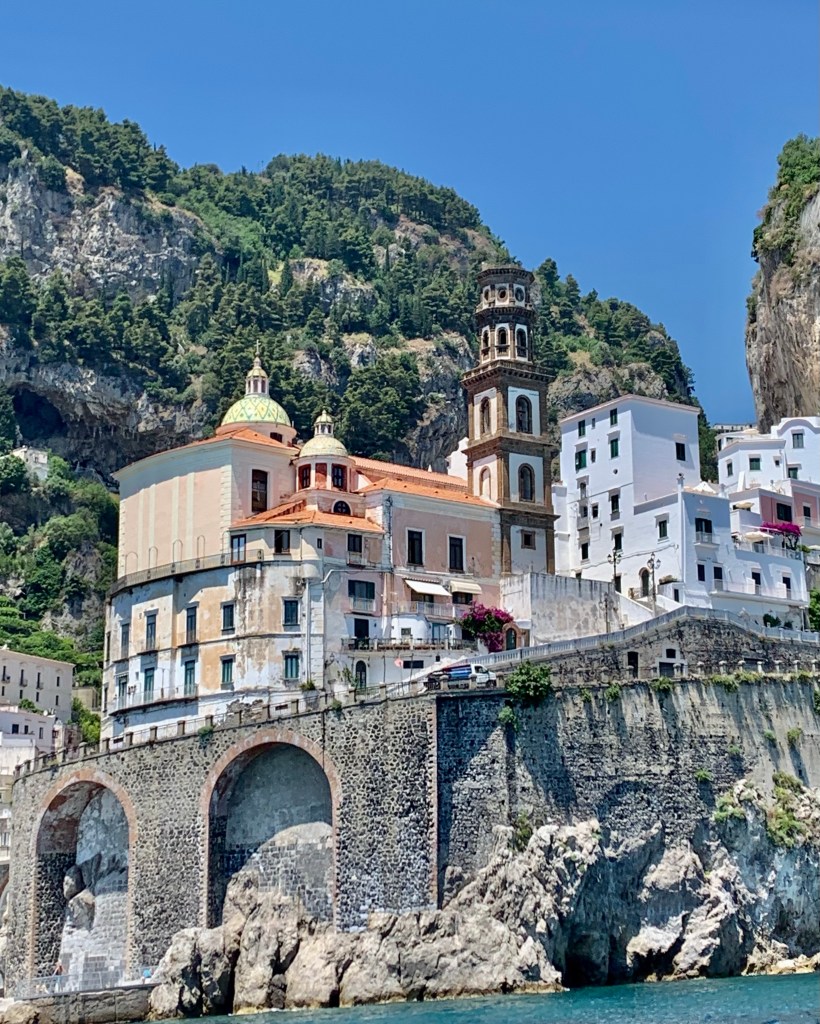
To explore Amalfi by land is only half of the experience. I was able to get some incredible views from the ocean. The town was a maritime republic known as the Duchy of Amalfi. It still acts as the main port for the Amalfi Coast to this day.
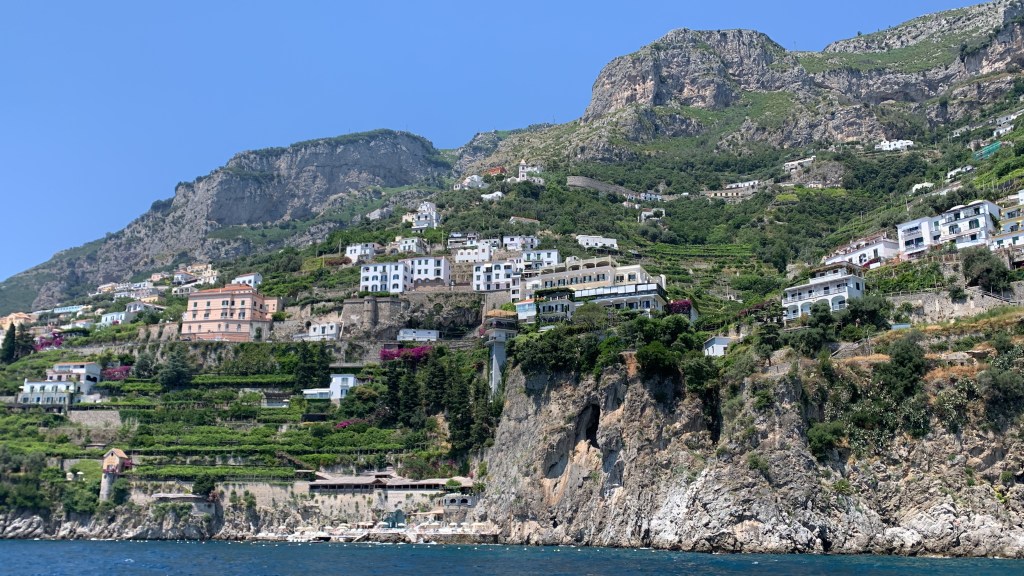
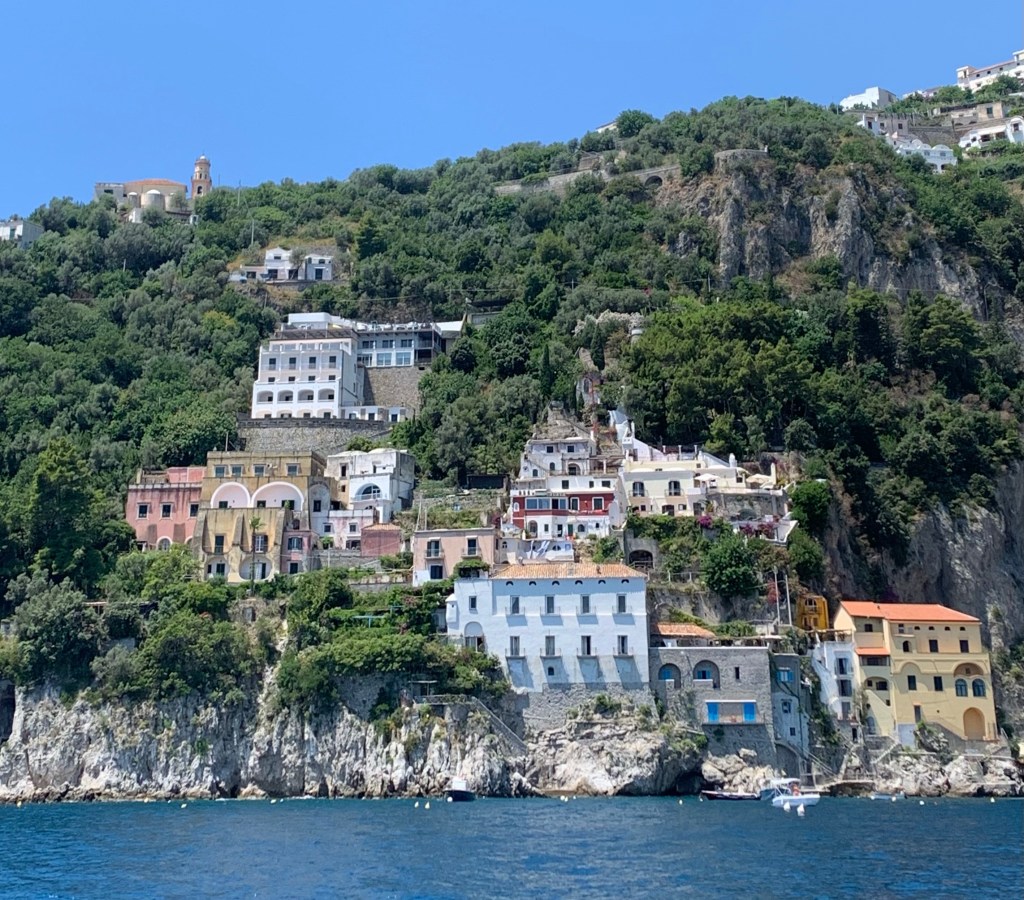
Unrestricted views of the coast’s world-renowned cliffs give a backdrop to lush vegetation and the pastel-coloured town of Amalfi straddling the azure ocean. The town lies at the mouth of a deep ravine, at the foot of Monte Cerreto which at 1315 metres (4314 feet) towers impressively above the town.
These short tour cruises don’t break the bank either, I paid €10 for a 30-minute cruise which took in all the various points of interest around the town of Amalfi. Outstanding value as I admired the views of what many people regard as one of Italy’s most beautiful coastal locations.
Amalfi coast by road
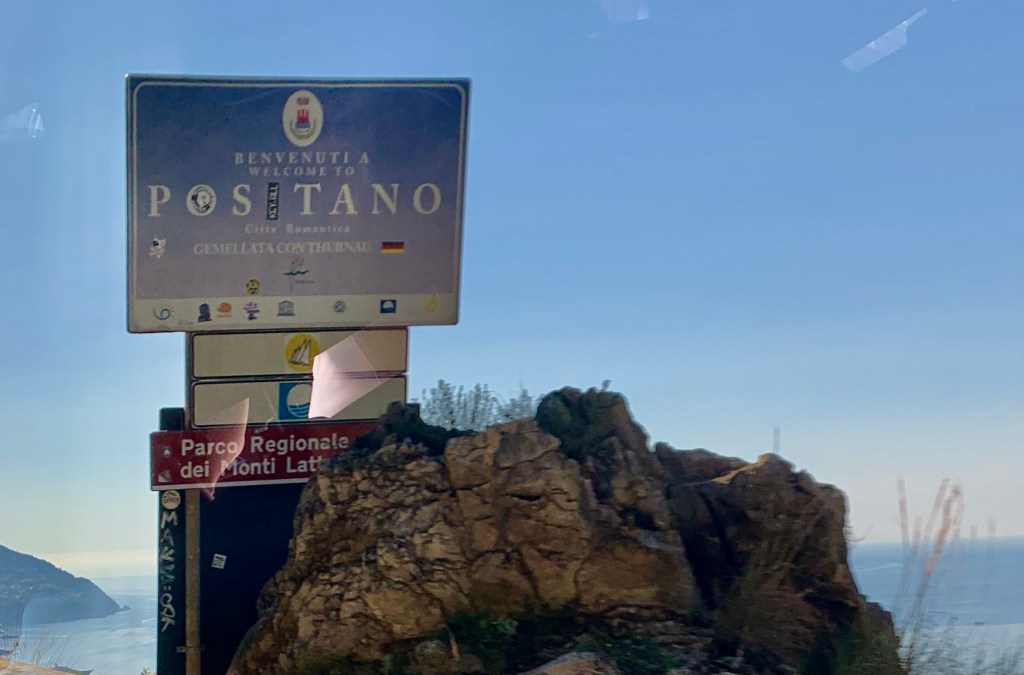
Entering Positano via the Amalfi coastal road.
A fantastic day exploring the SS163? It doesn’t sound quite so romantic when you give the road its official name. Better known as the Amalfi Coast road. Possibly one of Europe’s most scenic roads.
So beautiful it has UNESCO World Heritage Site status, “ Not like the South Wales stretch of the M4 😆😆😆” Whether you take a coach trip, drive the road in a car or enjoy it on two wheels 😱 the views are truly spectacular.
This is probably one of the few occasions for me where the road is the attraction. If traffic is a bit congested then I certainly won’t be bored with the view unless you are stuck in a tunnel, otherwise, the panoramas are going to be jaw-dropping.
Public buses although inexpensive are not much good as you could be standing or sitting on the wrong side then all you have are some cliffs to gaze at, that’s before you take into account the bus’s continual late arrivals and long queues at the bus stops. Hire a car by all means but again you will be focussing on driving and parking is an absolute nightmare.
I reserved a trip with a local travel firm, picking us up from Sorrento. In a minibus with 8 passengers, with a small group, all passengers have the opportunity to rotate around the bus and appreciate the fantastic views, while an experienced driver keeps his eyes 👀 on the road.
Some towns on the Amalfi Coast
A selection of some of the more popular towns on the Amalfi Coast. This list is by no means a comprehensive list of towns in the area. Just a few I had the opportunity to explore. The entire Amalfi Coast is a UNESCO World Heritage Site. Coast highlights included Positano, Ravello and Amalfi.
Positano
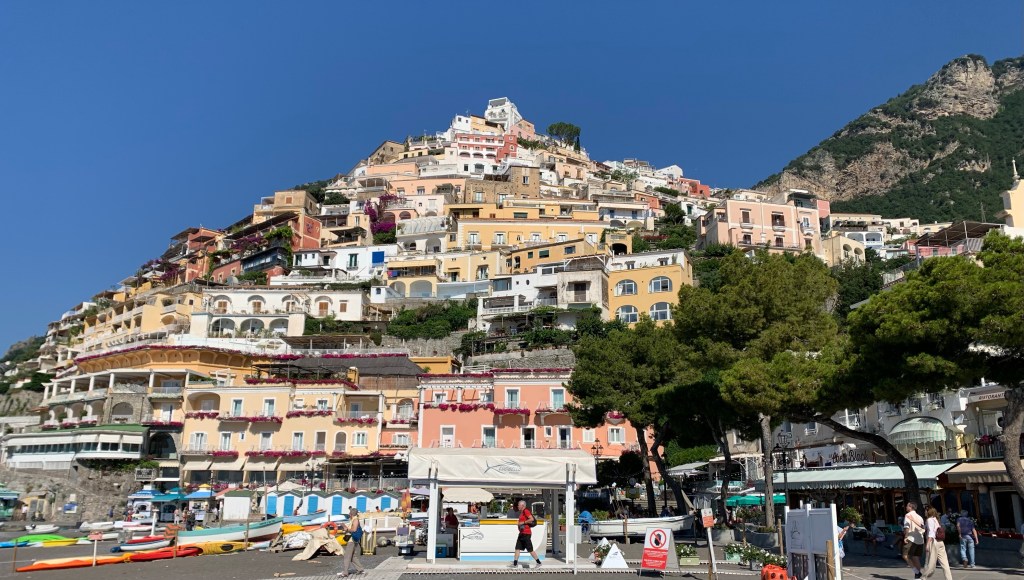
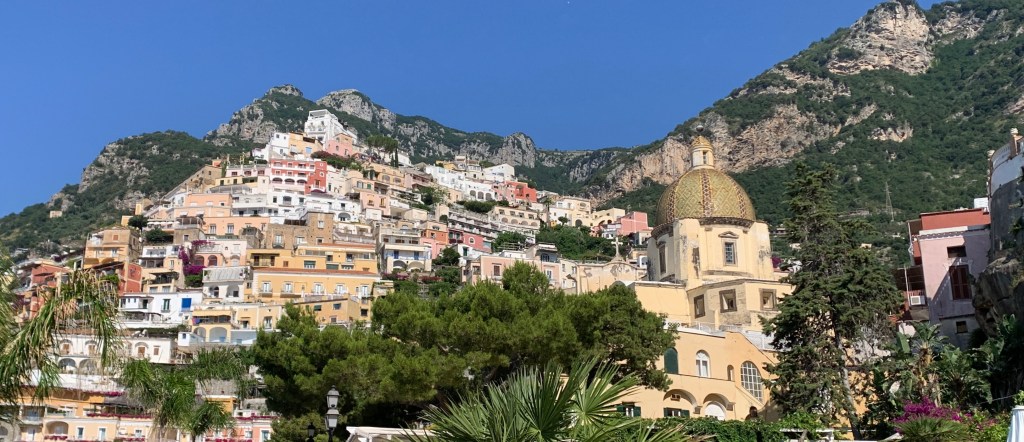
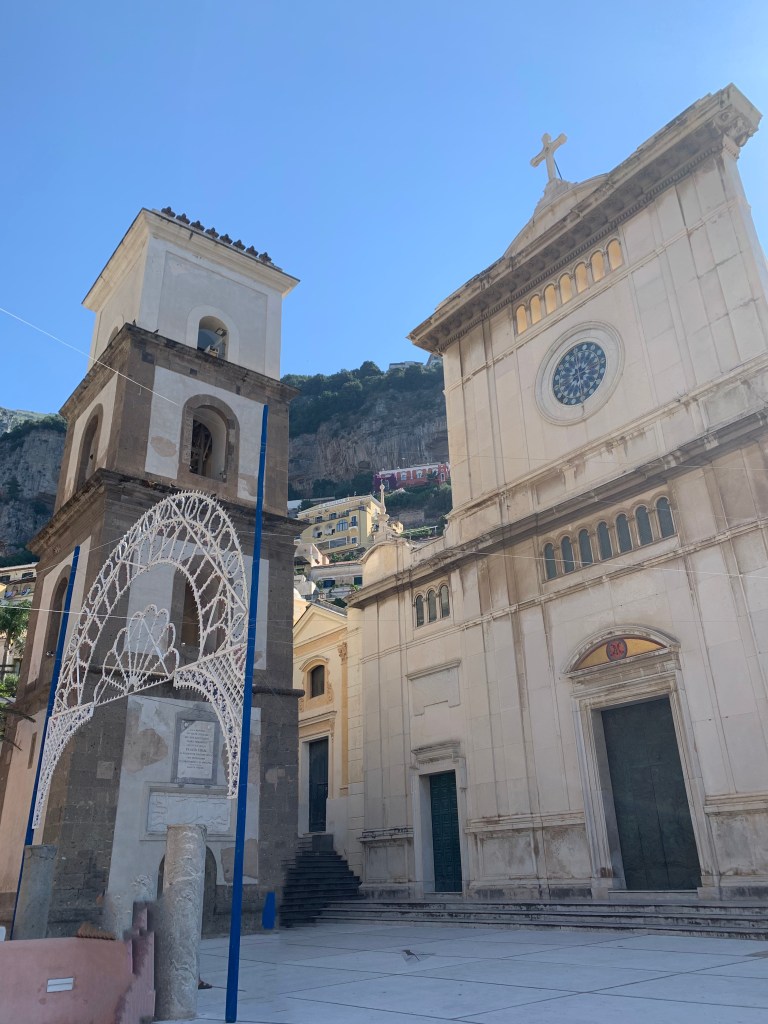
I will start with the most part famous and iconic location on the Amalfi Coast Positano. The first town on the Amalfi Coast and the nearest to Sorrento and Naples.
Positano was once a major part of the Amalfi Republic in medieval times. Though, by the beginning of the 20th century, it was a poor fishing village with more than half the population having emigrated.
Fortune improved in the 1950s when it started to attract tourists, particularly after the author John Steinbeck lived there and wrote a novel about his time there. Suddenly this once sleepy fishing village was luring all the A-list celebrities of the day.
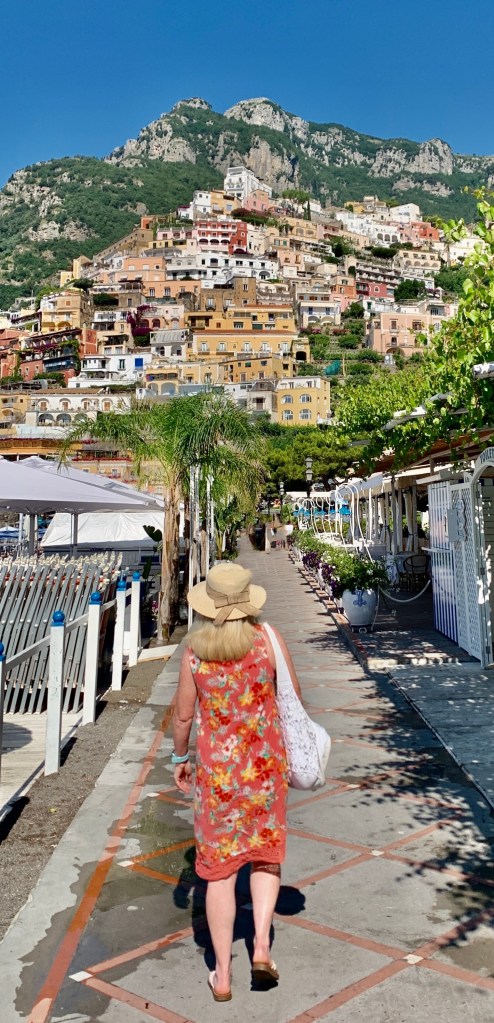
Today it is very much en vogue. The scenic splendour of the town hasn’t changed in centuries. It is a place to discover on foot as you meander your way up and down the stairs and alleyways of the town. Despite it being a popular location the town didn’t feel swamped and had a laid-back vibe.
Although not your first thought when visiting it’s an excellent location for shopping with lots of artisan products for sale and of course plenty of lemon-themed products to buy. It’s a wonderful location for a bit of alfresco dining.
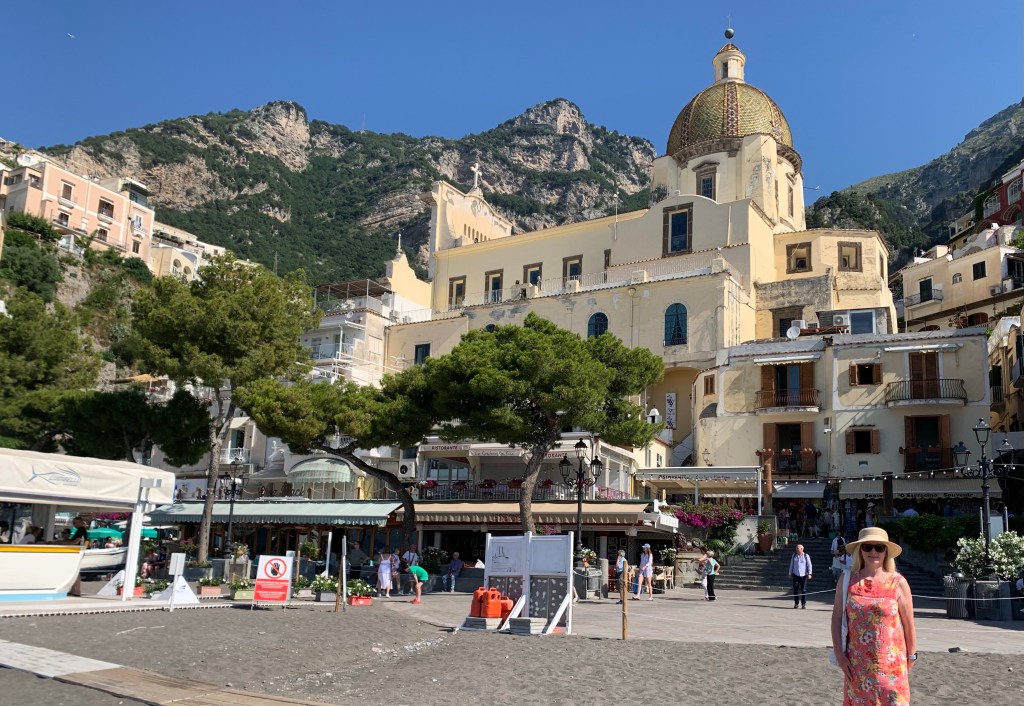
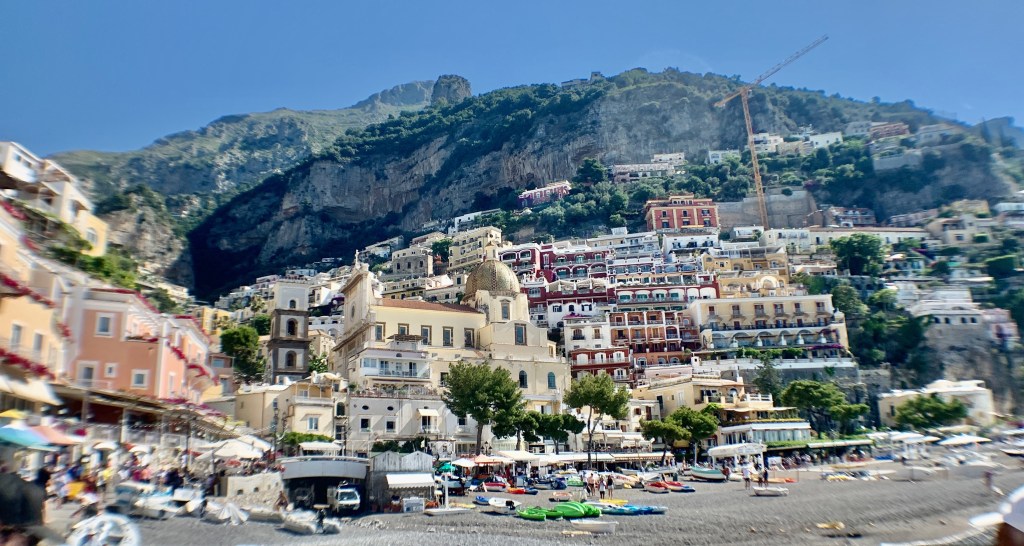
A view of Positano from Marina Grande beach. This is the most recognizable beach at Positano, other popular beaches nearby Fornillo beach and Arienzo beach. I came for its extraordinary setting but the beaches aren’t half bad either.
Amalfi
Amalfi is the main town on which the coast is named after. A former maritime republic, an important trading power between 839 to 1200s.
There is no getting away from the fact that Amalfi is a very busy congested town. The most crowded location I visited on the Amalfi Coast. The town is not without charm but to be honest I think it’s best viewed from the water to best appreciate the town.
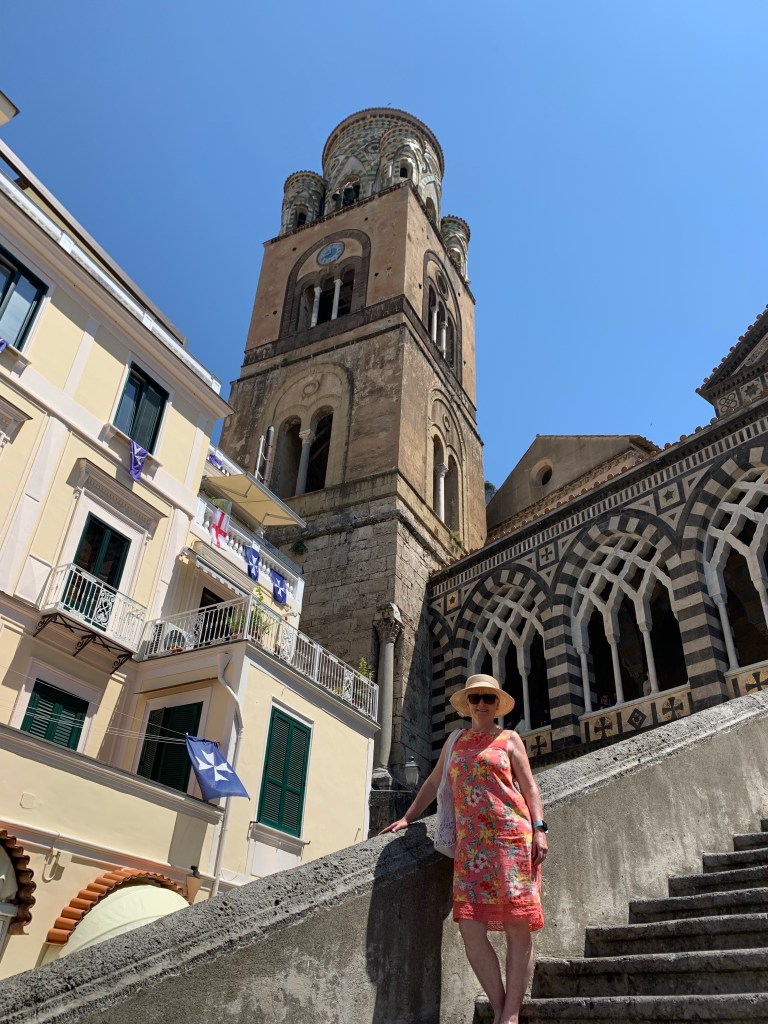
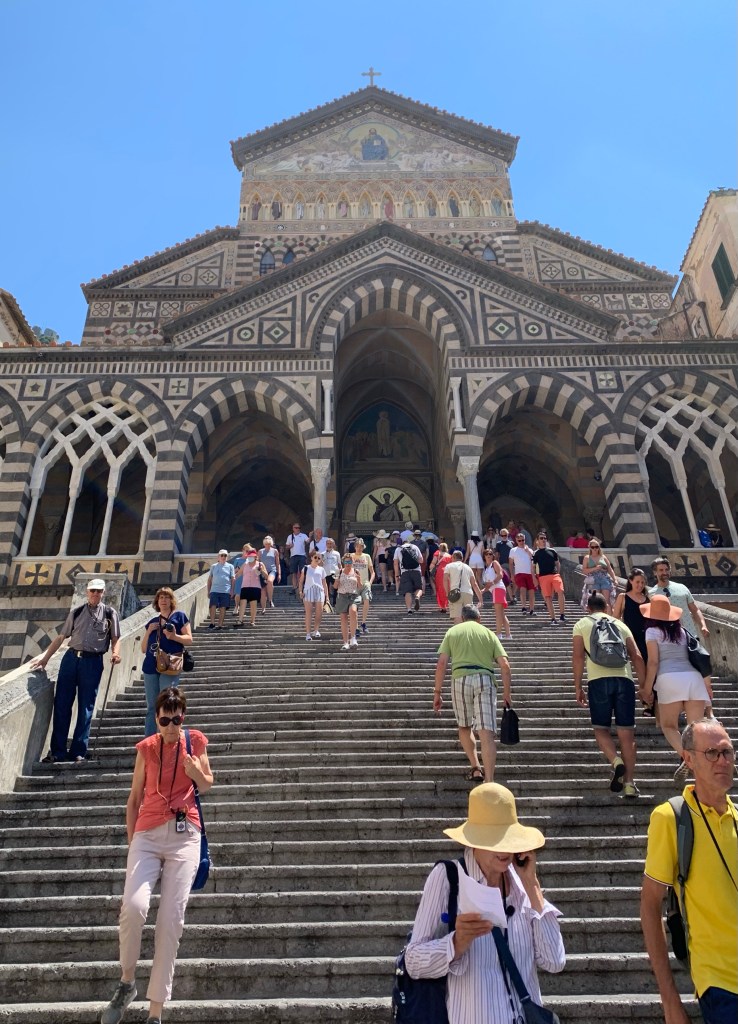
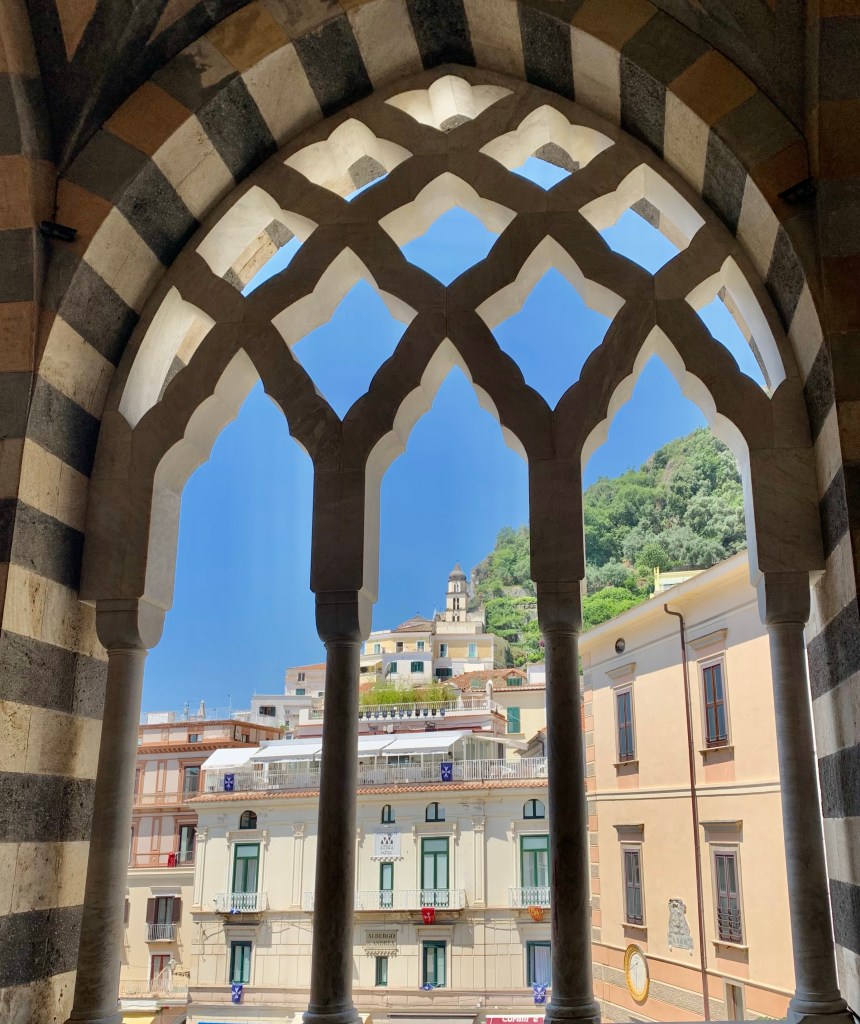
The town’s main attraction is the very impressive 11th-century St Andrews Cathedral. Amalfi was an important location in medieval architecture
At the top of a rather busy flight of steps, Saint Andrew’s Cathedral overlooks the Piazza Duomo the heart of Amalfi, where you find an array of shops, cafes and restaurants.
The town is small but is easily navigable. Its narrow alleyways are full of shops selling souvenirs, including every variation of the famous lemon 🍋 products imaginable.
Amalfi is the docking port for cruise ships, so the area does feel very commercialised and very, very busy. If I am honest Amalfi was my least favourite town which I visited. I’m glad I took the boat excursion to fully appreciate its coastal splendour.
Ravello
Ravello differs from other towns on the Amalfi Coast, it stands high above the sea rather than beside the sea, 365 metres (1200ft) above to be precise.
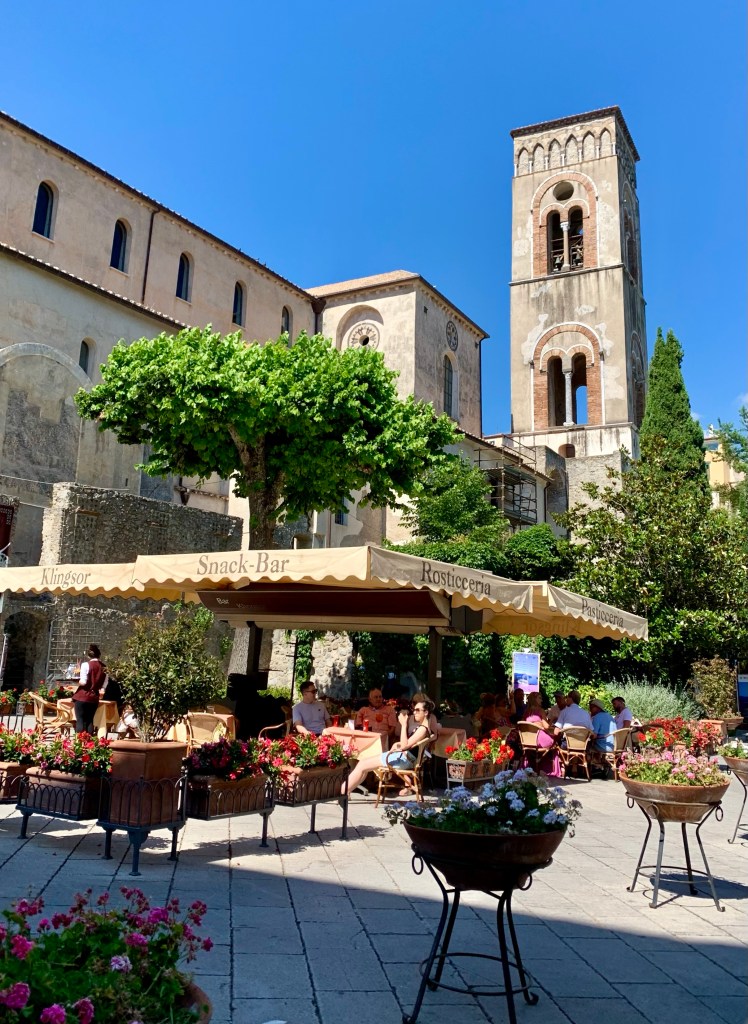
The town has a very laid-back feeling, it’s an artistic hub with many concerts and performances staged within the town. The ancient cobbled streets lead to Piazza Duomo the main square where you will find numerous cafes and restaurants to enjoy an aperitif and soak up the town’s old-world charm.
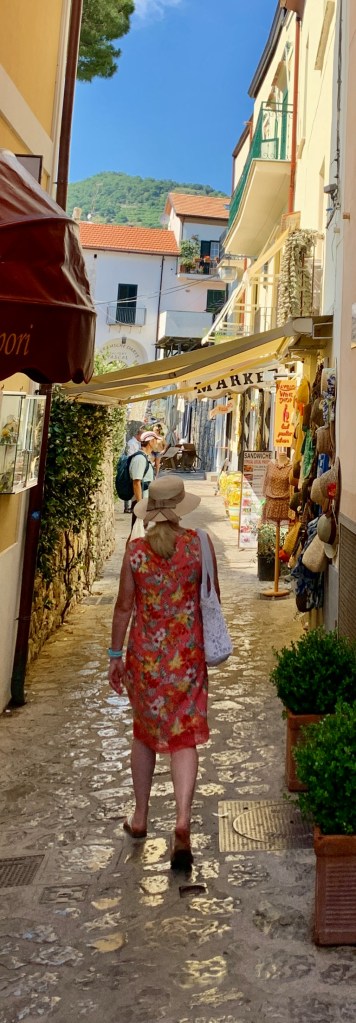
Running off the main square you will find elegant cobbled streets and pastel-coloured buildings. Where we were able to wander around in peace, Ravello is far removed from the crowds that flock to the sea towns of Amalfi and Positano.
Villa Rufolo
A historical villa constructed in the 13th century by the powerful Rufolo family. Just a short distance from the town’s main square.
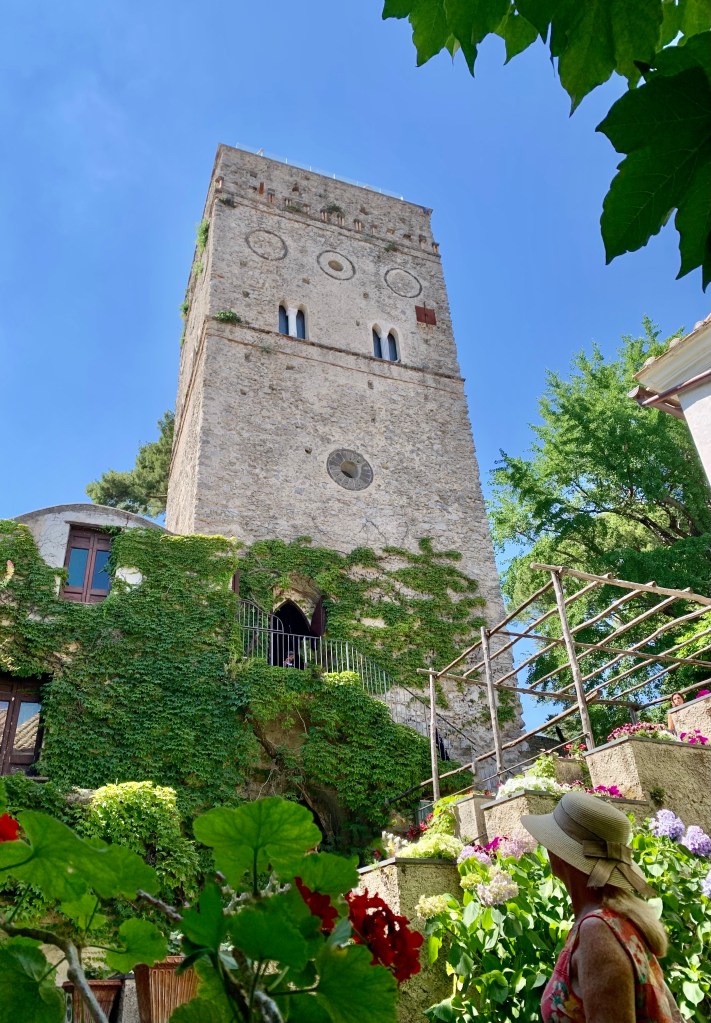
Villa Rufolo, one of the most important architectural masterpieces in southern Italy, has greatly contributed to Ravello’s worldwide fame.
Both Moorish and Norman influences can be seen in the towers and cloisters. The villa has a rich and storied past. In its prime it was one of the largest and most expensive villas on the Amalfi Coast.
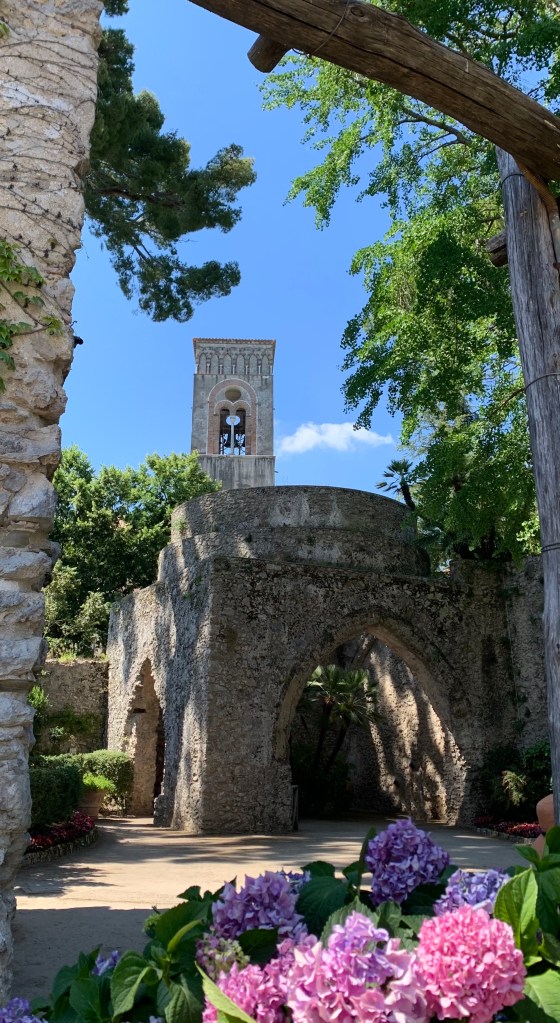
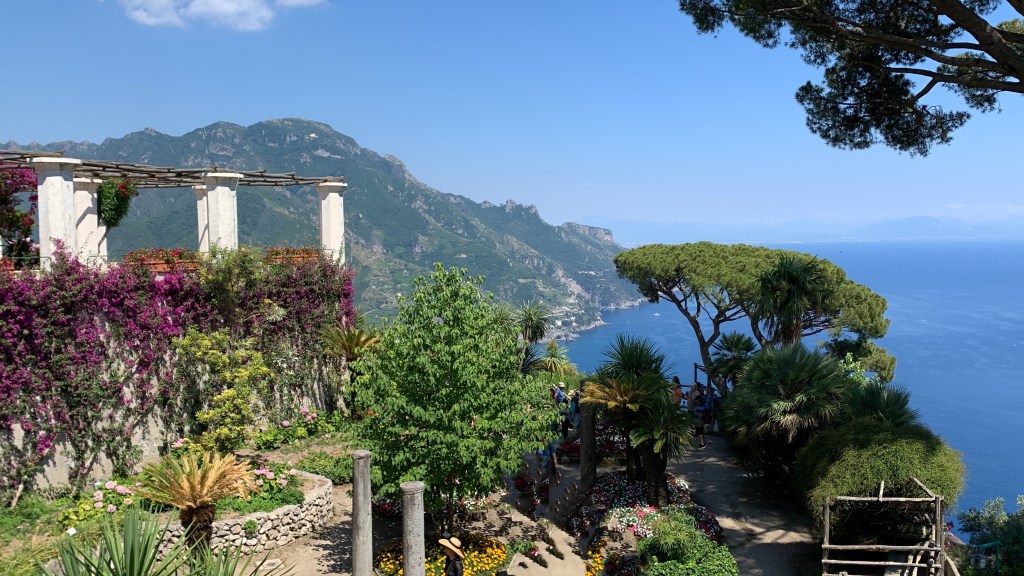
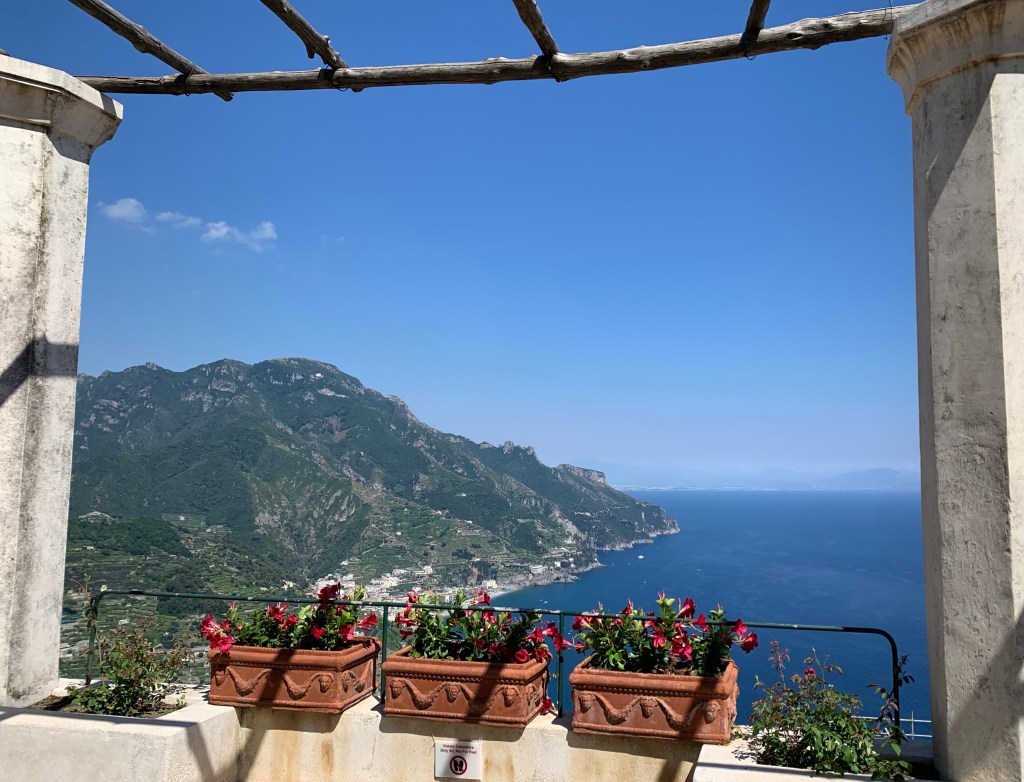
A view of the Church of Santa Maria delle Grazie, which was first constructed in 1163 and gives a fantastic backdrop as you view the ocean from high above at Villa Rufolo.
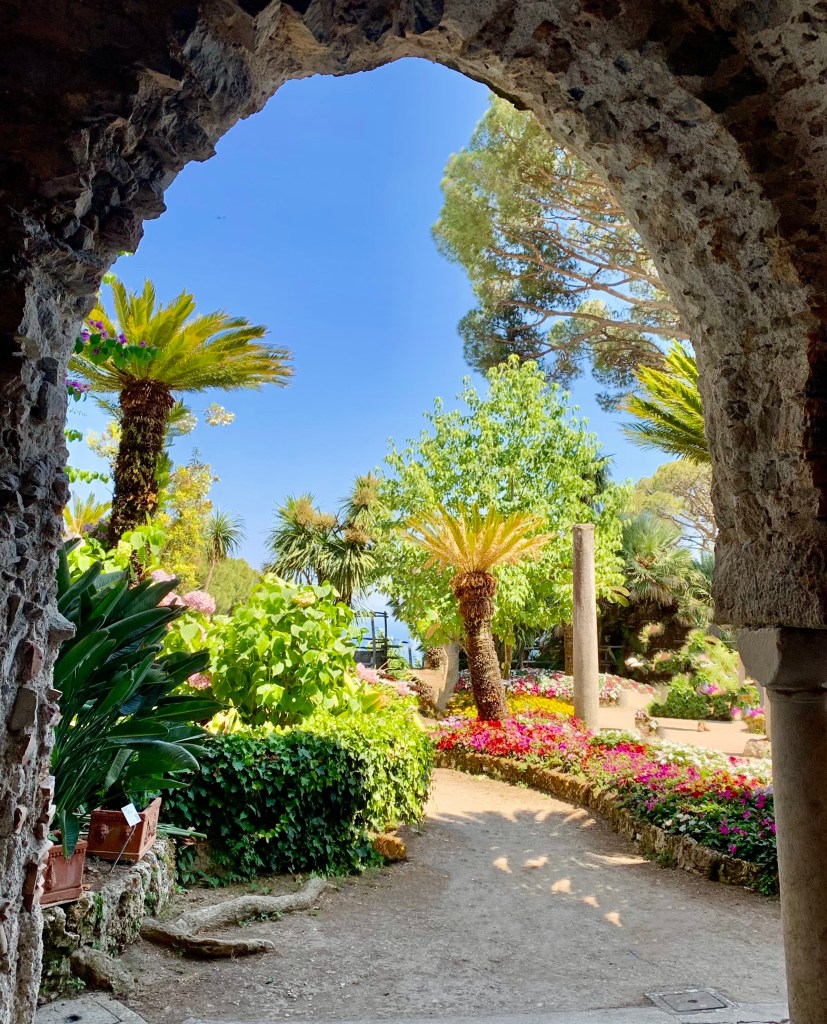
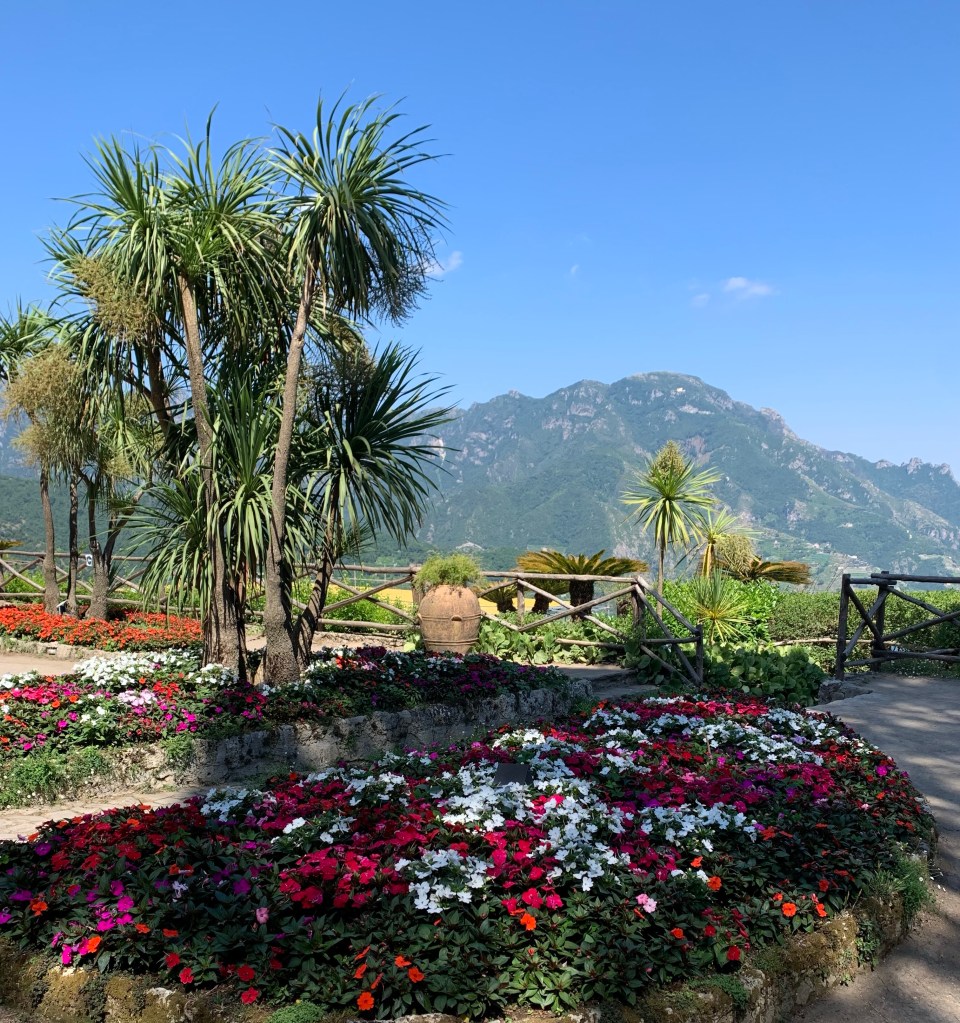
As if the architectural charms weren’t enough the villa is equally famous for its beautiful cascading gardens. Created by Scotsman Sir Francis Neville Reed in 1853.
I am generally not a horticultural aficionado, however, these gardens are truly magnificent, commanding divine panoramic views packed with exotic colours.
The gardens host world-class concerts on its terrace which unfortunately was closed during our visit for maintenance. The villa had close links with Richard Wagner who regularly used to stay in Ravello.
Ravello can be overlooked as not all local tour operators visit the town, concentrating on the coastal towns. We wanted to visit this beautiful location and it was the highlight of my visit to the Amalfi Coast, my only regret was we didn’t have enough time to explore this remarkable location.
A visit to the famous island of Capri. Multiple people visit the island while visiting nearby Sorrento, to experience this famous sophisticated island, although the reality of this is somewhat different at Marina Grande, where ferries dock from Sorrento and Naples. The dock can be very manic-like, with the heaving mass of humanity.
We decided we would stay a couple of nights on the island, to get a true taste of what Capri has to offer away from the maddening crowds. It is not a cheap place to stay, however with a bit of research, there are some affordable places to stay in Anacapri which are not quite as expensive as the main town of Capri.
With frequent ferries from Sorrento Capri is very accessible and the bus service and funicular railway linking Marina Grande with Capri Town, or like myself you can walk, which I wouldn’t advise with luggage and 30-degree heat which takes about 20 minutes. We then caught another bus to Anacapri at the central bus station, taxis are available but can work out expensive.
Anacapri
Unknown to me, Capri is divided into two municipalities Capri and Anacapri. We were staying in Anacapri which has a more relaxed vibe than Capri. As a budget traveller, it gave me the option of more affordable accommodation and dining.
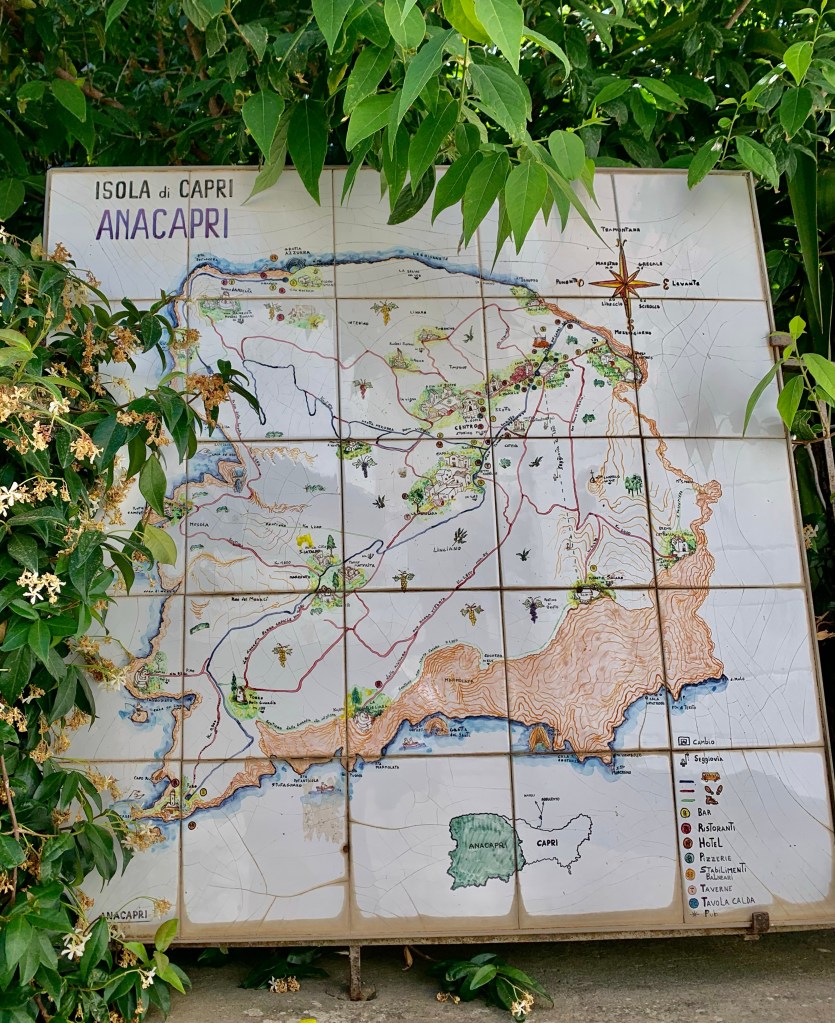
Map of Anacapri
Anacapri has a higher elevation than Capri, separated by mountains with only one road connecting the two towns. Anacapri is more picturesque and rural compared to Capri.
Accommodation on Capri
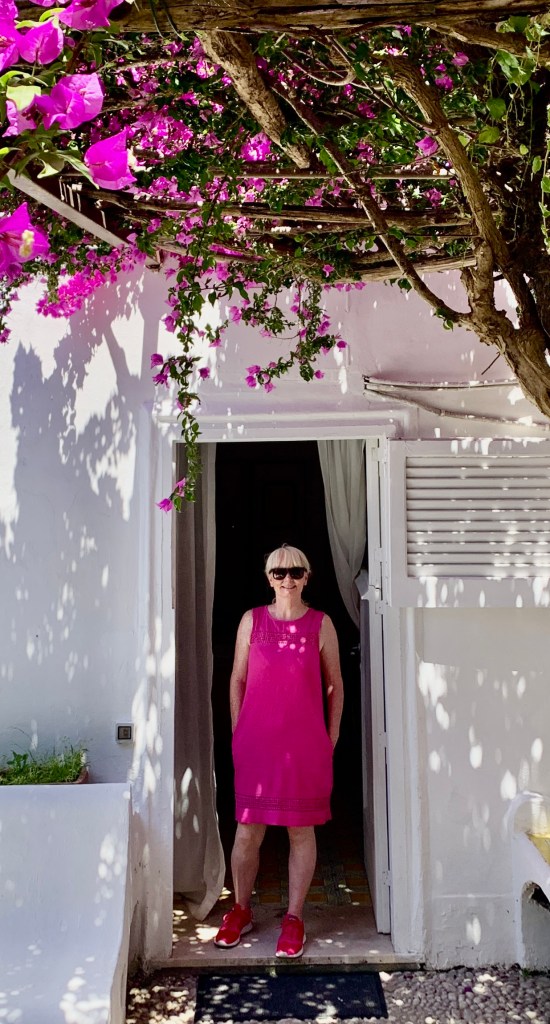
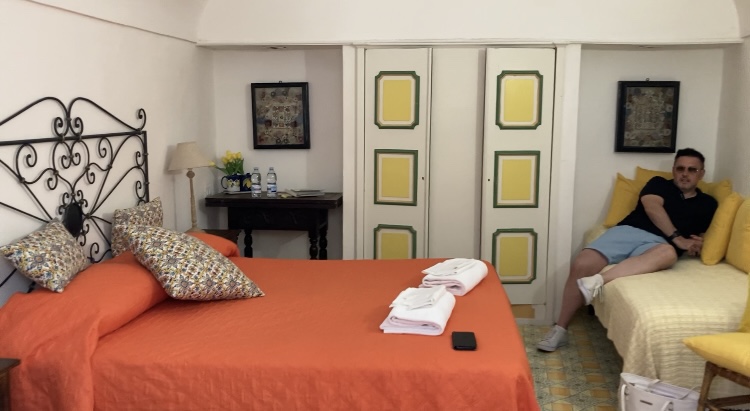
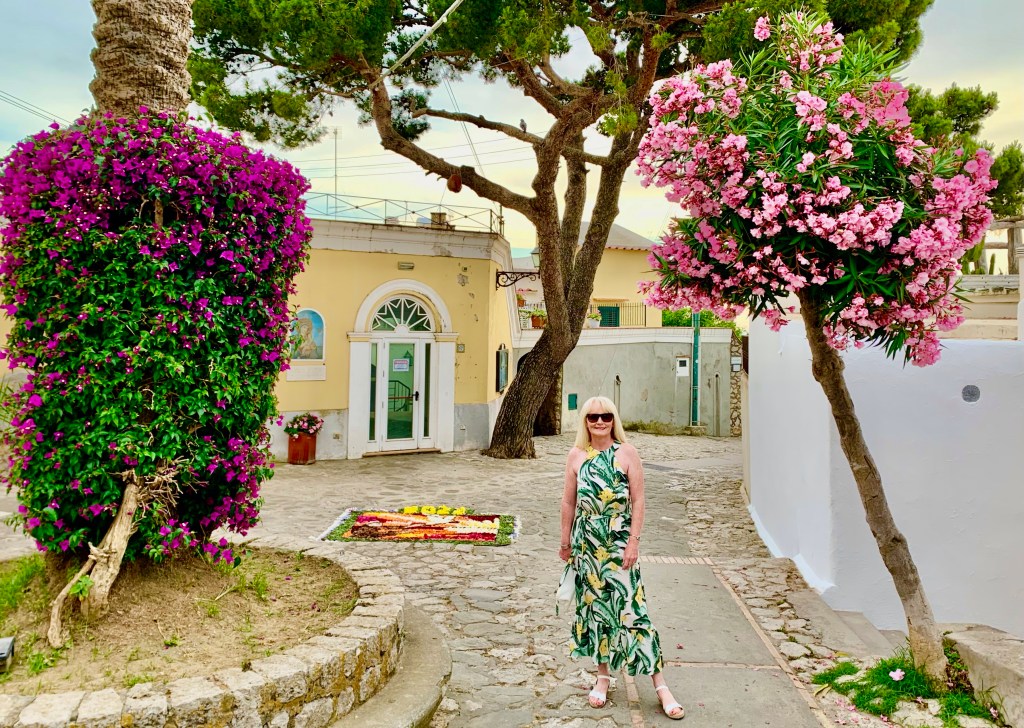
Our accommodation was in the heart of Anacapri Old Town. Staying in Anacapri isn’t going to be as glamorous or glitzy as staying in Capri Town. Still, it was certainly more tranquil and less touristy.
You will certainly save a lot of money by staying here, compared to the expensive prices of Capri Town. With more mid-range and even some budget accommodation available as well as getting a more authentic feel for the island.
Our accommodation was situated in its private garden and had been tastefully decorated. Just a short walk through the atmospheric old town to the main square Piazza Vittoria. After the day-trippers have departed, Anacapri resembled a sleepy village, very peaceful and residential in total contrast to Capri Town.
Villa San Michele
This is a museum with a difference, home to Swedish Physician Axel Munthe who first came to Capri in 1885. One of the island’s most visited attractions.
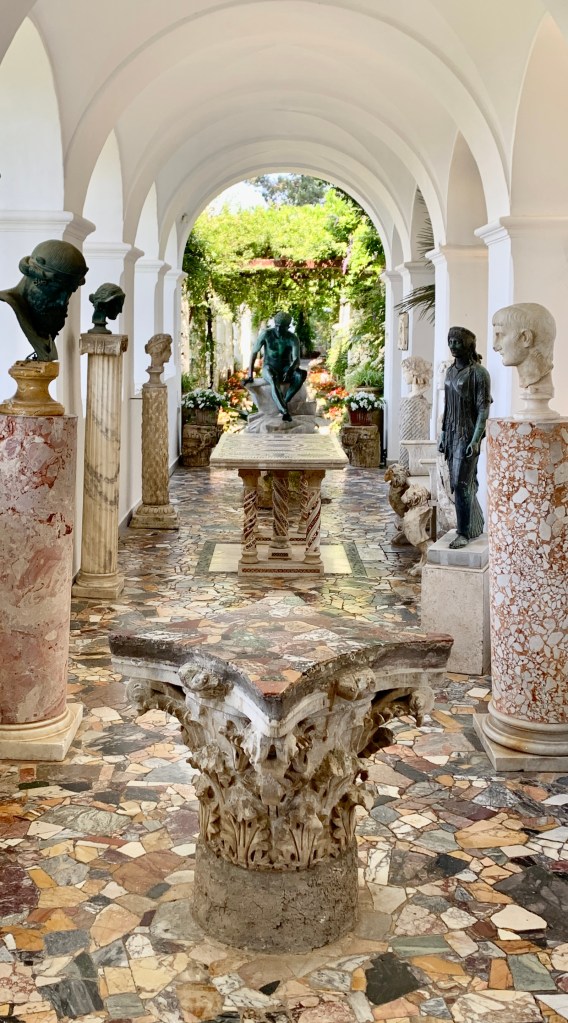
The villa was built on the ruins of an ancient chapel dedicated to San Michele. The villa is now a museum containing the Swedish physician’s collection of ancient artefacts.
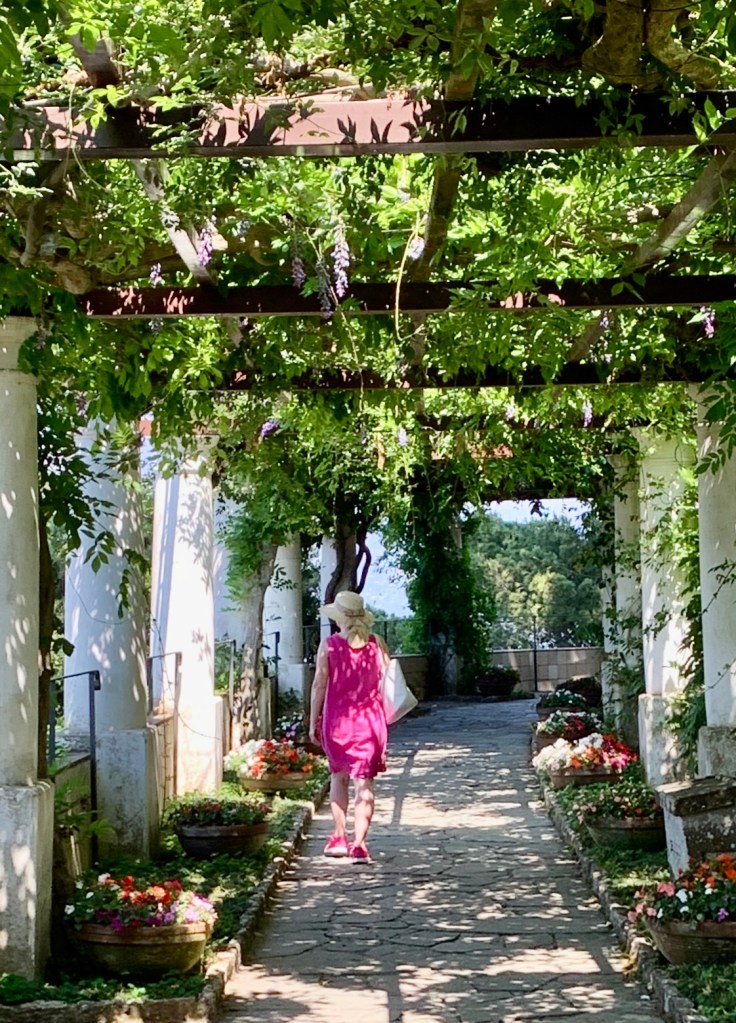
Although in all honesty, the museum is not the main attraction at this location. The garden at San Michele has been called the most beautiful in Italy. Which begins in the shade of the pergola.
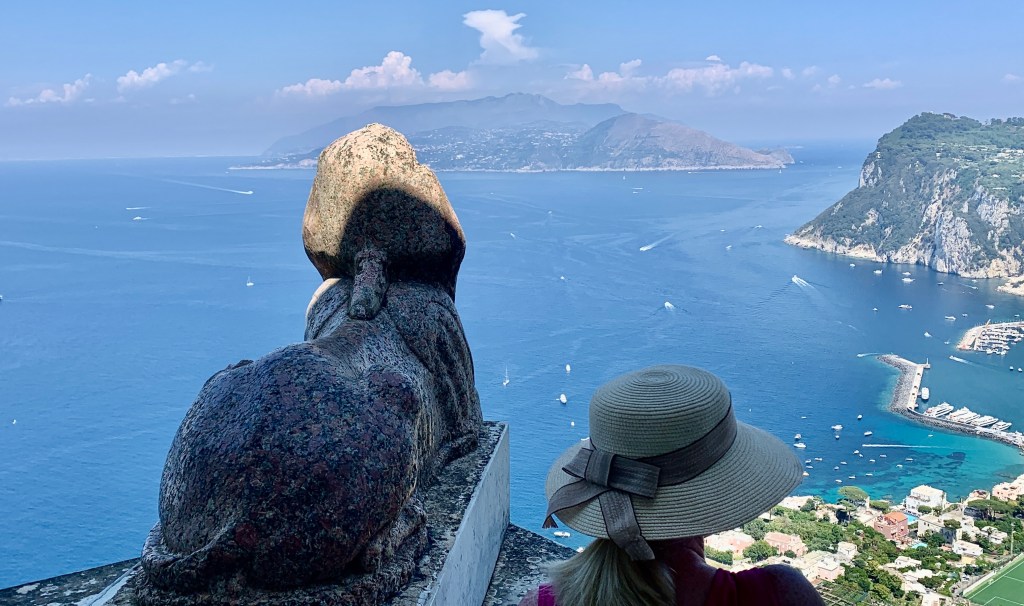
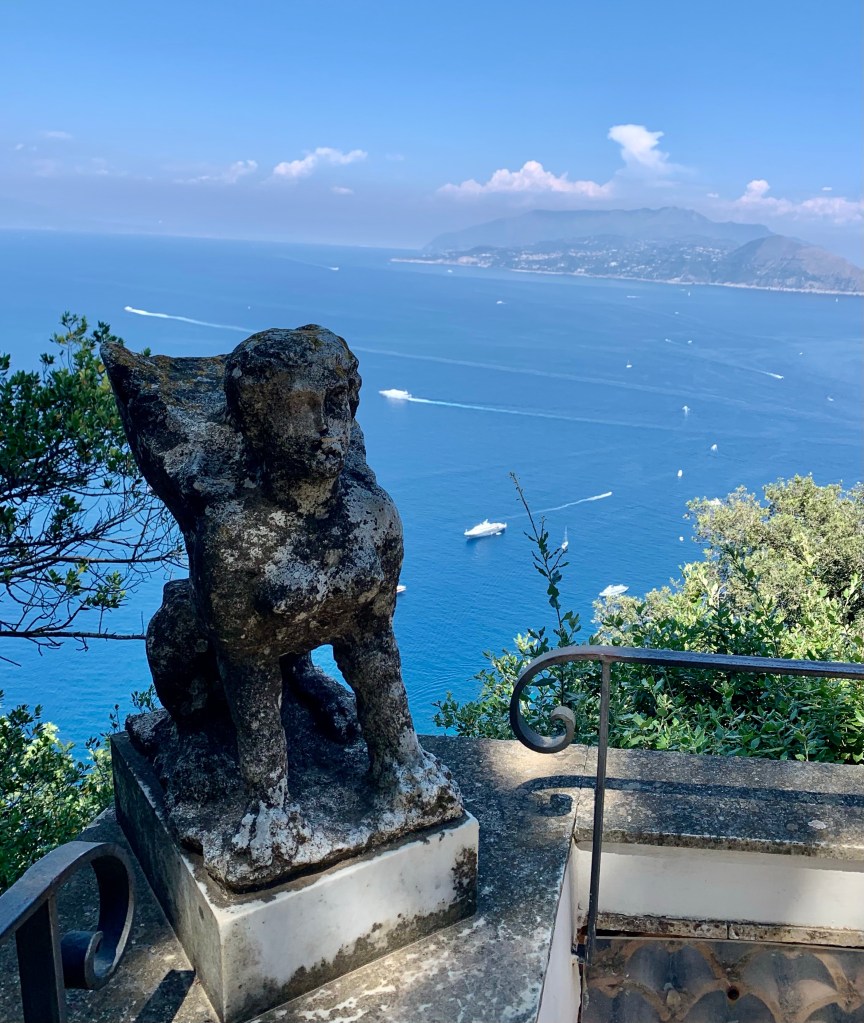
The Sphinx
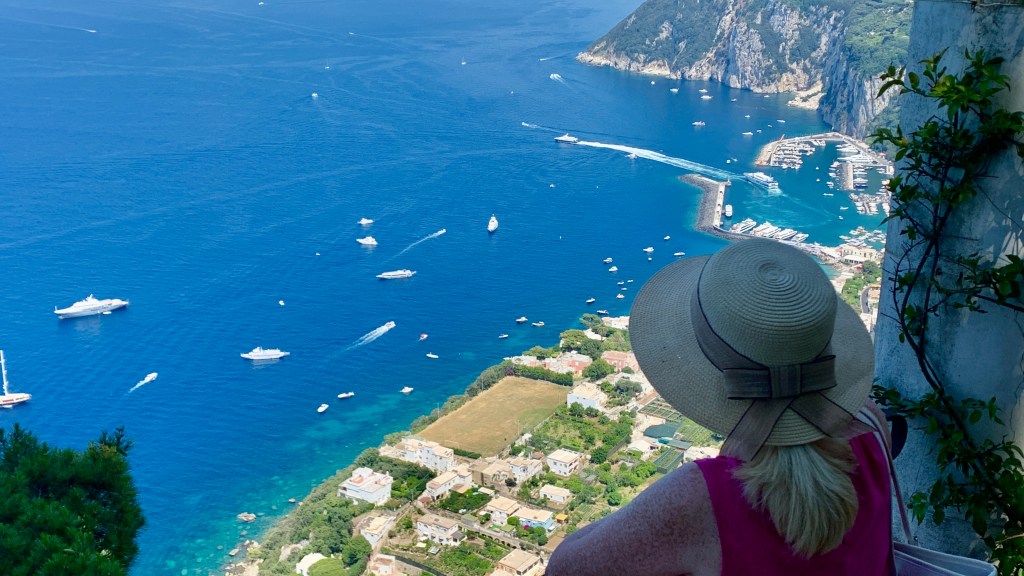
It culminates bathed in sunlight on the Sphinx terrace overlooking the island with fantastic views of the town of Capri and it’s harbour, the Sorrentine Peninsula and Mount Vesuvius.
Looking east from Villa San Michele
We were lucky enough to visit towards the end of the day as we were staying nearby. The famous attraction was practically deserted, most day visitors having left to catch the ferries back to the Italian mainland, giving us time to admire and contemplate this beautiful location in peace and tranquillity.
The gardens are adorned with many relics and works of art dating from ancient Egypt and other periods of classical antiquity. The serenity of San Michele is a million miles away from the hustle and bustle of Capri Town down below us.
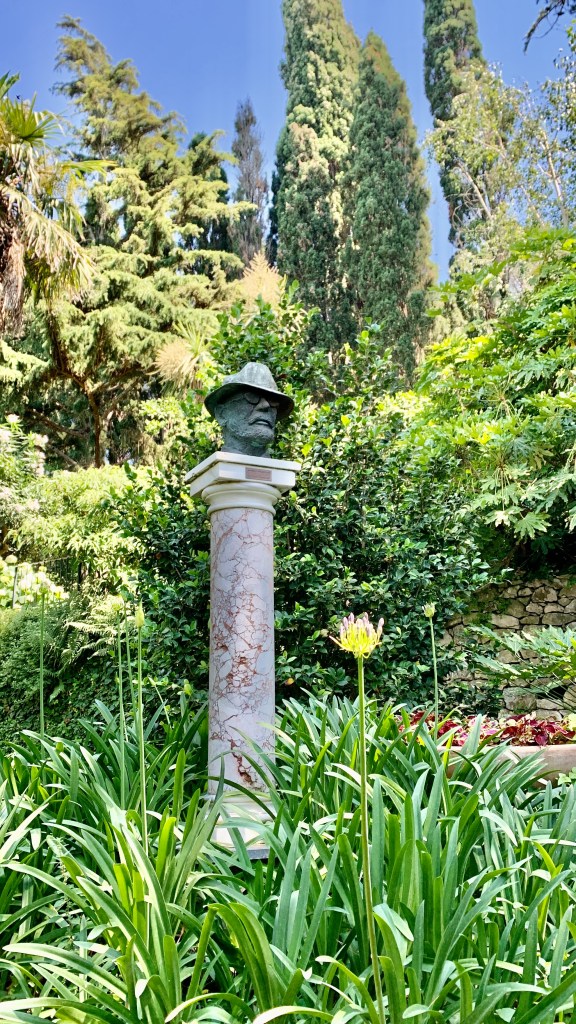
Axel Menthe, the Swedish physician, appears to survey his garden even now. The island was a great love of the physician who lived on Capri for 56 years.
Mount Solaro
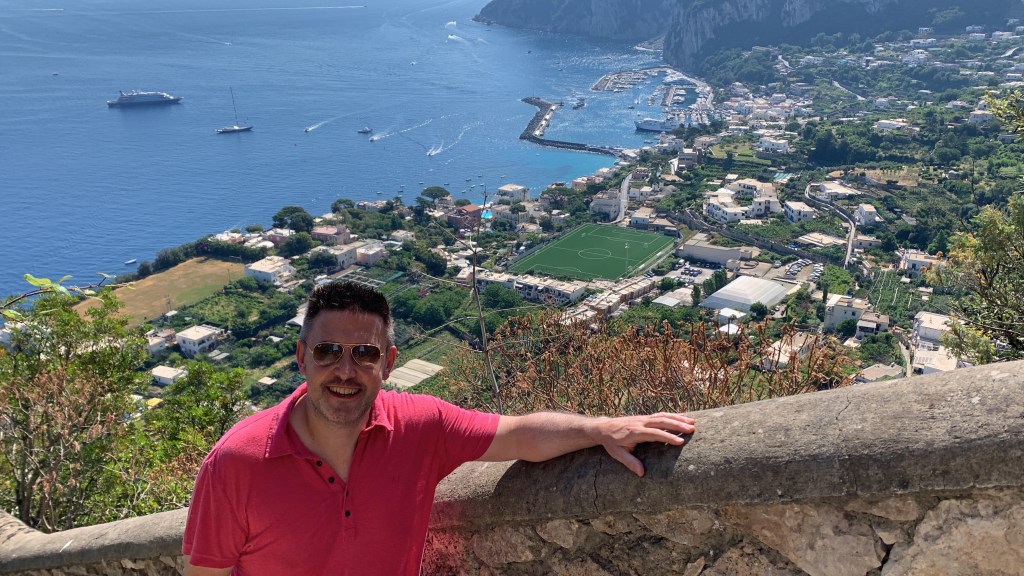
If you want a perfect view of Capri’s most beautiful panorama look no further than the summit of Mount Solaro which soars 589 meters above sea level.
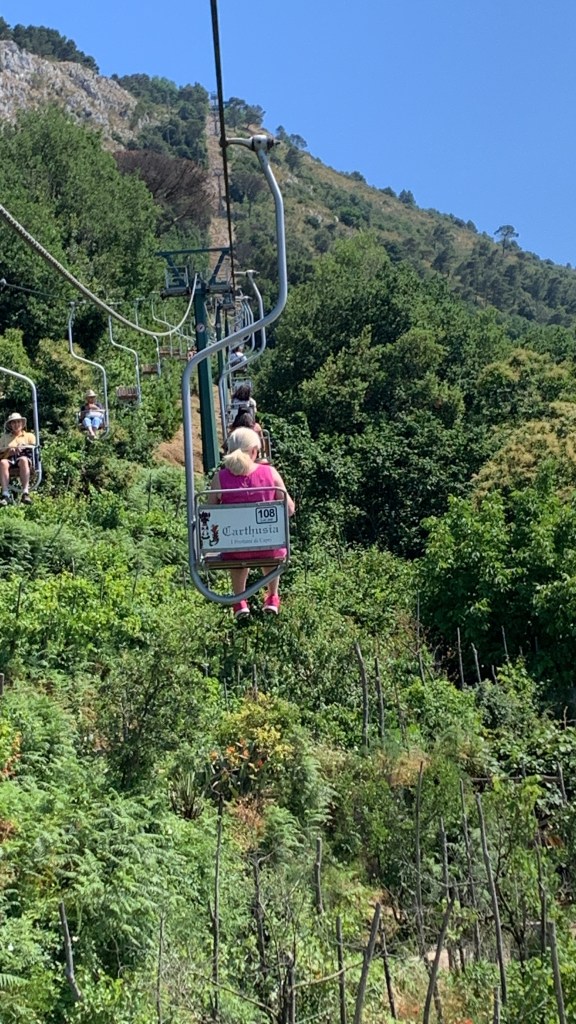
Don’t fancy the walk up to the summit, then fear not they have come up with a unique form of transportation to get you up to the summit a chair lift, more associated with the Italian Dolomites rather than a Mediterranean island.
It is the easiest option to get to the summit of Monte Solaro, the journey takes 12 minutes. Take the chairlift from Piazza Vittoria in the centre of Anacapri, believe me, you can’t miss it the entrance is only a few meters away from the main bus stop. Walking will take considerably longer about 90 minutes to reach the summit.
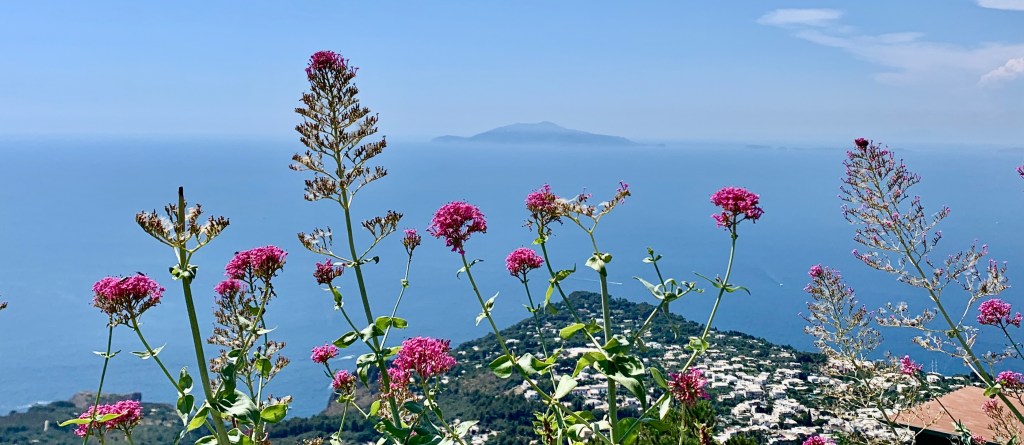
Once we reached the summit there are a few things to do, taking in the fantastic views, and exploring the island’s history. Next to the chairlift you will find the remains of Fortino de Bruto a military fort built by the British in the 1800s. It is also an excellent location to discover a wide range of flower and plant species.
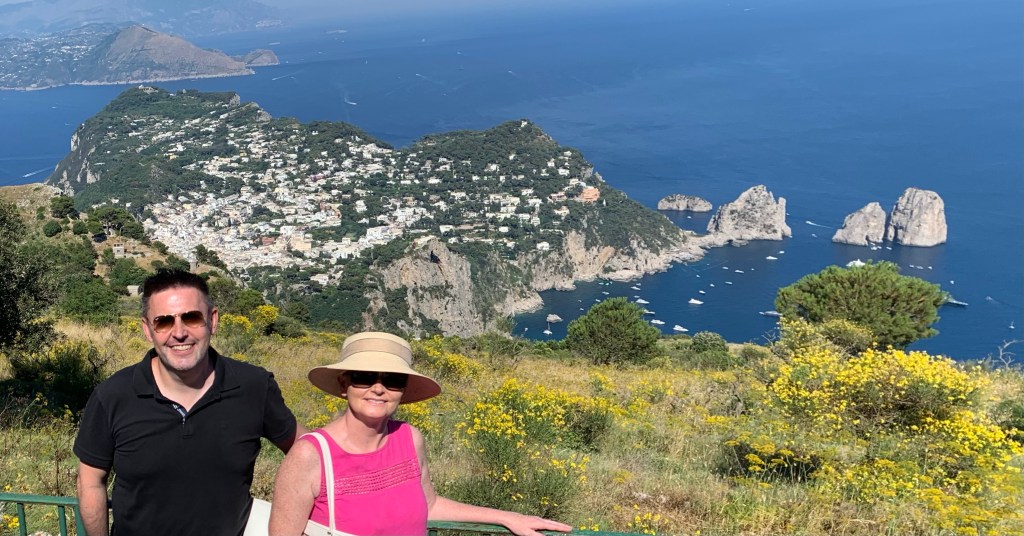
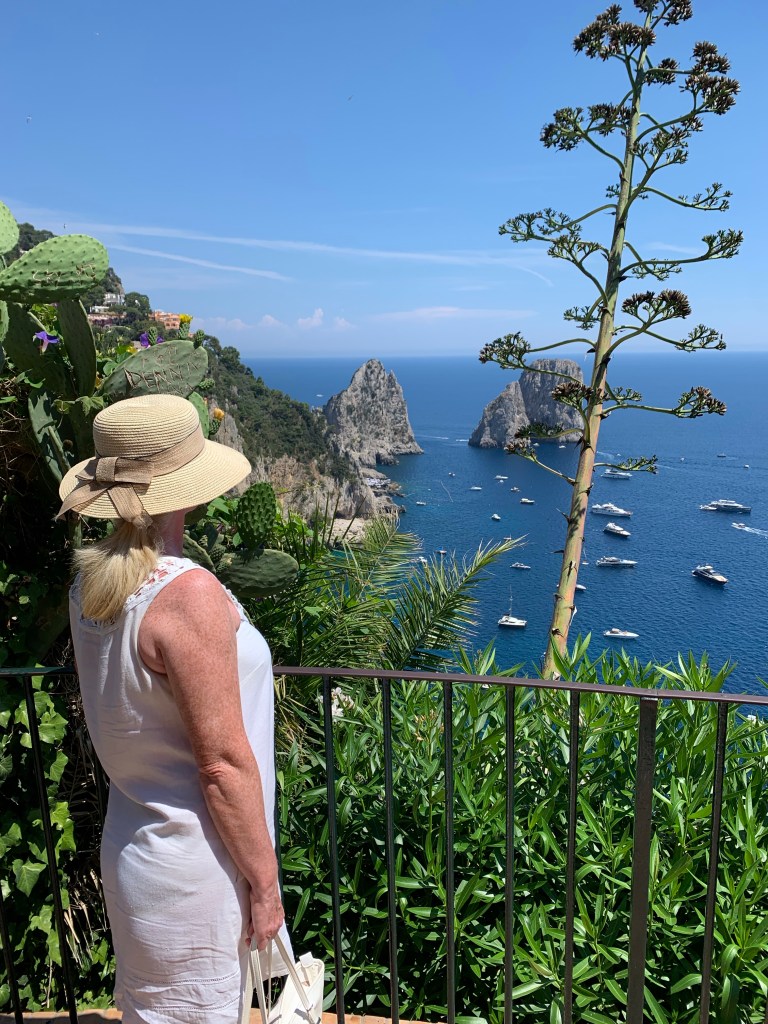
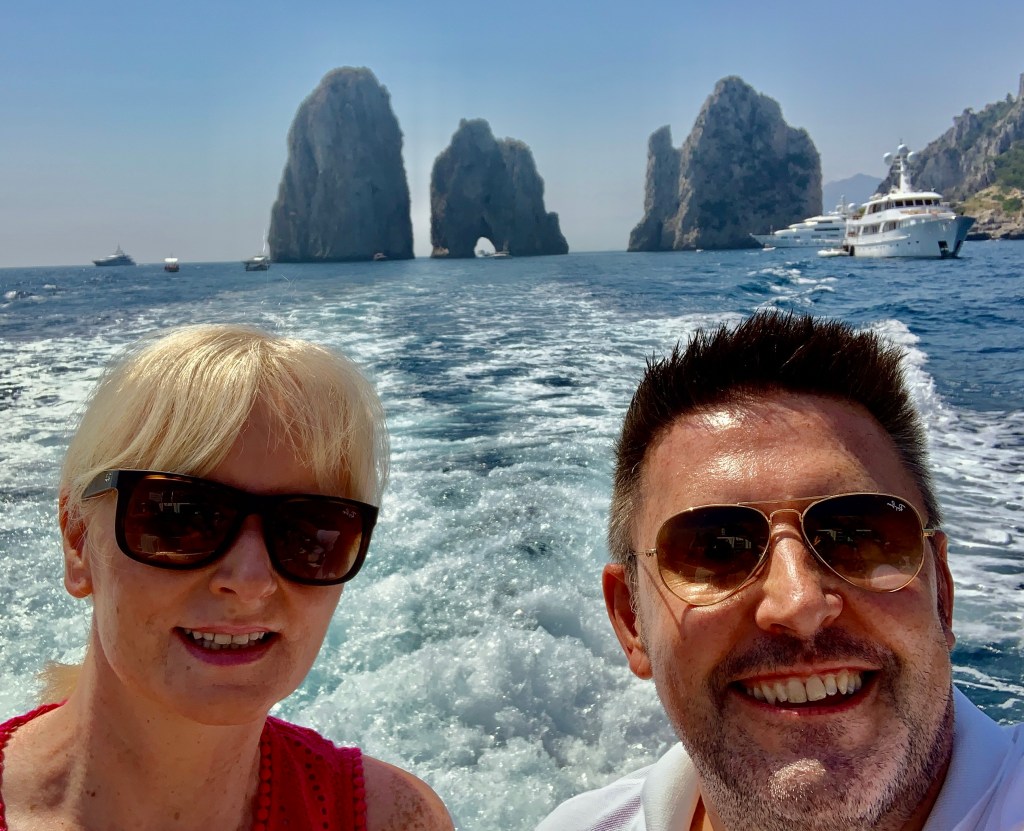
One of the best sights to see from Monte Solaro are the Faraglioni Rocks. These sea stacks jut from the water and tower over the nearby bays, each rock has a name.
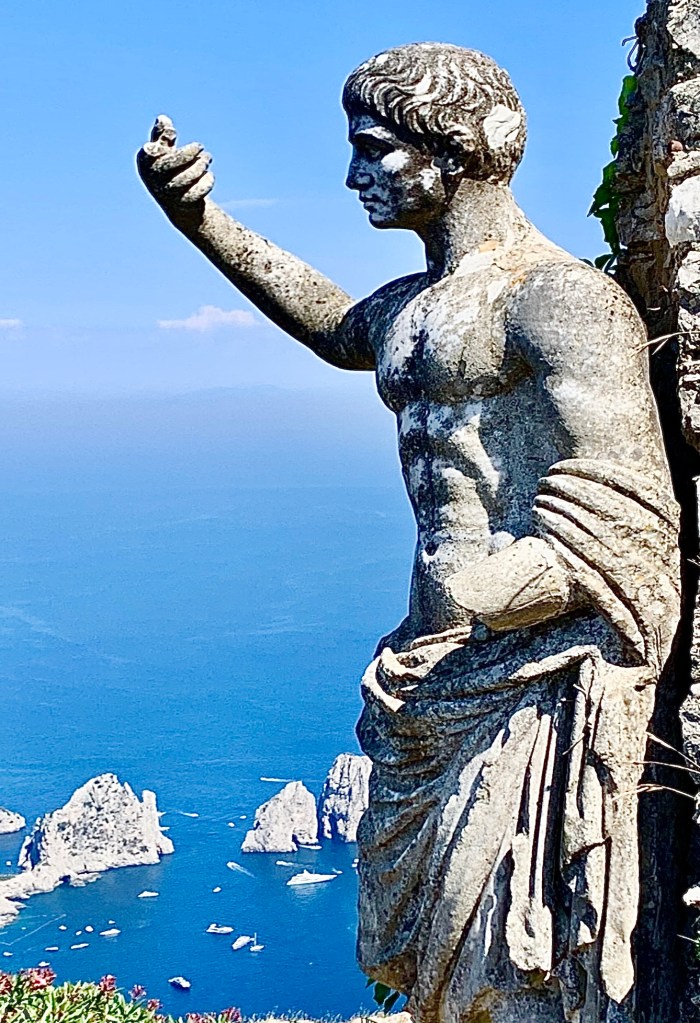
There is a terrace at the summit with some stunning views to be had while we enjoyed our alfresco drink. A statue of Emperor Augustus overseeing the island below. It was certainly a rather majestic location and well worth a visit.
After our visit just the simple process of getting back down via the chairlift. You will get some fabulous views on this rather unusual transport. It costs €12 but in all honesty, it’s worth that just for the views you get from the ride alone. Another tip is it can be very busy in the day if you can, late afternoon is a good time to visit where crowds will be considerably quieter, this is when we visited and we had a very relaxed visit.
Anacapri Old Town
Staying in Anacapri allowed us to explore this ancient town, which is very compact and we were able to view everything by walking around its ancient streets.
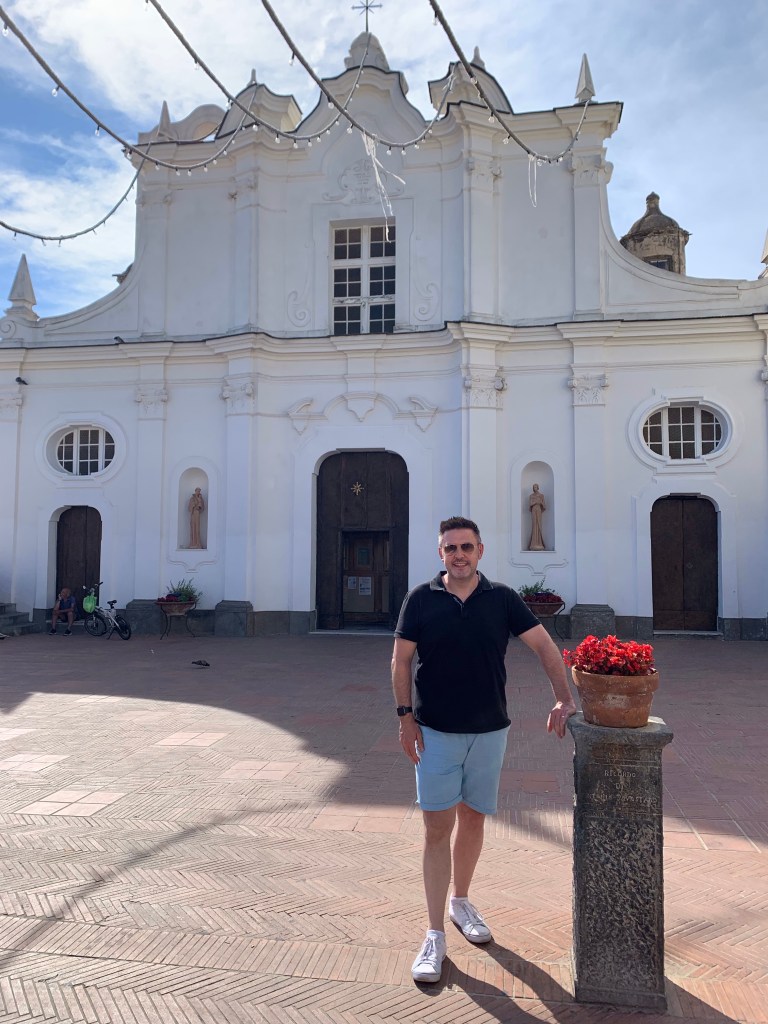
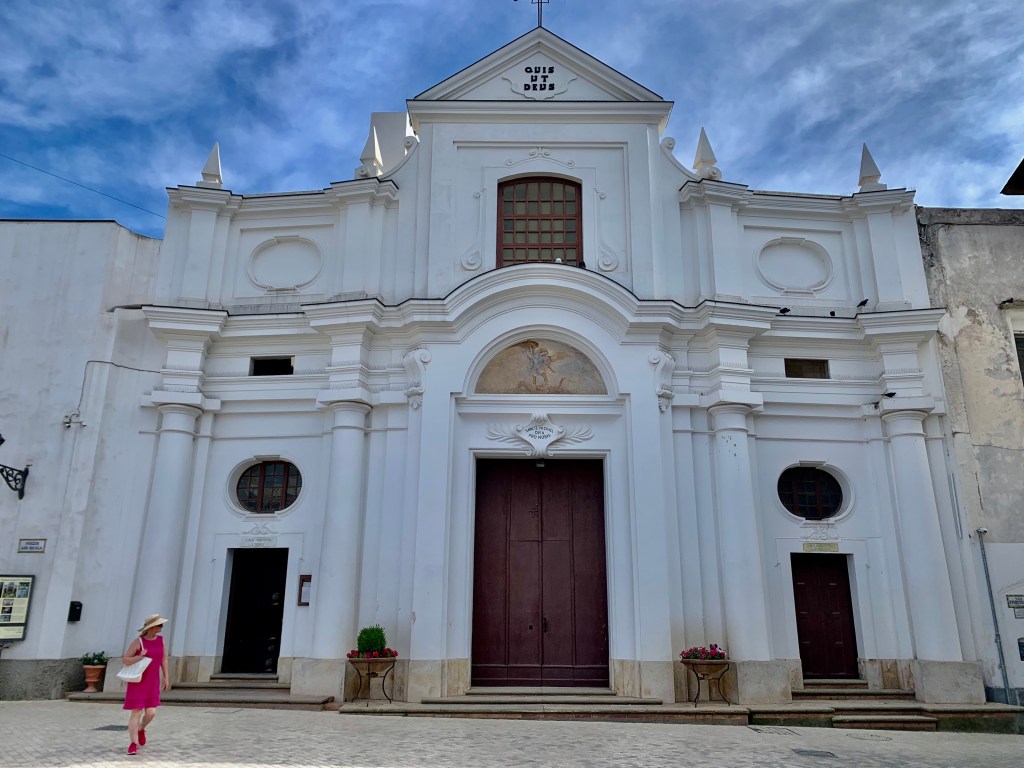
Not far from where we were staying we found a rather charming square Piazza Boffe. Where we found the Chiesa di Santa Sofia the church is nothing spectacular but does seem to have a special character where you will find locals sitting watching the world go by.
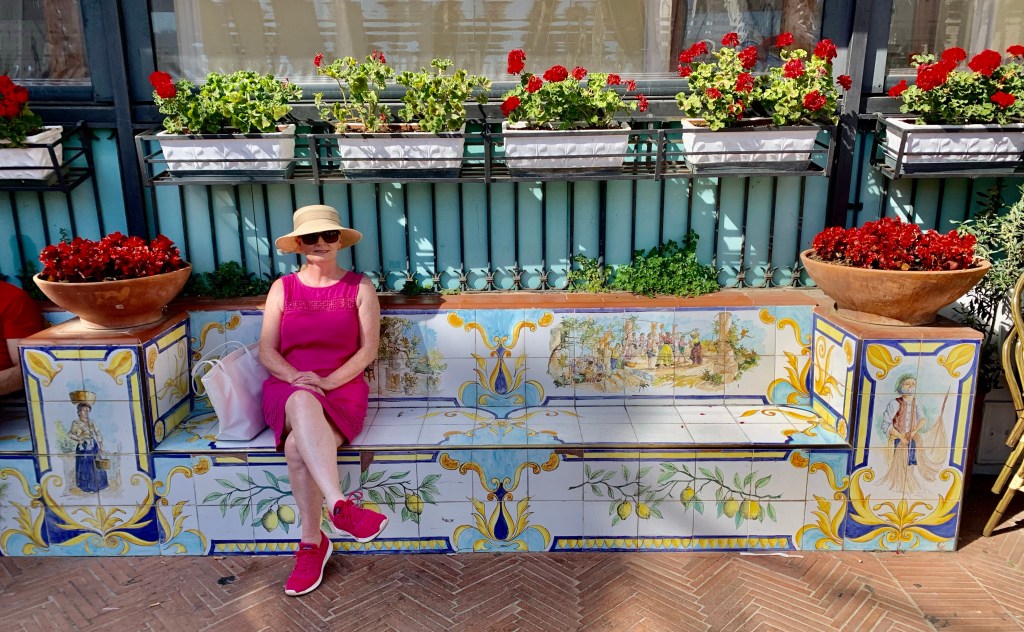
By the church, we found some rather colourful benches adorned with flowers situated there. These were very pretty and too good a picture opportunity to pass up. There are a few reasonably priced cafes at this location as well.
Near to the Church of Sant Sofia we found ourselves in the district of Boffe, one of the oldest districts on the island dating back to the 16th century. Where you will find the famous barrel vaulted homes. There is a labyrinth of little lanes within this historic district.
Even in the daytime, this part of Anacapri is very quiet and you will be able to experience the real character of the island. It is a world away from what we experienced in Capri Town and Marina Grande where many visitors never venture from.
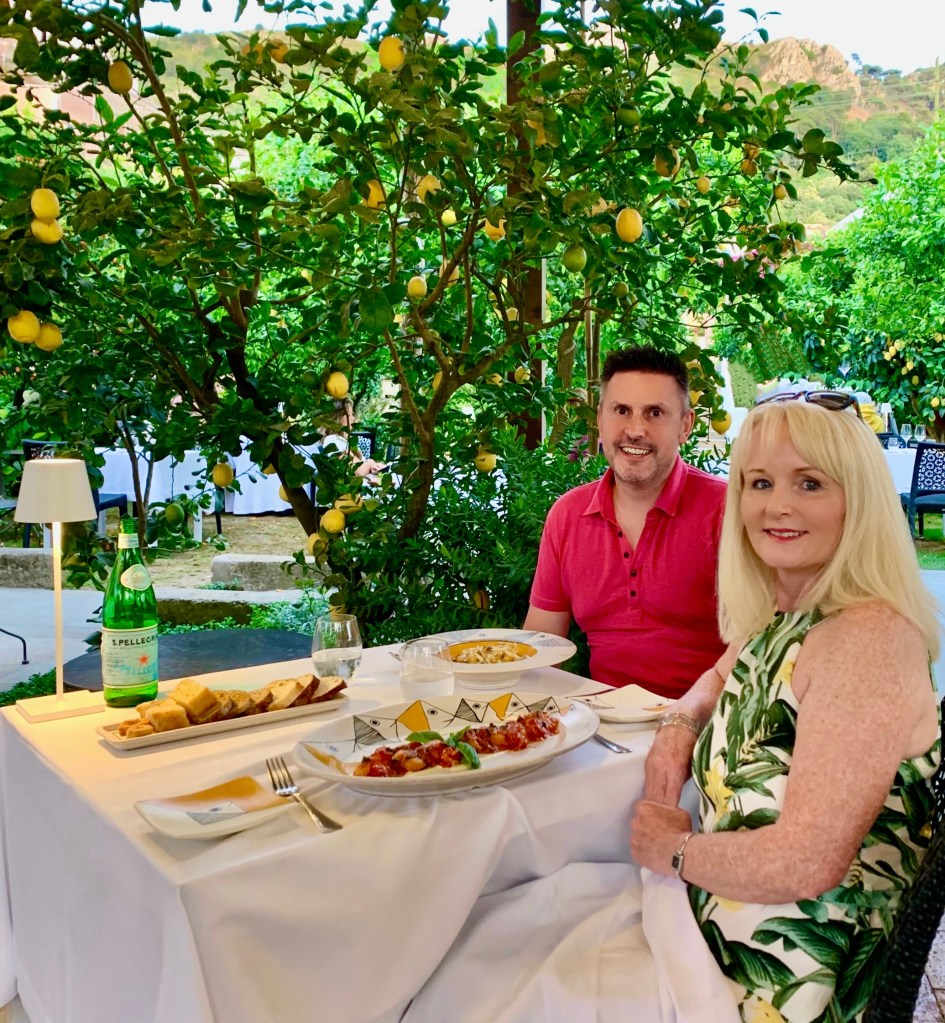
There are plenty of places to eat in Anacapri. On our first night, we were rather indulgent and had pre-booked this delightful restaurant where we were able to dine alfresco amongst the lemon groves. Not the cheapest meal I have ever had but certainly a very memorable location to enjoy my evening’s dining.
Day 2
Breakfast in the main square
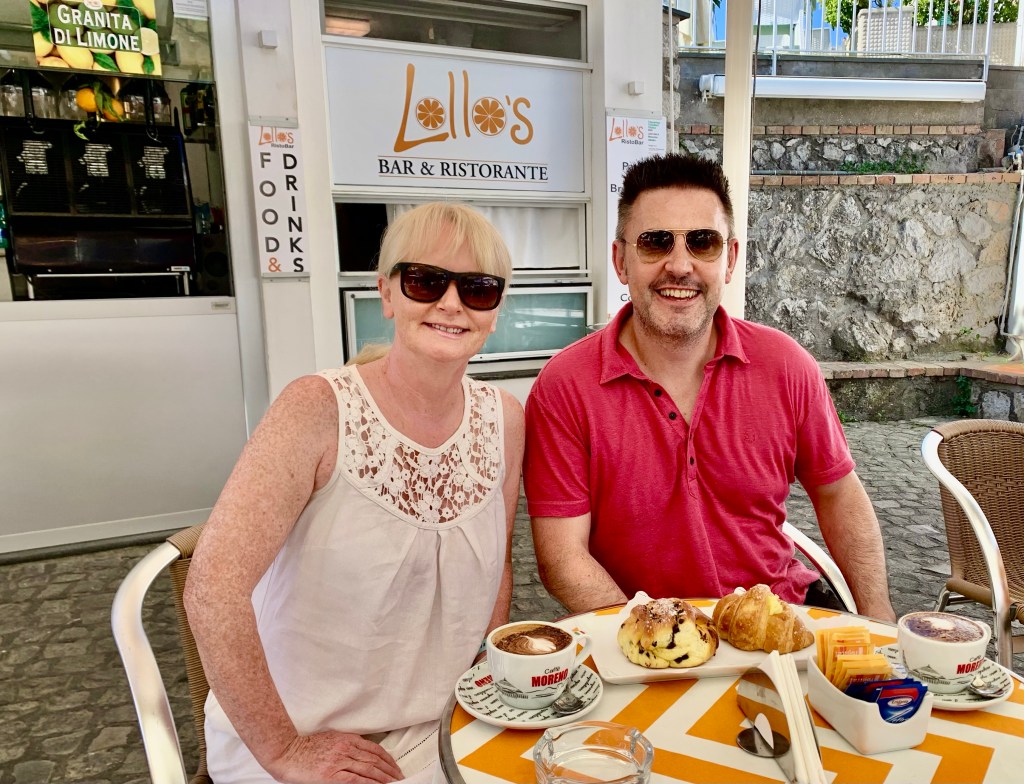
We start the day at one of the cafes in Piazza Vittoria, which is the main square in Anacapri. We were one of the first customers of the day and ordered cappuccino and pastries, a traditional Italian breakfast to fuel us for our trek down to Capri. No bus for us today we were going to walk down the ancient Phoenician Steps.
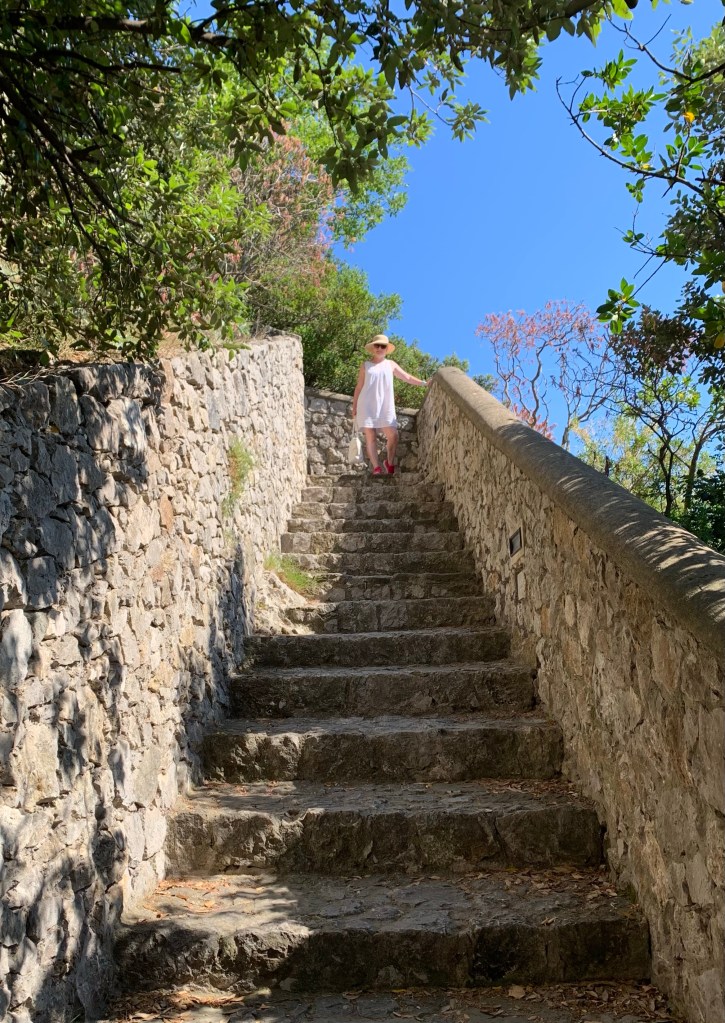
The Phoenician Steps
A long step stairway that connects Anacapri with Capri.
The steps are believed to date back to when Ancient Greek colonists occupied the island, rather than the Phoenicians who they have been named after. For centuries before the completion of the road, this was the only means of reaching Anacapri from Capri.
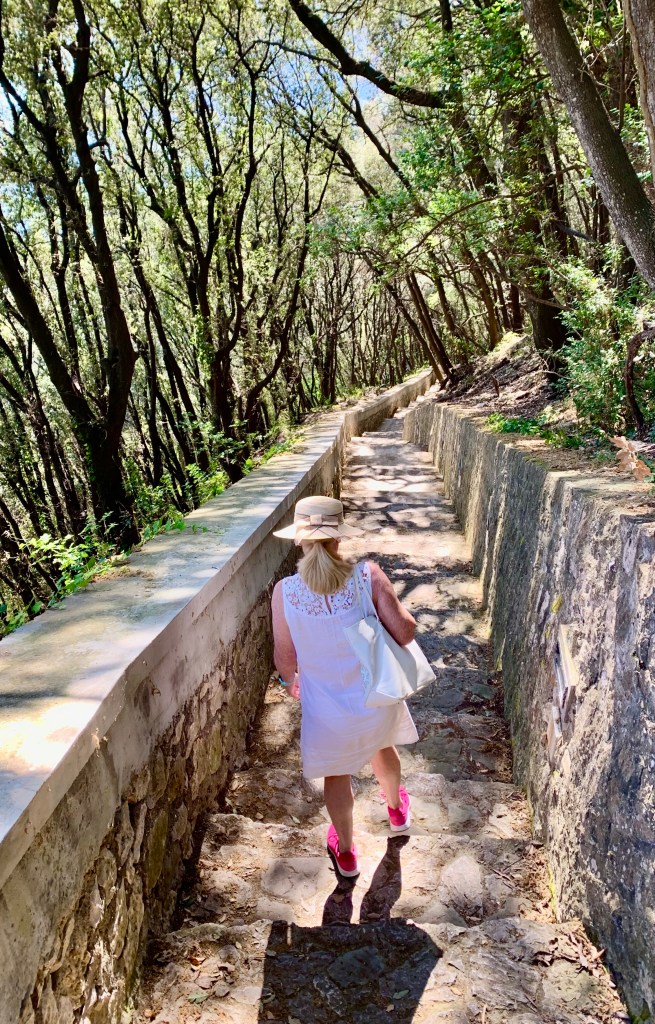
The Phoenician steps are well conserved (completely restored in 1998) The steps start at the Chapel of San Michele this section was unfortunately closed during our stay, we walked on the road for a short distance and joined the steps lower down. The steps then finish at Marina Grande.
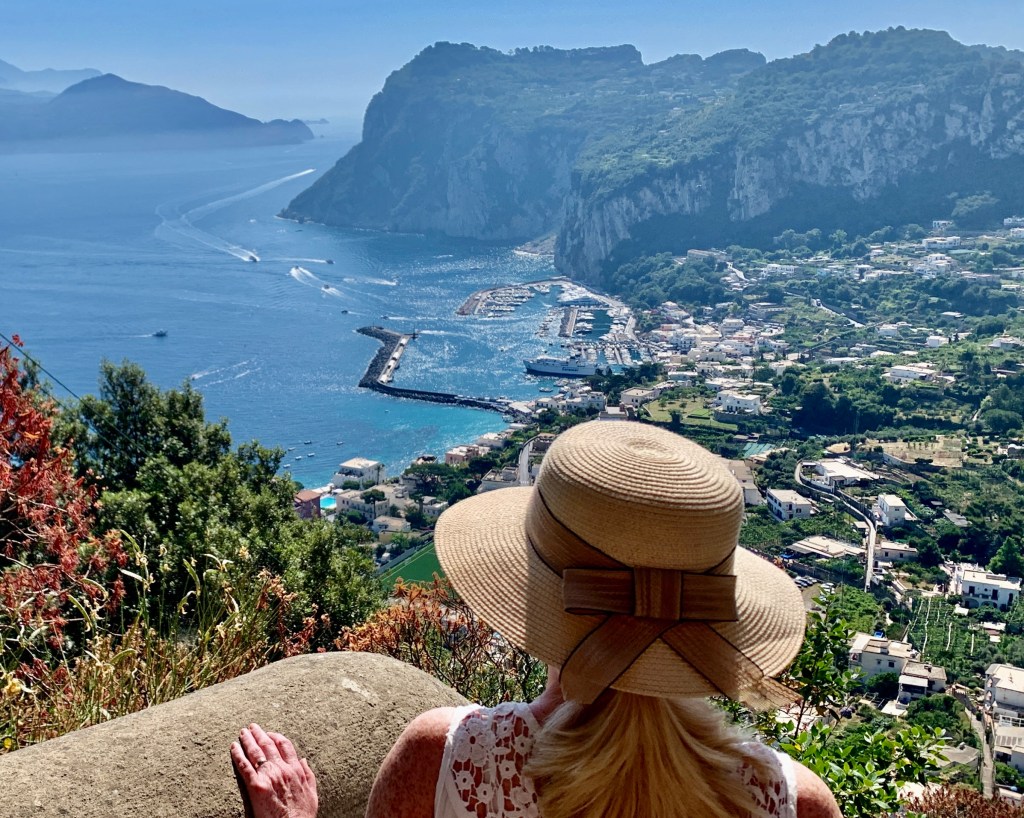
How long you take to complete them depends on your fitness and which way you are going. Down is “easier” than up, but you will have some stress on your knees if you are not used to walking. It took us about 30 minutes with a few stops to take in the magnificent vistas.
We could have taken a bus or taxi down to Marina Grande, however, we would have missed out on a fantastic experience of walking these ancient steps and being able to take in those fantastic views at our leisure. It gives you a real feel for the island, a cardio workout and it’s a free activity what’s not to like?
Capri Town
A pretty little bay just a short ride away from the centre of town. Where you can spend a day on the beach. A slightly more relaxed location than Maina Grande and Capri Town.
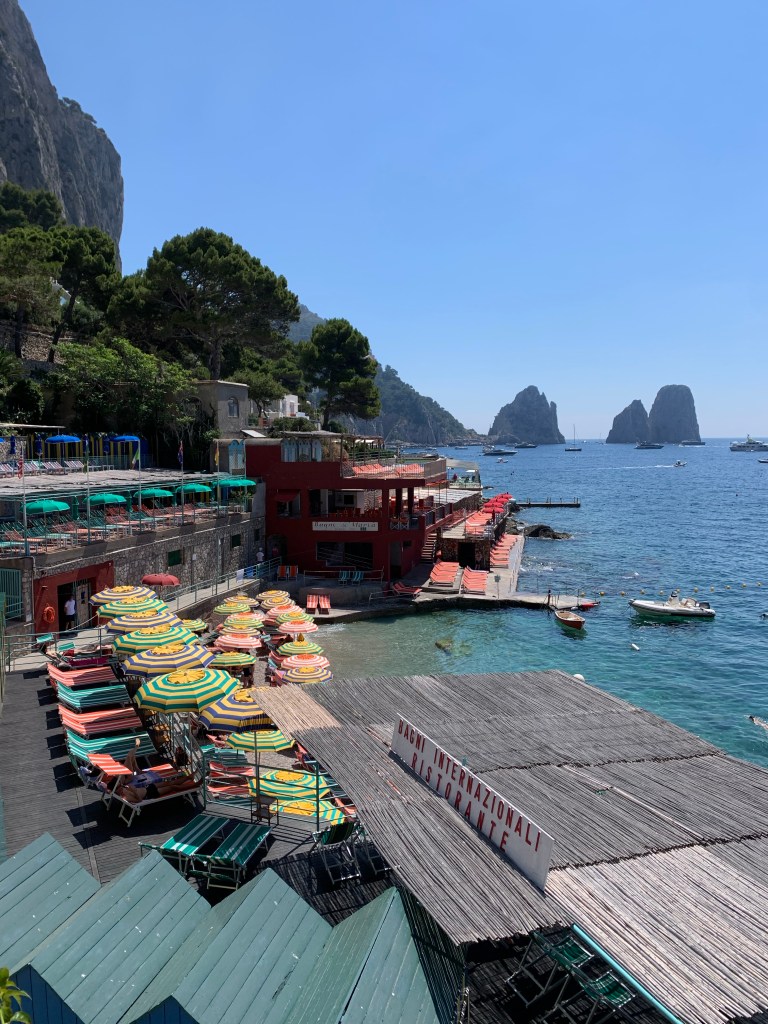
One of the beach clubs located at Marina Piccolo
As is the norm in Italy a day at the beach comes at a price as lots of beaches are private. Marina Piccolo is no different with three private beach clubs for you to choose from with some fabulous views of the Faraglioni.
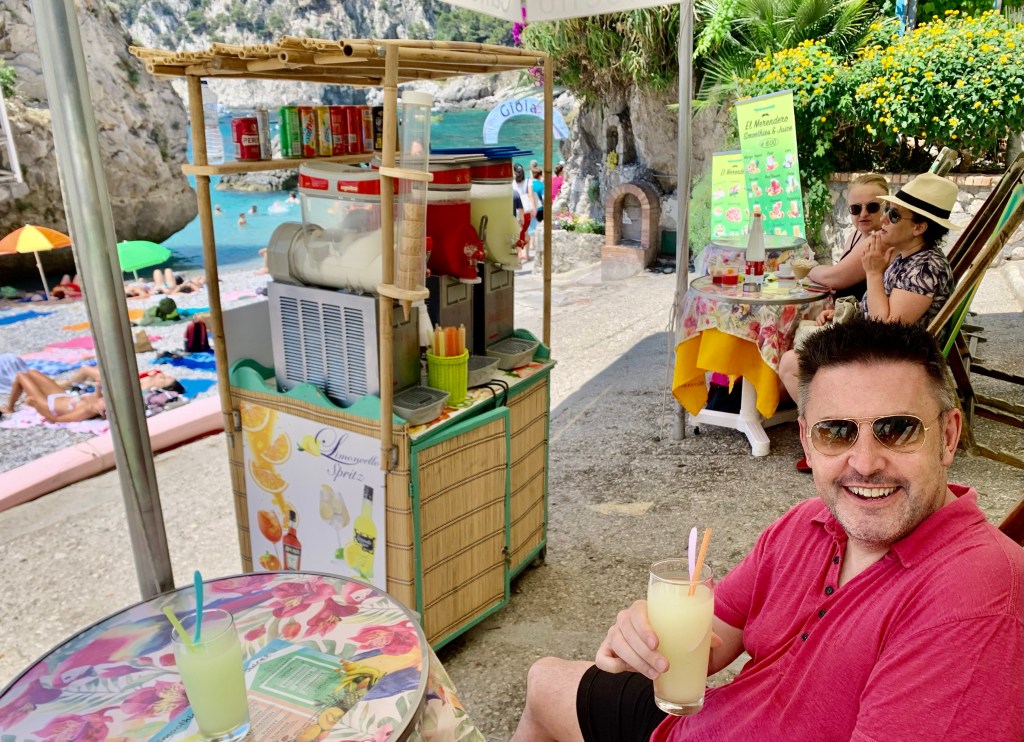
Enjoy a lemon slushie at the beach
However, there are two sections of “free” beach in Marina Piccolo. The pebble beach is very popular with Italians and is very crowned. With a few beachside cafes located there, it is a perfect location to people watch.
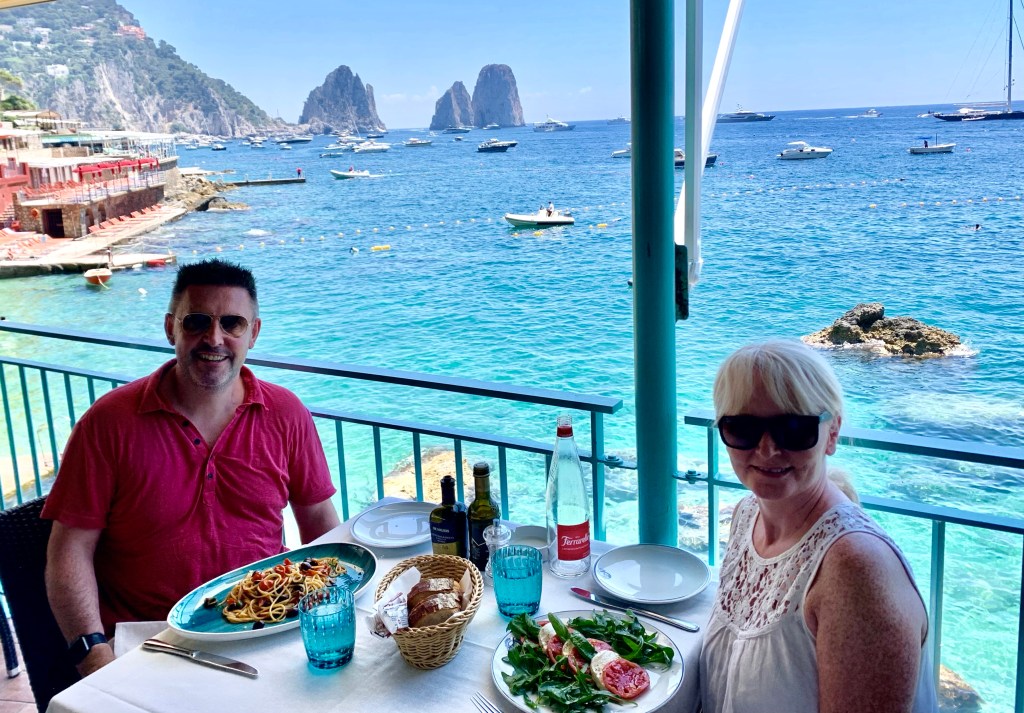
We were down at Marina Piccolo till lunchtime and with fantastic views of the Faraglioni what a fantastic location to lunch. Private beach clubs all have restaurants overlooking the Faraglioni which are open to the public to dine out. This was certainly a lunchtime spot with a view.
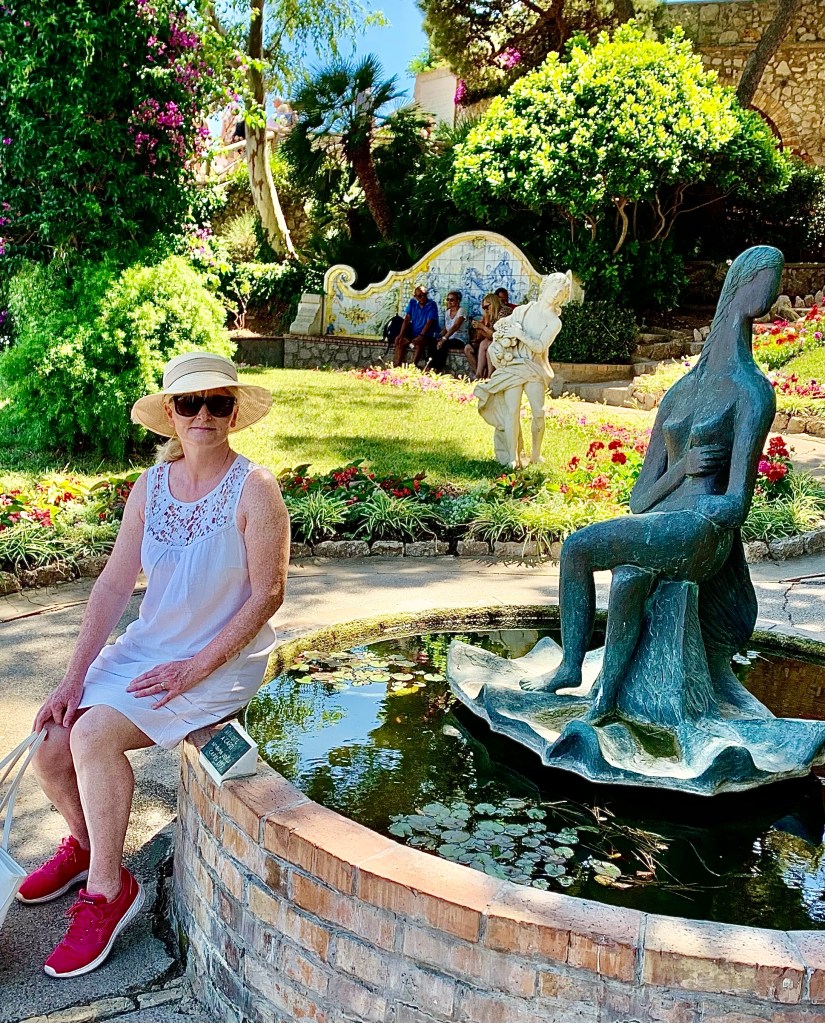
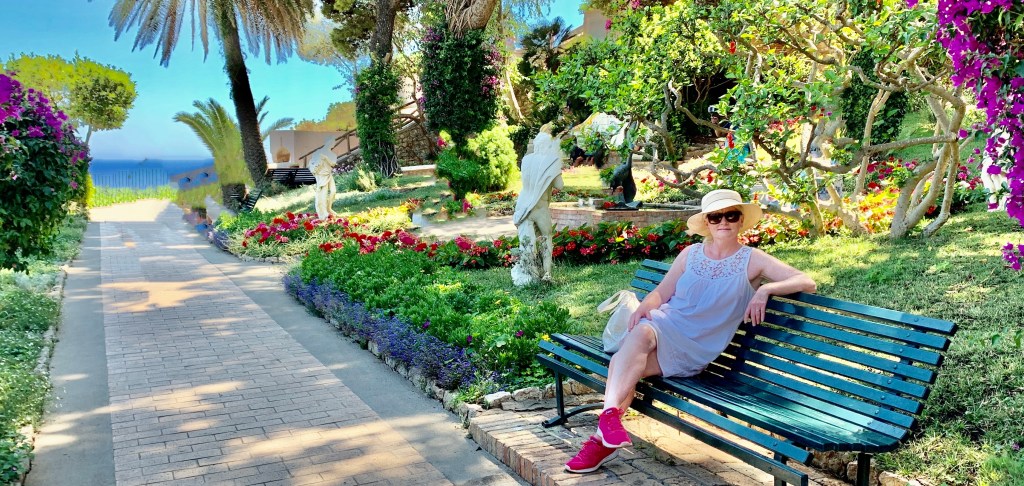
Augustus Gardens
The gardens are situated close to the town centre. It comprises a series of panoramic flower-decked terraces,
It gives some fantastic vistas of the lower part of the island, including the Marina Piccolo, Via Krupp and the Faraglioni
Due to its central location and fantastic views, the gardens are a very busy location. If possible the best time to visit is early morning or late afternoon when the gardens tend to be a bit quieter.
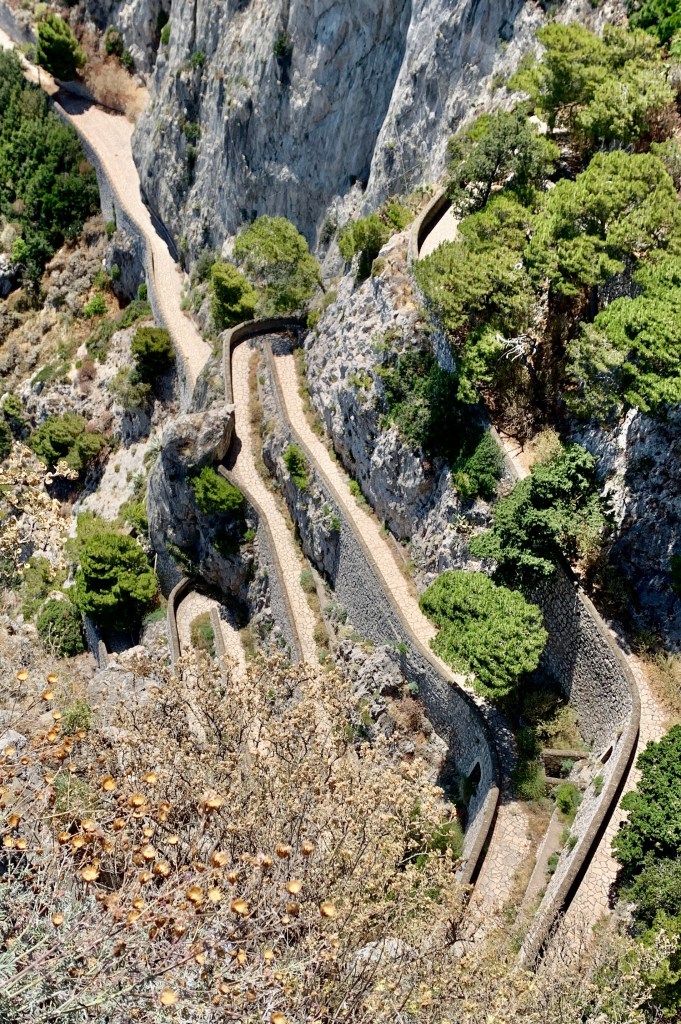
Via Krupp
This is a famous historic hairpin-turned path, which connects the gardens with Marina Piccolo. The path was constructed at the beginning of the 20th century by German industrialist Frederick Krupp. The path covers an elevation of 100 meters. The path has been closed for several years as it is now deemed unsafe due to falling rocks.
Capri Town
The town that lends its name to probably Italy’s most famous island. We had decided two spend our second night in and around the main square.
Capri is just not the name of the most popular island in the Bay of Naples, but one of the names of one of the two towns on the island. The other town is the previous mentioned Anacapri.
Renowned as a place for the rich and famous, no trip to the island is complete without a visit to the town of Capri very much the epicentre of this illustrious island.
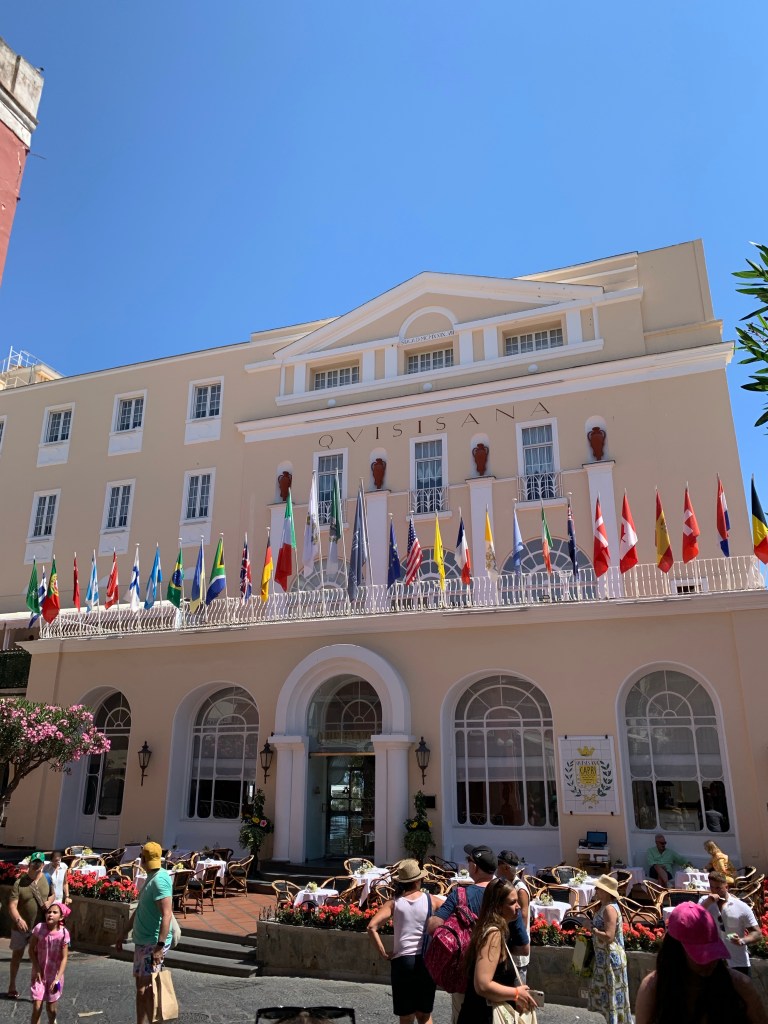
The Grand Hotel Quisisana is a Capri landmark.
The centre of town is full of expensive hotels and designer shops, with all the top brands having a presence here. Capri is also renowned for its perfumes with many perfumeries located in the town.
The town itself is a maze of narrow streets winding between traditional whitewashed buildings. A way from the centre of town you will come across a much calmer pace of life.
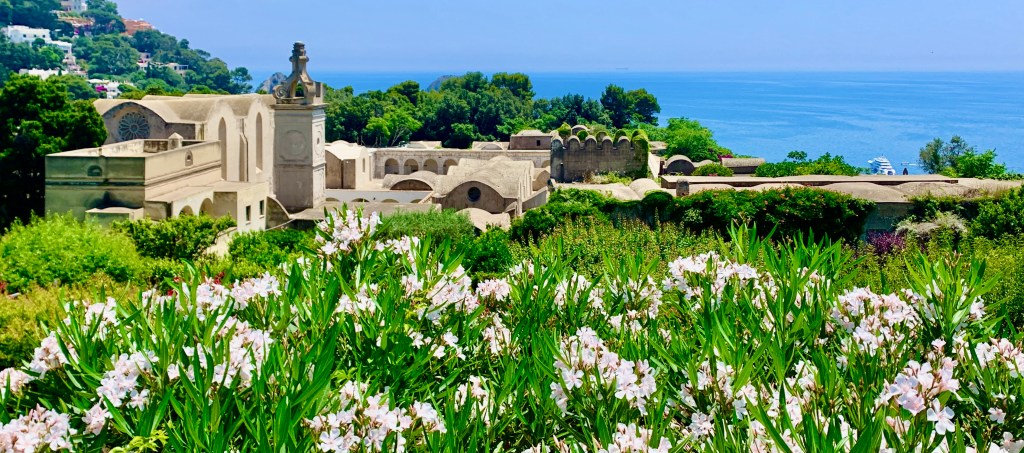
One of the few historic sights in Capri is the monastery, the Certosa di San Giacomo which dates back to the 14th century.
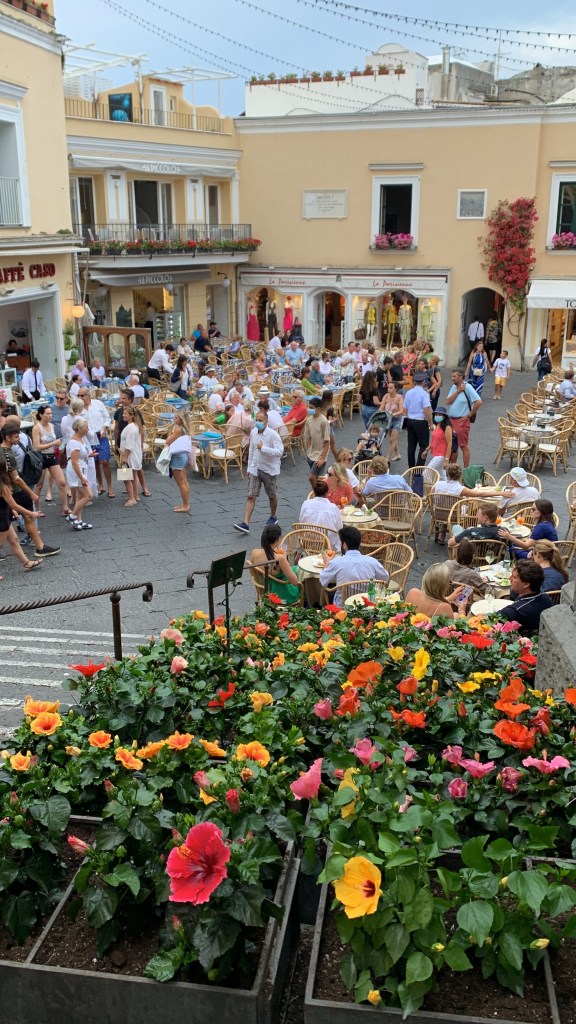
Piazzetta Umberto
The most famous square in Capri is located in the centre of the old town. Since Roman times the centre of the island and a meeting place for locals and others alike.
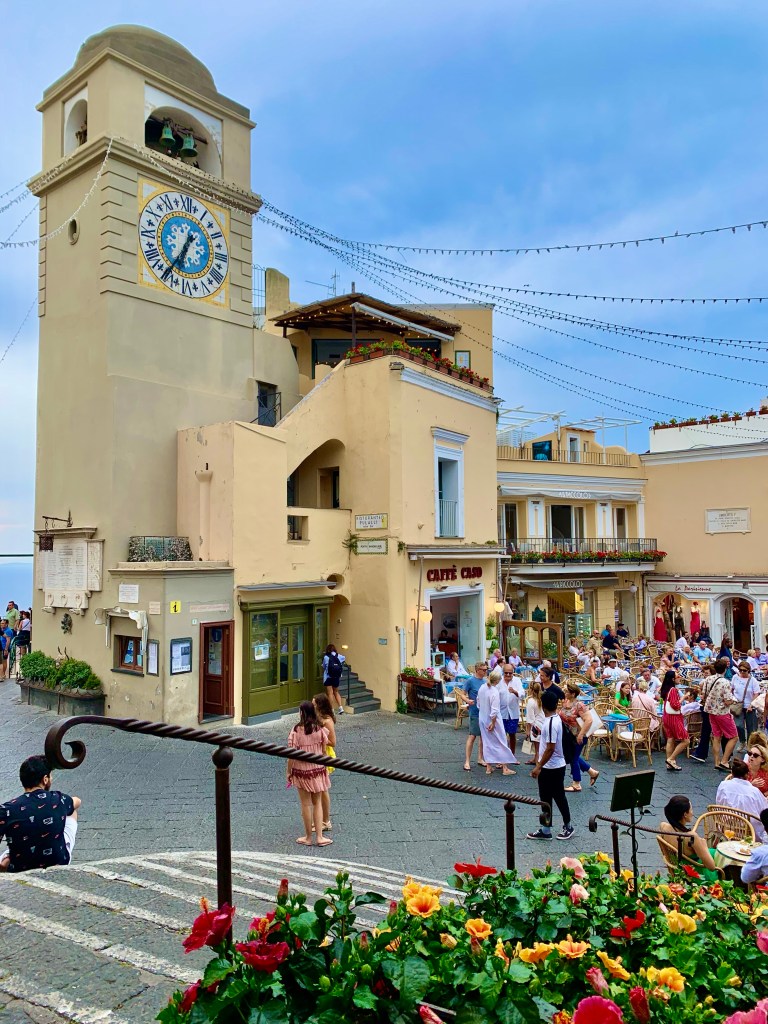
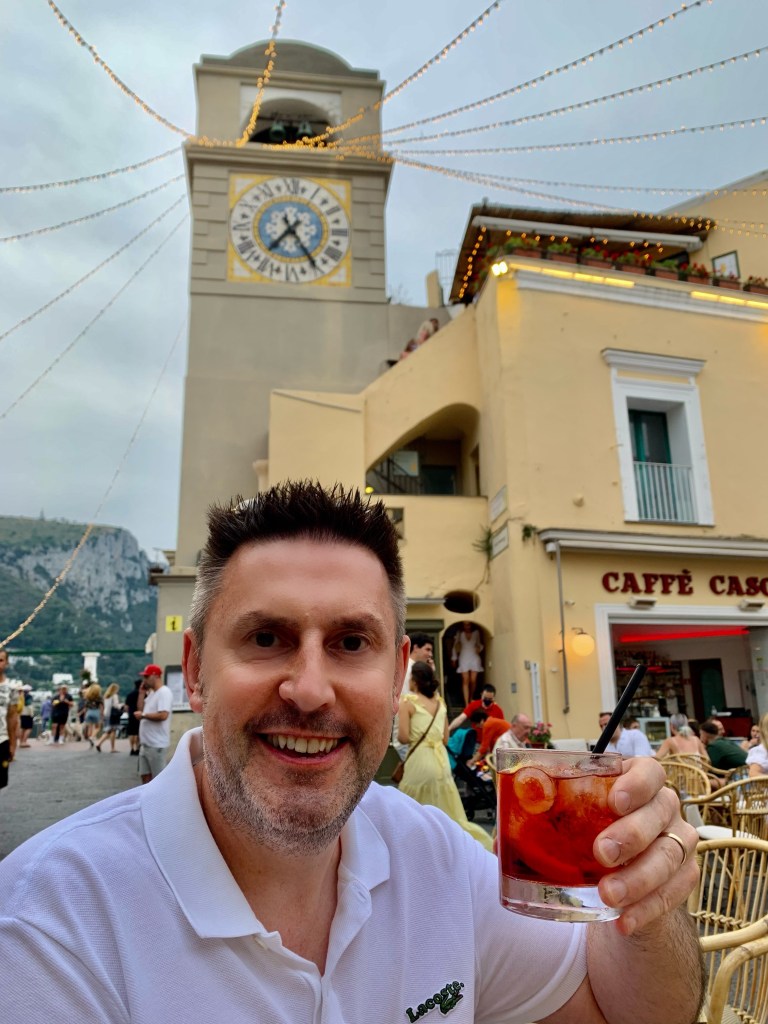
The main architectural focal point of the square is the clock tower. It is one of the most familiar buildings associated with the island of Capri. The clock tower is named Torre’ dell Orologio originally the bell tower of St Stephen’s Cathedral.
Today the square is renowned for its staggering views surrounded by elements of historic, classical and modern architecture. This historic square was known as the world’s living room
This enchanting square is brimming with life and is the beating heart of the island. With sights and sounds to be seen all around the square.
The square is still the focal point of the island where everyone comes to relax and socialize and watch the world pass by. From a humble fish market to fashionable meeting places. All roads now seem to lead to the square.
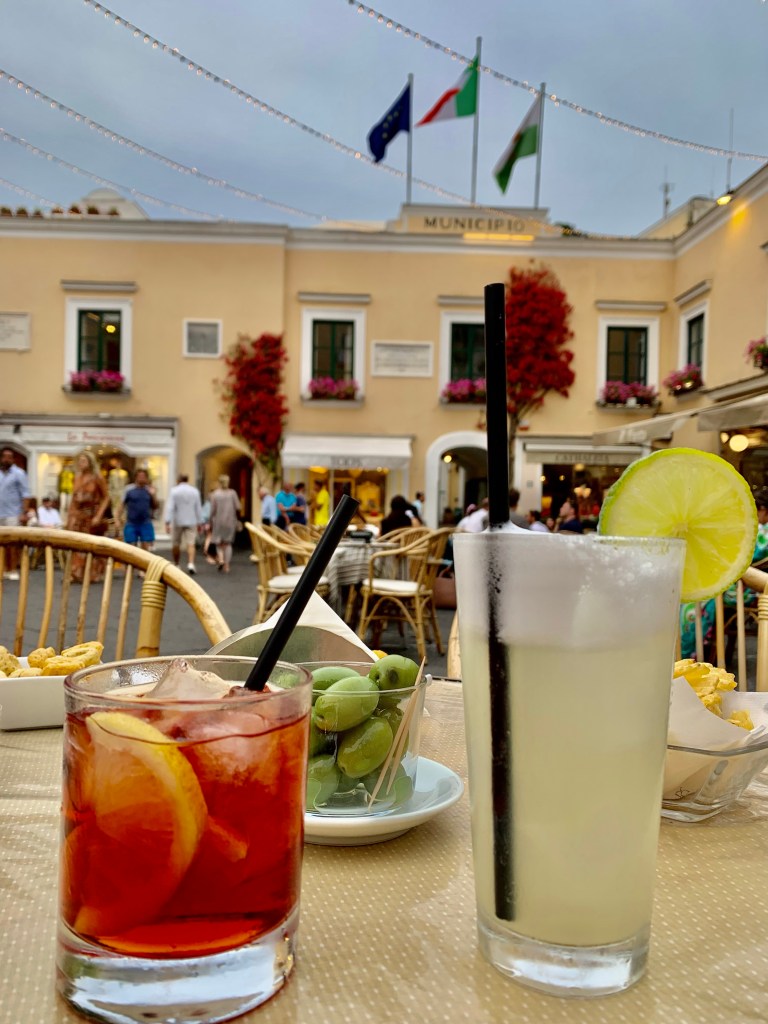
So what better place to sit down and enjoy an aperitivo, that very splendid and very Italian tradition of enjoying a pre-dinner drink with some delightful nibbles. The cafes surrounding the square are not cheap by any standards but this is very much a must-do in Capri, once you have got your table there is no rush to leave, so just sit down and relax and take all the sights and sounds that this square offers up to its visitors, who knows you may even spot a celebrity passing by.
Day 3
Capri by water
No trip to Capri is complete without a boat trip around the island, a fantastic way to view is from the water. Numerous boat trips take you around the island most depart from Marina Grande. It’s very busy here so always allow plenty of time to get here. We had decided to do this on our final day before getting the late afternoon ferry back to Sorrento.
Punta Carena Lighthouse
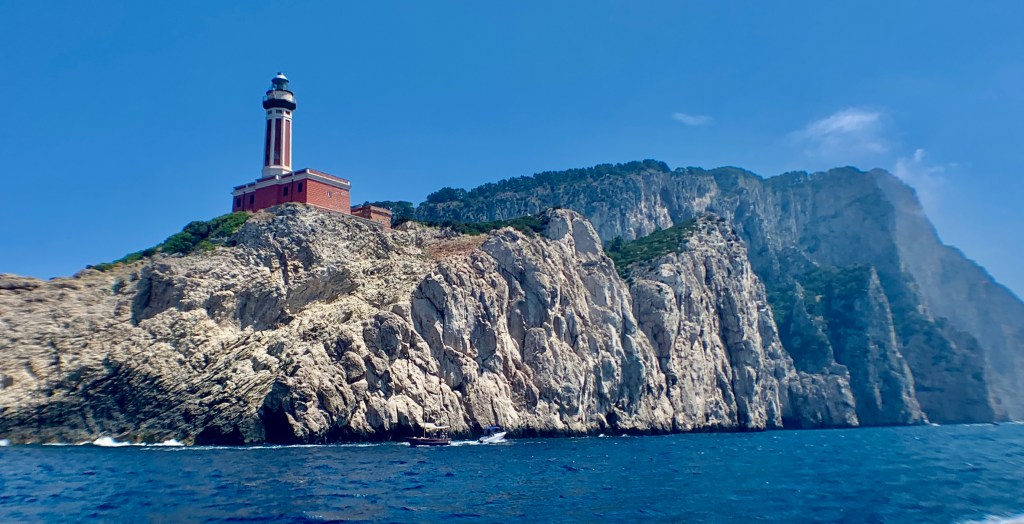
The lighthouse of Punta Carena dominates the southwestern coast of the island. This impressive lighthouse was built-in 1866 and is the second tallest in Italy.
Scugnizzo Gennarino statue
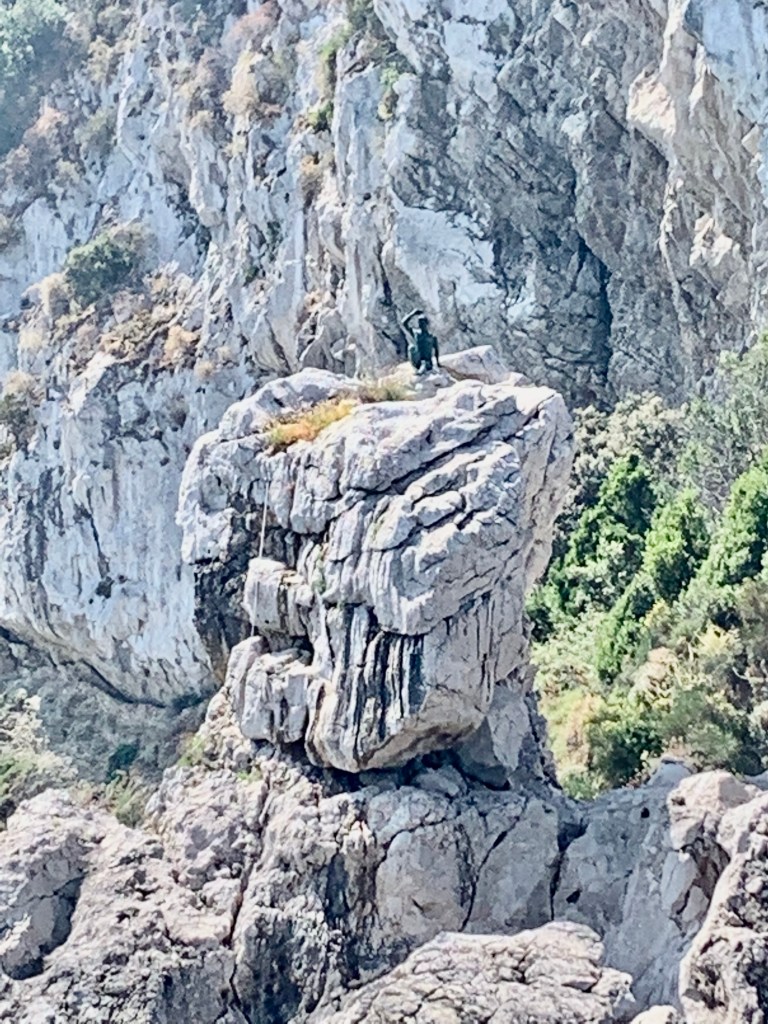
My eyes were not deceiving me I thought I saw someone waving at me. It’s the statue of Scugnizzo Gennarino which greets visitors to the island with a friendly wave. Scugnizzo is a Neapolitan word for street urchin.
Natural Arch
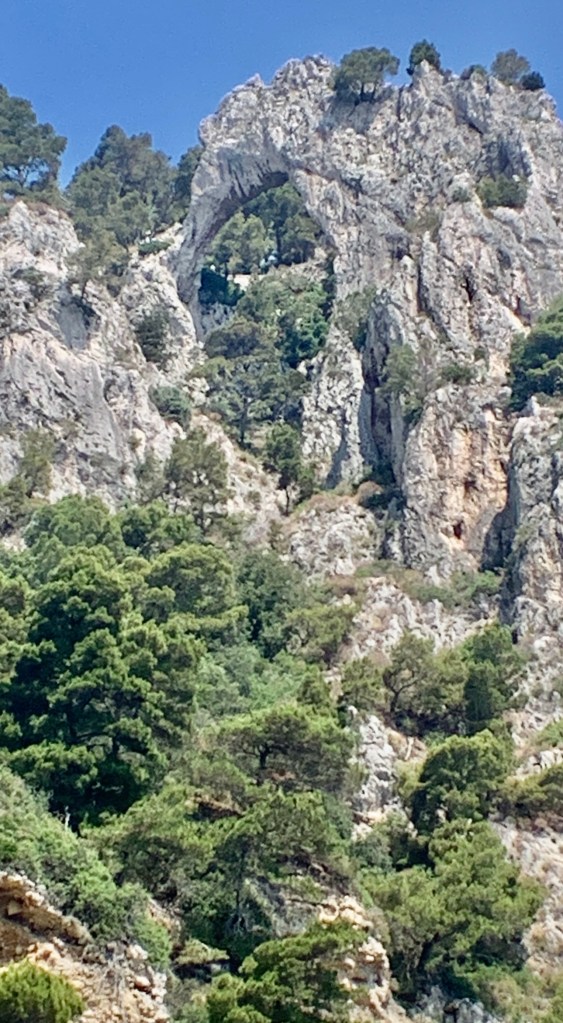
The island of Capri is certainly not short of unique rock formations. This is less famous than the Faraglioni and Blue Grotto but no less impressive. The Natural Arch is a limestone arch that forms a bridge between two pillars of rock. It spans 18 metres in height and 12 meters in width and is certainly an impressive sight from the water.
Faraglioni
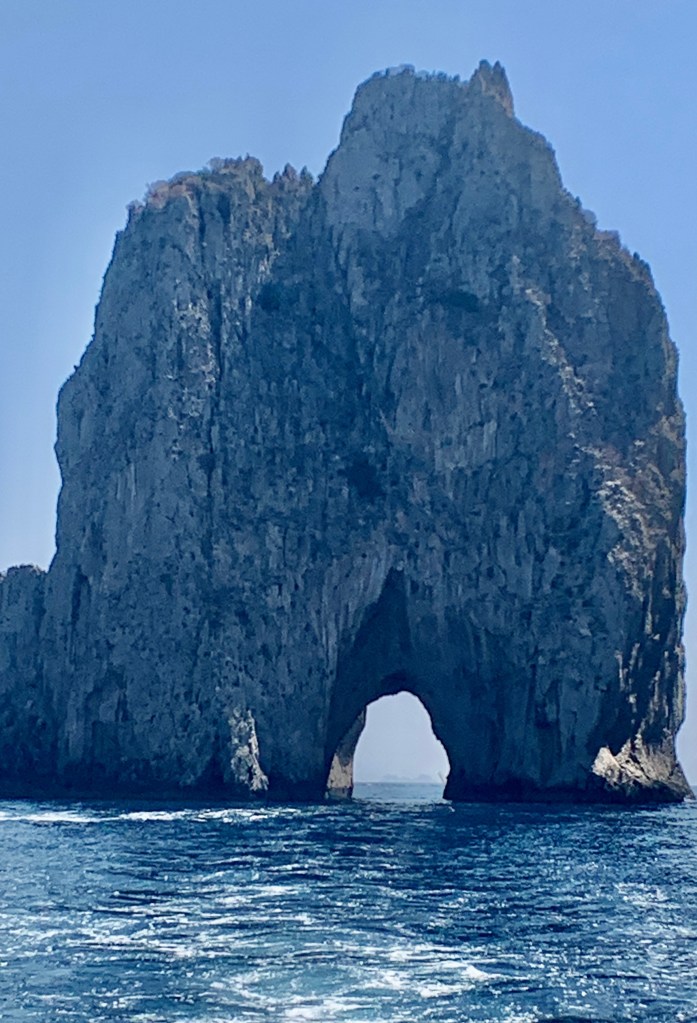
This natural geological phenomenon is a trio of natural rock formations and is one of Capri’s most recognizable natural landmarks.
The rocks are named Stella closest to the coast, di Mezzo and di Fuori.
Our boat sailed through the stone passageway of the di Mezzo and as legend dictates good luck will be bestowed on lovers who kiss while passing under its arch.
Blue Grotto
The highlight of the boat tour of the island is a stop at the famous Blue Grotto.
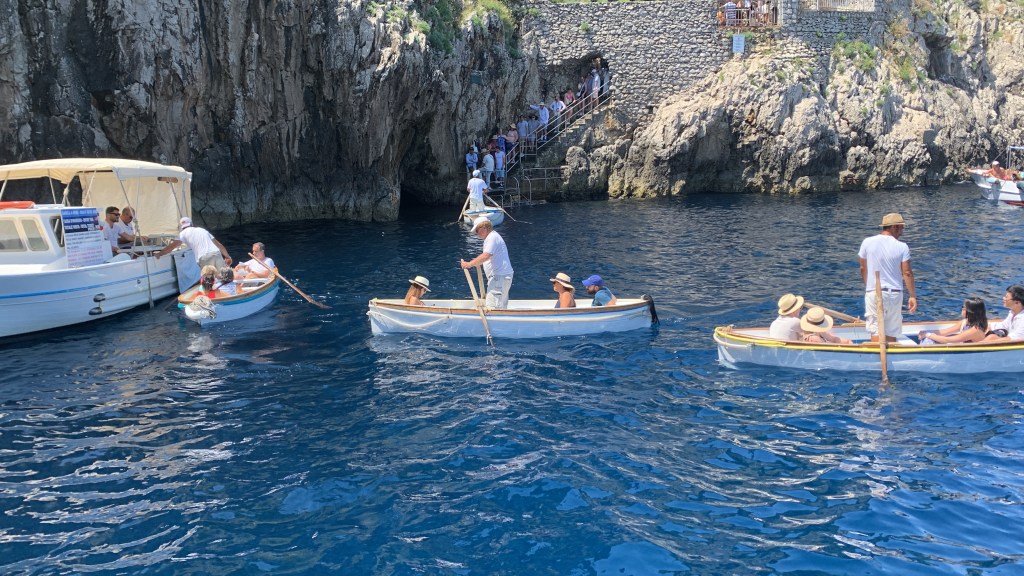
This is what I was led to believe before our arrival. Although the location is very beautiful it was one of the most poorly organised tourist traps I have had the misfortune to visit. Waiting on a hot open-air boat for an hour, for reluctant oarsmen to transport you into the Blue Grotto, when paid oarsmen did arrive they were practically demanding tips, it wasn’t the idyllic experience I had envisaged.
We finally managed to get an oarsman to take us into the Blue Grotto, only just managing not to get my head decapitated on the way in, as the instructions to lower my head were only communicated by the oarsman at the very last second of entry.
Finally, we were inside the famous Blue Grotto. The colours are truly beautiful and despite it being very busy I did have a feeling of serenity or was that just the feeling of relief of still having my head intact from my traumatic entrance into the Blue Grotto.
One of the most popular locations on the island of Capri. Although very beautiful like a lot of must-see locations the reality of my visit doesn’t quite live up to my expectations. Not so much a place of outstanding beauty but rather a place to simply be financially exploited.
Transport on the island
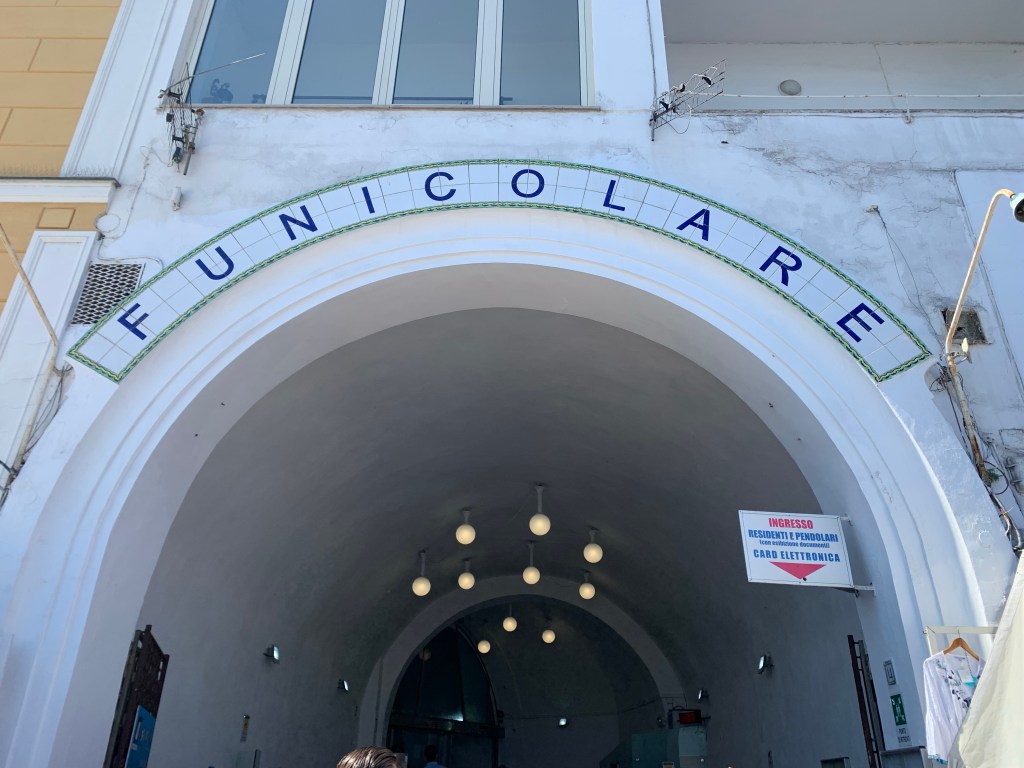
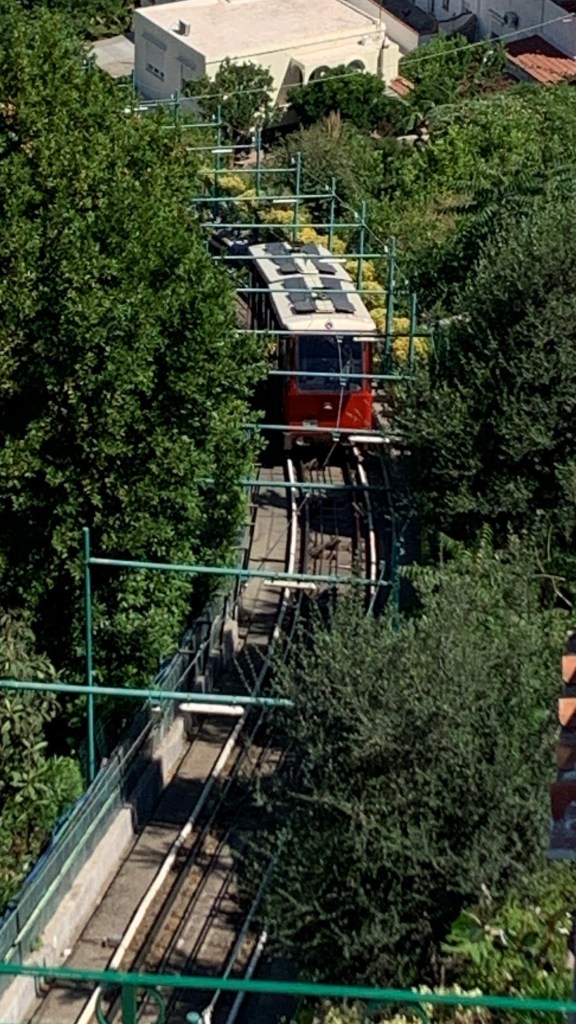
The funicular railway is the main transport link between the port Marina Grande where all the ferries dock taking you on the short journey to the centre of Capri Town.
It is the quickest and easiest link to the town, tickets cost €1.80 single journey from the ticket office situated close to the ferry terminal. The railway runs every 15 minutes but can be very congested in the mid-morning and late afternoon when ferries arrive and depart frequently.
Another popular choice and the main mode of public transportation are the buses. Tickets must be pre-purchased before your journey. The main routes are Marina Grande, Anacapri and Marina Piccola from Capri central bus station, although I use the term bus station loosely as there are only four bus bays.
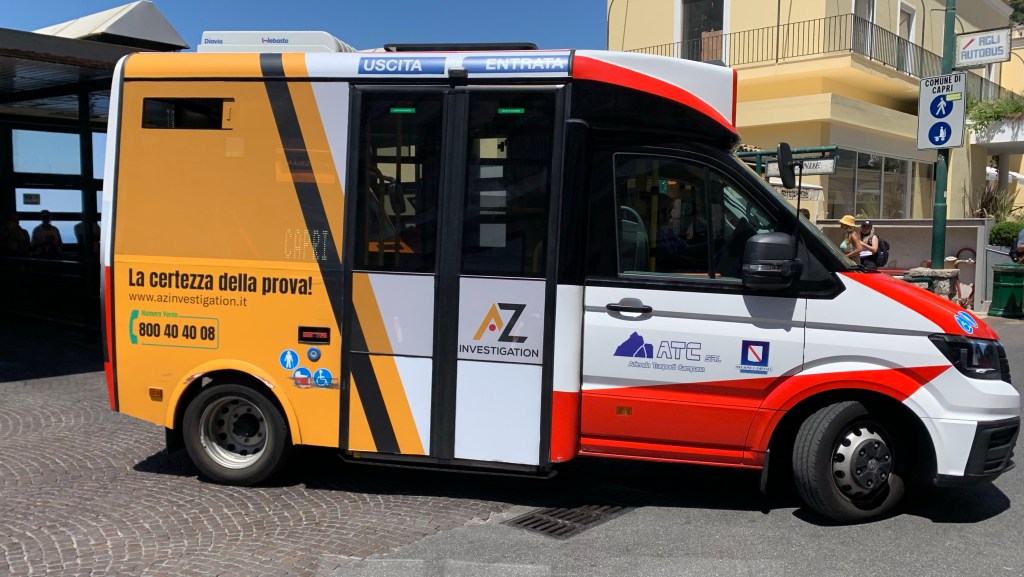
The buses used on the island are fit for purpose as roads are very narrow with many tight bends. Probably more akin to a minibus. They run about every 15 minutes on major routes if you can get on one at peak times as they only hold about 15 people, so allow plenty of time if you need to be somewhere important.
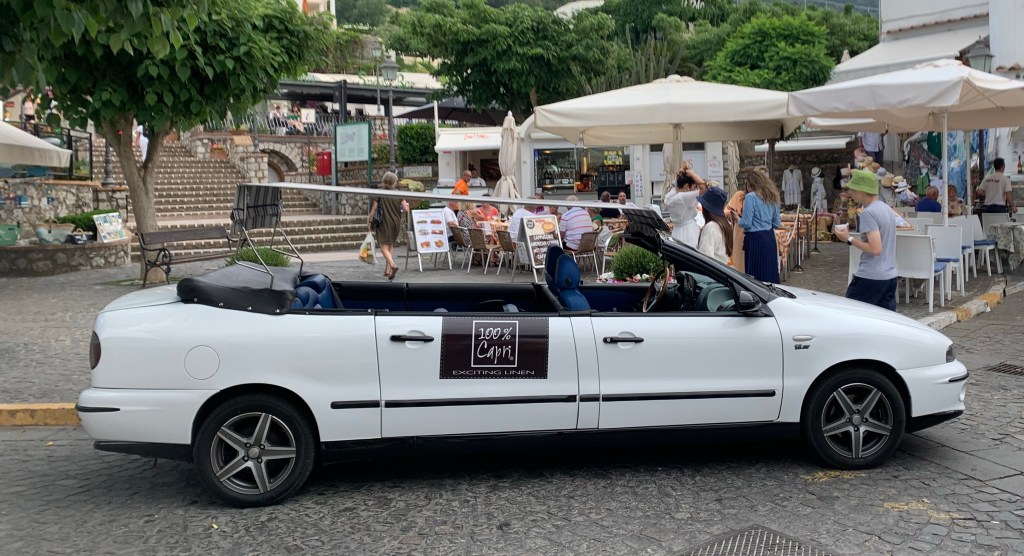
Taxis are very unique all open top and some able to seat seven people. A fun way of seeing the island, it can be expensive for two people but if you have a group of four or more they became a more reasonable proposition to hire.
For us, it was more of a necessity as we needed to get down to Marina Grande and buses going past were constantly full. €30 from Anacapri was certainly not cheap for the two of us, however, it was a fun journey with fantastic views of the island below as the taxi driver drove the vehicle quickly down the twisty road. I hadn’t planned a taxi ride but it was an enjoyable experience nonetheless and got us to the port on time.
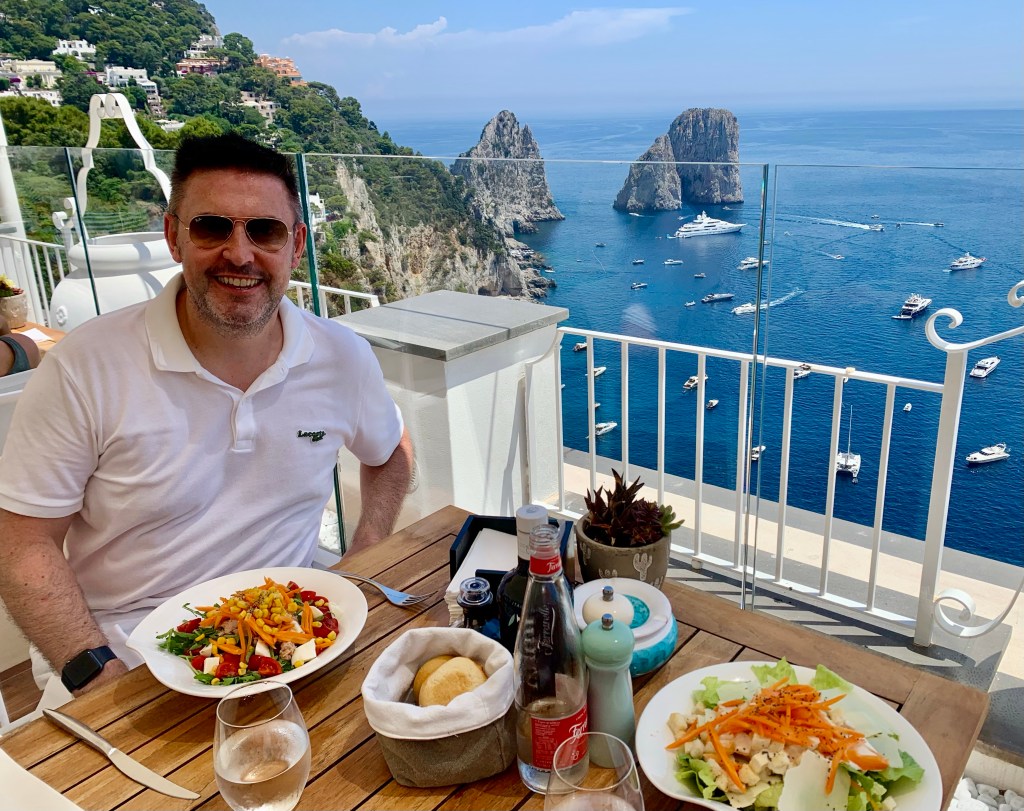
All good things must come to an end, a fabulous three days in Capri. One last lunch before we catch the ferry back to Sorrento this time on a rooftop terrace overlooking the Faraglioni. Having enjoyed my time on this fabulous Island and with a bit of planning a short stay here needn’t blow the budget 💰😁
Lapland is a vast open wilderness. Where reindeers outnumber people. A location you can indulge in all activities it has to offer. With surreal wintry landscapes that features a snow covered countryside.
Reindeer Sleigh riding
An introduction to one of Lapland’s most iconic animals.
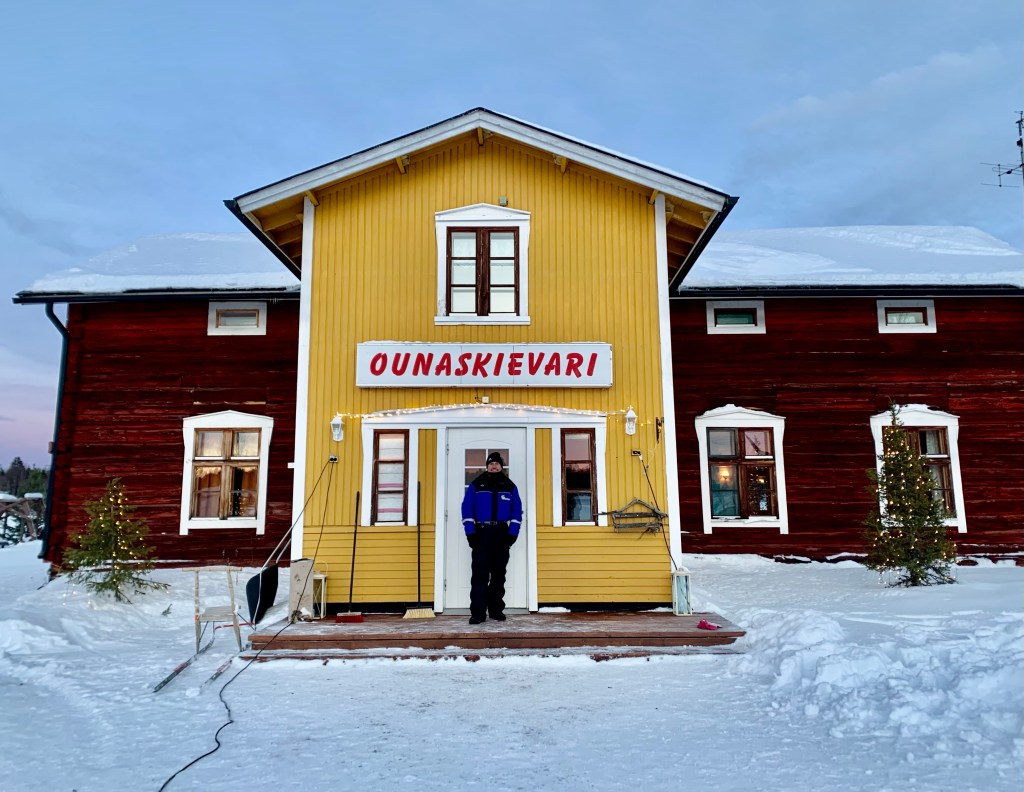
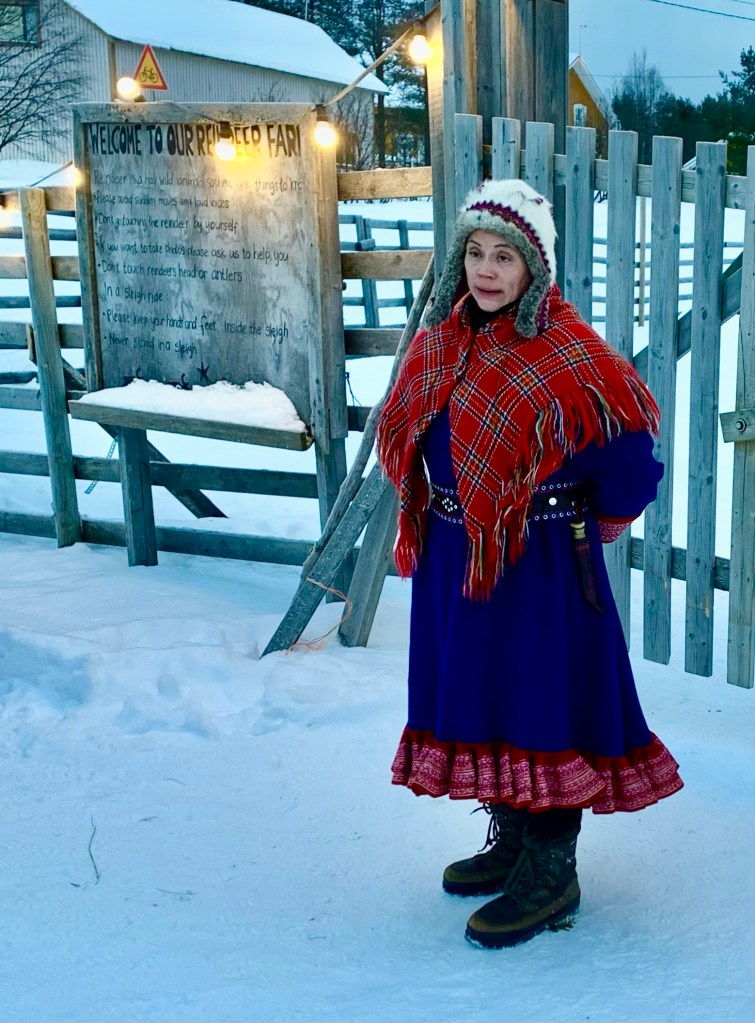
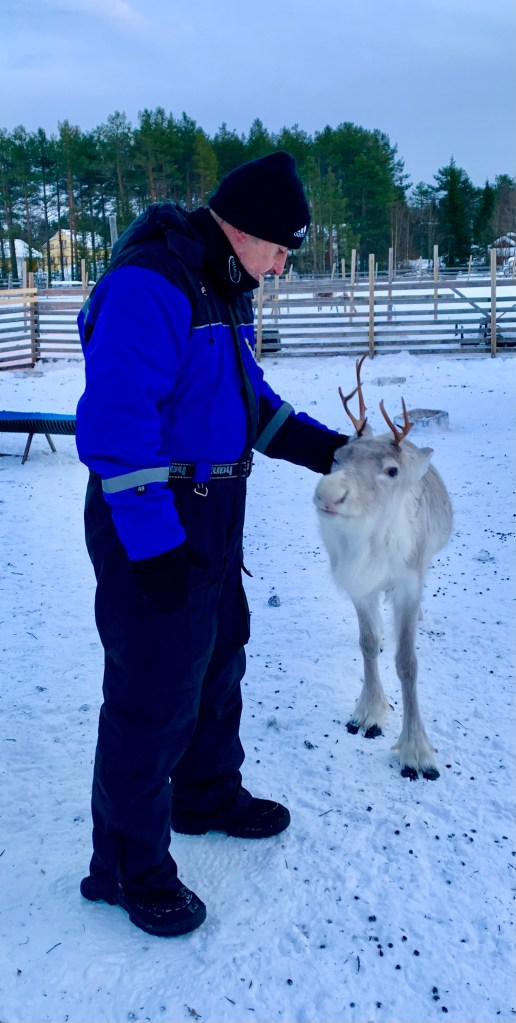
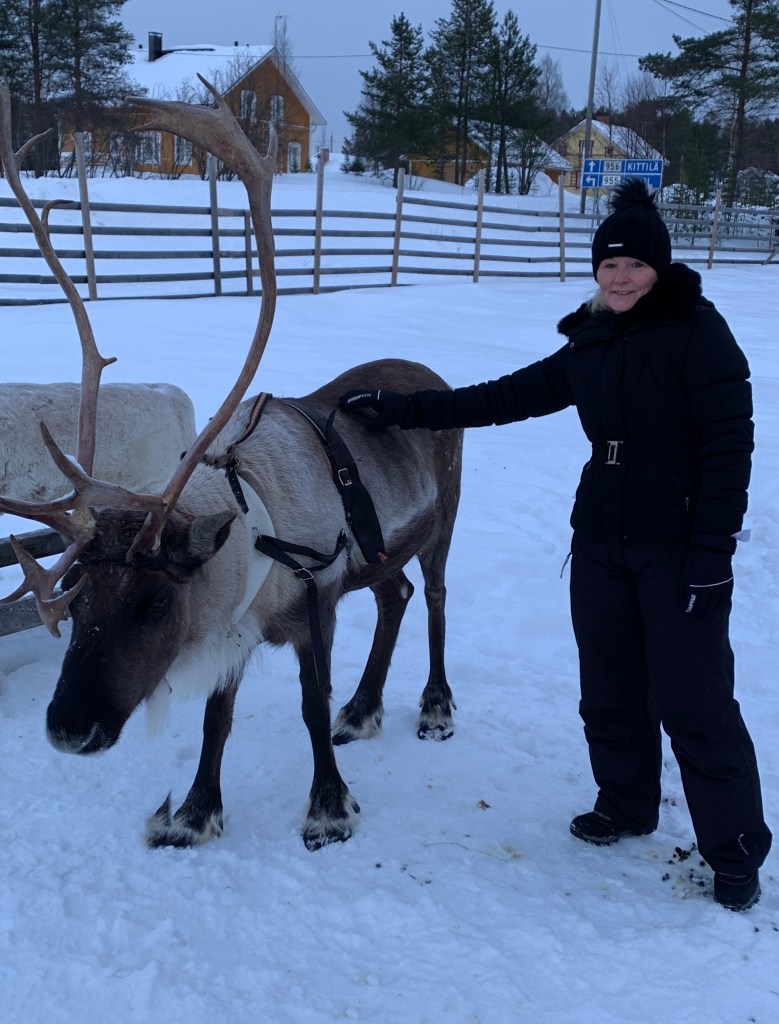
We visited a reindeer farm close to Levi. Which has been established for over 30 years. It’s a family business run by a traditional Sami reindeer herder.
The location was originally an inn founded over 100 years ago. Situated by a river it was a strategic spot between the north and the south of the country. Due to the abundance of reindeer in the area, it was this animal and not the horse which was the main mode of transportation in Lapland.
A visit to a reindeer farm is one of Lapland’s most iconic activities. To this day reindeer herding is still important to the local economy. The Sami were traditionally involved in reindeer herding and lived a very nomadic lifestyle.
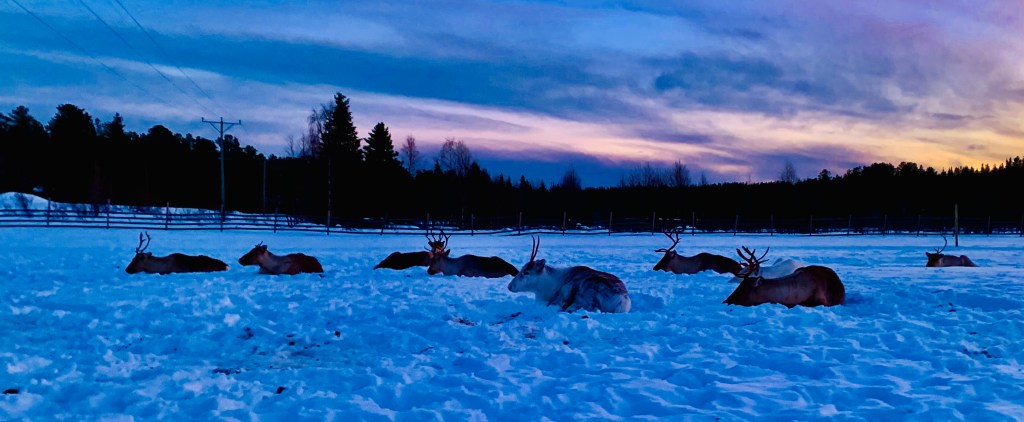
Reindeers are semi-wild animals, that roam freely in the forest and are rounded up twice a year. Many reindeers pass over International borders as they roam around the Arctic forests of Norway, Sweden and Finland.
The reindeers at the farm are bred and chosen to pull sledges rather than bred for meat. After looking at these majestic creatures reindeer was definitely off the menu for me.
Traditionally reindeer herding in this part of Lapland is how many from the Sami community would earn a living. Times change although still an important part of the local economy many reindeer herders have diversified and sleigh rides are an important income to them.
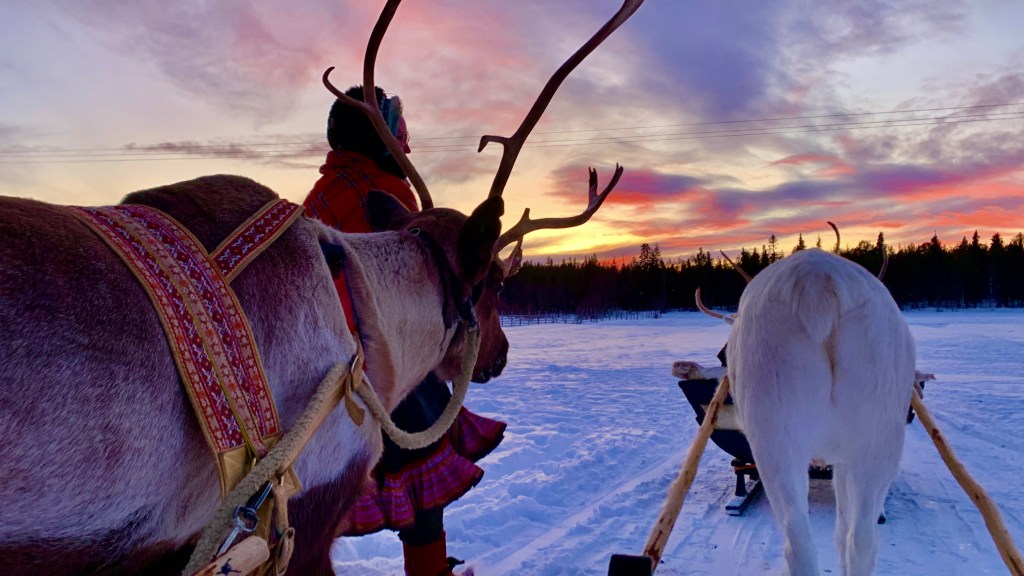
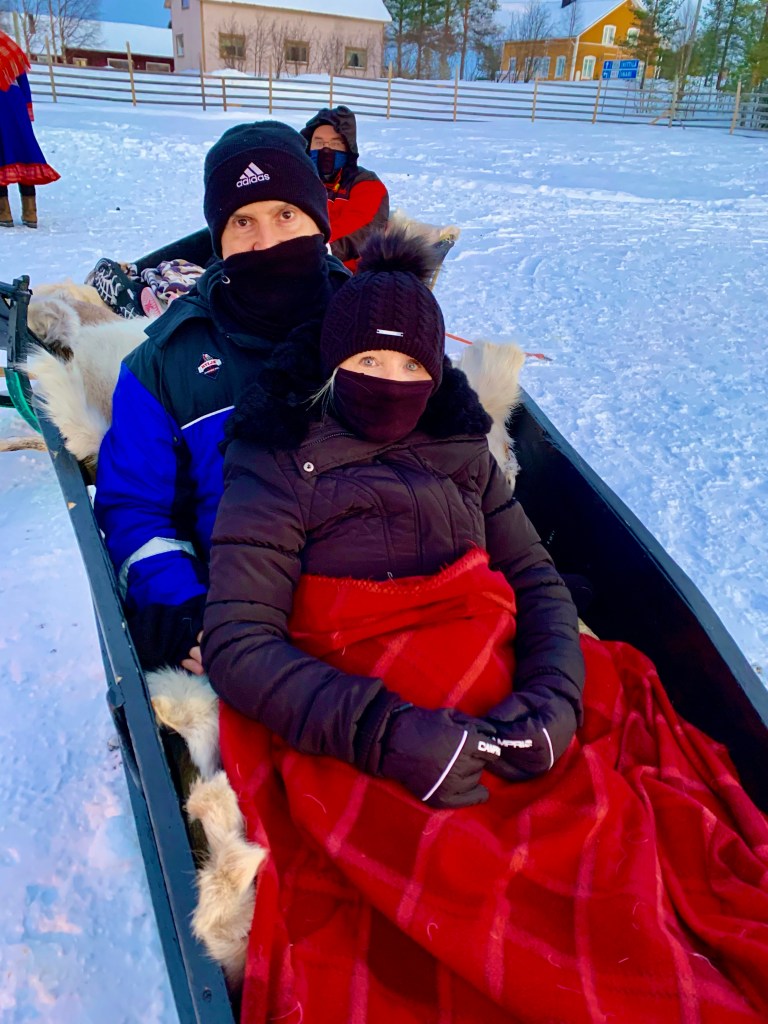
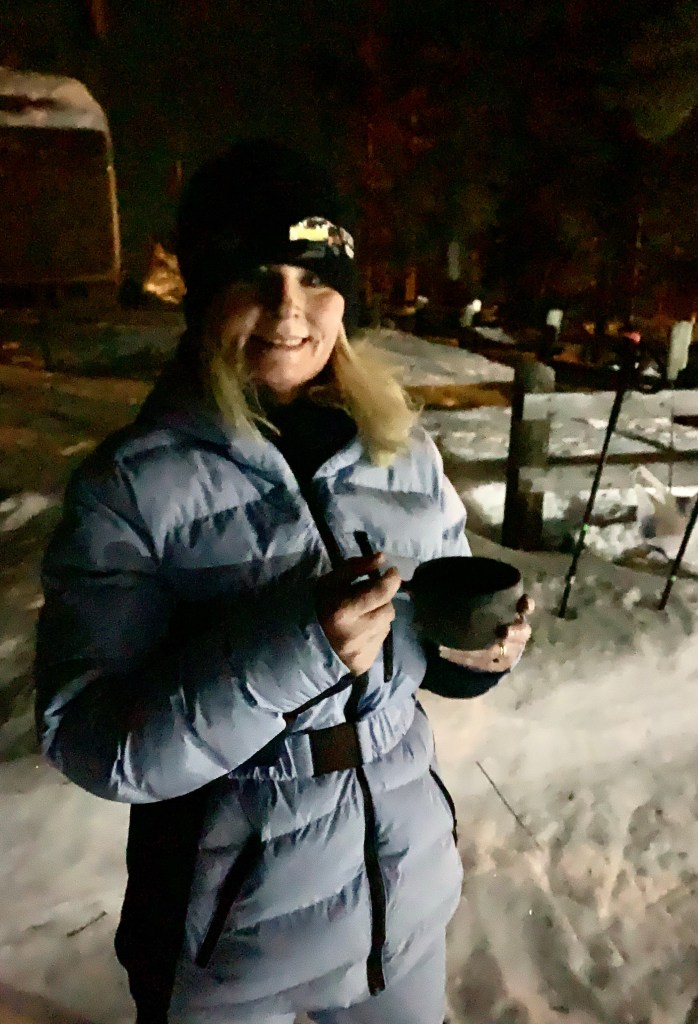
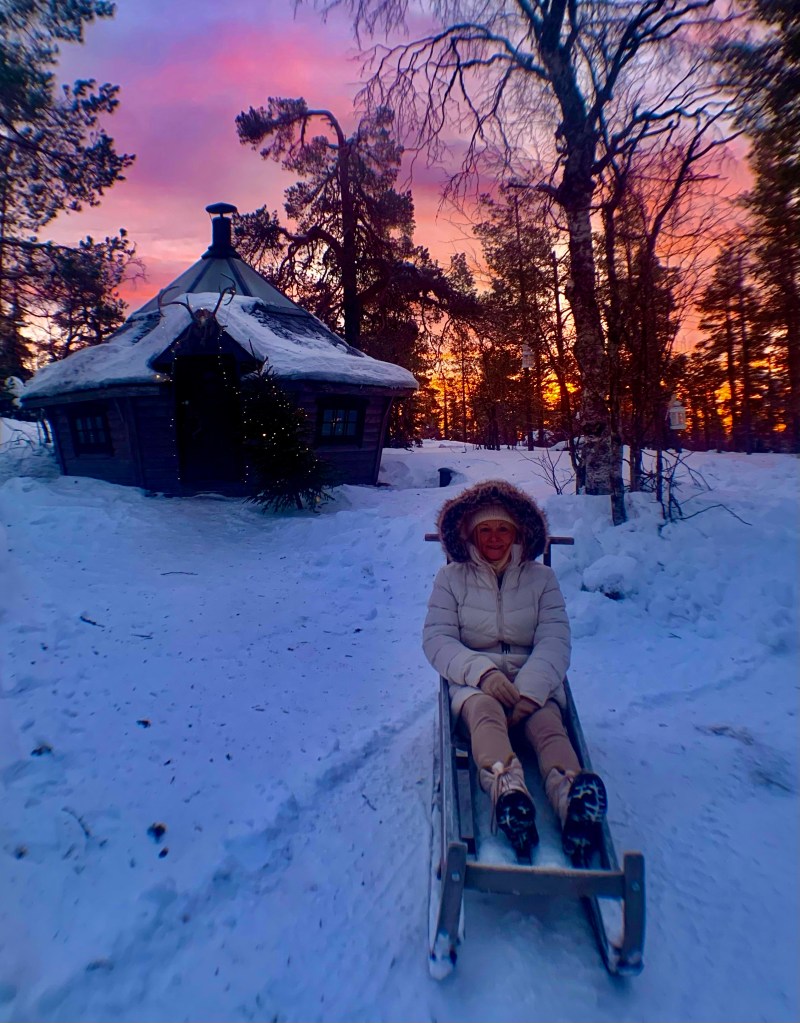
All wrapped up and ready to go. It’s important to wrap up warm as during this activity you will be remaining stationary and temperatures on the day of -12 degrees that is important.
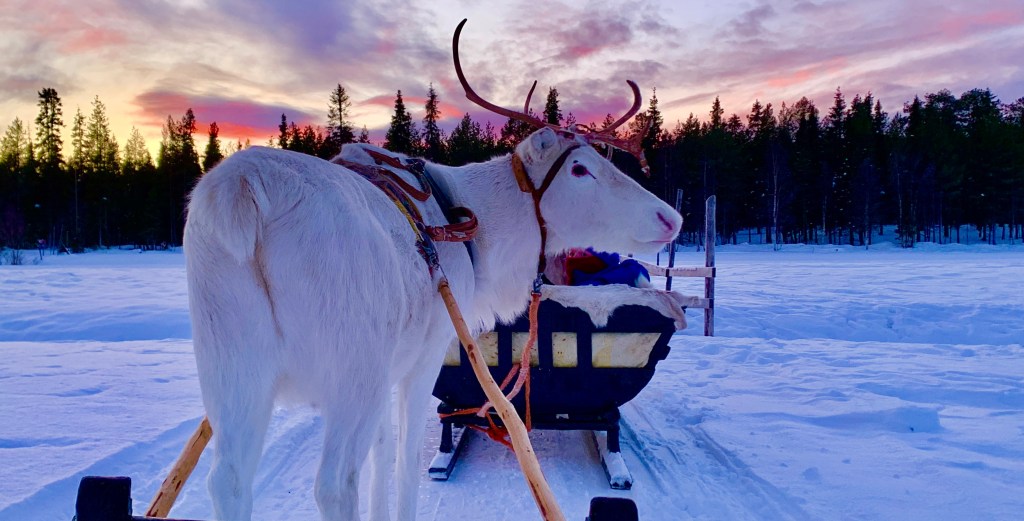
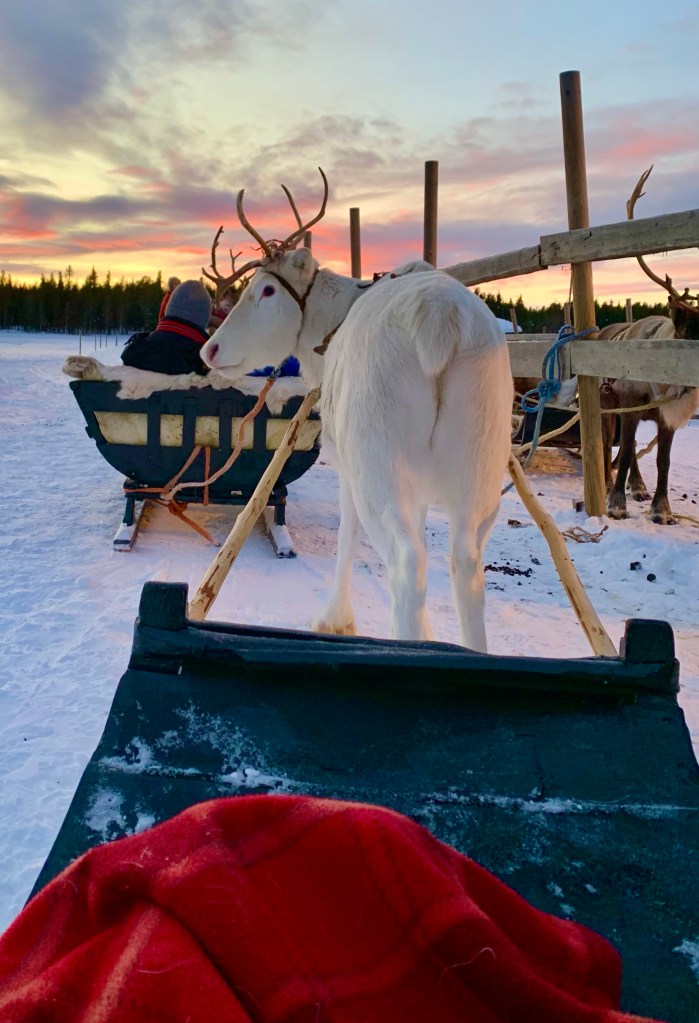
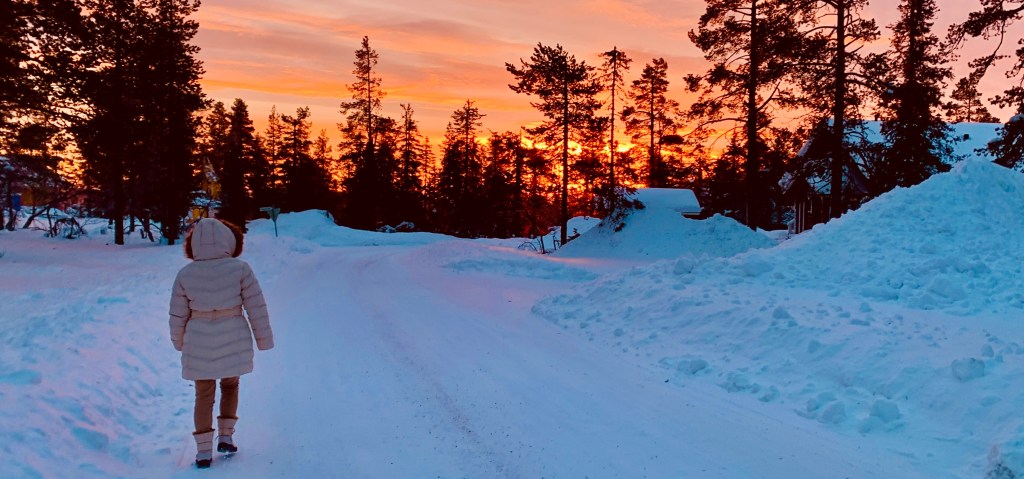
We choose the shorter 1-kilometre ride, 3 kilometres rides are available. The sun setting over the forests was simply breathing. The sky is full of vibrant reds and oranges lighting up the last of the day.
The one-kilometre ride was long enough to experience the reminders pulling us on the sledge. Travelling through the wintery forest and back to the farm, getting some breathing photos into the bargain.
The sleigh ride which I thought was going to be a bit of a tourist trap turned out to be quite magical. Experiencing first-hand the beautiful natural surroundings.
Husky rides
Another popular activity and high on my must-do list while in Lapland.
Before the advent of snowmobiles, huskies were the main mode of transportation. Providing a fast reliable way to transport people and goods.
Today husky sledging is immensely popular with visitors and plays a significant part in the Lapland economy. There are lots of unique activities in Lapland, this one was truly memorable.
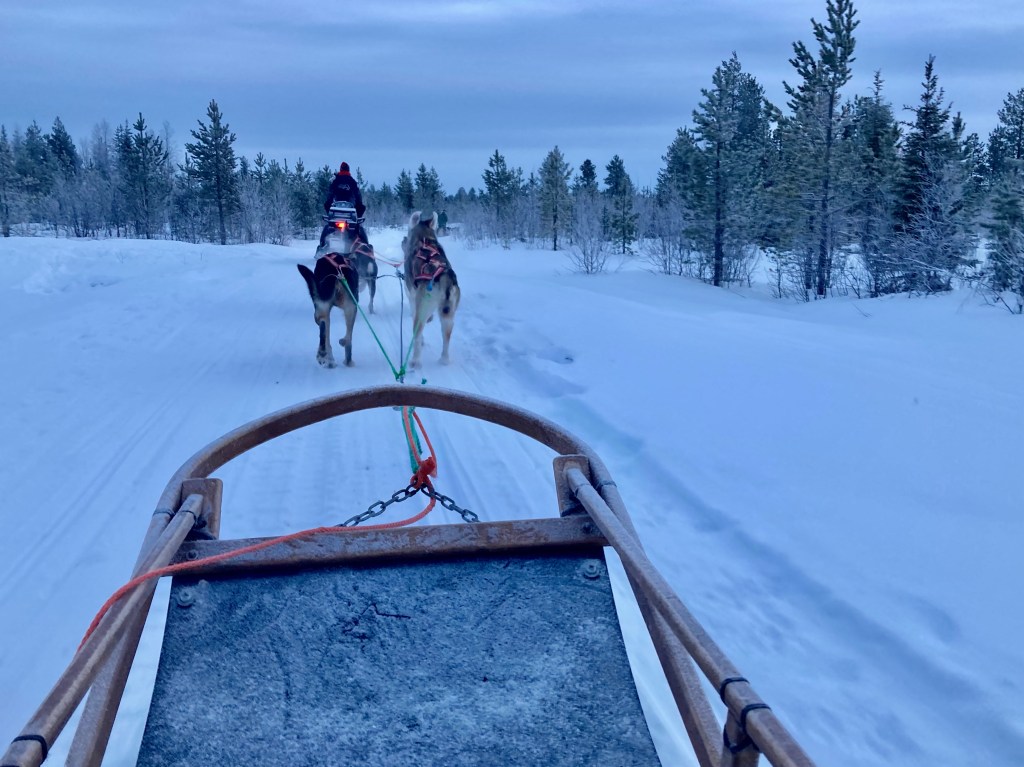
The exhilaration of being pulled through this Arctic wonderland by huskies so eager they are chomping at the bit if you excuse the horse analogy.
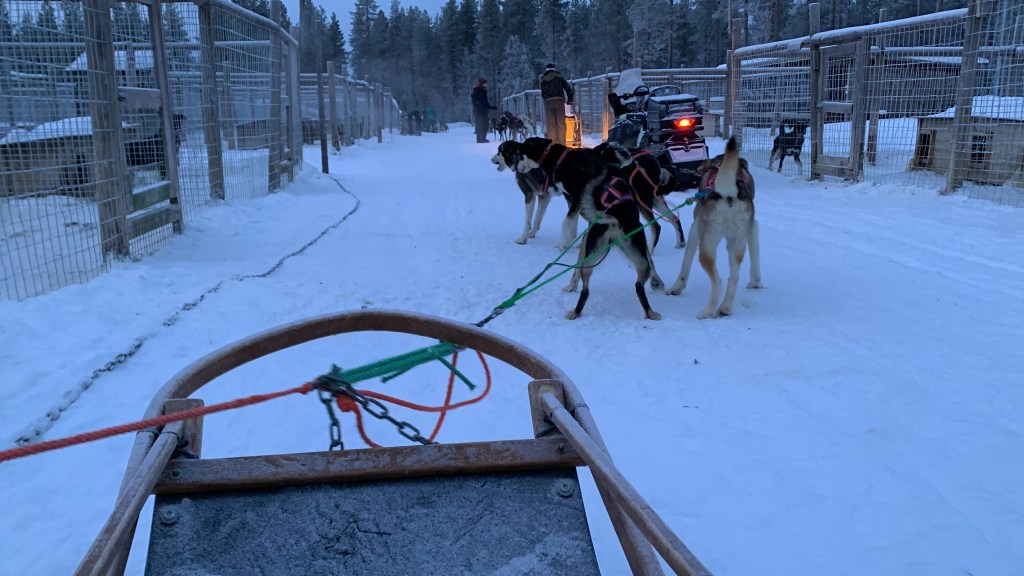
We had an early morning start. We received our safety briefing and riding instructions and we were the first group out that day.
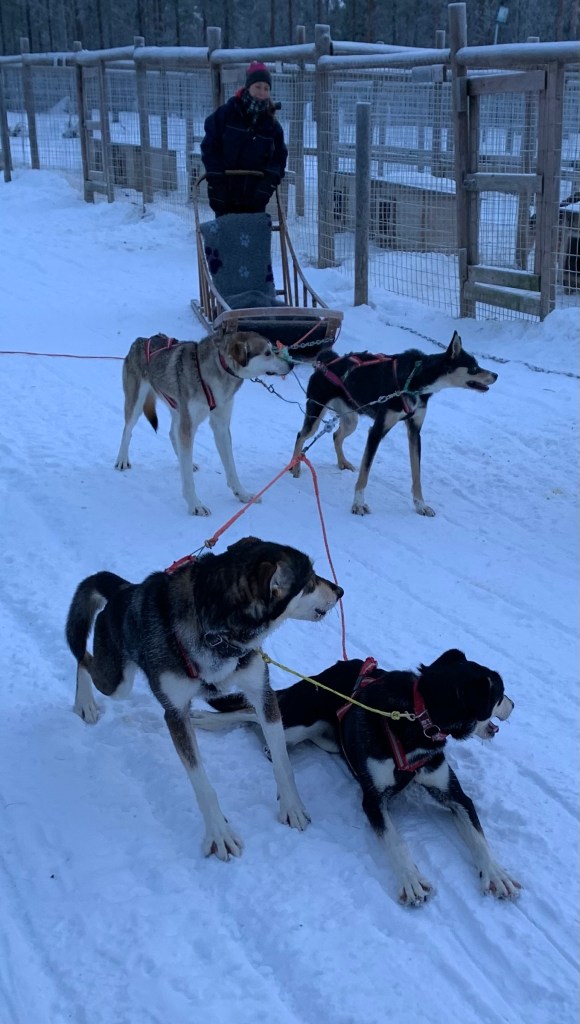
The raw power of four huskies was something to behold. First out on hard compacted snow, the speed of the dogs was phenomenal. I had to concentrate fully to keep the sledge on track.
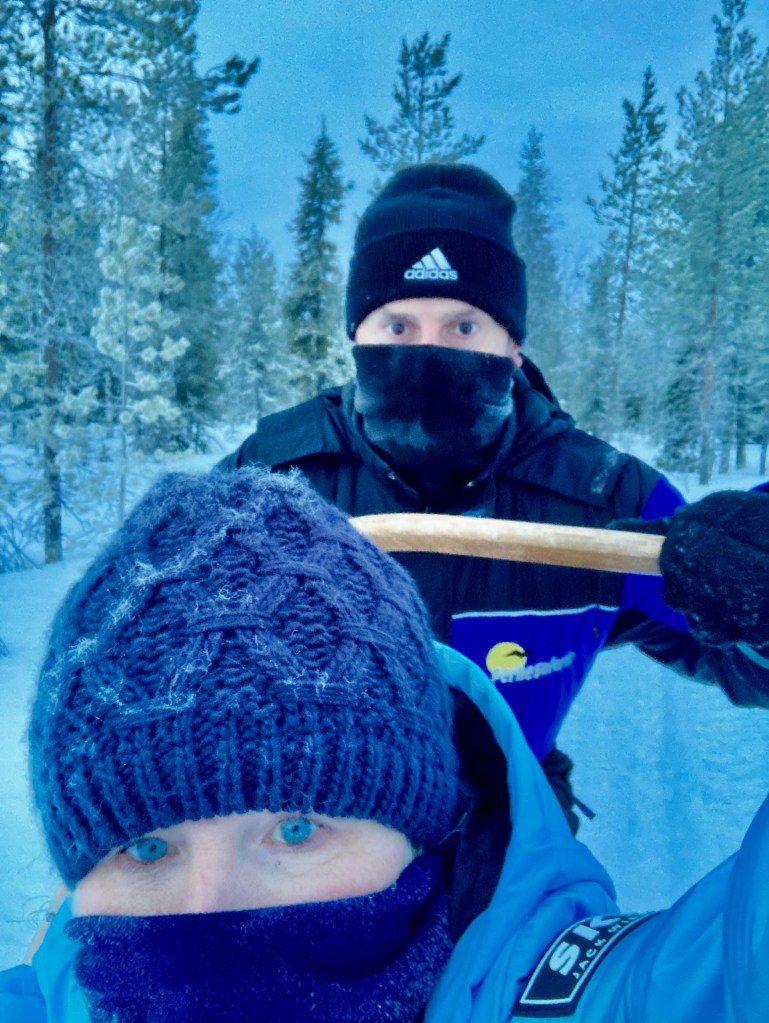
Our dog sledging adventure was about 60 minutes speeding through the frozen landscapes and taking in the beautiful natural setting, well my wife was taking them in, but I was too busy trying to guide the huskies. Dodging snow-covered branches and keeping the sledge on track.
A few things to take into consideration for the welfare of the huskies. When choosing a provider look for the ones who offer longer tours, the huskies prefer this and it takes much less out of them physically than a shorter run.
Bigger is sometimes better. These businesses have more huskies more staff and greater resources to look after the dogs, making sure they are rotated regularly and not being overworked. Most tour operators should only be using fully accredited providers.
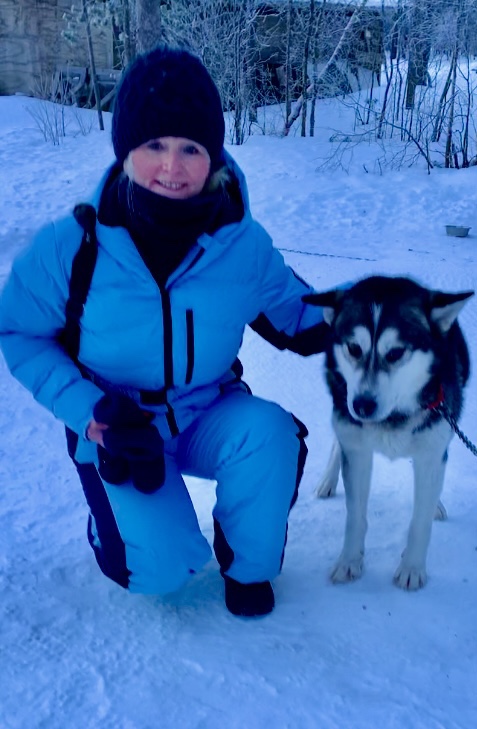
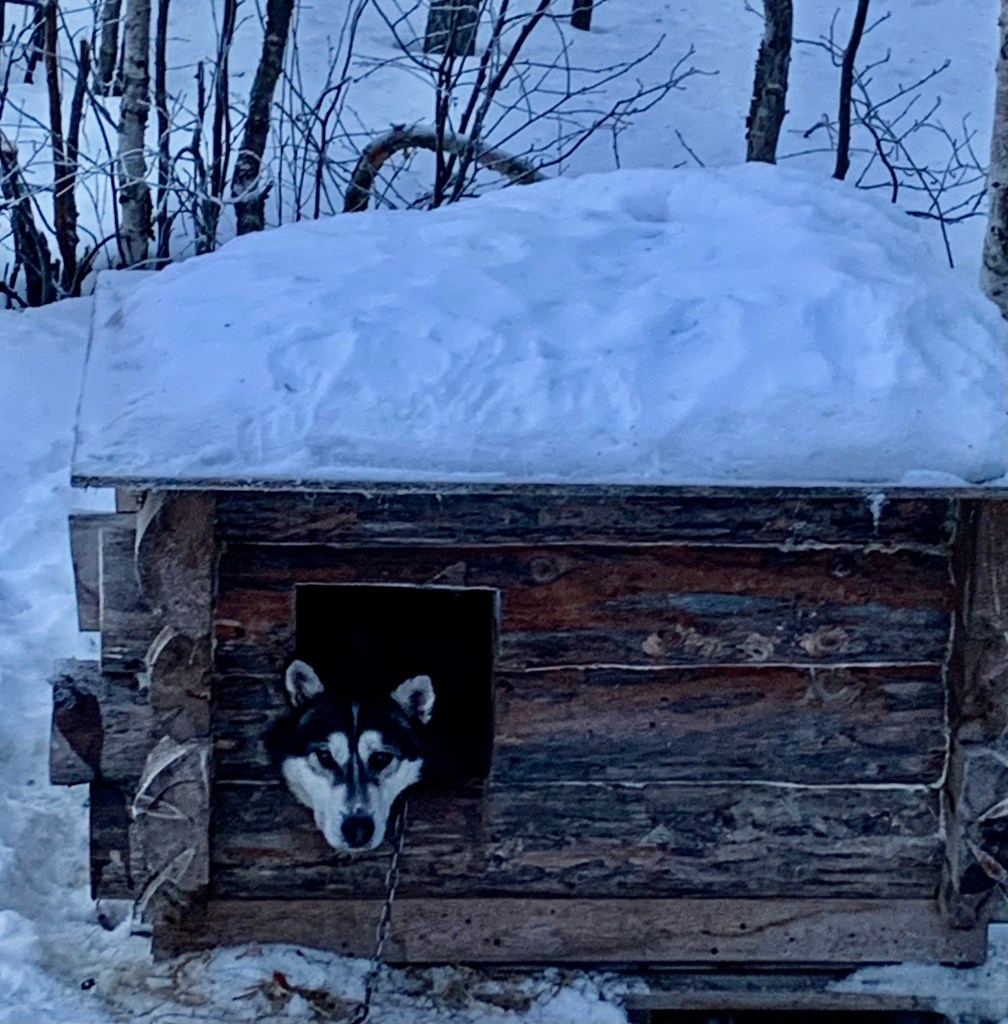
When we finished the tour we were given a tour of the kennels and given an insight of the life of a working husky.
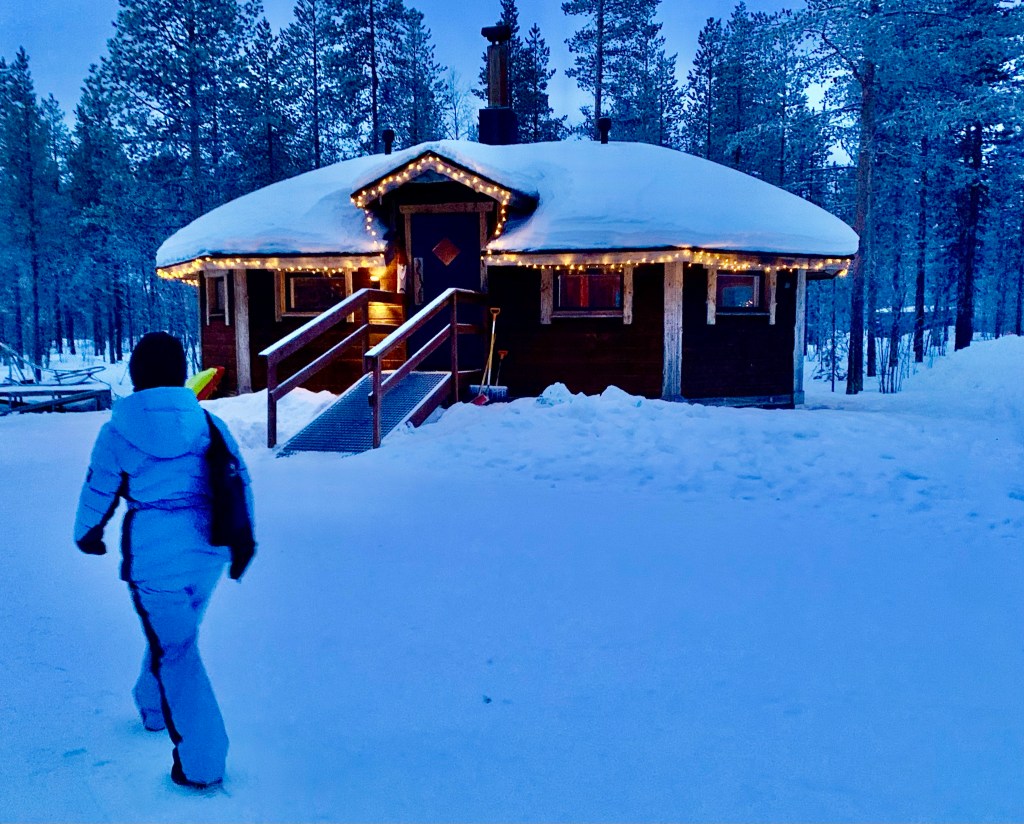
Before leaving we visited a traditional Finnish teepee, this one was rather large and grand with a large roaring fire. With some welcoming hot berry juice on offer to enjoy in front of a roaring fire.
Cross country skiing
Something of a national sport in Finland. Which is deeply ingrained in the Finnish psyche.
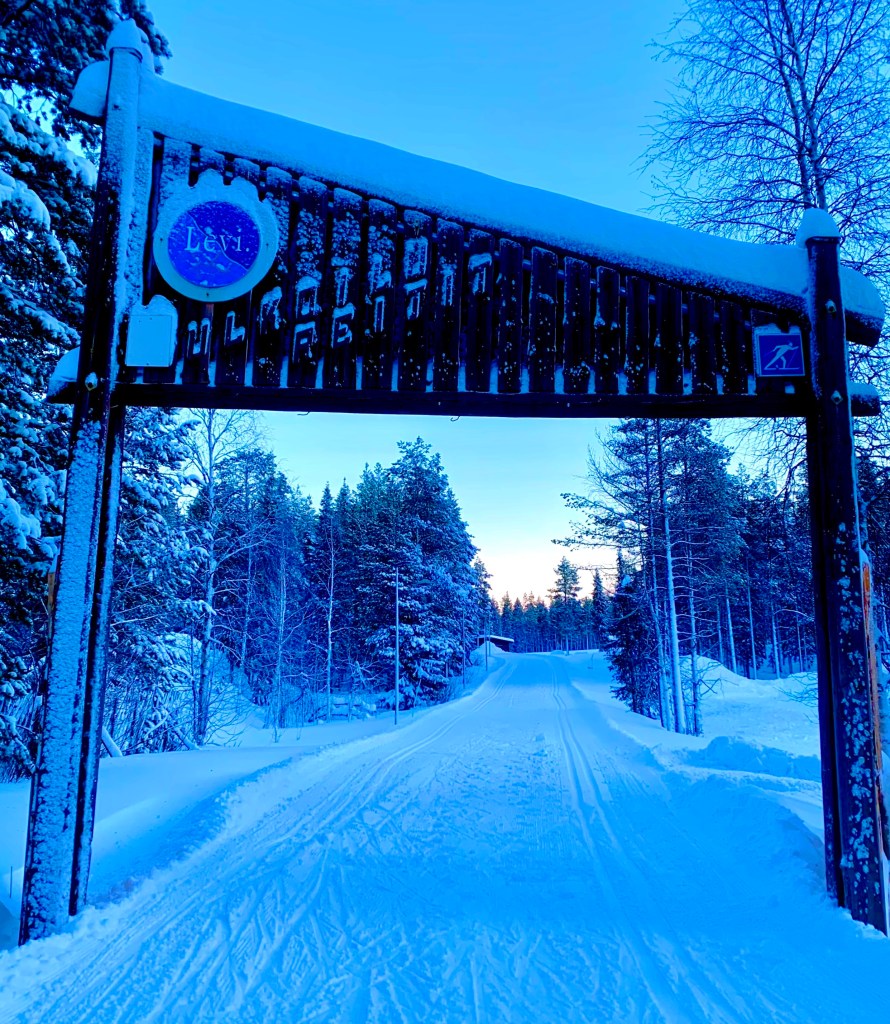
You will find 100s of kilometres of well-maintained trails in Lapland. There is an extensive in and around Levi, taking you through Arctic forests and frozen lakes.
We are always eager to engage in new experiences and this was a perfect opportunity. We had seen numerous people skiing while on our walks. How difficult can it be we thought?
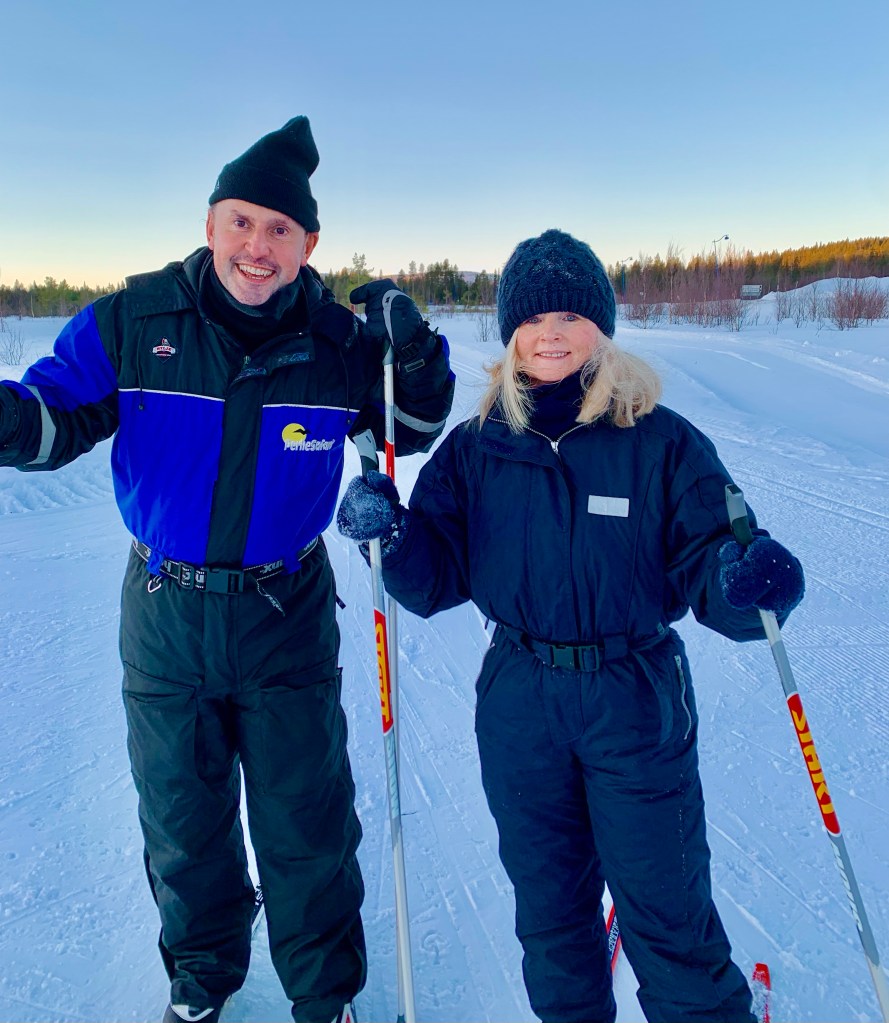
We booked a cross country skiing session with a local company. We picked a beginner’s lesson, it was certainly a lot cheaper than ski school where they teach you alpine skiing the down hill variant.
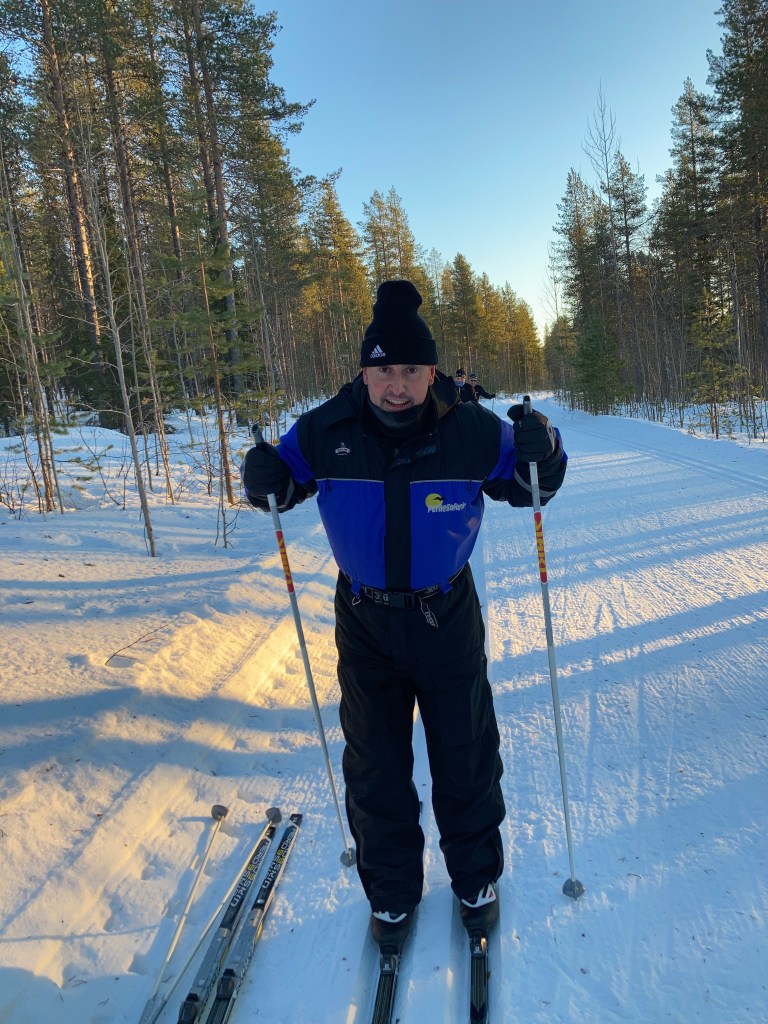
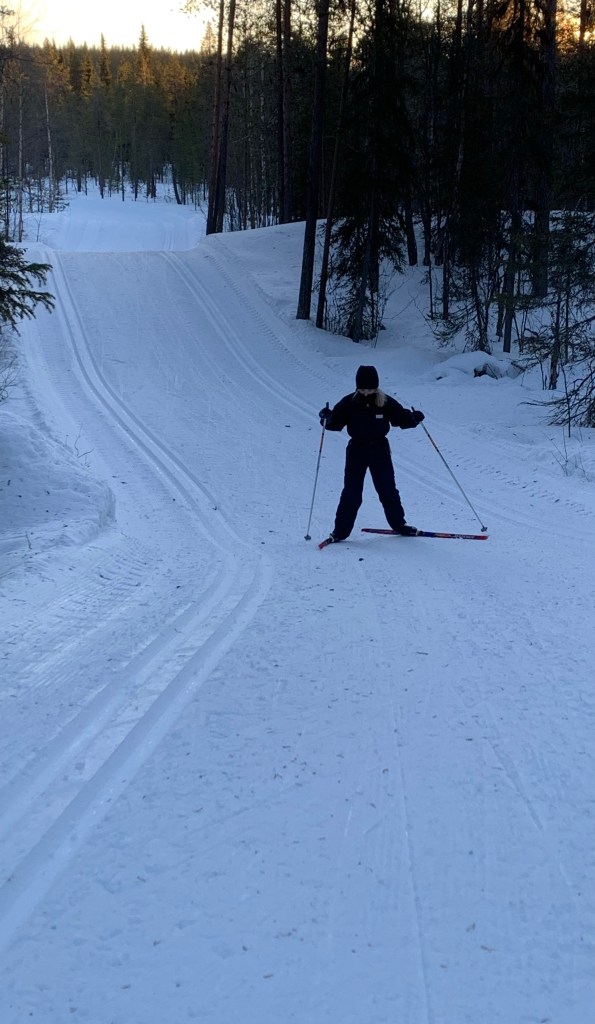
We were provided with all the equipment and an instructor to guide us through the basics. I fell to the floor within seconds of putting my skis on, the instructor was going to be in for a long afternoon, showing a great level of patience and understanding throughout the session.
We were being taught on a classic ski trail ( two parallel tracks next to each other. These are mainly flat not too long and are excellent for beginners.
Snowshoeing on the Mountain ⛰️
A fantastic way to stay active and enjoy the countryside. Unlike skiing or snowboarding it is beginner friendly and low cost.
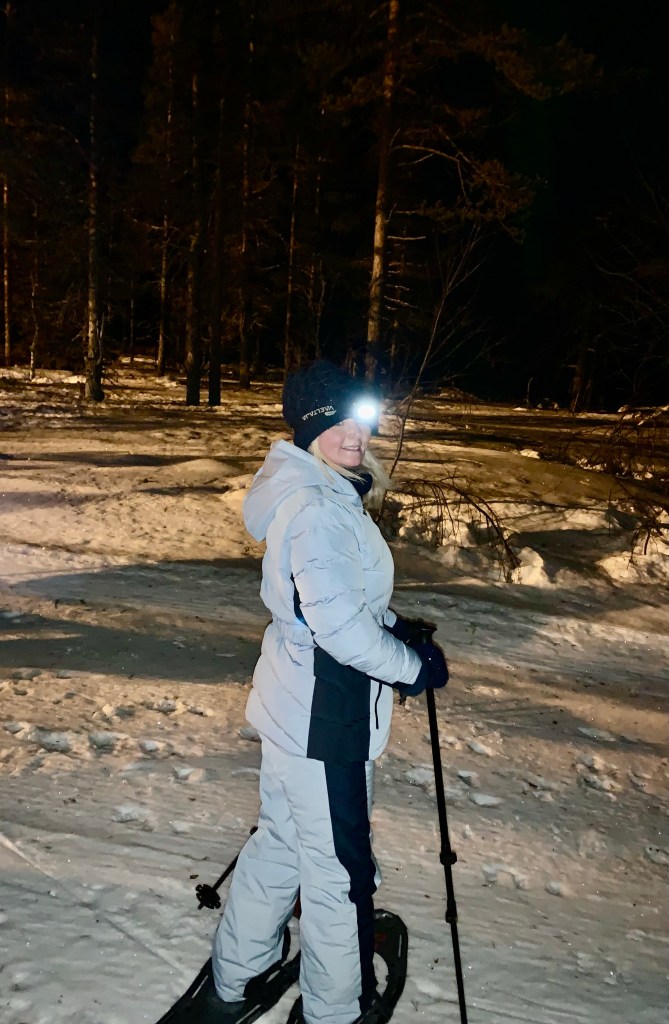
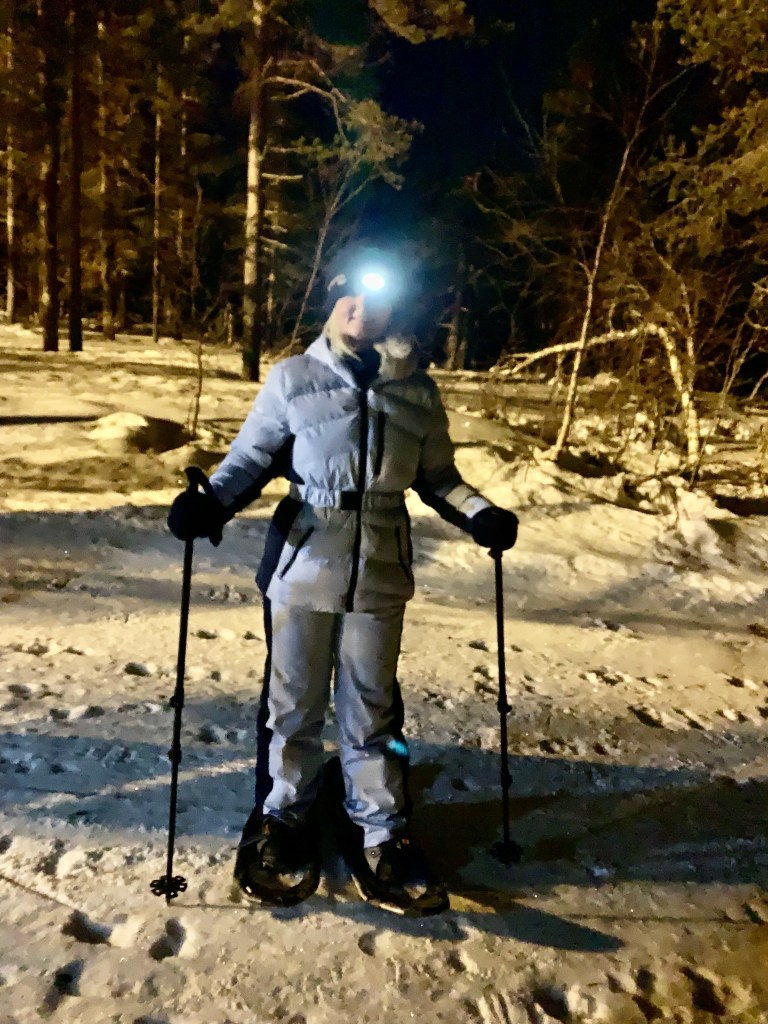
No previous experience is necessary after quickly getting our equipment fitted we were off on a trail straight away, a very inclusive activity which most people can enjoy.
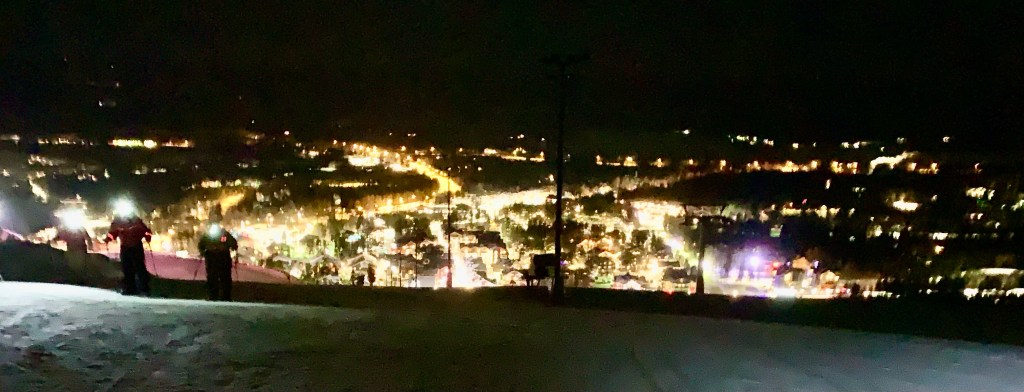
We had booked a group walk departing from zero point Levi. It was the same guide as we had earlier for cross country skiing, hopefully, I will give a better account of myself this evening. Even at the start of our walk the nighttime views of Levi were fantastic.
Due to the mixed abilities of the group, this was an intermediate walk. The trails were marked and we also ventured on to tougher terrain.
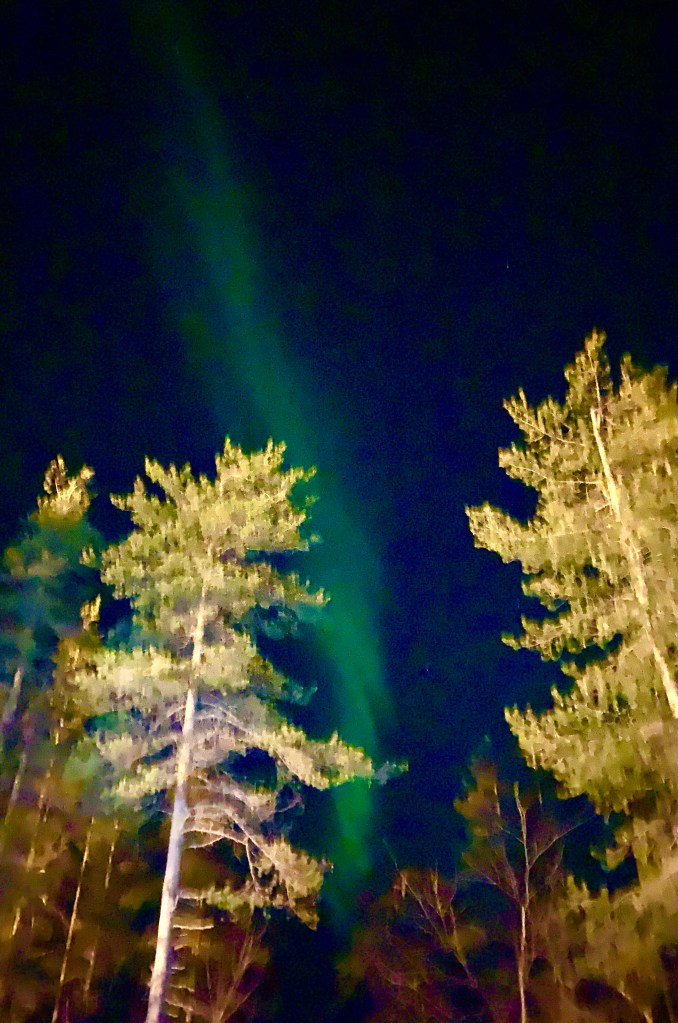
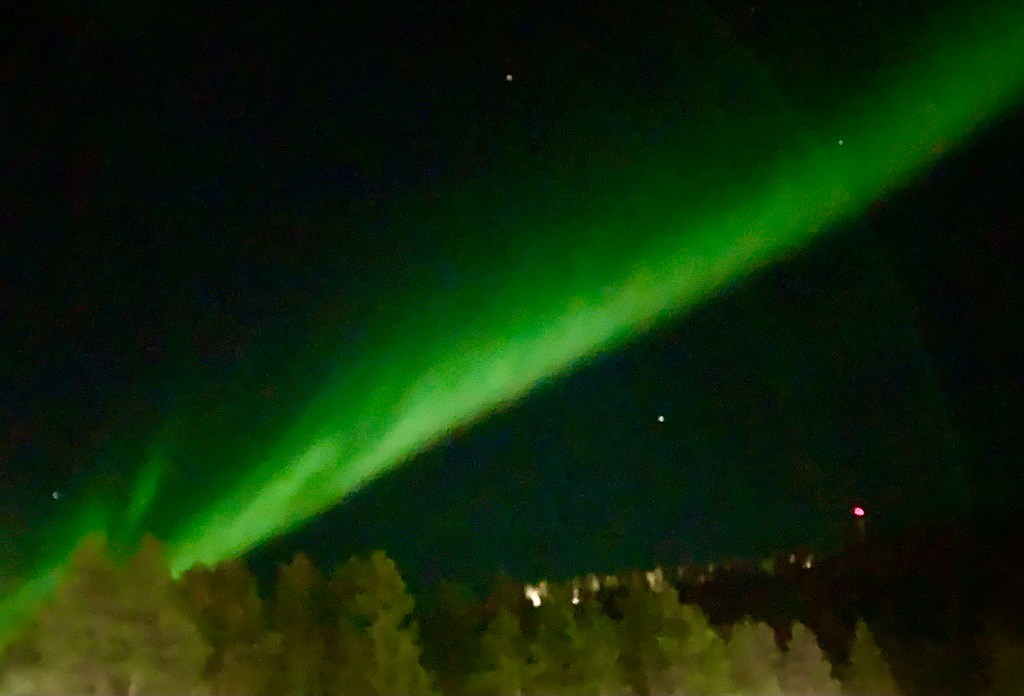
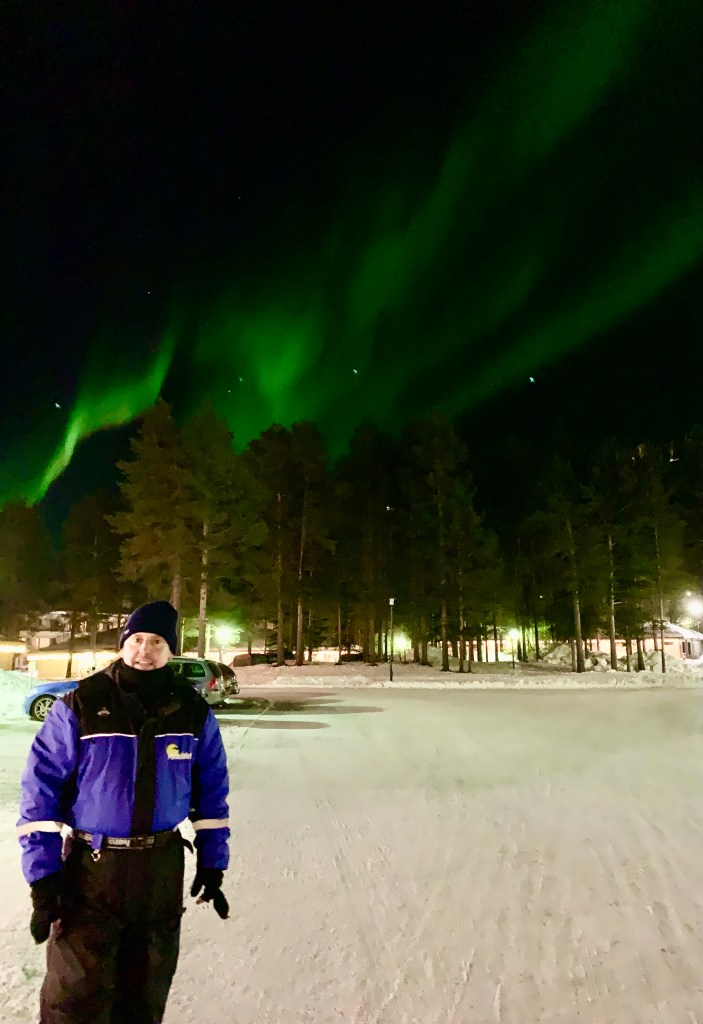
Views of the northern lights in the distance. It was a fantastic experience to view them while in the Arctic forest.
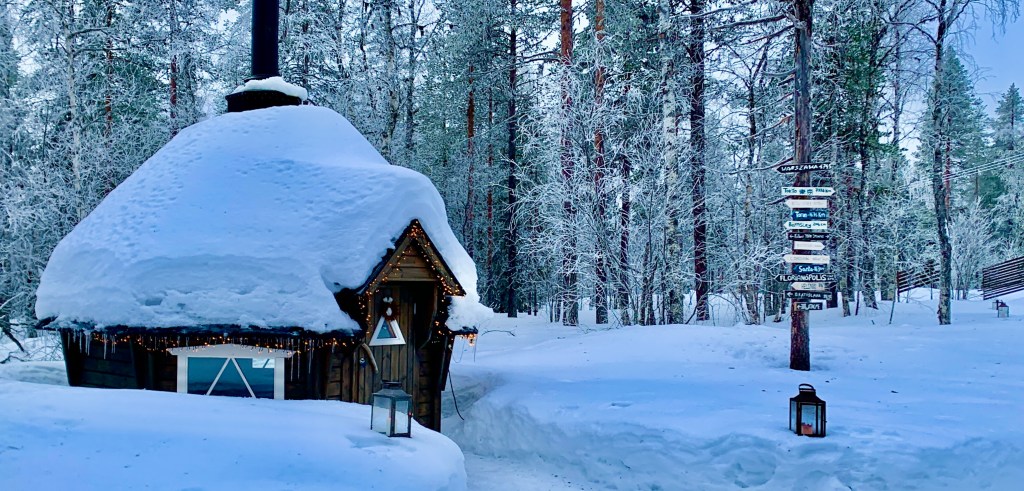
We stopped at a Finnish Laavau, this is a small shed where you stop on the mountain, dotted around in various locations. An excellent spot to partake in a hot berry juice before our ascent back down the mountain.
Northern Lights walks
Snow✔️ reindeer ✔️ huskies✔️ northern lights maybe..??? Finnish Lapland is an excellent location to view them where they are active over 100 nights a year.
There are many tours and activities where you can view the northern lights, many that involve an expensive your. However, it needn’t cost anything as Lapland is a perfect location to view them.
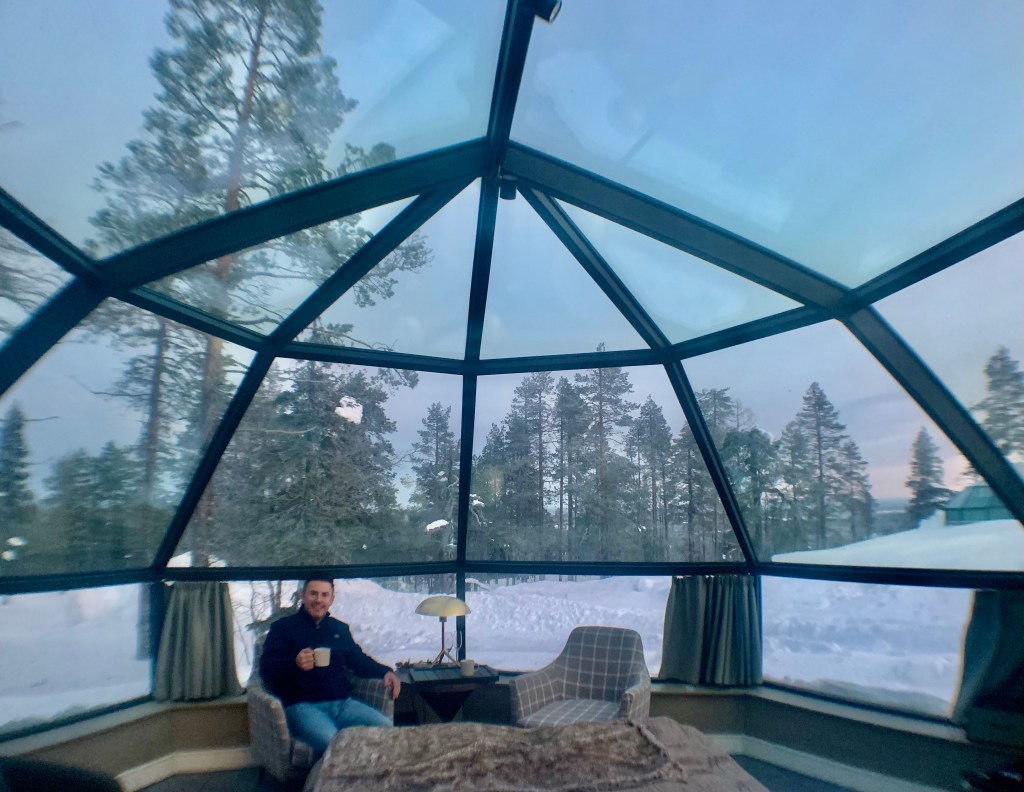
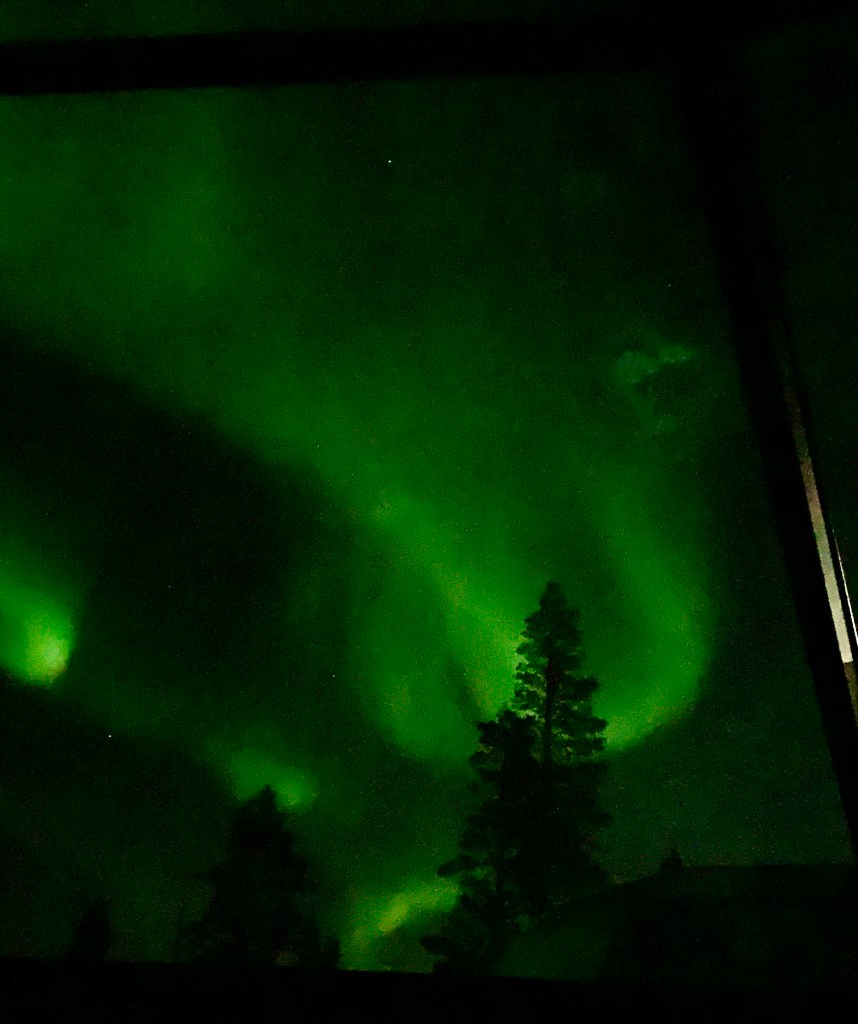
In Lapland, we stayed in a glass igloo where we were able to view them which was mesmerizing. A few days later we saw an equally impressive display of the northern lights in Levi.
Although never guaranteed, Lapland which is located deep within the Arctic Circle is an excellent location to view the northern lights.
Snowmobiling tours
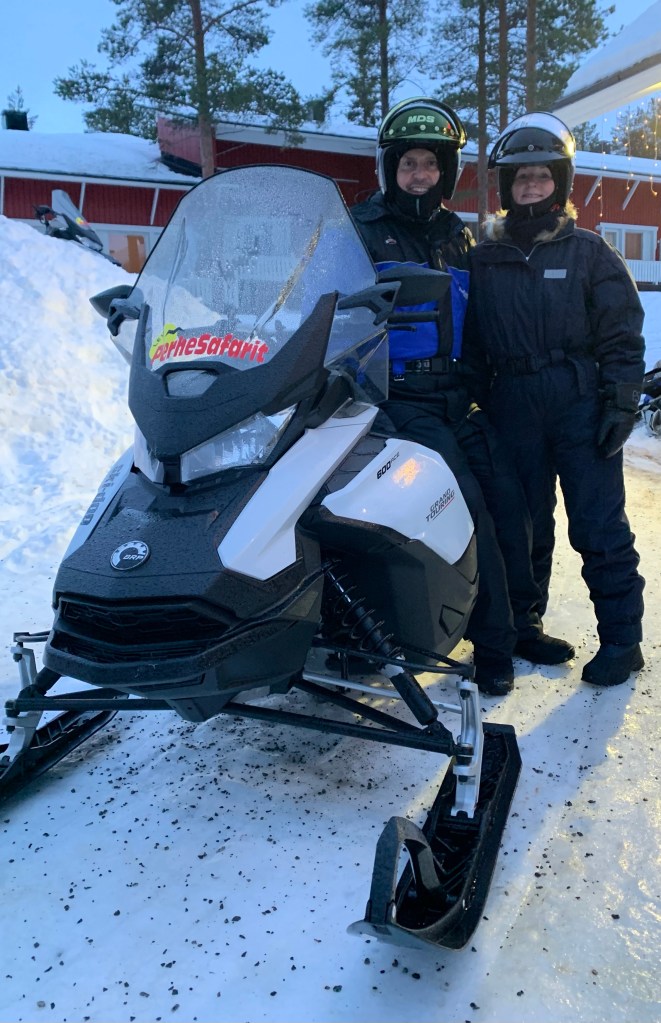
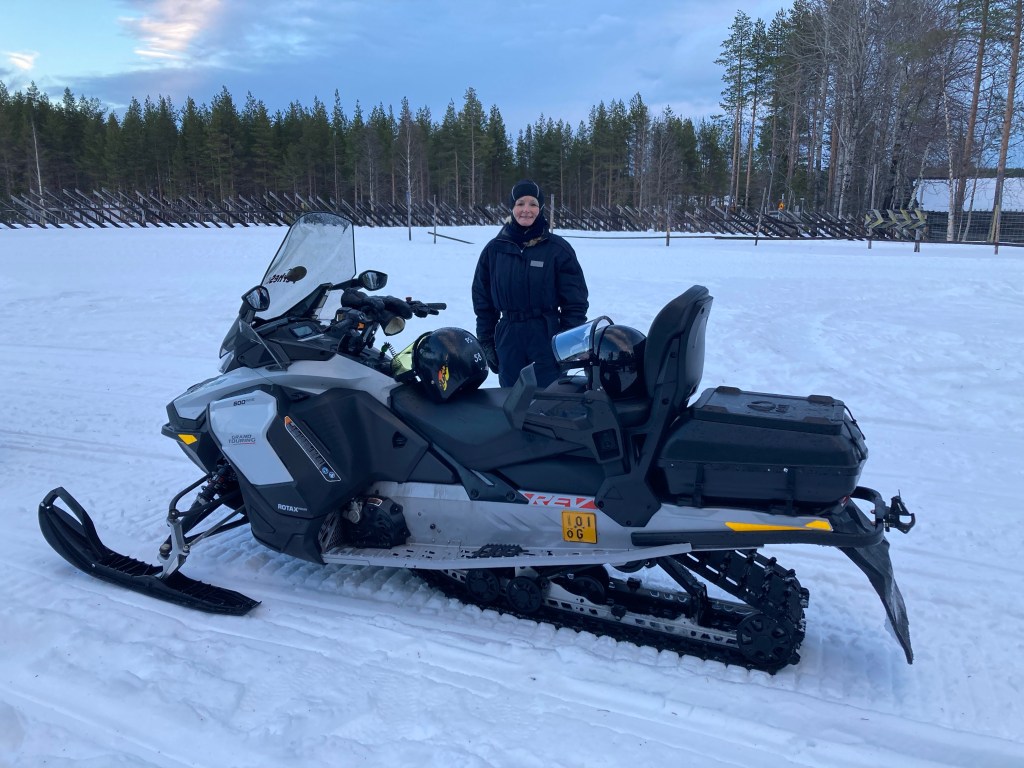
Another thing that surprised me was the number of snowmobiles in Lapland. Not an unnecessary indulgence but one of the best ways to get around this cast wilderness.
You can hop on and discover frozen rivers and expansive hilltop vistas. You will find a bewildering selection of tours so do your research beforehand.
We chose a guided tour with established routes where the guide will advise on the weather conditions and terrain. While riding through some pretty countryside.
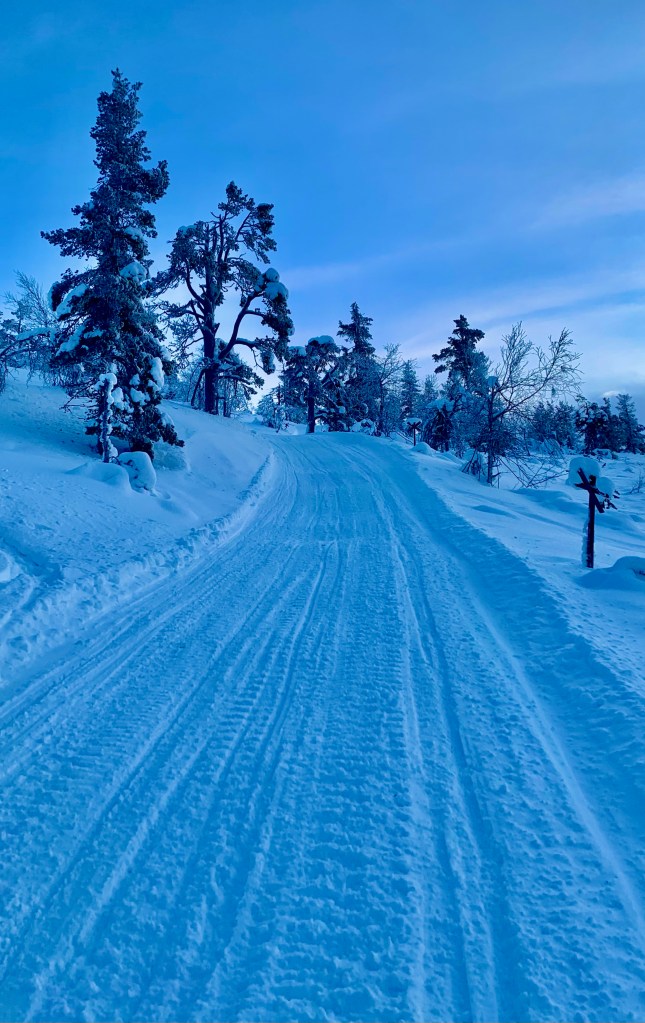
A typical sight in and around Levi as public transport is non-existent and many roads are impassable. Snowmobiles have their own track network with speed limits and road signs.
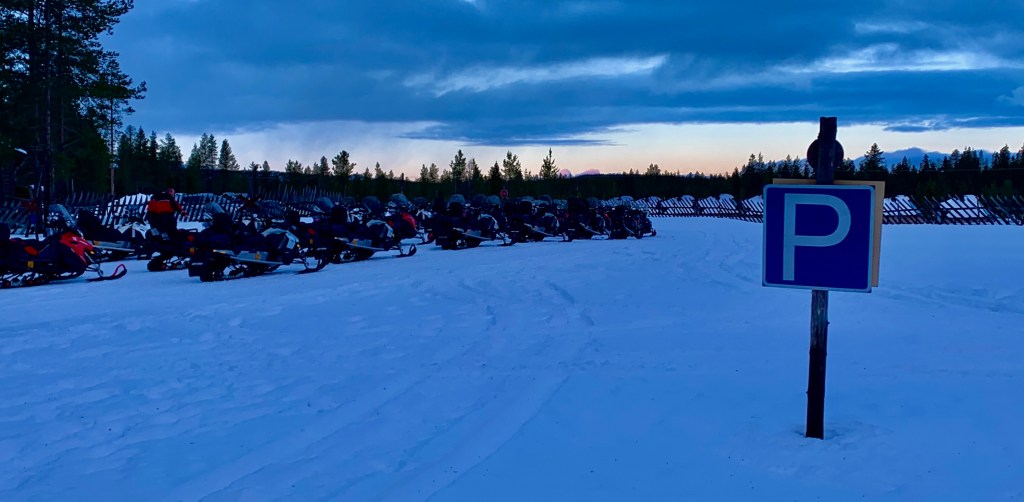
Such is the popularity of snowmobiling, you will find snowmobiling parking rather than car parking. You will find these in popular locations and stopping points.
A trip to Lapland for many people can only mean two things, skiing or Santa Clause. I can’t ski and I am a bit old for Santa Clause.
So what is there to do to keep me occupied for two weeks? Factor in that just days before our visit in January the Finnish government introduced more stringent COVID regulations. All bars and restaurants would close by 6 pm 😩. These restrictions have now been relaxed.
Temperatures of well below zero and only a few hours of daylight, had I made a massive mistake? Travelling in winter in the midst of new covid restrictions.
I needn’t have worried. This beautiful Arctic location has plenty to keep the visitor engaged. Surprisingly, to me, Lapland has a well-developed tourist infrastructure with lots to engage the visitor.
In my first blog, we visit an ice hotel which is rebuilt every year with a different theme. We experience a Finnish Sauna individually tailored with your very own personal hot tub and stay in a glass igloo in the mountains above Levi, where we were fortunate enough to witness the Northern Lights through the glass roof
We visited more traditional accommodations used by the indigenous Sami people. This can be seen in the Samiland museum dedicated to the life and struggles of the Sami community.
Stay in a snow hotel
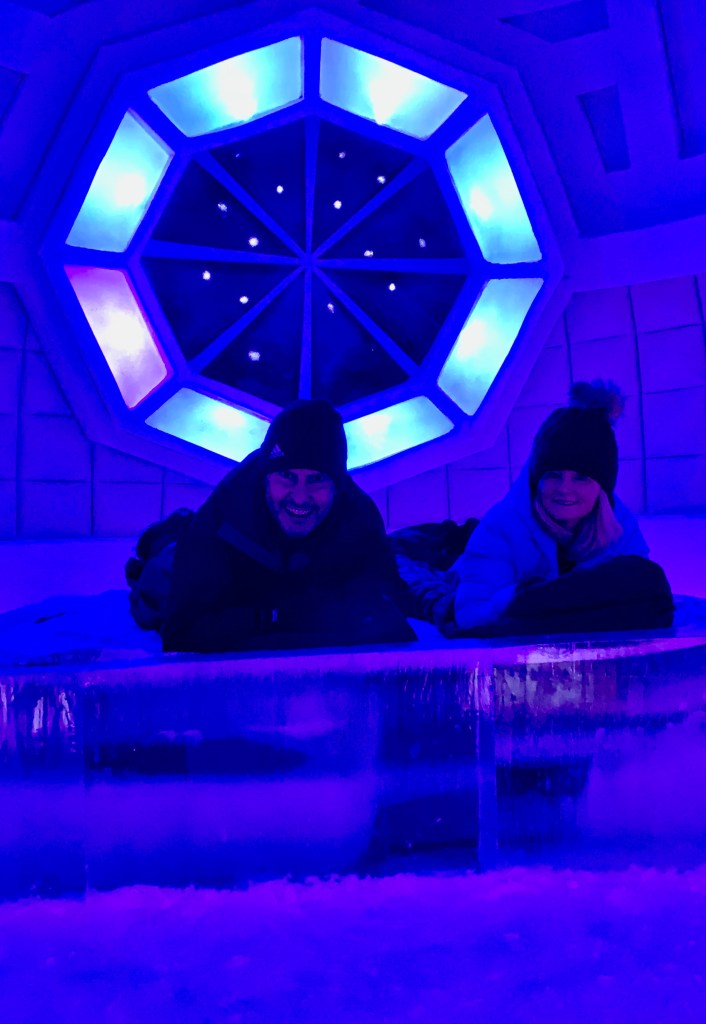
Sleeping, drinking, dining and exploring the snow hotel. The snow village Lapland resort is just a short drive from Levi.
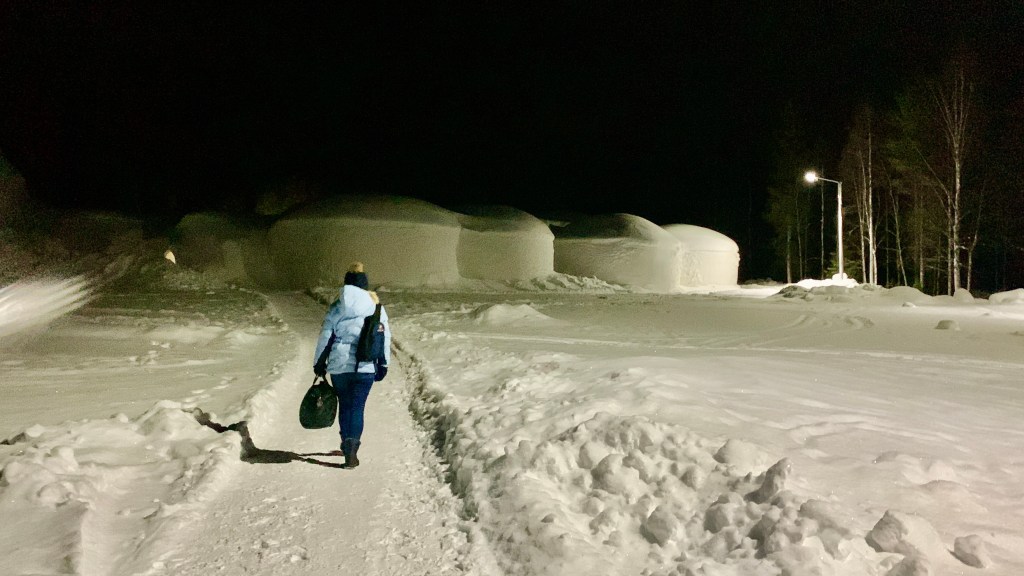
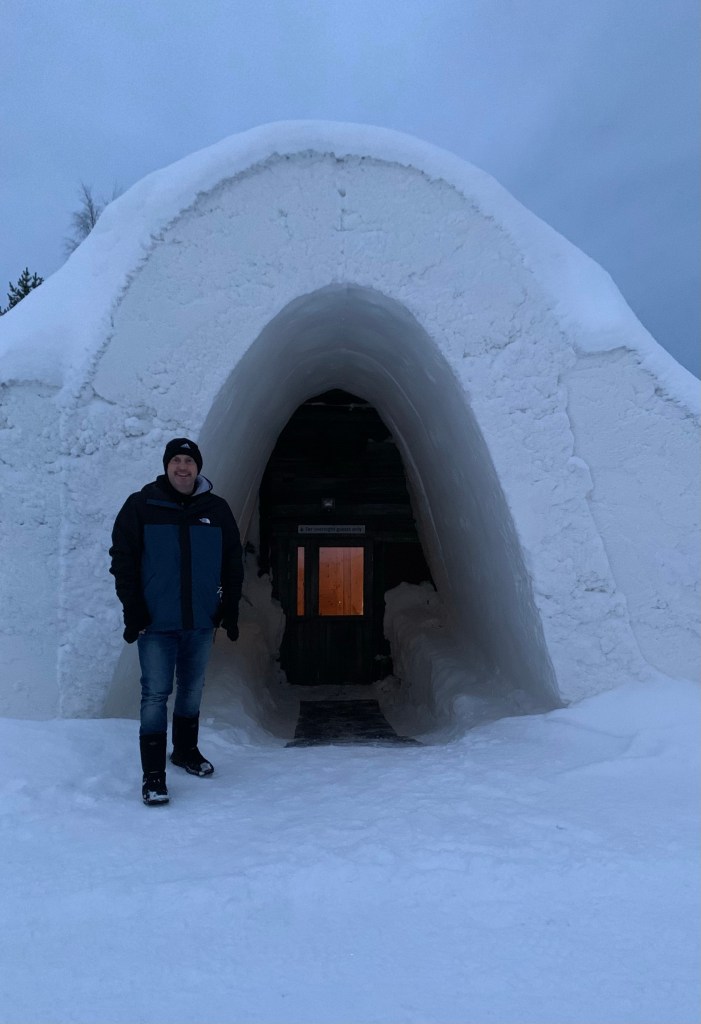
The nondescript front of the ice hotel. Appearances can be deceptive.
The first one was built-in Sweden 30 years ago. Usually, a temporary hotel is built every year constructed of ice blocks and snow, which is dependent on the sub-zero temperatures.
The snow village is located about 30 minutes drive from Levi. It’s Lapland’s premier snow hotel. With ever-changing themed themes which pre covid included Game of Thrones, which was so popular it was used two years running.
The Ice Bar
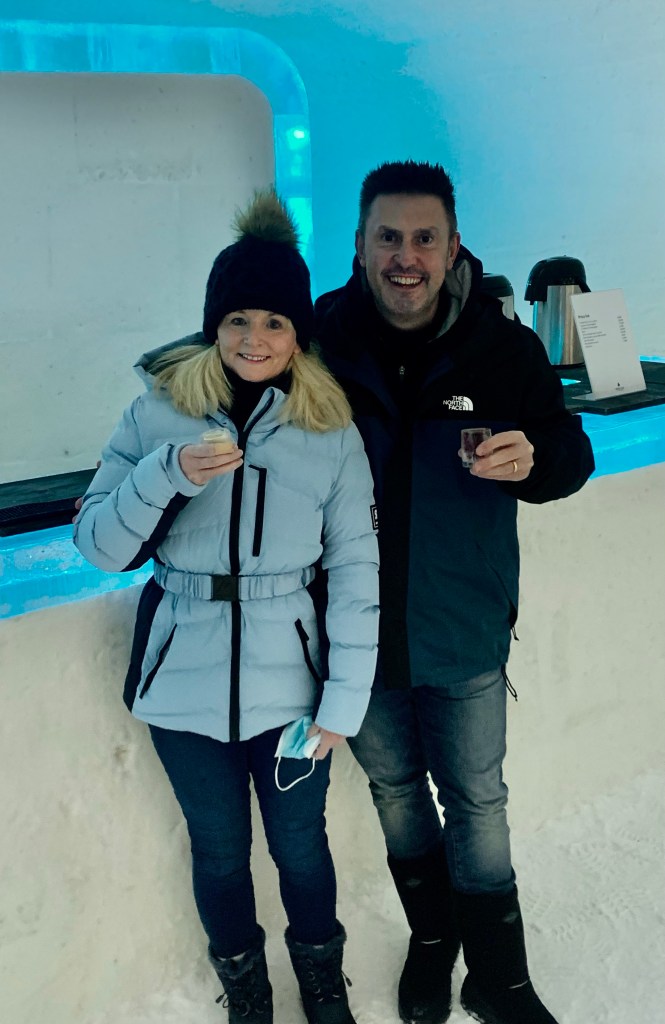
We arrived earlier than we planned as the bar shuts at 5 pm due to new covid restrictions. It would usually be open till 10 pm, as we wanted to get the full experience of what the snow village had to offer.
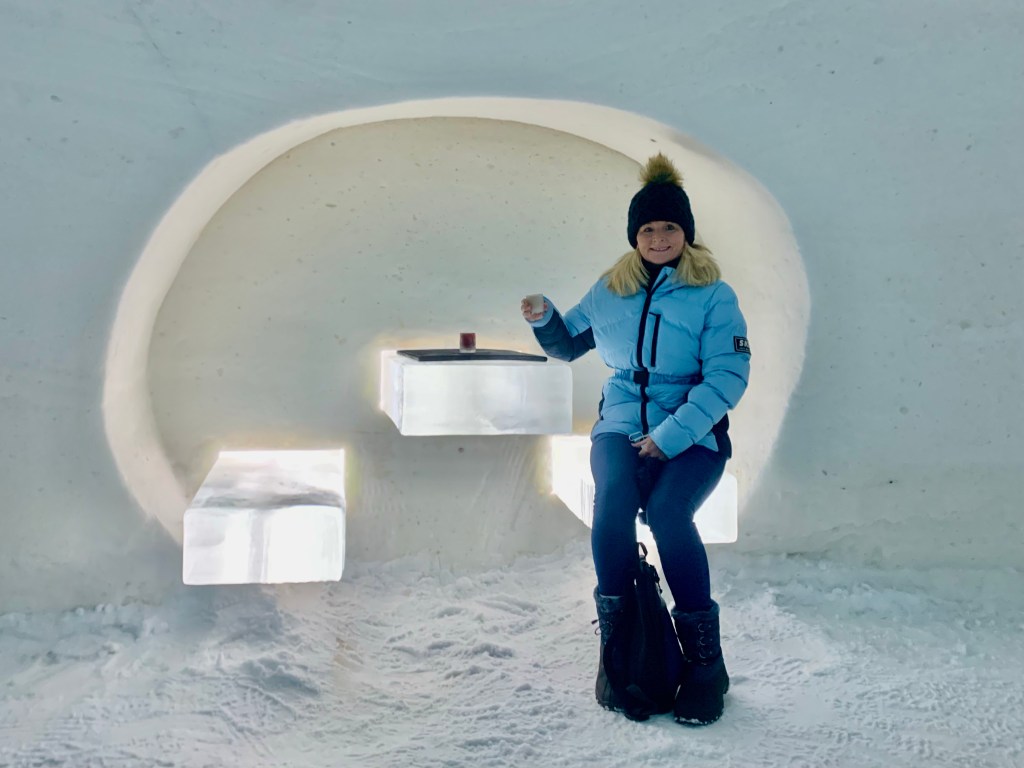
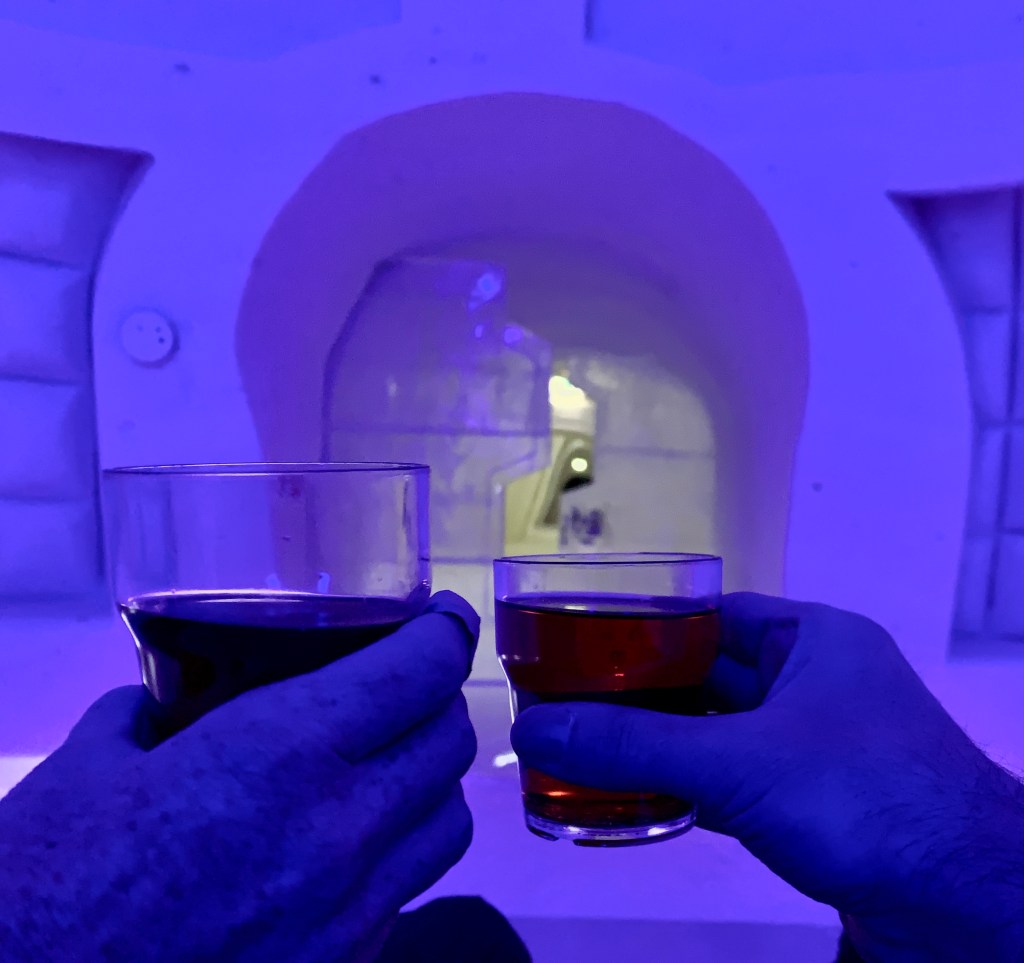
After ordering our drinks at the ice bar we thought we would soak up the atmosphere and marvel at the ice sculptures. This is certainly a bar where we were able to chill out 🤣
An ice bar is certainly a beautiful place with some very ornate ice architecture. Although some people may complain that the atmosphere there may leave you feeling a bit cold 🥶🤣
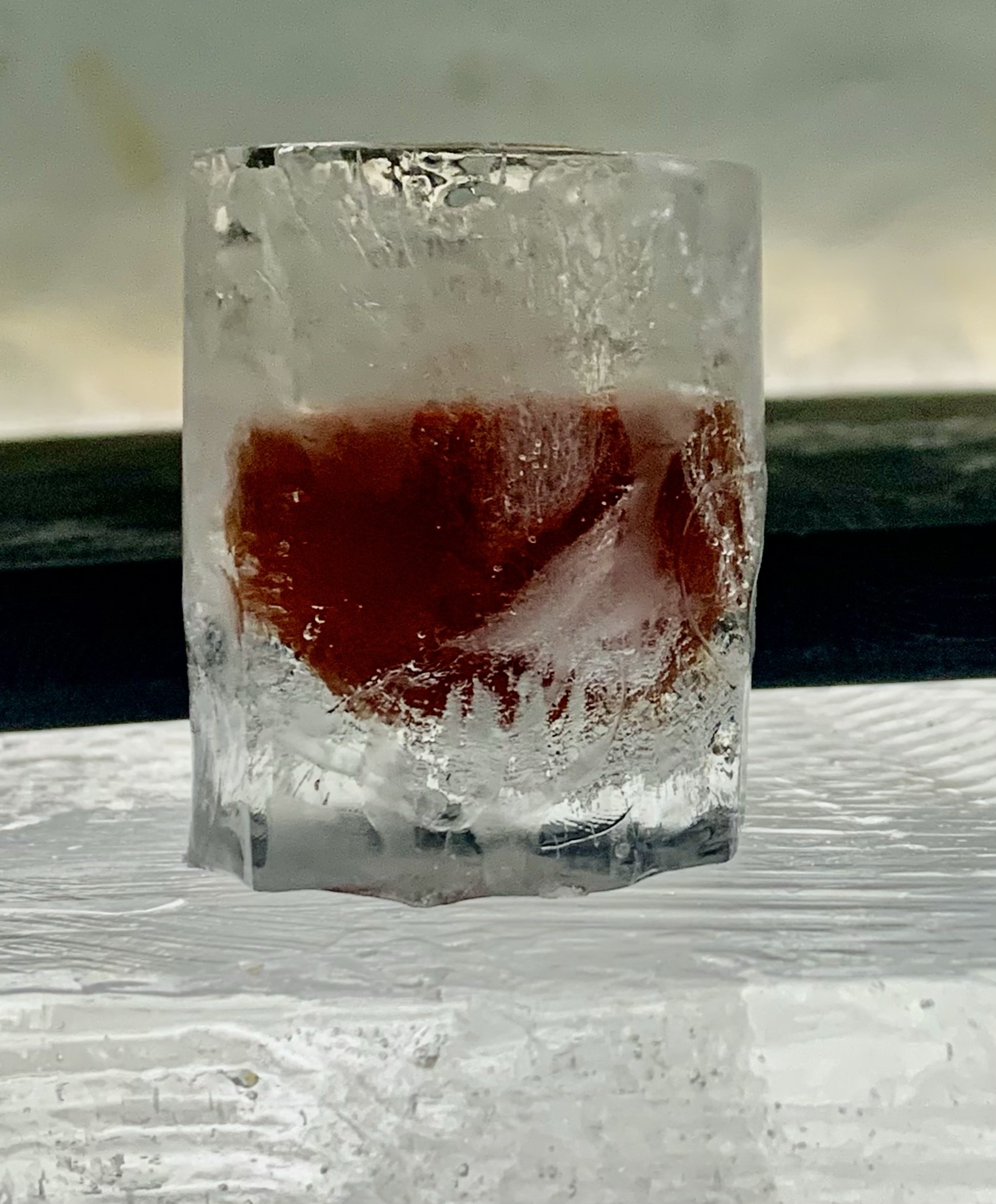
Drinks are served in these rather unique shot glasses made from wait for it ….. ice. No need for ice in your drink at this establishment, it certainly cuts down on washing up.
Ice restaurant
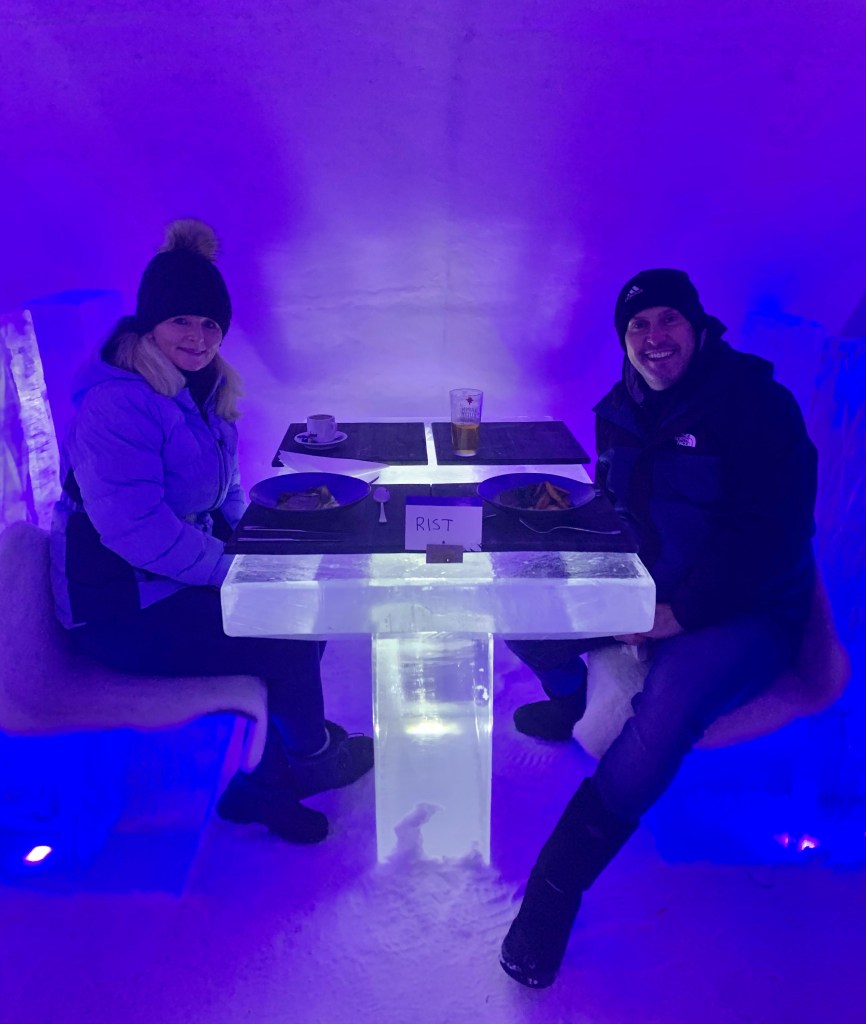
I have been to a few ice bars on my travels, however, an ice restaurant at the snow village was a whole new experience for us. Reservations must be made prior to visiting the snow village.
This is one restaurant where they will not take your coat off you, in fact, if you are feeling a bit chilly they have extra clothing for you to wear.
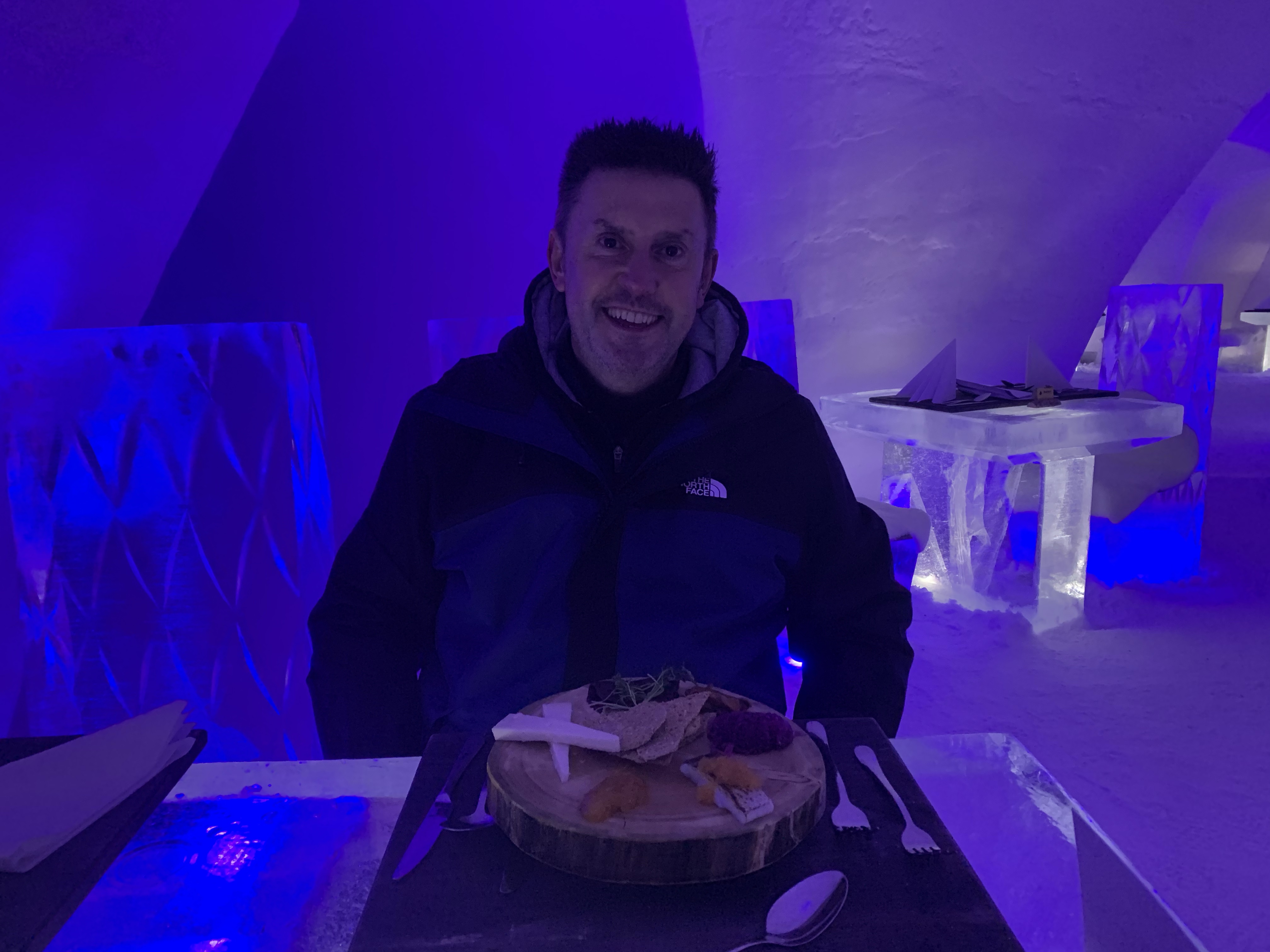
Dinner is served I will have to eat it quickly before it gets cold.
I must admit this was a unique dining experience. The menu at the ice restaurant highlights all the best food Lapland had to offer. Expect to order fresh fish, reindeer locally produced bread and cheeses. The restaurant was cold but not unbearably so, having said that you wouldn’t want leisurely service.
Inside the communal areas of the hotel.
The hotel is open to the public and is a very popular destination for day tours. We weren’t allowed access to our room till 10 pm as there are still visitors at the hotel complex. Although in reality, it’s pretty quiet after 8 pm.
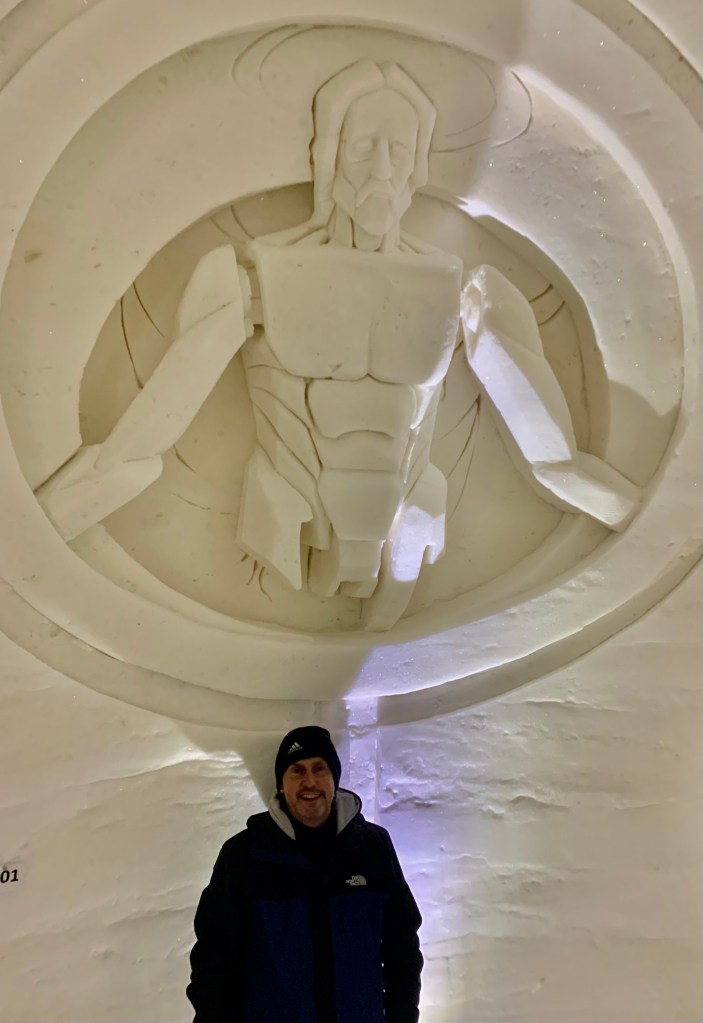
You will find an ice chapel at the ice hotel and it is a surprisingly popular venue for weddings. It’s decorated with ice sculptures, complete with ice benches and an ice altar. One thing for sure is the groom won’t be feeling hot under the collar.
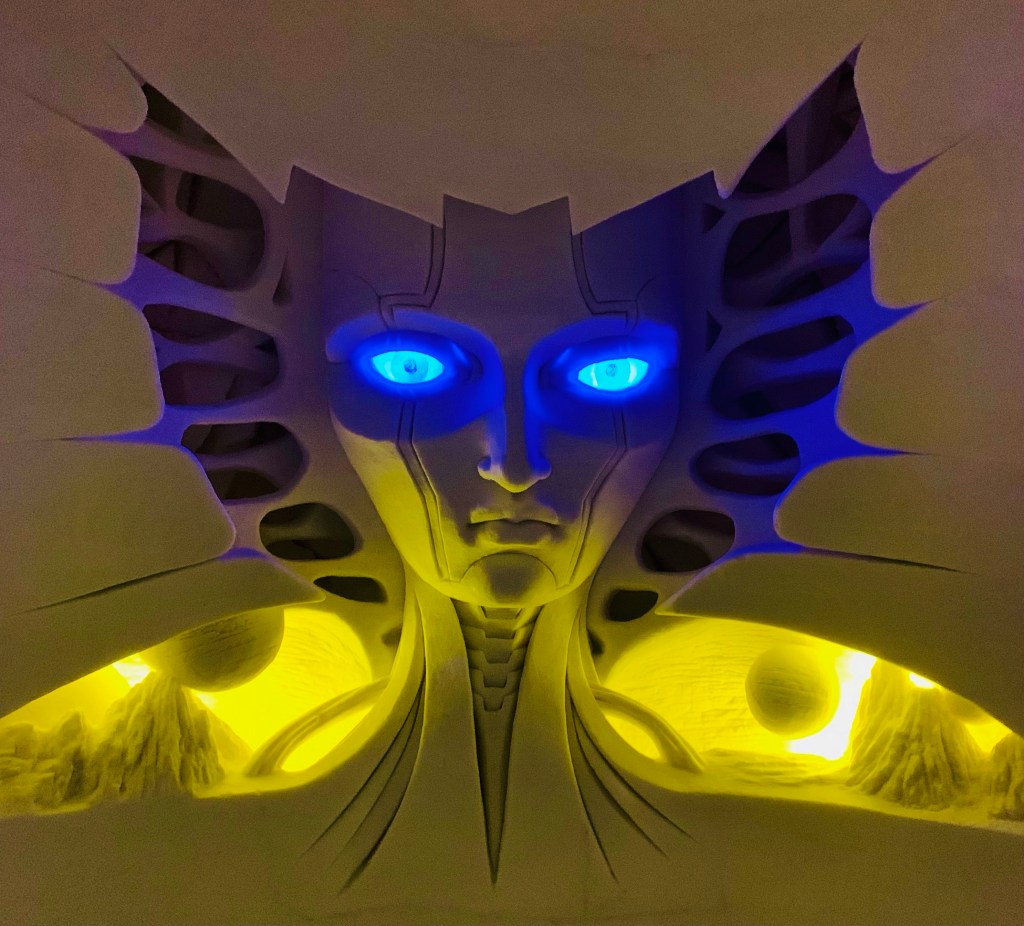
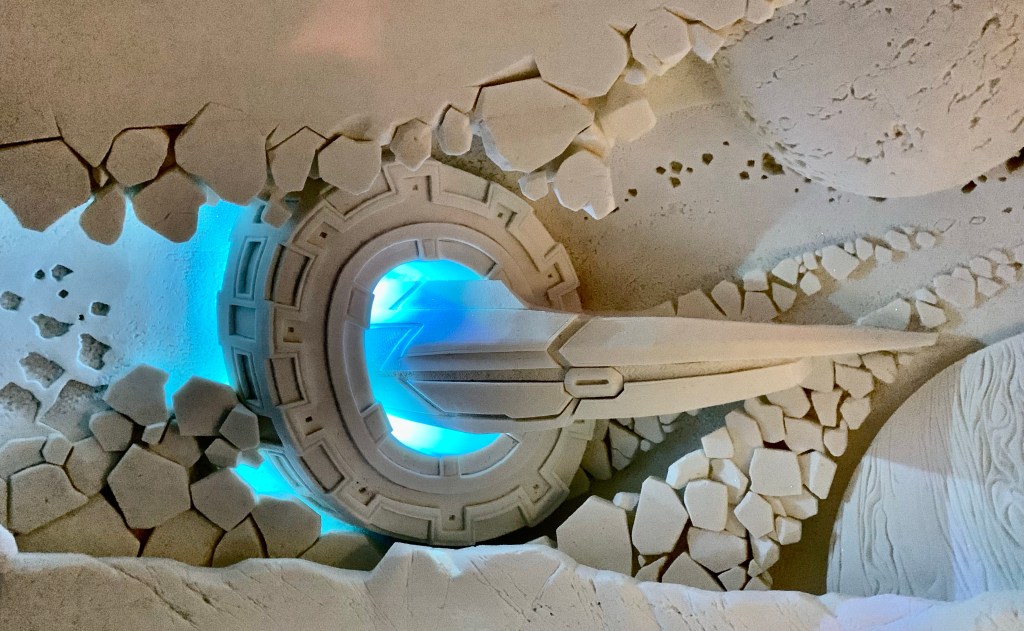
The hotel opened its doors for the 20th time. This year’s theme for the ice hotel is future and travel to outer space.
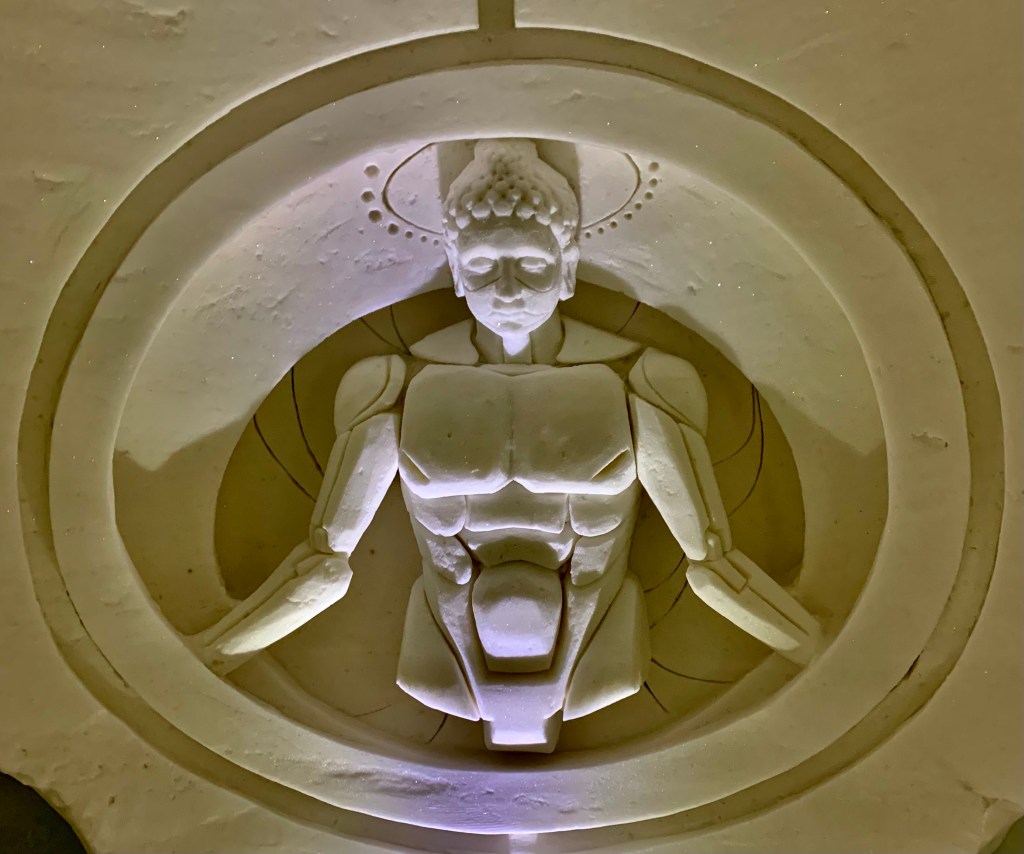
The ice sculptures are certainly something to behold. With ice sculptures coming from Finland, other Nordic countries and the Baltic countries.
Lighting and colour certainly give the sculpture a striking appearance.
This very large ice sculpture is very futuristic, totally meeting the design brief. Taking us on a journey through time, the lighting on the sculpture gives it a 3D effect
The ice sculpture’s subtle light has been used to give it fantastic depth.
The ice sculptures at the snow village highlights the magic of ice and snow. This is a place where ice sculptors left their creativity and skills run wild in a spectacular design brief.
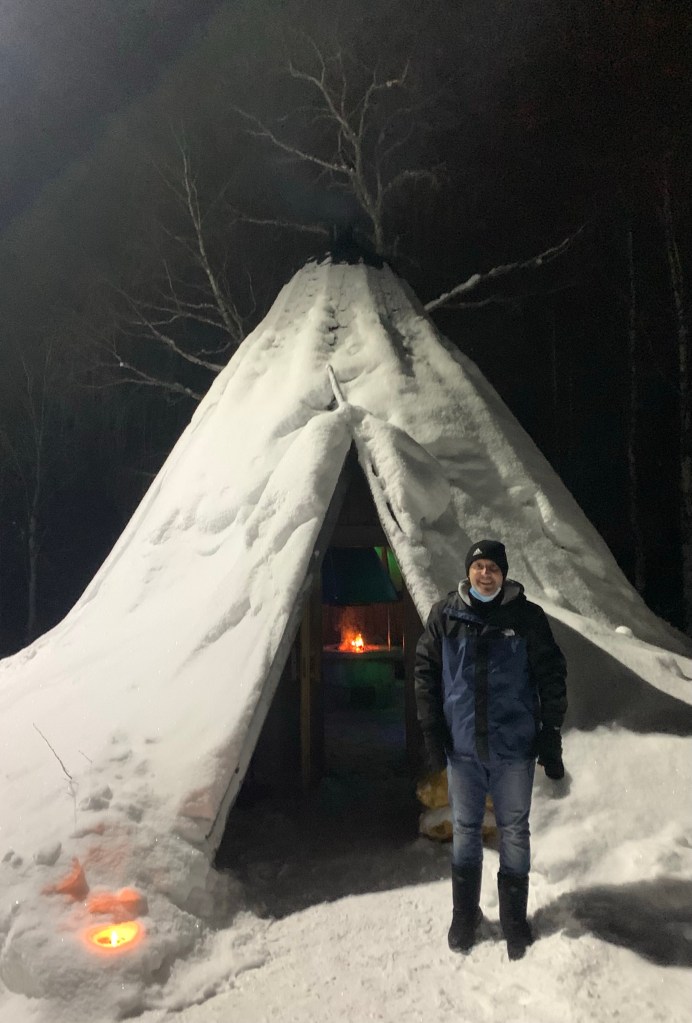
Located at the ice hotel you will find the traditional finish teepee. They are everywhere in Finland in varying forms and sizes. Inside you will find an open fire situated in the middle of the teepee surrounded by circle adventures often adored with reindeer skins to sit on. These teepees are deeply ingrained into the Finnish psyche.
This is the entrance to the hotel warm room will you prepare for your evening stay at the ice hotel. If the ice hotel is getting a bit cold you can also come here to warm up.
We are already to settle down for the night in the out of town. To experience this unique Artic experience firsthand for ouselves. The temperature within the room stays between 0 to -5 degrees Celsius, no matter how cold it gets outside the room
We were provided with double layered sleeping bags which keep you warm at two temperatures as low as -20°C.
Another tip with your clothing is the wear thin layers of synthetic materials rather than thick wool or cotton, which are seemingly warmer and will hold the moisture, wear a hat that stops heat from leaving your body.
Just need to settle down for the night. Although the bed was made from ice, there was a mattress and cover, so it’s surprisingly comfortable and I felt very snug wrapped up in my sleeping bag.
We had our early morning call at 8 am. I have to say I had a reasonably good night sleep and only my face felt cold. The room is very light and this was more of a problem than feeling cold. Deafly experience I would repeat again.
Experience a traditional Finnish sauna at Levi Foxfires.
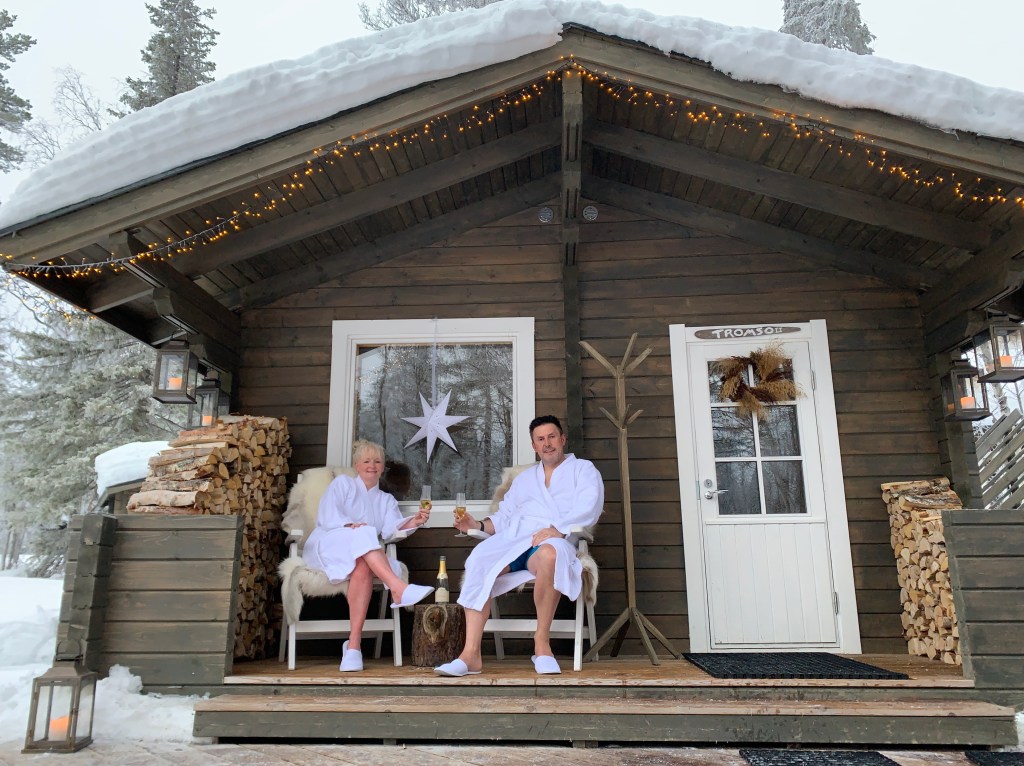
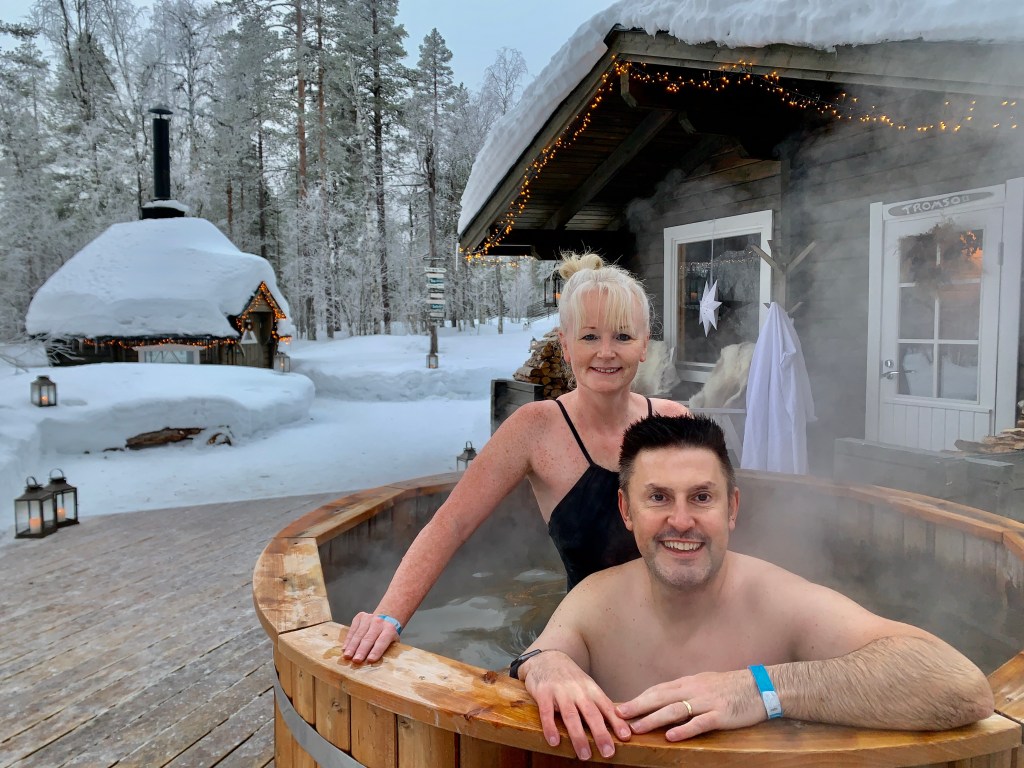
Another uniquely finish custom. We visited Levi Foxfire spa situated just outside of Levi in the beautiful arctic countryside, to get a more personalised experience of this traditional sauna.
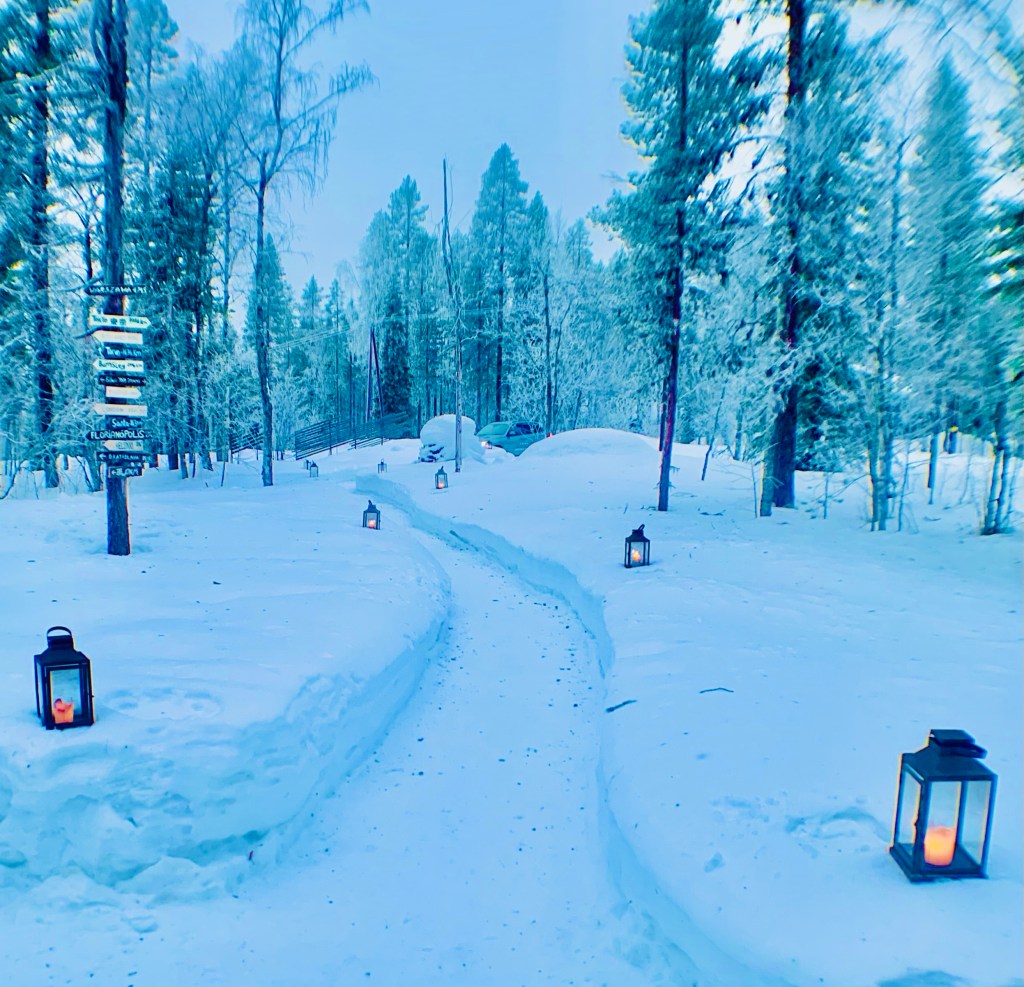
We were picked up by the proprietor at our hotel in Levi, a short scenic drive through the beautiful Finnish forest, we arrive at this idyllic picturesque setting inside the forest.
The sauna is deeply ingrained into Finnish culture, so much so that it was inscribed onto the UNESCO intangible cultural heritage list on December 17, 2020. They are located everywhere in cities, lakes and there isone at the Parliament house. There was even a sauna erected for Finnish peacekeepers in Eritrea.
The sauna was a traditional wood-fired stove sauna which is the most popular in the countryside, where you have a natural supply of word fuel to the stove, Traditionally this is Birch do you do it quality, smell and longer and time.
After we enjoyed our sauna we decided to cool down in front of the but, on the chairs enjoying an alfresco drink beneath clear the sky.
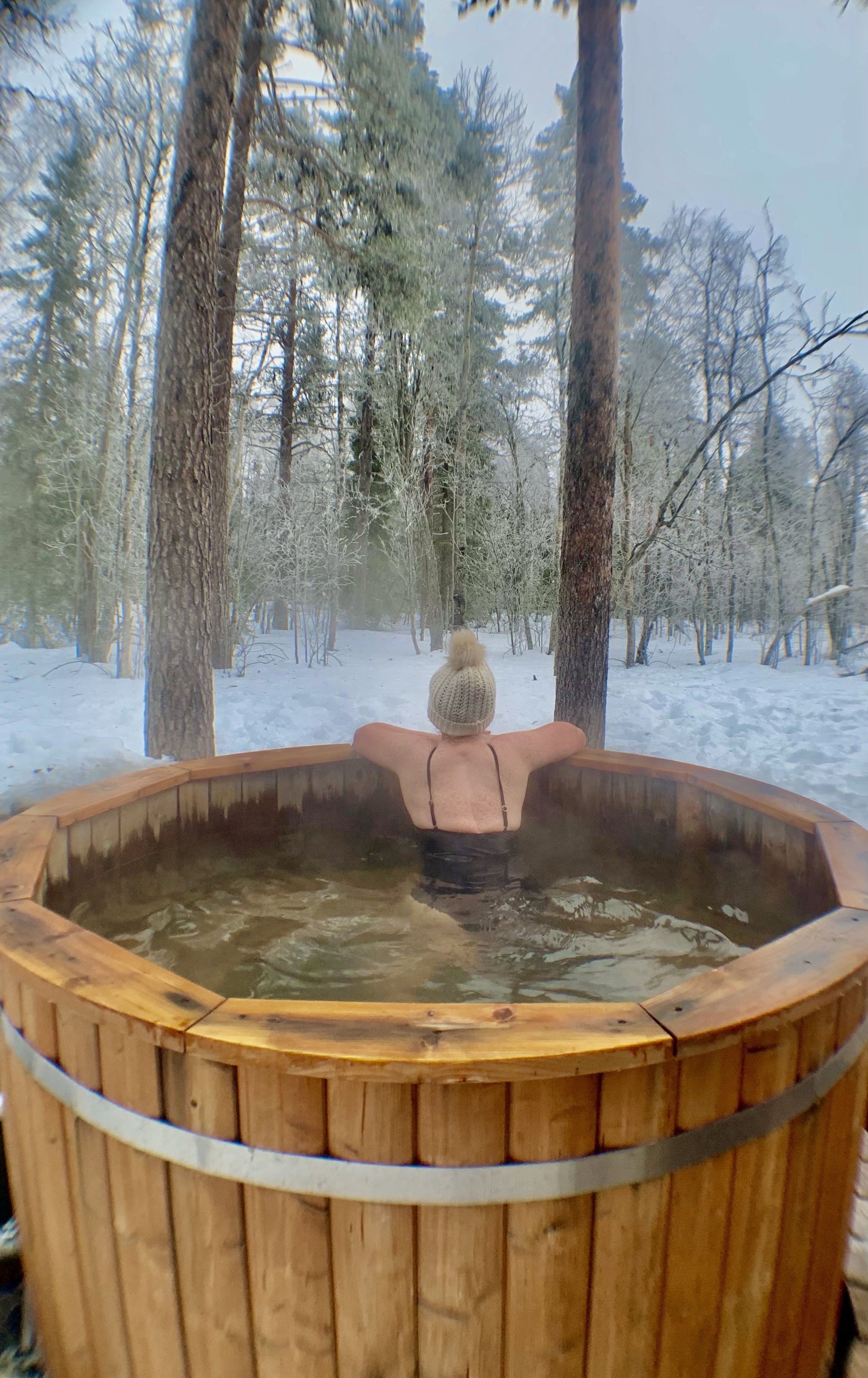
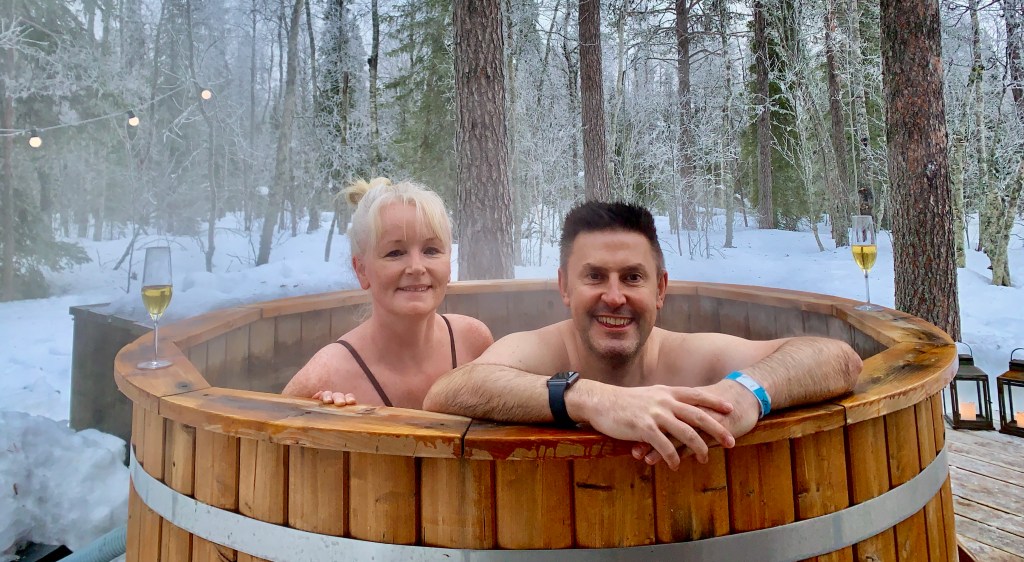
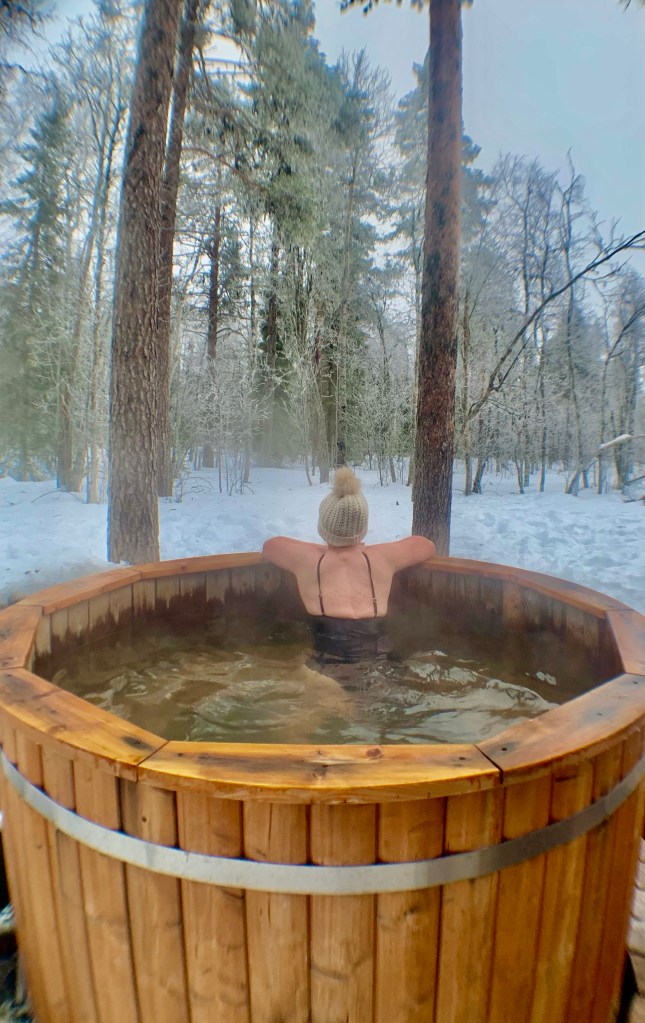
After the sauna, it was time for a dip in the heated wooden hot tub situated outside of our hut, which gave us a very serene feeling as we did some chilling.
The hot tub was certainly very different to other hot tubs I have been in. The warm soothing water is in stark contrast to the frigid air directly above you.
The hot tub gives you an excellent view of of the surrounding arctic forest and you feel very relaxed and rejuvenated.
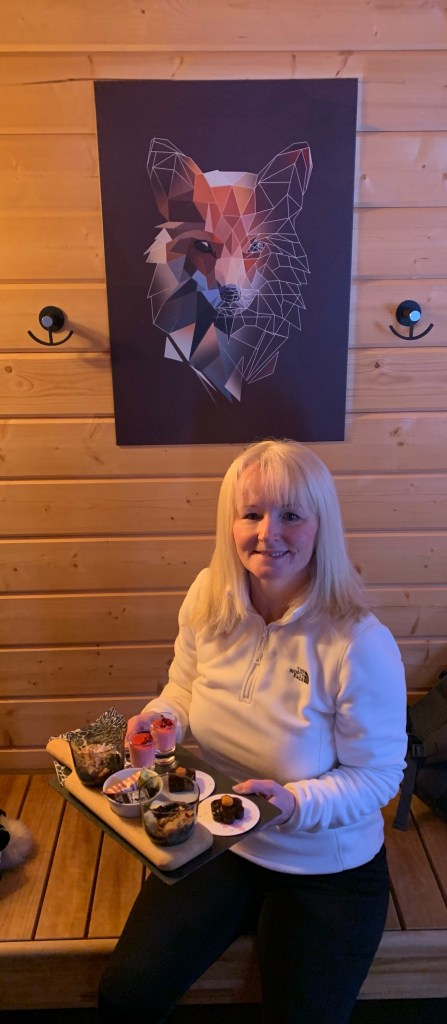
This being a rather classy establishment, we were given some rather intelligent sweet treats for us to enjoy with our non-alcoholic sparkling wine. A far cry from the post sauna snack of beer and sausages.
After our sauna experience, we showered, dressed and could relax in a teepee. As I have mentioned previously these are everywhere in Finland and come in various designs and sizes. All have a woodburning fire as it’s the focal point in the middle of the teepee surrounded by benches with reindeer hides adorning them.
This one had a griddle over the fire where we were treated to some homemade doughnuts made by our host, which was delicious and finished off a fantastic afternoon before returning to our hotel in Levi.
Staying in a glass igloo
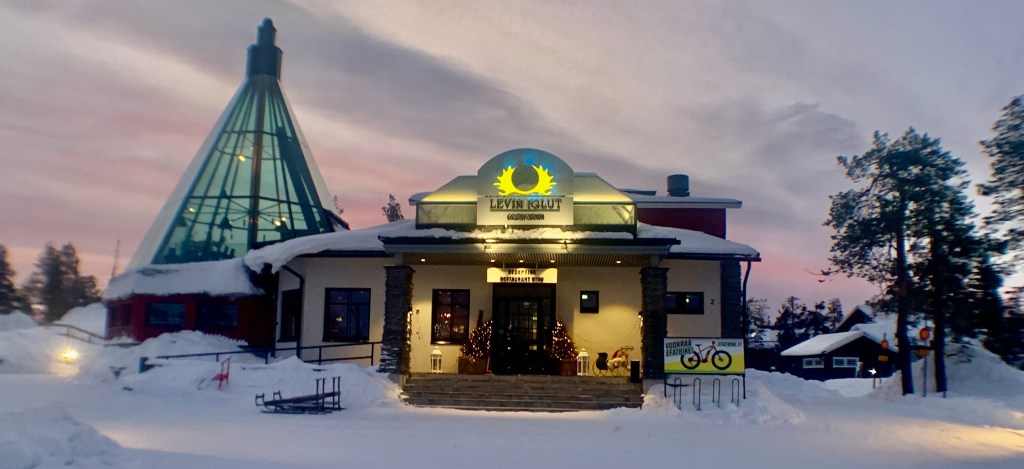
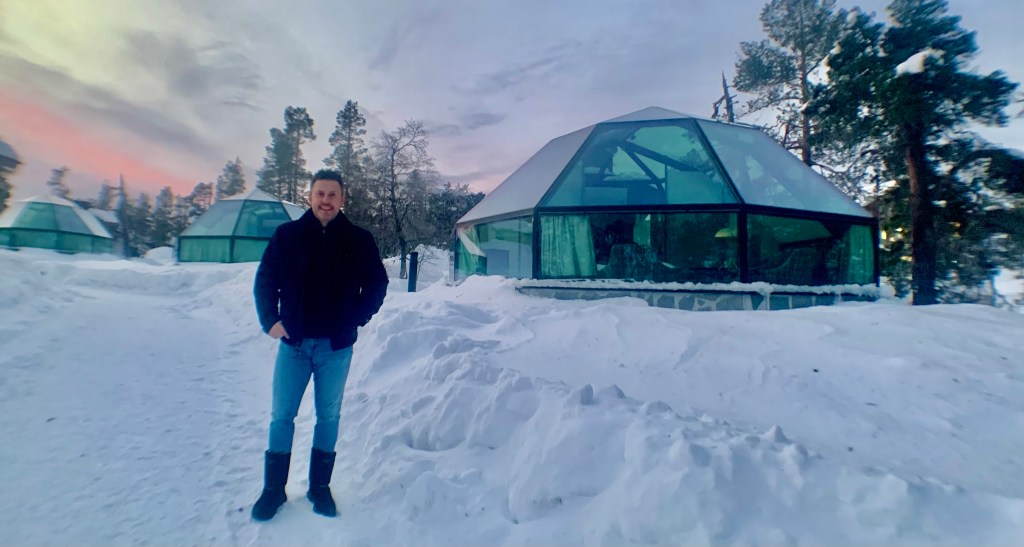
Another first time experience for us, spending the night in the Levin Iglut igloos, complete with glass ceilings.
This boutique hotel is very much on our must do list during our visit to Lapland. This very unique hotel first opened in 2008 on the Mountain top close to Levi. It has become one of the best igloo experiences in Lapland.
On the hotel site there are 27 separate igloos. Spending the night here was another special experience on our visit to Lapland. They are strategically situated on the end of a slope where will you will get some unforgettable views.
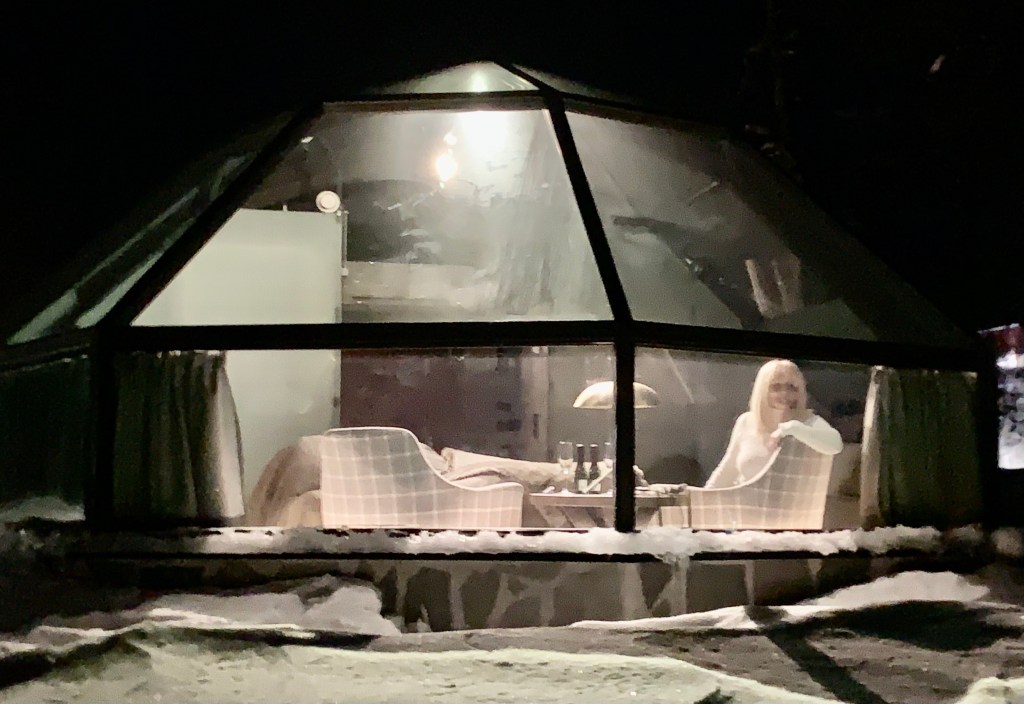
To call these igloos really does do them a disservice. The glass igloos are surprisingly spacious and are fitted to a very high standard, with all the amenities you need at your disposal
The focal point of the igloo for me was luxurious warm bed complete with electric recliner, we can fall asleep marvelling at the clear Artic sky through the glass ceiling. We booked a premium superior igloo which was one of the front row properties and gives you are funny and restricted view.
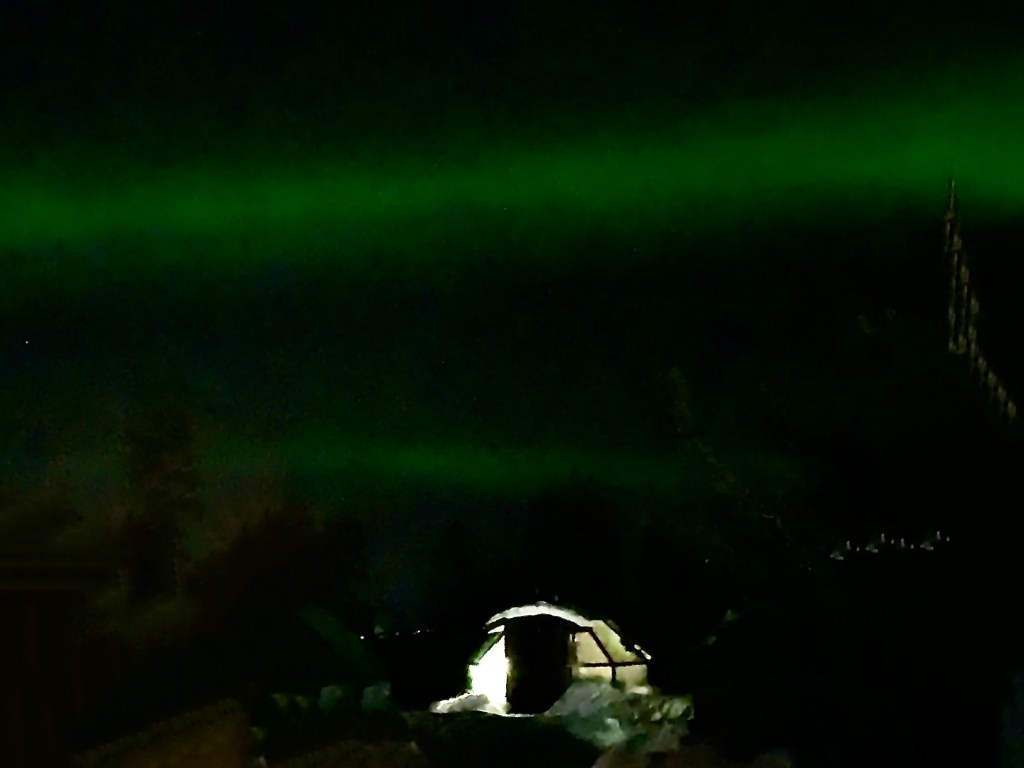
The night we stayed at the igloo we very fortunate that the night sky was very clear. There was heightened Northern Lights activity at the hotel in the evening and in the early hours of the morning.
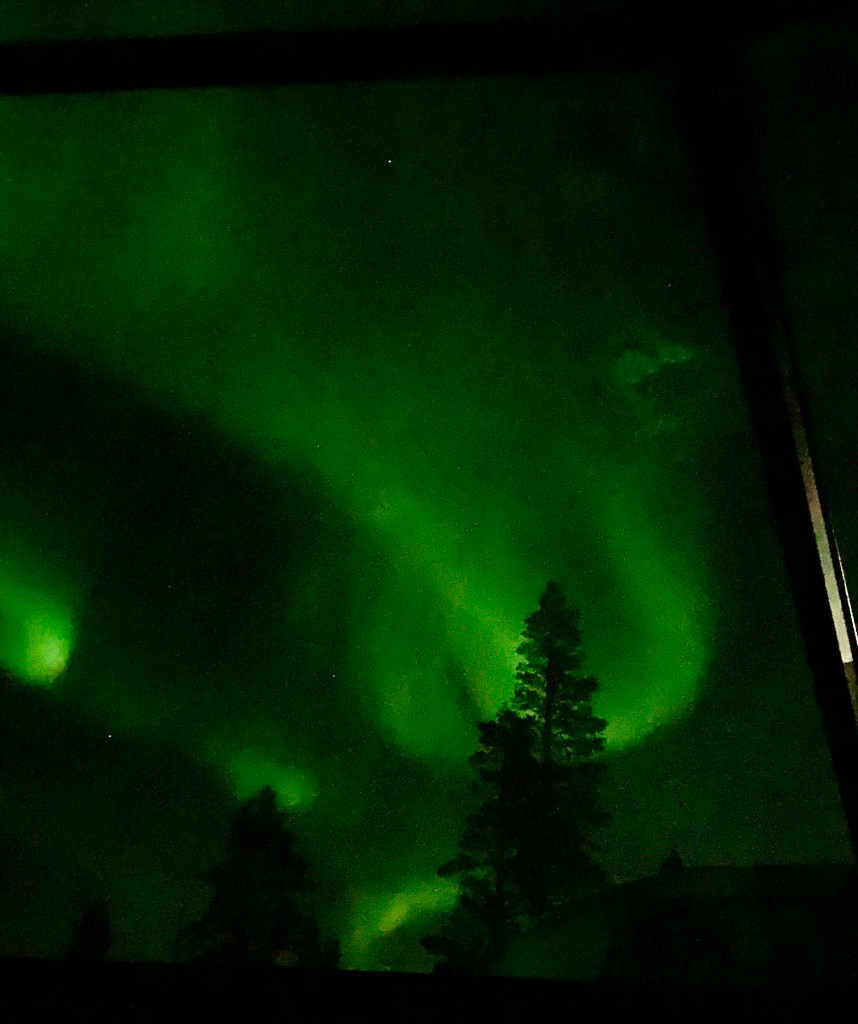
The glass igloo’s are certainly not cheap experience by any standards. However we were very fortunate to have all the northern light activity and the experience was magical, the effect was of them was like a river of green flowing freely in the dark sky above.
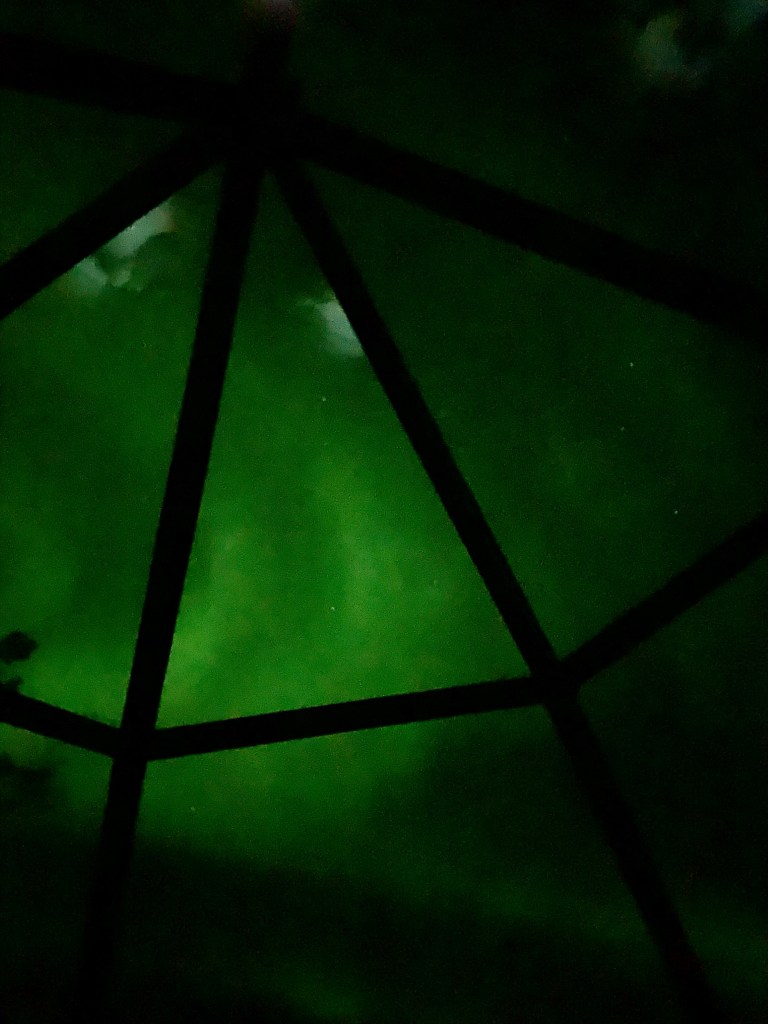
This view of the Northern Lights from our bed looking at them through the glass ceiling. This was just after midnight and experience was very humbling to view this natural phenomenon.
My only surprise was the Northern Lights are relatively dim to the naked eye. I was able to pick up creature activity with my camera. I managed to capture some reasonably decent pictures without the need of expensive cameras.
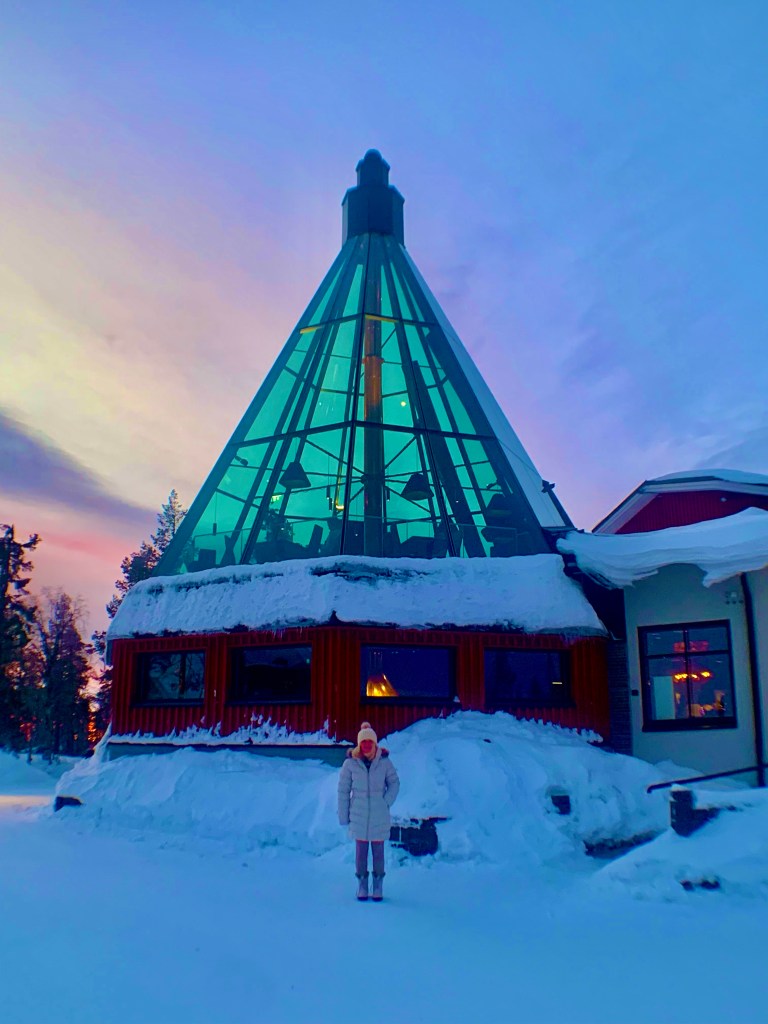
The restaurant at the hotel continues the glass igloo theme. It is a rather impressive building. Which gives fantastic panoramic views from the inside. We were fortunate to dine there in the evening and have a breakfast there the following morning.
After breakfast we went for a walk around the hotel locality. They have a teepee on the property and the view of the Sunrising behind it was too good a picture opportunity to pass upon.
That morning was definitely the most fitted Sunrise I witnessed during my time in Lapland.
Traditional Sami accomadation
Lapland is the cultural home of the Sami community. There are less than 140,000 of them remaining, which includes an estimated 10,000 in Finland. This is a museum that celebrates the Sami people.
The museum is a UNESCO project, this thoughtful exhibition gives you multilingual information on the Sami, which gives you an insight about the traditional beliefs and her reindeers play a big role in the history and culture.
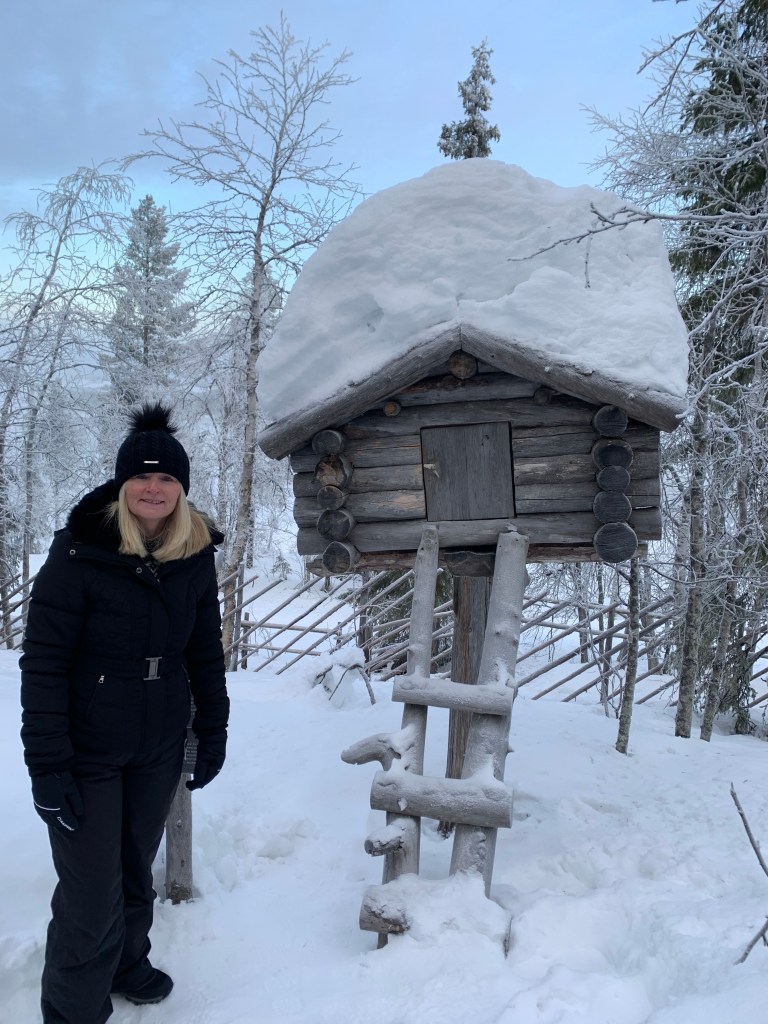
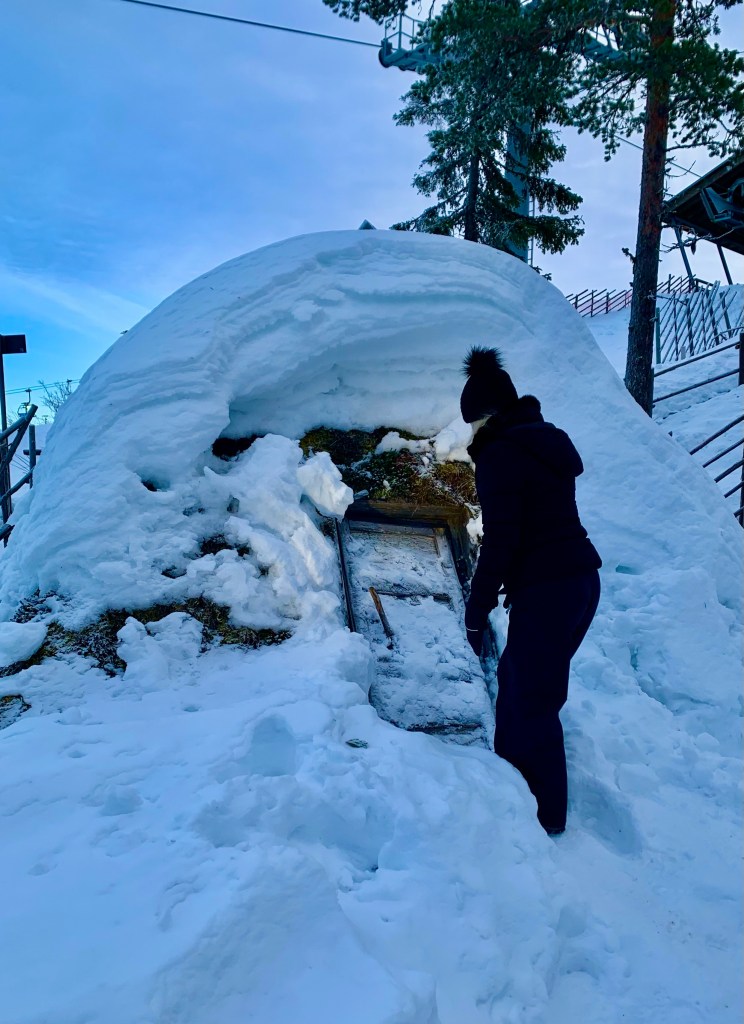
The main attraction for me was its outside exhibits on top of the hillside next to the ski slope. A collection of traditional Kota huts and storage platforms.
These exhibits are like a living history of Sami dwellings. Explaining how the traditional buildings were formed on the basis of various needs, natural conditions and availability of construction materials.
The museums outside exhibition, highlights various designs of these traditional buildings which were used by the Sami across Scandinavia.
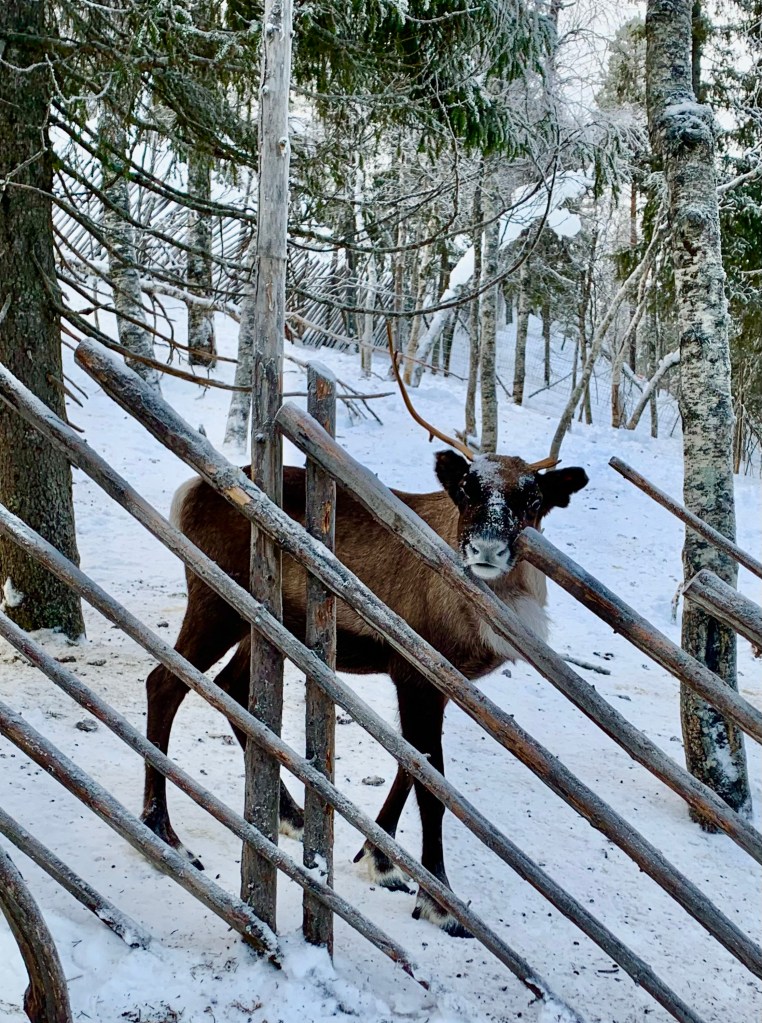
You will find a small paddock for reindeer that is used during the winter from November to April. No Sami exhibition would be complete without reindeer.
The Sami people would not exist without reindeer. The reindeer has provided it’s meat as a source of livelihood, it is also serves as a pack animal carrying luggage in the summer and pulling a sleigh in the winter.
For me this was a very interesting visit which tells the history of this indigenous people, their way of life and struggles within modern Finland. Finally getting some recognition for the language, culture and the important role that they had and continue to have in Lapland.
A walk up Scafell Pike England’s highest mountain. A Very Popular activity in the Lake District.
Before our stay In Bowness-on-Windermere we decided that it would be a fantastic opportunity to walk up Scafell Pike, located within the lake district national park.
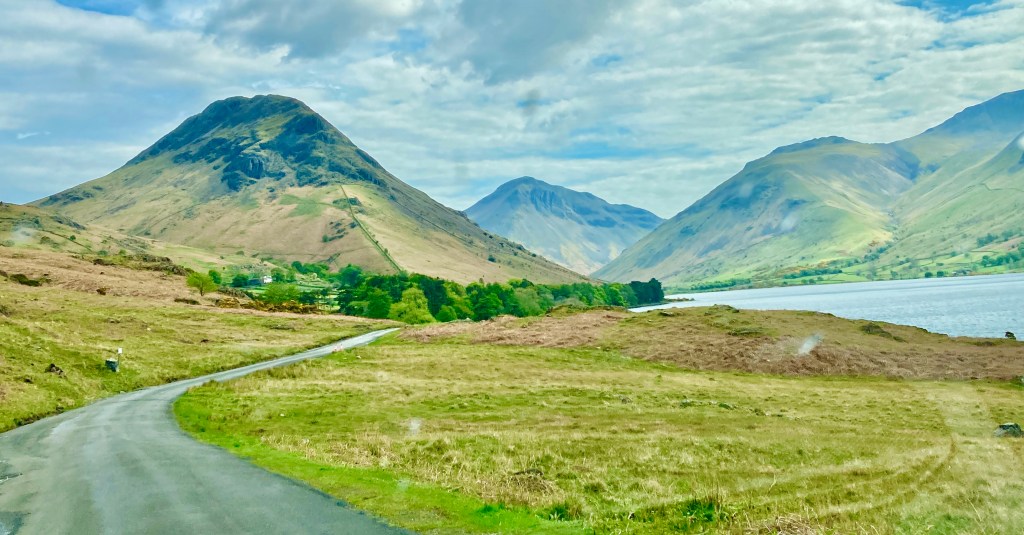
Although the drive seemed prolonged we were certainly rewarded with some dramatic scenery along the way. Which concluded with driving past Wast Water, over 3 miles long and half a mile wide. England’s highest league above sea level.
Scafell Pike the walk is only 2.5 miles, this walk doesn’t seem that
We parked our car at the National Trust owned car park at Wasdale. Unusually for a National Trust car park it was free with a donation box located there instead. With the car parked up it was here that we started our walk up to the summit of Scafell Pike.
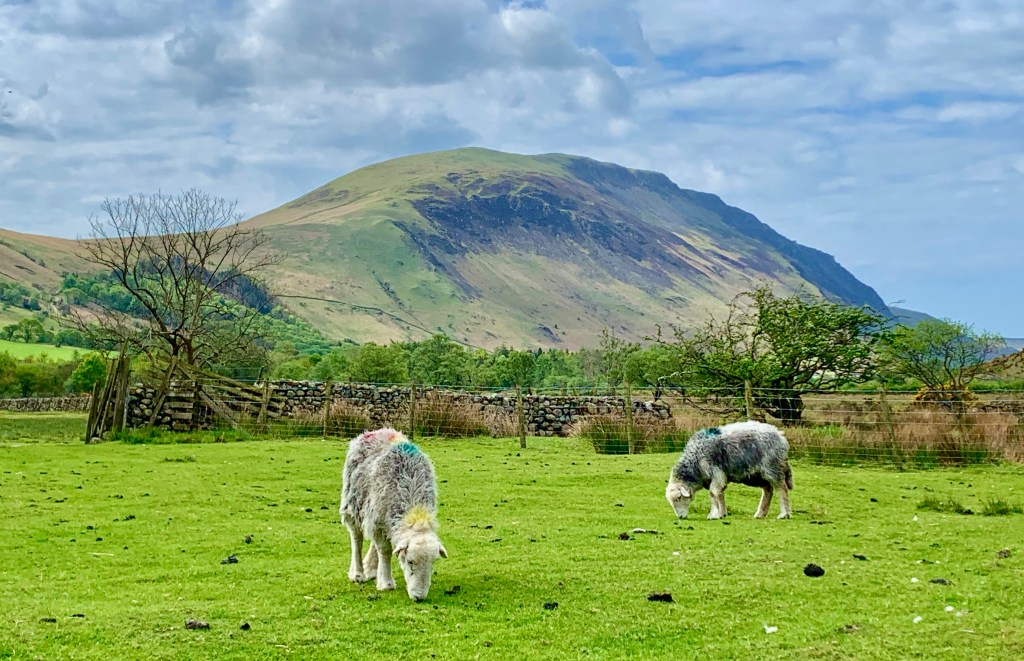
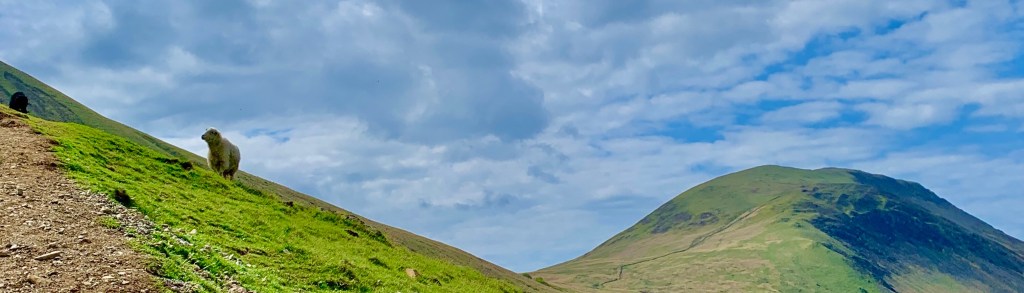
We started our walk through an idyllic green field, with many different breeds of sheep grazing on the lush grass. I was starting to think that this mountain walking malarkey doesn’t seem so bad.
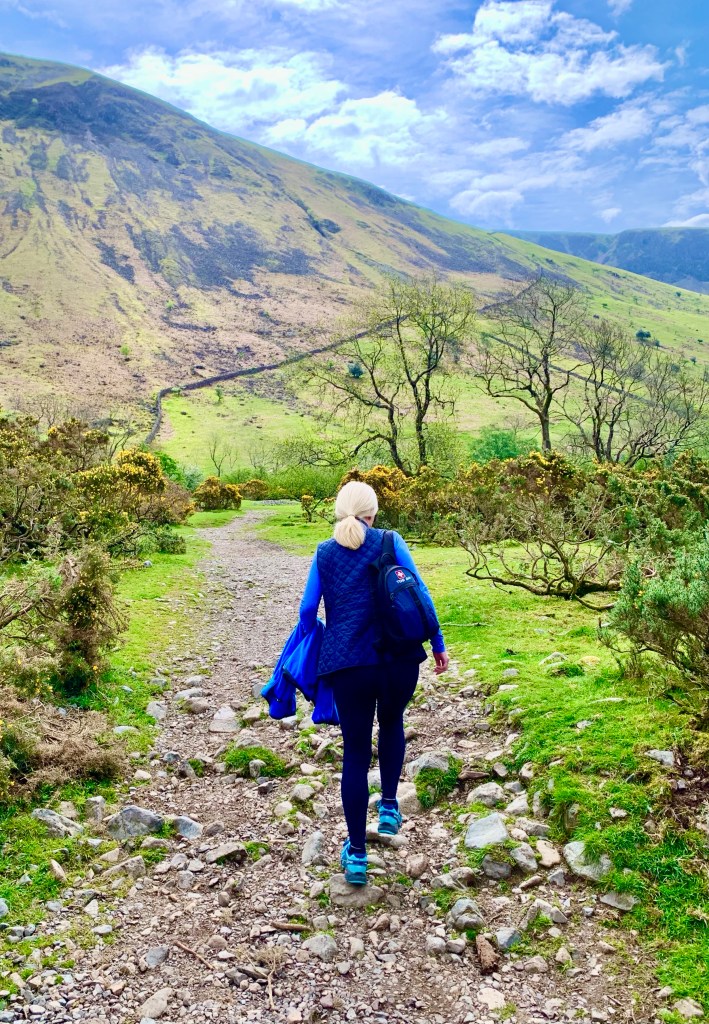
There are many routes to the top of Scafell Pike. Although my wife and I are reasonably fit we are not experienced mountain walkers, so we decided to take the shortest the shortest and quickest route from Wasdale.
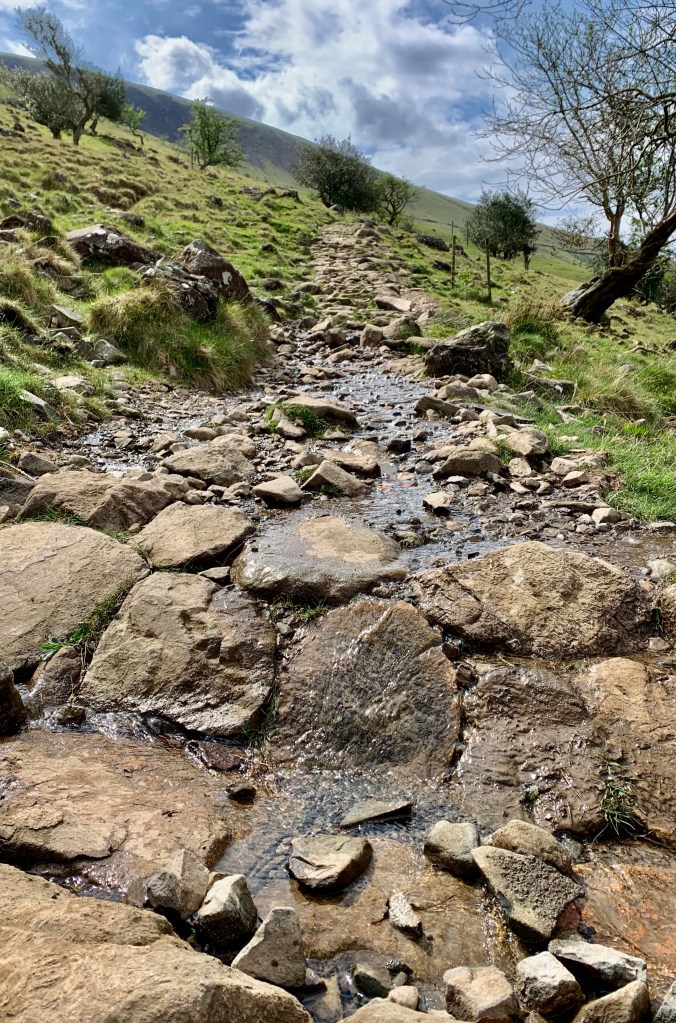
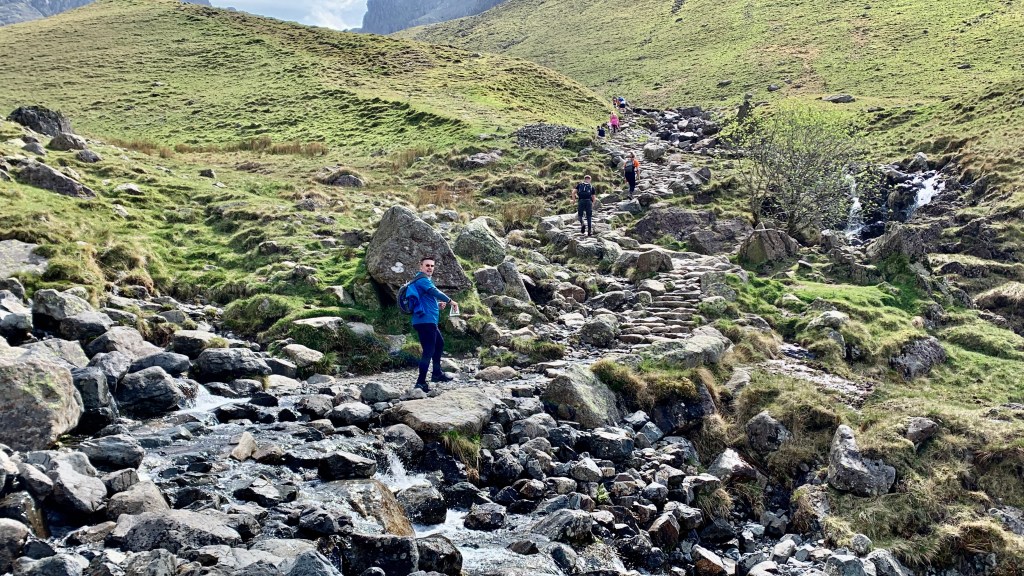
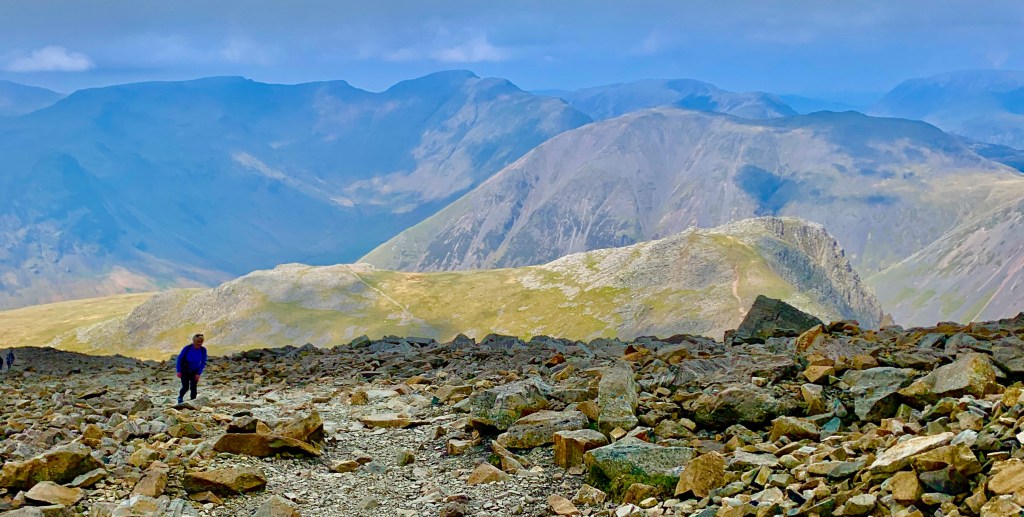
Typical terrain on the trail
When doing my research, the route from Wasdale was the quickest and shortest. What I disregarded it was also the hardest route up to the summit, with steep elevation from the start continuing right to the top of the mountain.
My very own water feature to cross.
Having completed a few mountain walks in home country of Wales, not short of a mountain or two, where we climbed Snowden and Pen-Y-Fan.
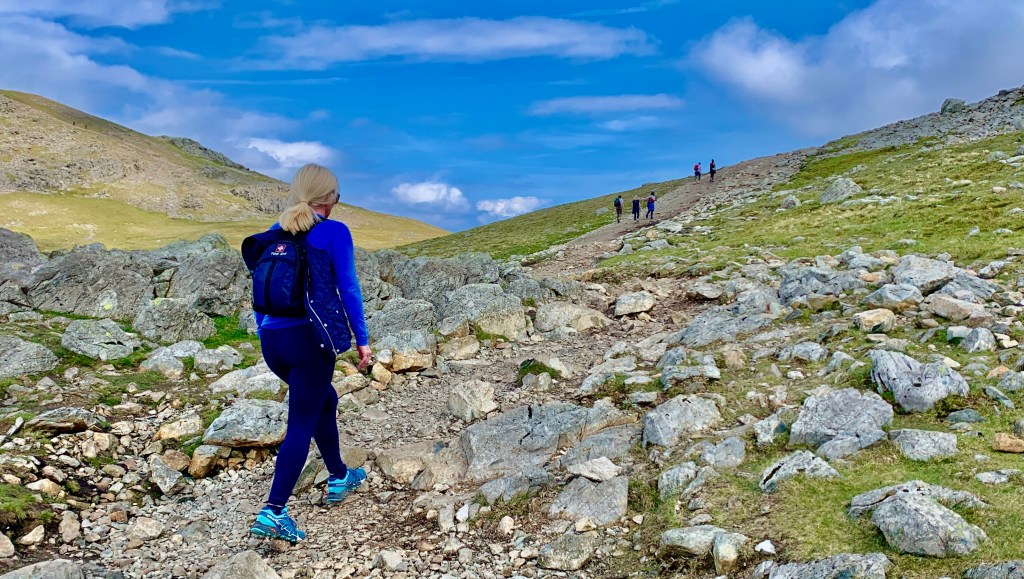
I was surprised at the terrain on Scafell Pike, where I am more used to proper paths and trails, this was full of boulders gravel and rough rocks. Route signage is also very poor compared to other paths I have walked.
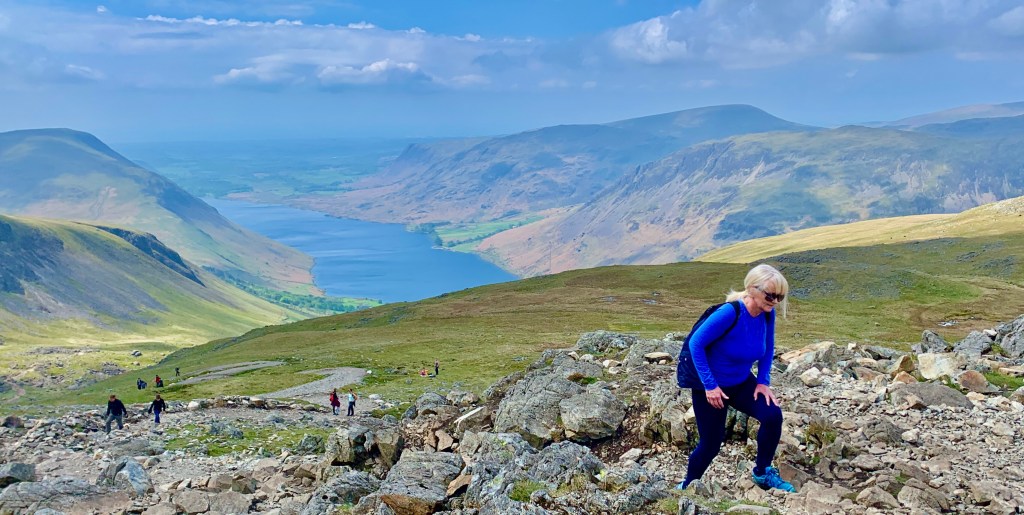
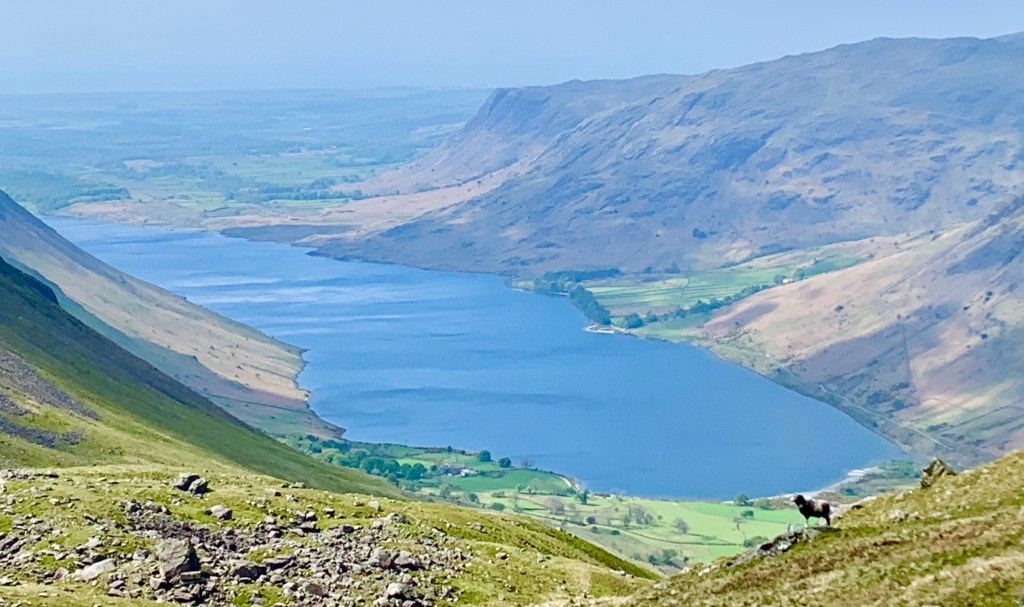
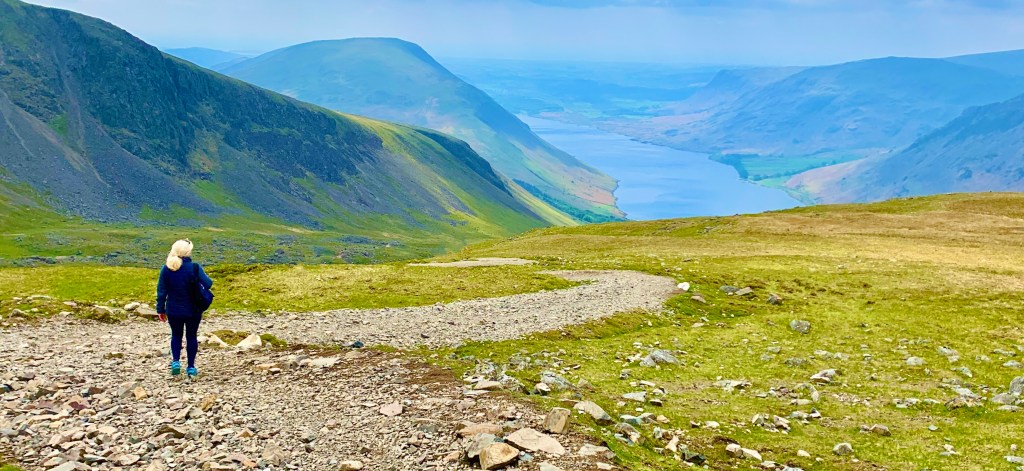
As we started to climb up the west side of Scafell Pike you will get an obstructed view of Wast Water, which is situated in the middle of the Wasdale Valley. This is a glacial lake which is the deepest in England at 258 feet deep.
Majestic of Wast Water from the western side of the mountain.
This remote and scenic Valley is home to England’s deepest lake and highest mountain. The valley is described as flat bottomed with bracken and trees on the hillside, which in my opinion greatly underplays it’s magnificence.
Onwards and upwards. One thing that needs to be taken into consideration, is that despite the mountains relatively low elevation, Scafell Pike should be treated with respect, it’s a formidable walk and should not be taken lightly, Although this route was only 2.5 miles it was quite a challenge getting up to the summit.
Be sure to come prepared as Scafell Pike is a relentless climb. Make sure your legs are fresh and wear appropriate footwear, bring layers of clothing as temperatures will change as you climb up the mountain and bring some water and high energy snacks.
Another good bit of advice is to have a detailed map and compass, when we claimed the path was very busy and the route was fairly obvious. However there is no signposting which makes navigation difficult, at quieter times on the mountain or changing increment weather, it would be relatively easy to get lost.
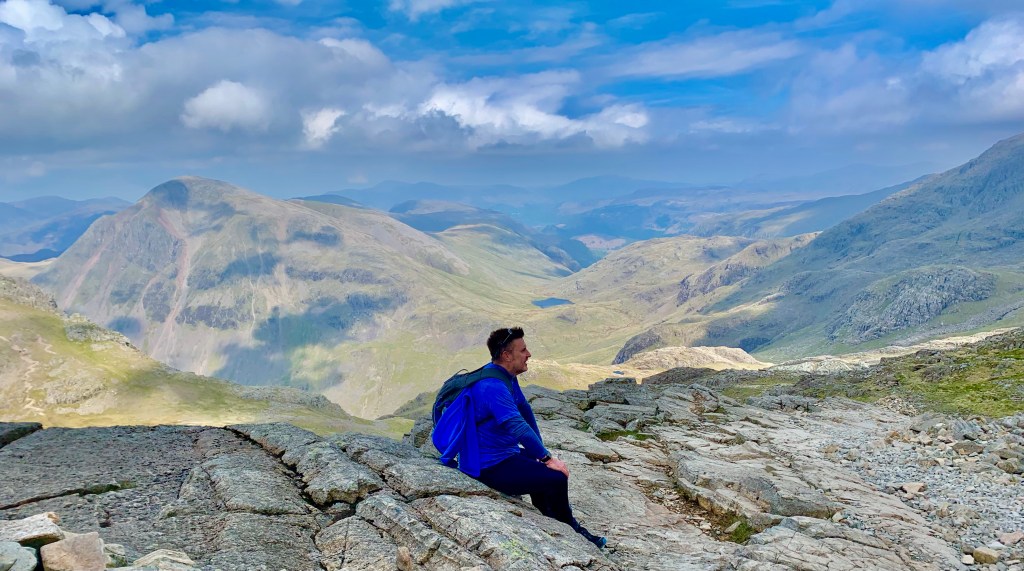
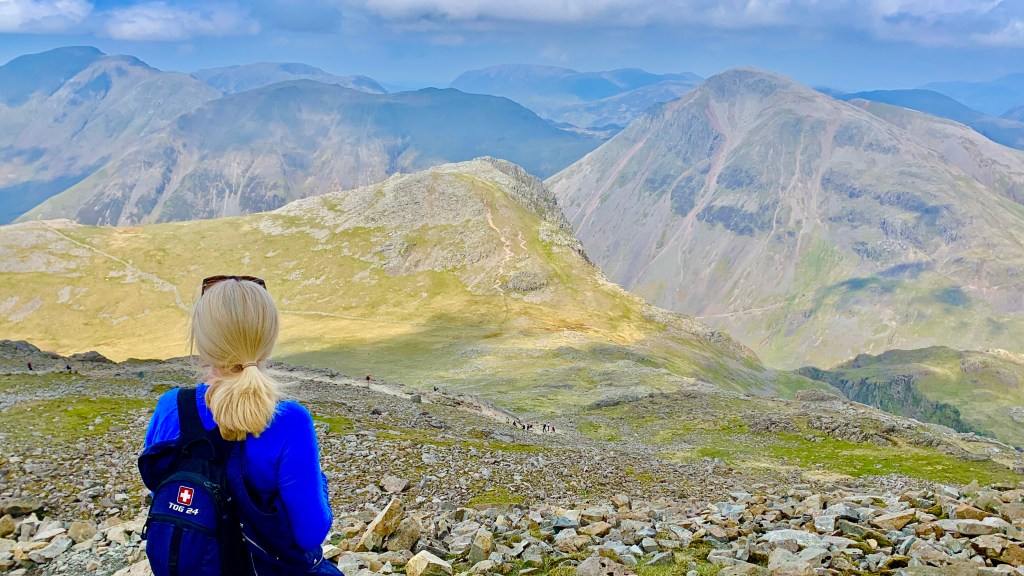
Nearing the summit and all that hard slog suddenly starts to become worth it. If you are lucky enough to have a clear day you will be treated to beautiful views of the whole Lake District and beyond.
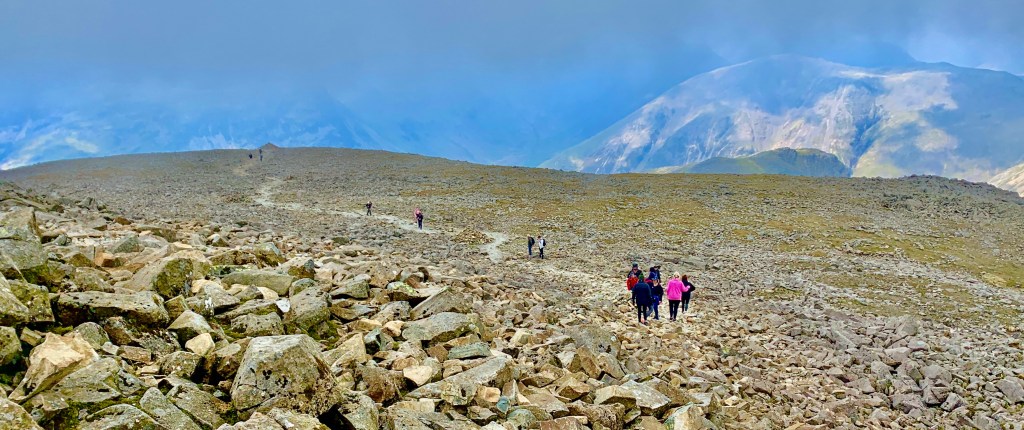
Boulder field which covers the top of Scafell Pike.
As you near the summit of Scafell Pike, the terrain becomes particularly unstable. The path turns into a mound of unstable rocks, it’s important to watch your footing as you’re taking in those panoramic vistas. It will be a lot more enjoyable experience without an injury.
Scafell Pike trig point.
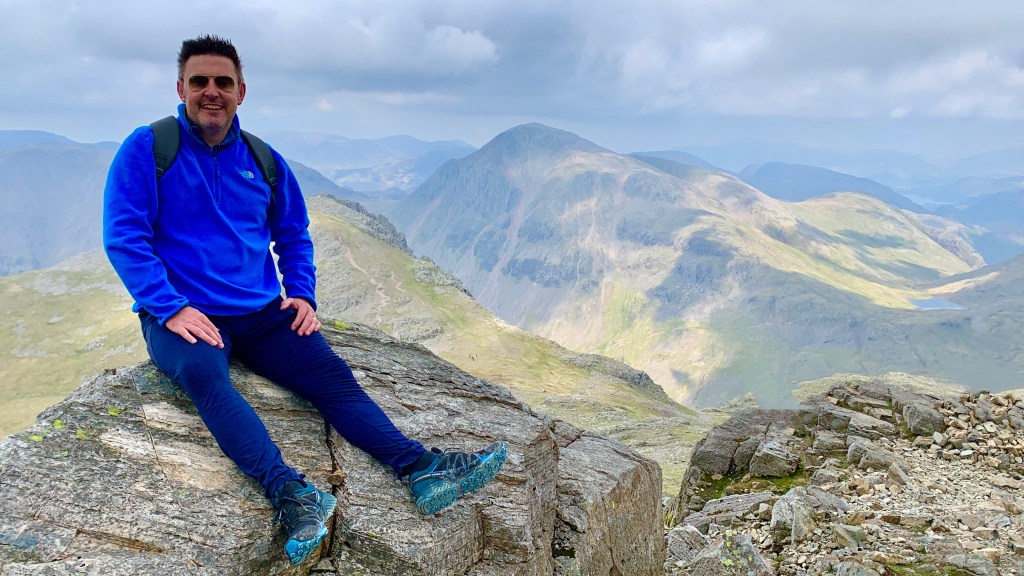
We have finally made it to the top of Scafell Pike. The climb up covering 2.5 miles took us two hours and 15 minutes, not a bad effort to get up to the top of the mountain. The sense of achievement however is much more important.
It’s not all about reaching your destination but trying to enjoy the journey in the process. Always go at a pace as you’re comfortable with and let others go by. This walk is a marathon not a Sprint so always stay within your own limits that you are happy to go with.
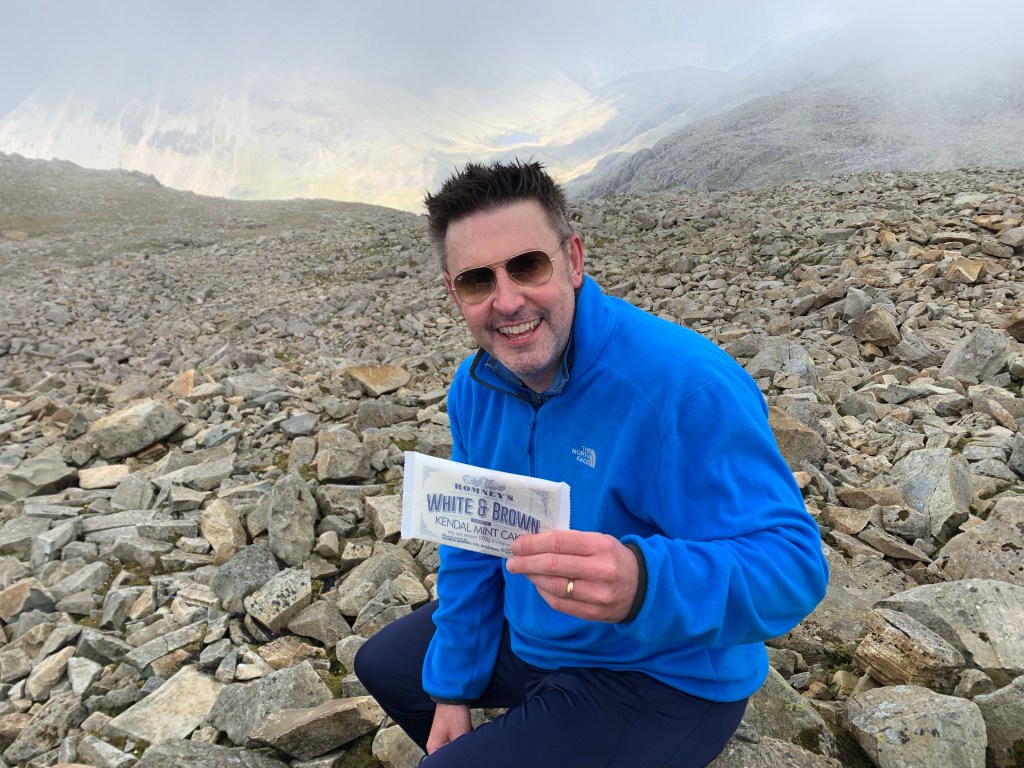
Some local Kendall Mint Cake to help fuel our walk back down.
We had to remember that reaching the summit is only half a job done, we have managed to reach the top, now we must turn around and get back to Wasdale, Following the trail that we climbed up to get us back down and hopefully we can’t go wrong.
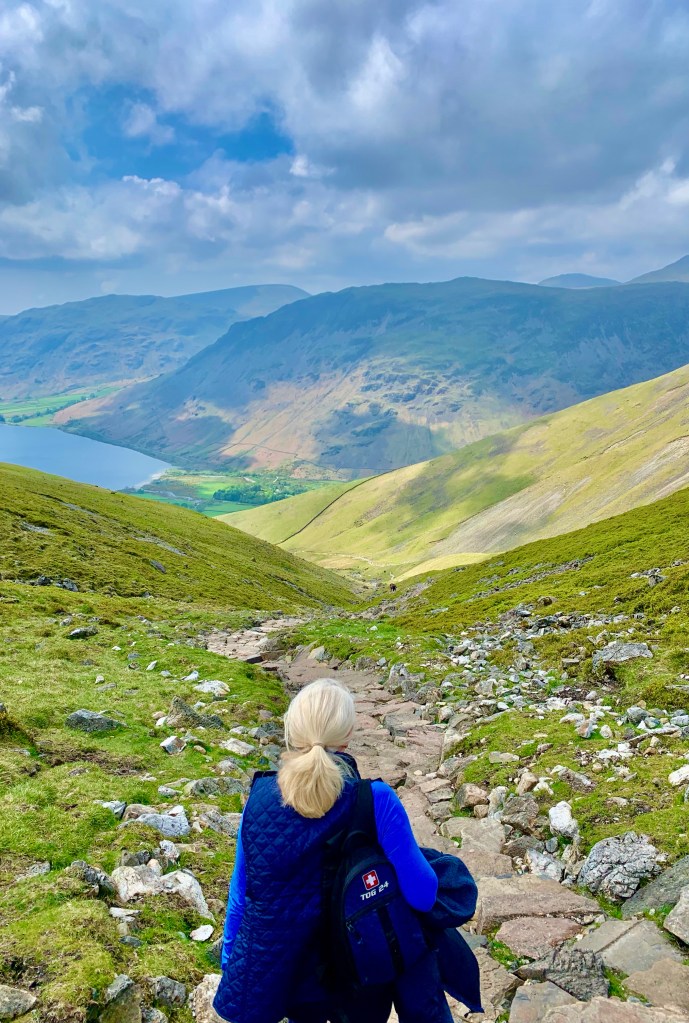
The walk back down was easier than walking up Scafell Pike. However although a lot easier on the lungs the descent down comes with its own set of challenges as the ground is unstable in parts and care must be taken with you your footing.
We were still able to enjoy those beautiful vistas on the way back down to Wasdale . Knowing the worst was behind us now.
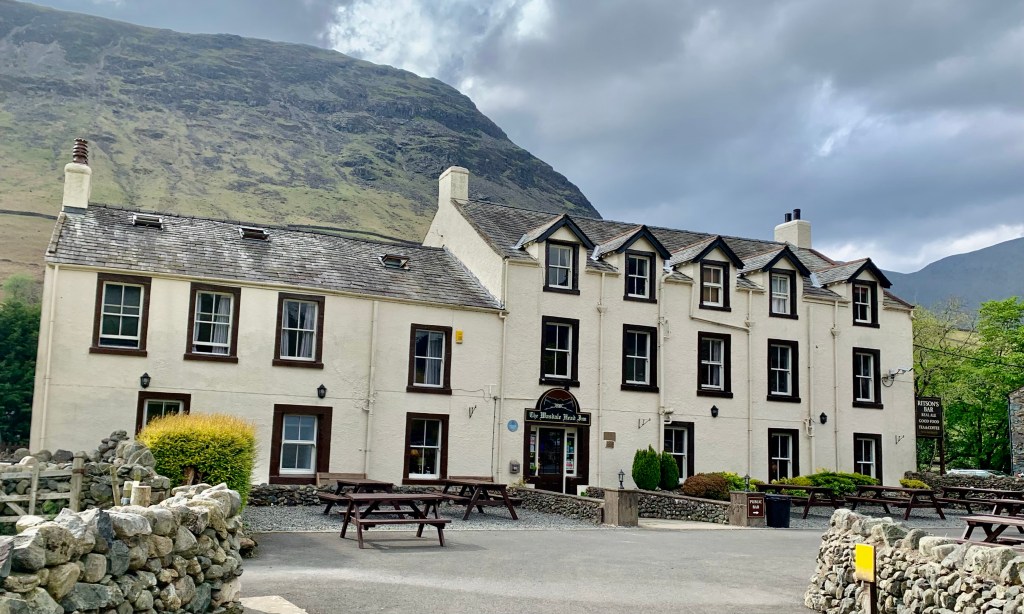
Fully satisfied with our achievement we arrived back at the very welcoming site of the Wasdale Inn, a very popular pub with walkers and visitors. It has been a local landmark at the head of the valley since the early 18 century.
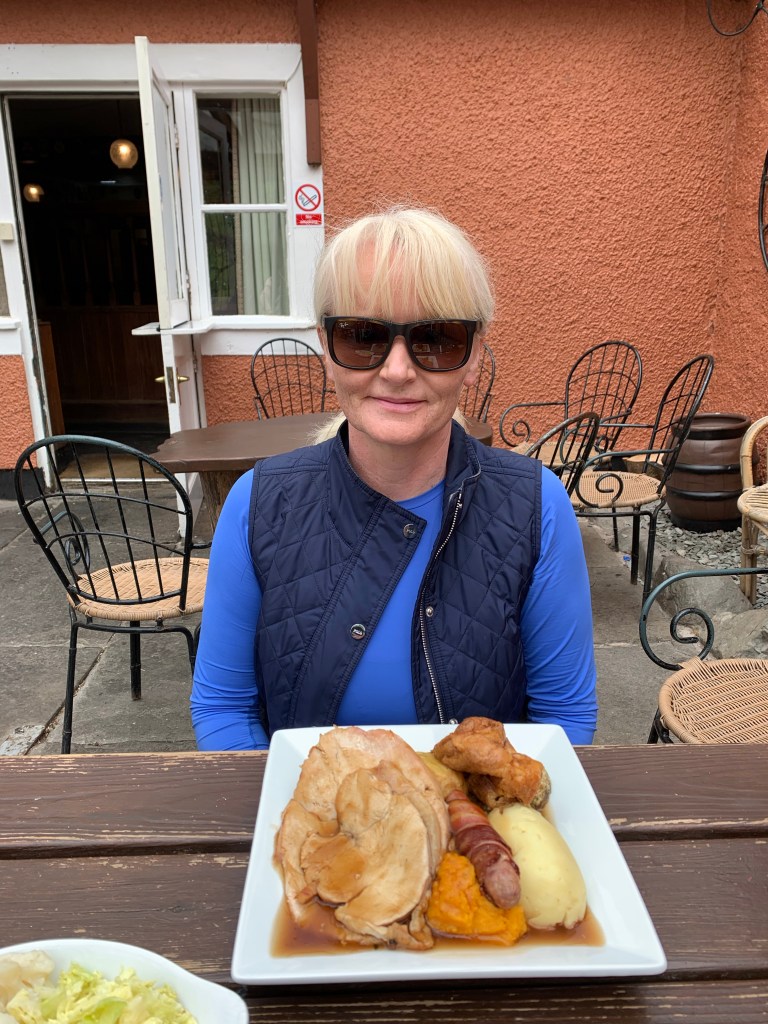
Feeling hungry the portions are very generous.
The pub is resolutely traditional with plenty of indoor seating, if you have favourable weather like we had there is a terrace outside for alfresco dining which is a great option. There is a massive beer garden with ample outdoor seating, which is the perfect spot to enjoy the mountain views and reflect on our achievement of reaching the summit of England’s 🏴 highest mountain.