Panarea and Stromboli are renowned as two of the most remarkable and captivating islands within the Aeolian archipelago.
I recently had the pleasure of discovering the Aeolian Islands, a remarkable archipelago located off the coast of Sicily. Designated as a UNESCO World Heritage Site, these islands represent significant natural and cultural treasures, contributing to the rich heritage of Sicily and southern Italy.
The group of islands we visited was formed over many years by volcanic activity. It consists of seven islands, each offering something special. Although we couldn’t explore all of them, we were lucky enough to visit two islands: Panarea and Stromboli.
Our trip from Letajanni was long. First, we took a bus to the port of Milazzo, which took about one hour. After we arrived at Milazzo, we got on a ferry for a two-hour ride to our first island, Panarea.
Panarea
This destination offers a unique blend of exclusivity and rich ancient history. While it may be the smallest island, it is the oldest in geological formation.
In the 1960s, this place became popular with a lively group of artists and thinkers, and it was chosen as the location for several famous movies. Over the years, it has become a favourite spot for wealthy and famous people.
Upon our arrival on the island via boat, we disembarked at the bustling port of San Pietro. This port is the central hub for various events and is the vibrant heart of the island’s social life, making it an ideal starting point for exploring the local culture and community.
This district presents a unique and inviting ambience, highlighted by an array of buildings featuring white facades complemented by blue doors. This picturesque aesthetic recalls the charm of a Greek village, which is fitting given its historical roots as an ancient Greek colony.
The island features a charming array of narrow streets that create a delightful labyrinth in its heart. Beautiful gardens, terraces, bougainvillaea, and palm groves contribute significantly to its charm and appeal.
The town boasts a variety of upscale shops and fine dining restaurants, making it a vibrant destination for shopping and culinary experiences. Additionally, it hosts numerous sporting and cultural events each year, contributing to its lively community atmosphere.
In the town, there is the Church of San Pietro, built in the 19th century. This church is dedicated to the patron saint of the island and fishermen. In days gone by, it symbolised the community’s hopes for abundant fishing and the safe return of local fishermen.
Panarea is known for its delicious bakeries. Traditional Sicilian foods like cannoli and arancino are available here. A favourite local dessert is granita, which is refreshing. I especially liked the pistachio flavour. It comes with whipped cream and a soft bun called brioche.
I am looking forward to enjoying alfresco dining at this waterfront café. It will be the perfect way to relax before the ferry arrives to take us to our next exciting island destination, Stromboli!
Stromboli
Stromboli is the northernmost island and contains Mount Stromboli, one of four active volcanoes in Italy. Important to vulcanology, Stromboli was named a UNESCO World Heritage Site in 2000
The island, covering an area of 4.9 square miles, represents the upper third of a volcano with a permanent population of around 500 residents. The volcano is highly active, exhibiting multiple eruptions over the years. Minor eruptions can often be seen from various island locations and the surrounding sea.
As we disembarked from the boat, the first thing that caught our attention was the towering volcano that overshadows the island. The volcano essentially constitutes the island, towering at 926 meters (3028 ft) as it rises dramatically from the Mediterranean Sea.
The beaches are popular because of their beautiful and unusual black sand, which is created by volcanic activity in the region. Visitors are often captivated by this unique feature.
This distinctive feature sets them apart from traditional white sand beaches and creates a stunning contrast against the vibrant turquoise waters. Many of these beaches are surrounded by lush greenery, enhancing their natural beauty and offering picturesque views.
The small main road connecting the port to the town offers a tranquil atmosphere, reflecting the peaceful nature of the area. Its remote location contributes to a sense of calm and a slower pace of life, making it an ideal environment for those seeking a respite from the hustle and bustle of more crowded places.
The Piaggio Ape is driving through the street.
In Stromboli, the narrow streets explain the absence of cars. Only motorcycles and the iconic Piaggio Ape move on the island.
Stromboli is the main settlement on the island, characterised by its gleaming white buildings surrounding the Parrocchia Di San Vincenzo Ferrari church in the central square. We enjoyed excellent views of the volcano and the sea from this location, with the imposing church tower dominating the square.
As the sun dipped below the horizon, casting a warm glow over the landscape, we prepared to uncover Stromboli’s secrets from the water. After a day wandering its rugged paths, the promise of witnessing the island’s fiery eruptions at dusk filled us with excitement.
Stromboli is one of the most active volcanoes on the planet. Its explosive activity is so distinctive that it has been designated a particular type of eruption, known as “Strombolian,” which is used to describe similar phenomena observed in other volcanic systems.
Stromboli is characterised by its continuous activity, with eruptions occurring regularly at approximately 10 to 20-minute intervals. While these minor explosions are frequent, significant eruptions are relatively rare.
Little Stromboli
A prominent sea stack of volcanic rock is located just 2 miles from the island of Stromboli.
Towering like a castle above the waves, the rocky sea stack is all that’s left of an ancient volcano. Atop this natural formation stands a charming white lighthouse, watching over the waters. As we returned to the port, this stunning sight was our final glimpse of the area.
It had been a long yet fulfilling day, marked by the numerous experiences and sights we encountered. Life truly offers valuable opportunities for living and meaningful travel, and I feel fortunate to have embraced both on this wonderful day.
Taormina is a beautiful and well-loved village located on a hillside in eastern Sicily. It sits high on a rocky point overlooking the sea, making it a stunning spot.
Taormina is a breathtaking destination, celebrated for its picturesque scenery and rich historical heritage. The town boasts beautifully restored ancient architecture, stunning vistas, and a charming labyrinth of winding streets filled with shops, cafes, and restaurants, inviting visitors to explore and enjoy its vibrant atmosphere.
While some areas in Sicily can feel rough around the edges, Taormina stands out as polished, pristine, and timeless. Its popularity has soared, which sometimes works against it; during certain moments of the day, this captivating spot can become quite crowded.
Which is especially true when a cruise ship unloads a large crowd into the narrow, winding streets, as we experienced during our initial visit. This scenario is not unique; cities like Dubrovnik, Rome, and Barcelona also grapple with the challenges of overtourism, where the overwhelming influx of visitors can overshadow the allure of their historic charm.
The location is undoubtedly beautiful; however, it is also the most frequented by tourists during our visit. As we look ahead to our visit in the early evening, I can already sense it will be an excellent time to experience the tranquillity that follows the departure of the cruise ships and day trippers. I’m eager to enjoy the calmer atmosphere that awaits us.
The excitement of exploring a place lies in the anticipation of getting lost in its back streets, where steep alleyways filled with pottery and vibrant artwork await. I can’t wait to stumble upon a quiet spot and uncover a charming piazza, creating my unique experience and memories as I dive into this adventure.
Discovering lesser-known streets can provide a refreshing perspective on a location, allowing for unique and personal experiences that may differ from the typical tourist path.
We chose to stay in the nearby town of Letajanni, which offered a quieter atmosphere and a more budget-friendly option compared to Taormina. Another great alternative for accommodations is Giardini Naxos. Both locations serve as excellent beach and resort destinations for visitors looking to enjoy the best coastal experience.
Taormina is between the two resorts, making it a convenient destination for travellers. Public buses provide affordable transport to and from Taormina, while taxis offer a more expensive alternative. For instance, a taxi ride from Taormina to Letojanni, less than three miles away, can cost around €25.
Teatro Greco
The ancient theatre is poised to become the highlight of our upcoming visit. It offers a breathtaking natural setting that promises stunning views of the Sicilian coast and the majestic cone of Etna. We can’t wait to experience this spectacular backdrop firsthand!
The story of the theatre begins in the third century BC, when the Greeks first laid its foundations, crafting a space for vibrant performances and community gatherings. As time passed, the Romans took this remarkable venue to new heights, infusing it with grandeur by adding magnificent columns and impressive statues, transforming it into a stunning architectural masterpiece that reflects the artistry of both civilisations.
The theatre features a well-structured layout consisting of three main sections: the stage, the orchestra, and the audience seating. The audience seating is designed to create an immersive experience, with a tiered arrangement that ascends from the stage into the hillside, allowing everyone a clear view of the performance.
The theatre continues to serve its original purpose and is currently the venue for the Taormina Film Festival. This historic theatre provides an ideal setting for enjoying a relaxed evening of culture, all while offering stunning views of the Sicilian coast.
After soaking up all that culture at the Greek Theatre, we decided to grab a coffee and some cake at Via Teatro Greco. It’s a lively street from the amphitheatre, packed with cafes and souvenir shops.
Corso Umberto I
The main street in Taormina offers a delightful array of upscale shops, unique artisan products, and inviting cafes. While it can attract many tourists, it retains a distinctive charm typical of Italy. It’s worth noting that prices tend to align with those found in other popular tourist destinations worldwide.
Vibrant Corso Umberto I in Taormina is flanked by charming side alleys that offer a delightful exploration of the area. Along these pathways, you’ll discover cosy cafes where locals savour their coffee, alongside vendors showcasing their unique goods. Additionally, there are tranquil spots ideal for taking a moment to relax and enjoy the serene atmosphere.
Piazza IX Aprile
Situated at the heart of Corso Umberto, we discovered the charming Piazza IX Aprile. This square is undoubtedly impressive, featuring a stunning sea vista on one side and the exquisite facades of historic churches and delightful residences on the other.
The square features a distinctive checkerboard floor that enhances the open space with its unique visual appeal. Surrounding the square are several upscale cafes that attract locals and visitors, making it an inviting spot to enjoy a coffee or gelato. It offers an excellent opportunity to appreciate the views and observe the diverse range of people, including some locals showcasing their stylish flair.
At the square’s southern end stands the Torre dell’Orologio, a splendid clock tower dating back to the 12th century. This impressive structure dominates the square and is a gateway to the charming medieval quarter. Following a renovation in 1679, a grand clock face was added, further enhancing its significance.
Piazza del Duomo
At the end of Corso Umberto, one can discover the splendid Piazza del Duomo, which boasts a beautifully crafted Baroque fountain dating back to 1635. The square is also home to a notable cathedral from the 13th century, recognised for its distinct fortress-like appearance, a feature commonly found among Sicilian cathedrals.
Villa Comunale
The public gardens of Taormina represent one of the town’s most scenic areas. Initially established by Lady Florence Trevelyan in 1884, they were graciously transferred to municipal ownership in 1922, enhancing the community’s cultural heritage.
We stumbled upon the gardens by chance, and it was such a delightful surprise! It felt like a lovely escape from the bustling streets just a few hundred meters away.
This is a lovely spot to unwind and relax! There are many cosy public seating areas and beautiful pathways surrounded by magnolias, hibiscus, and vibrant bougainvillaea shrubs—perfect for soaking up the peaceful atmosphere!
It’s great to know that, despite being a destination known for its high prices, you can enjoy the gardens for free! You’ll find a peaceful atmosphere, beautifully maintained gardens, charming buildings, and stunning views of the coast and Mt. Etna. It’s an excellent spot to relax and soak in the beauty!
Bam Bar
A beloved gem in Taormina has captured the hearts of Instagram users and bloggers alike and become the talk of the town!
I was curious about all the buzz, so we decided to check it out. I’m not really into hipster stuff, so I don’t usually keep up with trends. But I was excited to try this granita that everyone can’t stop talking about.
The Bam Bar is a delightful little cafe bar right in the heart of Taormina! Just a quick minute from Corso Umberto, it’s the perfect spot to kick back and unwind after a lovely day of exploring the town.
We ordered a cold drink and decided to sample the granita, which the bar is renowned for. The selection of flavours is quite impressive, with options to enhance it with whipped cream and a brioche bun. I chose to enjoy the simplicity of a lemon granita on its own. It was incredibly refreshing; the vibrant sharpness of the lemon combined with the shaved ice was just right for a warm June evening.
The bar was noticeably quieter in the evening compared to the bustling afternoon when we strolled by, during which there were long queues to enter. While the evening atmosphere remained lively, it was much more laid-back, allowing us to enjoy our time without the pressure to leave quickly. I am pleased I chose to visit; it was a delightful experience.
Dining in Taormina
One of the delightful experiences in Italy is the culinary offerings, and Taormina certainly lives up to this reputation.
An incredible variety of dining options is available, from delightful street food and pizza to exquisite fine dining. According to TripAdvisor, there are an impressive 205 restaurants to select from.
The choice is all yours! While this spot is pretty popular, you can generally expect good quality. Just remember that prices might be a little higher than in nearby towns. But the atmosphere and surroundings are worth it!
Isola Bella
This charming island, situated near Taormina and often called the pearl of the Ionian, has gained considerable popularity for its picturesque scenery, making it a favoured destination for social media enthusiasts.
The island is often characterised as picturesque and charming. In 1806, it was graciously bestowed upon Taormina by His Majesty Ferdinand I, King of Sicily. Subsequently, in 1896, the town decided to sell the island to the esteemed English noblewoman Florence Trevelyan for 140000 Lira
Having changed ownership multiple times and fallen into neglect, the Sicilian government acquired the property in 1990. It has since grown in popularity, making it a lively destination. However, visiting early in the day may benefit those seeking peace and tranquillity. Alternatively, consider exploring the nearby less crowded beaches for a more relaxing experience.
Castlemola
Nestled near Taormina, this charming village is frequently hailed as one of the most picturesque in Italy. With its captivating beauty and enchanting atmosphere, it truly stands out as a delightful gem.
A visit to Castlemola is highly recommended. Perched at the highest elevation above Taormina, this enchanting ancient settlement offers a remarkable history that dates back to the pre-Hellenic era.
As you arrive in the village, an astonishing panorama unfolds before you. From the main square, you can take in the stunning view that stretches along the entire Ionian coast, from the picturesque bays of Taormina and lush slopes of Mount Etna to the breathtaking Calabrian coastline.
The village is beautifully compact, inviting exploration within just a few hours. Its picturesque charm lies in a perfectly preserved medieval layout, with narrow alleys, steep steps, ancient chapels, and quaint squares awaiting discovery.
Although there may not be one particular attraction that stands out, immersing oneself in this distinctive locale offers an enriching experience. Each aspect contributes to the overall charm, making exploring every corner and discovering its hidden gems worthwhile.
The picturesque views and enchanting narrow lanes offer an excellent opportunity to appreciate the charm of a village that appears to have retained its character from a bygone era.
After all that time exploring, it’s the perfect opportunity to relax with a refreshing drink at one of the cosy bars overlooking the cathedral square!
Letojanni
This peaceful retreat is located along the Ionian Sea, just minutes from Taormina, and offers stunning coastline views.
This former fishing village offers a more laid-back atmosphere than bustling Taormina. Visitors can enjoy a long pebble beach and a pleasant promenade. Its convenient access to nearby cultural and historical attractions and public transportation makes it an excellent choice for exploration and relaxation.
We picked the Hotel Olimpo as our base in eastern Sicily. The views from there are stunning, especially the Bay of Taormina. It’s the perfect spot to relax and soak in the area’s beauty!
We were introduced to a distinctive and noteworthy lift experience to access the hotel. The initial lift ascended through the rock face, eventually transitioning to a panoramic lift that provided breathtaking sea views. While the transfer may not be the quickest, it undoubtedly ranks among the most memorable features of our stay at the hotel.
After spending several busy days exploring the many attractions in the area, it was refreshing to take some time to unwind. The hotel’s serene ambience and stunning views truly enhance its appeal as an ideal place to stay.
The hotel features a partner beach that offers a peaceful retreat whenever the views and pool area feel less appealing. Picture yourself relaxing on the beach, where you can unwind and anticipate refreshing swims in the beautiful blue waters of the Ionian Sea.
The town presents a charming and laid-back atmosphere, particularly compared to the more renowned neighbouring Taormina. Visitors can find an array of cafes and restaurants along the beach promenade and several delightful establishments in the main square, where we enjoyed an apéritif or two.
One aspect of Italian culture that I particularly appreciate, which is equally delightful in Sicily, is the tradition of Aperitivo. It offers a lovely opportunity to enjoy light snacks and a drink before dinner. However, I must admit that it also makes for a lovely post-dinner experience. The diet can commence when I return home 🤣
While Mt. Etna undoubtedly captivates visitors as the main attraction, we enhanced our experience by spending several days in one of the charming villages nearby. This allowed us to immerse ourselves fully in the local culture and appreciate the region’s unique character.
I’m looking forward to a weekend exploring Mt. Etna, one of the most active volcanoes in the world. While volcanoes are often linked with destruction, I can’t wait to discover all the beauty and activities that await. There’s so much more to experience beyond the eruptions!
We chose to stay in Nicolosi, a picturesque mountain village that is an ideal gateway to Mt. Etna. This location offers stunning views and provides convenient access to explore the area’s natural beauty and adventures.
We were fortunate to have the opportunity to participate in a Park Run, which provided us with a memorable experience. It allowed us to appreciate the beautiful surroundings and foster connections within the welcoming community.
Mt Etna
Mount Etna is the highest mountain in the Mediterranean and one of the most active stratovolcanoes in the world. It has been a UNESCO World Heritage Site since 2013.
The volcano reaches an impressive height of 3,357 meters (approximately 11014 ft) and spans an area of 1,190 kilometres (459 square miles). Its majestic presence is vital in supporting agriculture and tourism in the surrounding region.
Even though Mount Etna is known for its occasional eruptions, the rich volcanic soils it creates are a blessing for agriculture in the area. The nutrient-packed volcanic ash and minerals make the ground perfect for growing crops, including beautiful vineyards and lush orchards. It’s incredible how nature turns these challenges into opportunities for such vibrant farming!
For many travellers, this destination has become an essential stop among Sicily’s numerous historical and cultural attractions. With the mountain set to unveil various new exploration opportunities and activities, excitement is building for what lies ahead.
We partnered with Go Etna Tours, a well-regarded and professional company that provided a thorough and enjoyable experience. They offer a range of trip options, including full—and half-day excursions, with convenient pickup services from hotels in the Catania area. Given the myriad of available choices, it is beneficial to do some research before deciding on a tour.
We begin our journey at Rifugio Sapienza, a well-known starting point for excursions on Mt. Etna. From this base, situated at an elevation of 1,972 meters (6,322 feet), we will take the “Funivia” cable car to reach an impressive height of 2,500 meters (8,200 feet).
We’re all set for an exciting journey from the cable car station! We’ll take the easy option with a transfer by Unimog, that incredible all-wheel-drive multi-purpose vehicle. It will whisk us right up to the summit, which is 3000 meters high. I can hardly wait to see the breathtaking views at the top!
Mount Etna, renowned for its breathtaking landscapes, is notoriously unpredictable, especially at higher altitudes. Fluctuating temperatures and sudden shifts in weather made our experience challenging, as we encountered unexpected clouds rolling in and brisk winds that swept across the terrain.
The experience highlighted nature’s tremendous power and underscored the importance of being well-prepared when venturing into its magnificent yet unpredictable environments.
We travelled to the summit base of Torre del Filosofo in Unimog vehicles. This remarkable site is rich in history and legend, named after the ruins of a shelter attributed to the Greek philosopher Empedocles. The area offers a unique opportunity to explore its fascinating cultural significance.
We set out on a hike near the warm, smoking craters created during the significant eruptions of 2002-2003. Our well-informed guide provided insights into the geological importance of these formations and the ongoing volcanic activity that continues to influence the landscape.
As we travel through this beautiful land, we are surrounded by amazing sights, including solidified lava, fields of ash, and impressive mountain views.
We explored the diverse local flora and fauna that have successfully adapted to thrive in this challenging environment while appreciating the refreshing air at this elevation.
Then it was time to return to Rifugio Sapienza, a mountain refuge that has long been a haven for adventurous explorers. There, we would enjoy a Sicilian lunch and reflect on an incredible day filled with unforgettable sights and experiences.
Nicolosi
While exploring Mt. Etna, we settled in the delightful hillside village of Nicolosi. Nestled on the mountain’s southern slope, this quaint village is located just ten miles south of the peak, making it a perfect base for our adventures.
Due to its strategic location, Nicolosi is traditionally considered the gateway to Mount Etna. Its history is intimately linked to Etna’s, with the eruptions of 1536 and 1537 and the earthquake of 1542 destroying the original small village. Subsequently, the town was rebuilt further downstream.
Nicolosi is a quaint town renowned for its rustic charm and tranquil atmosphere. It provides a serene escape from the bustling big cities and crowded coastal resorts. With a population of around 7,000, it has successfully established itself as a notable tourism destination.
Nothing says local more than an arancini and some local beer
The experience allowed us to immerse ourselves in local culture, appreciate traditional architecture, and buy authentic Sicilian products. We enjoyed exploring the area and the peaceful atmosphere of the quaint town.
Mount Etna Parkrun
Nicolosi is known for its diverse natural and cultural experiences and various outdoor activities. One engaging option is the park run, which allows participants to enjoy beautiful surroundings in a community-focused atmosphere.
We’re members of a running club and regularly participate in park runs in the UK, which has 1,342 venues. Italy has only 15 park runs, with Etna being one of two in Sicily; the other is in Palermo.
The classic park run tourist photo!
My wife, an enthusiastic runner, was excited to participate in this event. Although my running is more sporadic, I am eager to embrace the challenge and explore the unique experience of being a park run tourist, where participants enjoy the opportunity to run in various park settings.
Running through the trees
The park run course is located just outside Nicolosi on Mount Rossi, offering breathtaking views and a scenic route that winds through towering, majestic pines with the ground covered in volcanic ash.
Despite the challenges posed by the route and the somewhat unfamiliar warmer temperatures, we completed the run. We extend our heartfelt gratitude to the local volunteers who dedicate their time to ensure the success of this event. Their hospitality and warm welcome truly made a lasting impression on us.
The Maldives is a unique destination, a small island nation in the Indian Ocean with immaculate beaches, the clearest blue waters and remarkable marine life. A bucket list destination in every way.
Although it hasn’t always been that way. It’s a relatively new destination the first resort opening in 1972. It was only in 2009 that travellers could visit “non-resort islands” giving locals the chance to profit from the tourism industry. Before this travellers could not visit these islands.
The Maldives are made up of 1192 coral islands grouped into 26 coral atolls “island groups” that have 200 inhabited islands and about 97 islands which are designated tourist islands. The population of the Maldives is just over half a million with 200,000 Maldivians living in Male the capital, on an island of only 3.2 sq miles.
Anyone flying Internationally to the Maldives will certainly fly into Male. Depending on where you are staying, islands close to Male will involve a speed boat transfer. Further afield will involve a seaplane transfer.
When transferring, boats are a lot cheaper than seaplanes, so islands close to the airport may work out kinder for your budget. The island’s further afield will require a seaplane transfer and possibly an overnight stay in Male as seaplanes can only fly in daylight, this will depend on your flight arrival.
When is the best time to visit the Maldives? November to April is the best time as this is the dry season. Although we visited in January and we had a couple of rainy days, the dreamy Maldives weather isn’t guaranteed even in the dry season. The dry season is the most expensive time to visit.
May to October is classed as the rainy season. This is a much cheaper time to visit, but with a very high chance of rain and more humidity. Generally, February through to March is the best time, and May through to August is the lower-cost time with the greatest chance of rain.
A lot has been said about the Maldives being an expensive destination. Granted it’s not a cheap holiday option, but with a bit of planning and compromise you can lower your spending. All-inclusive is probably the best option for most as meals, drinks and often some activities are already budgeted for.
Islands with greater choice of accommodation will be less expensive than smaller islands’ where perceived exclusivity will often mean higher prices. Excursions and upgrading to a water bungalow are usually cheaper by organizing at the resort rather than at the time of booking your holiday.
Another big question is how long to spend in the Maldives? Due to the distance involved, it’s not a short-stay location. We visited for 10 nights which for a relaxing holiday was just right. Many people visit 5 to 7 nights having two-centred with other destinations. A week appears to be the sweet spot for many. Lots of airlines fly regularly to the Maldives from the UK giving greater flexibility to travel itineraries.
Where to stay in the Maldives can be difficult, there is a bewildering selection. Elements to take into consideration are cost, accessibility and location, accommodation, island size, who you are travelling with and package options. Friends, couples and honeymooners will all have different expectations for their Maldivian experience.
The Maldives has a reputation as a fly-and-flop destination. Doing nothing but sipping a cocktail beside the turquoise sea or snorkelling and diving to view the abundance of marine life. This can be the prevailing stereotype of the Maldives.
Yet the Maldives is gaining a reputation as a destination for well-being and conservation which was evident on the island we were staying on. With lots of spa options and environmental processes put in place. An example of this would be no single-use plastic on the island.
Rannalhi island
Our choice of resort while staying in the Maldives.
A picturesque 45-minute boat ride direct from the airport, Male Adraaran Club Rannahli is very conveniently located. Our paradise island would soon be waiting to be discovered. Hopefully, an ideal place to seek solace and serenity.
Located at the tip of the South Male Atoll. Upon arrival, we were greeted at the end of the pier surrounded by aquamarine water. A fantastic location nestled on an island with lush foliage, palm trees and a plenitude of marine life.
The island was uninhabited before it was turned into a resort in the mid-90s. There are 96 rooms on the island nestled amongst the trees and 28 water bungalows which are situated above a lagoon on the northern tip of the island.
We encountered the underwater world beside us and relaxed on the island’s pristine beaches. It was a perfect blend of excitement in the water and relaxation on the island.
The resort has a secluded location amongst the palm trees. It had all the essentials for a Maldives trip, stunning beaches, warm turquoise waters and comfortable rooms, which were modest in style but wonderfully comfortable.
There are more luxurious (and more expensive) resorts around but reasonable prices and easy access to the airport make this destination solid value for the Maldives.
The island itself is reasonably compact 12 acres of palm trees and lush vegetation, leading to pristine beaches which gave us gorgeous views while walking the circumference of the island, which can be completed in under 10 minutes.
The simplicity and setting reign at Adaaran Club Rannalhi. The stunning natural surroundings of the island certainly allow for a relaxing peaceful stay.
There are some swanky 5-star resorts with expensive prices. Adaaran is not one of these, it has an unpretentious ambience with an understated luxurious appeal. As Leonardo De Vinci said simplicity is the ultimate sophistication.
Adaaran has picture-perfect beaches, a full spa service, a good selection of watersports and a great value all-inclusive offering by Maldivian standards.
Dining on the island is a pleasant experience and although evenings are low-key, there is nightly entertainment provided by the resort, including a beach disco which is held twice a week.
A great advantage was there seemed to be dozens of tiny beaches tucked between the trees, making it easy to claim a private spot. Leafy palms are planted everywhere and the grounds are covered in sand including the indoor lobby floor giving the whole island a very natural feel.
Continuing with the natural feel, very often we would see nurse sharks swimming around the outside bar area of the resort at sunset. Making this golden hour even more memorable as we contemplated another amazing day in paradise.
The wellness spa was very popular a blend of exclusivity and rejuvenation, with some very affordable spa package treatments available. We booked a few treatments, an indulgence that didn’t break the bank.
Each resort will have its own island, which will have its unique character and feel. They are not all the same despite what the water villa and snorkelling pictures will have you believe, which for me adds to the appeal of the Maldives, not overrun by corporate homogenisation
Sunset Cruise
I like to keep busy discovering new experiences on my travels. After sitting back and enjoying a few ice-cold cocktails 🍹 for a couple of days it was time to find out if the Maldives had something more to offer.
A popular activity while in the Maldives are sunset cruises. Ours was provided by the resort as part of our all-inclusive package. Due to very changeable weather we wanted to choose a day with a clear sky.
Thankfully the day we booked was perfect. A short distance from our island we had the perfect sunset. You may be fortunate enough to see a few dolphins. Even if you don’t it’s still a wonderful time of the day, to reflect on how beautiful this world can be.
Fun time on the island
There is a surprising amount to do whatever your preference, from hot stone massages, snorkelling, fishing, scuba diving and a plethora of watersports. There were trips to other islands, we werent able to do these unfortunately as there weren’t enough people to run the trip even after several days trying.
Feeling adventurous we hired some canoes which were readily available at the resort and enjoyed some time on the open water enjoying the view of the island.
Continuing with the water theme, one of the most popular picture opportunities on the island was the water swing. The quintessential Maldivian island experience, what better way to relax than swinging above the crystal clear waters of the Indian Ocean.
After all that activity what better way to relax than in an overwater hammock? We didn’t have to go far to find one. They were once quite distinctive, but now due to social media are very popular for that perfect picture opportunity, who are we to disagree 🤣
Sunrise cruise
Another fantastic experience was an early morning cruise where we were able to view numerous nurse sharks surrounding our dhoni boat. The majestic scenery and clear turquoise waters certainly made the early morning start worthwhile.
The wildlife is not confined to the sea. A common sight on the island was the grey heron. The birds spend lots of time on the ground striding about or standing still for long periods with an upright stance and an unnerving stare.
Geckos, small iguanas and bats dart around in the foliage and tropical birds can be heard squawking constantly even from inside our beachfront room.
Snorkelling
Snorkelling in the Maldives offers many fantastic opportunities. We enjoyed incredible reefs, often voted some of the best in the world.
All the gear no idea 🤣
The large number of atolls which are coralline in origin with a coral rim make up the maldives. The abundant reefs support a diverse marine life. The South Male Atoll is one of the best snorkel sites in the Maldives. Where our island was situated
One of the easiest ways of seeing this marine life is by snorkelling. I was able to jump in straight away and experience the beautiful and rather varied Maldivian marine life. With our all-inclusive package, our snorkelling equipment was free for the duration of our stay.
Male the nation’s capital
Male compared to the rest of the country is a contradiction. Where the Maldives conjured up idyllic paradise islands. Male is one of the most densely populated islands on earth.
Central Island is one of several islands that make up the capital. It is only four square miles and over 100,000 people are living on this one Island. Putting this into perspective the total population of the Maldives is 500,000 scattered over 200 islands, that’s over one-fifth of the total population on one tiny island.
Male is generally overlooked by most visitors as merely a transit location with “nothing to do” Granted it’s not party central, it does have a distinctive feel bustling narrow streets, and colourful buildings. It will certainly give you the feel of the real Maldives rather than the one you see on holiday websites and Instagram posts.
The first landmark which we came across as we docked at the ferry port was Republic Square. This small square is the central point of the city. Most landmarks are just a short walk from here.
Old Friday Mosque
The next landmark is the Old Friday Mosque. Dating back to 1656 and made out of a beautiful coral stone, which intricate decoration and Quranic scripture have been chiselled.
Non-Muslims are permitted to visit inside with permission from one of the officials. You must be conservatively dressed and enter when there is no prayer being held. The interior is famed for its fine lacquerwork and intricate woodcarvings.
To the side of the mosque is a cemetery with many elaborate carved tombstones. Stones with rounded tops are females and pointy tops are males. You do not require permission or entry to visit the graveyard.
Blue Mosque
Male’s newest and biggest mosque is capable of holding 10,000 worshippers, it is a symbol of friendship between Saudi Arabia and the Maldives. It is instantly recognisable by its dazzling blue roof and five sparkling minarets which represent the five pillars of Islam.
Sultan Park
A public park constructed on demolished regal palace grounds. It had been recently renovated and now holds a fountain and lush flora. A perfect spot to relax in this very built-up city.
Victory Monument
Situated next to the park is the Victory Monument. This was built to honour the people who gave their lives on November 8th 1988. Fighting against a Tamil terrorist attack. Multiple civilians were also killed during the attack.
Fish Market
Not what I had in mind as a major tourist attraction. The central fish market is the hub of commercial activities. A place (excuse the pun) which is full of people and deals are being made.
Locals and catering businesses come to buy a large variety of fresh fish caught from different parts of the country. This is the Maldive’s principal fish market
Situated nearby is the local market where you can find indigenous fruits and vegetables grown in the Maldives. Small stalls are predominantly operated by locals.
SiniMale Bridge
The first inter-island bridge in the Maldives which links three islands. Opened in 2018 this 1.39 kilometres bridge was built with funding received from the Chinese government hence the name.
If you’re looking for relaxation, first-class service, pristine beaches, turquoise clear water, abundance of sea life and activities on and under the water give the Maldives a visit.
The pearl of the Adriatic full of history and culture with fabulous city and ocean vistas. Then we discovered some stunning islands just a short boat hop away from the city.
Dubrovnik is renowned for its breathtaking beauty and rich history with its Medieval old town surrounded by stone walls and filled with centuries-old architecture.
It is a captivating location there is no doubt, beautiful locations attract lots of visitors. Unfortunately with Dubrovnik, it is small and can struggle to cope with 10,000 visitors a day especially when cruise ships descend on the location.
Dubrovnik is a very expensive place to visit this pushes prices up and in a lot of cases pushes quality down. We were staying at nearby Cavtat where prices were noticeably less and the ambience a lot more relaxed.
That’s not to say I didn’t enjoy my time in Dubrovnik. We visited on two separate occasions, the first visit on the service bus from Cavtat, not the most glamorous mode of transport granted, but the buses run frequently and are low cost.
On our second visit, we had a water taxi from our hotel to Dubrovnik, a bit more expensive option that gave us some excellent views coming into the old town.
There are lots of things to do in Dubrovnik. Due to limited time, we decided that we would concentrate our time on discovering the City Walls and Old Town on our first day, on the second day we visited Lokrum Island and Dubrovnik cablecar. Visiting Elaphtiti Islands on a another day.
Dubrovnik City Walls
One of Dubrovnik’s most popular attractions and for good reason. We pre-booked entry tickets.
Included in our City Walls ticket was an entry to Minceta Fortress and Fort Lovrijenac. At €48 it is certainly not cheap, like most things in Dubrovnik. We entered at the Pile Gate entrance which is the main entrance point.
There are two other entry points Ploce Gate and Fort St John by the port. The walls are very busy, if you are looking to avoid the crowds early morning or early evening is best. Another tip check to see if there are any cruise ships docked in on the day you visit.
The walk around the walls took us about 1 hour with a few strategic photo stops along the way. We got a fantastic view of the famous Stradun Street and the bell tower of the Franciscan Monastery. There are some cafes if you want refreshments dotted along the walls.
We had endless photo opportunities of picturesque houses with red roofs within the old town. We also got the opportunity to glimpse into some hidden gardens and courtyards in the residential fringes of the Old Town.
On the south side of the City Walls, we came to the seaward side, where we could see sailing boats and Lokrum Island. Then as we walked around we had a fantastic view of the Old Port of Dubrovnik. Fort St John is situated here its another entry/exit point from the Old Walls and gives access to Dubrovnik’s Old Harbour, where you can get a boat to Lokrum, Elaphiti and shuttles back to our base in Cavtat.
Visiting the City Walls is definitely worth it. They are Dubrovnik’s defining feature encircling the Old Town and they are amongst one of the world’s finest preserved. The walls also gave us breathtaking panoramic views of the Old Town, the Adriatic Sea and the surrounding landscape.
If time is limited it gives you an opportunity to immerse yourself in Dubrovnik’s rich history and architectural heritage, as well as explore various historical landmarks and attractions along the way such as forts, towers and gates.
Fort Lovrijenac
Included in the City Walls ticket is the entrance to Fort Lovrijenac. This is known as Dubrovnik’s Gibraltar, perched on a high rock at the edge of the city 37 metres above sea level was certainly a very impressive sight.
The fortress defended the city from the sea and covered the western Pile Gate. It is a fantastic location to enjoy a panoramic view of Dubrovnik’s Old Town. Today it is used for summer festivals and an open-air theatre.
Fort Minceta
Another place we were able to access with our ticket was the Minceta Fort. A large circular tower with a huge battlement. It was completed in the 14 century. It is the highest point in the Old Town. Views are not great from the fort due to its fortifications and are best admired from afar to admire its power and nobility.
Dubrovnik Old Town
The heart of the city the Old Town is enclosed by the Medieval City Walls.
Dubrovnik Old Town is one of the most perfectly preserved Medieval cities in the world. For centuries it rivalled Venice as a major trading port. It was reconstructed in 1684 after a major earthquake and also after the civil war of the early 1990s.
Much of the allure of the Old Town lies in the fact that it is still a lived-in city, vibrant and bustling with locals and a few cats. Homes line the narrow streets and squares. Making the Old Town a living breathing location full of life and character.
Wondering around the Old Town away from the major monuments we found cobbled streets, ancient steps, terracotta roofs and a city that has remained unchanged over the centuries.
A UNESCO World Heritage Site the Old Town is finely preserved due to ongoing major and neat construction work. There are lots of grand landmarks to see, but discovering the hidden Old Town was just as rewarding an experience away from the crowds at a less frenetic pace.
Cable car
Connects the old town to the top of Mount Srd
This modern, fast and very orange mode of transport is one of the top draws in the city and gives fantastic views as you rise above the old town.
There has been a cable car in the city since1969 which was the first built in the Adriatic Region. Sadly this was severely damaged during the siege of Dubrovnik in 1991. This modern reincarnation underwent a £5 million renovation and was reopened in 2010.
It takes 3 and half minutes to ascend the hill travelling a distance of 778 meters and the upper station is located 405 meters above sea level. Each car carries 30 people with the two cars departing one ascending the other descending.
Once at the top, we had fantastic views of the Old Town and Lokrum island which is the main reason for getting to the summit of Mount Srd.
There is a restaurant and bar to enjoy a drink with a spectacular view. Although an enjoyable experience if I had more time I would have walked up to the summit which is free, €54 for the two of us was certainly not cheap for a return trip. Unfortunately like most things in Dubrovnik are not cheap.
Island Hopping from Dubrovnik
The historic city of Dubrovnik is surrounded by a wide variety of idyllic islands that make for great excursions and day trips by boat.
Lokrum island
A small island and nature reserve situated very close to Dubrovnikk
If the madness of Dubrovnik is all getting too much, why not catch a ferry from the Old Port in Dubrovnik and take the short 10-minute journey over to the oasis of calm which is Lokrum Island? Boats run regularly every 30 minutes to to and from Dubrovnik.
The island is a very pleasant way to spend a couple of hours. We spent the morning at Lokrum and had a nice lunch as there were a few dining options to choose from. Lokrum is largely uninhabited although it was bought by Austrian Archduke Maximilian I in 1858. Much of the botanical plant life and grand gardens stem from his ownership.
Dead Sea
Most people visit Lokrum Island for its peace and tranquillity. Although there is plenty to see, whether it’s a walk around the island, checking out a few points of interest or just spending some time relaxing by the water.
This takes me to the Dead Sea, not really like its more famous namesake in the Middle East, this is still a salt lake. Located on the southern end of the island this is a popular spot for bathing in the calm peaceful waters.
I saw lots of rocks on Lokrum Island mainly congregated along the southwest coast of the island, some are almost otherworldly and are definitely worth a look as they give the island a very dramatic appearance.
Benedictine Monastery
Initially built in the 11th century. The monastery was badly damaged in 1667 by an earthquake, parts of the monastery were rebuilt around this time. In the 18th century Maximilian of Habsburg used this as his summer residence.
Fort Royal
At the highest point of the island, we discovered Fort Royal, built by the French during their brief occupation in the 19th century and completed by the Austrians.
There were some gorgeous views from Fort Royal, taking in Dubrovnik’s Old Wall and Old Town and Mount Srd. The path up to the fort is steep and can be uneven underfoot, suitable footwear is definitely advised.
On the way down from the trial we came across excuse the pun a cross. Tritons Cross was erected in memory of sailors whose lives were lost, a very peaceful location and the cross was clearly visible from the water.
And finally, we saw plenty of wild peacocks, peahens and peachicks running freely around the island. Lokrum is well known for its resident wild peacock population.
Elaphiti Islands
These islands sit just off the coast of Dubrovnik making it an easy day trip.
The Elaphiti Islands archipelago consists of six islands. Which are situated north-west of Dubrovnik. On our boat trip, we visited three of them Kolocep, Sipan and Lopud. These three islands only have a combined population of 1000 people.
Kolocep
One the three inhabited islands. Which had been part of Dubrovnik since the 11th century.
The island is the smallest and only has a population of 300. As the smallest island, it is considered the most tranquil and has a very calm and relaxing atmosphere.
Very close to Dubrovnik so you have the best of both worlds close to the city but away from the hustle and bustle. With sandy and pebble stone beaches to enjoy the peacefulness of the island.
The island is also car-free so it’s an ideal place to enjoy leisurely walks “although some of the trails didn’t seem that leisurely” They go through the dense pine forests and along the coast. The trails crisscross the island and are signposted.
The island has some fantastic secluded coves and sandy bays. Where we found golden beaches and crystal clear waters, which makes the island popular for swimming and snorkelling.
Sipan
Sipan is the largest of the Elaphiti islands.
There are cars on this island but it is still fairly quiet. We docked on the southeastern side at the village of Sudurad. Ferries operate daily as well as numerous boat tours.
The population of Sipan is just under 500 inhabitants. It was my favourite island stunningly beautiful with a laid-back rustic charm. With crystal-clear waters, the island is famous for its olive production, with the largest concentration of olive trees relative to its size and population. Sipan is very different to Kolocep with its palm trees rather than pine forests.
Sipan for such a small island is home to several historic sights and monuments, an ideal location for history buffs, with as many as 30 churches, many of which are in ruins dating back centuries.
In Sudurad there is a very prominent building, the large fortified Skocibuha Villa and Tower which was built in the 16th century.
The island was a favourite with Dubrivnik’s aristocracy which might explain the amount of faded grandiose buildings that was dotted around the town. It seems to have held on to the sprit of the past where time has seen to have stood still.
The pretty harbour is the focal point of the village and most of the restaurants are situated here offering simple and tasteful meals, its an excellent spot to enjoy an ice cream or drink and watch the world go buy quietly and very slowly.
Lopud
Just 14 kilometres from Dubrovnik. Conveniently connected with a daily ferry from Dubrovnik as well as charter boats.
Once the domain of the Dubrovnik aristocracy. Today it has become popular with visitors from much further afield
Lopud home to only 200 people is considered the most picturesque of the three islands. It only has one village also called Lopud, which curls around the bay, with little side roads that climb up the hillside, don’t worry about cars as it is another car-free island.
Lopud did have a bit more going on there, with a few bars, restaurants, shops and a couple of hotels. The village is very charming with lots of stone houses surrounded by exotic gardens. With a little beach in the town, it’s a very relaxed location.
All along the bay is a promenade which was full of activity as the promenade adjoins narrow sandy beaches as well as the waterside bars and restaurants. Just off the promenade is shady Dordic Mayneri Park laid out in the 19th century which has some botanical plants from around the world.
Overlooking the village the 30m high bell tower of Lopud’s 15th-century Franciscan Monestary. It was abandoned in 1808 and recently restored to its former glory.
After visiting Kolocep, Sipan and Lolud three islands of the Elaphiti Archipelago, which had been a fascinating and relaxing day, it was back to the boat for our transfer back to Cavtat.
The capital of India and one of the oldest existing cities in the world with great historical importance. From the Mughal empires, the British Raj era through to the contemporary cosmopolitan city it has become today.
Delhi is a city that can undoubtedly shock the system with its relentless honking of horns, and heaving throng of humanity the sights, sounds and smells took my breath away.
Today it is a large metropolis, with 17 million within city limits and 28 million in the metro area, making it one of the largest urban areas in the world. The political and legislative centre of India. An essential commercial and transport hub for the country.
Most foreign travellers fly in and out of Delhi as it is the major gateway to India. Many go on tours such as the Golden Triangle. To overlook Delhi would do the city a great disservice, it is certainly one of the most diverse and historically significant cities in the world.
Happy I was able to spend a few days exploring the city before I commenced my tour. I did not have nearly enough time to explore the city sufficiently but did manage to visit some of its prominent sights.
Delhi and New Delhi what’s the difference?
Confusingly there is Delhi and New Delhi. Delhi is the official name of the Republic of Delhi and officially New Delhi is part of the National Capital Territory which is situated within Delhi and was built specifically by the British to serve as the nation’s capital. New Delhi is not officially a city it is the capital of India.
Although both are part of the larger city which has been called Delhi for over 800 years. I am glad that has been explained 😆 It was confusing to me but many Indians are not fully aware of the basic differences between the two.
India Gate
A 42-metre high gate commemorates 700,000 Indian soldiers who lost their lives fighting for the British during the First World War.
It is situated in the middle of a crossroad. The gate is very much like the Arc-de-Triomphe. Unfortunately, it was closed during our visit as it was an official bank holiday and the area was being prepared for an official function that evening. So I was only able to take a photo from a distance.
Jama Masjid
The largest mosque in India. Commissioned by Shah Jahan in 1644 who also built the Taj Mahal.
The mosque is an oasis of peace, situated in the heart of Chandni Chowk in Old Dehli it rises 10 meters above street level and we had to ascend 30 steps to reach the entrance.
The complex is massive and can hold 25,000 people. It is the city’s principal mosque where Dehli’s Muslims come to Friday prayers, Jama Masjid is Arabic for Friday Mosque.
The mosque was constructed between 1650-1656 and took over 5000 workers to complete. The mosque is made from predominately red sandstone with some white marble.
The mosque is built in a Mughal architectural style which was well-known in northern India under the patronage of Mughal Emporers from the mid-16th to the late 17th century.
This being a mosque visitors must dress conservatively and shoes must be removed before entering. Just remember the entrance you came in as there are multiple entrance gates, in order to pick your shoes up at the entrance you came in.
Rickshaw ride in Chandni Chowk
One of the oldest and busiest markets in old Delhi.
The market is a perpetual hub of activity with narrow cramped lanes, each specializing in a specific product such as spices, jewellery, fresh produce and clothing. Although the day we visited things were a little subdued as it was Holi Day an important religious festival for Hindus with many businesses shut for the day.
We had booked a rickshaw ride around the Old City. A comfortable “for us anyway not cycling” eco-friendly and adevetourus way to explore the Mughal-built walled city.
This rather unique mode of transportation allowed us to dive straight into the diverse and multicultural area. The sights of old Dehli were loaded with colour and revilement due to the Holi celebrations going on.
Our experience wasn’t just consigned to people and street level as the area is home to many troops of monkeys which have also made the market their home. Although cute looking to us they can wreak havoc running across busy roads and attacking residents especially if there is food involved.
What enthralled me the most was the prospect of seeing people going about their daily lives. Travel isn’t always about grand monuments and palaces but experiencing a culture and way of life different to my own. But seeing that some things are very similar despite language, culture and religion. We are all different but at the same time, we are all the same.
Humayun’s Tomb
The first garden tomb on the Indian subcontinent. Inspiring several architectural innovations culminating with the Taj Mahal no less.
Constructed in 1570 it predates the Taj Mahal by 60 years. The tomb was constructed for a Mughal Emporer by Haji Begun, Emporer Humayun’s Persian-born wife.
The tomb marries together the Persian and Mughal elements in its design. It is constructed with red sandstone and marble and follows strict Islamic rules regarding geometry with an emphasis on the number 8.
The tomb is sublimely well-proportioned seemingly floating above its symmetrical gardens. The lovely gardens also contain the tomb of his wife and barber. An entrusted position given the nearness of a cut-throat razor to the Emporer’s throat.
Another beautiful building was Isa Khan’s octagonal tomb. A beautiful blue dome adorned with beautiful carvings set amongst green lawns.
My wife mingling with the locals
There is no shortage of historical sites in Dehli but this UNESCO-listed site was certainly worthy of my time. A calm tranquil atmosphere and amazing historic buildings made for a very enjoyable visit.
Qutab Minar
At 240 feet it is one of Delhi’s most iconic and stunning monuments. It is also a UNESCO World Heritage Site.
Construction started in the 12th century and was built in three stages by three different rulers of Dehli finally completed in the 14th century.
It is the tallest brick minaret in the world. It has five distinct storeys each marked by a protracting balcony and tapers. It has a diameter of 14.32 meters at the base and 2.75 meters at the top.
It is home to Quwwat-UI-Islam the first mosque ever built in India. The mosque was built using materials from demolished Hindu and Jain temples and I was able to see some reused architectural elements in the structure.
Qutab Minar is certainly very impressive and has survived the ravage of time impressively. Today it is one of India’s most visited monuments with 4 million visitors annually.
Holi Festival (festival of colour)
It is a popular and significant festival for Hindus. Typically spanning two days. Celebrated as the festival of colours. Which was ongoing during our visit to Dehli.
On the first night of Holi people light bonfires and throw roasting grains, popcorn and coconut on them. The next day people of all ages take to the streets for fun and paint-throwing oh yes so much paint-throwing.
The festival is a way to welcome spring, this is seen as a new beginning where people can release their inhibitions and start fresh again. This is done through much revilement including throwing the colours in the form of paint.
It is said during the festival Hindu gods turn a blind eye and is one of the few occasions extremely devout Hindus allow themselves to let loose.
With the relaxation of Hindu social codes, Holi is the most joyous and vivid occasion, it is greatly anticipated due to the fun and mayhem that ensues and it was wonderful to experience this first-hand albeit trying to avoid being paint paint-bombed by the exuberant locals 😄😄😁
In the shadow of Mehrangarth Fort, Jodhpur unfolds in a cluster of medieval streets lined with boxy blue houses.
Most people will visit the city due to its impressive fort, though there is plenty to justify a longer visit. We stayed for two nights most of the first day taken up by driving from Jaipur. Not nearly enough time to explore this vibrant city.
The second-largest city in Rajasthan. It was historically one of the most significant towns in the region as it was the biggest princely seat in Rajasthan. Today it has a population of 1.3 million.
It is called the Blue City after the colour wash of its old townhouses, which are huddled below the imposing Mehrangarth Fort. Also called the Gateway to Thar as it is on the periphery of the Thar desert.
On one of the trips, we were privileged to be part of a community-based travel initiative. Visting and supporting local people and participating in traditional Rajasthani hospitality.
Our visit was not nearly long enough to see all that Jodhpur had to offer. We managed to experience some of the main sights of this vibrant city.
Mehrangath Fort
One of the largest and most impressive forts of India it stands on a hill overlooking Jodhpur. This is unlike a lot of India’s heritage buildings is still privately owned.
It was built in 1459 and has been home to the Rathore rulers for centuries. It has many palaces, temples, galleries and museums which display the royal heritage and culture of Jodphur.
Standing 400 feet (122 meters) above the city, the complex is huge spanning 1200 acres (486 hectares) providing us from its citidal unrestricted panoramic views of the city below.
A cluster of blue-tinted houses and an intricate labyrinth of alleys, some of these houses as old as the fort itself and one that earned Jodohur its famous sobriquet- the blue city.
The building’s ownership is rather unique, it is run by a trust led by a managing trustee Maharaja Gajsingh who owns the building. It is now an award-winning and internationally acclaimed centre of scholarship and museology.
It provides employment for over 300 local people directly and indirectly to musicians, artisans, craftspeople and tradespeople. Supporting the local community and keeping culture and history relevant through its ongoing guardianship of the property.
There is a plenitude of things to see and do while visiting the fort. You could quite easily spend they day there and still not do it justice.
Mehrangarth Fort can be best summarised as a living monument of half a millennium of history and artistry entangled with valour sacrifice and secrets.
Jaswant Thada
A milky white marble memorial to Maharaja Jaswant Singh II.
A very distinctive and serene destination far removed from the frenzied pace of the nearby city. This majestic white marble mausoleum enchants with its beauty and elegance.
known locally as the Taj Mahal of Mawar due to a passing resemblance to the original in Agra. It is a masterpiece of architecture and showcases the skill and craftsmanship of local artisans.
Jaswant Thada has spacious and well-maintained grounds. We found three cenotaphs there which are topped by carved gazebos. This has been built in a style similar to a Hindu Temple
Jaswant Thada was certainly one of the most photogenic locations in Jodphur. I am not sheepish when it comes to taking a photograph, but photograph opportunities were endless, pictures of the architecture, its glow during sunset, panoramic shots and pictures of people with Jaswant Thada as a backdrop.
Jaswant Thada has a tradition of hosting local musicians who perform as you enter the complex. They performed with traditional instruments, creating a lively and festive atmosphere to our visit.
Mehrangarth Fort can be found close by rising perpendicular from a rocky hill. I got a fantastic panoramic view of it from Jaswant Thada gardens. An outstanding visit in conjunction with Jaswant Thada.
Ghanta Ghar (clock tower)
A century-old clock tower. This familiar city landmark is surrounded by the sights and sounds of the Sadar market.
I have a great affinity for clocks. Coming from a town famous for its town clock. This very impressive clock is believed to be the sole source of tracking time in earlier times.
Today the Clock Tower stands as a living testament to the city’s rich history and culture. Built by Maharaja Sadar Singh in the 19th century. The structure is adorned with exquisite architectural details and exudes a majestic charm and certainly captiviated my gaze.
To this day it is still the bustling commercial hub of Jodhpur’s old town and a gathering place for locals and visitors alike. Surrounded by crowded alleyways and the bustling Sadar market.
Jodhpur Old town
Full of history, narrow alleyways and tightly packed homes.
The old town is located at the base of Mehrangarh Fort. This area is known for its many historical buildings and landmarks. Including the Clock Tower and Sardar.
Exploring the old town on a walking tour with a local guide was certainly an experience, mingling with local residents going about their everyday routines, and persistent vendors hawking traditional crafts spilling out from the shop fronts.
As well as discovering the colourful and bustling markets it was a chance to view the heritage of one of the oldest neighbourhoods of Jodhpur admiring the charming architecture, intricate frescoes and classic houses.
It is said within the old town that there are over 6000 shops selling all manner of goods. It’s certainly a good place to search for souvenirs if you wish. Just be equipped to barter and run the gauntlet of all the hawkers selling you comparable items all at their best possible price 😆😆😆
Don’t be put off as this is all part of the culture, negotiate with humour and good grace. It can be a valuable travel experience, as you immerse yourself in the market’s lively atmosphere, filled with the aroma of spices and my wife’s melodic haggling, engaging in one of Jodhpur’s authentic experiences.
Jodhpur rural district
The secret to any destination is its vibrant and diversified culture which strikes a chord with every travel-loving soul. Venturing into the unknown can be a big learning curve, but it is a part of discovering a destination and makes exploring a place a completely valuable travel experience.
Jodhpur’s many neighbouring villages certainly inspire some of the culture and character of the area. An intriguing visual journey which offers a unique insight into the rural village’s rich culture and natural beauty.
We were lucky enough to participate in a Jodhpur village safari, a tour that helped us fully understand and appreciate the ethos and took us away from the usual tourist trail and deep into the heartland of rural Rajasthan.
Village safari
Along with seeing some wildlife in its natural habitat we seen sheep, goat and even camal herders in the rural community
We certainly didn’t know what we would see next. Camel herders and goat herders in traditional attire go about their daily routines with their animals, still leading a very nomadic lifestyle.
Although India is becoming an economic powerhouse having the 6th-largest economy in the world, it still has a very strong rural feel with 3/4 of the population living in rural areas. Farming and shepherding are still a large part of the economy in Jodhpur along with handicrafts and tourism.
Potters village
During our time in the area, we noticed swarms of freshly made pots. We were better able to understand Jodhpur more intimately by learning more about its arts and crafts.
The area is well-known for pottery and we saw many different examples of this during our time in the villages. We were able to participate in pottery making first-hand
After witnessing the resident potter plying his trade my wife was invited to participate in making a cup. Let’s just say I don’t think she has the full skill set for this vocation.
Bishnoi Village
Bishnoi is a Hindu religion that follows 29 rules to become appreciative and worthy confidants of nature. The people live off nature and protect nature.
They are the guardians of nature and are very passionate about the environment. They have created a symbiotic environment in their locale where animals roam freely. They have a special affinity for deer and Bishnoi women have been known to suckle orphaned foals.
In fact, people are so committed to the environment that back in 1730 over 360 people women and children included, gave their lives to save a sacred Khejri tree from falling, many years before environmental activism was even thought of.
The Bishnoi people share their crops with animals and work with wood only after a tree has fallen. The things we would class as necessities would be classed as luxuries. However, things are changing with electricity, and mobile phones evident on our visit, although the basic way of life has remained largely the same.
We were kindly invited into the homes of the Bishnoi people and were invited to wear traditional clothing, offering us a unique opportunity to interact and to better understand their way of life.
We sat down with one of the elders of the village who explained their customs and beliefs and we saw an opium tea ceremony. Although opium use is prohibited in India the Bishnoi have special consent from the Indian government it is traditionally used for medicinal purposes and religious ceremonies.
We saw traditional food being prepared on a fire, fuelled by dry cow manure and straw, which are shaped into large patties, something similar to burning peat I would imagine. The people definitely live a sustainable life where nothing is wasted and resources are used appropriately.
The elder of the village gave me a demonstration on how to put the local headgear on a Rajasthani turban.
This was a lot easier said than done when I had to wrap a material 9 meters in length and 1 meter wide around my very small head 😆
Despite a lot of patience and detailed instructions from the village elder, I failed miserably with the task at hand and let the village elder fit my turban correctly for me.
A land of magic carpets
The area Is famous of carpet weaving. They make a Durry which is a rug made with jute, cotton and sometimes wool.
Used as a carpet and bedding it’s a versatile textile that is produced in the villages around Jodhpur. It can take two months to complete a durry which are weaved on looms in vibrant colours with vibrant motifs.
The beautiful unknown. The country’s painful past has allowed it to turn its cultural diversity into a national strength.
A naturally beautiful country with an east-meets-west atmosphere, which has been born of blended Austro-Hungarian and Ottoman influences. Unfortunately, even though it was nearly thirty years ago, many still associate Bosnia and Herzegovina with the heartbreaking civil war and some scars of this are still visible today.
I am not going to dwell on the past, I prefer to highlight the country for its natural wonders impressive waterfalls, vibrant rivers, craggy mountains, numerous medieval castles and last but certainly not least its people who have an unassuming warmth and generosity.
We booked a two-day adventure with Funky Tours, an operator based in Sarajevo who are Balkan Specialists. They offer tailor-made packages with local guides and drivers. This allowed us to explore part of the more undiscovered Herzegovina at a more relaxed pace than a day tour to the major travel hotspots.
Our tour was to Herzegovina, which covers the southern part of the country. It is the smaller part of the two main geographical regions that make up the country. This takes in Mostar and Kravica Waterfalls and some undiscovered places along the way.
Kravica Waterfalls
The first stop on our first day was at the majestic Kravica Waterfalls. It is roughly about two hours from our base in Cavtat.
We got there early so the waterfalls were relatively quiet. After Mostar, this is one of the most popular places to visit in Herzegovina. Late morning, or early afternoon it can be full of people on day tours from Mostar and the nearby Croatian coastal cities of Dubrovnik and Split, as well as locals picnicking and going for a refreshing dip.
The waterfalls are formed from limestone rock that is on the watercourse of the Trebizat River in the heartland of Herzegovina. It has a height of 25 metres (80 feet) and the radius of the lake is the base of the waterfall is 120 metres (390 feet)
The lake is protected by the Bosnia and Herzegovina government, but has a relaxed attitude to governance. The park is open to the public for visits, picnics, camping and swimming. There is a cafe situated there if you want to sit and enjoy the scenery.
First and foremost Kravica Waterfalls is a serene natural location. The landscape is full of trees and even the rocks around the waterfalls are green with thick lichen, moss and grass all over them. There are hardly any manmade formations near the falls to intrude with the location’s complete natural environment.
Pocitelj
Our next stop is Pocitelj a small walled town. It was the mainstay of the defence against the Ottomans.
The walled town of Pocitelj evolved in the period from the 16th to the 18th centuries. Its strategic role from the 13th to 17th century gave its inhabitants the power to build one of the best-preserved buildings ensembles within the city walls in the country.
Recent reconstruction of the town has returned it to its original form. The historic urban site of Pocitelj is now on a UNESCO Tentative List for Bosnia and Herzegovina.
The fortress was first built in 1383 and had a strategic role in controlling the passage to the sea through the Nereveta Valley, as the main stronghold against the Turkish conquest of Nereveta River Valley.
Today it has become a prevalent stop for lots of tour operators covering the Balkans. The hinterland of the Balkans despite some well-known locations such as Mostar, represents a relatively unbeknownst and unexplored region for foreign visitors to experience. This was not a place that I expected to see, but delighted I had the opportunity to do so.
One of the local residents selling delicious pomegranate juice. Our guide Stefan leaving money in the honesty box.
There are still people living within Pocitelj walls, 40 permanent residents still residing there. Many have an alternative income by selling local produce to visitors. Our guide Stefan was keen for us to support some of the local community. We purchased some pomegranate juice which was delicious and fresh.
Pocitelj lays claim to being one of the oldest cities in Bosnia and Herzegovina, as well as one of the oldest continually inhabited cities in the world.
The population increases during the summer period and weekends. Previous vacant properties now being rented out to visitors wanting to experience this undiscovered location.
Blagaj Tekija
Blagaj is a town situated at the spring of the Buna River, Europe’s largest underground river, about 30 minutes from Mostar.
This is a very spiritual place, a natural and cultural oasis with human settlements in the town that date back more than 12000 years.
The town’s main attraction is undoubtedly the Blagaj Tekija monastery, nearly 600 years old and situated at the base of a cliff next to the source of the Buna River. It was a unique and picturesque building. It was founded during the height of the Ottoman Empire and has great religious and spiritual significance to Muslims in the area.
The river flows surprisingly fast and the sound of the water rolling over the rocks, then dropping into the riverbed has a deeply soothing effect on us, who would have thought something as simple as flowing water would have such an impact, perhaps the spiritual history of the location had an effect on me.
Great to have a shared dining experience with our guide Stefan and driver.
This was our lunch stop at one of the waterside restaurants. The only sound to be heard was water rushing past us, together with the cooling air coming from the river made for a relaxing lunch.
We were recommended the trout which was locally sourced and delicious. I then had my first experience with the national tipple of Bosnian coffee, deeply ingrained in the local psyche with a traditional way of serving and drinking. I love strong coffee and quickly acquired a taste for this Bosnian nectar.
Mostar
An underrated culture-rich city
Mostar is one of Bosnia and Herzgavonia’s most enchanting cities. Mostar may be less frequented than cities like Dubrovnik and Kotor, yet offered me diversity and charm.
It is an ideal day trip from Croatia, however, I wanted an overnight stay. Avoiding the mid-day rush of day trippers to the old town, we got to experience its quieter more peaceful side in the morning and evening.
An early morning stroll in Mostar before the crowds arrive.
The city certainly had a different vibe once the visitors left, it was relaxed and allowed us to explore beyond the usual spots like the old town and bridge.
Also, staying overnight in Mostar let us see the city lit up at night which was pretty special, even with less-than-perfect weather it was great to see for myself its beauty and to soak up the atmosphere.
We got the opportunity to soak up the atmosphere of a bazaar. The cobbled stone streets burst into life with colour and life. Offering a shopping experience reminiscent of a Turkish market but without the constant aggravation.
We found oriental rugs, handcrafted jewellery, and intricate copper crafts. war memorabilia as well as many souvenir shops.
Strolling down the street was more than just shopping it was a cultural experience. As we wandered down we caught a glimpse of the Mostar Bridge, beautifully framing our journey through this vibrant marketplace.
Of course, the city’s most famous attraction is the Stari Most Old Bridge. A masterpiece of Ottoman engineering showcasing an elegant single-pointed arch design. Testament to the ingenuity of the 16th-century builders
The bridge connects two vibrant parts of the city, exemplifying the meeting of cultures and history. The original was destroyed during the Croat-Bosnik War on the 9th of November 1993. Reconstruction commenced on 7th June 2001 and was officially inaugurated on 23rd July 2004.
The bridge is a UNESCO World Heritage Site and undoubtedly the main sight in Mostar, if not Bosnia and Herzegovina. The 21-meter-high bridge is regularly frequented by the Mostar Diving Club whose members dive off the bridge. Unfortunately, there were no divers when we were there in the evening and early morning, the divers preferred to perform for larger crowds in the early afternoon.
But enough about Mostar Bridge, I was able to view the original. The crooked bridge in the old town was the blueprint for its more illustrious sibling as it predates it by 7 years. The bridge is nestled in a quiet area lined with restaurants. Just a short distance from Mostar Bridge.
Eating in Mostar is not just a meal it is an experience with epic portions. A culinary journey that is as rich and varied as its past.
One restaurant that was recommended by several people was Sadravan, so I gave it a go. No river view but it’s certainly a popular restaurant. Situated in the heart of the old town serving local cuisine with absolutely humongous portions and warm hospitality.
Breakfast the next morning the sun was shining. Sitting on the terrace, we were treated to sweeping views of the river and Mostar Bridge. Early morning you can virtually pick whatever table you want. There are plenty of restaurants with breathtaking views so no shortage of incredible vantage points to admire the stunning view.
Mostar’s cafe culture is vibrant and nothing is more traditionally authentic than grabbing a Bosnian coffee. This delicious nectar is like espresso on steroids. Having tried it earlier in the day I couldn’t pass up another opportunity to partake in a cup again.
A view of the Orthodox Cathedral of the Holy Trinity from our hotel balcony.Catholic church of St Peter and Paul which has the tallest bell tower in South Eastern Europe.A typical mosque in the old town.
Mostar today bears no resemblance to the city that it was during the war, the most heavily destroyed city in Bosnia and Herzgavania. A city with a complex past where Muslims, Croats and Serbs all called the city home. You can find Catholic, Orthodox and Muslim places of worship in Mostar.
My experience with Mostar was much different than I anticipated. I had numerous preconceived presumptions about the city and the war, but ultimately it made me realize the cruelty of war and although the fighting has ended the effects can linger on.
Amongst the post-war scars, there is beauty to be found. Its lovely old town with old Europe cobblestone steps, fantastic restaurants, one very famous bridge, compact visitor-friendly location and the friendliest welcoming people I could wish to meet, make Mostar an ideal place to spend some time.
Brkic Winery
After our overnight stay in Mostar, our first stop of the day was a local winery. Herzegovina winemaking is still somewhat of a hidden secret like so many other things in this stunning country.
The Brkic Winery we visited is a family-run business. Where wine is made organically and biodynamic using natural methods, they are aged in local Bosnian oak barrels dealing with coopers in Bugojno who supply the family with authentic Bosnian oak barrels.
The wine at Brkic Winery is authentic and unique. Using only Indigenous grape varieties Zilavaka (white) and Blatina (red) These wines have been grown in the region for centuries and give the best results in Herzegovinian stone and sunlight. Herzegovina as a region is not polluted, the climate is perfectly suited to wine production.
The wines are all made as naturally as possible. Strongly following biodynamic winemaking processes. A wide selection of different Brkic wine brands are made in a completely organic way without any additives that may impair the natural quality of the grape.
It has become a popular spot on the Herzegovinan wine trail. On our tour with Funky Tours, we had the opportunity to partake in some wine tasting. Although I don’t profess to be a wine connoisseur, I certainly enjoy my wine and in my humble opinion, these were wines of very high quality. A beautiful clean natural taste certainly no sulphates to be found at this winery.
Besides wine, they also produce some other spirits and liqueurs like grappa and honey liqueur. They also produce exquisite olive oil which we tasted after wine tasting with some flavorful cheese, ham and bread and I bought a bottle to take home with me.
My personal favourite Zilavka dry, clean and refreshing.
My only regret at the Brkic Winery is that they don’t ship wines to Wales 🏴 oh no!!!!! I did manage to buy a few bottles which I would have to take back with me on the plane. The local wine community want these quality wines all to themselves.
Radimlja Necropolis
The Radimlja Necropolis is one of the most valuable monuments of the medieval period in Bosnia and Herzegovina.
After the visit to the winery, our next stop was the Necropolis which is protected by UNESCO and designated as part of the World Heritage List. It is situated on the outskirts of Stolack.
At first glance, it reminded me of an abandoned graveyard which of course is what it is, but on closer examination there are about 135 white stone blocks, over 60 which are visibly carved.
These are some of the country’s most important stecci (carved grave markers) Different ones depicting a message in how that person lived their life. A bow and arrow would depict a hunter, and grapes would depict someone involved with working the land. These would have been expensive to make so only the rich would have the means to have them.
There are over 60,000 of these tombstones in Bosnia and Herzegovina although not all are as well preserved as this site. An interesting stop a location that I would not have visited independently. Giving an insight into the long history of this country.
Stolack
Stolac is situated near the border with Croatia and Montenegro. The town is home to several historical sites including Stolac old city, the Stolac Fortress and the previously mentioned Radimlja Necropolis. We walked up to Stolac Old City which was 10 minutes from the town up an incline.
The old city is a historical monument that contains ancient walks, towers, gates palaces and mosques. This is one of Herzegovina’s historically important destinations yet is completely overlooked, despite it being close to Mostar and not far from the Croatian coast. We were the only visitors there which made for a very personalised tour with our guide Addis from Funky Tours.
Things may be changing soon in the area, a cultural tourist route is being set up to take advantage of its rich cultural and historical heritage. It has been set up with funding from the EU and World Bank. To put this undiscovered location firmly on the map.
The town itself has a charming mix of Ottoman and Austro-Hungarian architecture and acts as the cultural centre for the region with many historical sites nearby.
Traditional water mill
Our final stop on our two-day adventure was a late lunch at this rather charming water mill that had been converted into a restaurant.
Water is abundant in the area. The Bregava River provides a much-needed life essence to Stolac and irrigates the fertile land that surrounds the town. This mill was situated on an islet in the Bregava River
During the Ottoman period, Stolac became very important due to its waterways and strategic position, with many canals and watermills being constructed.
A perfect stop to enjoy a relaxing alfresco lunch, on the outside terrace with a fantastic view of the nearby Provalije waterfalls, peaceful and tranquil the soothing sound of the water cascading down beside us made this dining experience very memorable.
We had a shared platter of some traditional food. Local cheese, cured meats and traditional bread rolls that tasted like savoury doughnuts. Addis our guide explained that they are baked and then fried and served with a cheese spread. Eating in this country is certainly very calorific in terms of the food and the gigantic portion size.
In the blink of an eye, our mini adventure had come to an end. Our transfer back to the Dalmatian coast awaits. Bosnia and Herzegovina was not a destination on my travel itinerary, but I am extremely glad I went. It was well worth checking out.
Croatia has become somewhat of a must-do destination. Beautiful coastlines, exquisite architecture, stunning lakes, captivating countryside, intriguing history, fresh cuisine and some delicious wines. It’s not hard to see why it has become so popular.
This is my second visit to Croatia. This time we have travelled to the southern part of Croatia, Cavtat. A town framed by mountains and swathes of fresh pine and cypress trees. With a stunning waterfront lined with palm trees, some describe it as closely resembling St Tropez.
It can be somewhat of a cliche but Cavtat is genuinely a picturesque charming town. It is the main town for the Konvale region. It is conveniently situated by the airport so no long transfers and a great place to explore the nearby travel hotspot Dubrovnik.
Although Cavtat may not have the instagramble allure of Dubrovnik, for me it offered so much more than its illustrious but very crowded and very busy neighbour. It gave us the best of both worlds. The sights and culture of Dubrovnik without the hustle and bustle. Cavtat could be the neighbour that’s under the radar.
Exploring Cavtat
Cavtat is conveniently located to explore the area of not only Dubrovnik, but the region with some beautiful countryside, excellent vineyards, and the opportunity to go island hopping with many different islands conveniently located nearby and easily accessible with many boat trips and transfers available.
As well as exploring Croatia, you can also visit some neighbouring countries as well. Cavtat is one of Croatia’s most southerly resort towns. Only 22 kilometres south of the Montenegro border. If you travel 15 kilometres to the east you will get to the border of Bosnia and Herzegovina, where you can explore the many undiscovered places that the country has to offer, undoubtedly more than just Mostar another travel hotspot.
Cavtat is a quiet and relaxing place. Life goes by slowly here, a very simple pleasure that is so hard to find in the fast-paced lives most people tend to lead these days. If you are looking for party-central this isn’t the destination for you.
The main hub of Cavtat is its promenade which to me confusingly felt very French in atmosphere but with Italian-influenced architecture, the Greeks also inhabited the country before the Romans and left their stamp on the area. Although I have to say despite similarities with other countries, Cavtat is pretty in its own unique way.
It has many Mediterranean-style cafes and restaurants enticing us to stop for refreshments. I tried hard not to stop as the promenade was so relaxing, I could probably laze around people watching for hours. There is a small harbour at the end of the promenade and there is a delightful wine bar with fantastic views of the waterfront I finally succumb to the temptation 🍷
Away from the waterfront, there is a small but very charming old town. Walking along narrow paths and numerous steps we immediately get transported in time. All the highlights can be discovered quite quickly.
At the edge of the promenade by the harbour, we found the St Nicholas church which dates back to the 15th century and is a prominent local landmark. The many Catholic churches in Croatia are evidence of the many years of Roman and Venitian occupation
Walking through the old town we gradually find ourselves rising above the town with some fantastic vistas. We got 360 views over the harbour and old town.
It’s less than ten minutes from the promenade and well worth it to get some great views of the locality. There are a few access points to the Mausoleum, you can walk through the forest on the other side rather than through the old town like us.
Along with the vistas we also found the Raic Mausoleum designed by a famed Croatian sculptor and architect Ivan Mestrovic using local Brac stone. Definitely worth exploring as the Mausoleum has an interesting history and is well-situated to enjoy the views.
Back along the promenade, we discovered some rather grand sculptures. The sculpture on the left is Valtazar Bogsic a renowned sociologist and politician. On the right Dr Franjo Tudman Crostia’s first prime minister.
Cavtat is very atmospheric at night. After the sun has set it’s still a stunningly beautiful location and an excellent place to relax and recharge till the next day.
Konvale Valley
Just outside Cavtat, we found the Konvale Valley. This area is known as the Golden Valley due to its very fertile ground.
Konvale is an area of waterfalls and watermills with lots of small canals running throughout the area. Konvale derives from the Latin word Canalis which indicates water supply channels in the area.
It was only a few miles from Cavtat. The area is sparsely populated and is an oasis of calm and is now a popular place for visitors to enjoy these naturalistic gems.
This region was once overlooked but is an area which is closely associated with nature and local traditions. There is an ancient fortress situated there, Fort Sokol, due to its strategic location within the old Dubrovnik Republic, defending the area from numerous invaders.
The Konvale Valley is a very popular location with wine connoisseurs. The area is renowned for producing high-quality wines. With vines planted within a fertile valley squeezed between the mountains and the sea.
A perfect opportunity to visit a winery and its winemakers. Many have a tradition of winemaking that goes back centuries. This rich tradition of winemaking has given Croatia many Indigenous grape varieties, many relatively unknown to people outside of Croatia. One example is Plavac Mali the main grape variety of highly regarded Dalmation reds.
Sunsets in Cavtat
Cavtat is an amazing place to view some amazing sunsets.
We didn’t even have to go far this short video was taken by Eve Lounge Bar which was just by our hotel.
Another picture was taken from the Eve Lounge bar as the sun was about to set on another day. For me probably my favourite place to enjoy the sunset while staying in Cavtat.
Another place very popular on Instagram, Facebook and other social media platforms was the Beach Bar Little Star. Great place to enjoy a sunset but you will need to get there early to get a front seat to enjoy an unobstructed view.
Although this place was very good I think it’s become a victim of its own success. The bar was very busy and drinks were expensive. I witnessed just as good sunsets in other locations some of which were free.
Eating and drinking in Cavtat
Cavtat is a great place to enjoy some delicious food and fantastic wines. Its definitely not in the budget category but it won’t break the bank either.
There are many restaurants and bars to choose from. Harbour-facing, waterfront-facing and beach-facing, which gives us the opportunity to eat and drink some delectable produce in some beautiful settings.
Before we start the main meal, Cavtat is the perfect location to enjoy a pre-meal drink, cocktail, aperitif or sundowner. Call it what you will, the stunning location is the perfect backdrop to start your evening. They certainly know how to do things in style here that’s for certain.
Some dining highlights for us are Ciparis, La Boheme and Ivan restaurant all having delectable food and great service in some stunning locations. These are my personal opinions but wherever you choose you will have a fantastic dining experience.
Numerous restaurants in Cavtat base their gastronomical offerings on traditional Dalmatian and Mediterranean cuisine, serving local dishes using high-quality local ingredients. Fish is very popular, great quality and fresh.
Italian influences from pizza and pasta, as well as Ottoman influences freshly made cevapi, a grilled dish of mince. Baklava a traditional Turkish sweet pastry widely available. We even saw some Austro-Hungarian influences as strudel is very popular. Apple, cherry or even cheese varieties.
We were fortunate to enjoy some scrumptious food and wine while appreciating some captivating scenery while we dined. Wherever you choose to dine, Cavtat has a bit of a reputation as being a gastronomic hot spot.
Another perfect sunset
Another simple pleasure in Cavtat is enjoying a sunset with a drink. It was wonderful to watch the sunset over the Adriatic Sea. Seeing the final moments of the sun as it dipped down on the horizon. A very magical part of the day.
Runs or walks around the peninsula
Cavtat is essentially two pedestrianised peninsuls with a pretty bay in between.
If you do the two peninsulas together it’s 4.3 kilometres. Cavtat is located on the Rat Peninsula together with the Sustjepsn Peninsula making it a well-protected and accessible bay.
It provides shade for a lovely morning or evening stroll, walk or run under the pine trees. We were able to explore all around Cavtat’s bay.
We ran in the morning and it was also a lovely stroll in the evening to aid with digestion after overindulging on food and drink.
The larger Rat Peninsula containing the old town is completely encircled by well-conditioned tarmac. This is predominantly flat with two slight gradients on either side of the peninsula, which is predominantly wooded along the footpath.
A picture stop on our run with the renowned Croatian painter Vlaho Bukovac. Behind is the Our Lady of The Snow Monastery founded in the 14th century. It now houses Bukovac’s paintings and functions as an art gallery.
With excellent views throughout, the peninsula starts at the car park behind the promenade just past the bus station and loops around to the front of the promenade by the old town and harbour completing the loop.
The smaller peninsula is over on the western corner with varying terrain with views of the old town and views of the sea at the tip of the peninsula and on the western side.
You will have to walk through the Hotel Croatia on both sides of the walk but there is unrestricted access to the peninsula. It has a very natural feel although could be a bit unstable underfoot. We walked this peninsula rather than ran it.
Life’s a beach well sort of ?
Although Cavtat isn’t short of beaches in fact we were staying by the biggest one Zal. They do tend to be rather small and mostly gravel/pebblestone.
We decided to take advantage of the taxi boats from Cavtat and visit a beach location a short boat trip away to Mlini. A 15 minutes transfer to be exact.
Mlini isnt overrun with sights, but that’s okay! It was a great place to relax and enjoy a bit of beach time.
But before that, it is worth taking a stroll along the promenade. It’s a very picturesque walk from Mlini to Srebreno. It is 5 kilometres there and back.
Srebreno was a nice beach with large and very shallow waters making it a popular option for families. There are a few modern hotels there but it lacks the understated charm of Mlini.
We headed back to Mlini retracing our steps along the beautiful promenade. We arrived back at the quaint little harbour, good to know as this is where we get our taxi boat back to Cavtat later on 😆
In the village just off the beach, we found a few old mills which have been preserved, in fact that’s how Mlini got its name. Mlini translates from Croatian to English as mill.
Time to do what we originally came to do and have some relaxing beach time. There are plenty of loungers to hire and the azure blue sea certainly looked very inviting. My only advice bring water shoes and watch for large rocks on the floor. It was a definitely a very chilled afternoon.
All that lounging had certainly worked up an appetite 🤣 For a town of less than 1000 people there were certainly a good selection of restaurants and cafes to choose from.
We choose one on the waterfront, it had a lovely atmosphere which served a large selection of Dalmatian dishes, it’s also well-known for its pizzas. We had the pizza, simple, understated and beautifully presented not unlike Mlini itself.
Then in the blink of an eye, it was time to catch the taxi boat back to Cavtat. I don’t think our public transportation system compares to this one. Catching the last bus back home pales into insignificance compared to catching the last boat home the 19.00 to Cavtat.
Majestic tigers and verdant landscapes exotic flora and fauna. A natural wilderness.
Once a private game reserve of the royal House of Jaipur. It has now gone full circle and is one of the world’s best-known conservation and wilderness areas
The park is located in the Sawai Madhupur district of Southern Rajasthan. It’s about 130 miles from the Rajasthan capital Jaipur and is a favored stop on the Golden Triangle tourist route.
The park extends over an area of 500 sq km. It was initially set up as a game sanctuary in 1955 by the Indian Government. In 1973 it was declared one of India’s project tiger reserves. In 1980 it was officially declared a national park.
The forests beside the park were named Sawai Man Singh Sanctuary. Although the Bengal tigers are undoubtedly the main attraction there is a rich diversity of wildlife which calls the park home.
The flora and fauna are equally impressive, including the largest banyan tree in the world which is the national tree of India and is considered sacred.
Ranthambore Fort is situated within the park built over 1000 years ago it is one of the most important structures in Rajasthan. The park is named after the fort and it is a UNESCO World Heritage Site.
We pre-booked the game drives with our tour operator Llama Travel. This made things much easier. It is slightly more expensive than booking directly but it takes the hassle of arranging guides and transferring to the relevant zone. Many hotels will also arrange a game drive.
The park itself is divided into 10 different wildlife zones. Visitors can only enter on a guided safari tour and zones were allocated to us on the day. We were split into groups of four and transferred to our zone for that morning’s game drive.
Adventures can be very mixed we booked two game drives on the same day. In retrospect, I wouldn’t have done this, distances between the zones allocated to us are far-flung, I personally got more opportunities to view wildlife in the morning than I did in the afternoon.
“Gypsy vehicle”
We were booked in a gypsy which is an open-topped jeep which usually sits 6, our tour party was 4 as the vehicle had been arranged by Llama. This certainly gave us an intimate experience compared to some of the large open-top trucks we had seen, not to mention a lot more manoeuvrability around the park.
Some zones are very busy, when numerous jeeps converge in one area, people shout between vehicles, and the disturbance is not ideal for viewing animals. So getting a good guide and driver is essential.
The operations here are a lot different from what I experienced in African safaris. I am not saying this is a bad thing just different. Again the experience certainly depends on your driver and guide.
The morning drive was the better of the two. Our allocated zone was only a 15-minute transfer from our hotel, we did manage to see some wildlife, but no tigers unfortunately, sightings are never guaranteed, one out of the four groups in our tour party got to see tigers and leopards, so it’s the luck of the draw.
We did manage to see langur monkeys, samba deers, mongoose and countless species of birds. At the end of the day, it’s not a zoo and it helps to reign in my expectations and just enjoy what I see in front of me
Spending hours in an open-top vehicle in the blazing afternoon sun wasn’t ideal for our second game drive of the day. It was nearly a two-hour transfer from our hotel, the vehicle wasn’t four-wheel drive which made for poor traction during parts of the game drive.
However, my personal favourite experience during the game drive was a chance sighting of a sloth bear as we were waiting beside a water source in the vain hope of spotting a tiger, at the end of a rather fruitless afternoon drive.
One of our tour party noticed the sloth bear creeping behind us with two cubs on her back. The guide said it was very unusual to see a bear during the day as they were usually nocturnal. We only caught a fleeting glimpse but it was enough to make an otherwise uneventful game drive worthwhile.
Then after that momentous experience of spotting a sloth bear with cubs as they are generally nocturnal, it was a two-hour drive back to our hotel in Sawai Madhapur. Where we certainly experienced the sights and sounds of India 🇮🇳
There are no hotels within the park but lots of options in Sawai Madhapur which is considered the gateway to Ranthambore National Park. Although we couldn’t get much closer less than 5 minutes away to the nearest zone and not much further from the furthest zone about 2 hours away.
It was however a fantastic hotel to relax after two-long game drives. A great place to catch up at the bar after dinner with the rest of the group discussing our shared experiences of Ranthambore.
It may sound a bit entitled but it can be a long day on dusty and bumpy roads in an open-top vehicle with blazing sun and didn’t get to see any tigers.
However, it was still an experience worth doing, I know many people would love to have the opportunity to do this and for me, it was still an enjoyable time and a privilege to be able to do so.
All was not lost though as I managed to spot a tiger 🐅 on my travels, albeit in the form of a giant mural that was located very close to the hotel.
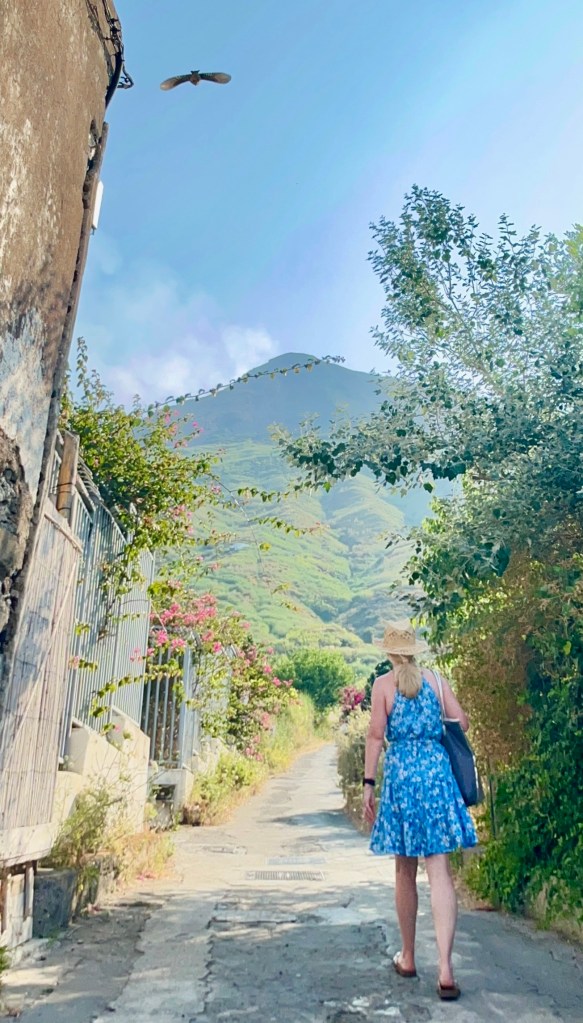


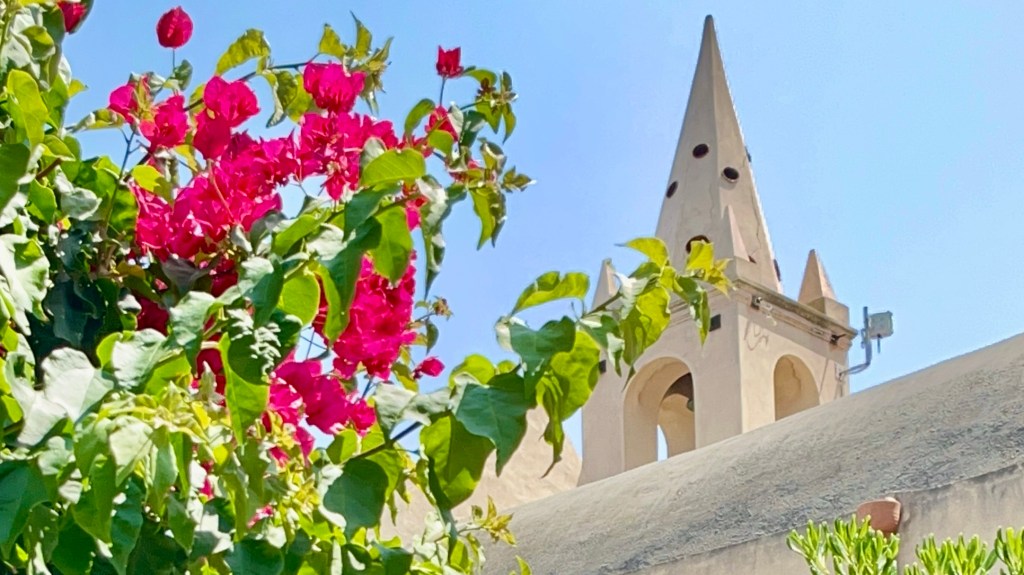
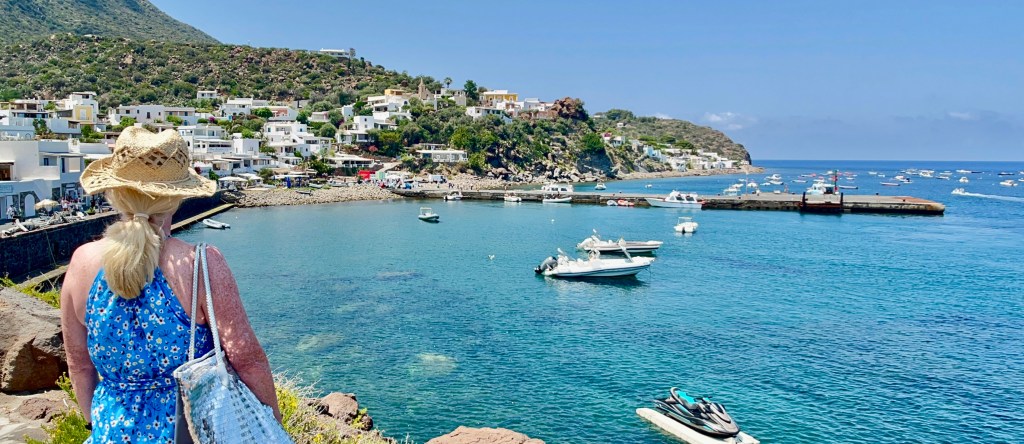
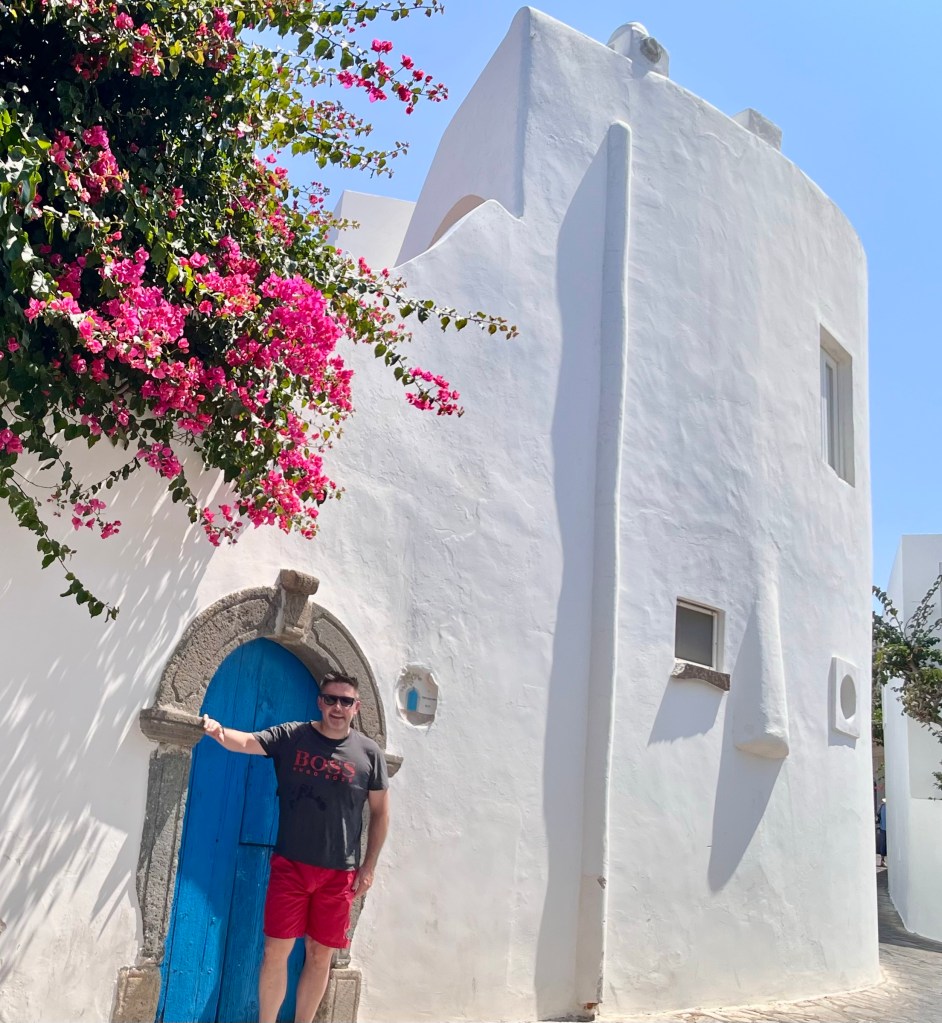
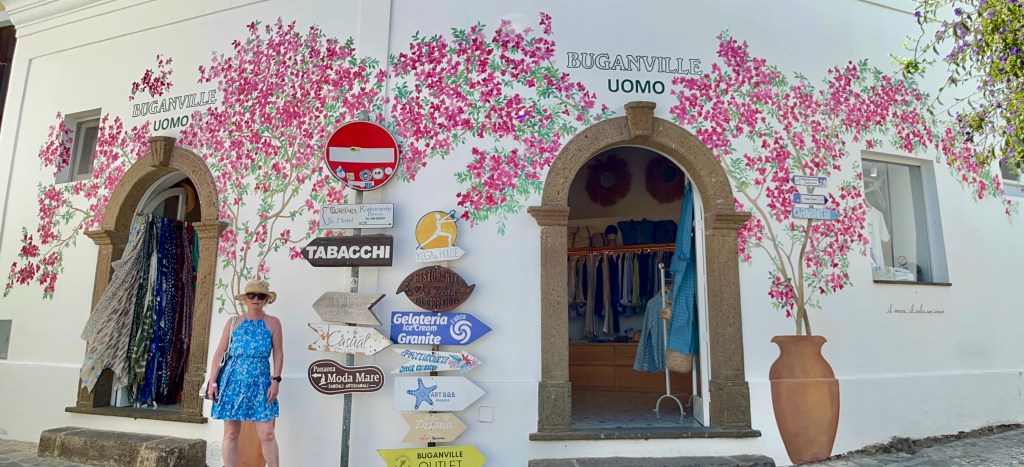
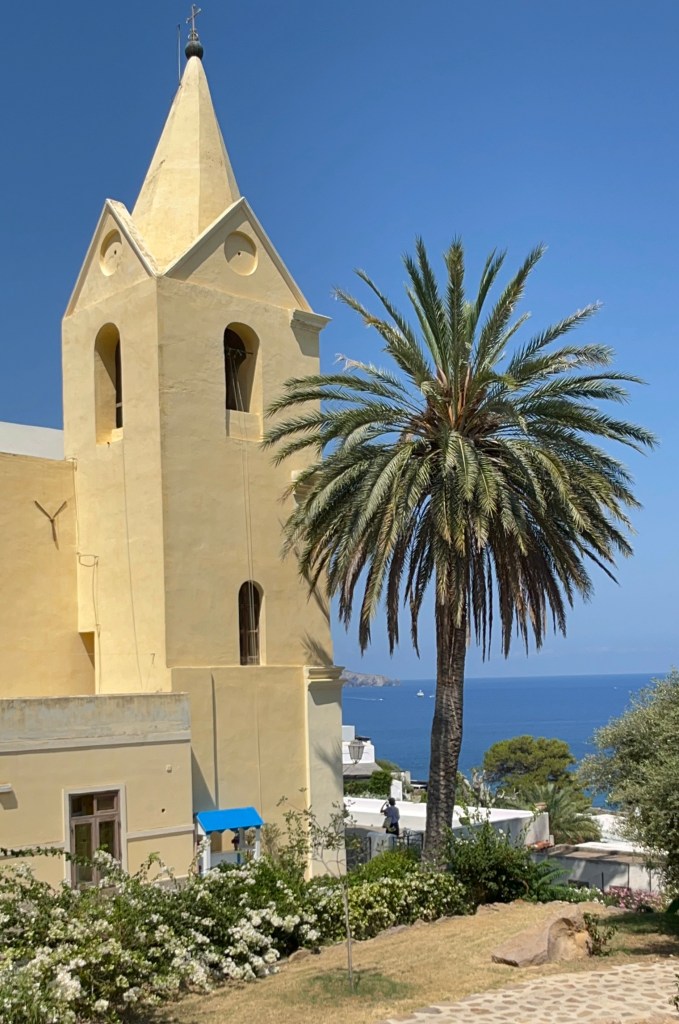
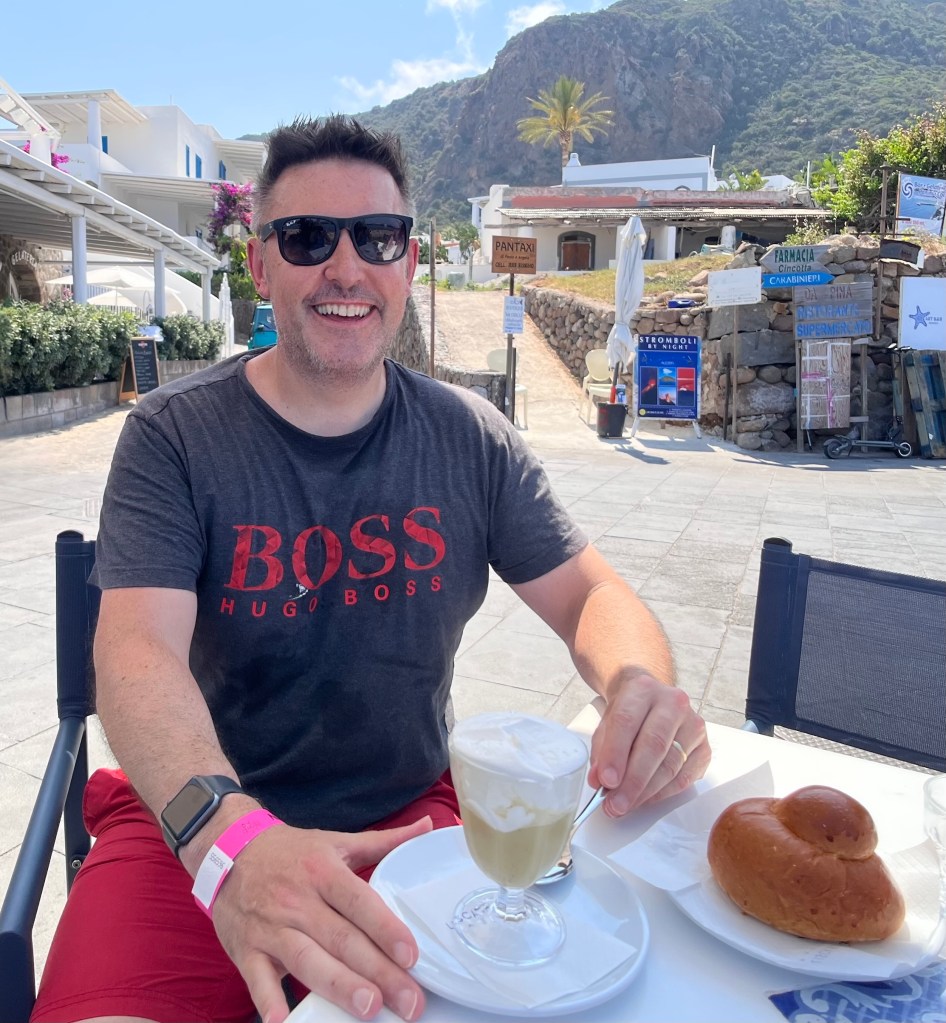
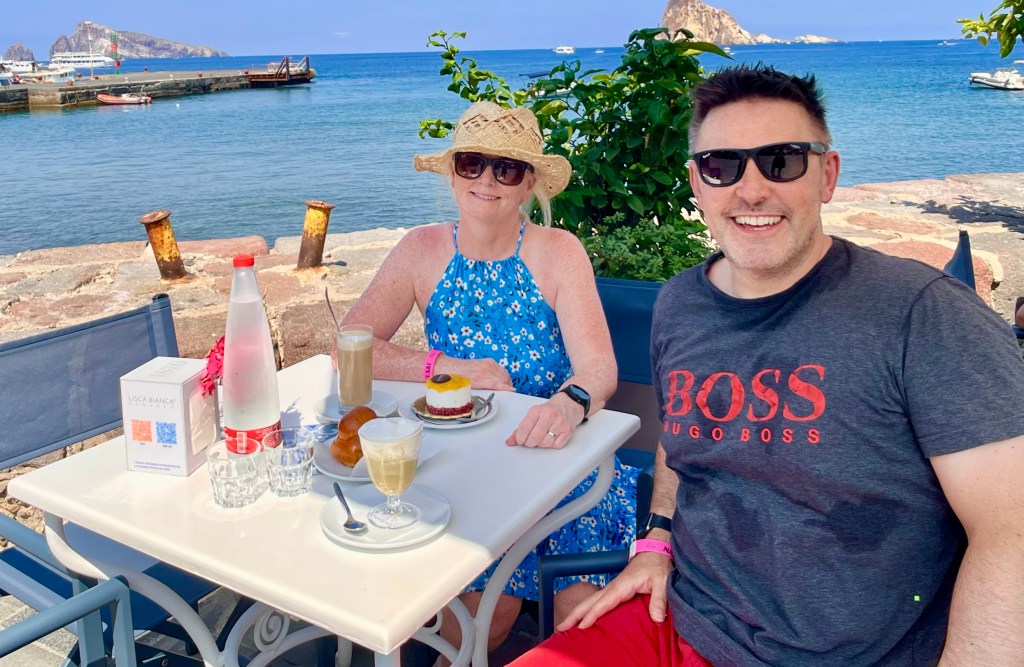
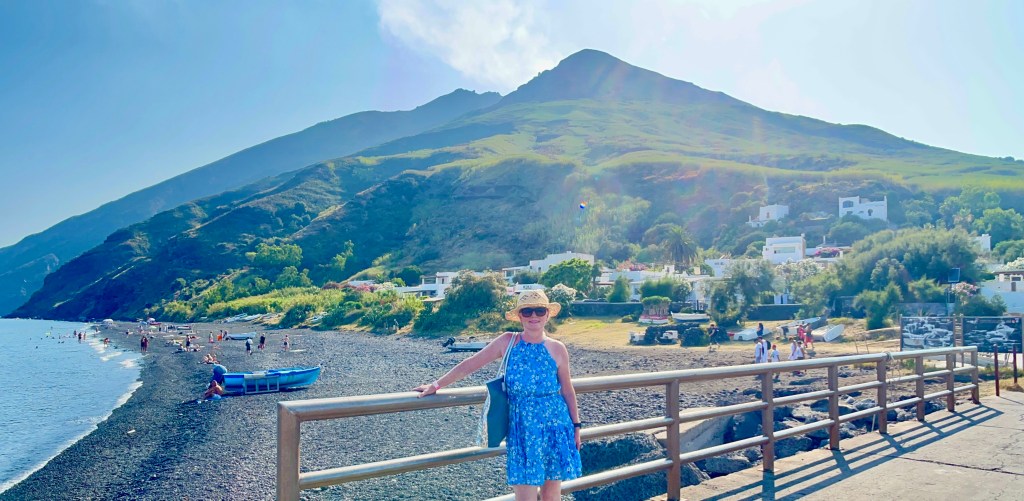
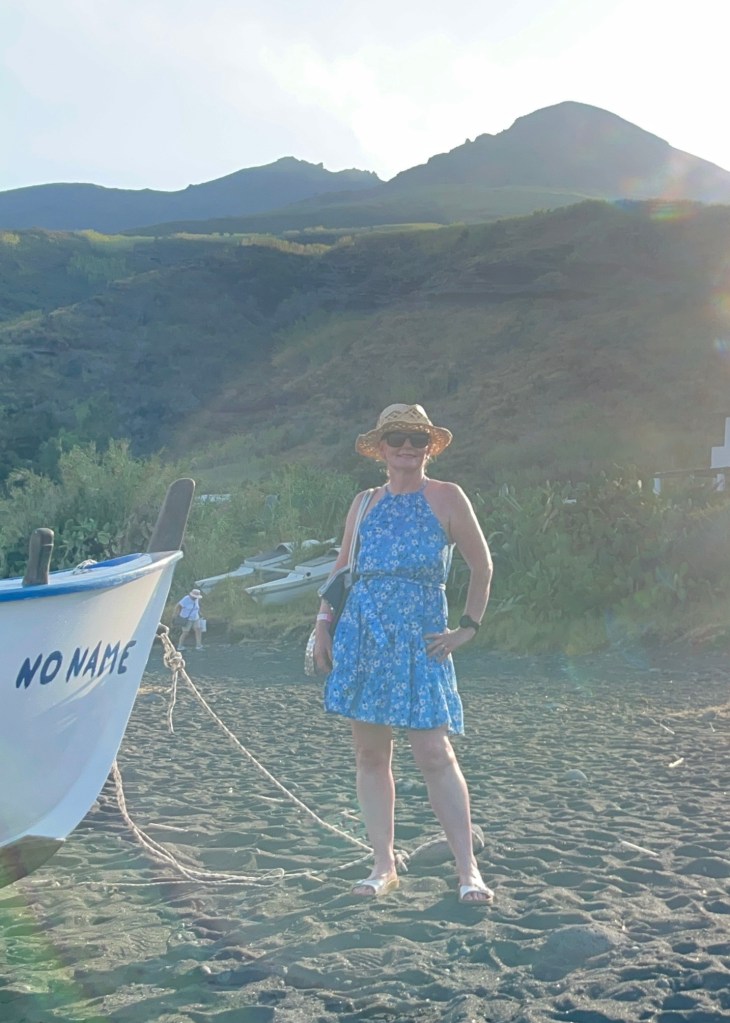
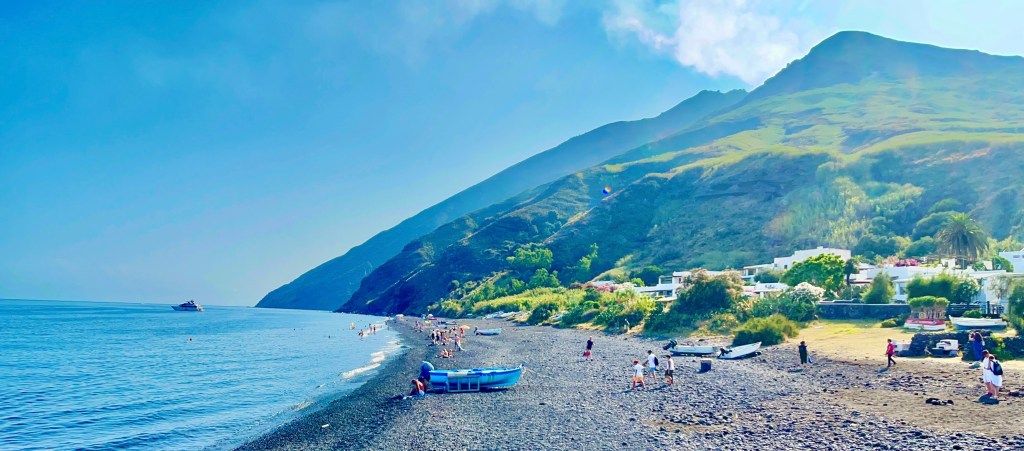
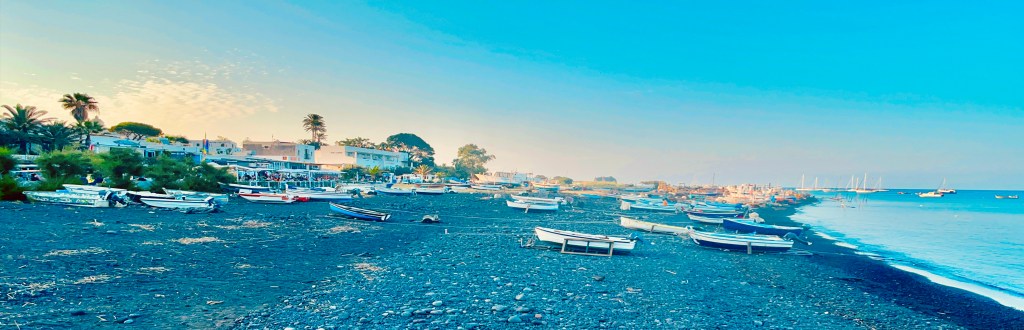
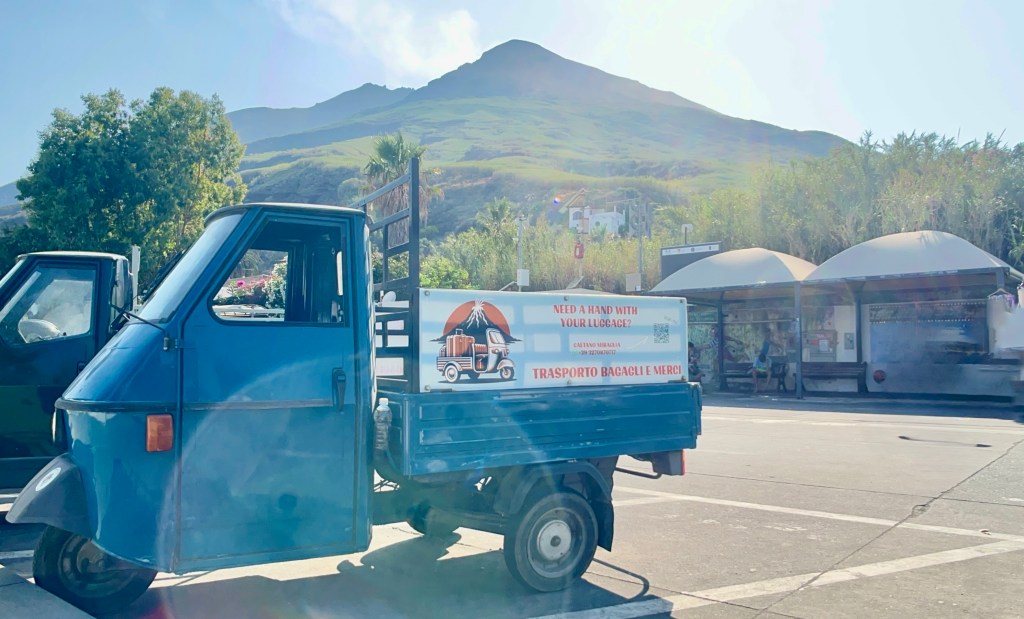
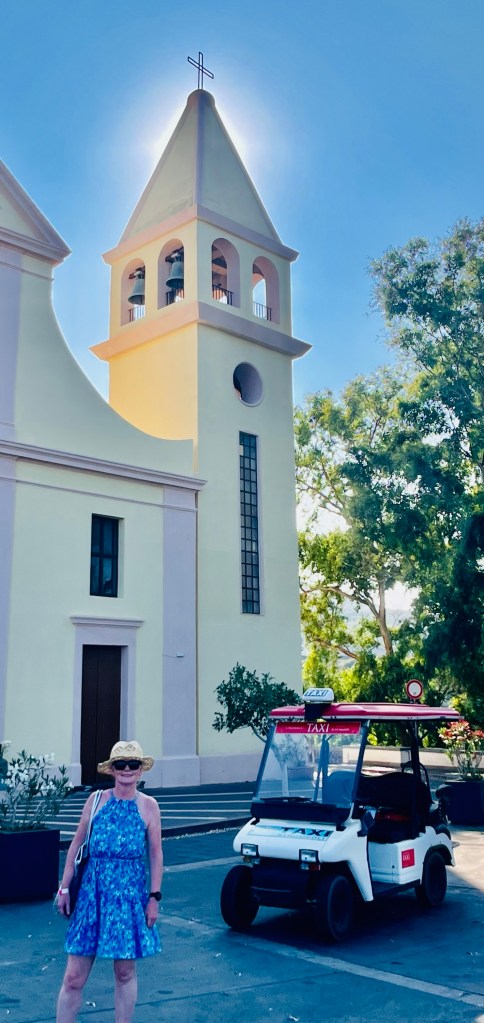
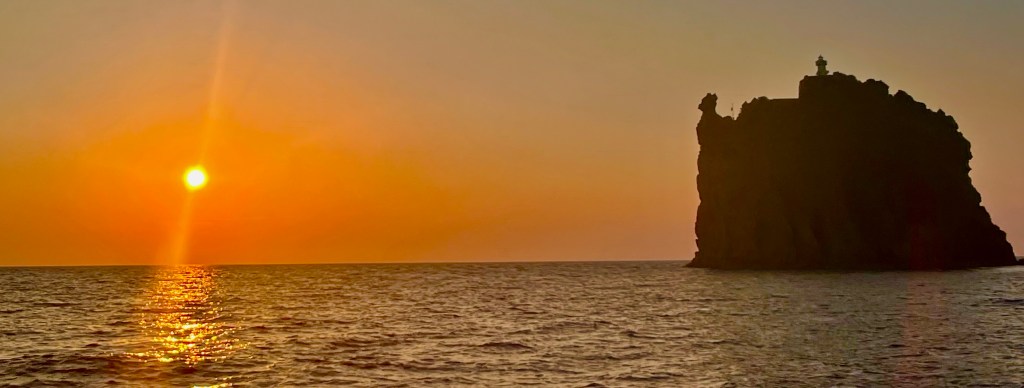
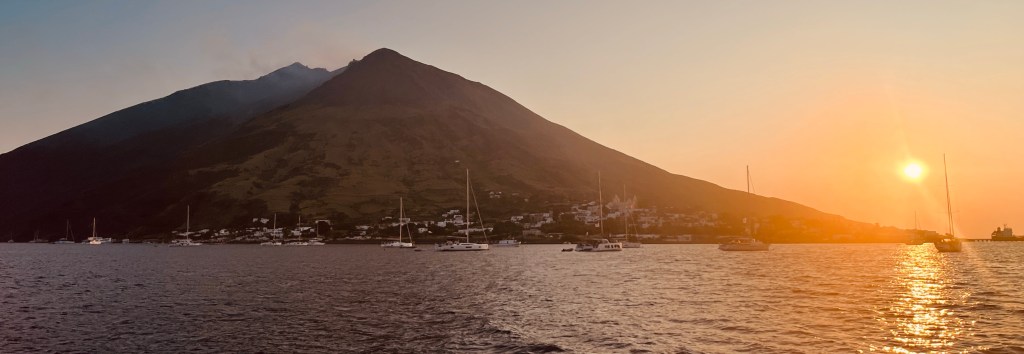


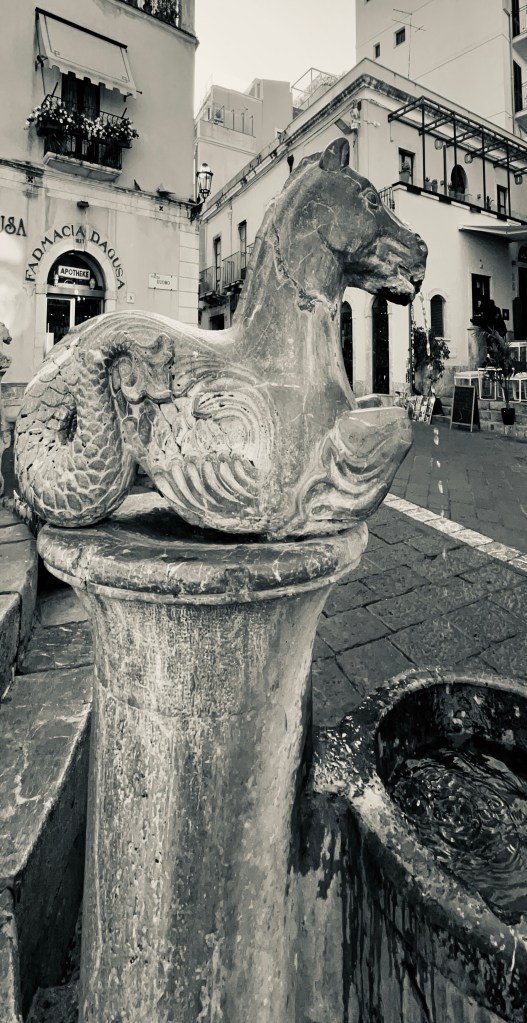
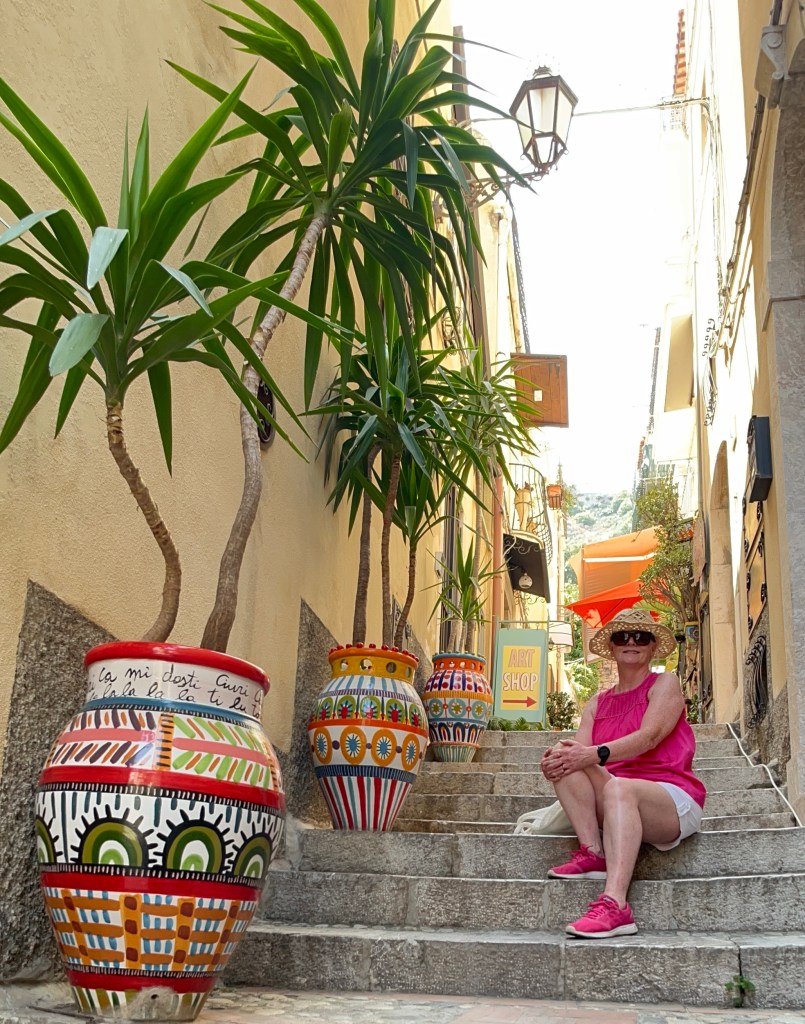
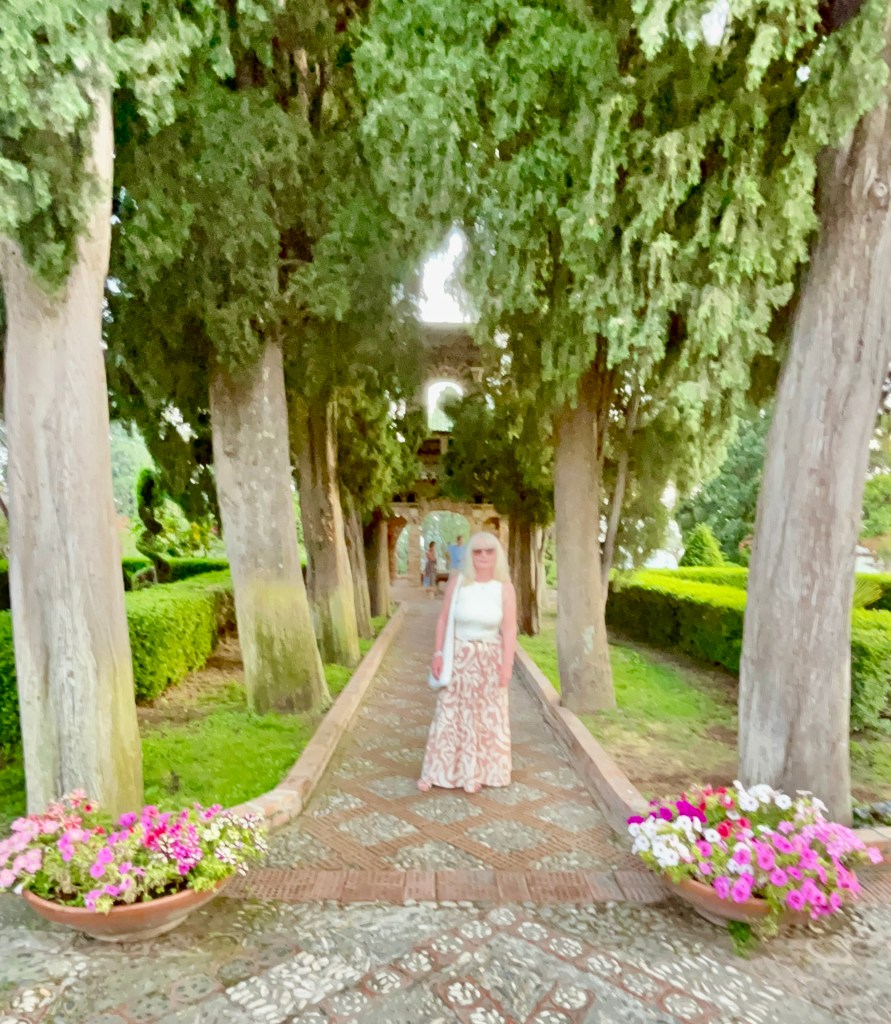
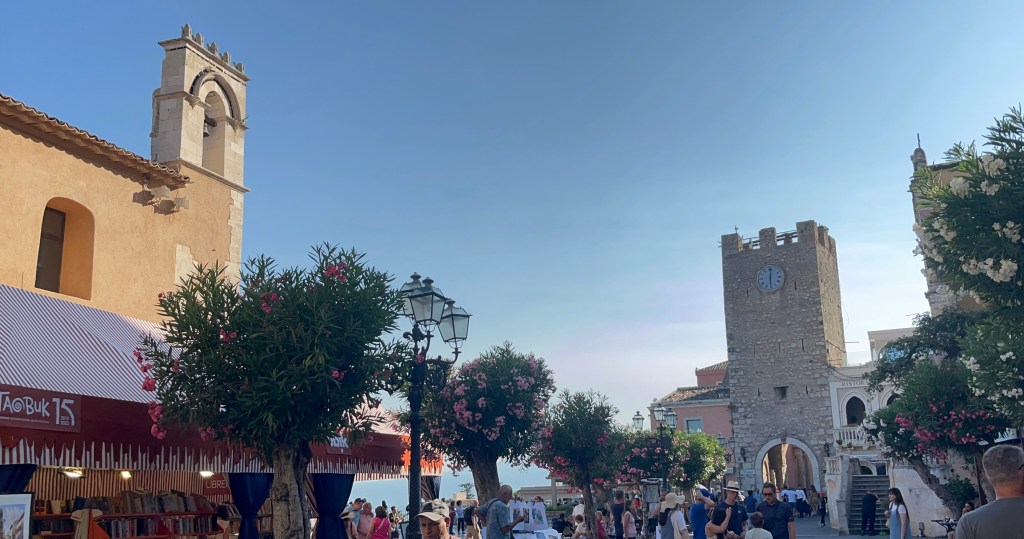
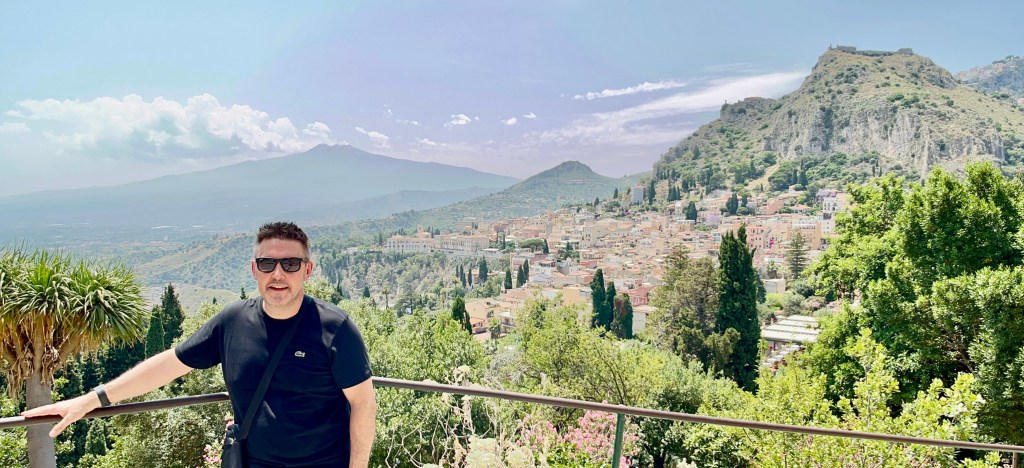
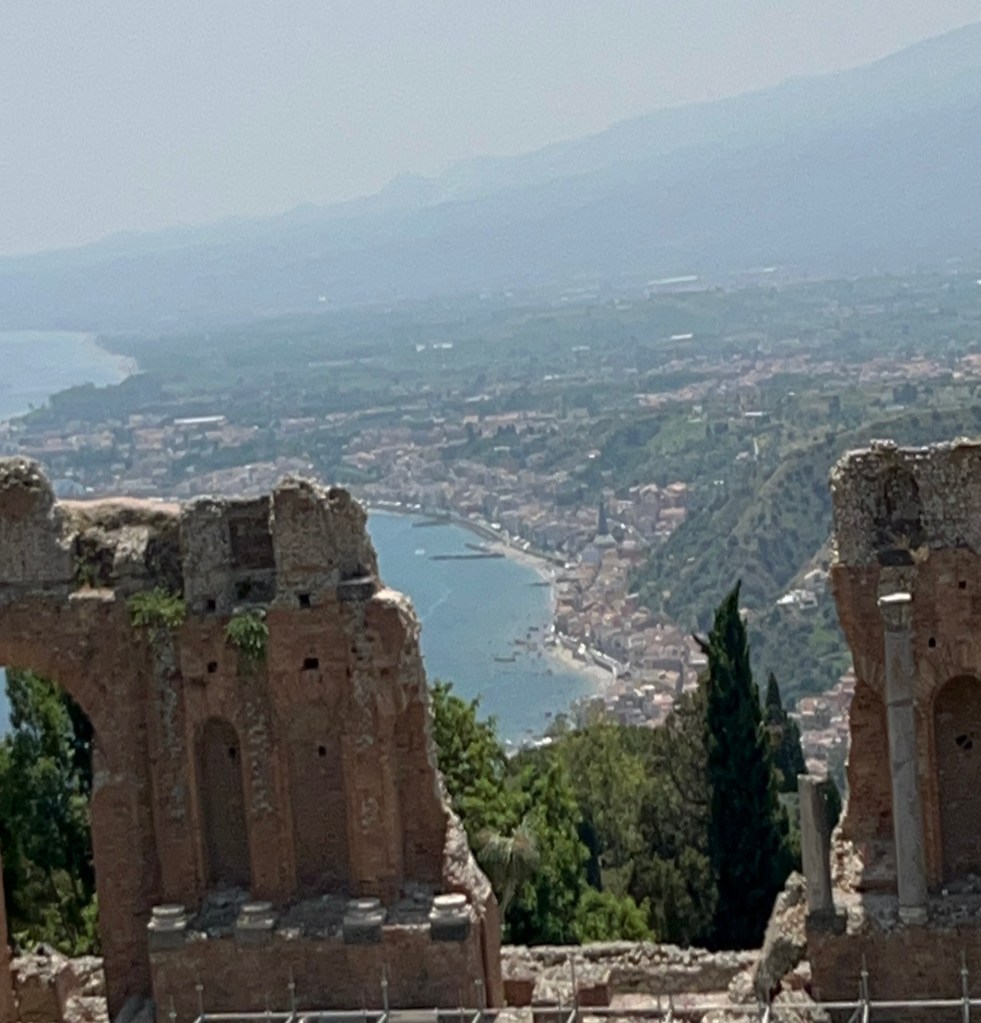
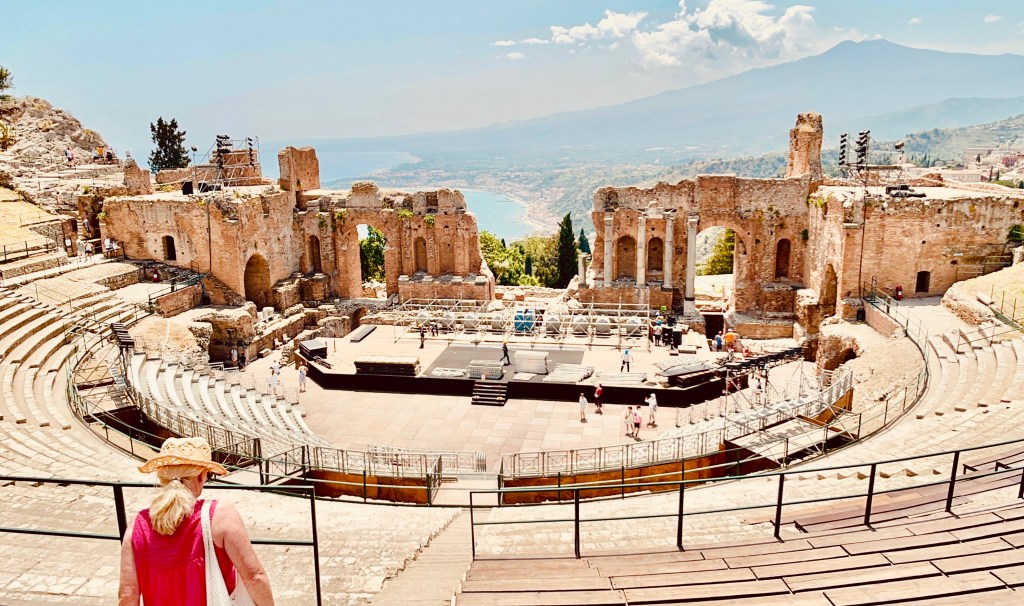
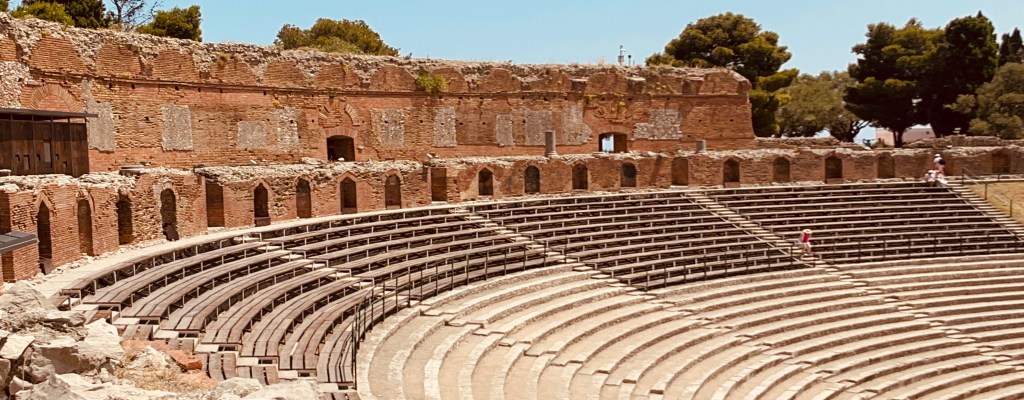
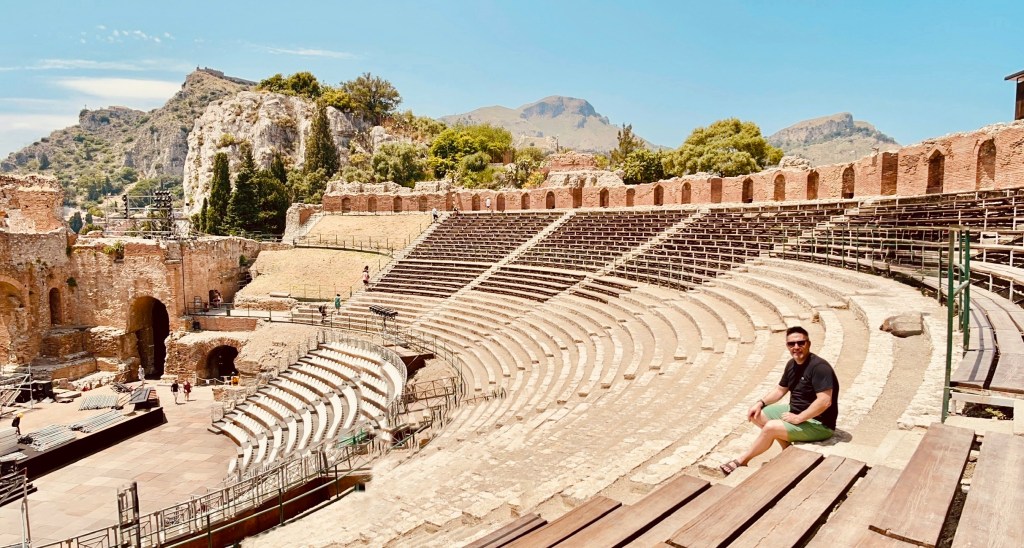
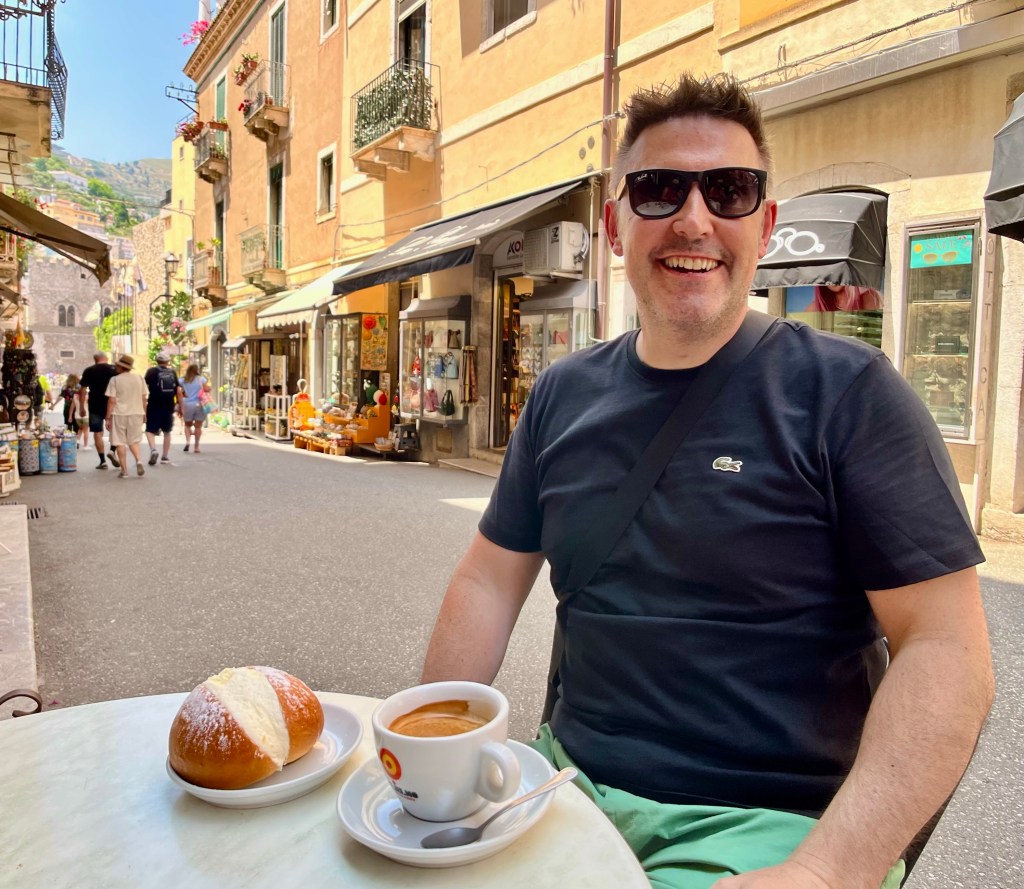
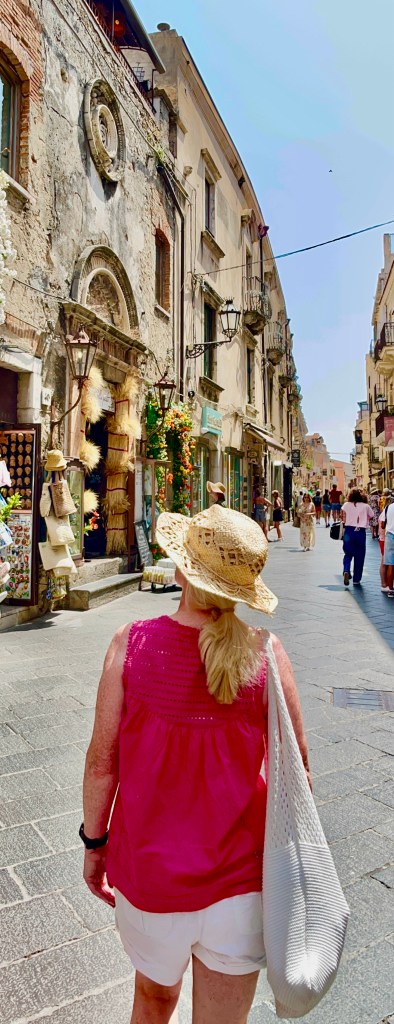

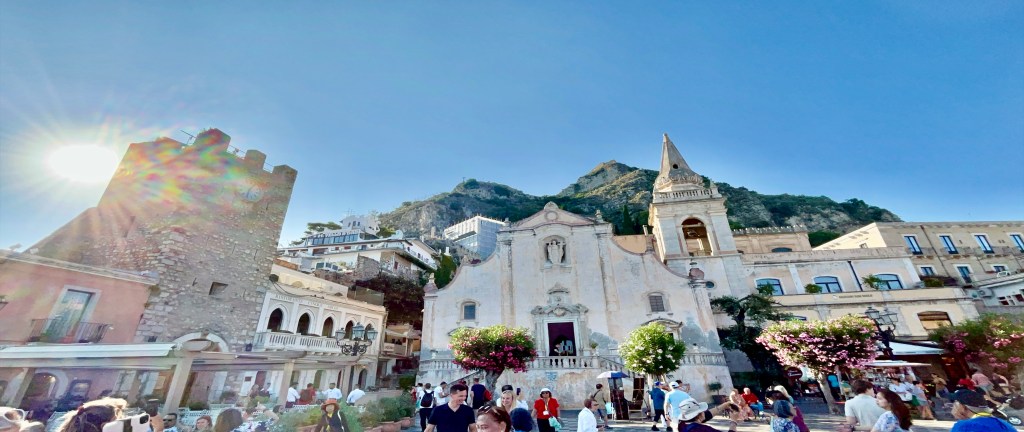
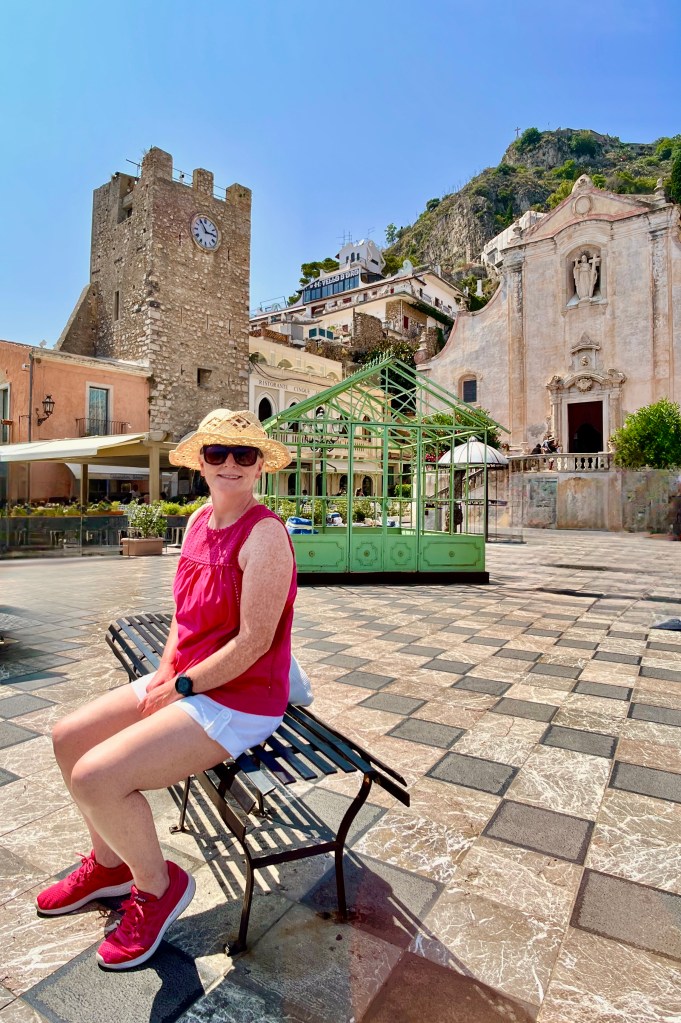
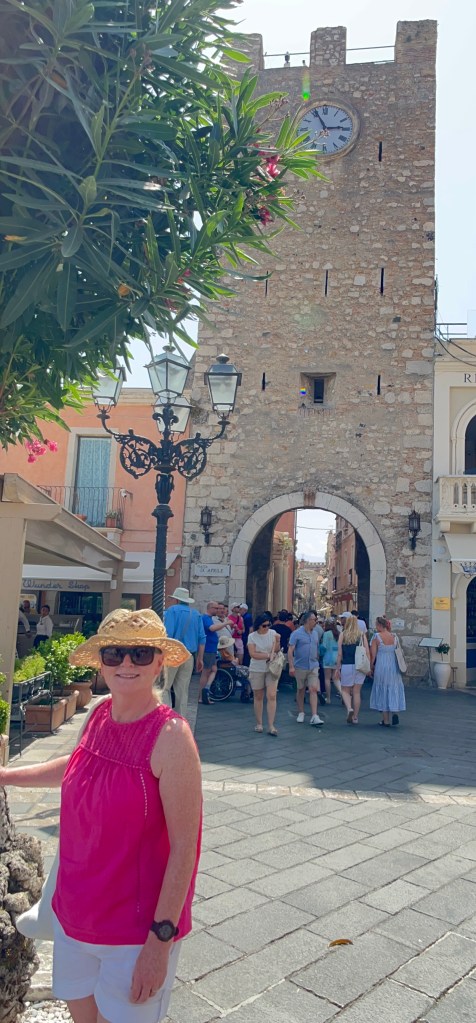
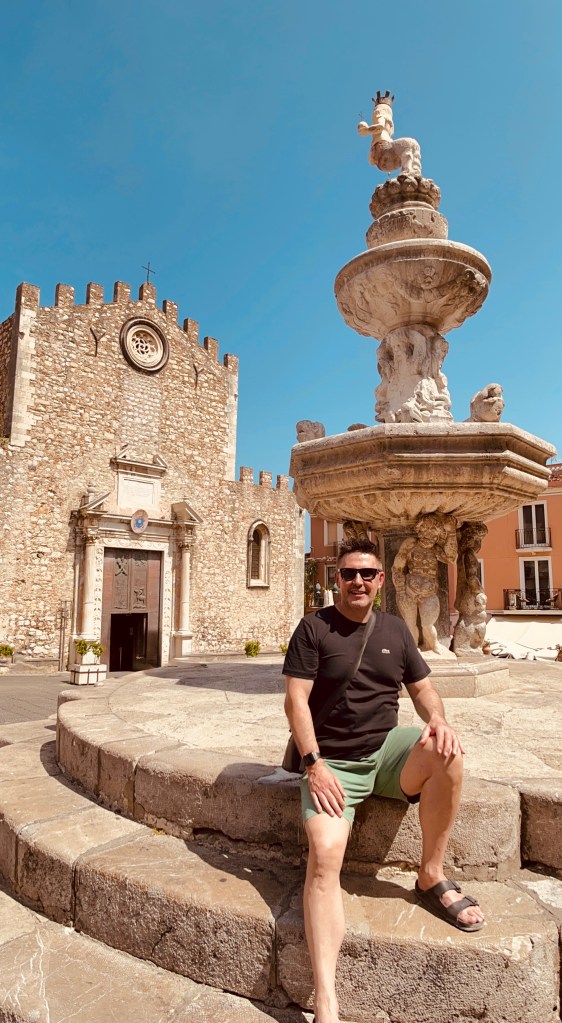

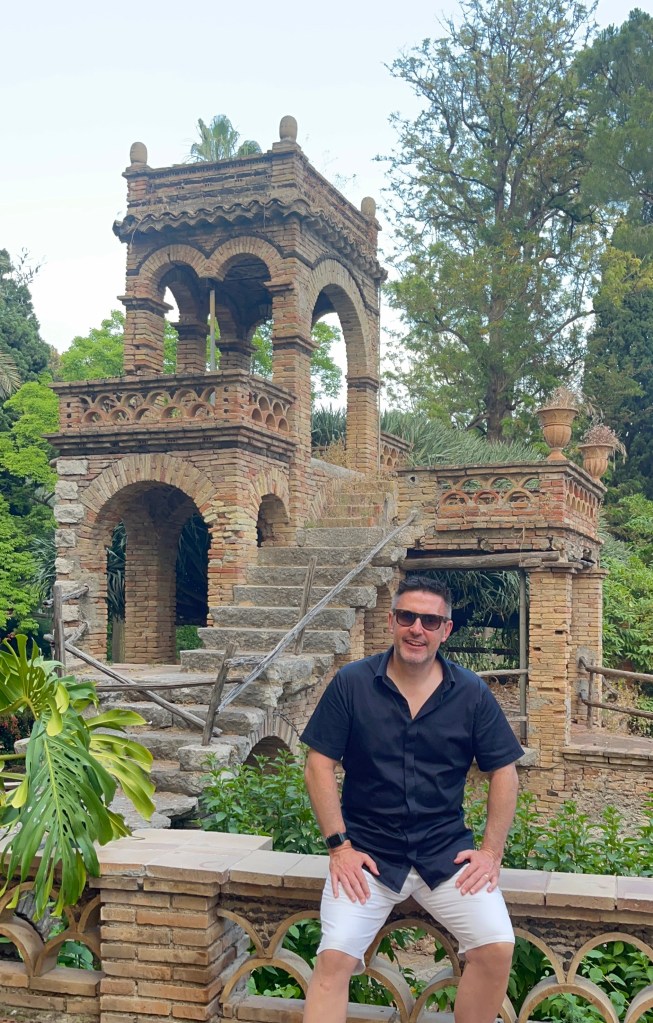
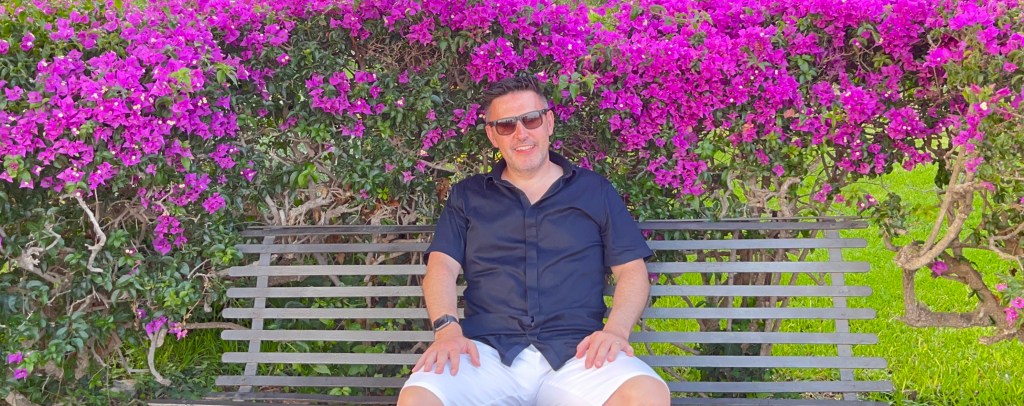
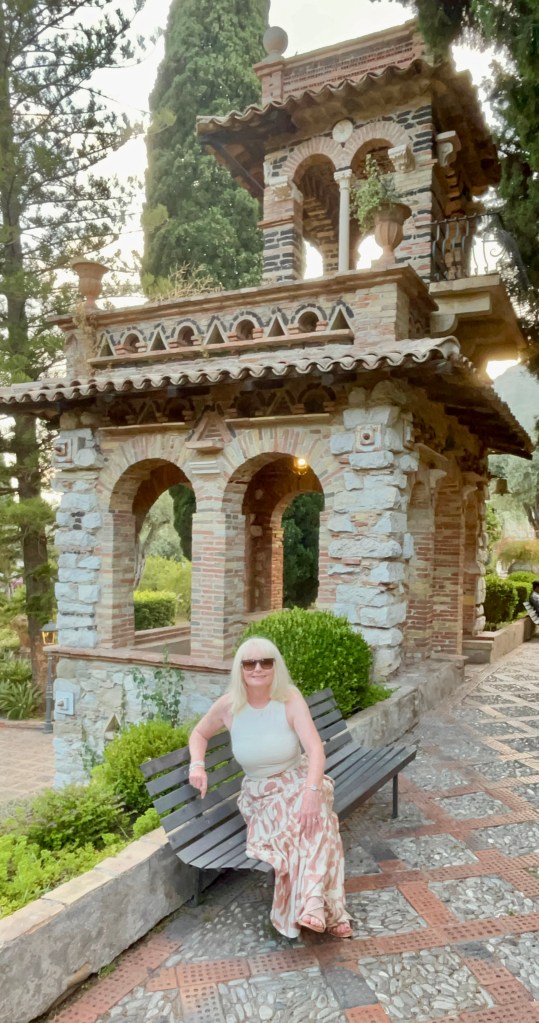
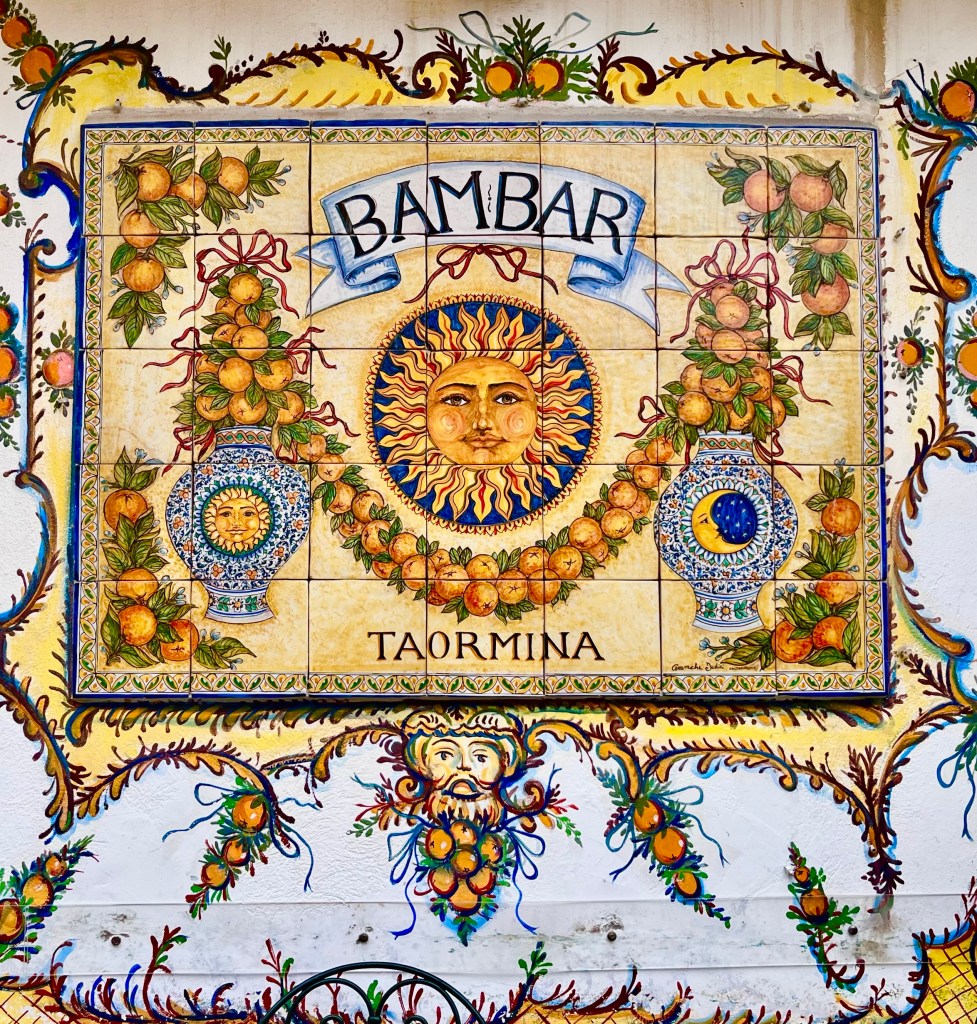
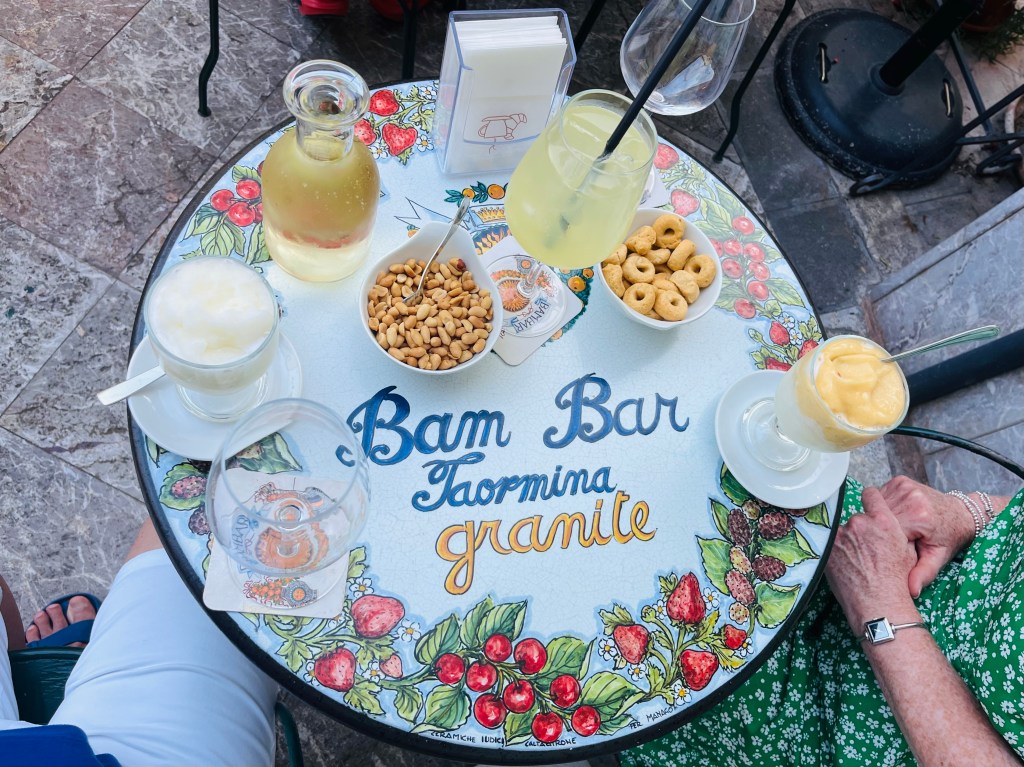
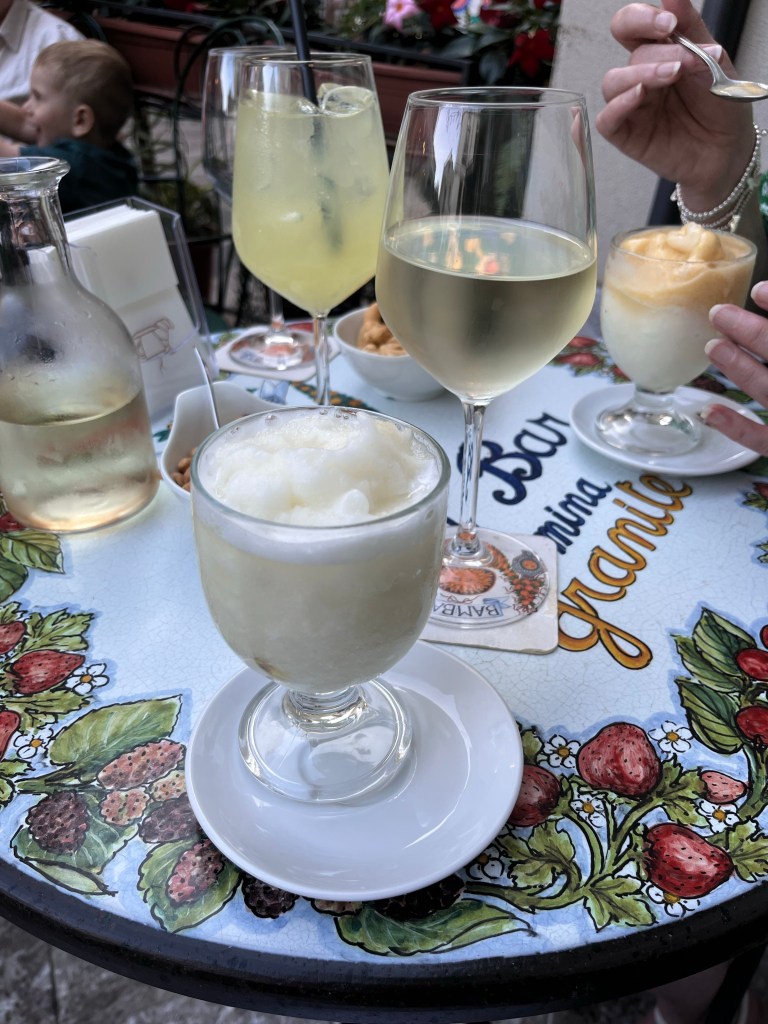
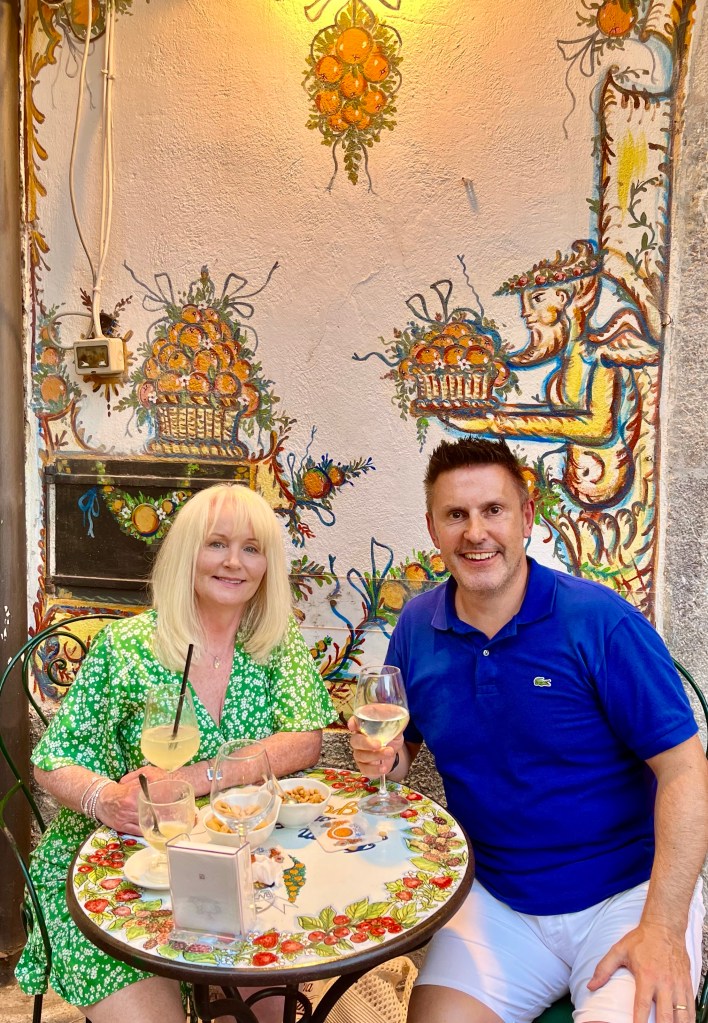
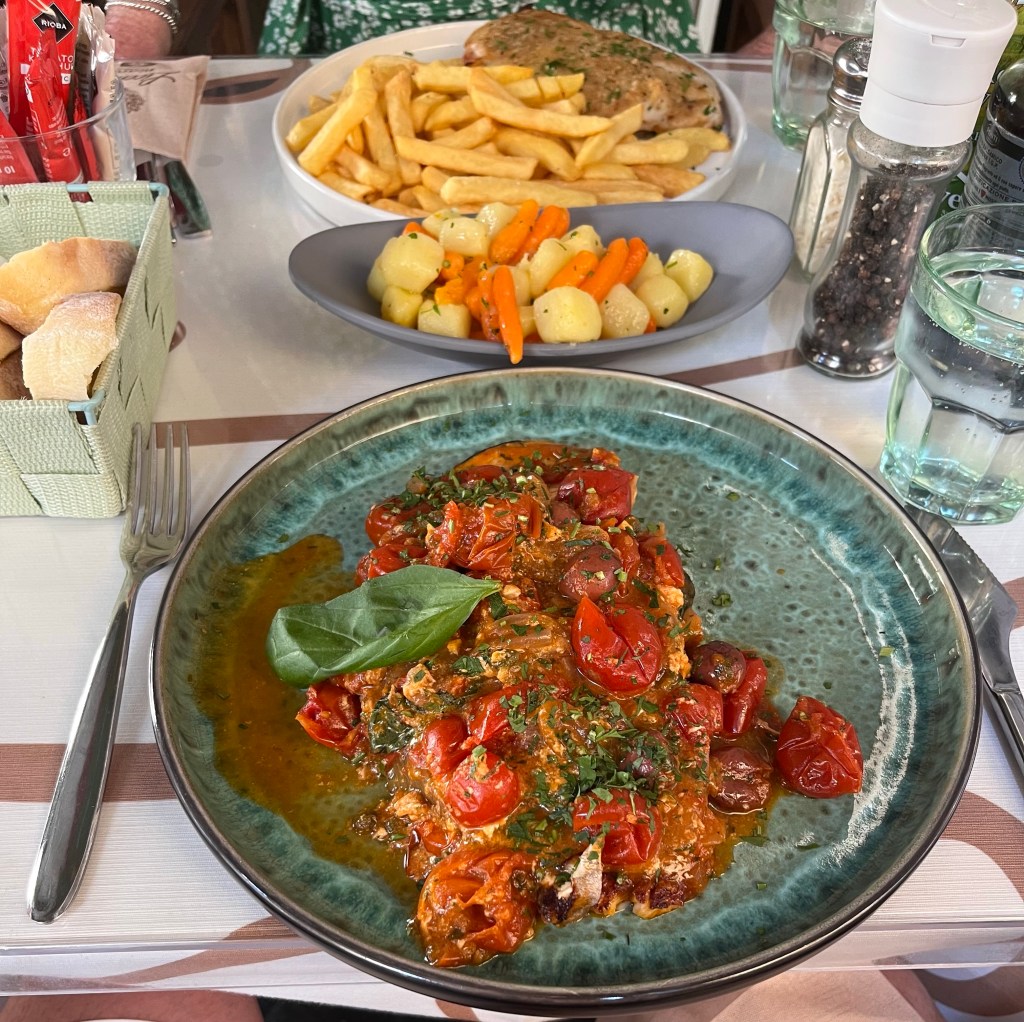

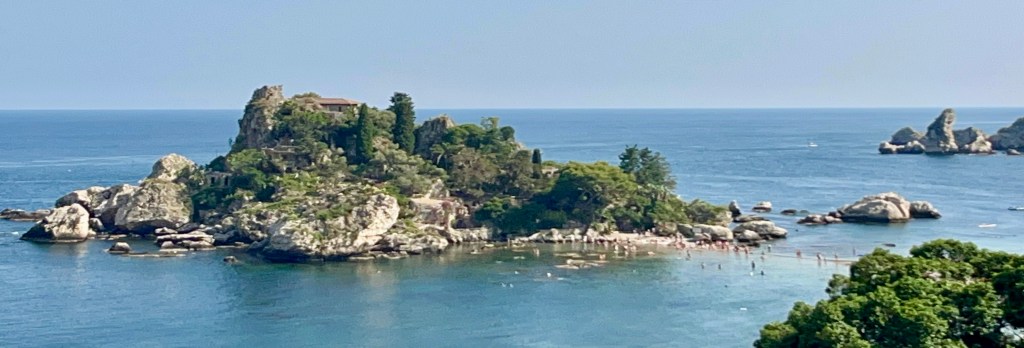
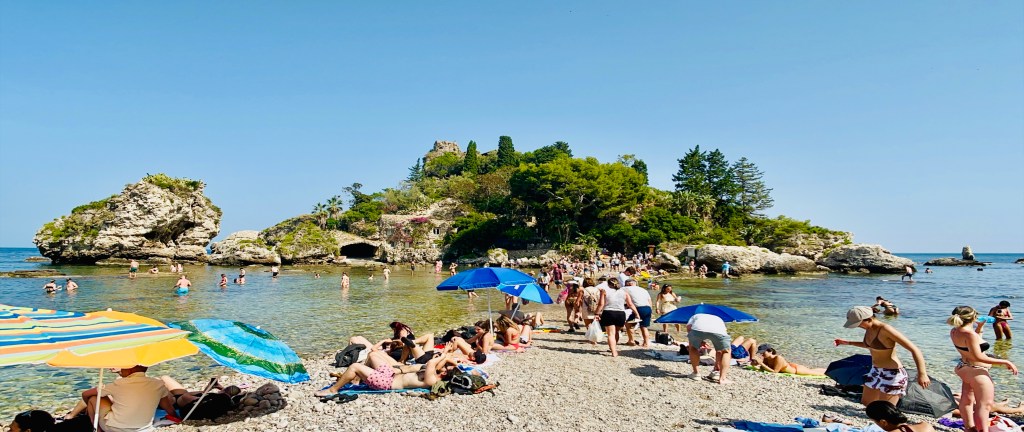
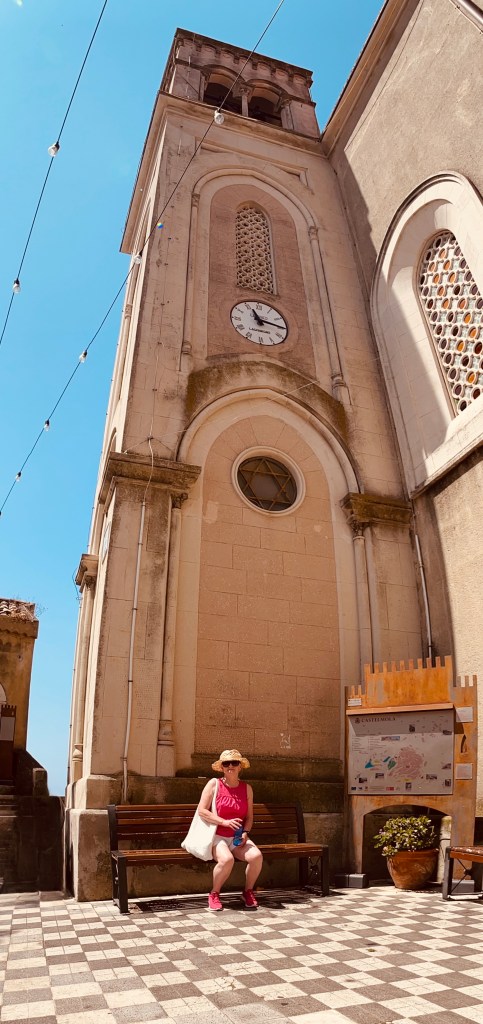
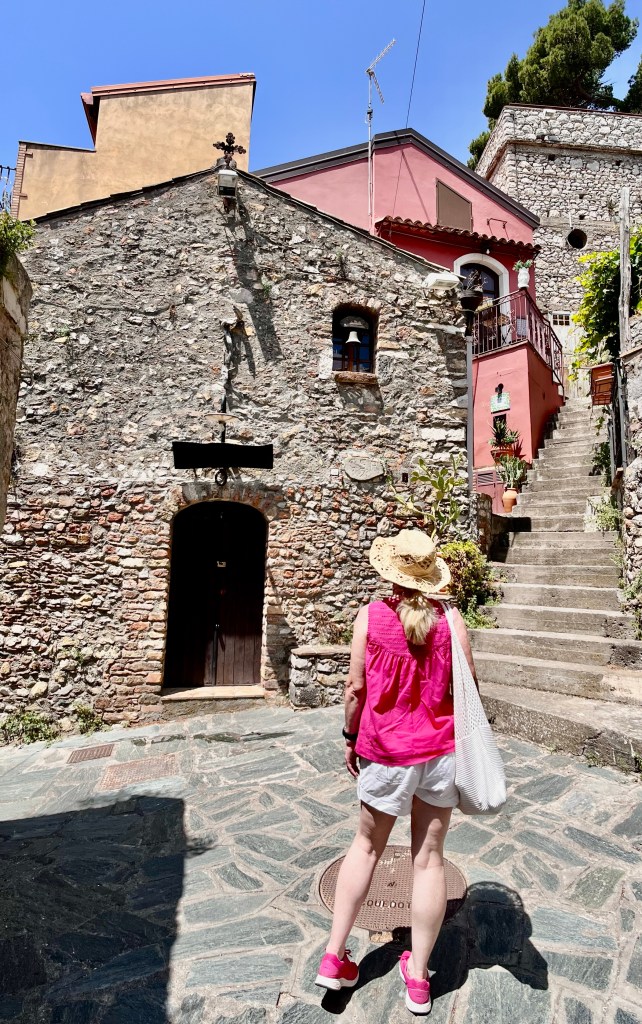
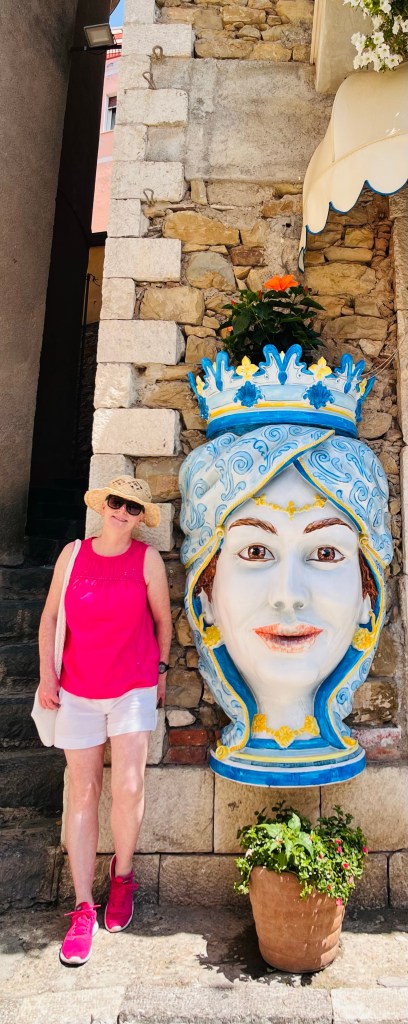
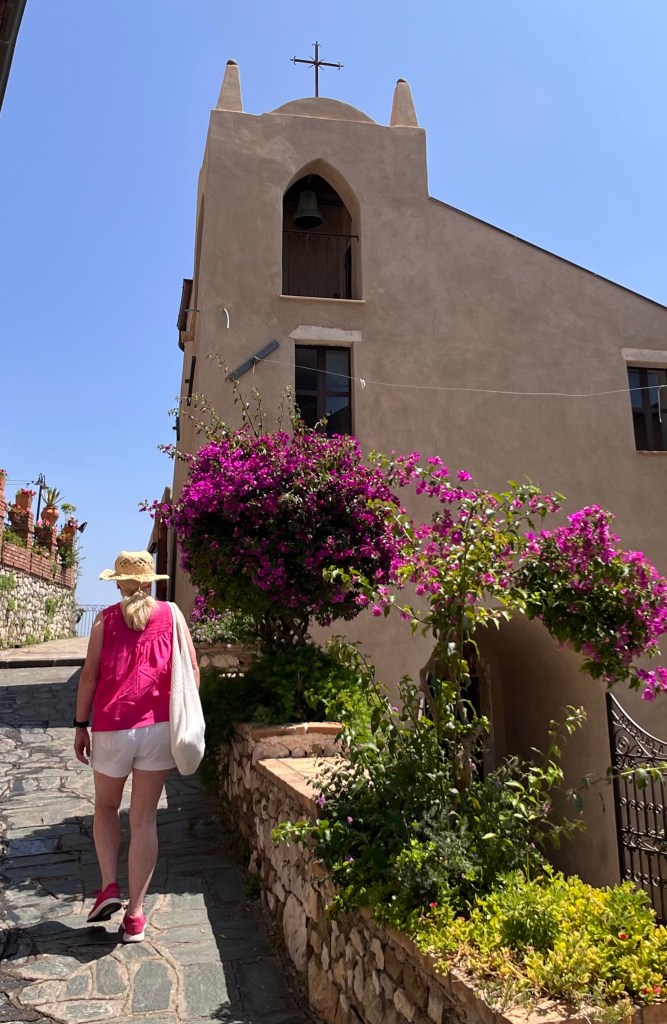

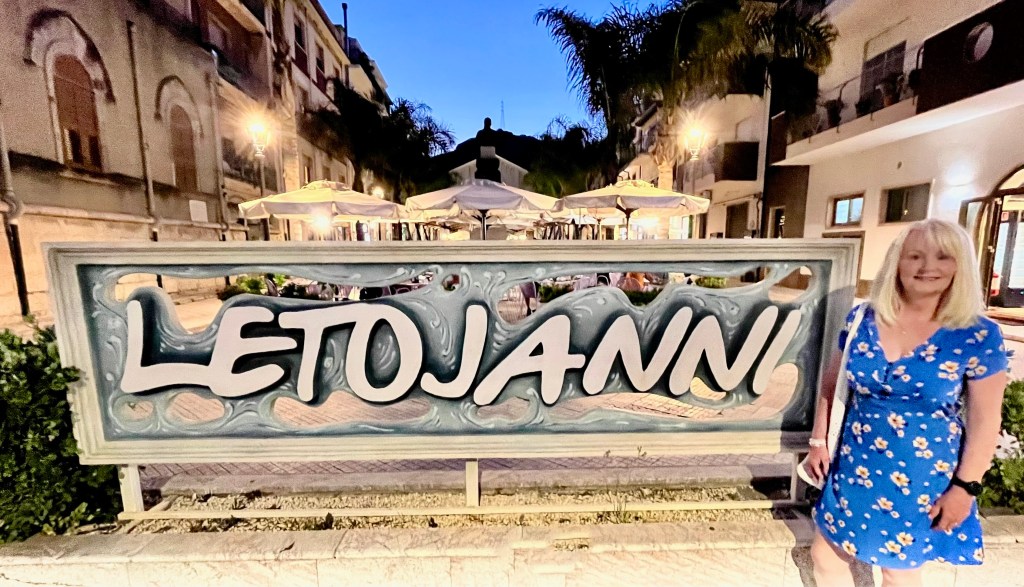

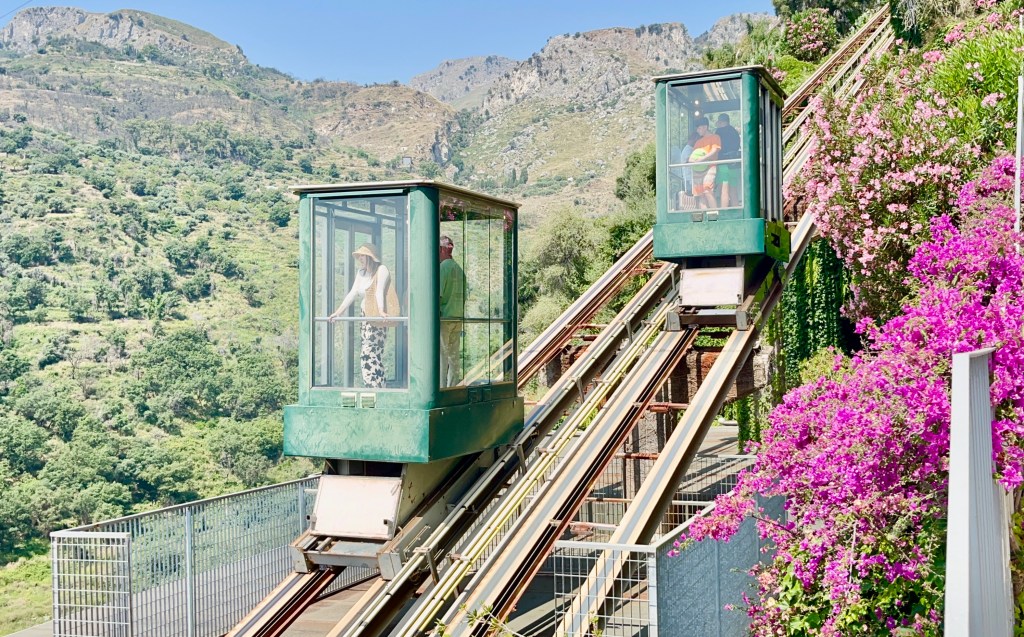
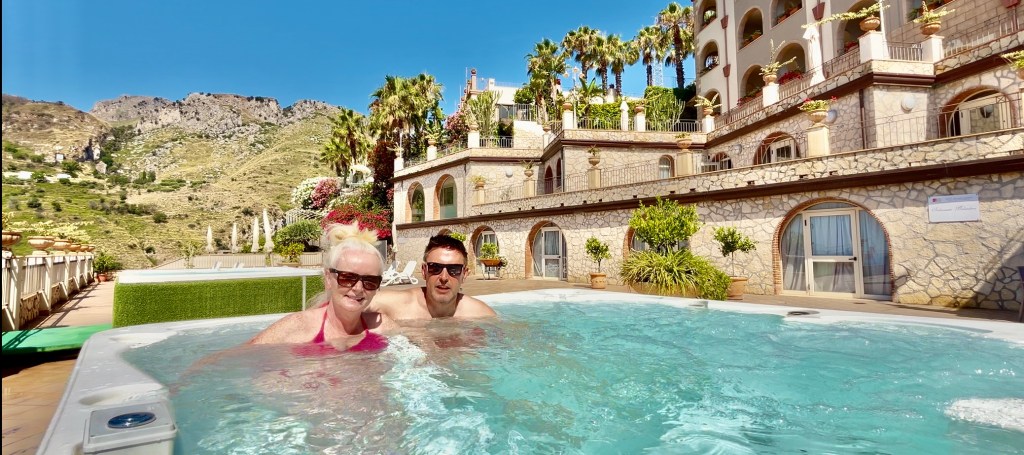
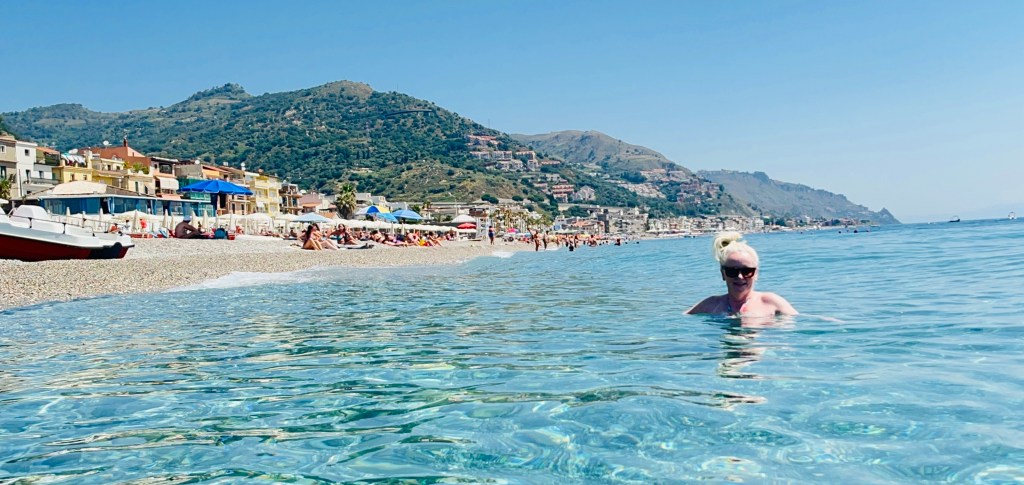
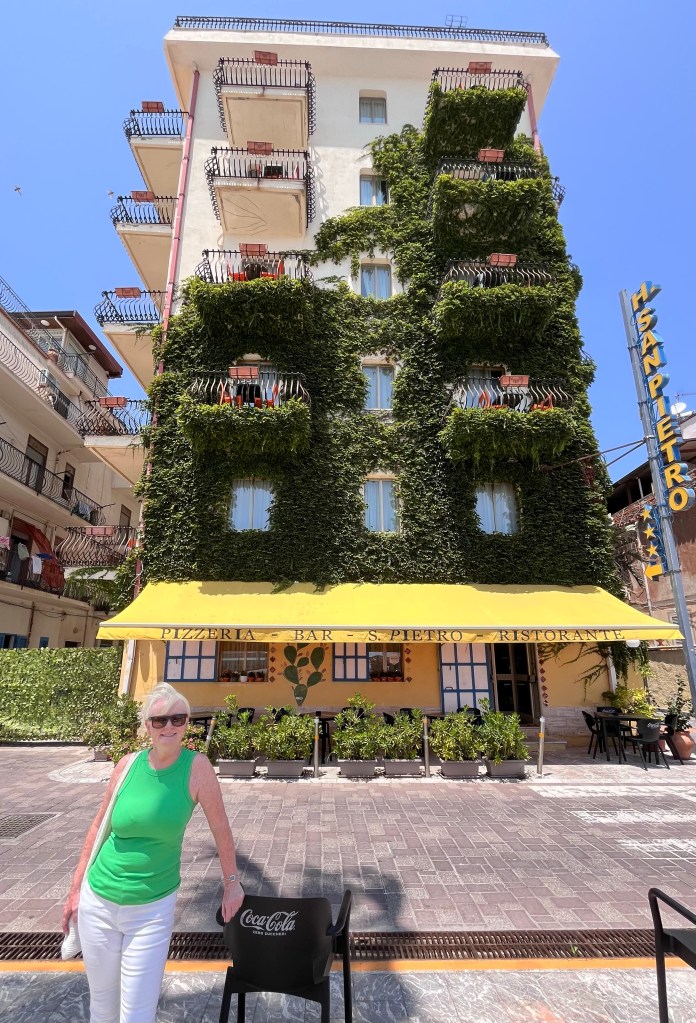

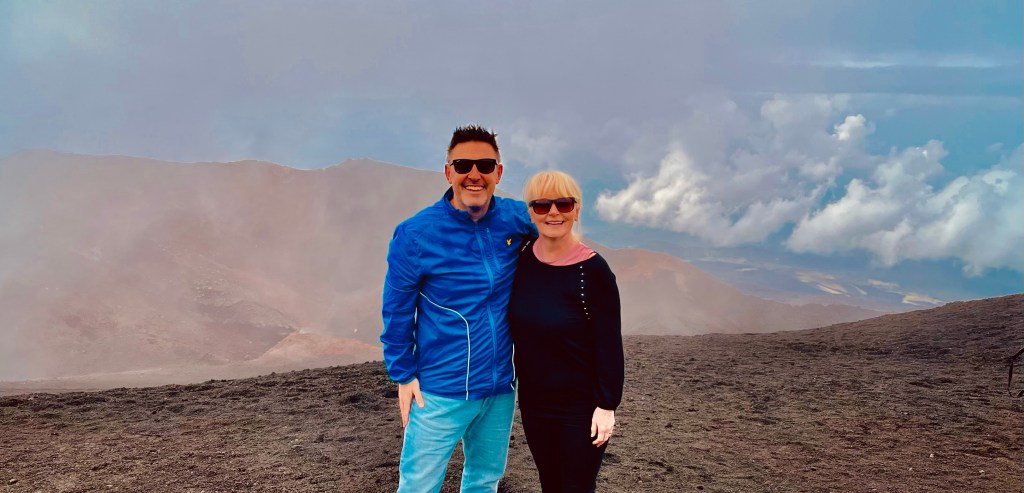
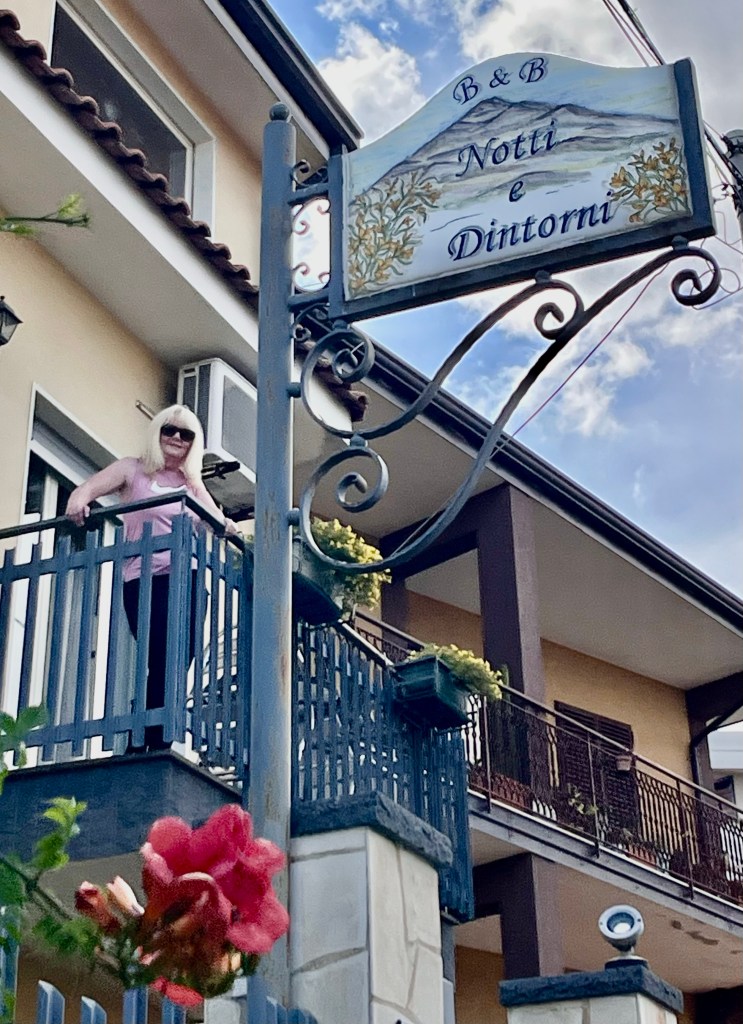
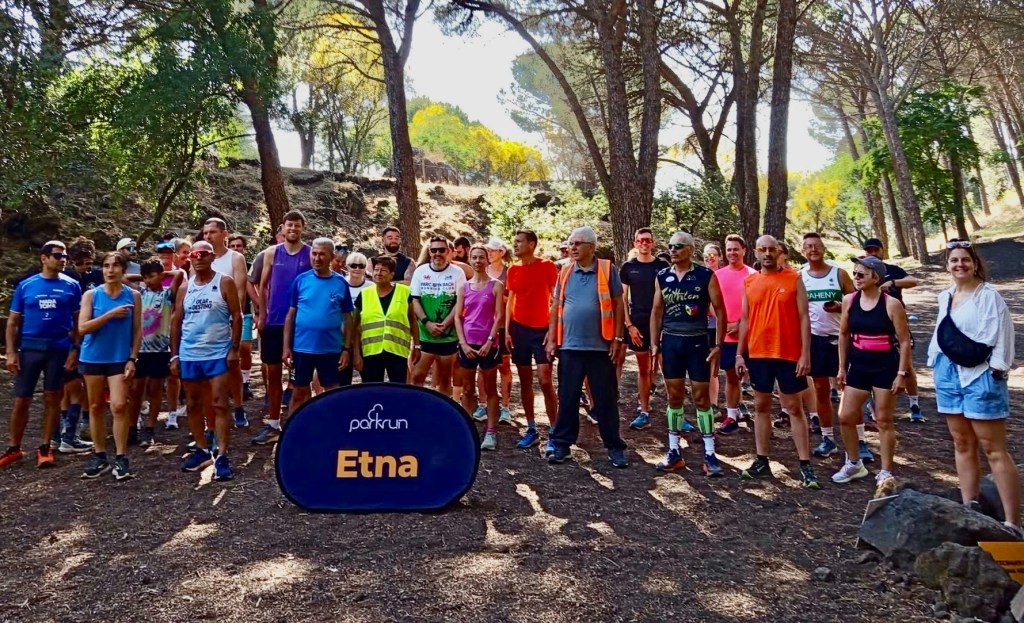

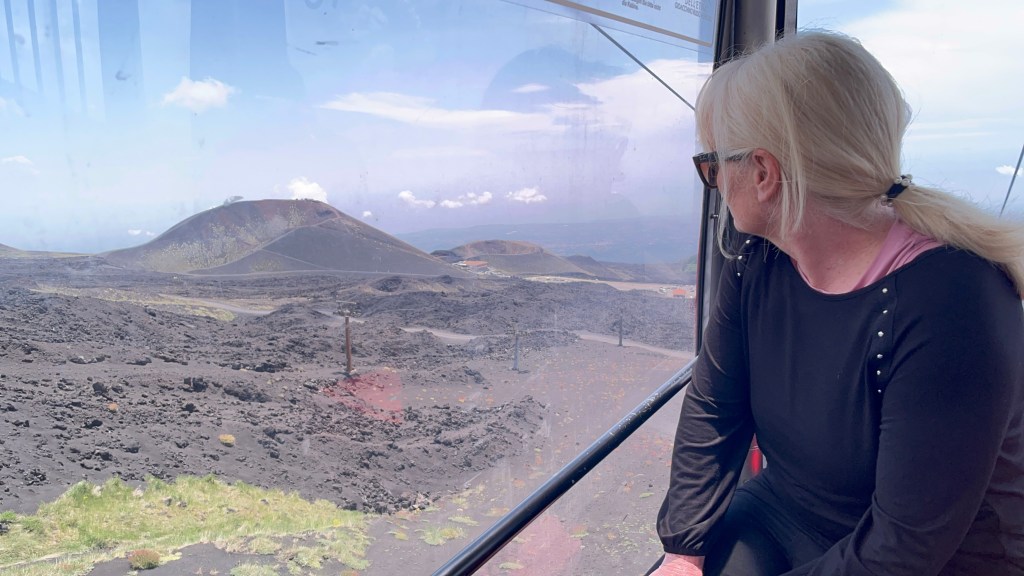


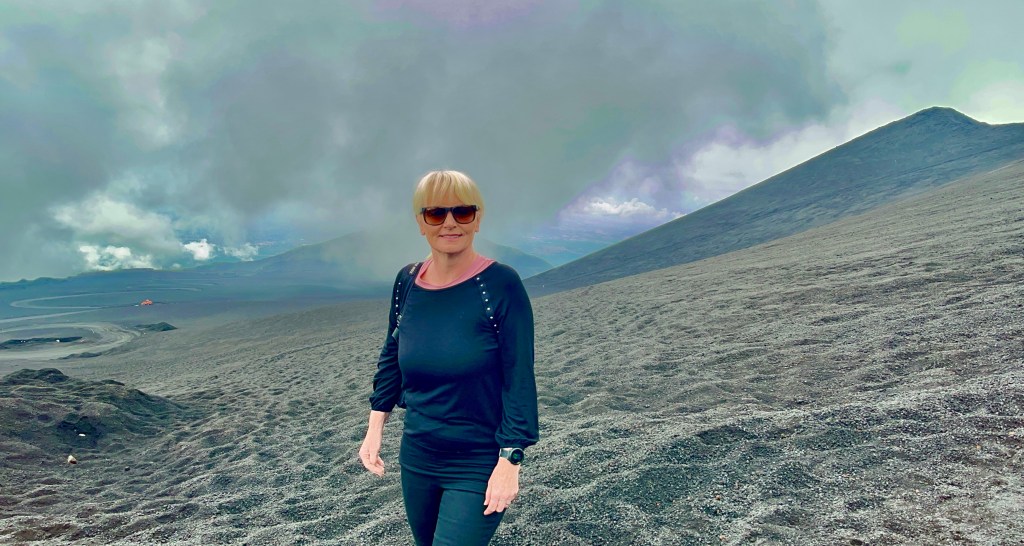
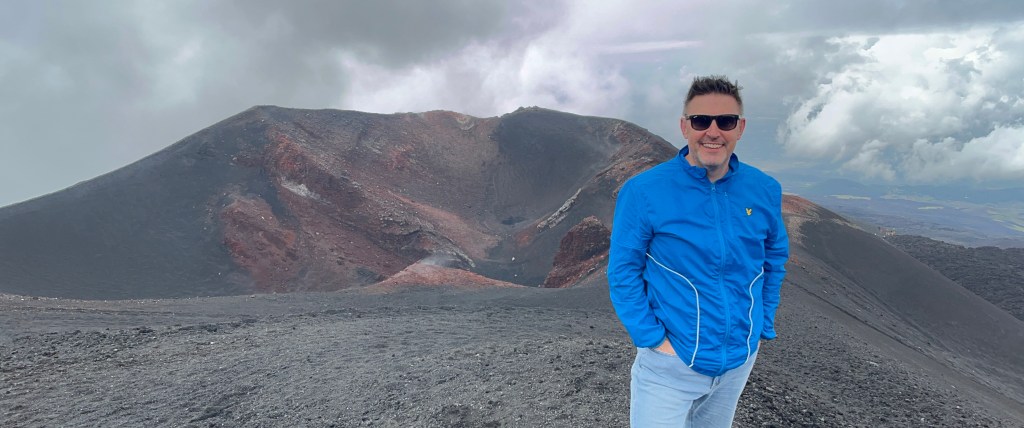

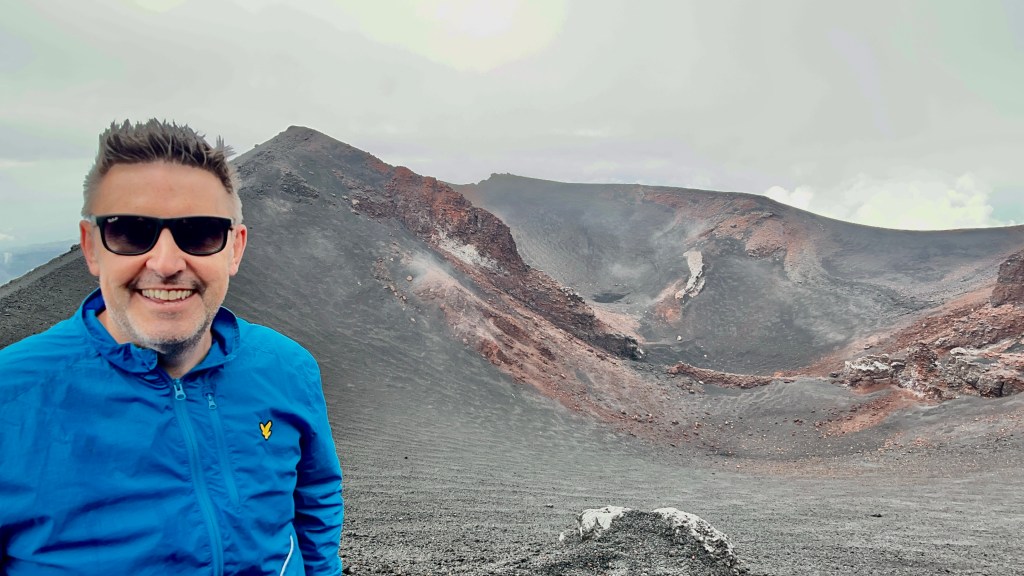
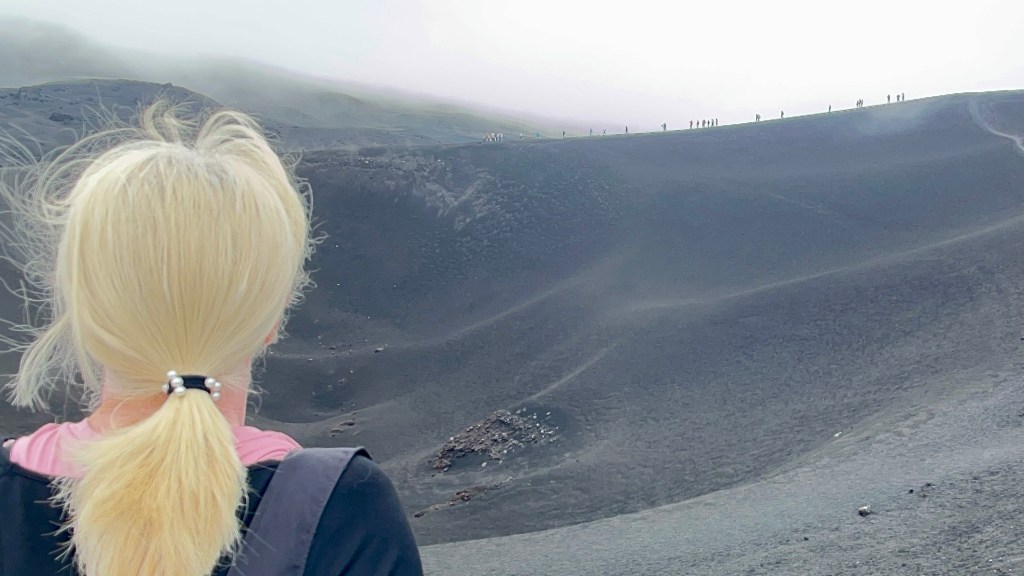
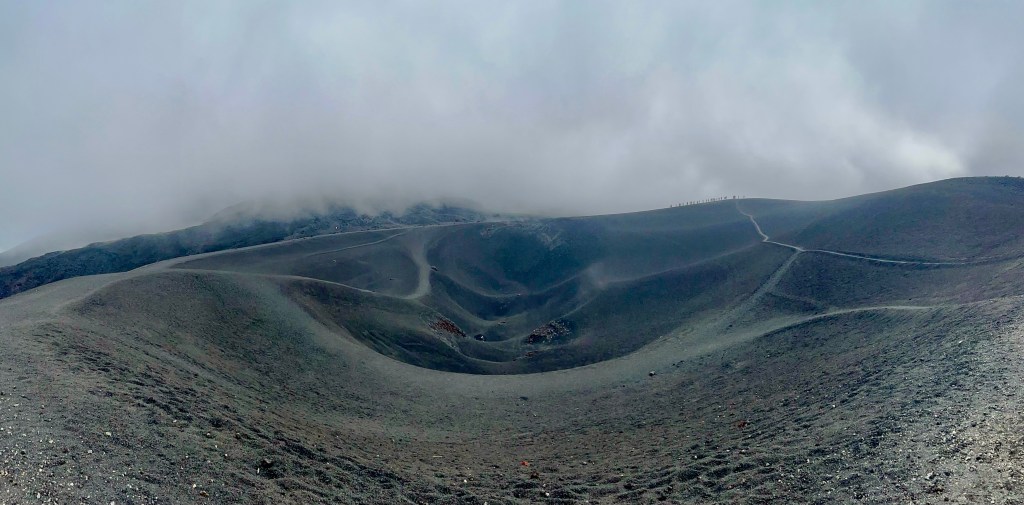
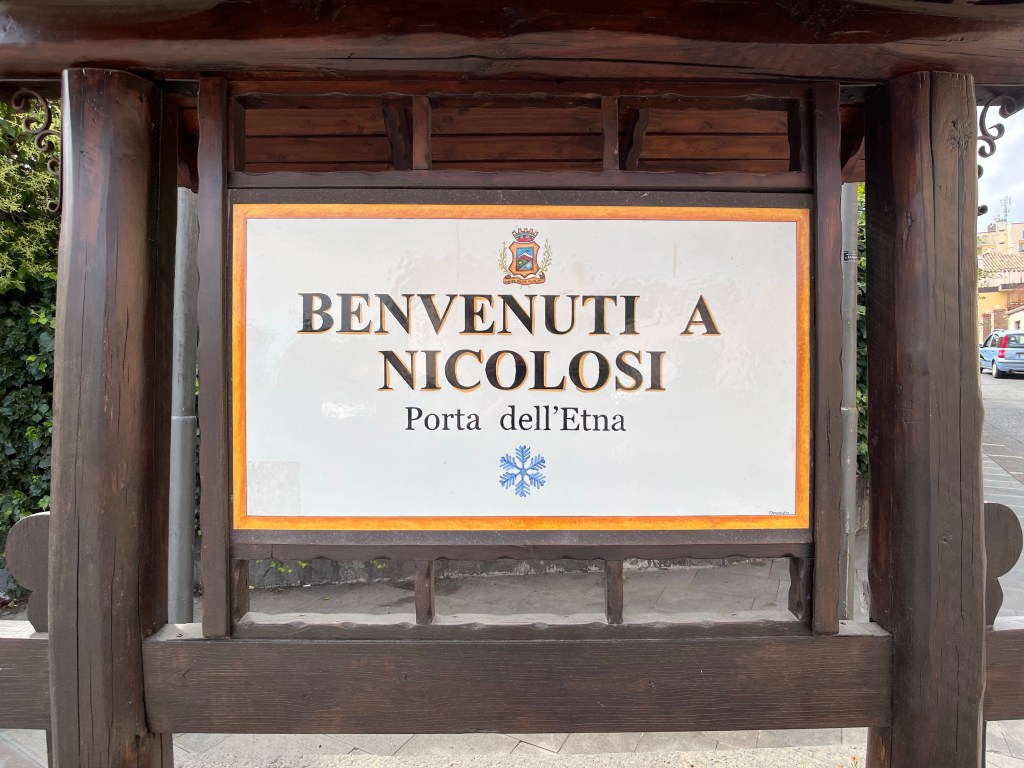
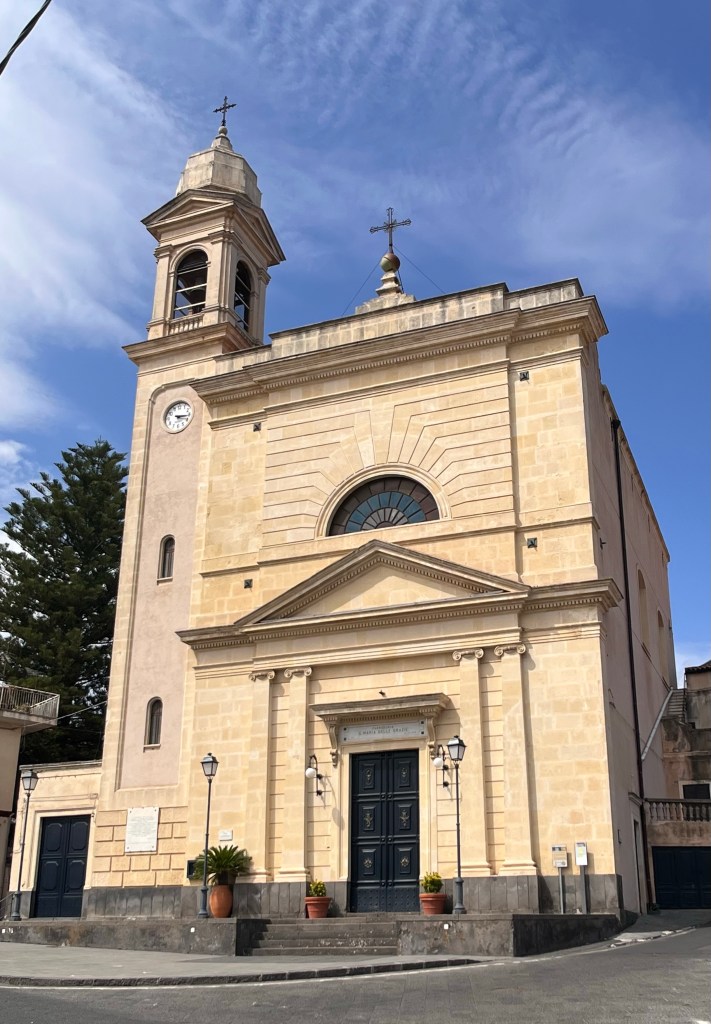

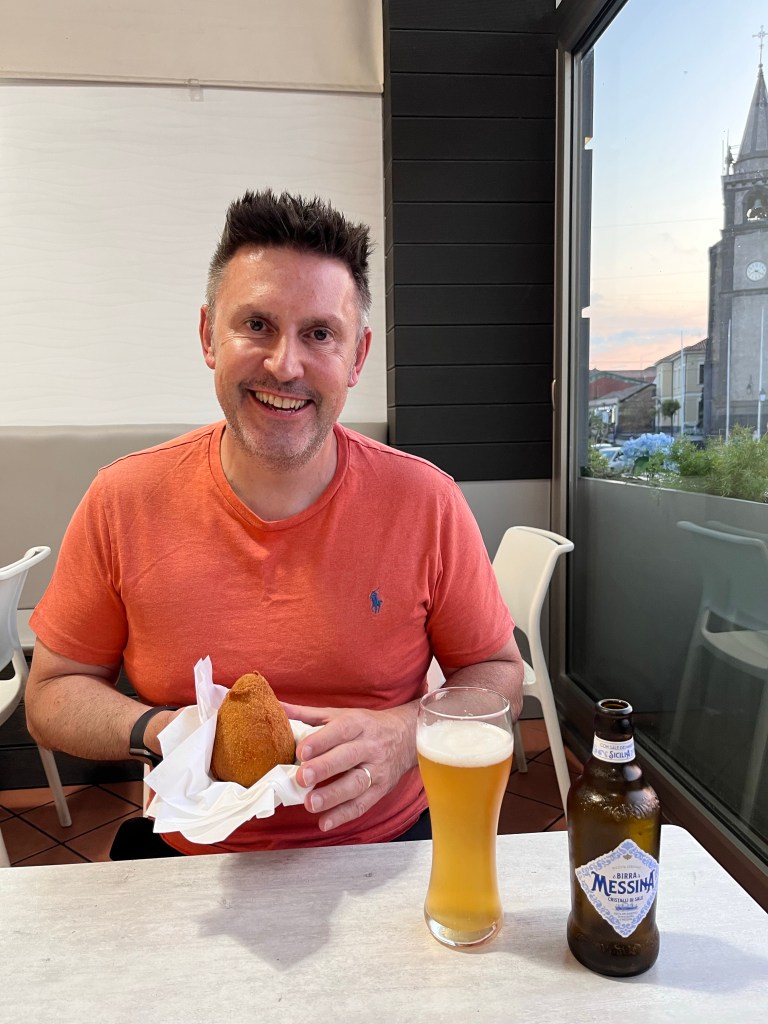
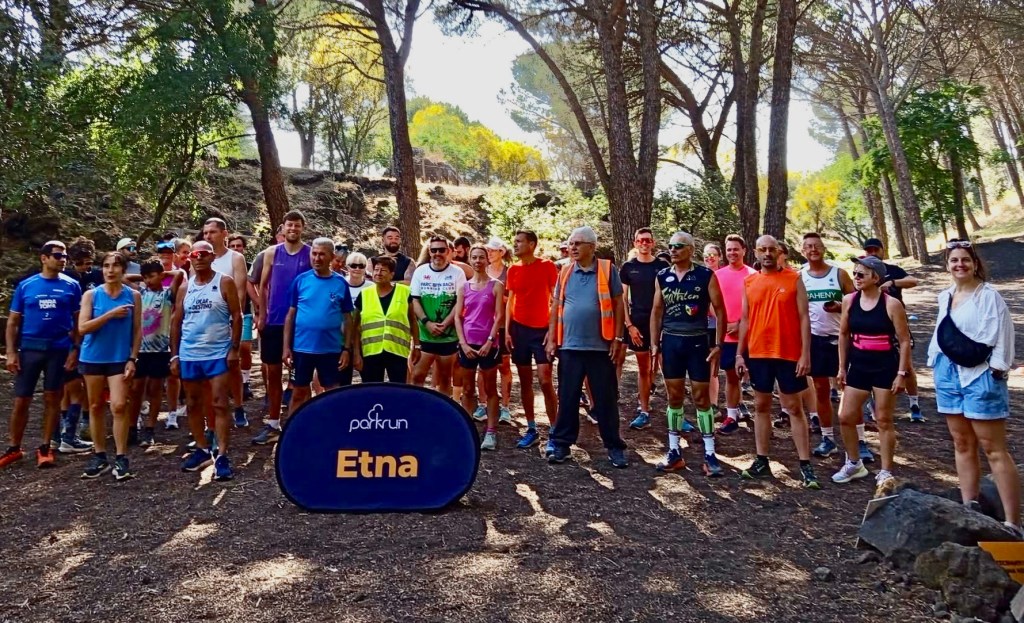
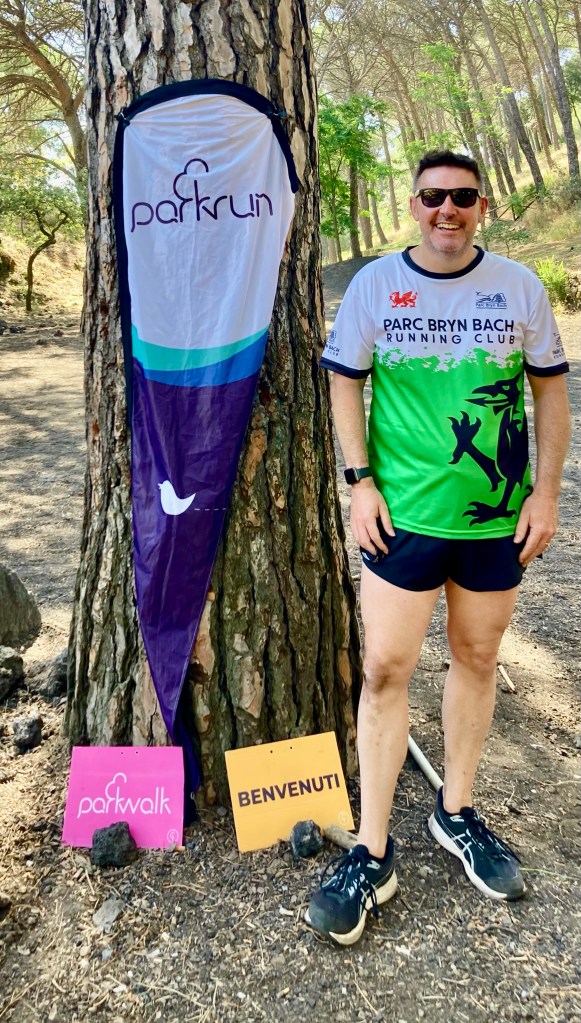
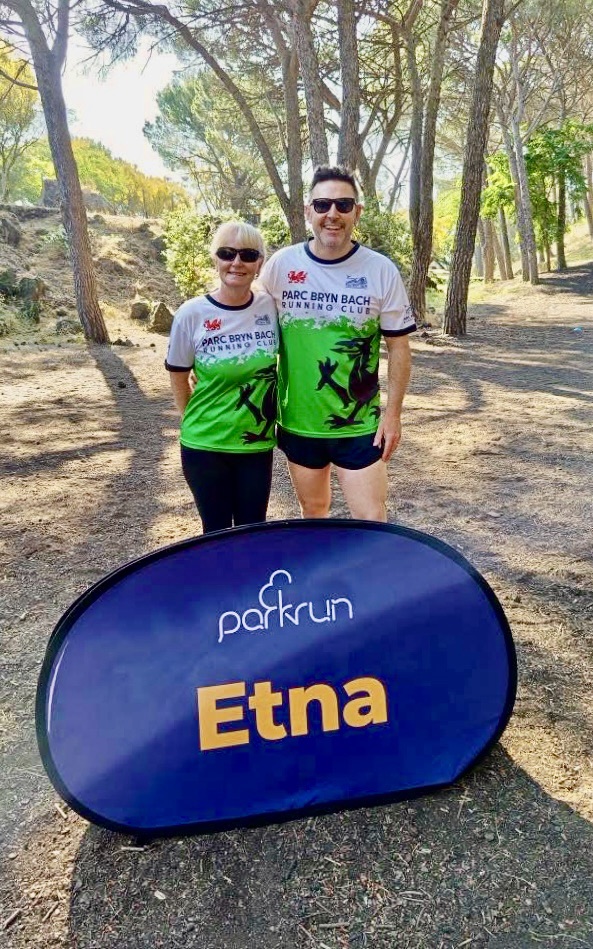
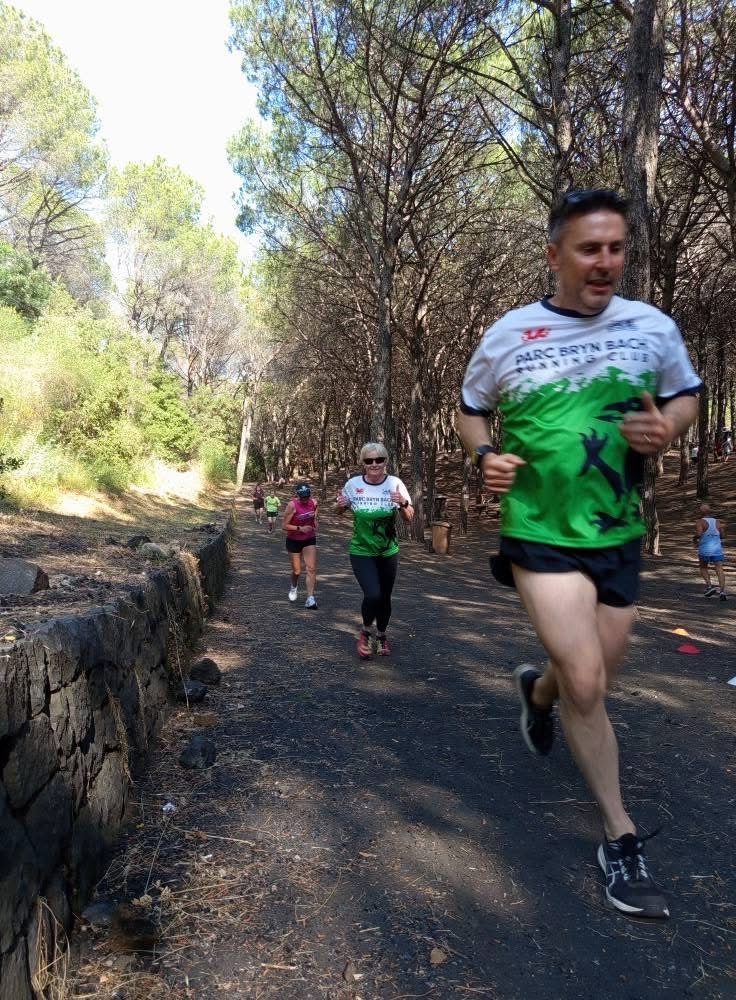
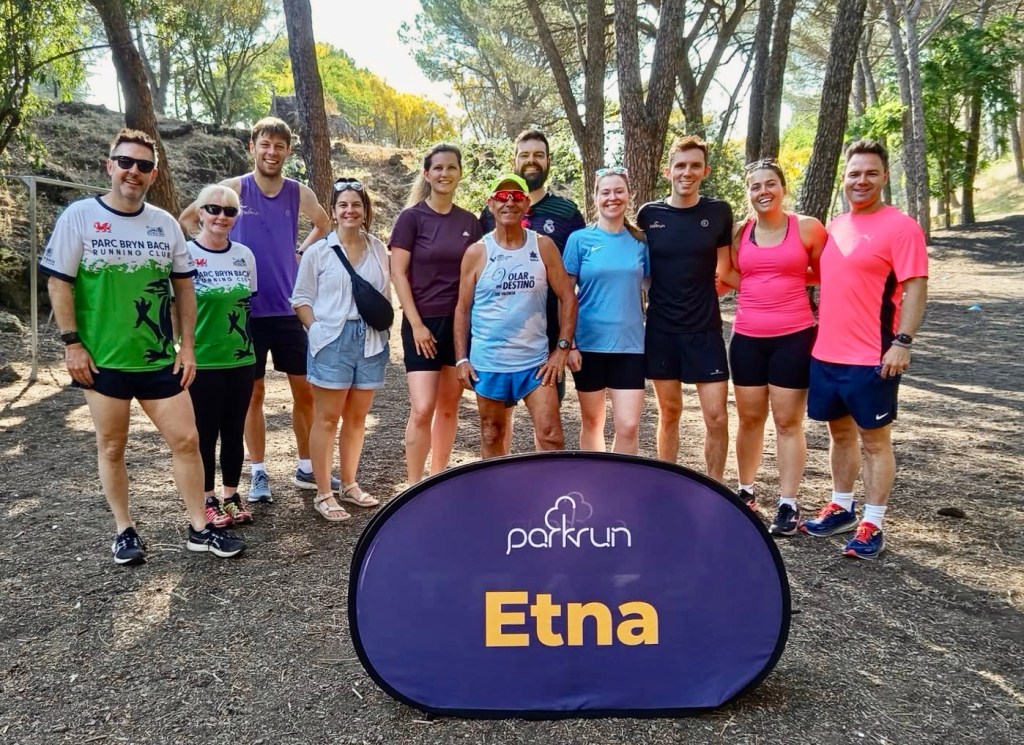
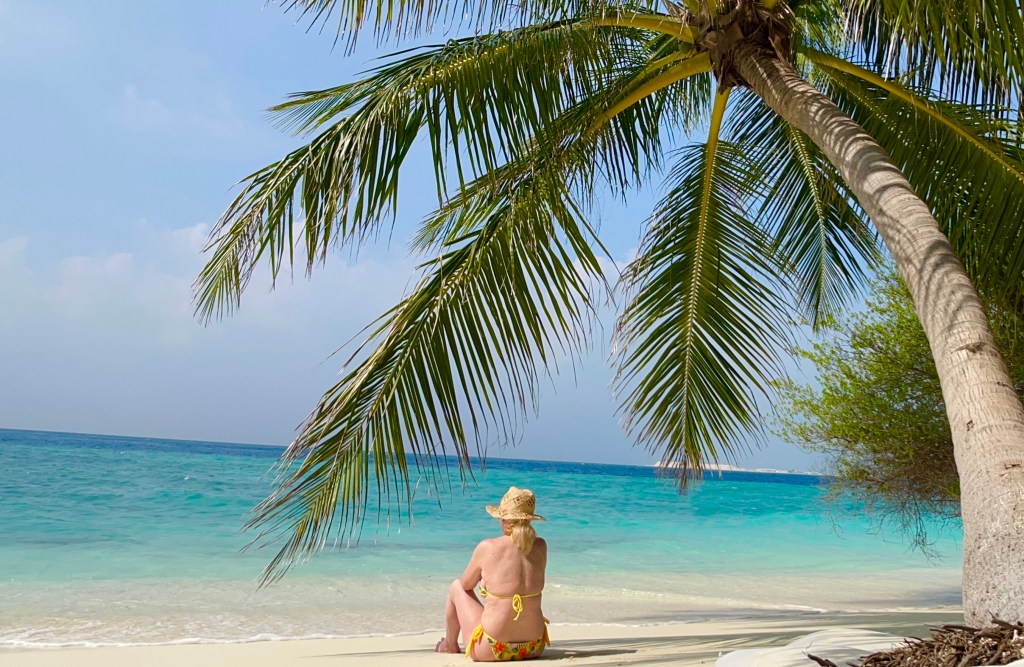
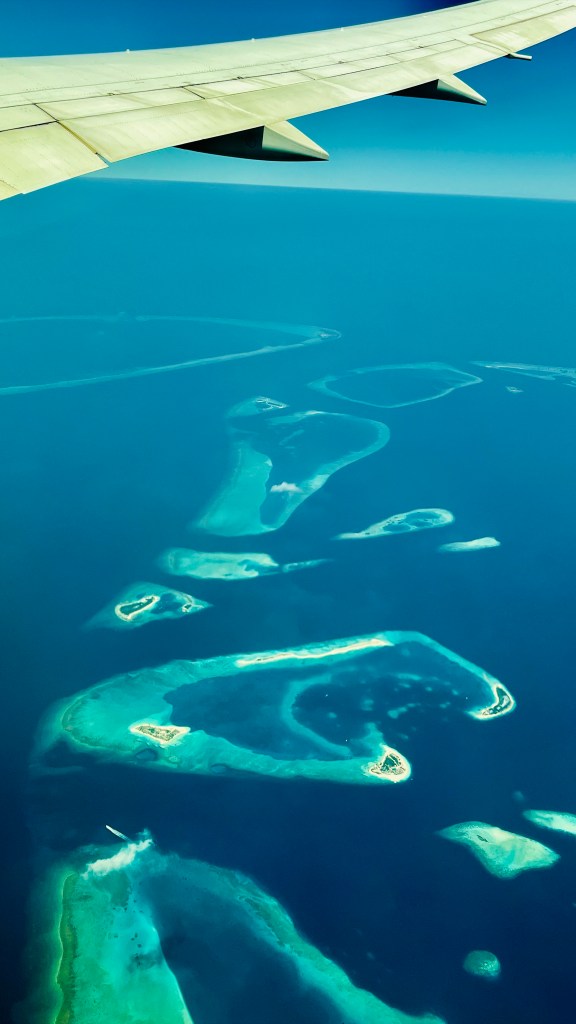
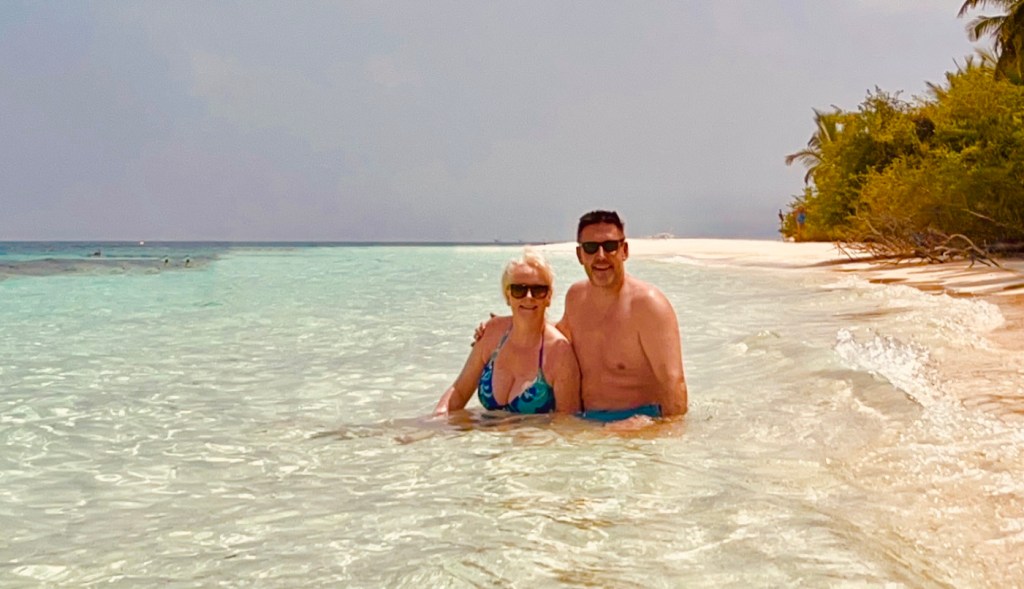
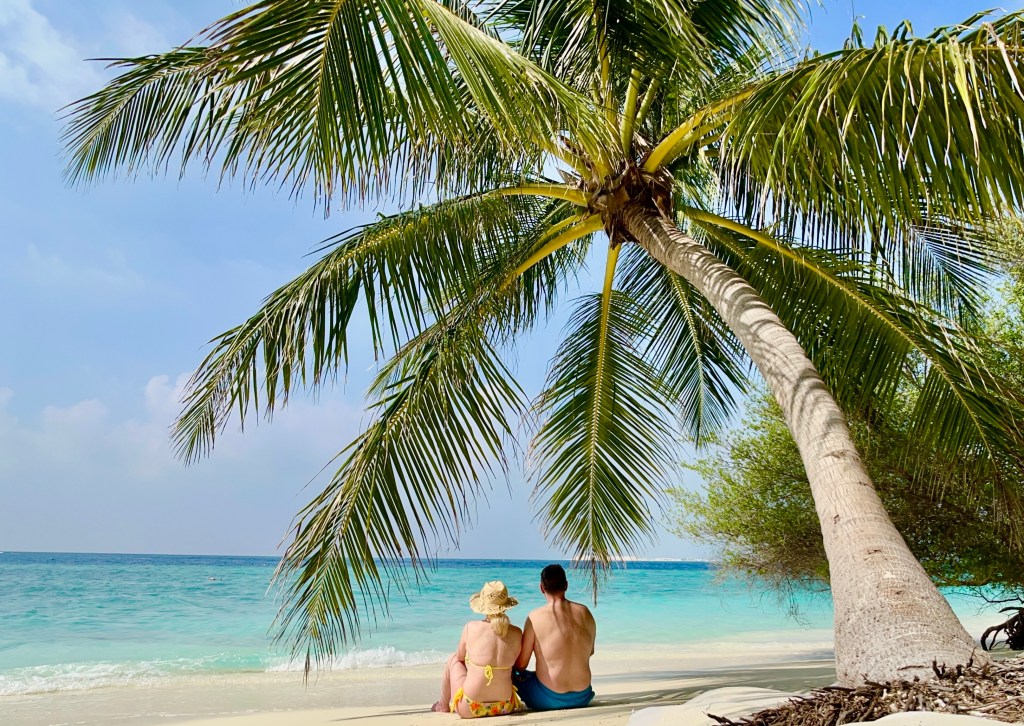
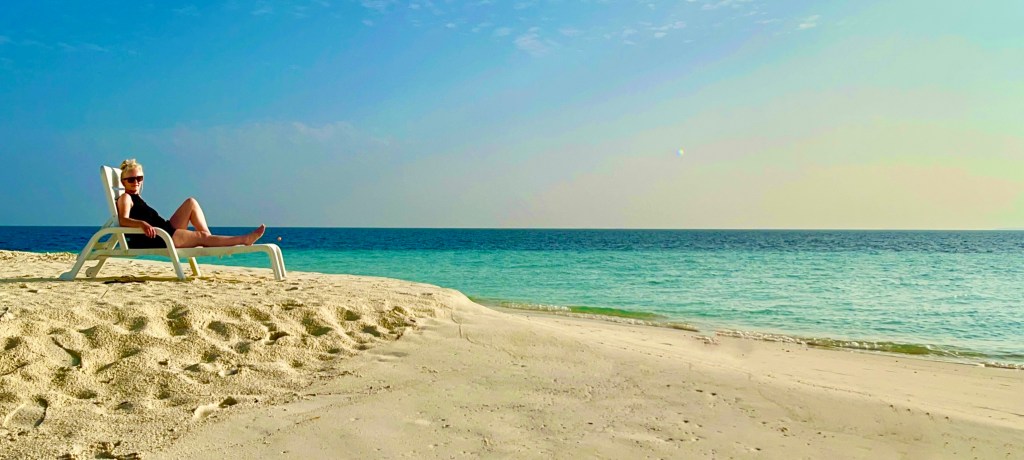
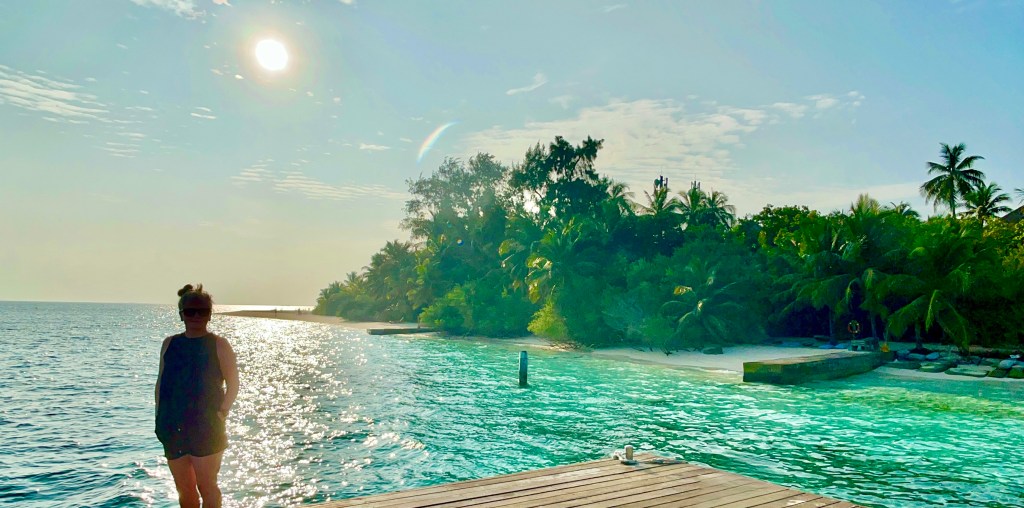
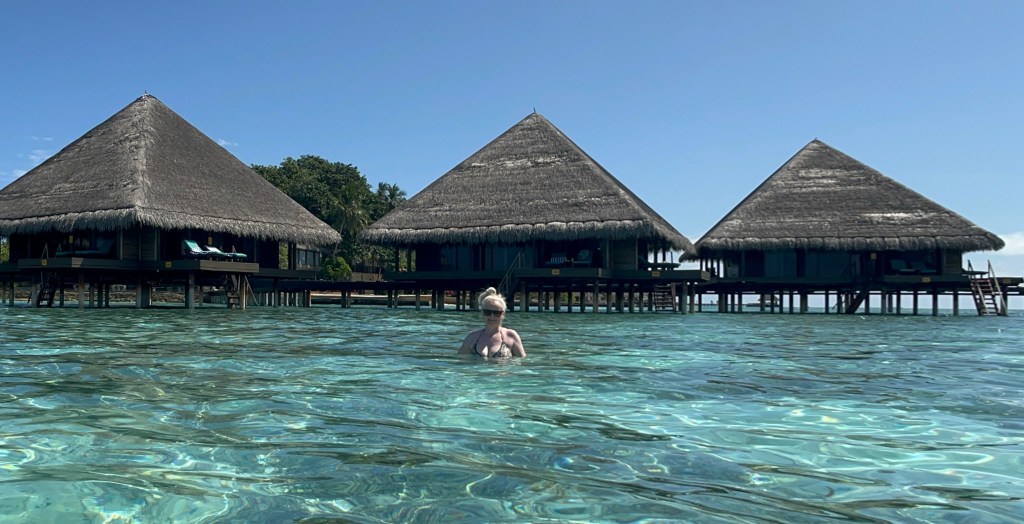
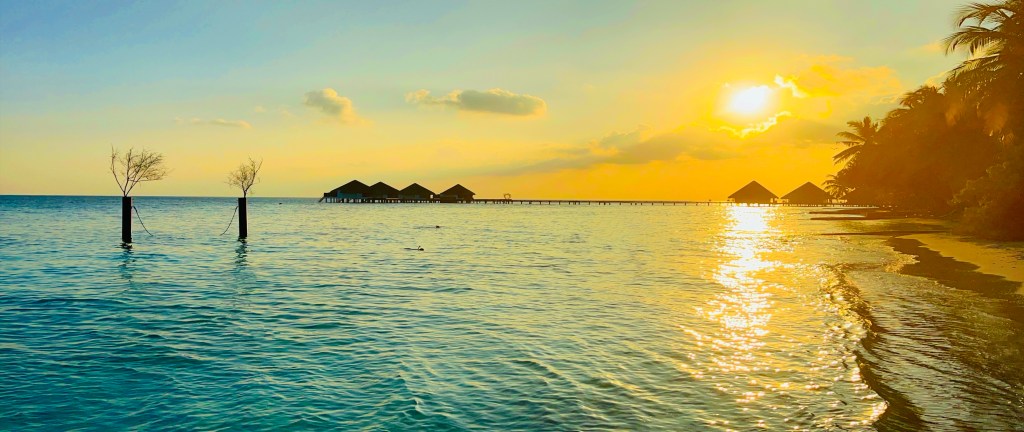
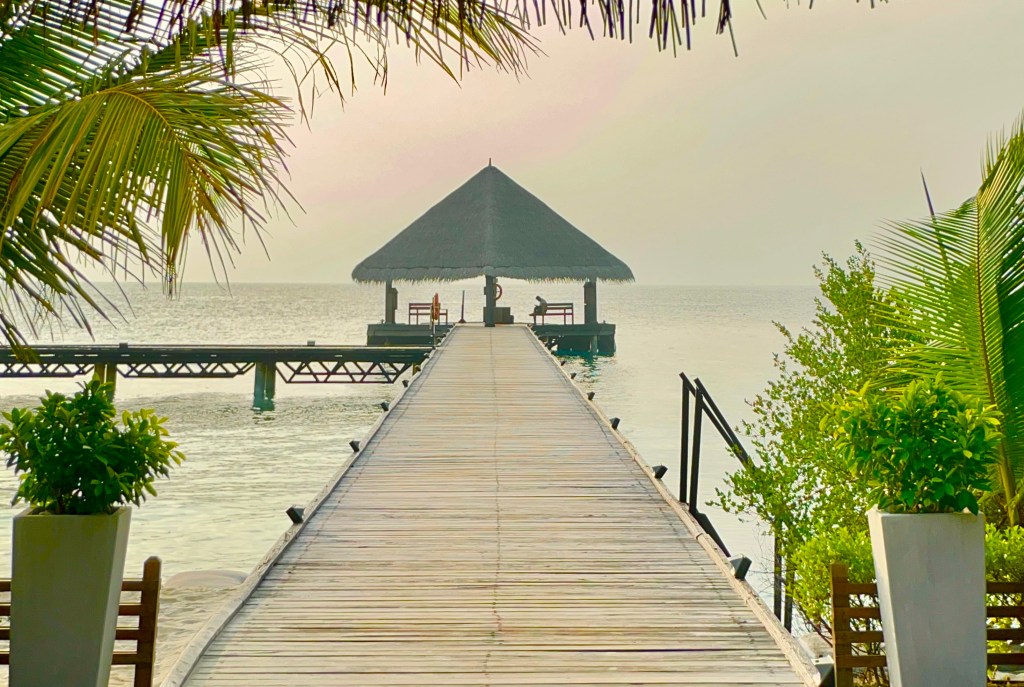
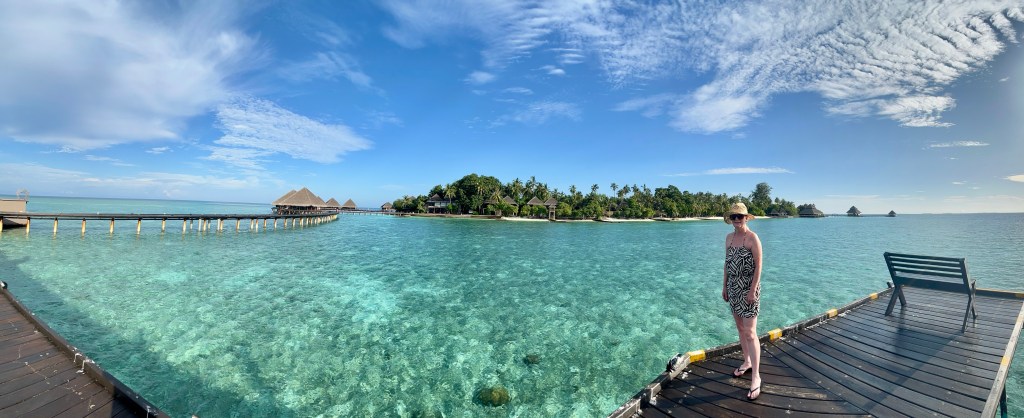
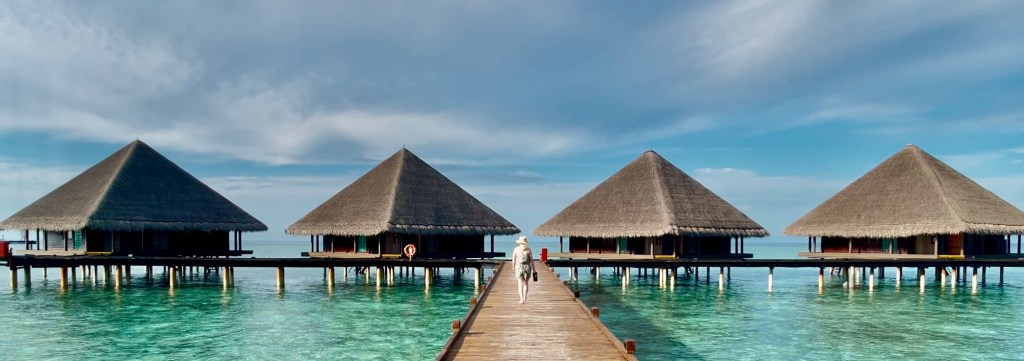
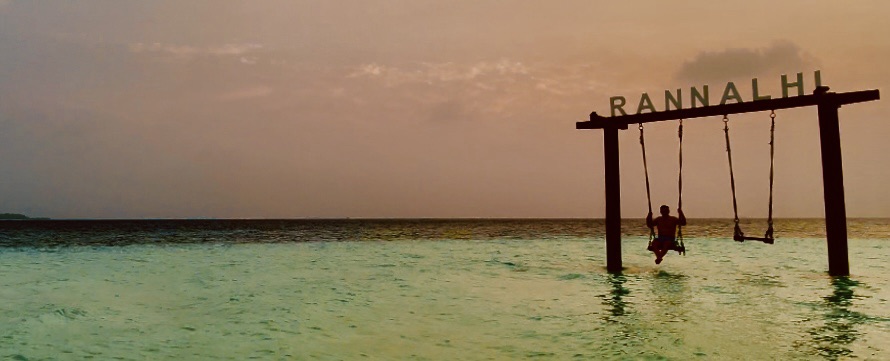
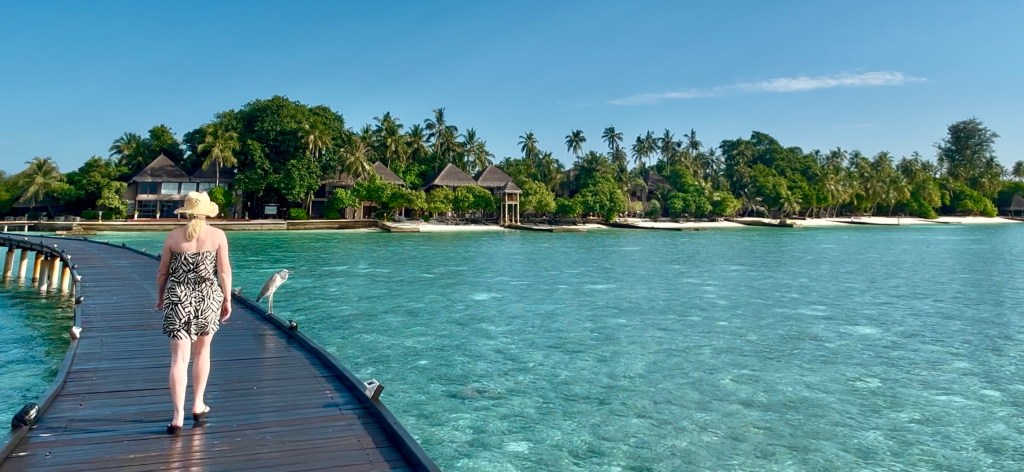
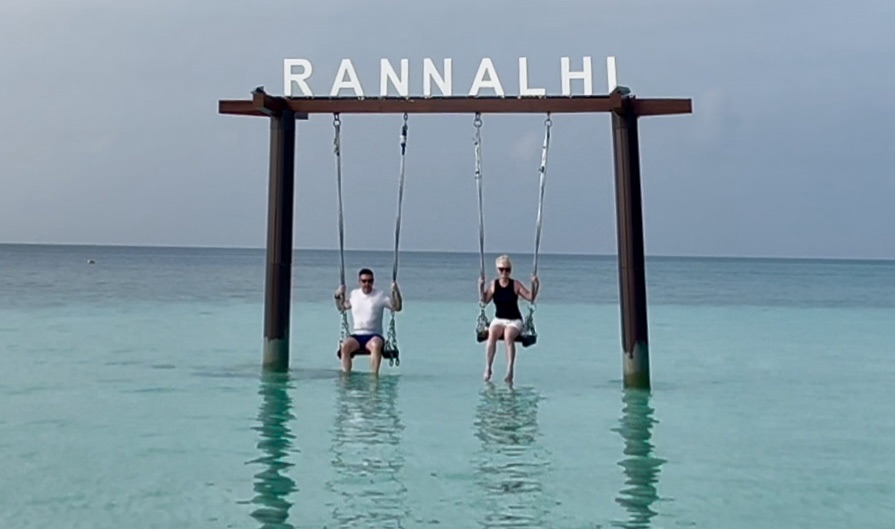
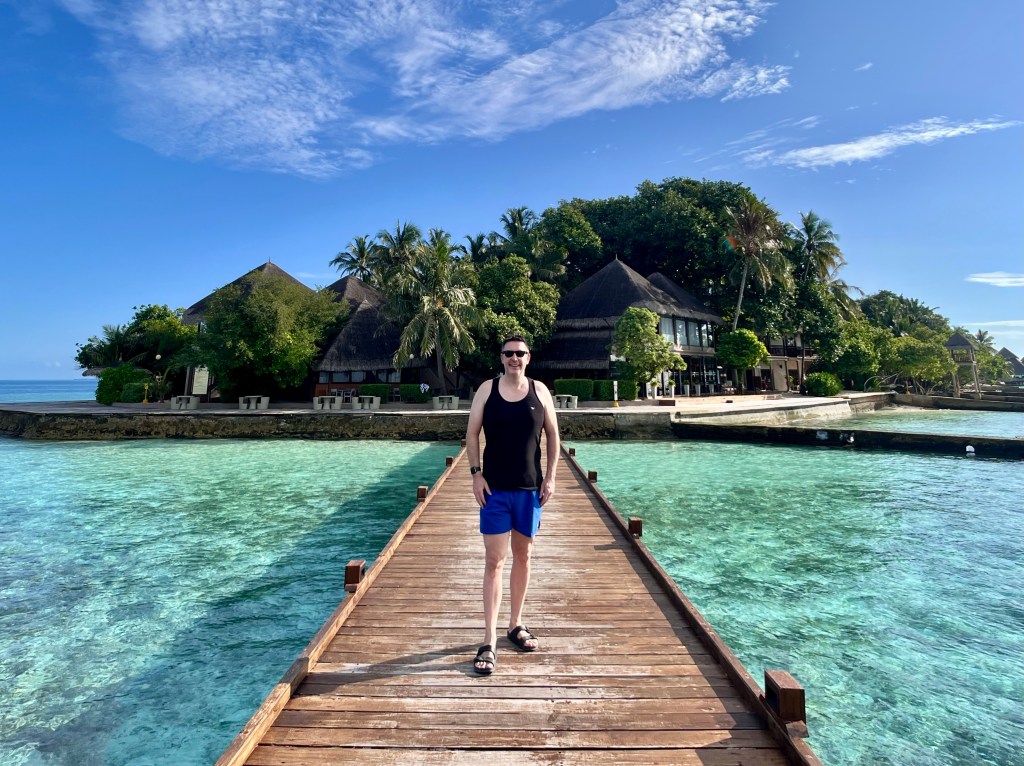
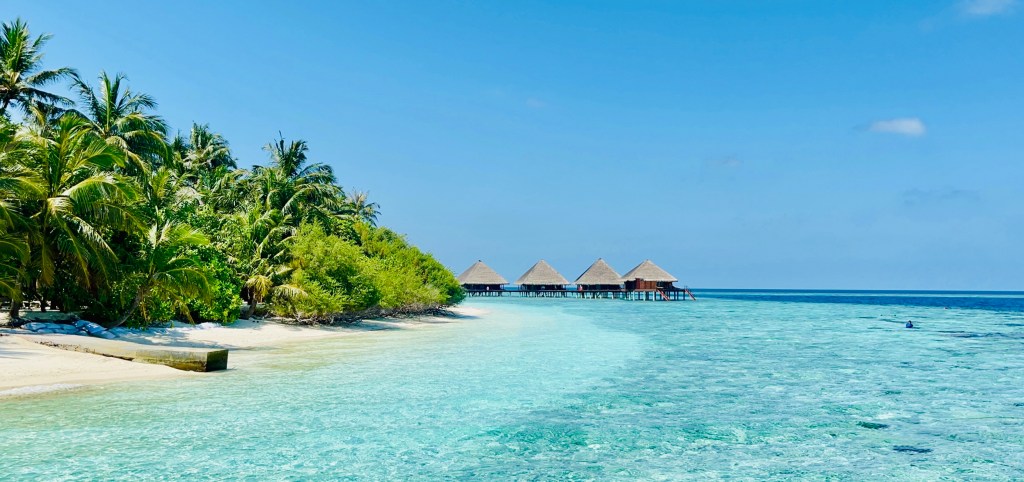

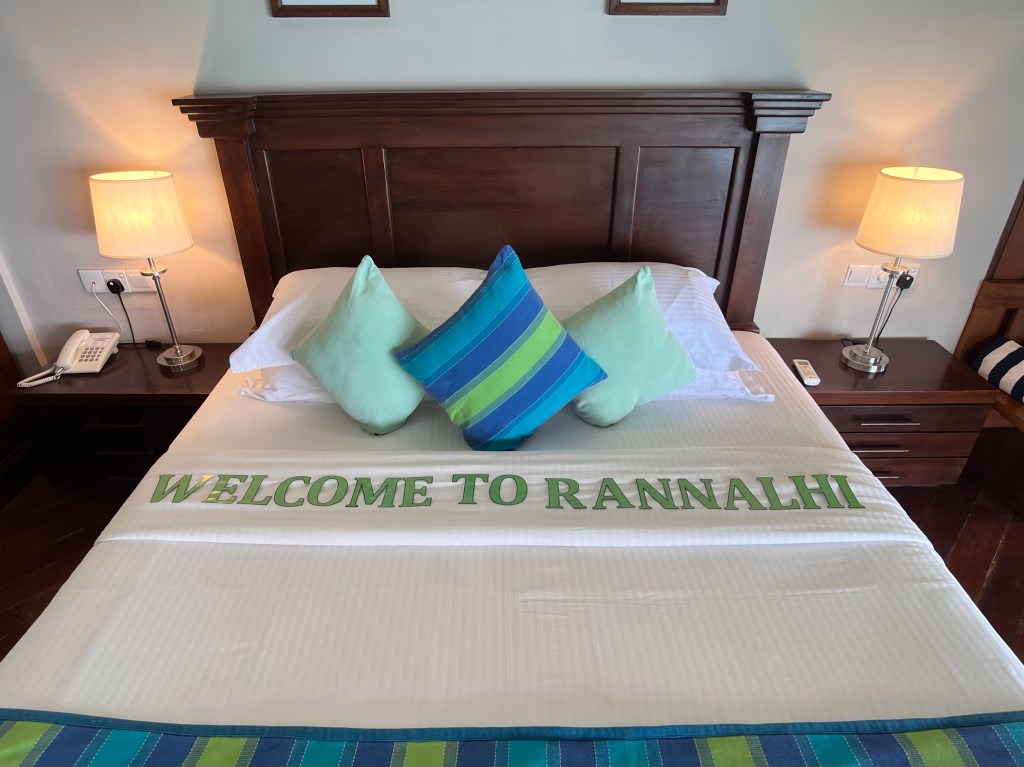
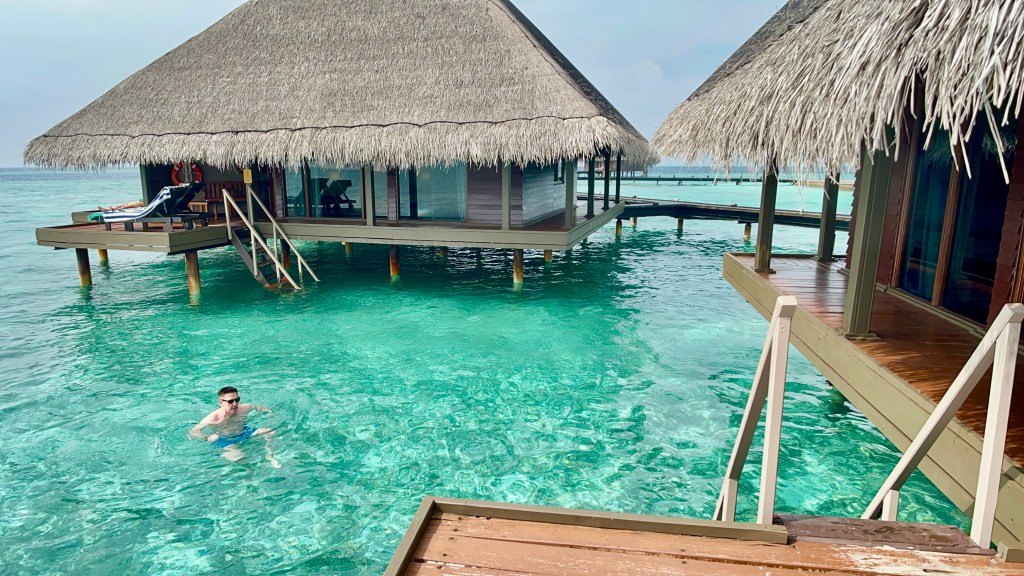
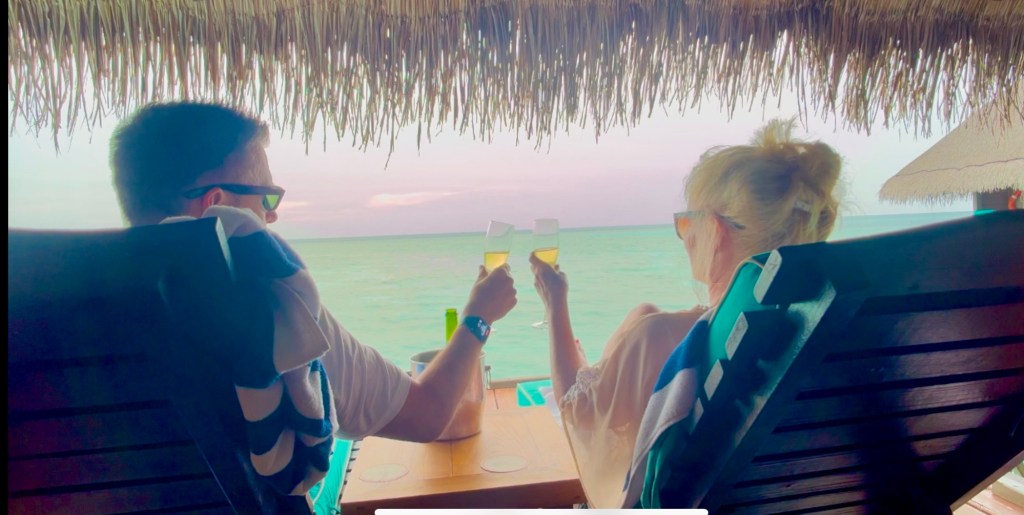
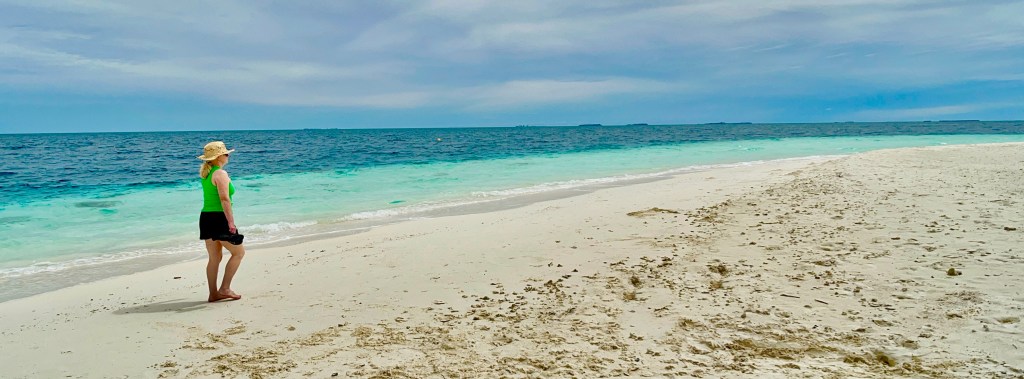
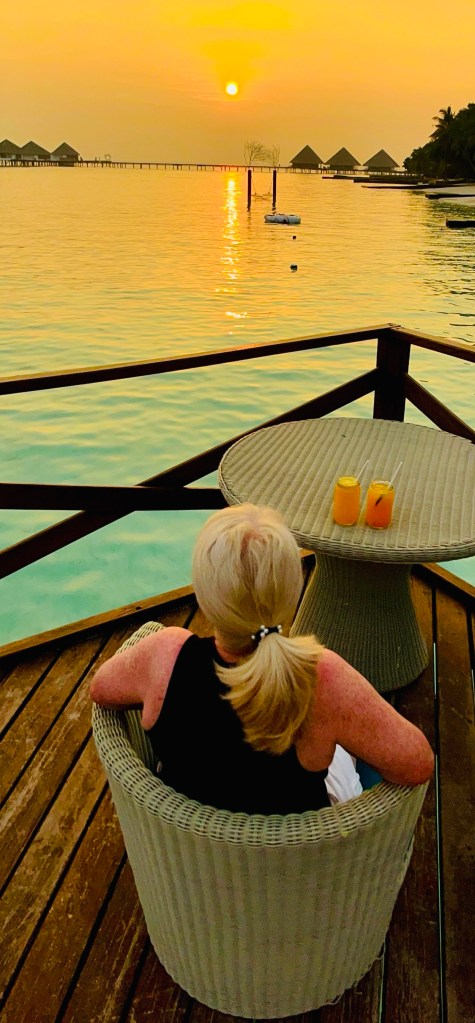
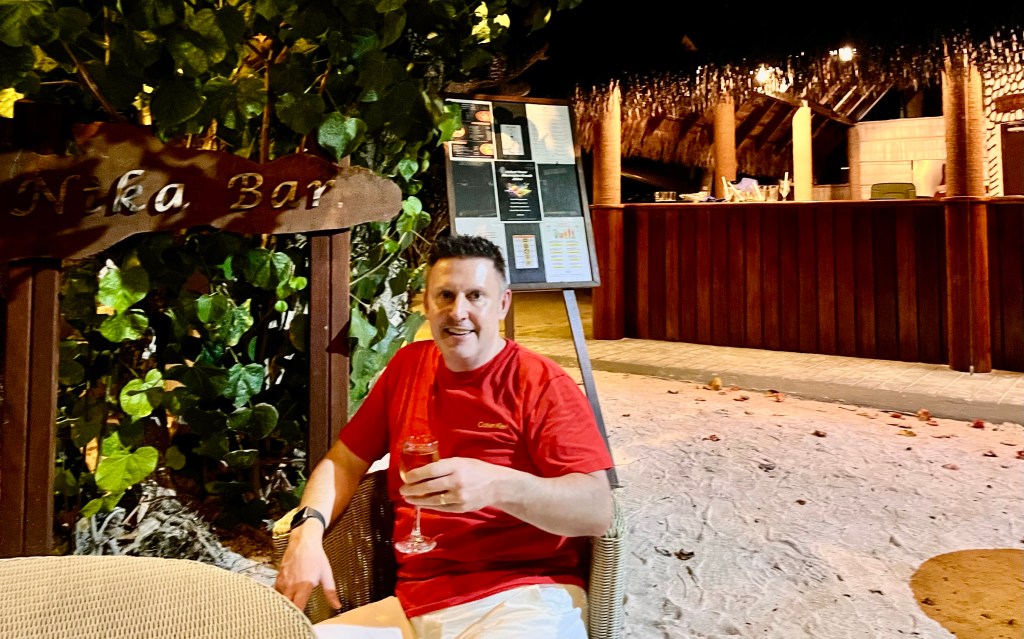
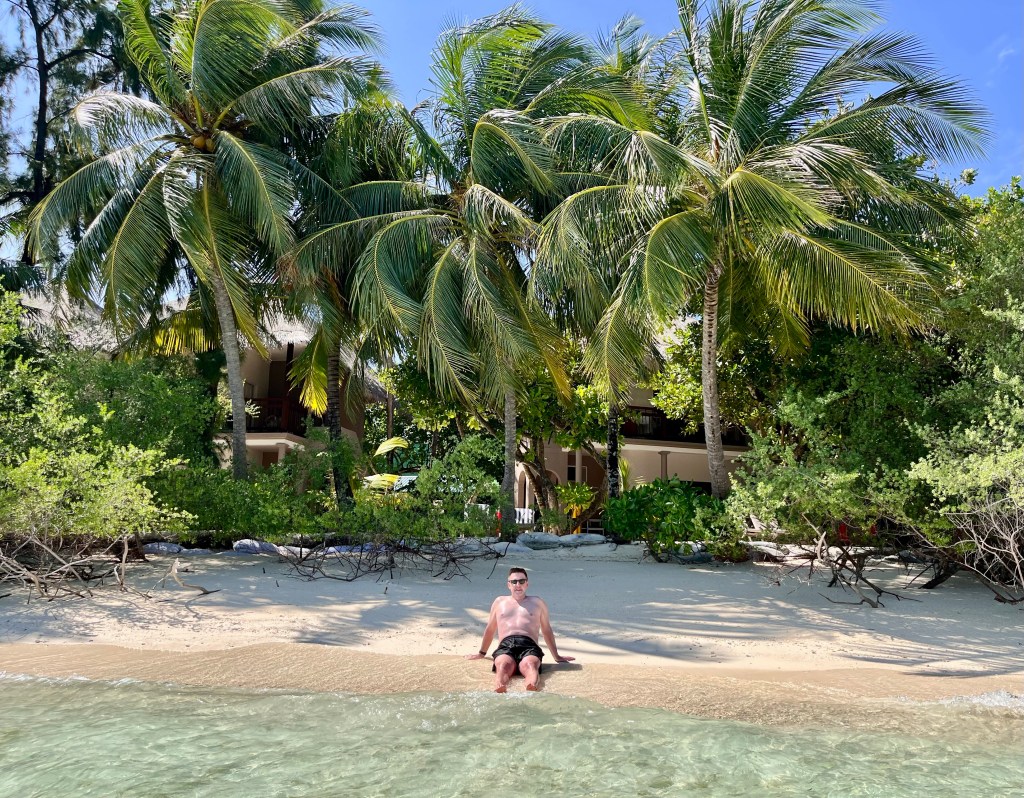
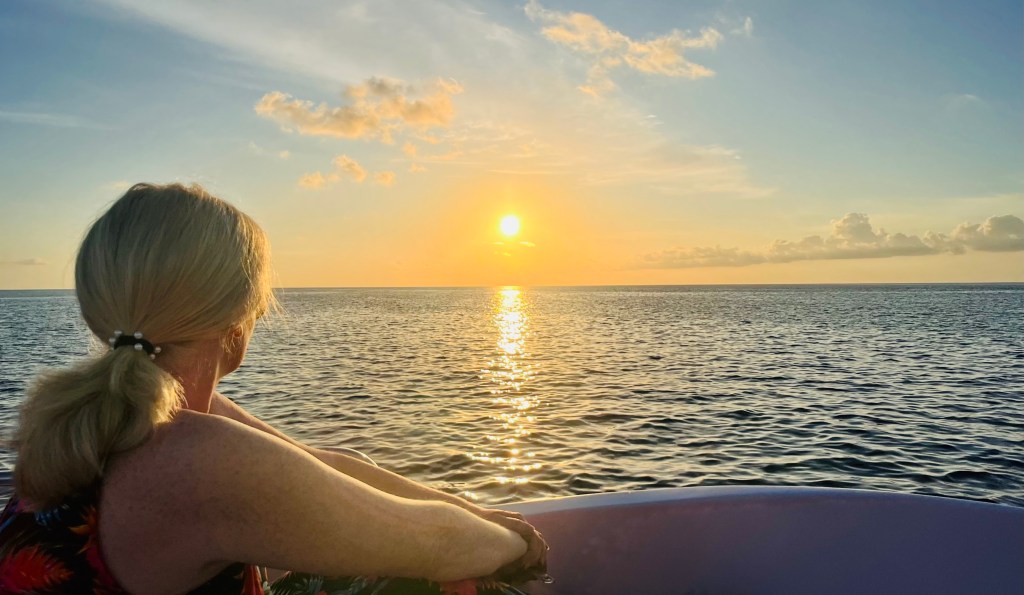
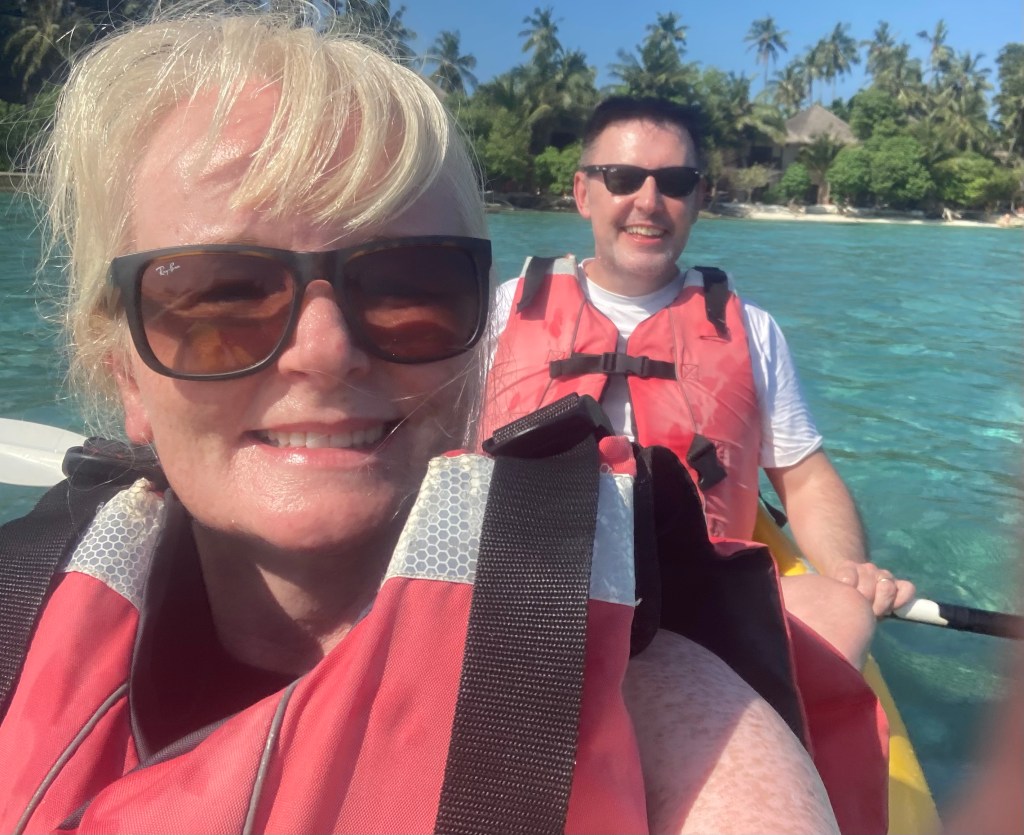
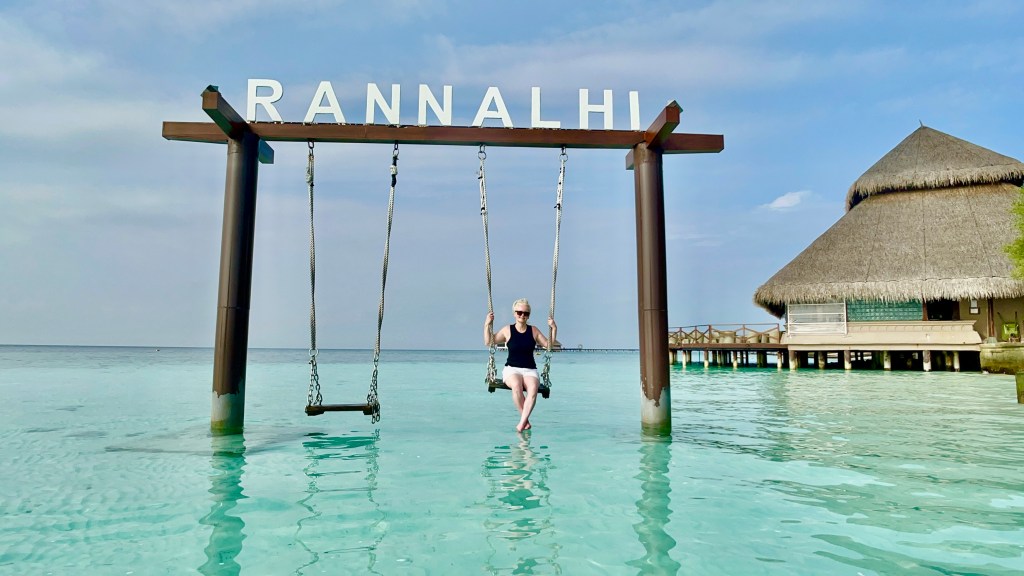
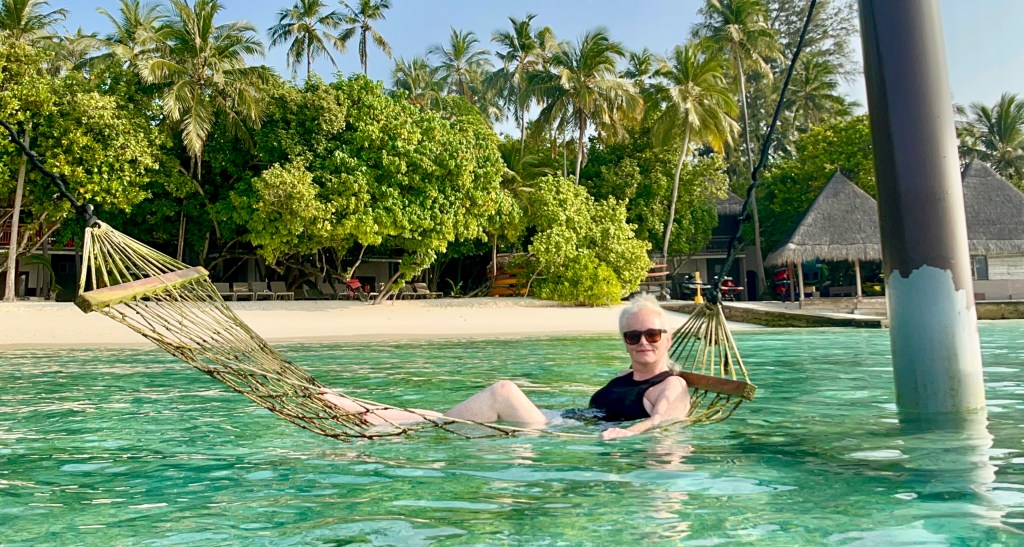
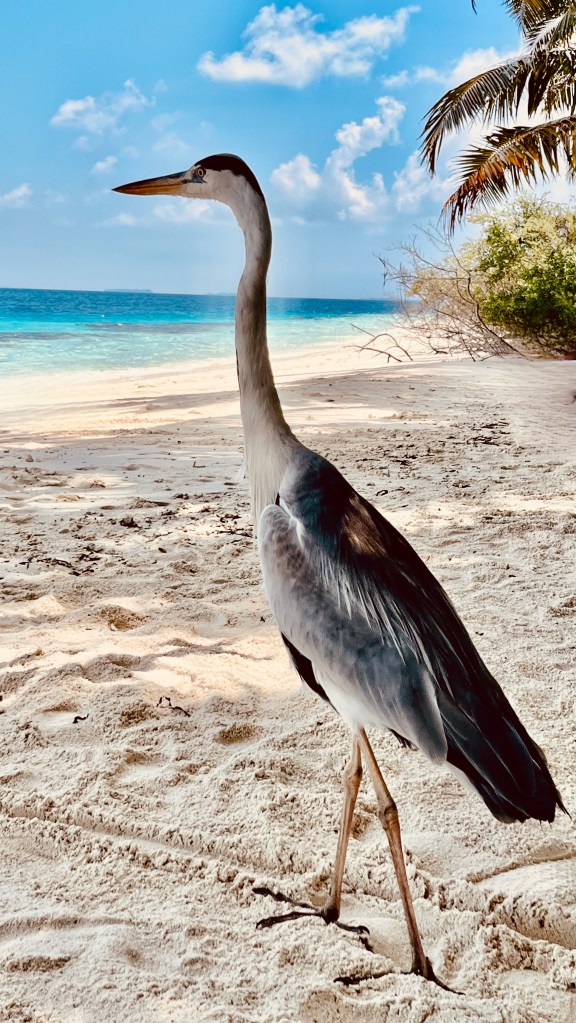
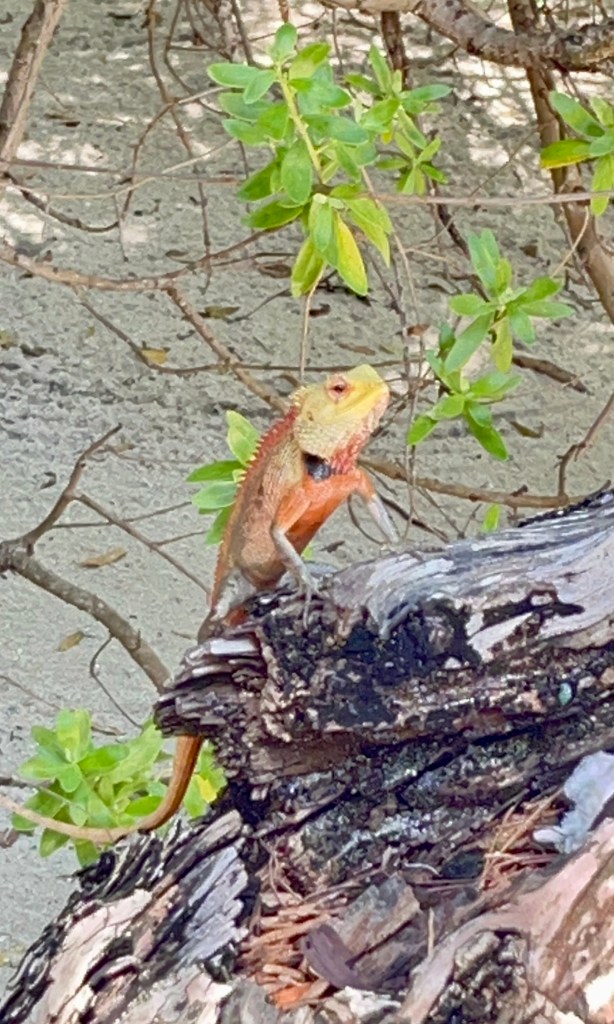

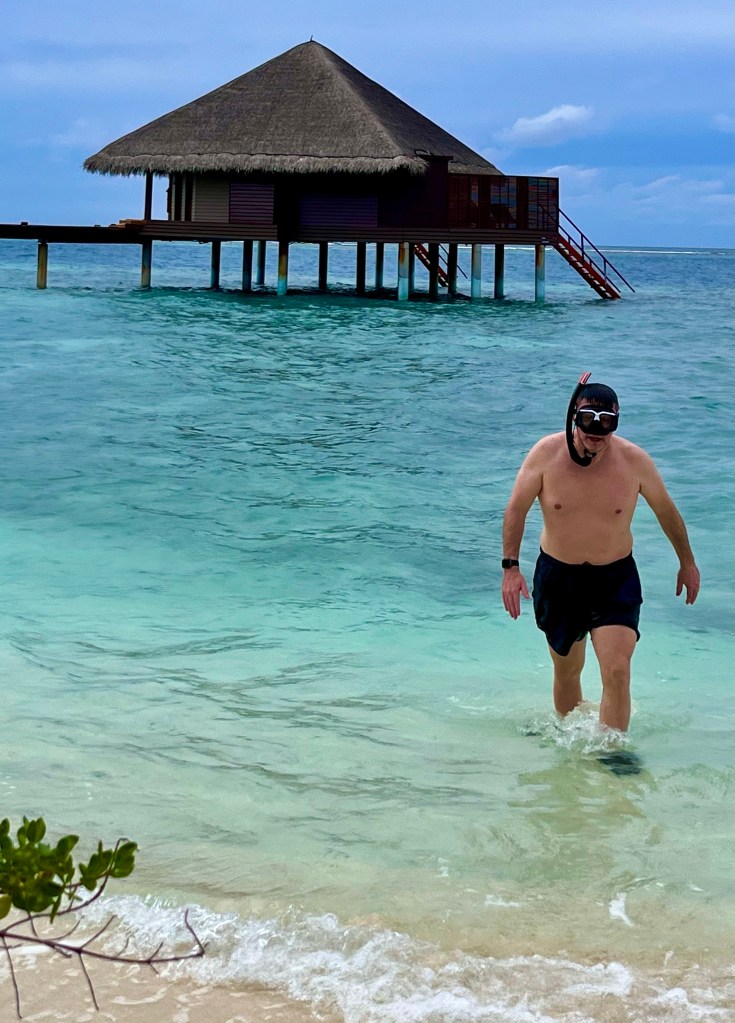
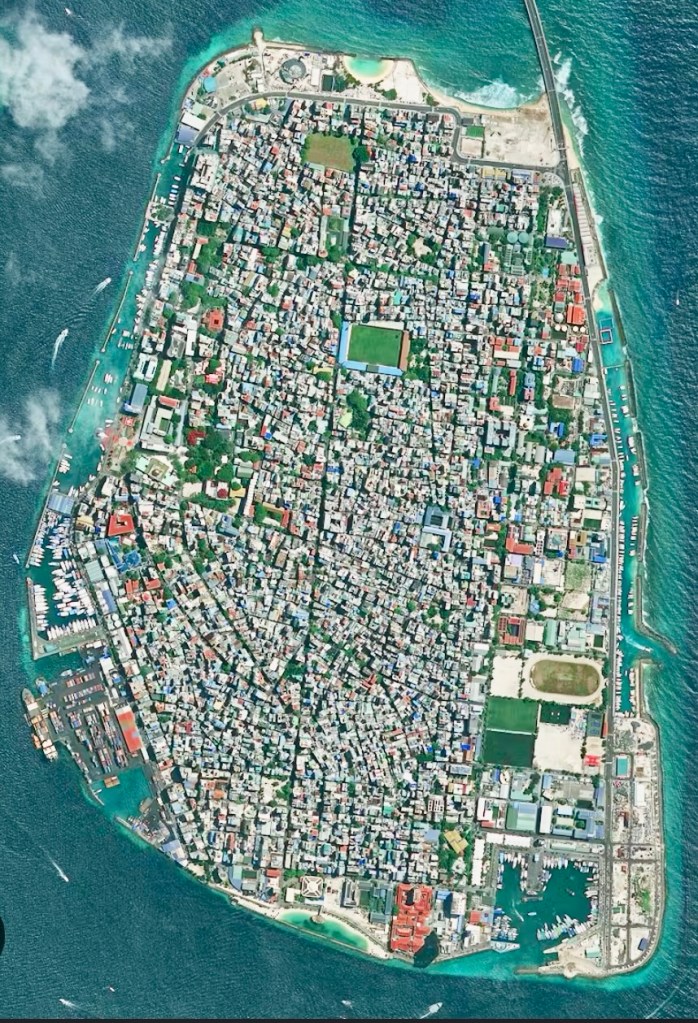

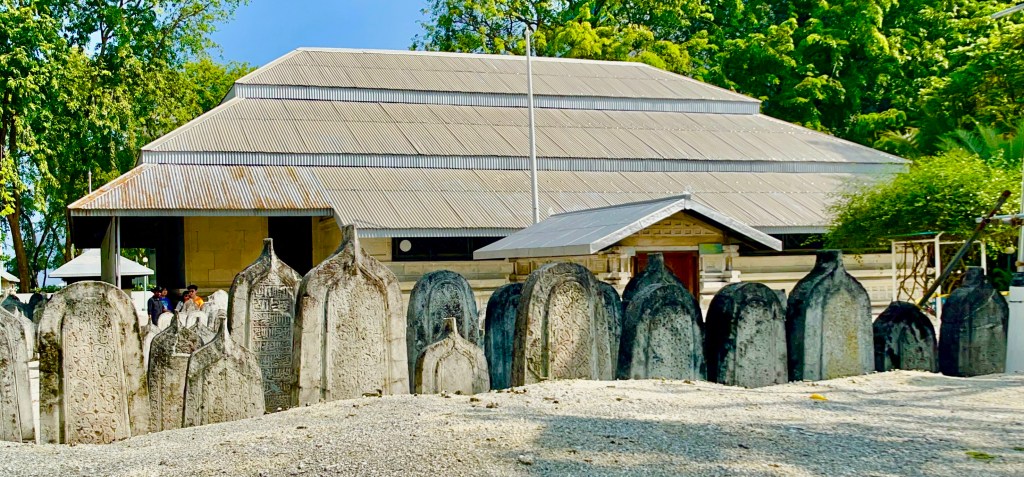
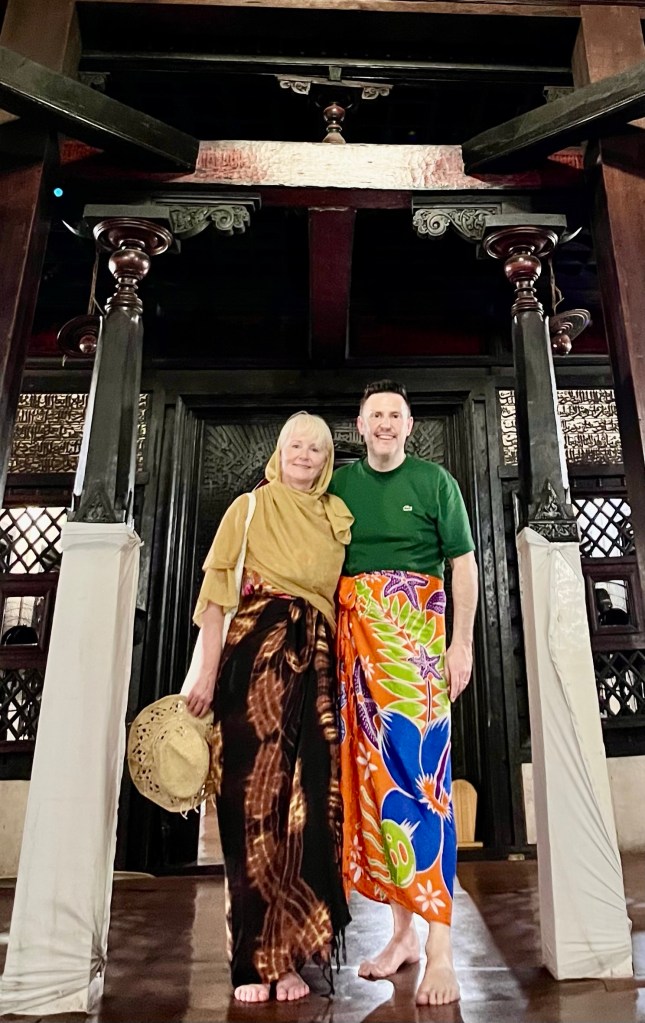
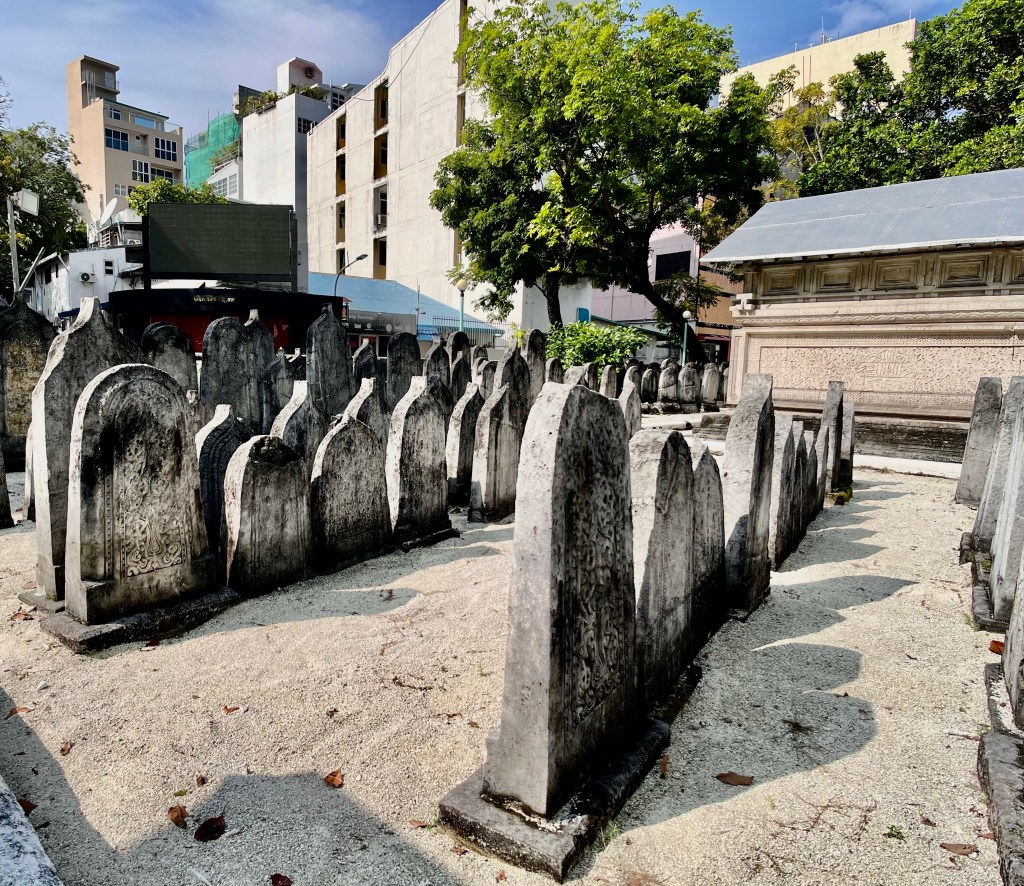

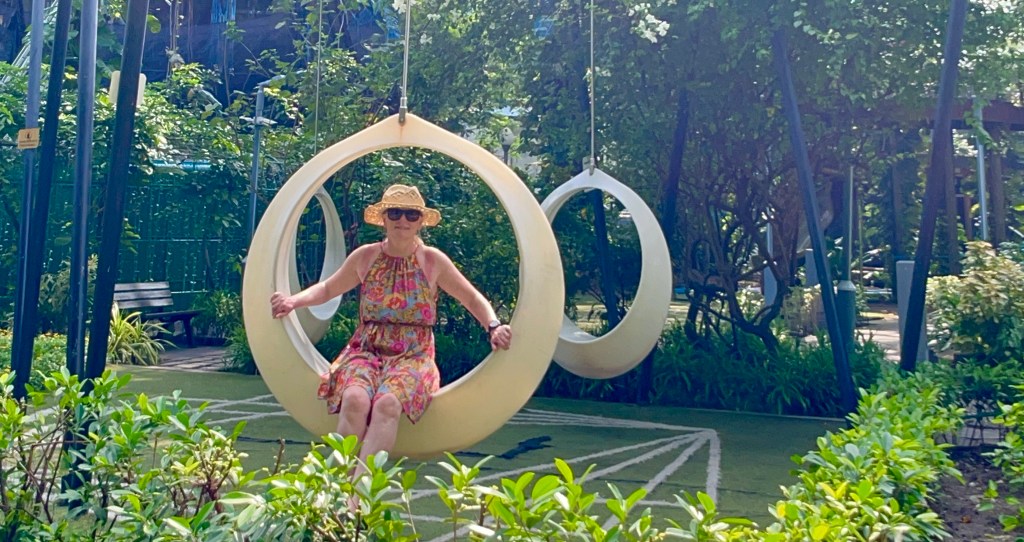
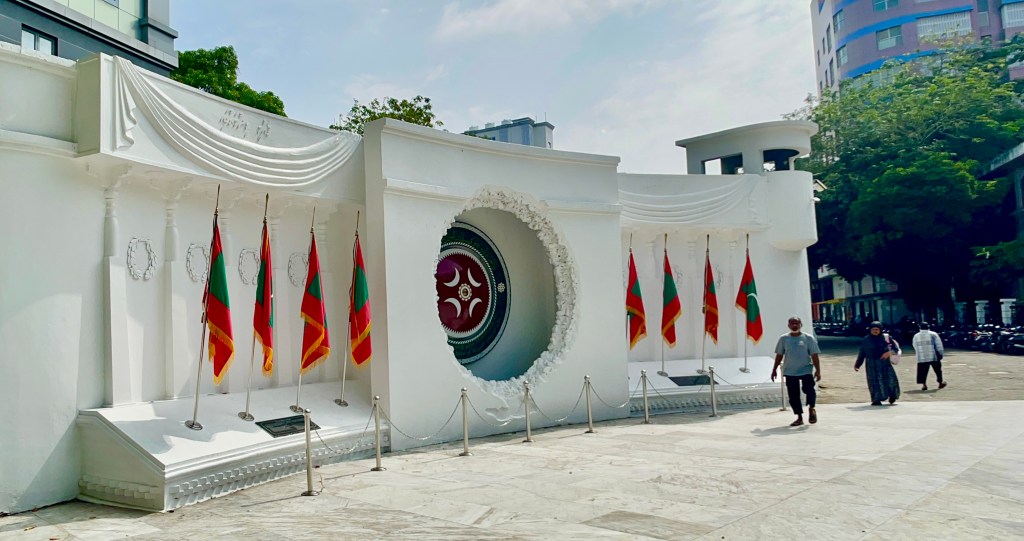
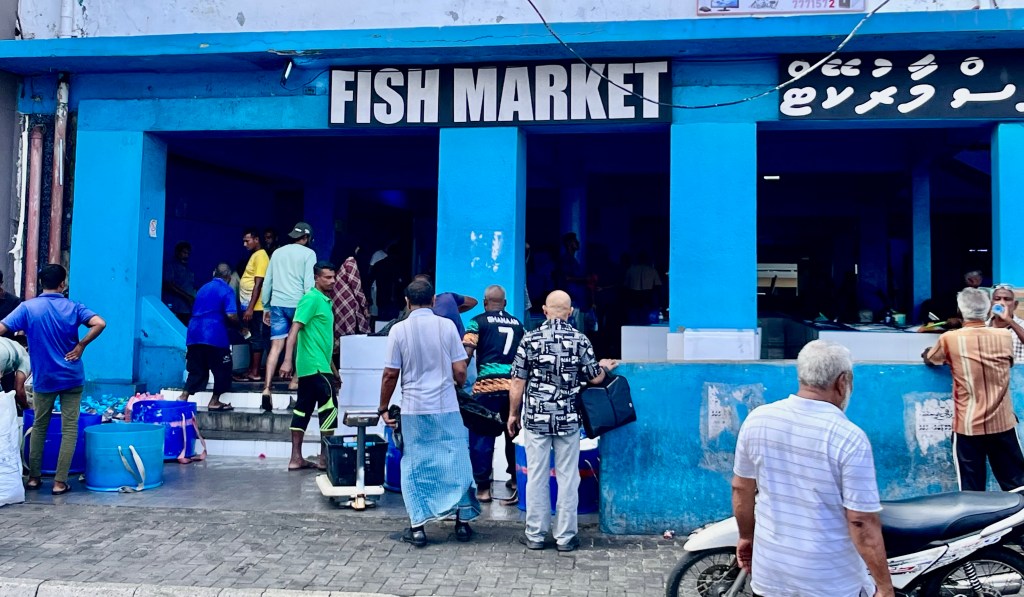
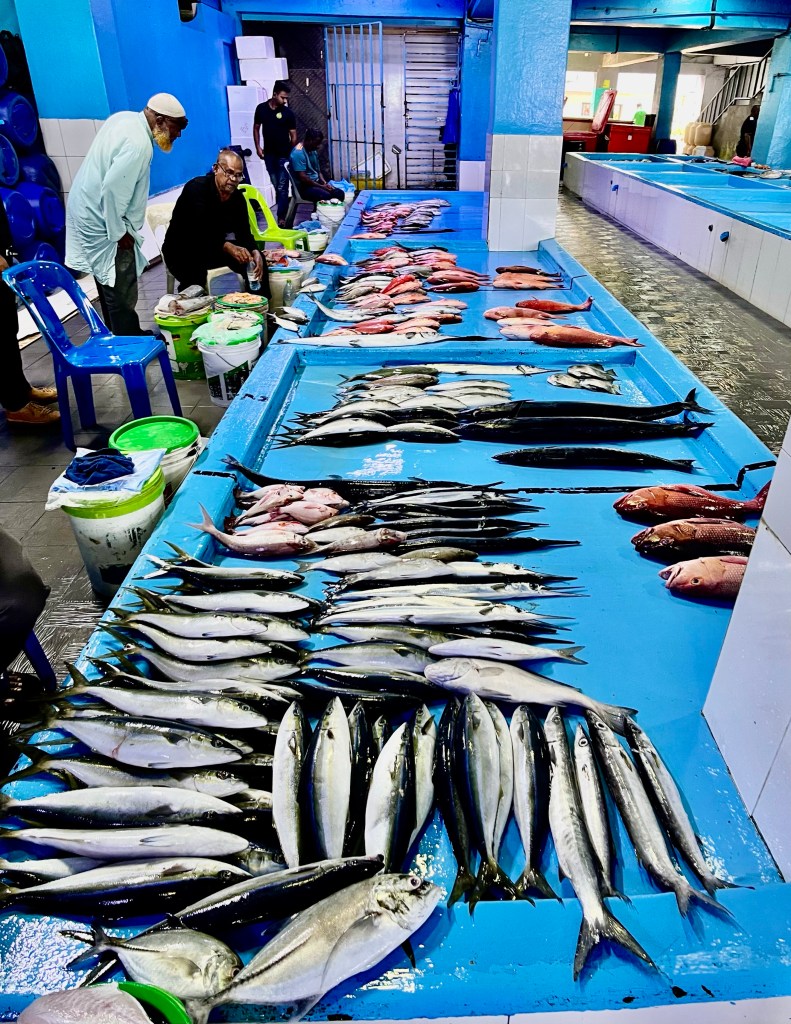
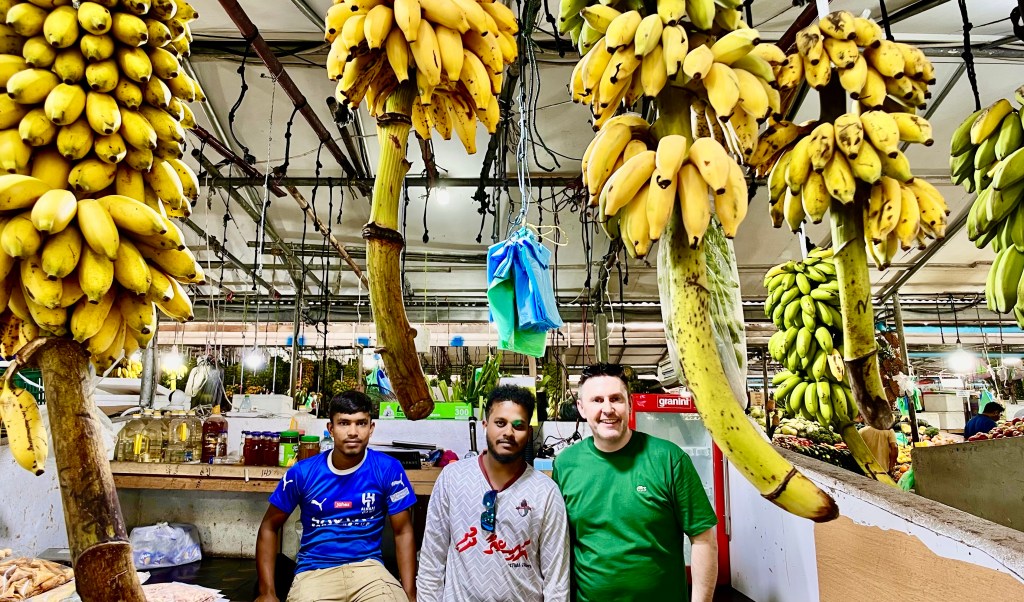
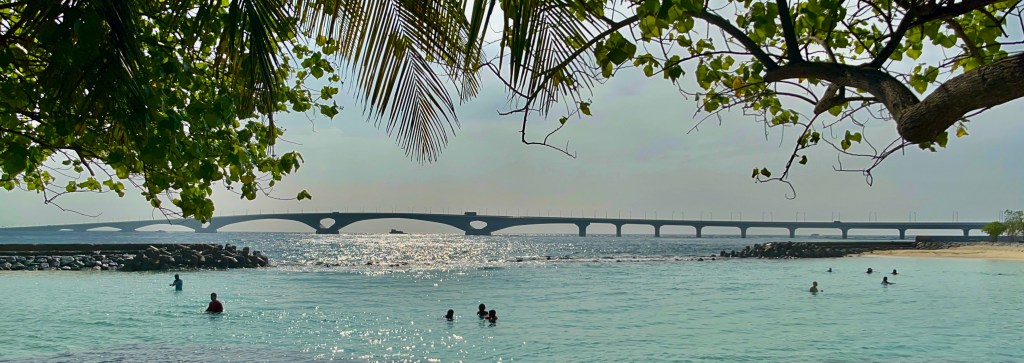
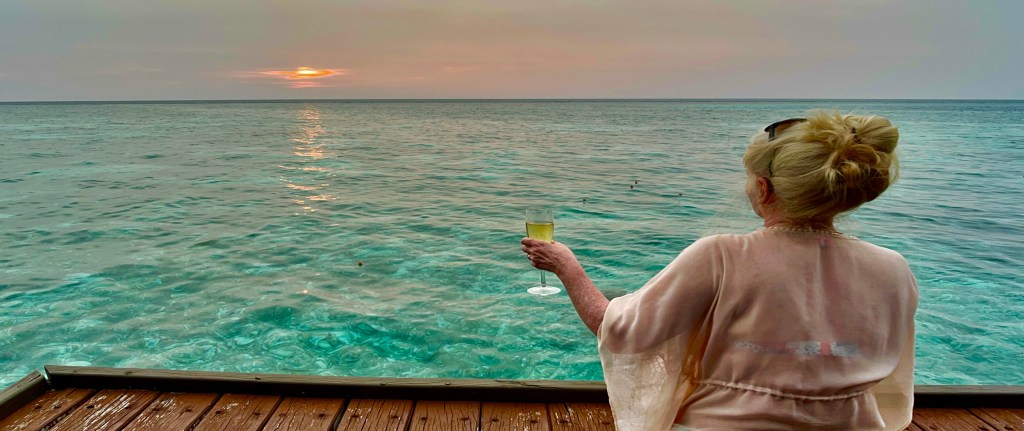
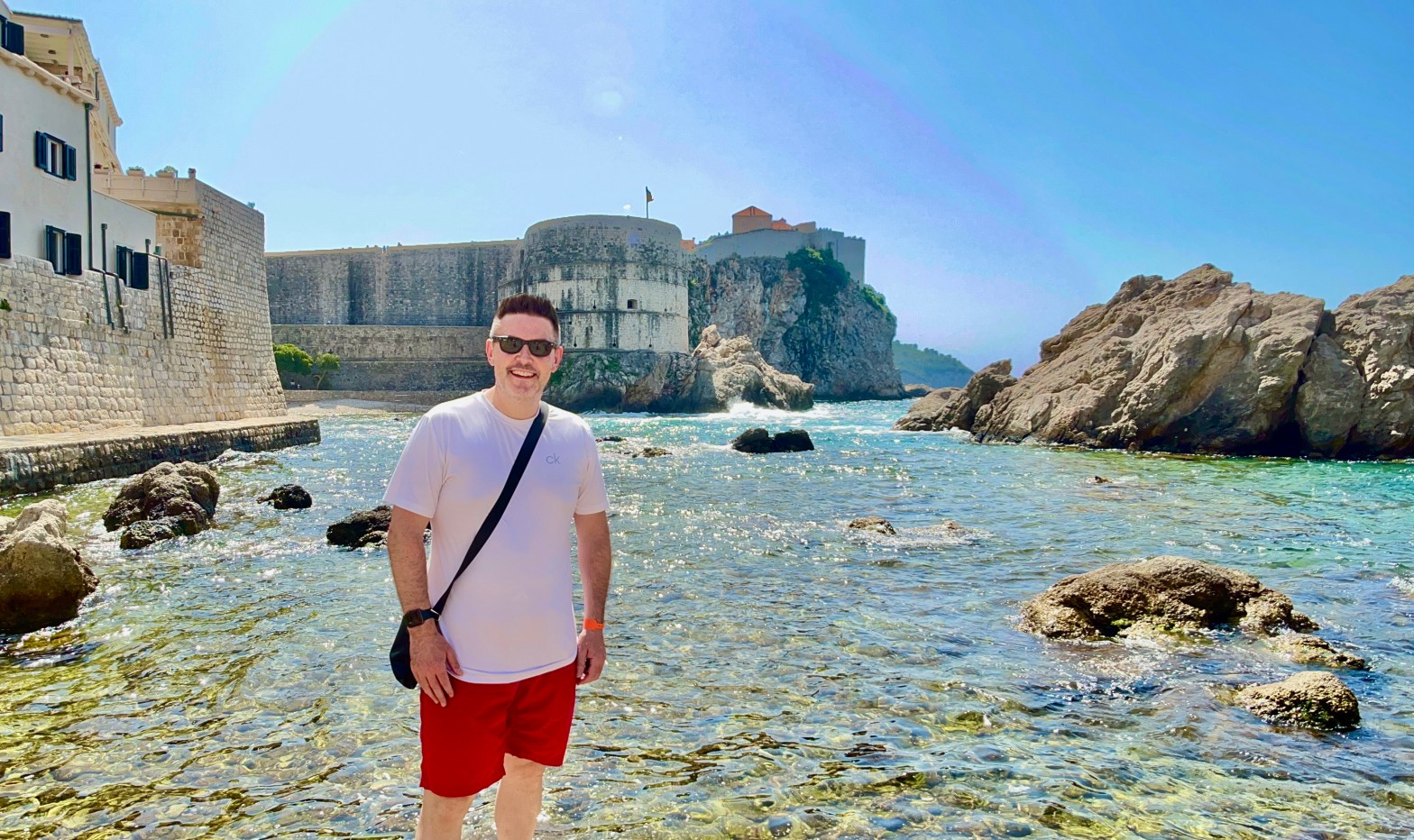


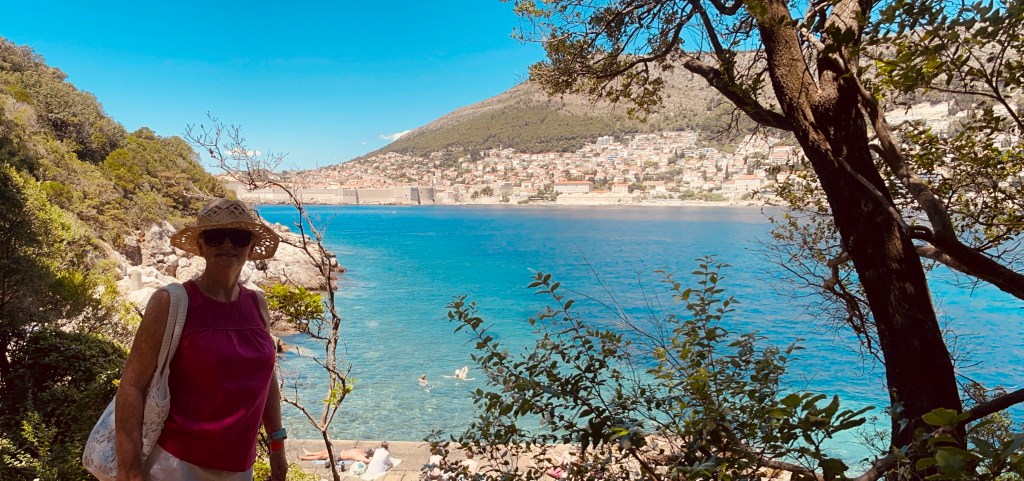
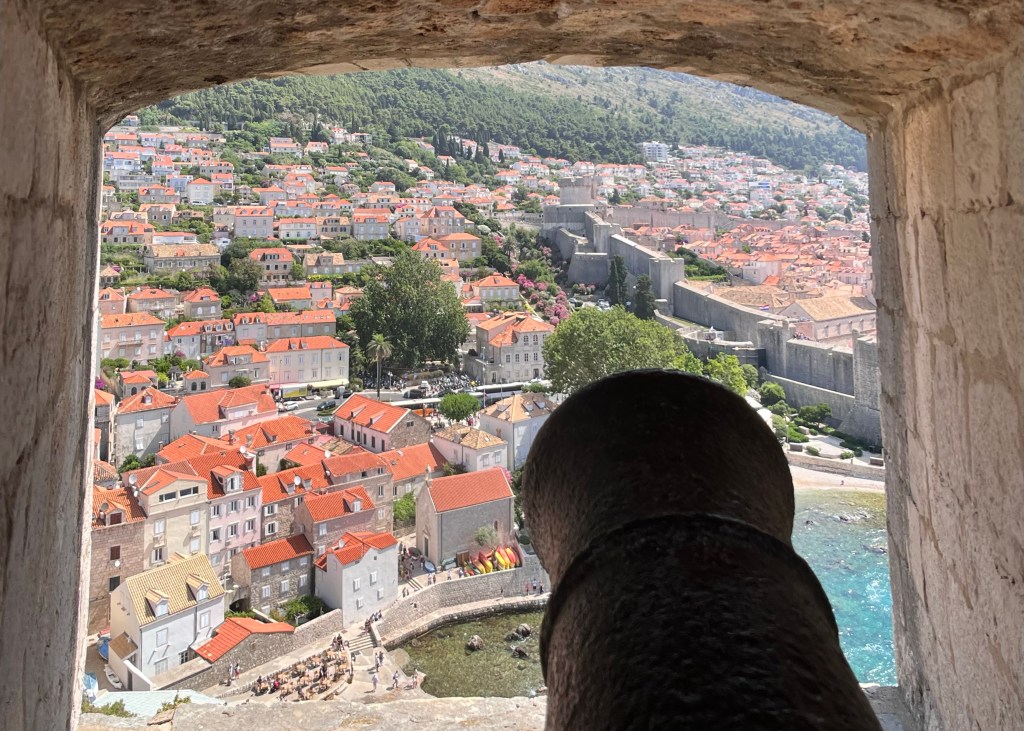

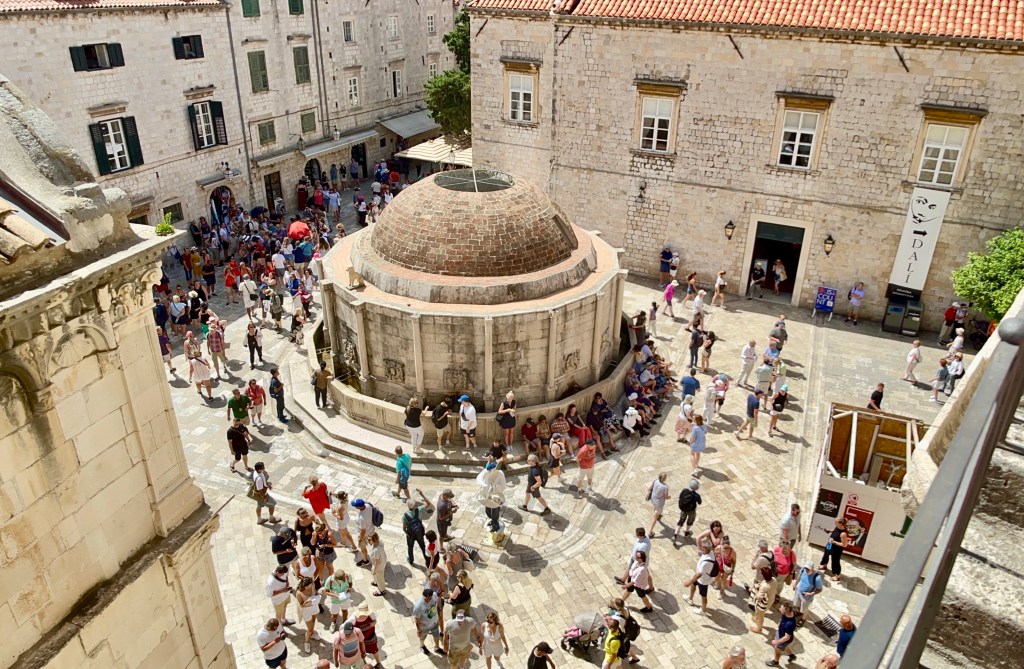
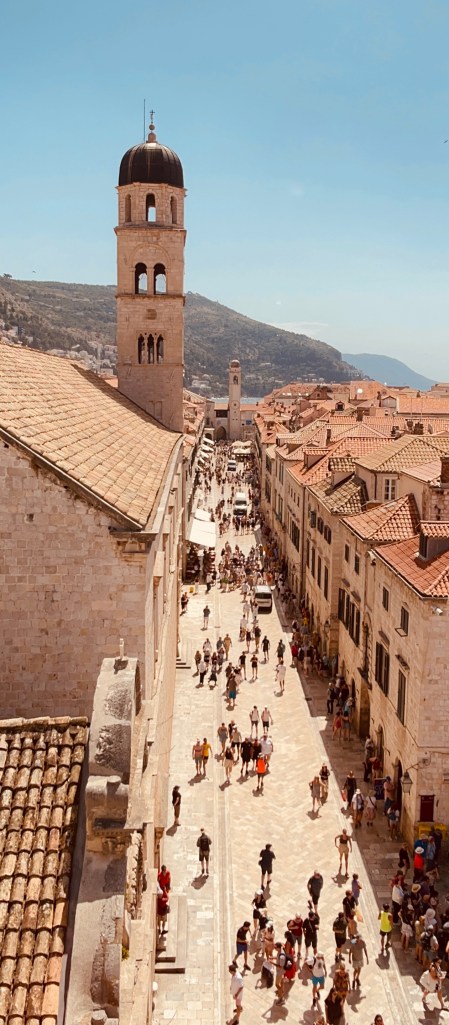
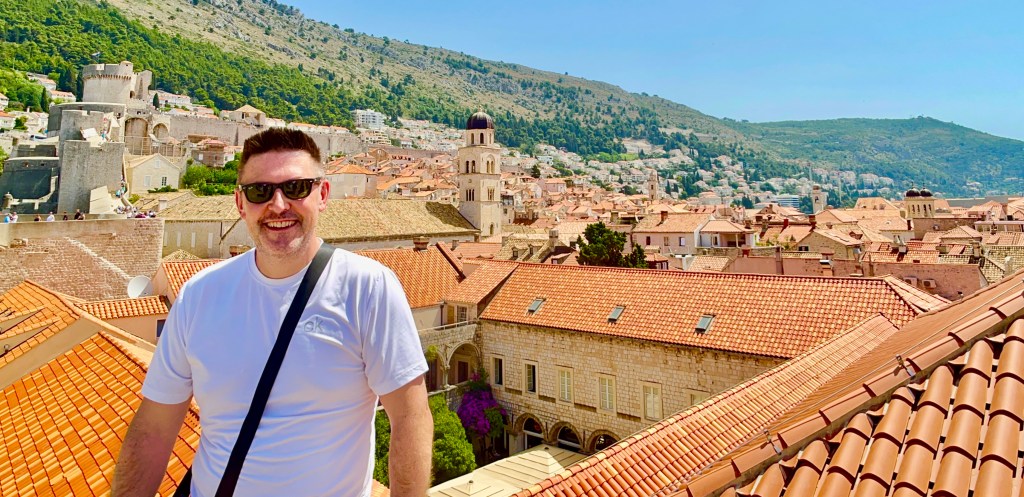
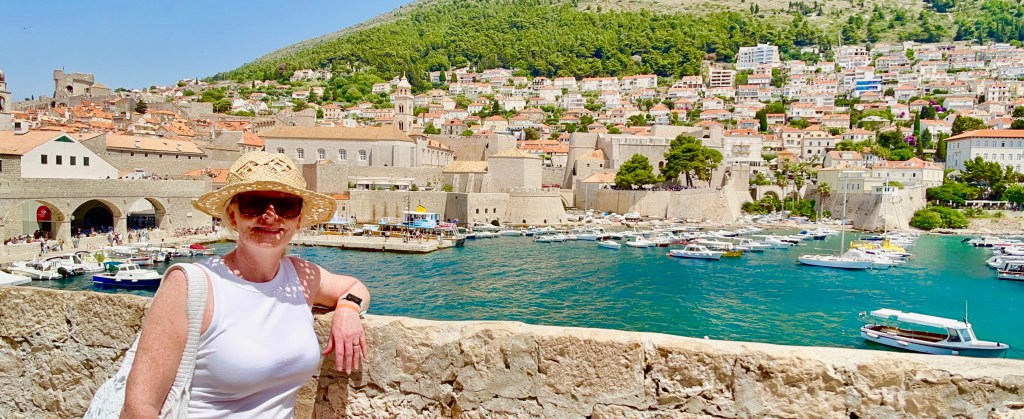
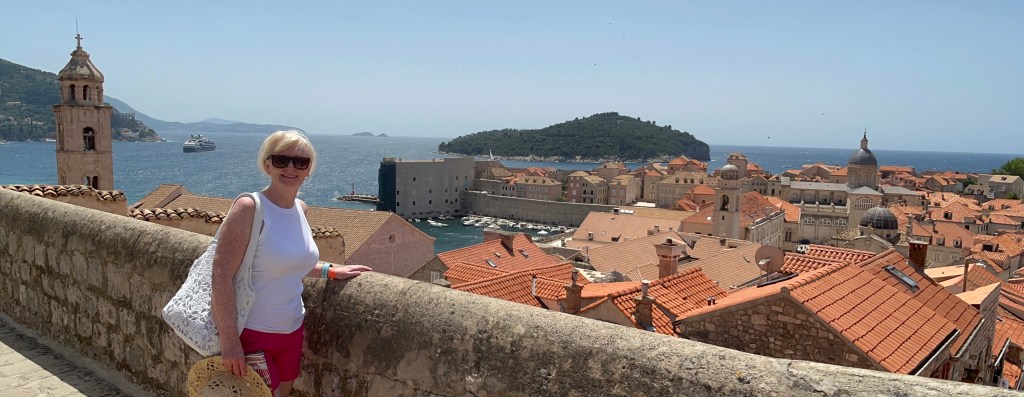
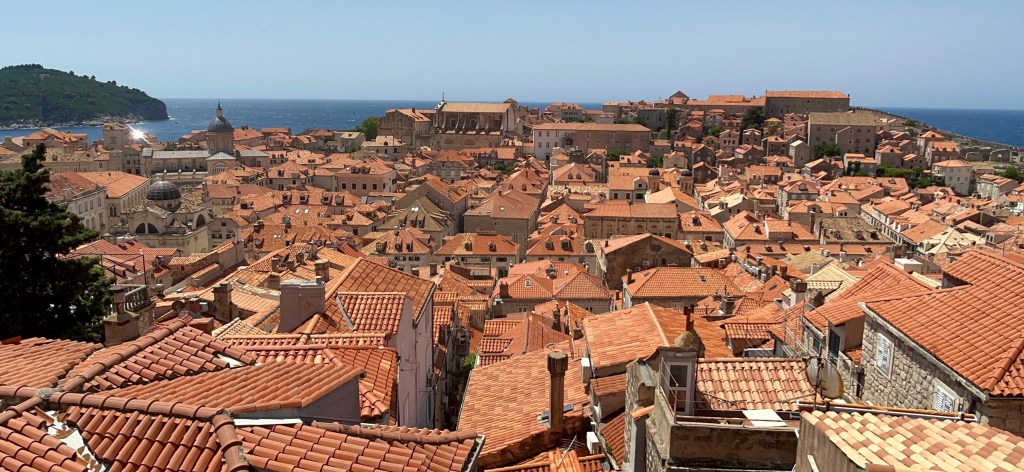

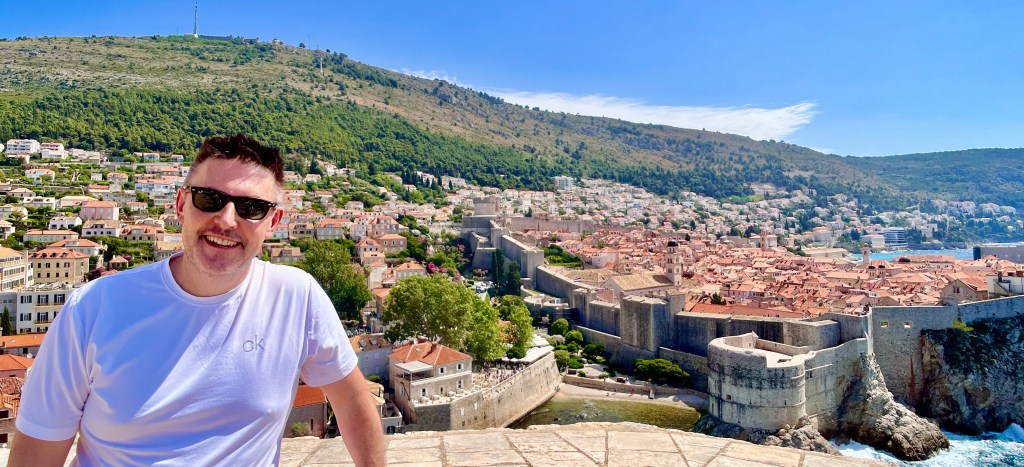
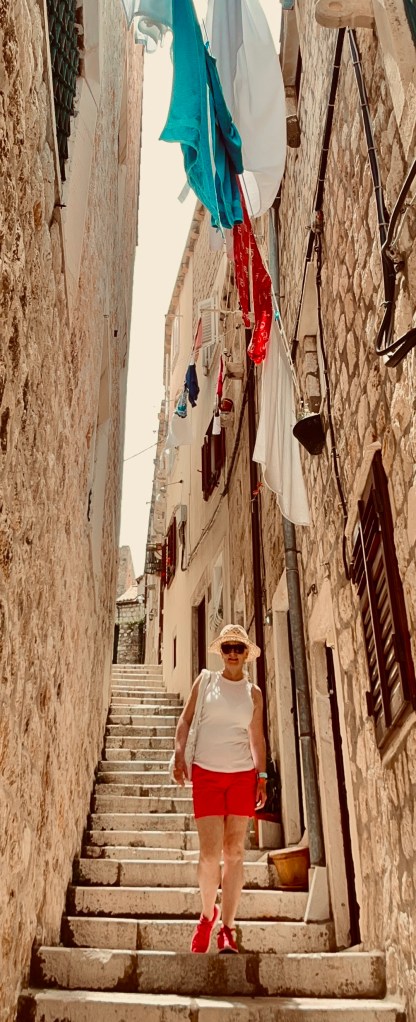
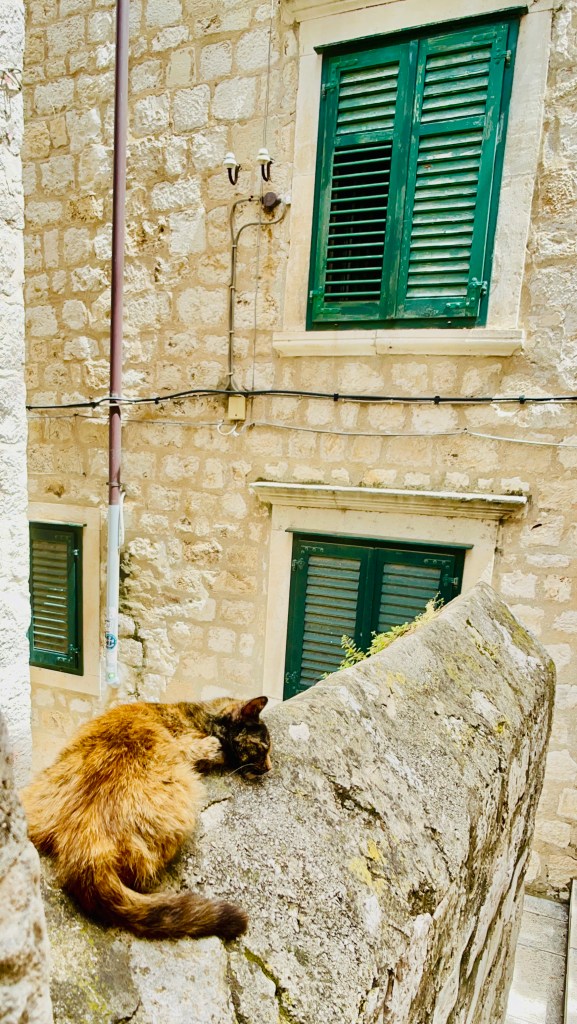

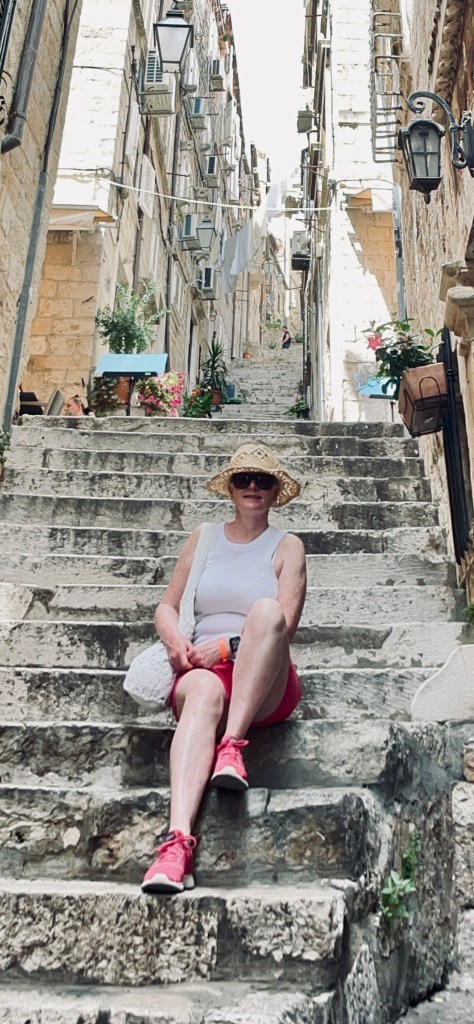
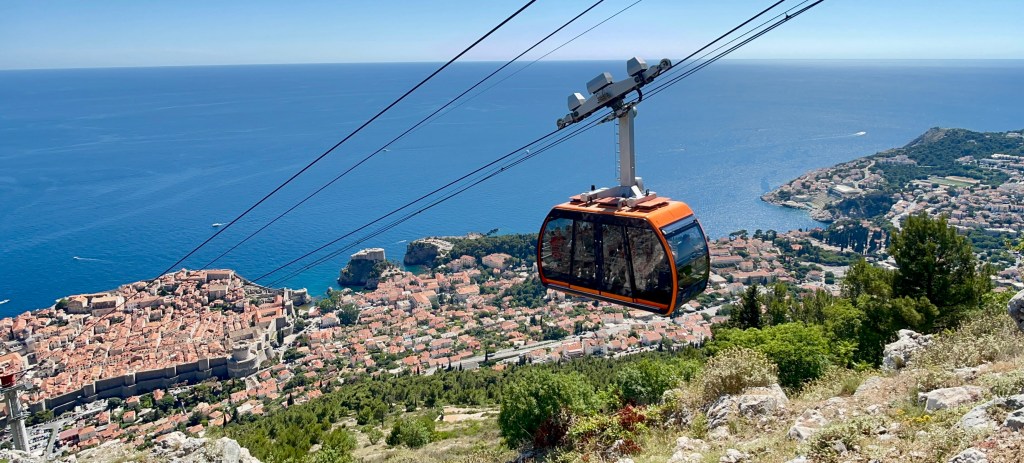
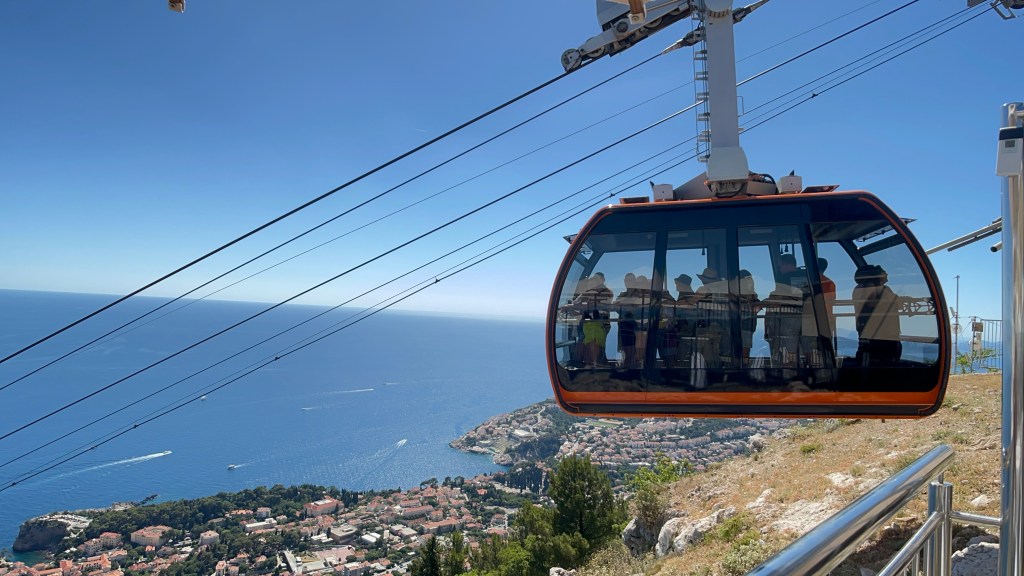
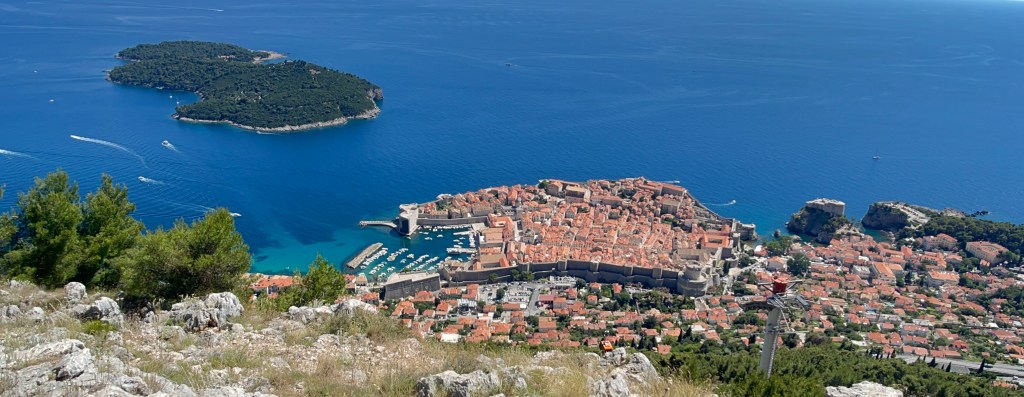
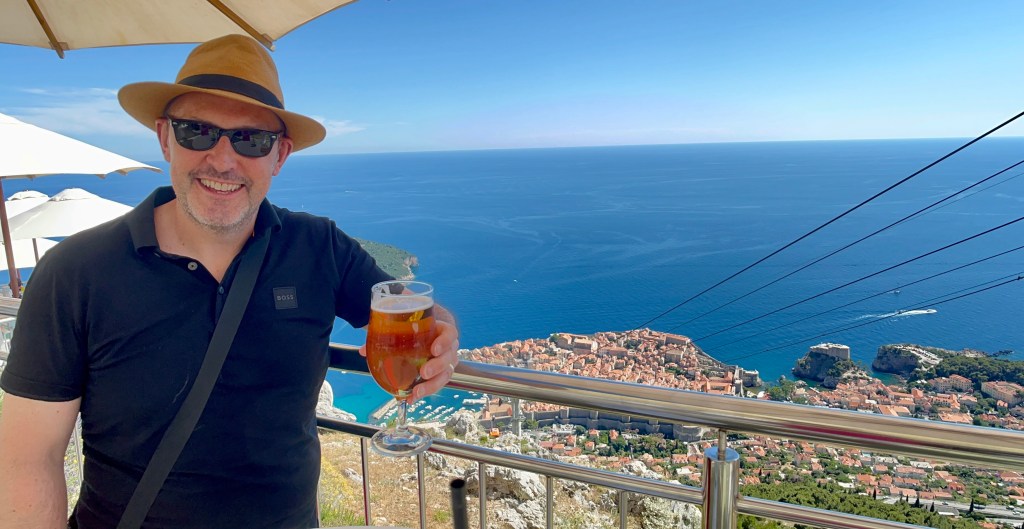
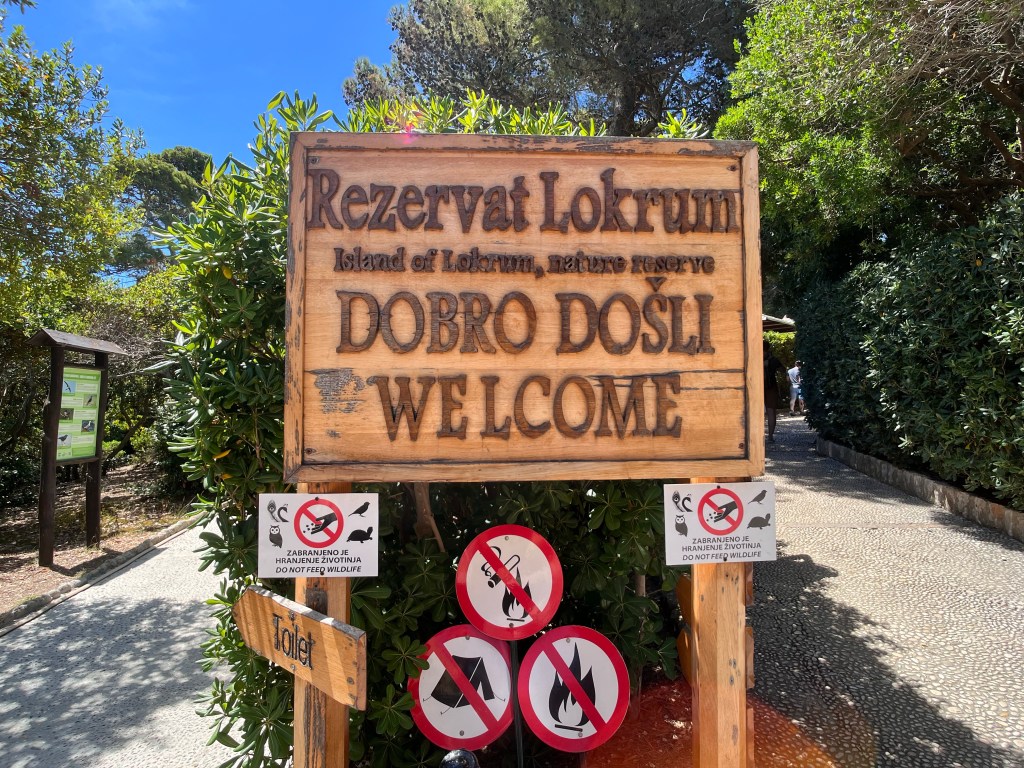

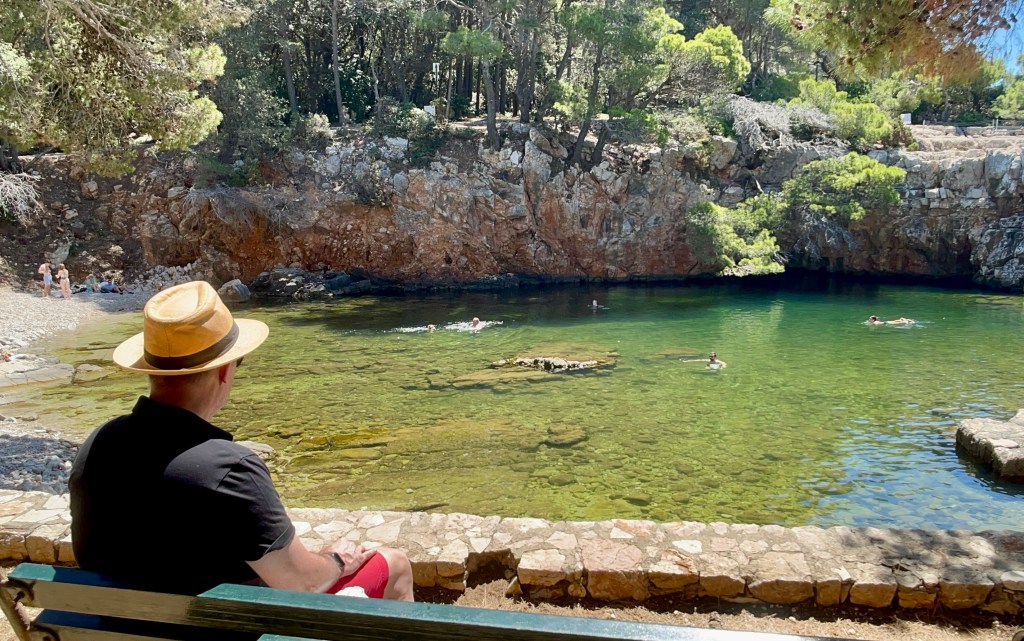
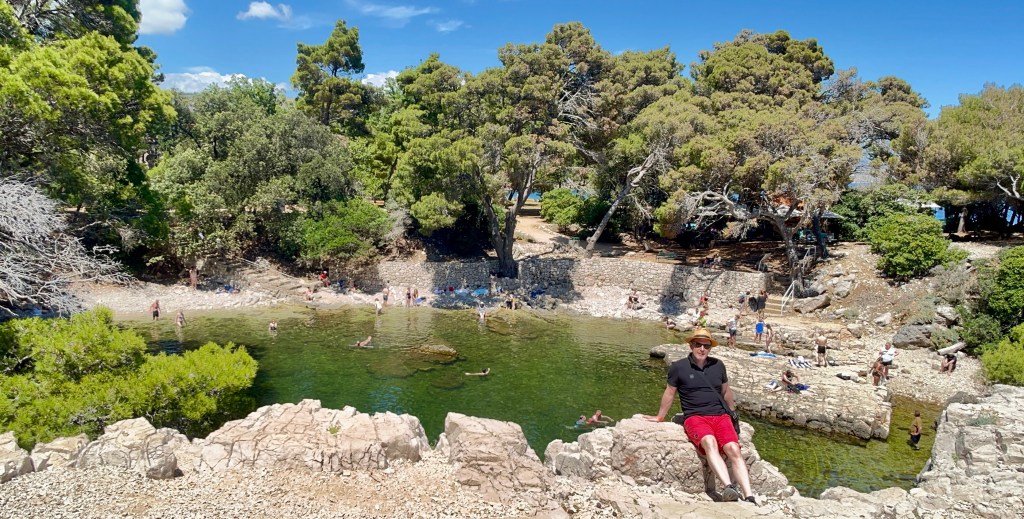
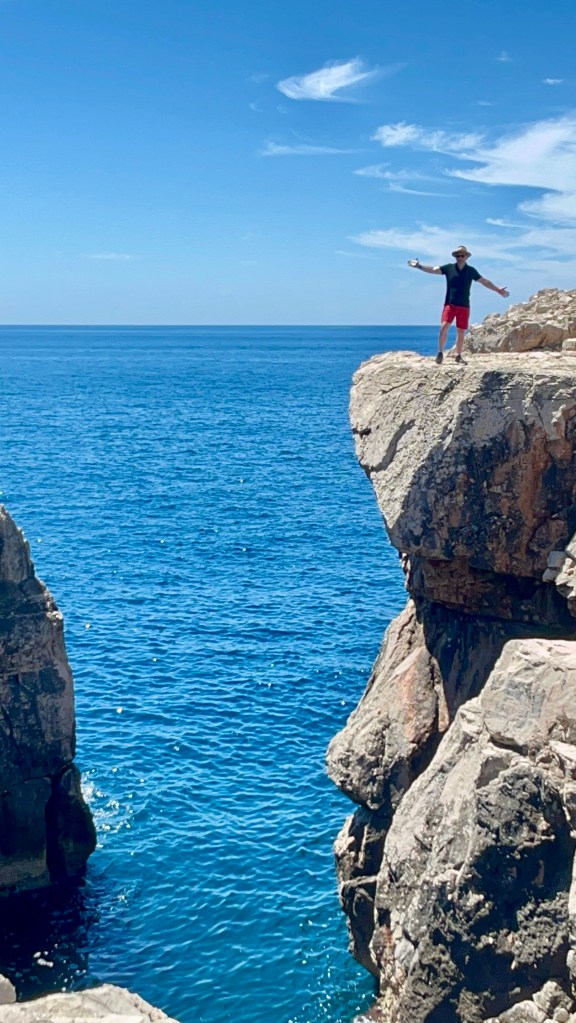
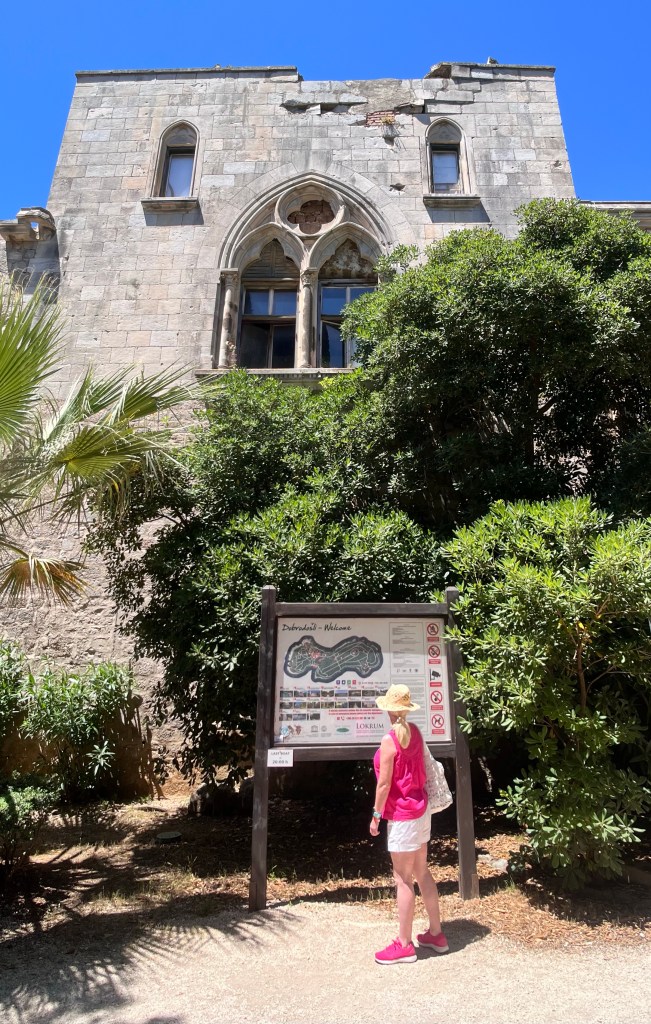
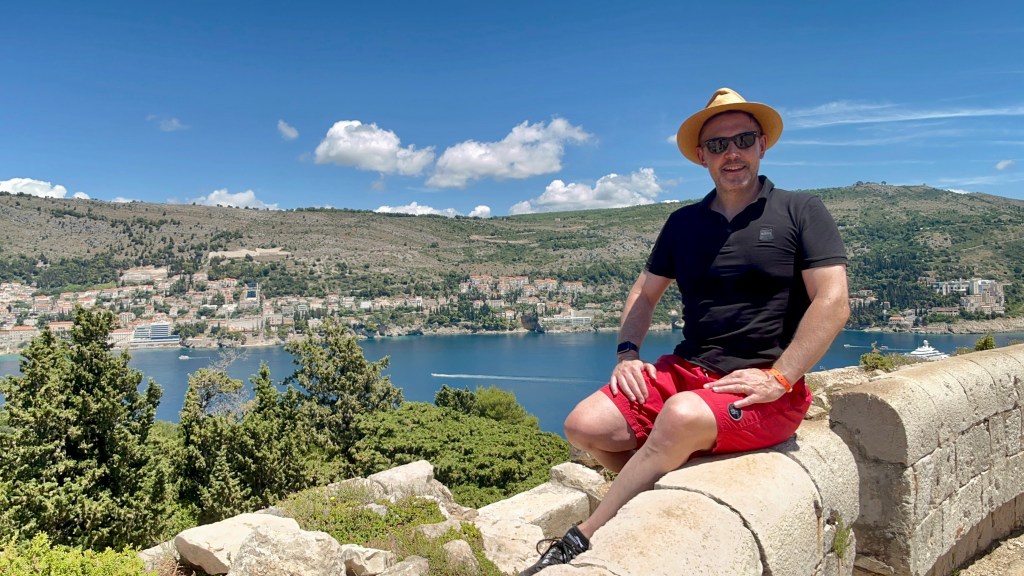
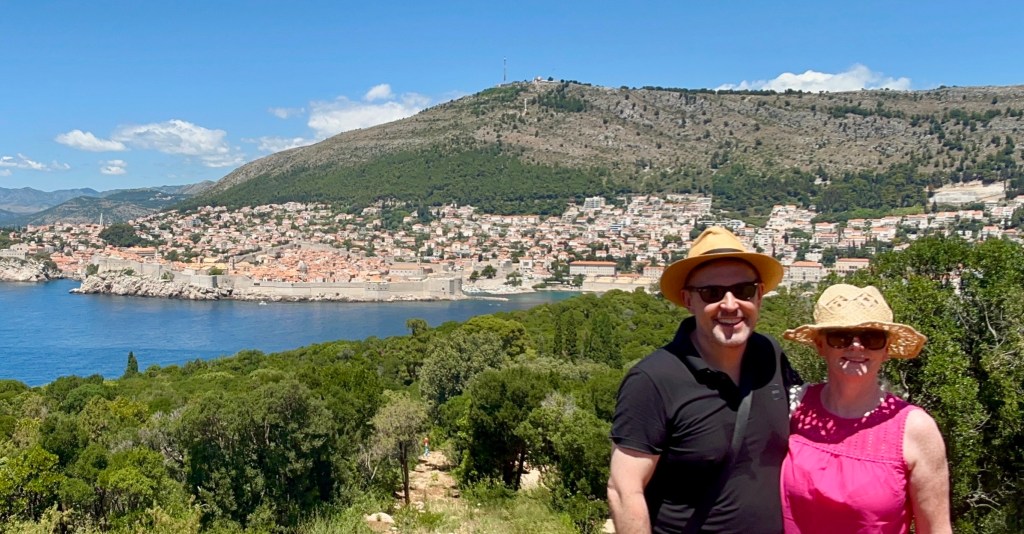
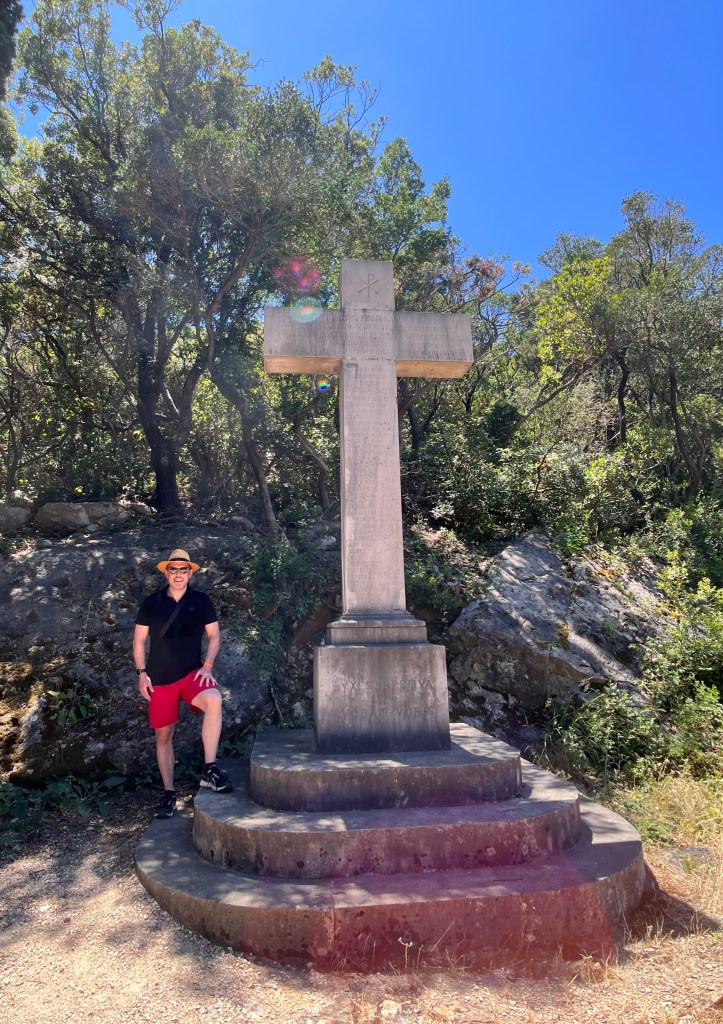
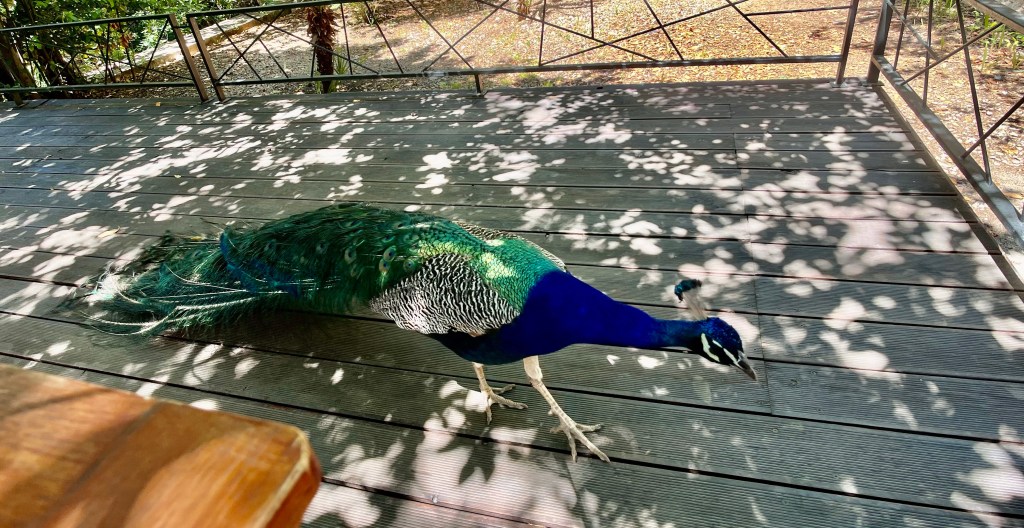


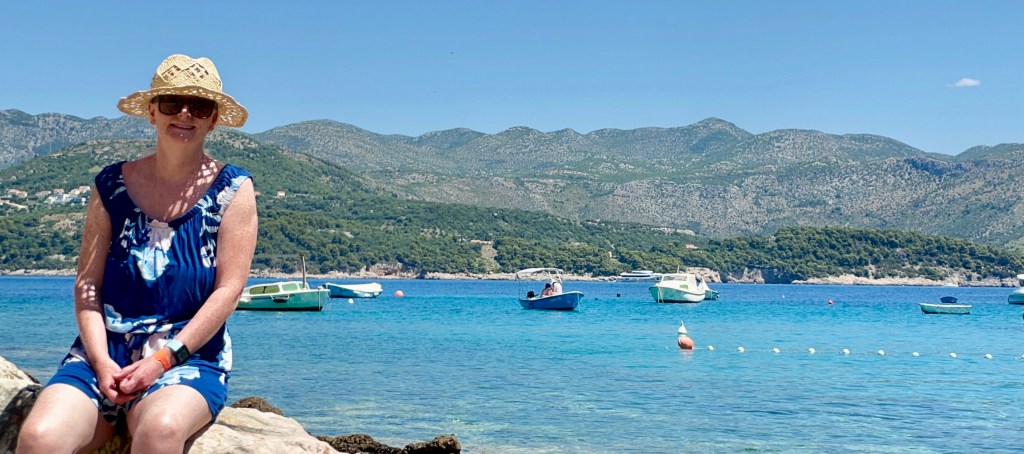


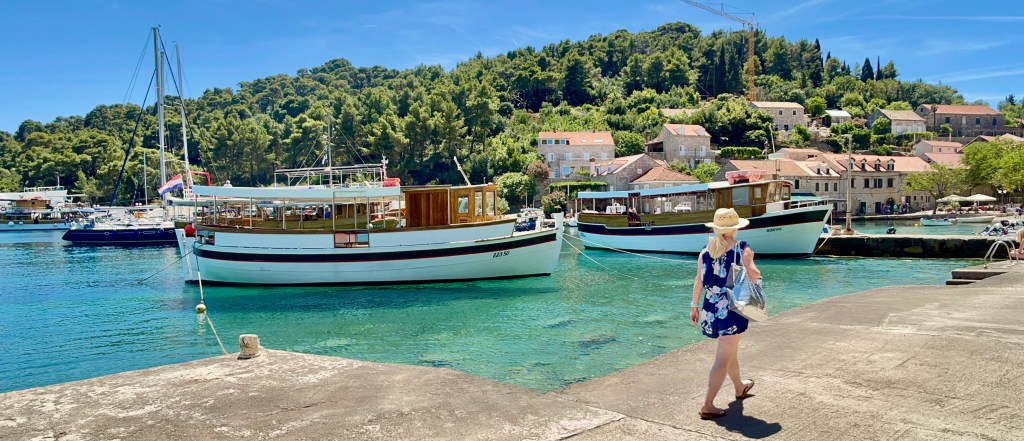
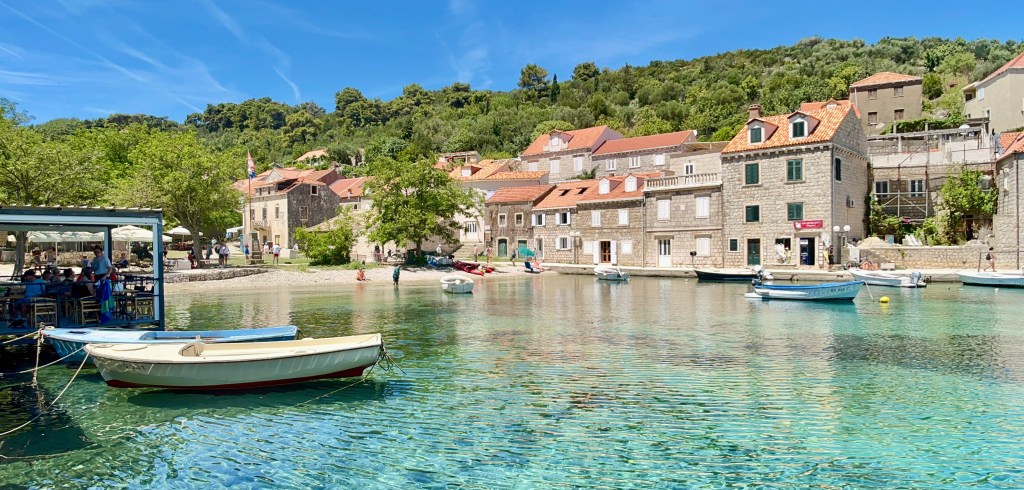
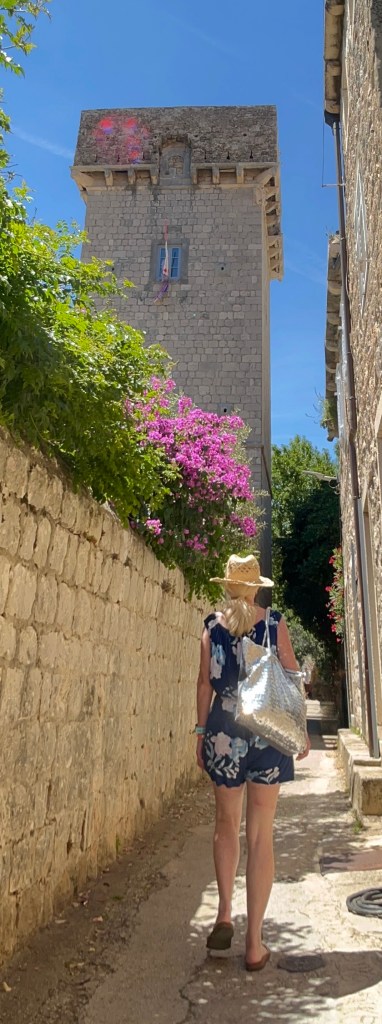
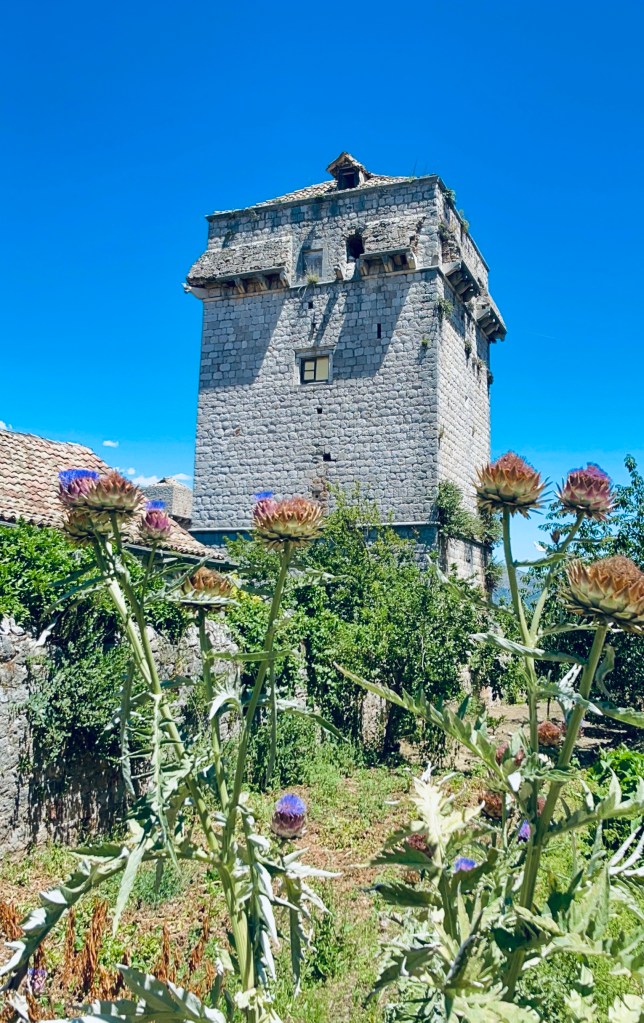
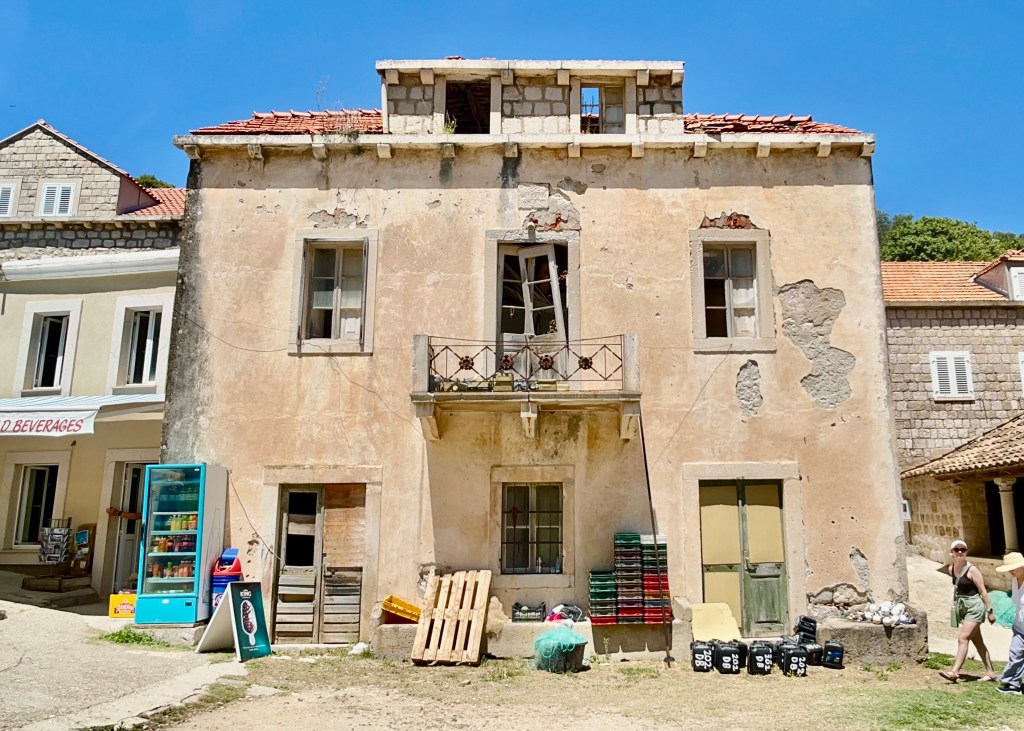

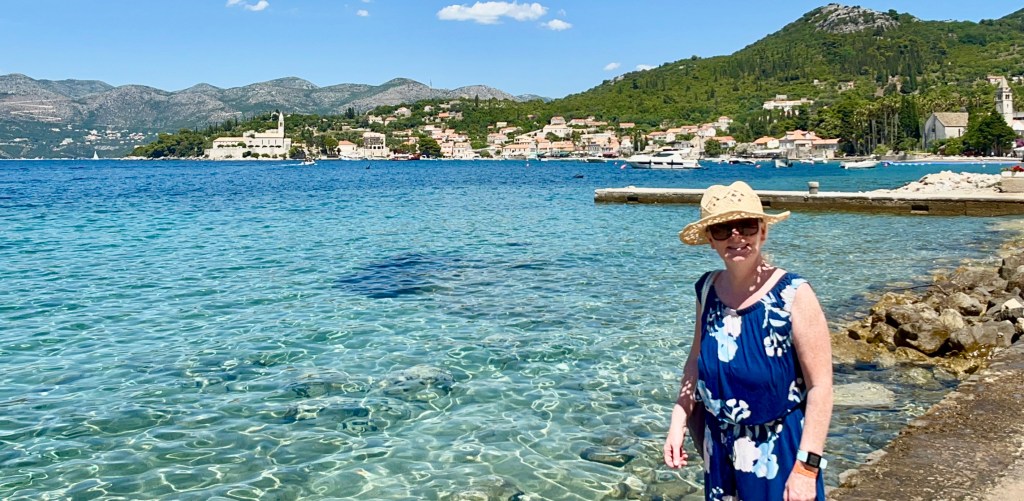
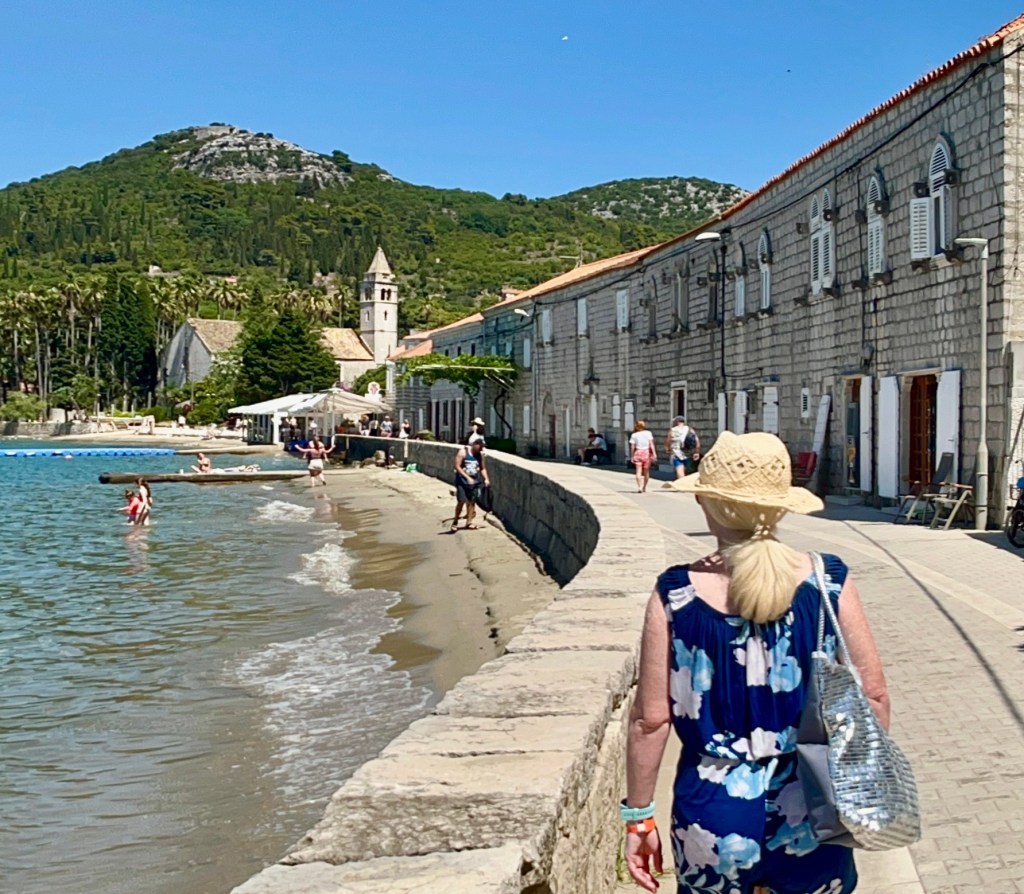

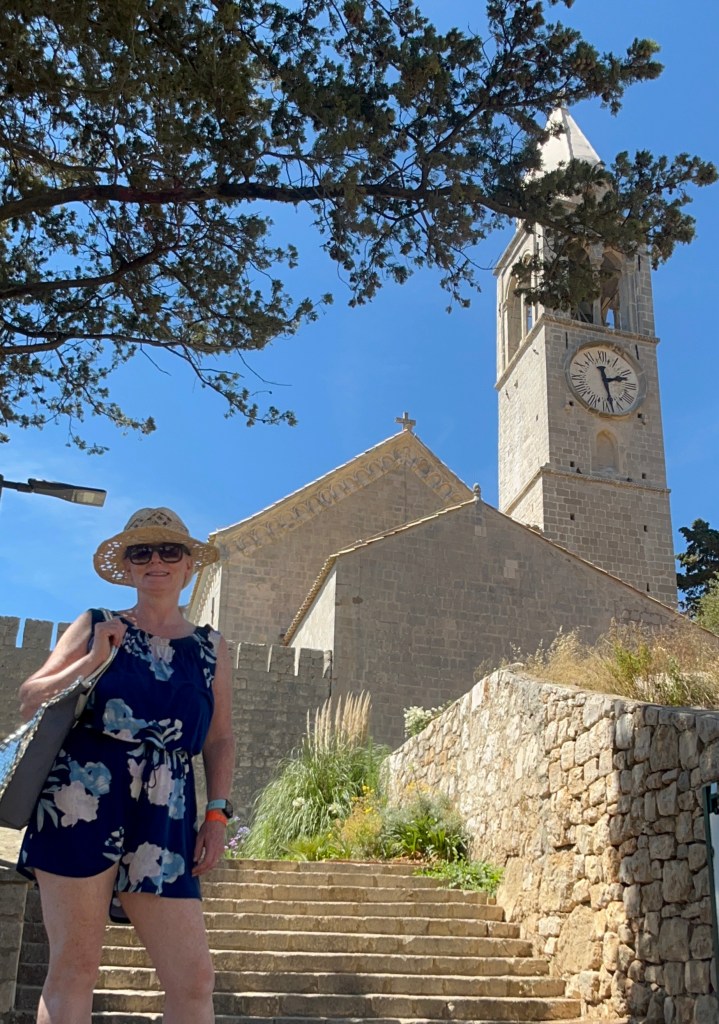

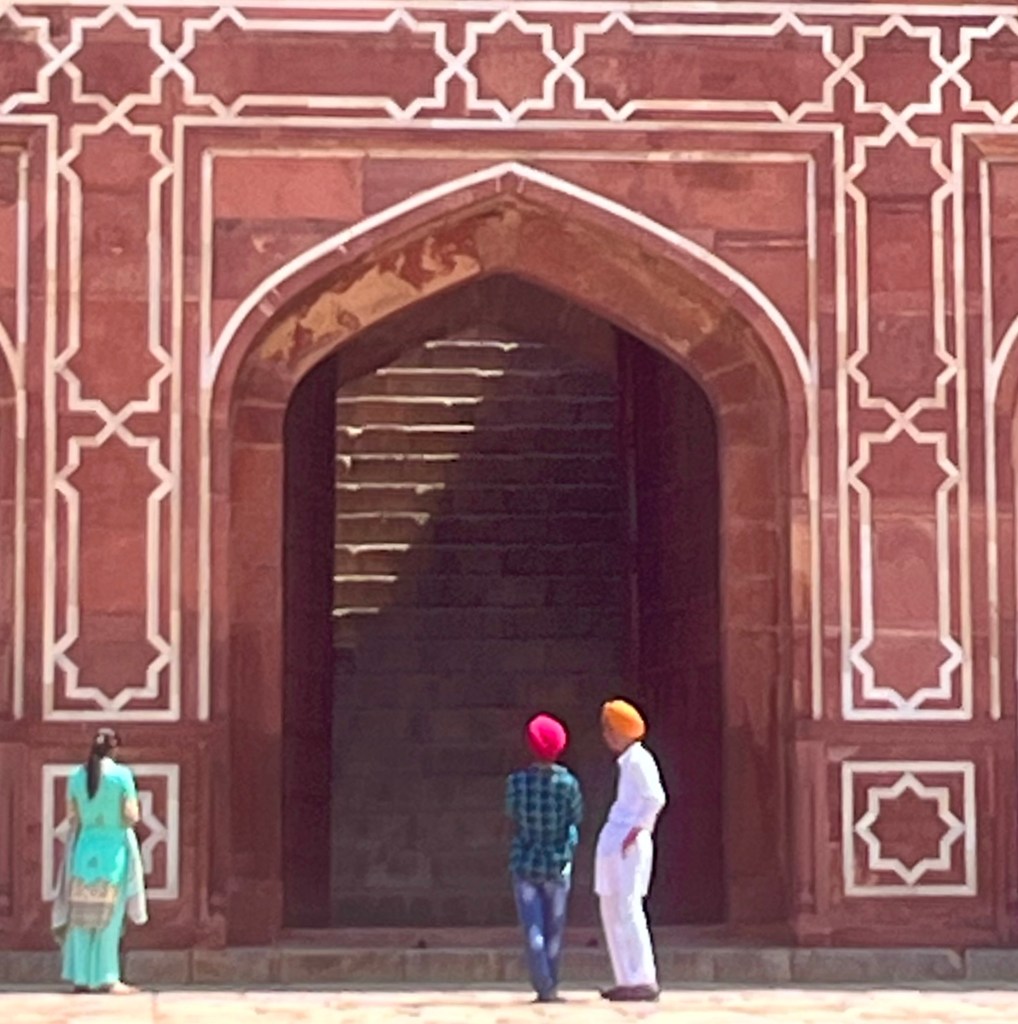
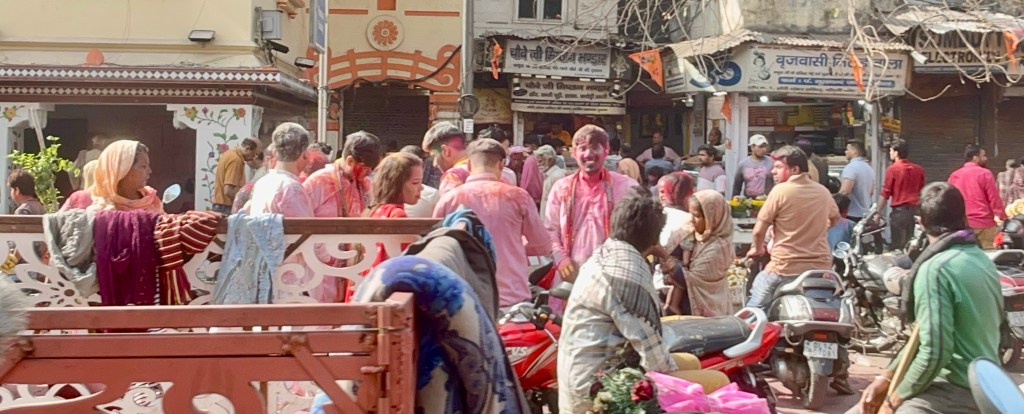
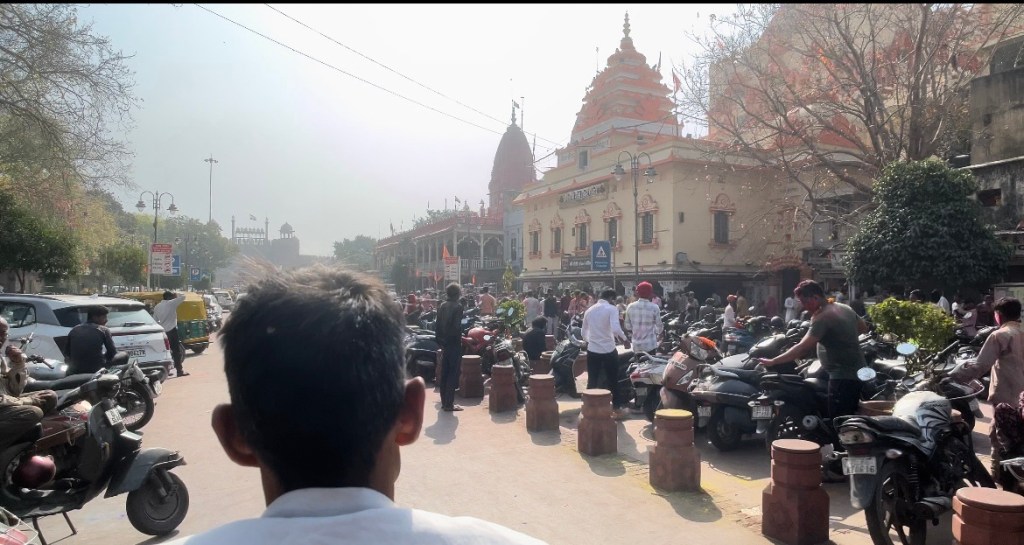
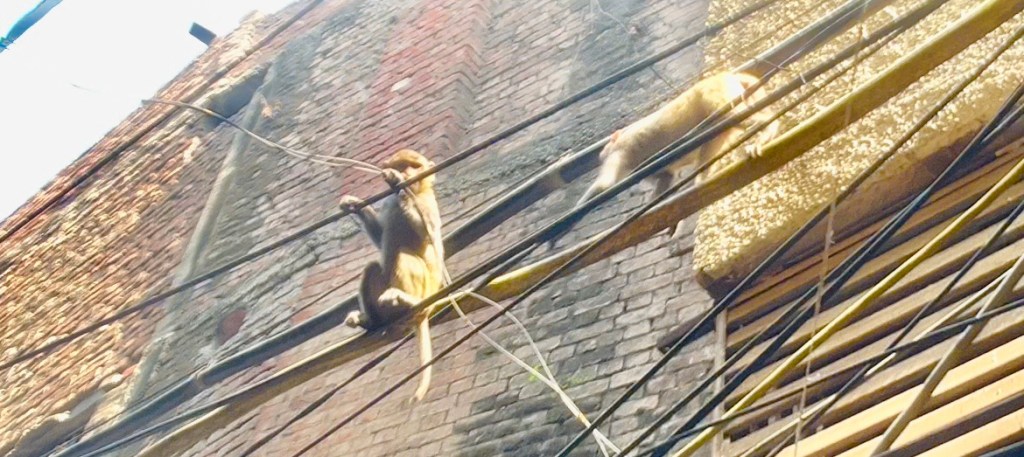
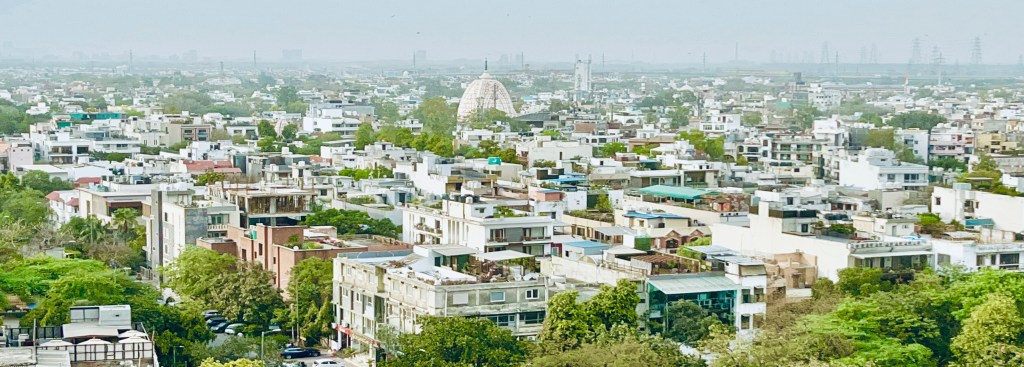
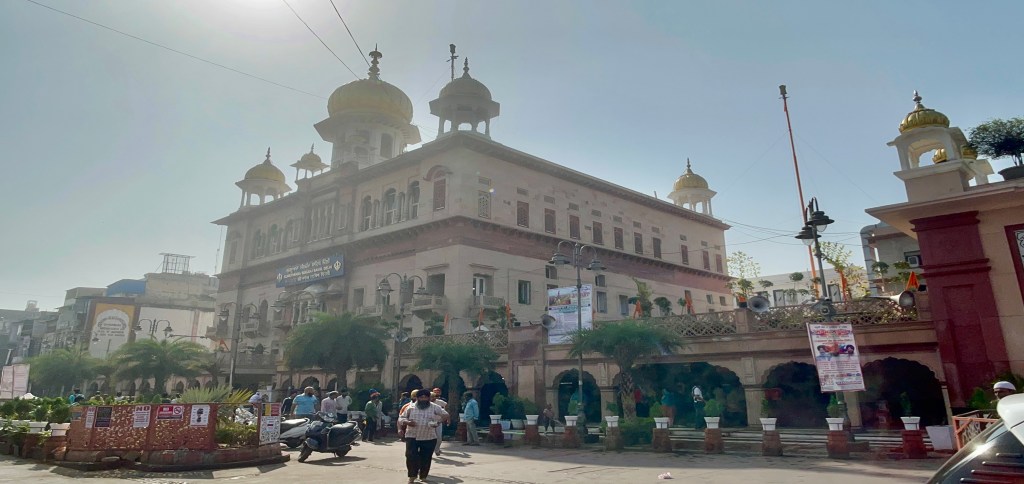
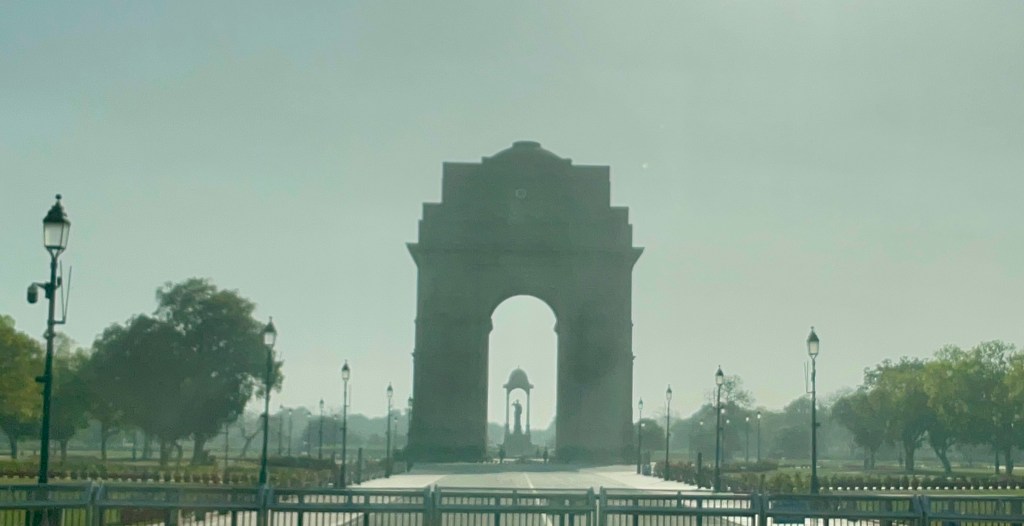
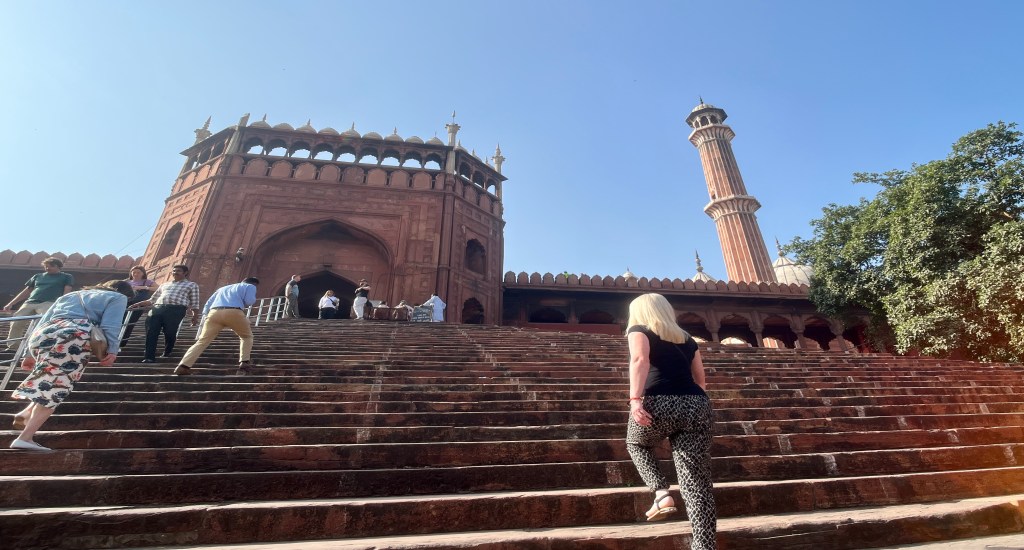
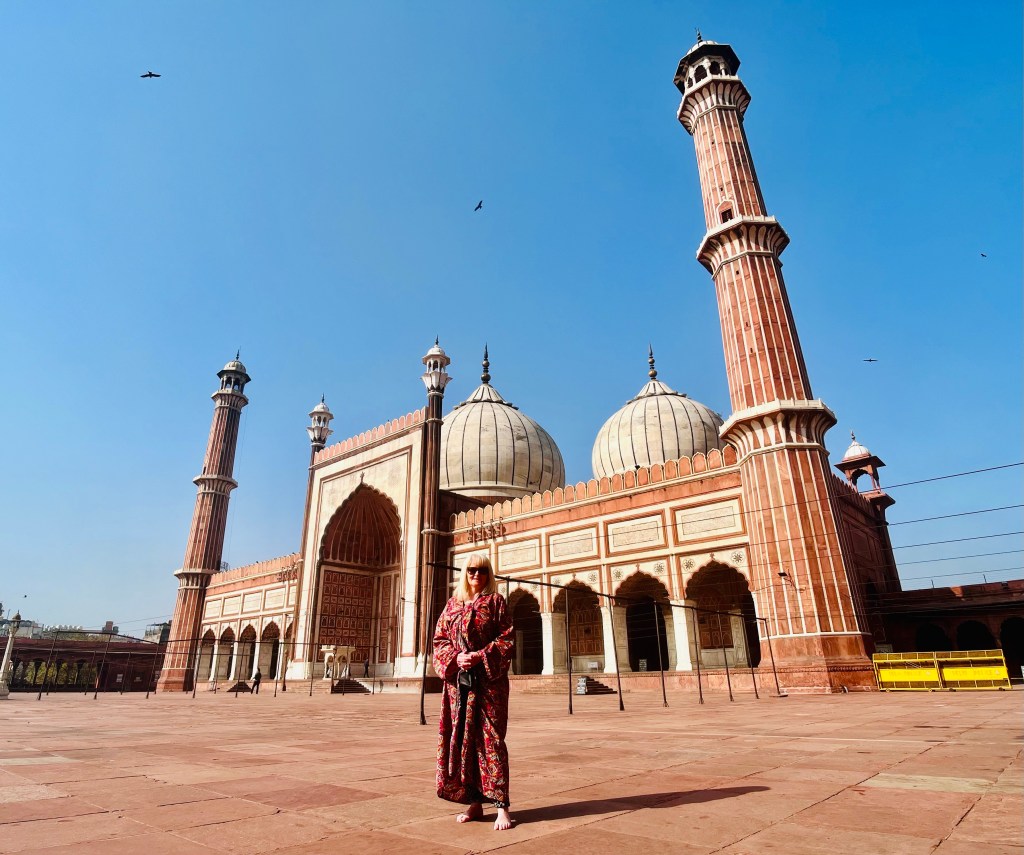
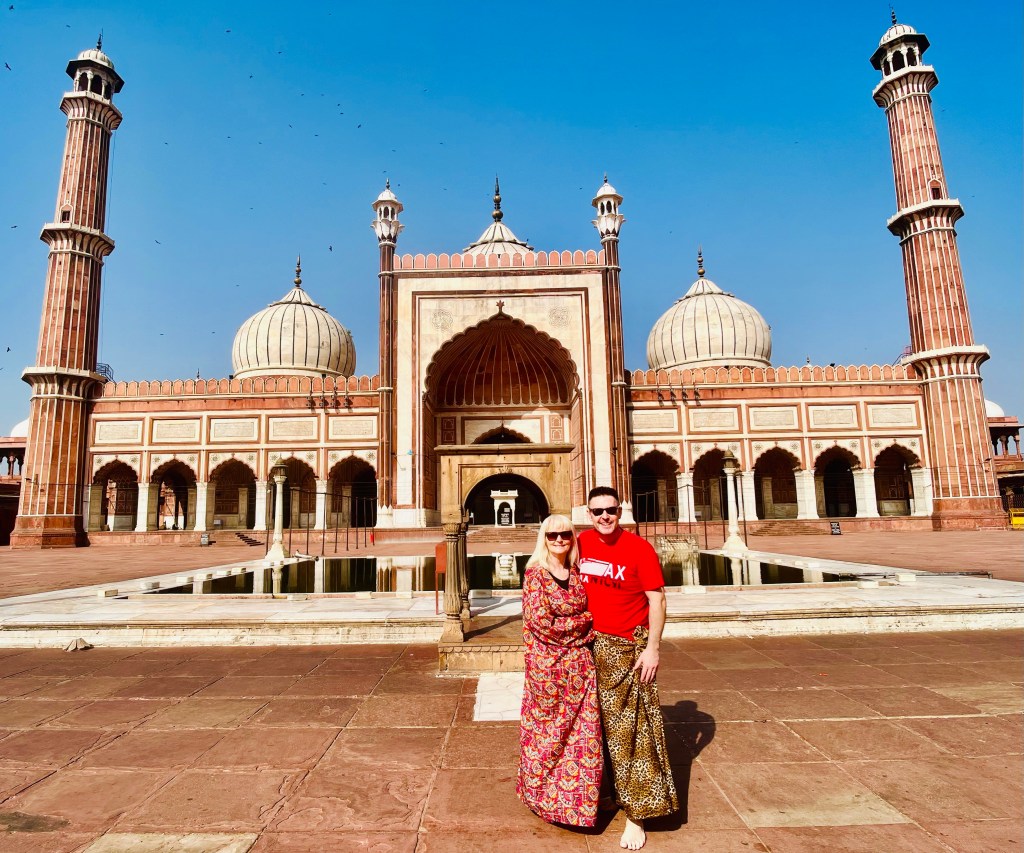
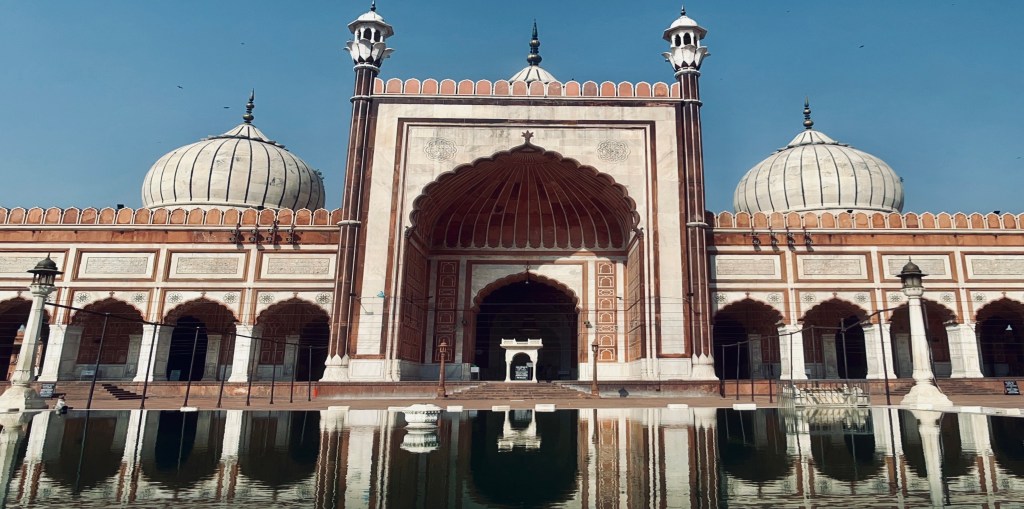
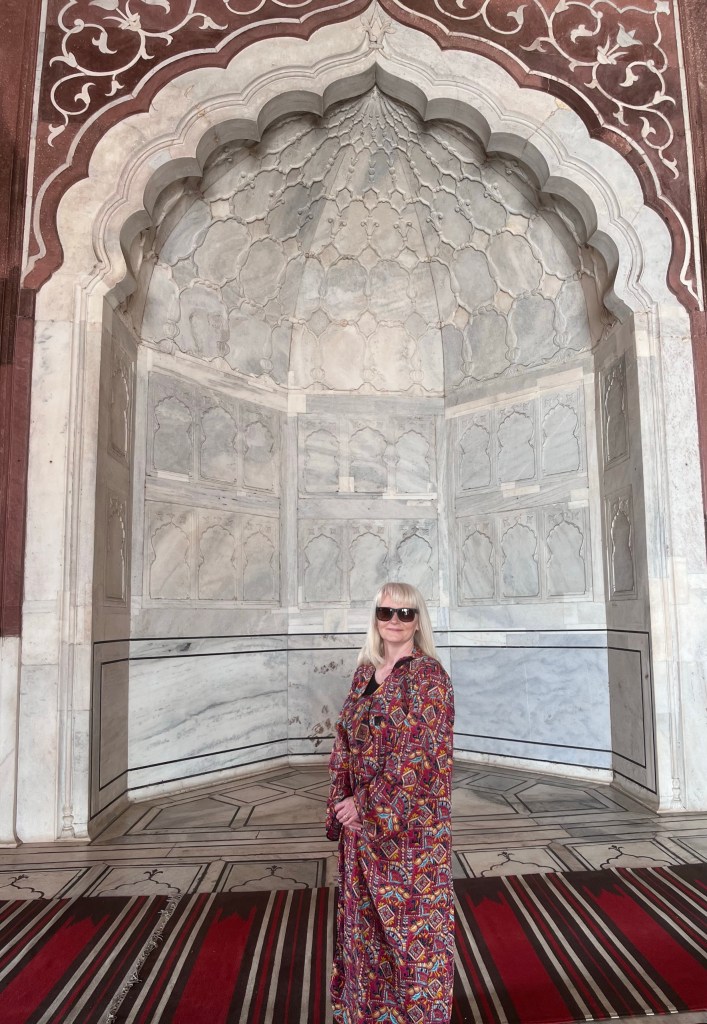
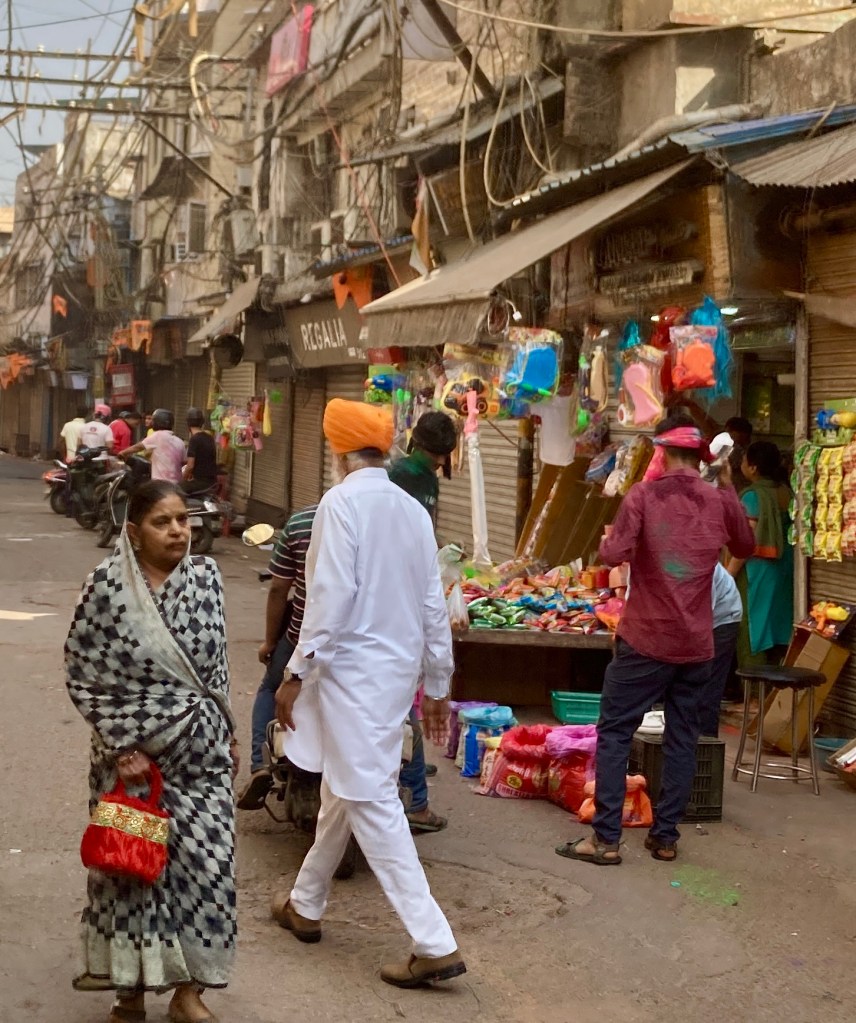
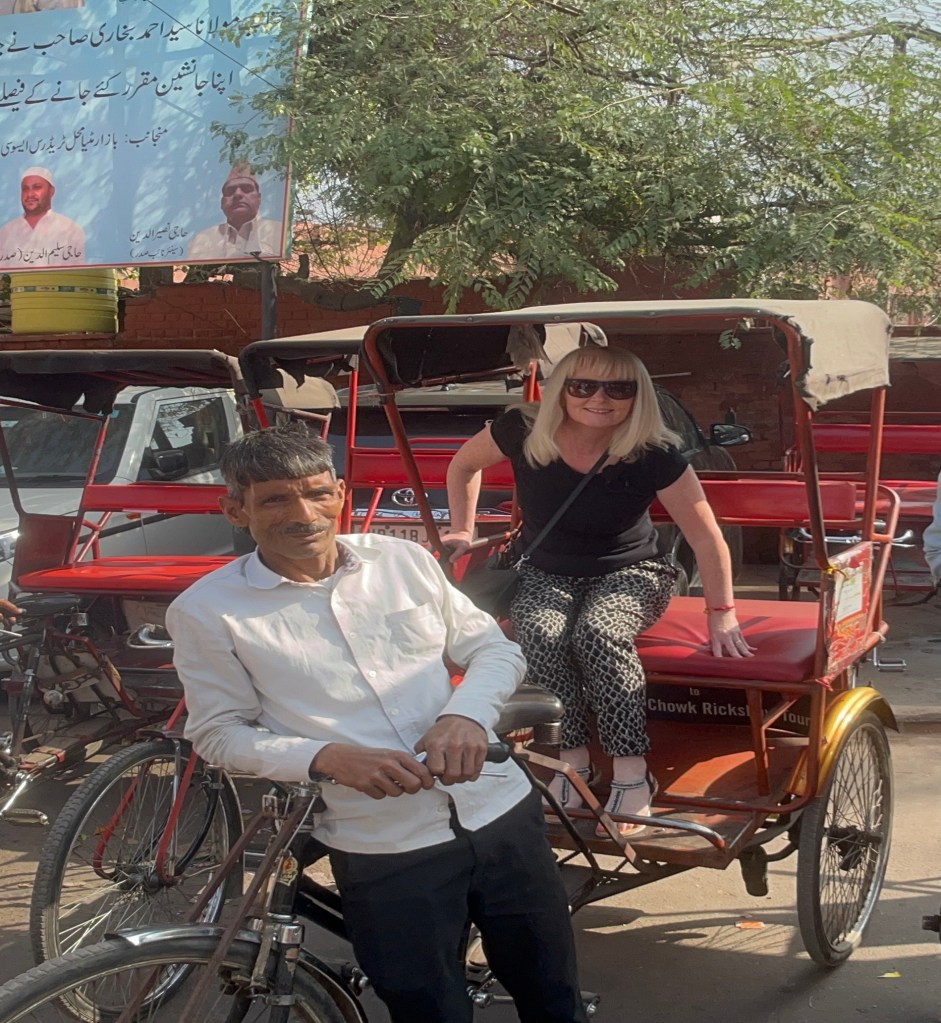
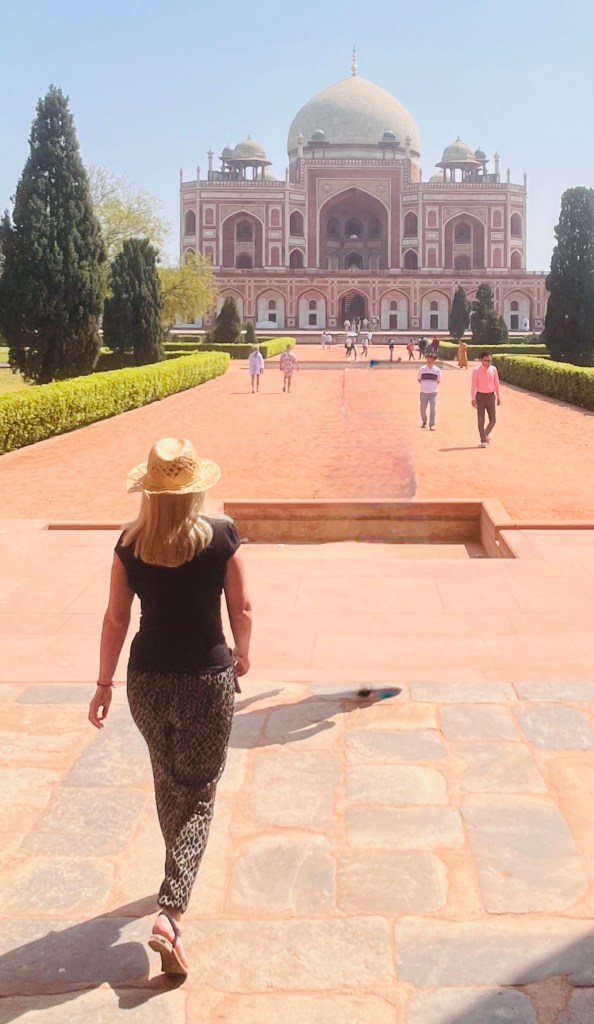
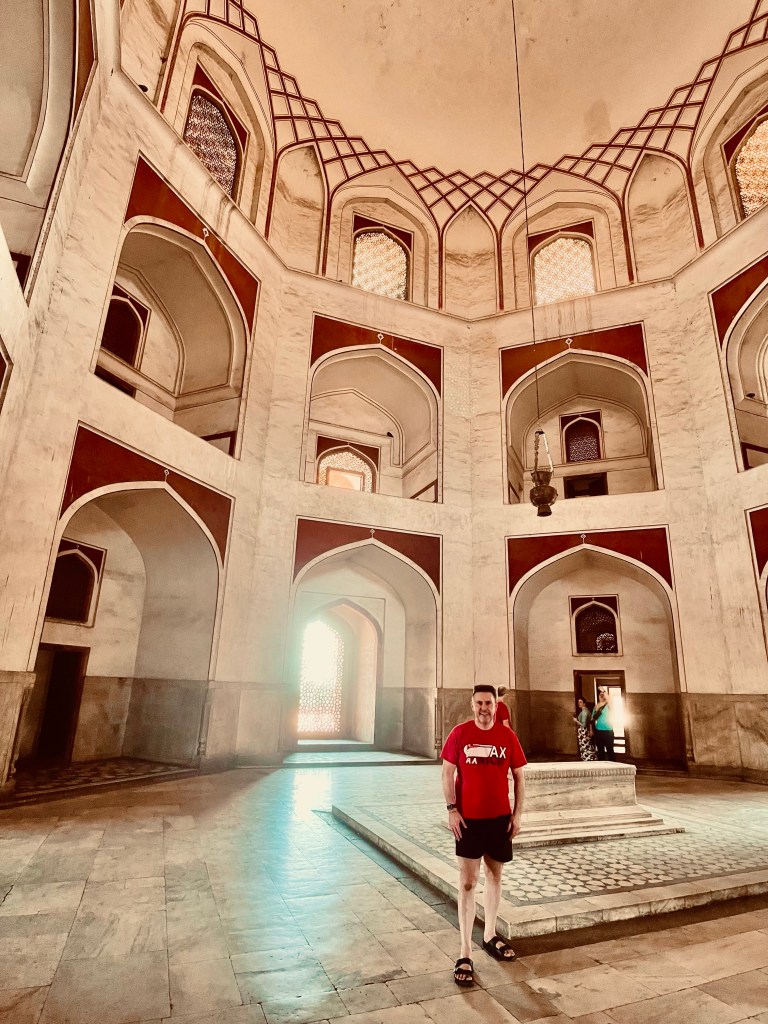
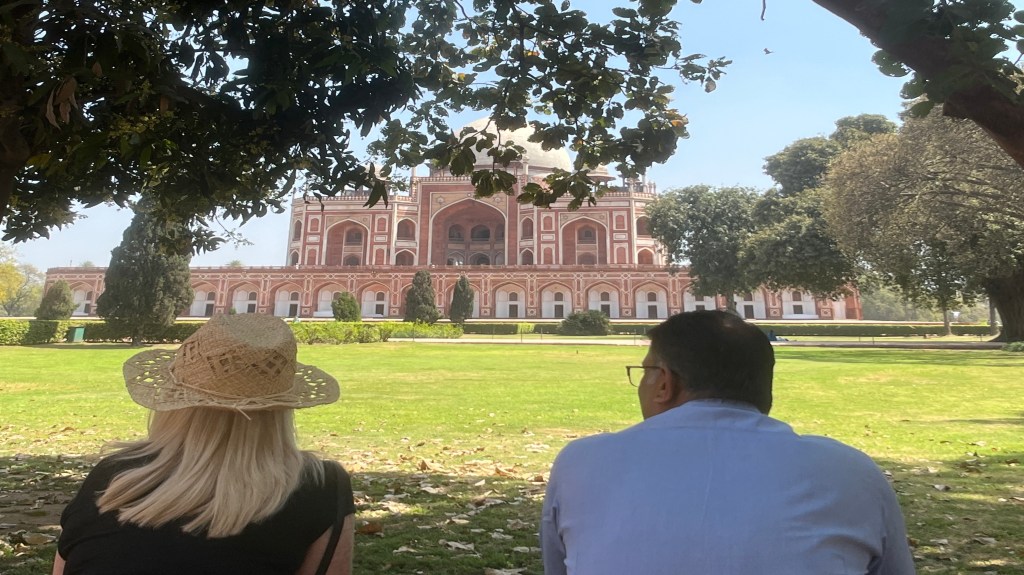
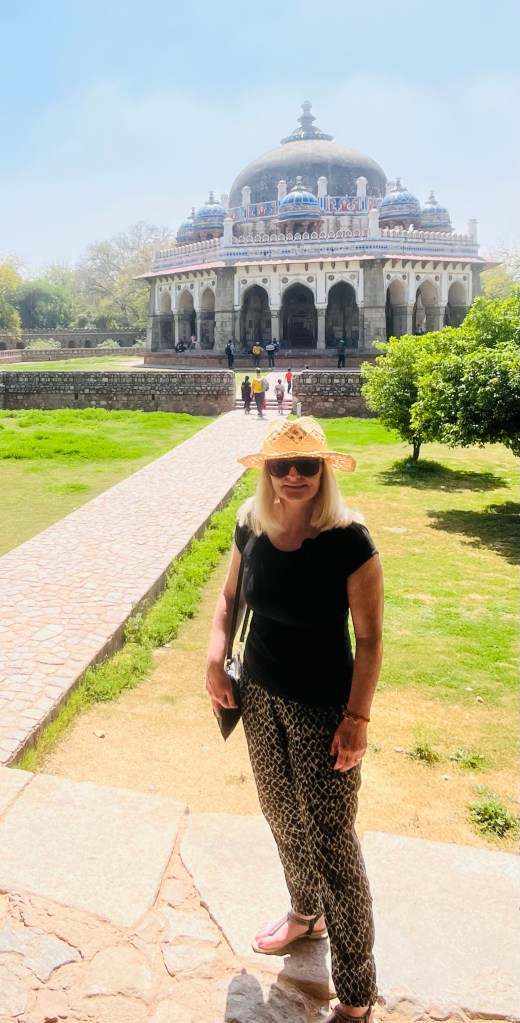
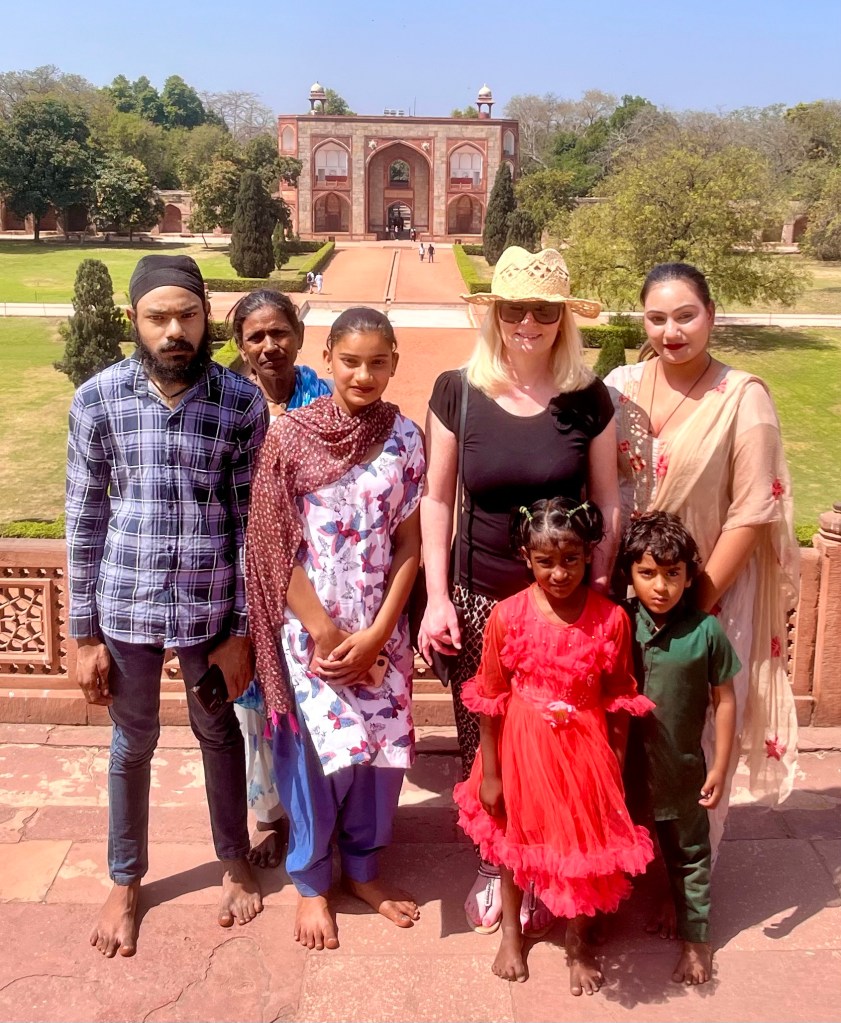
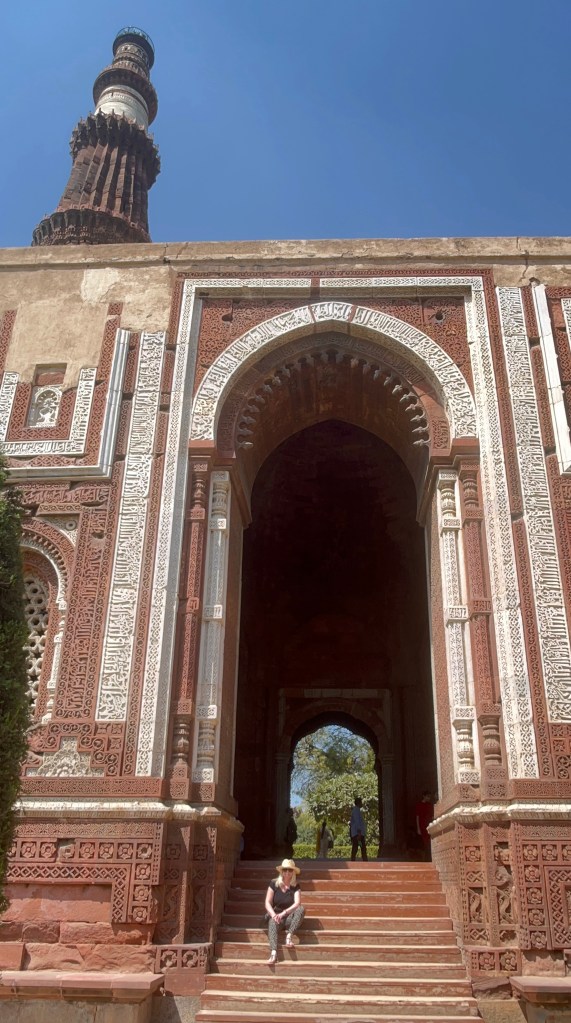
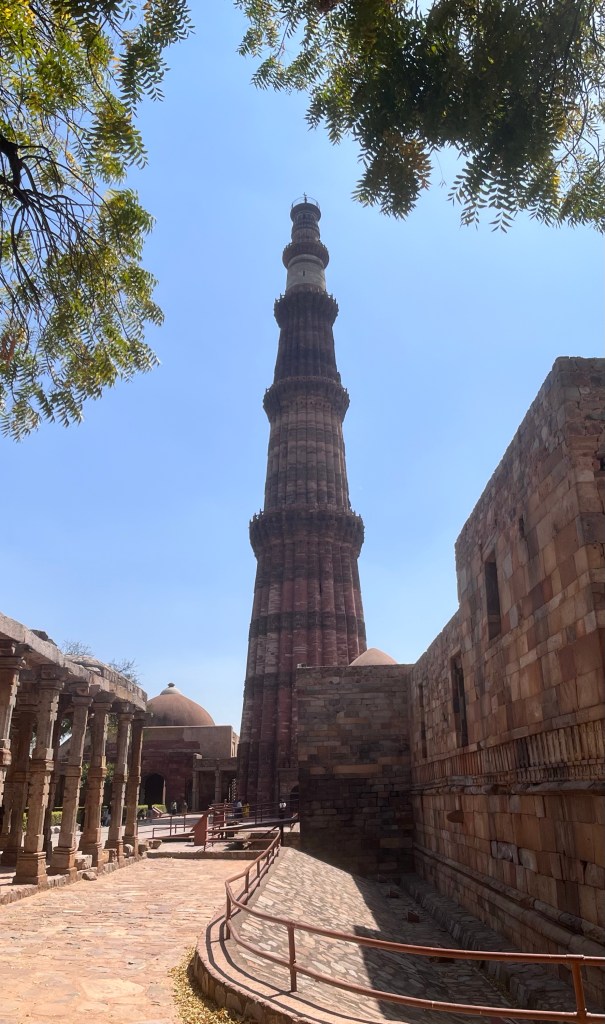
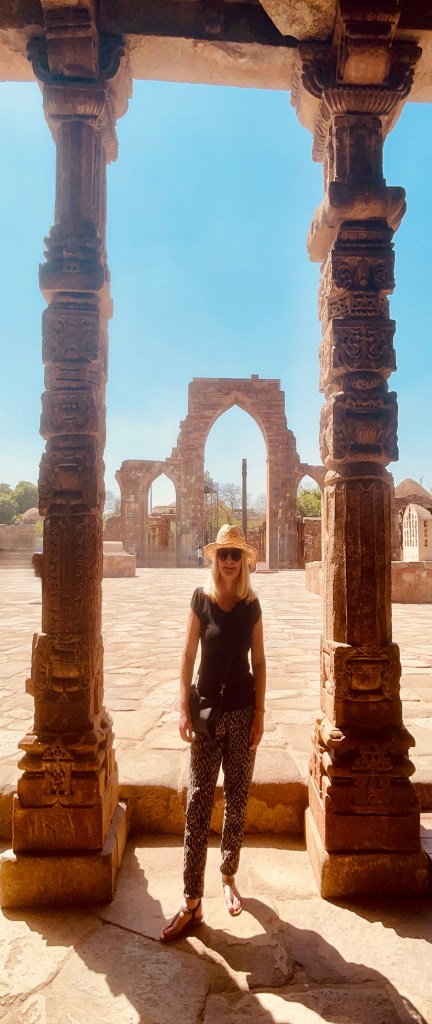

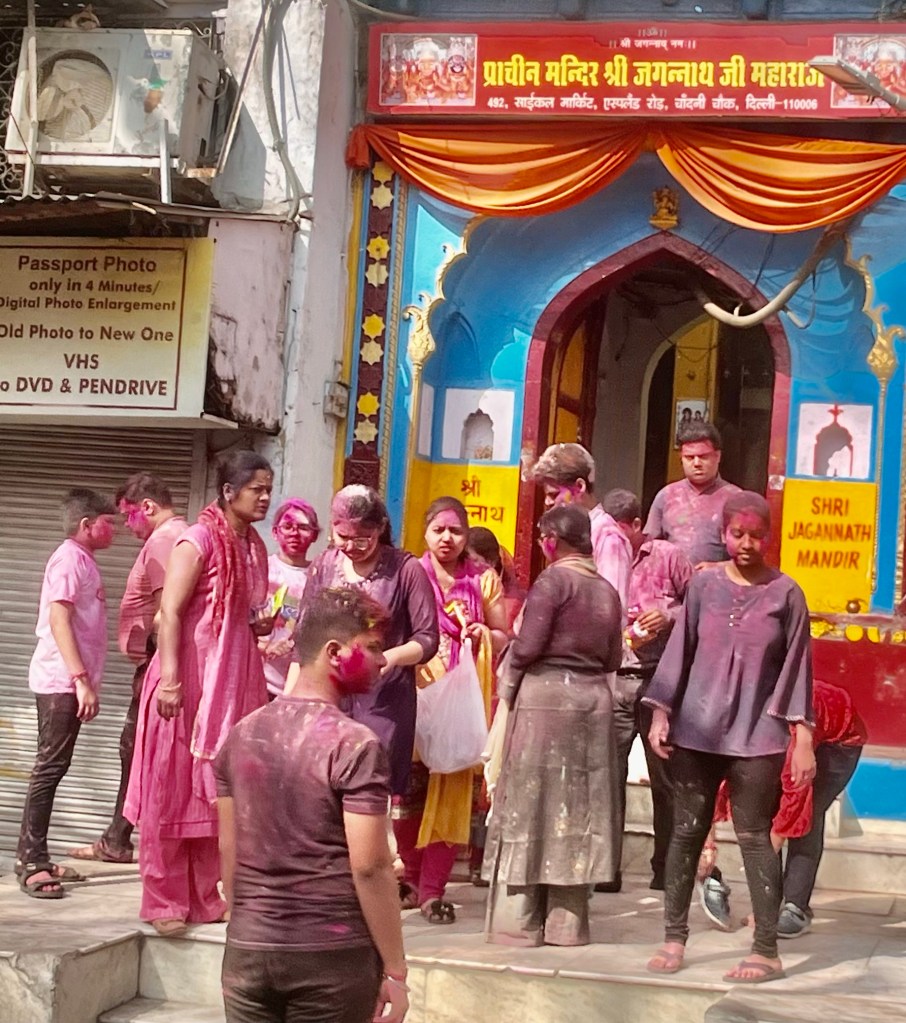
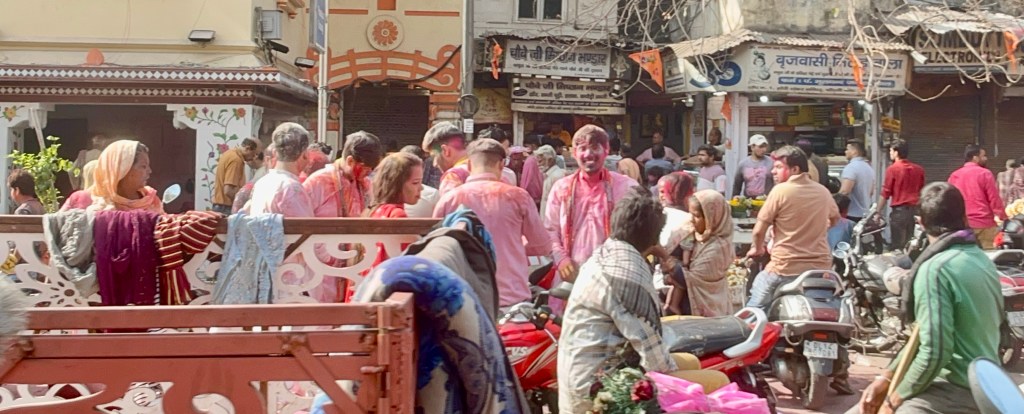
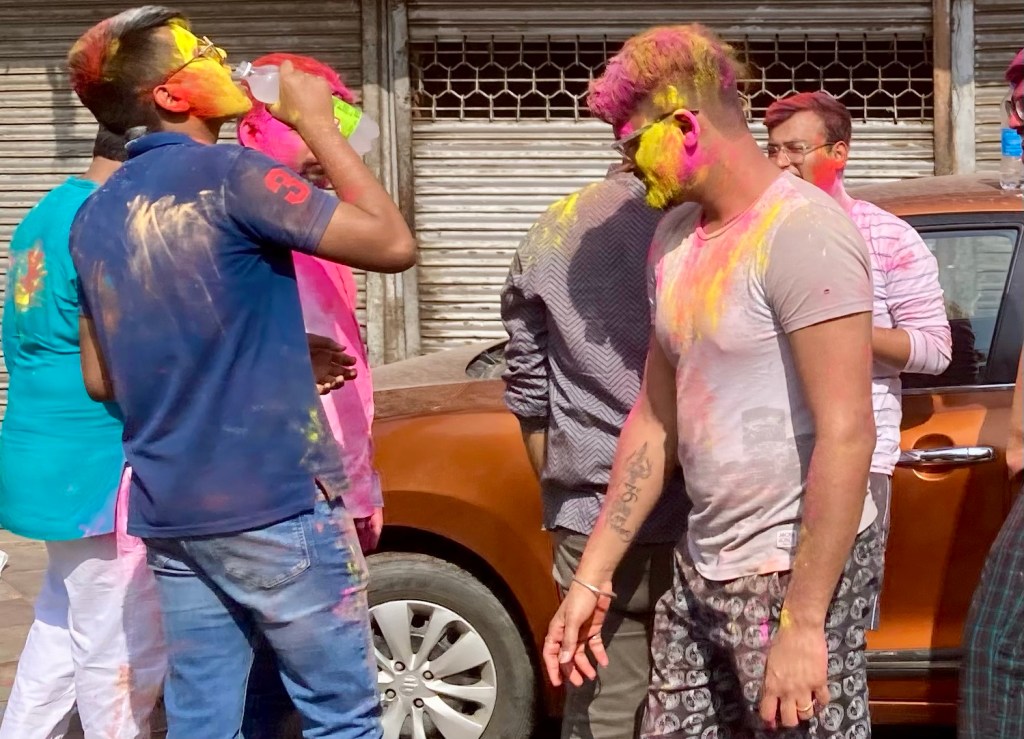
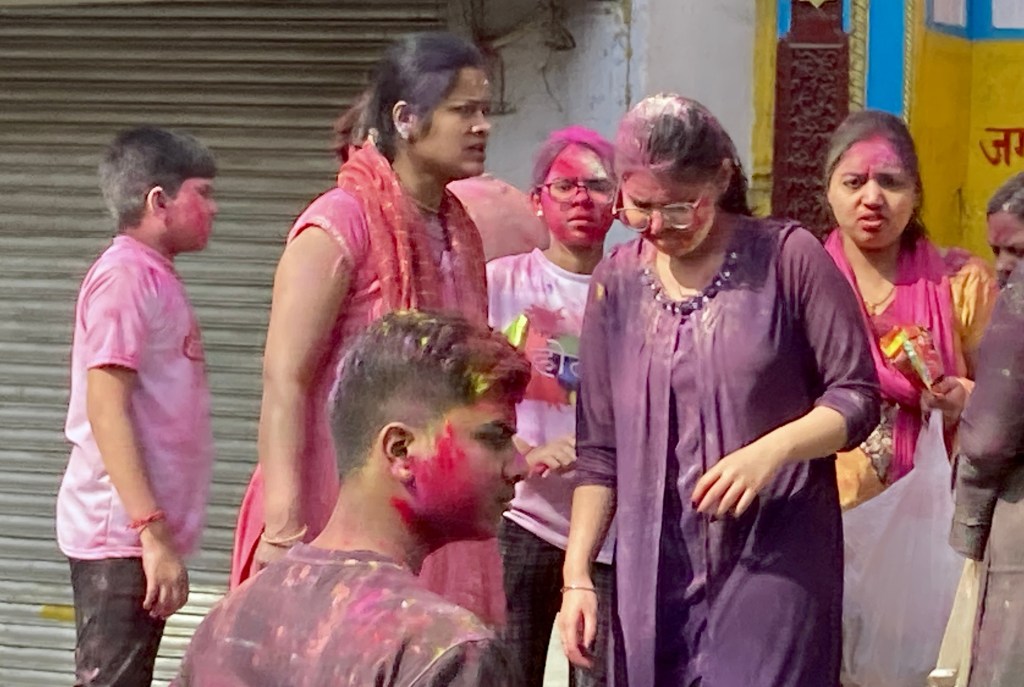
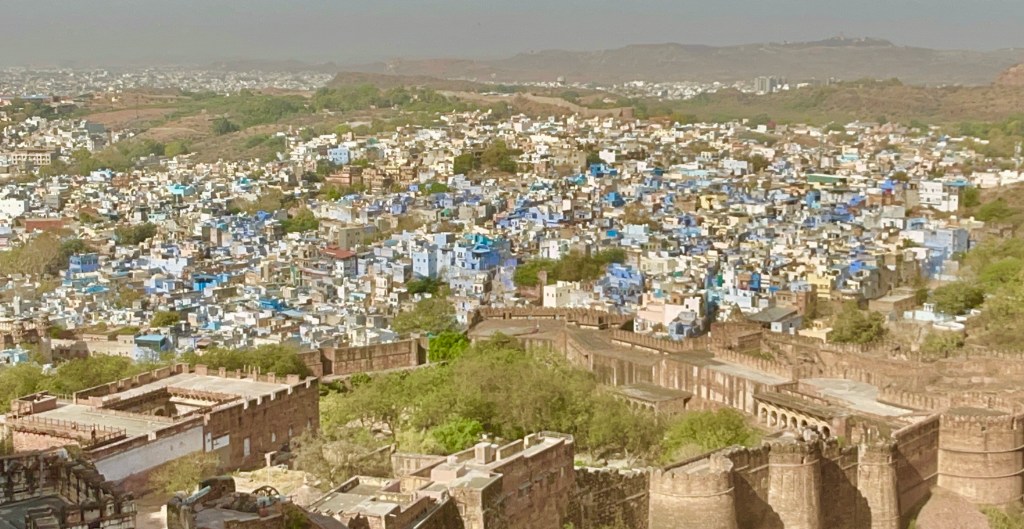
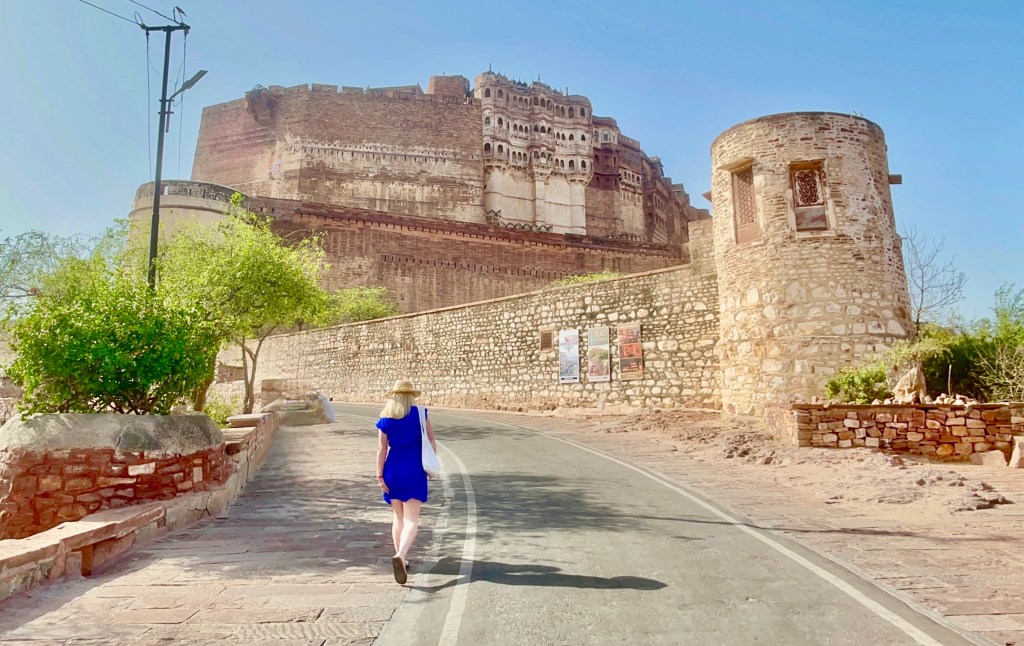
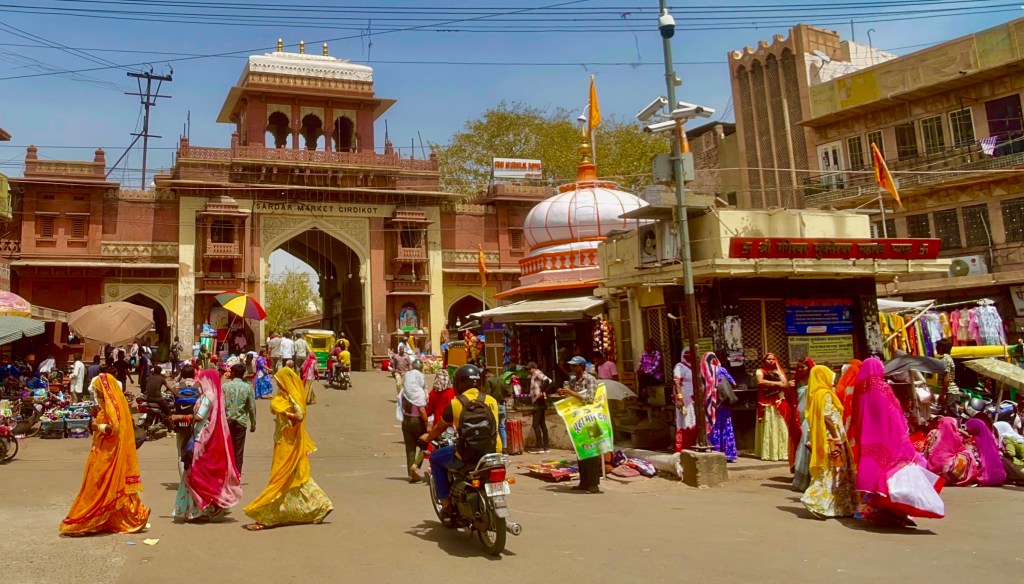
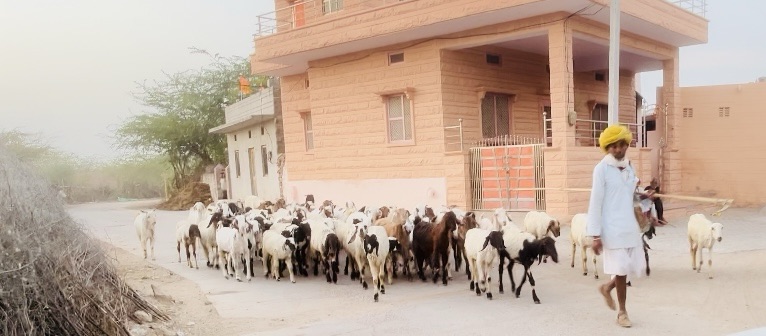
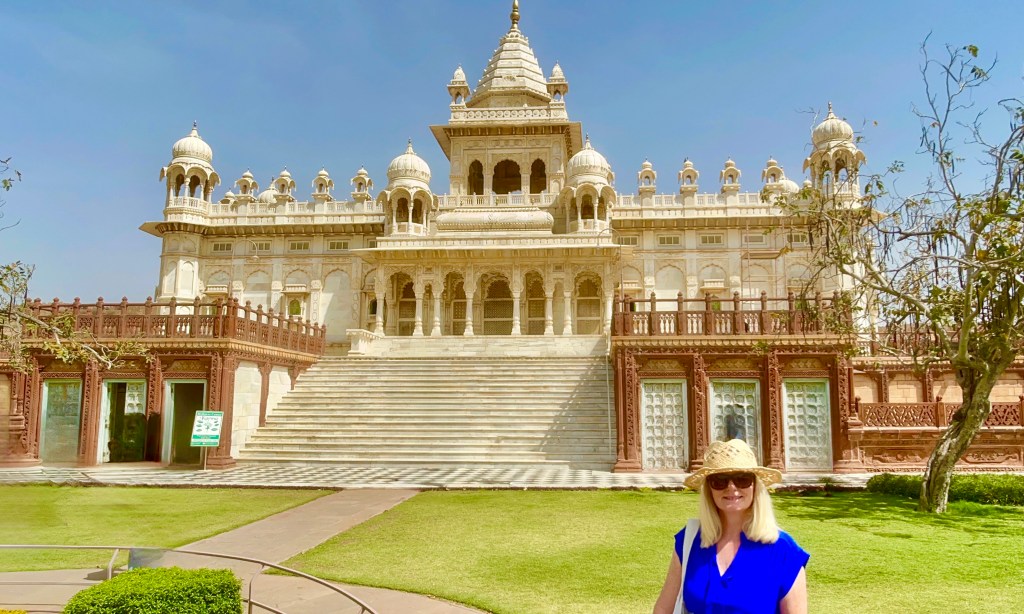

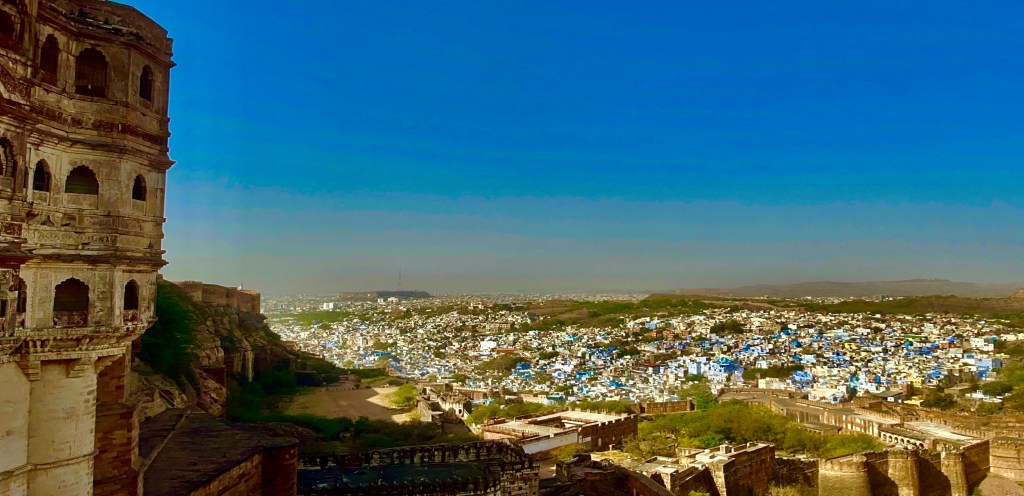
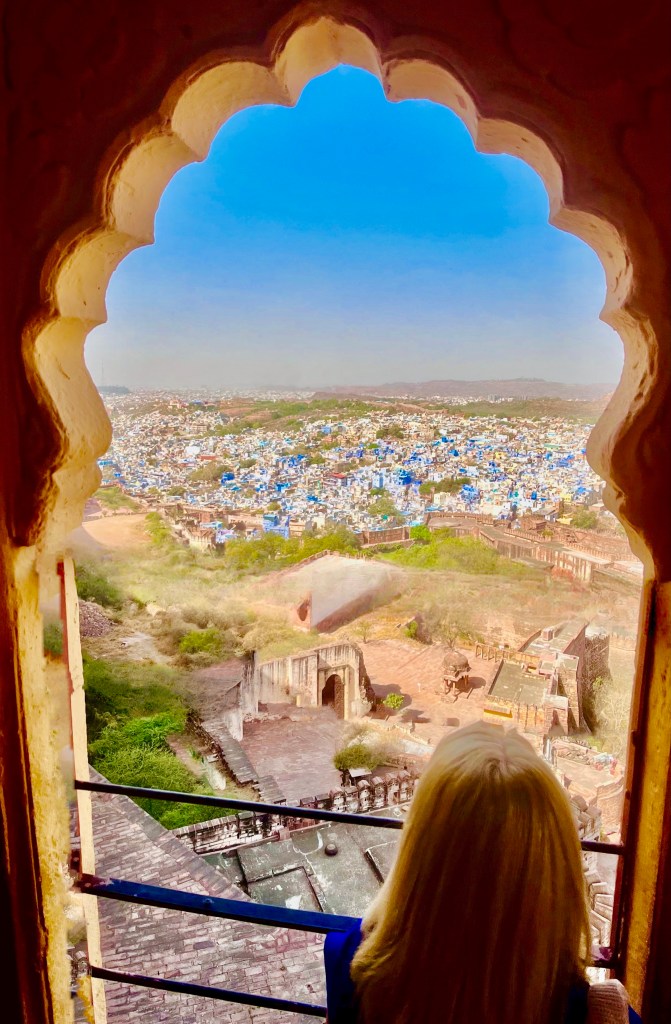

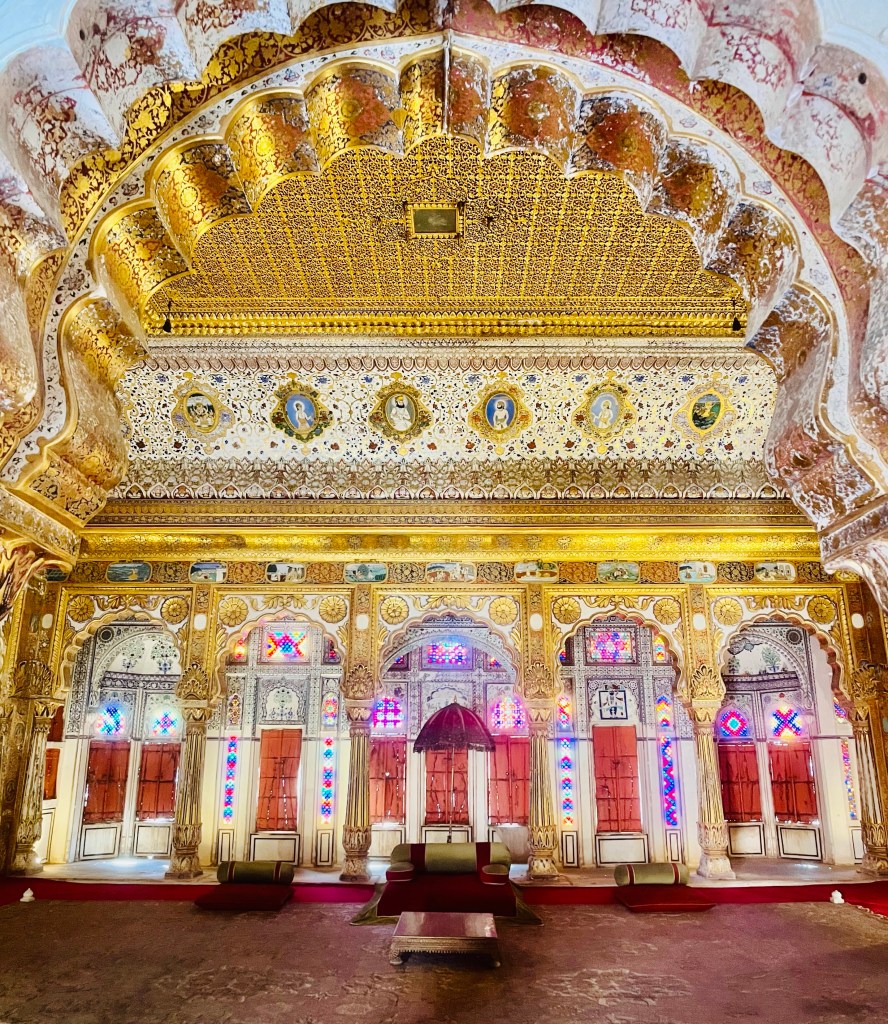
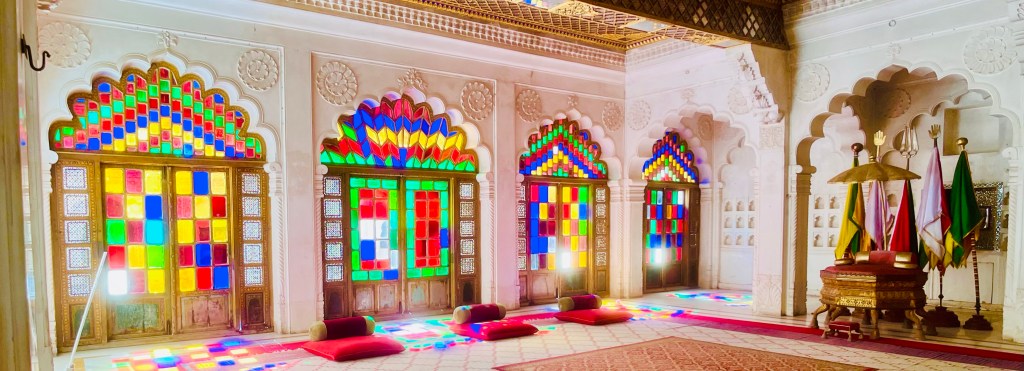
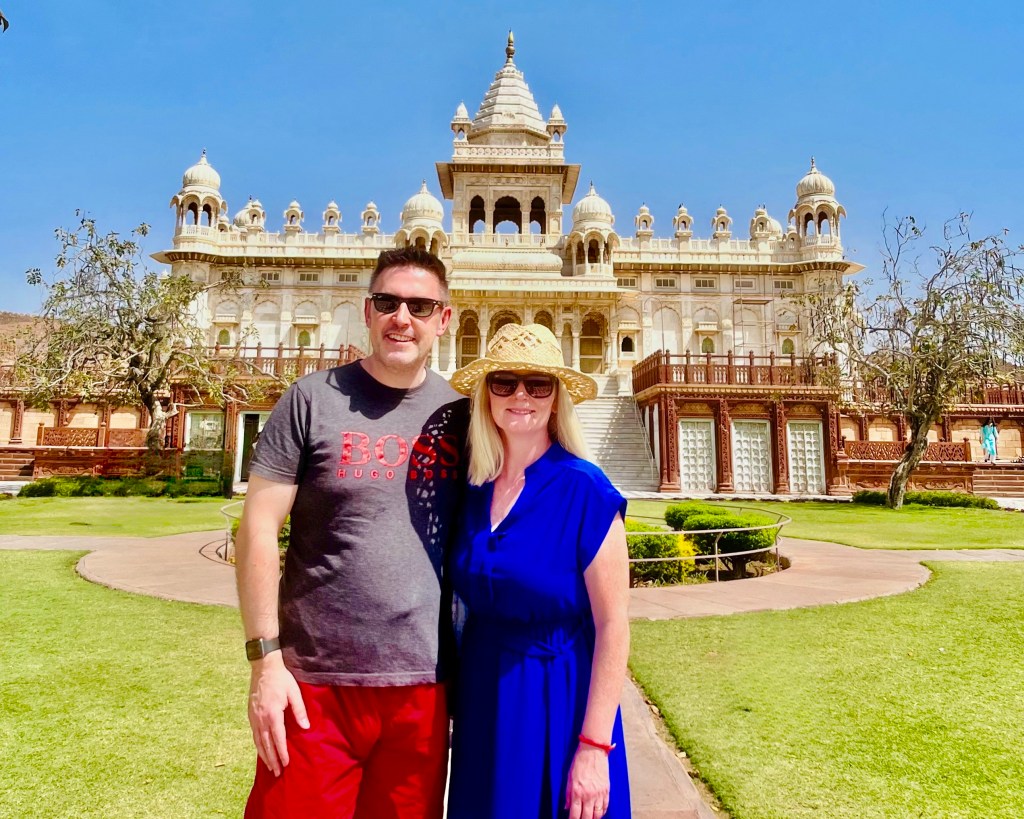
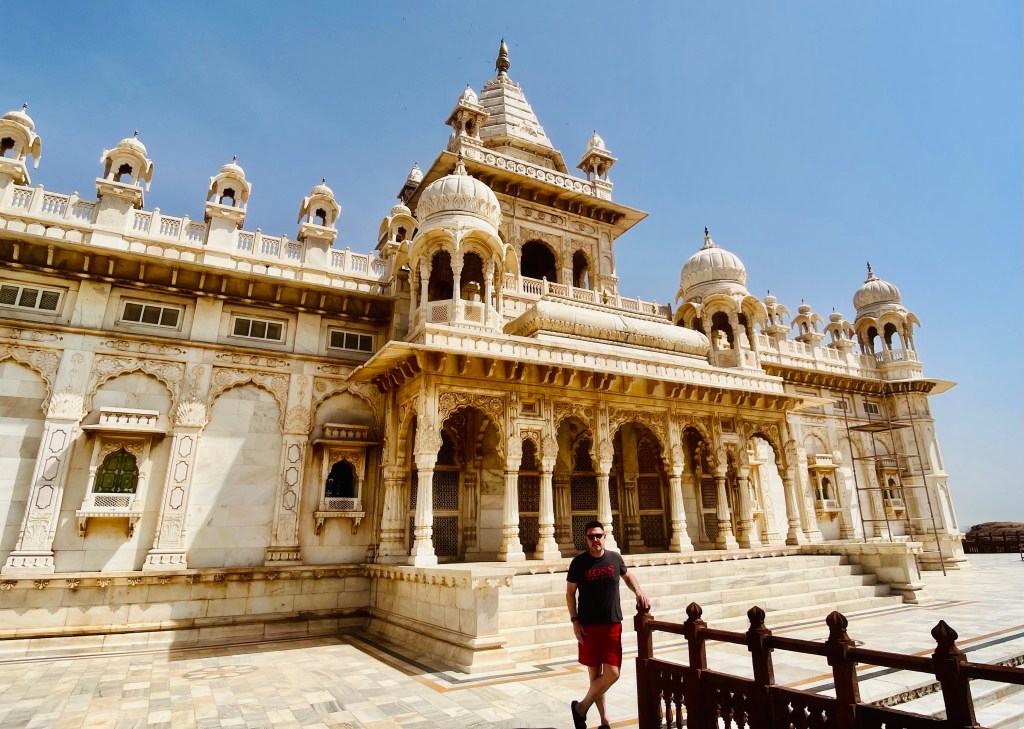
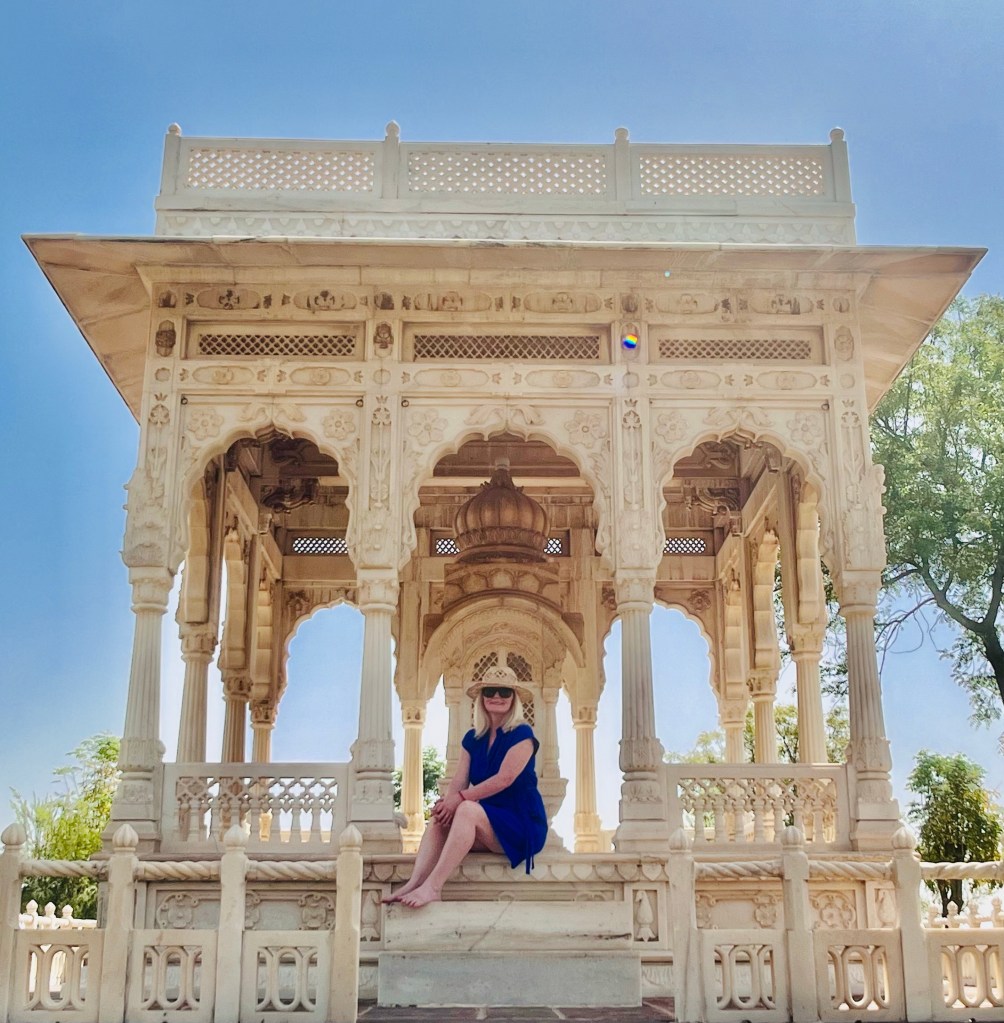
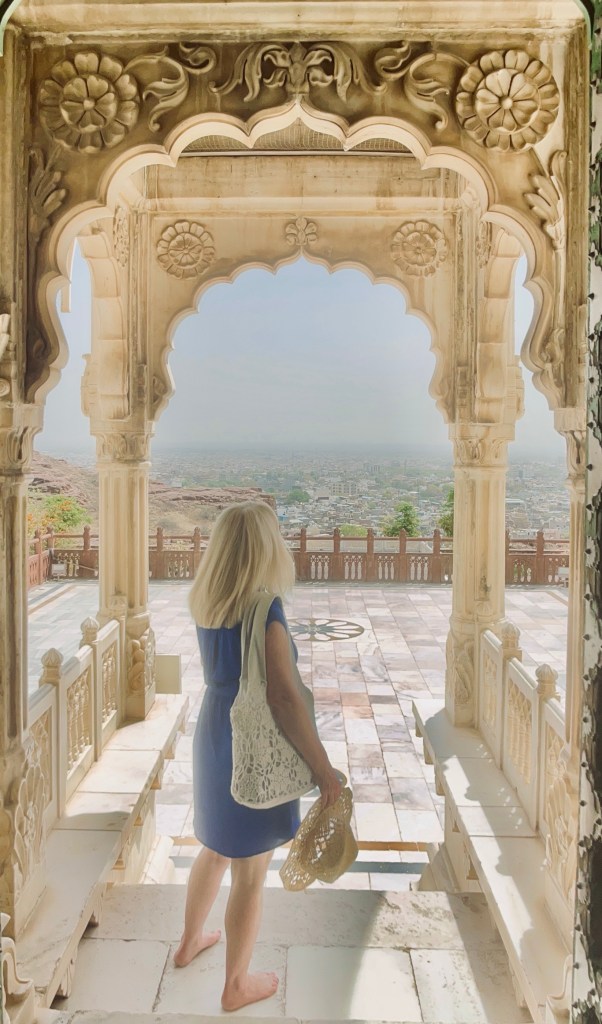

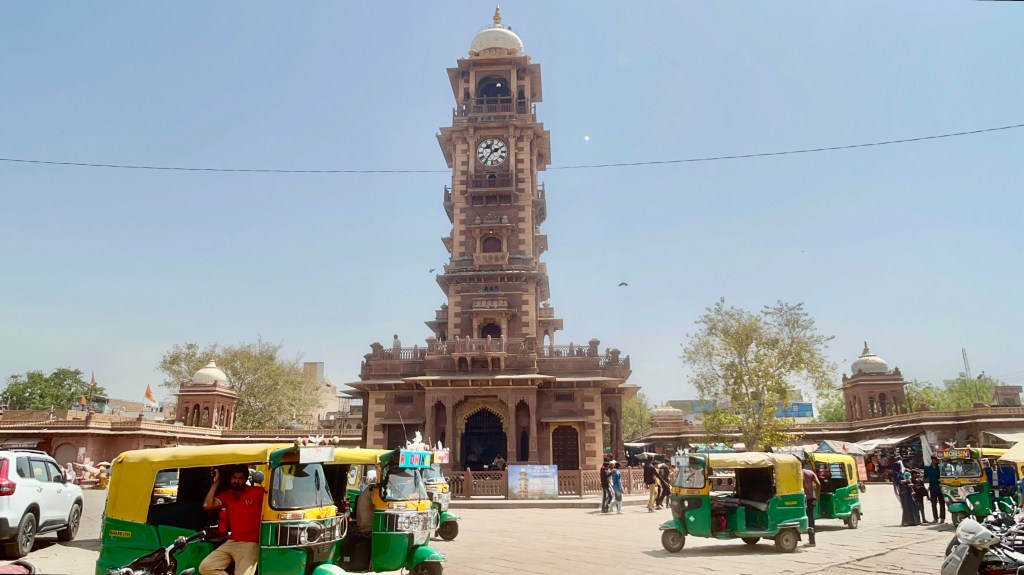

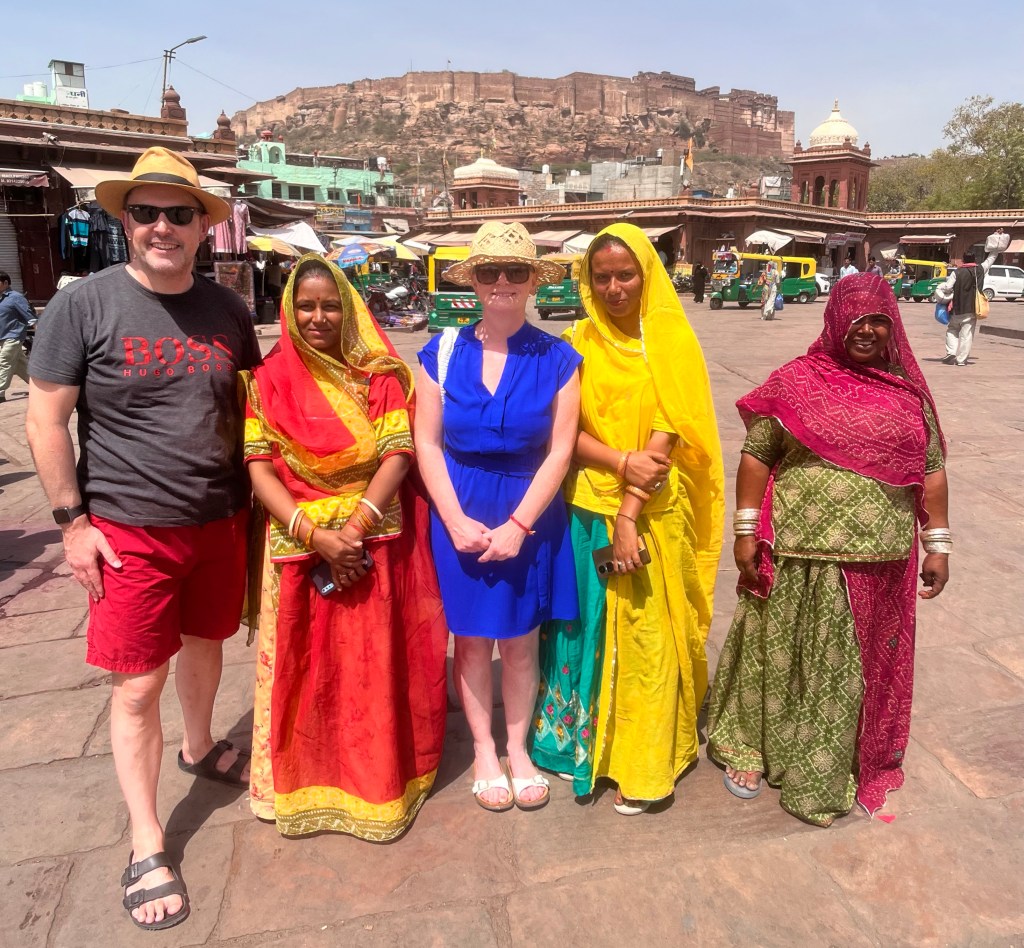

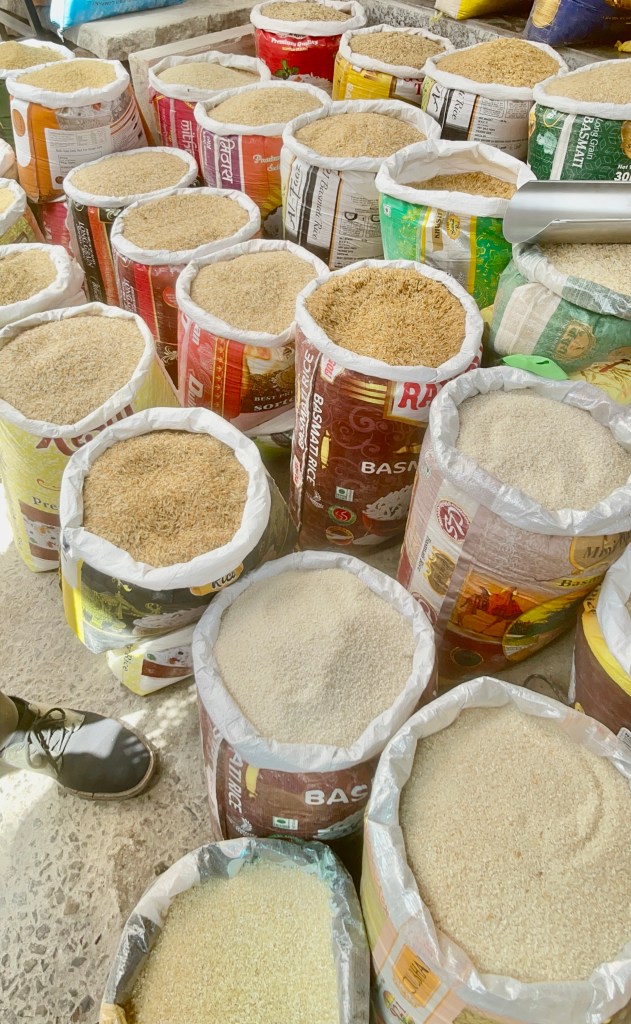
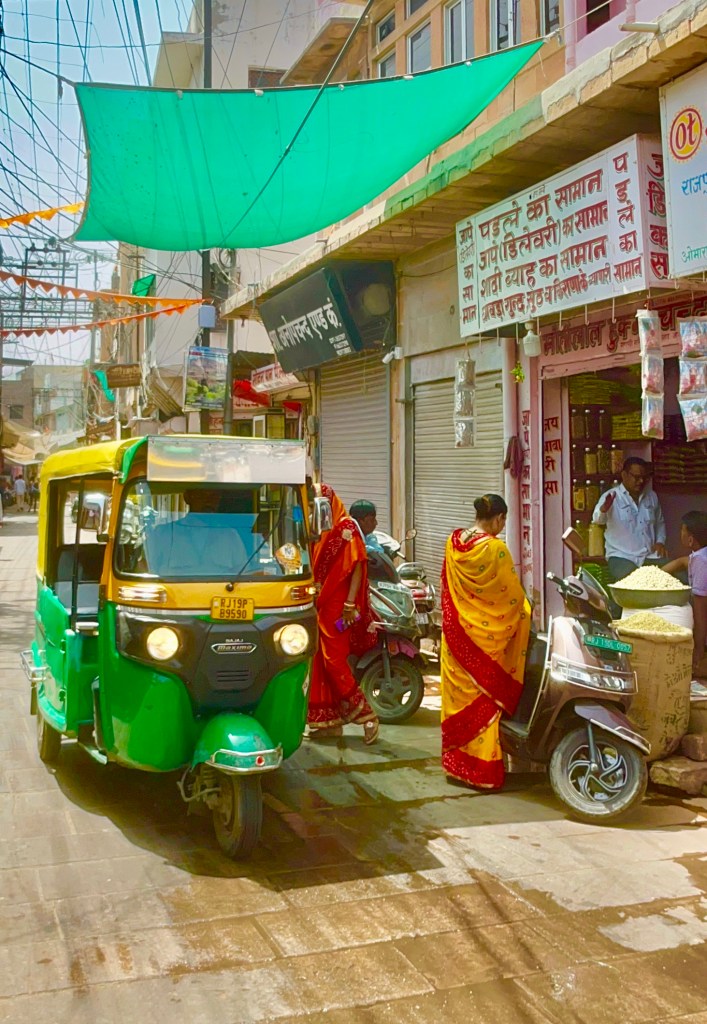

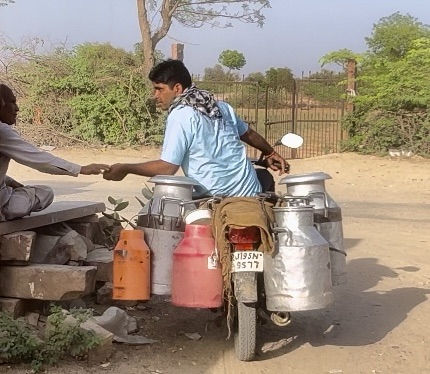
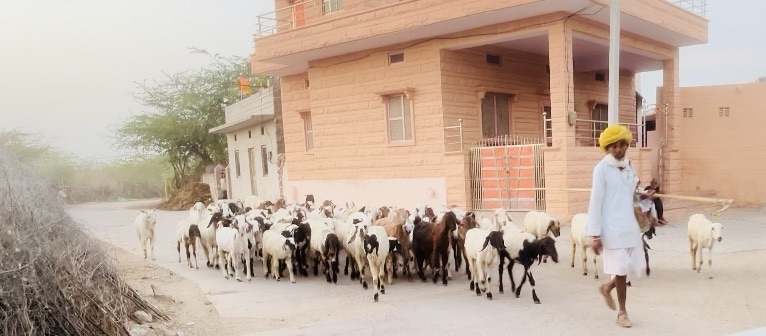
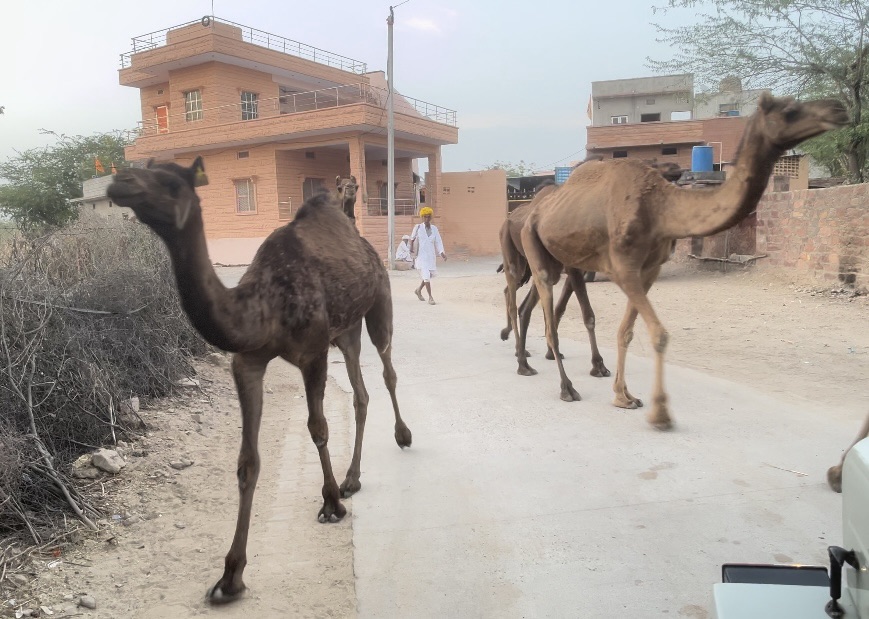
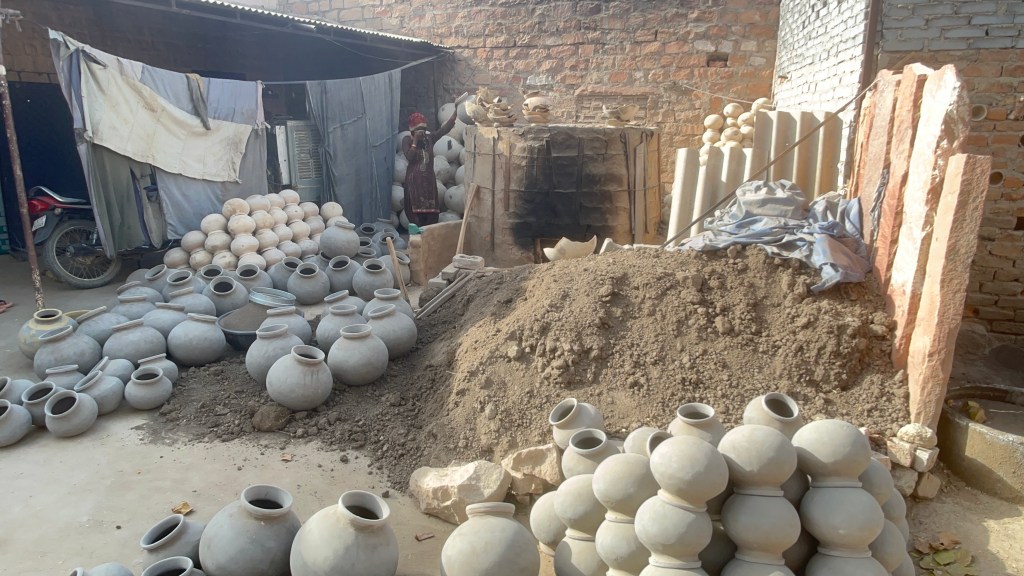
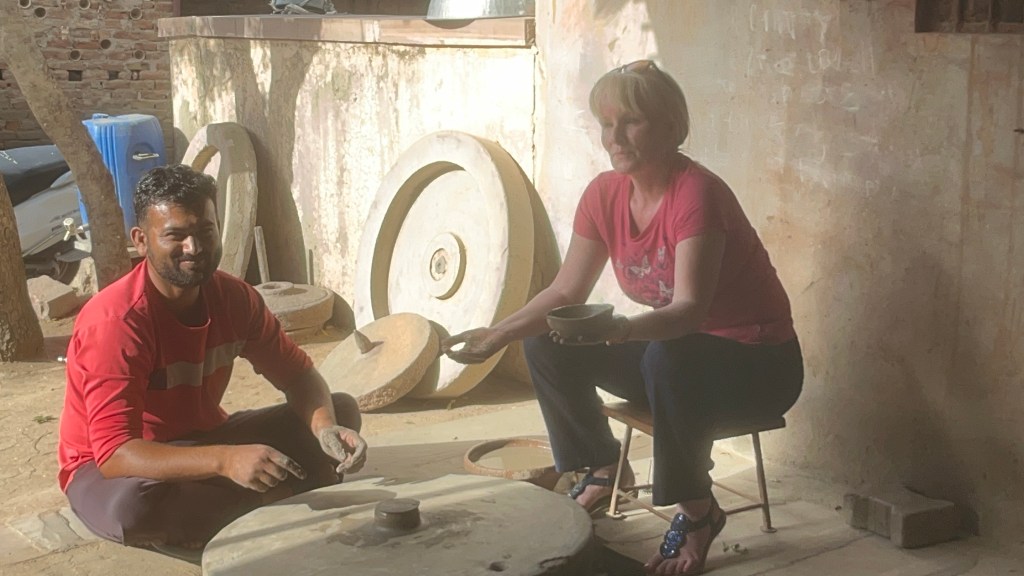
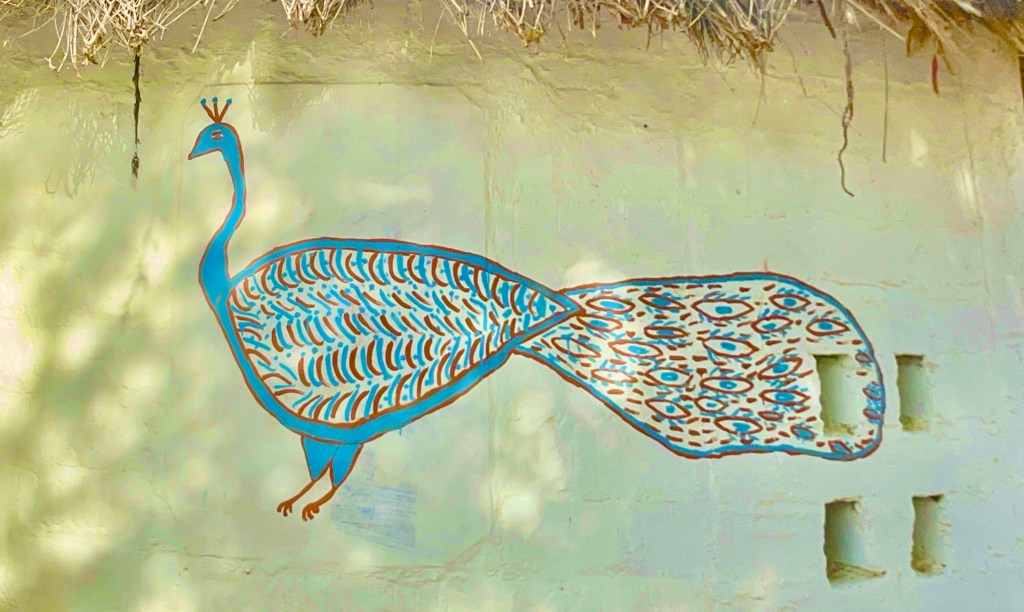
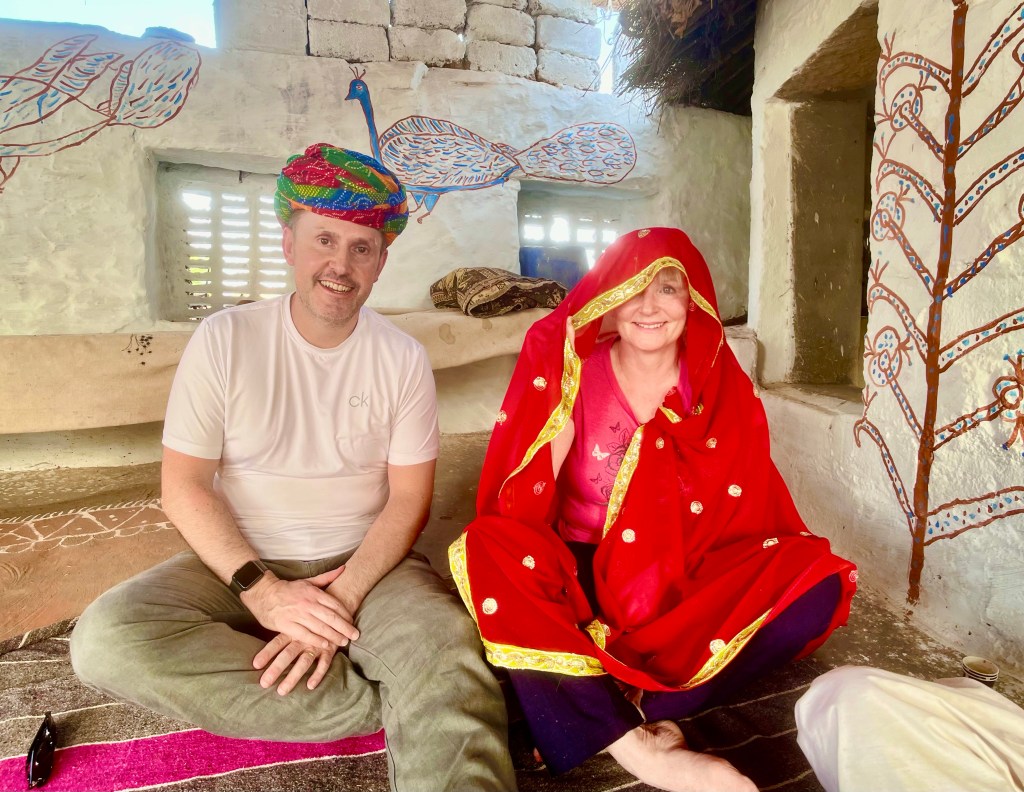
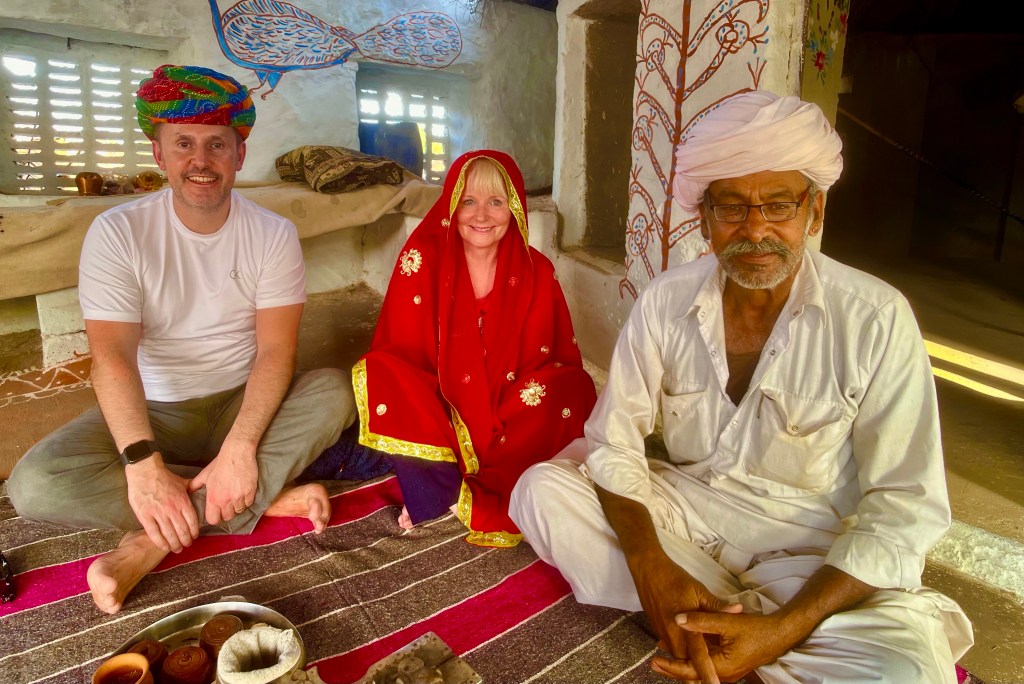

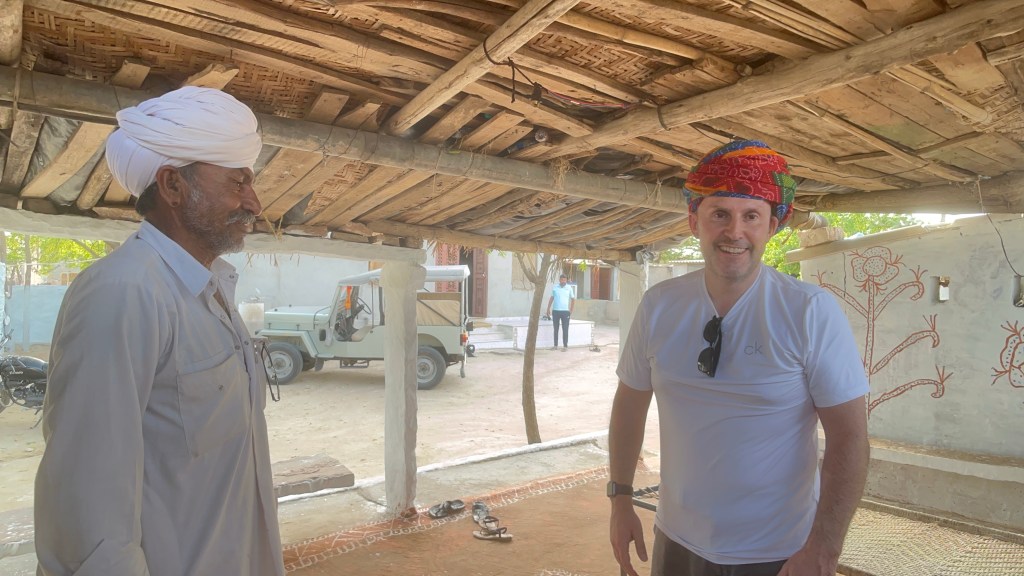
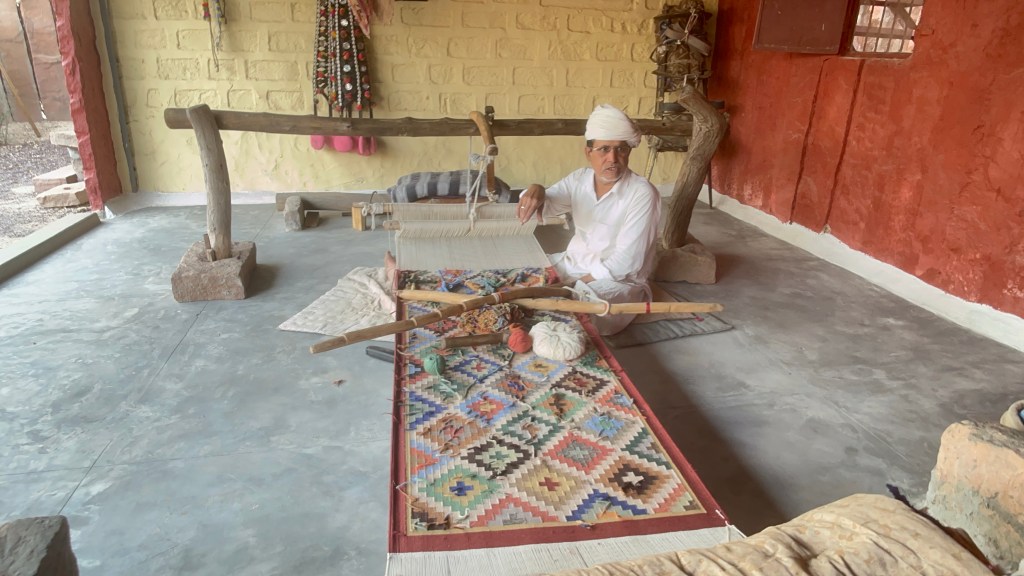


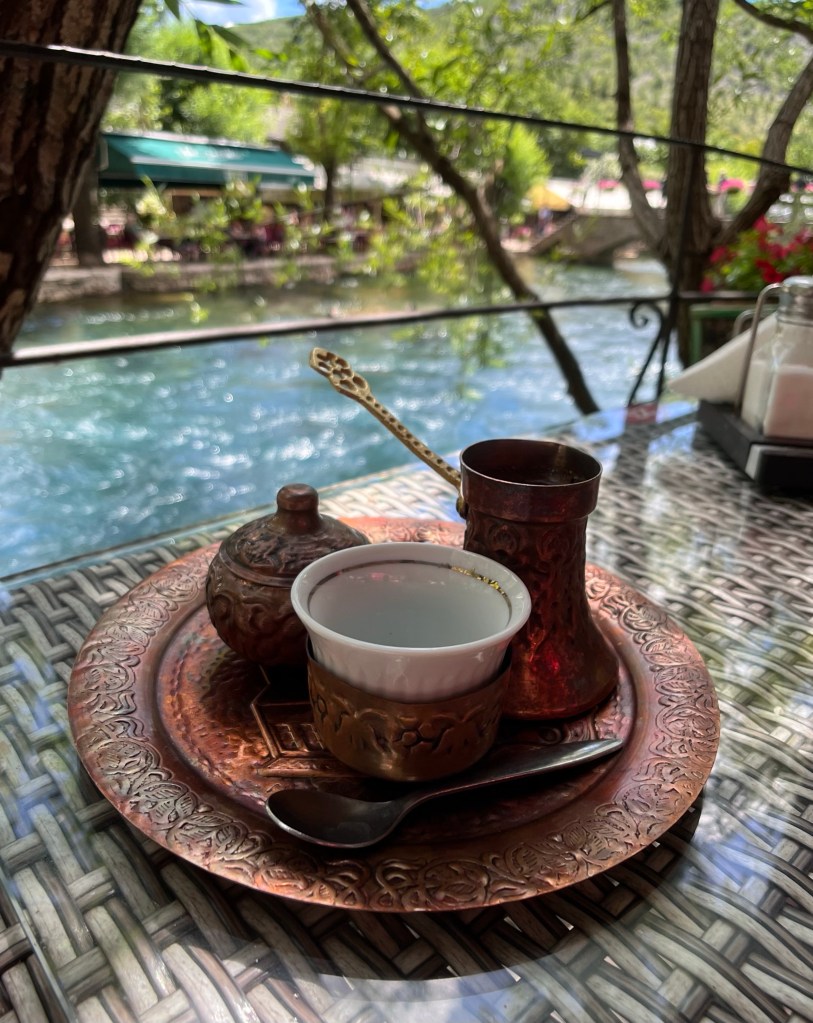
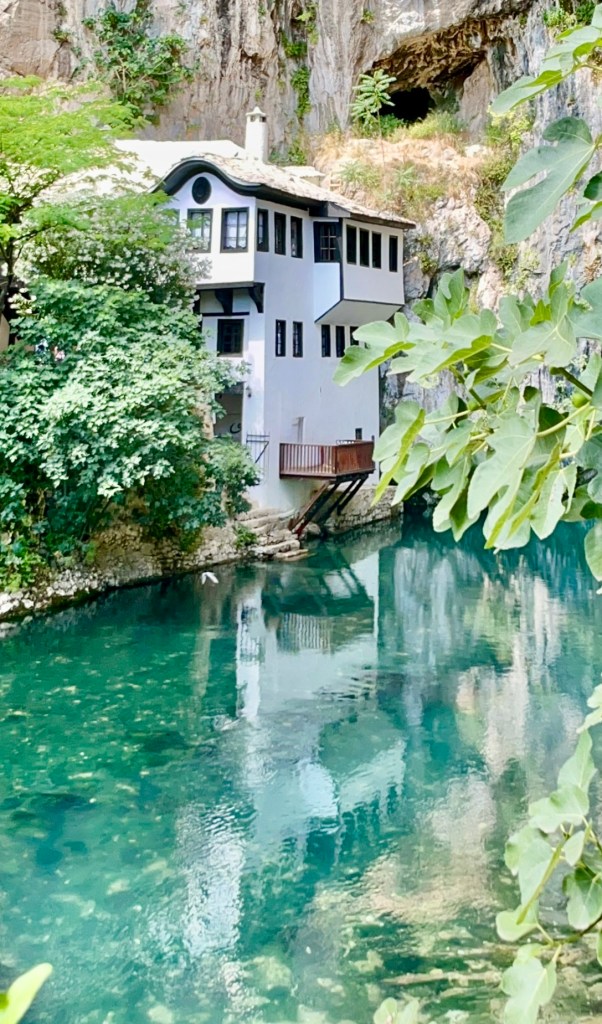


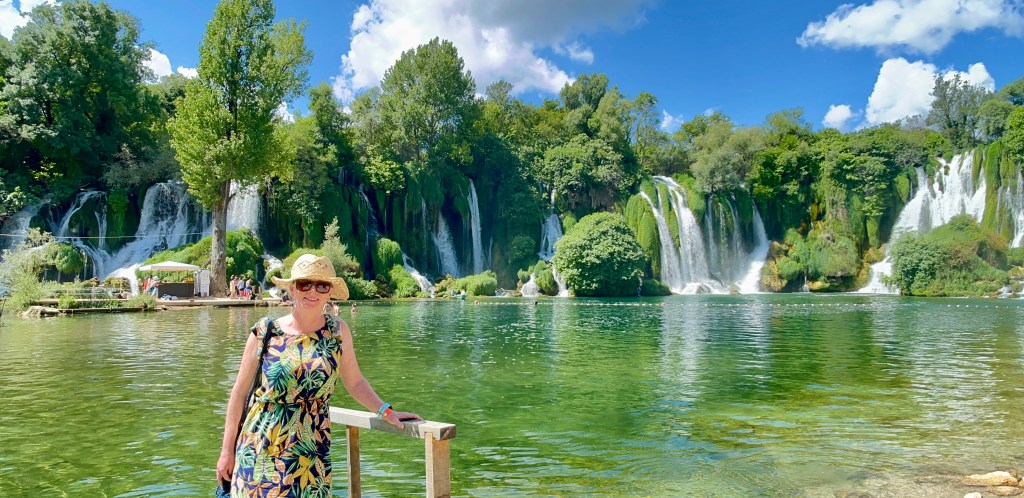
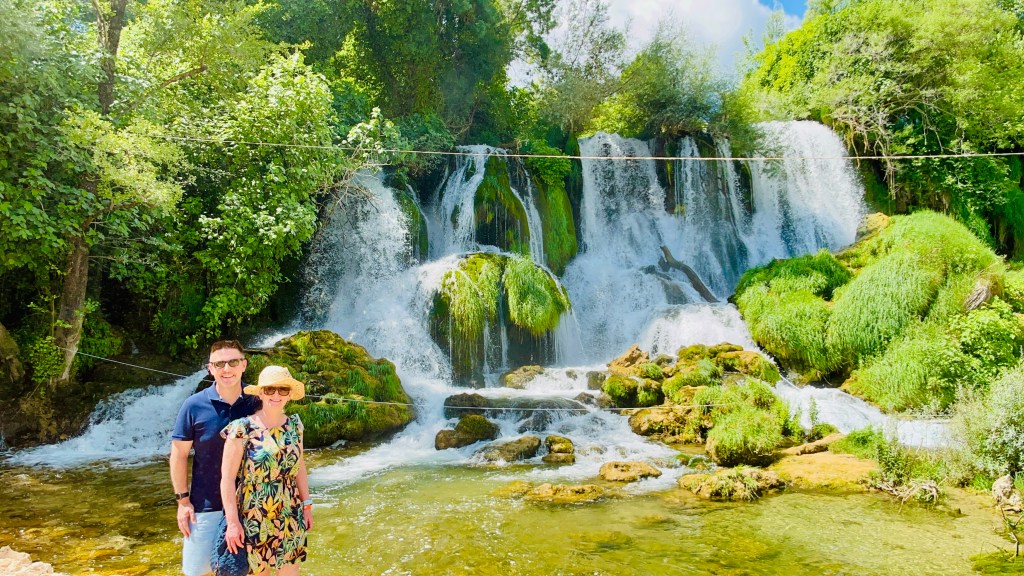
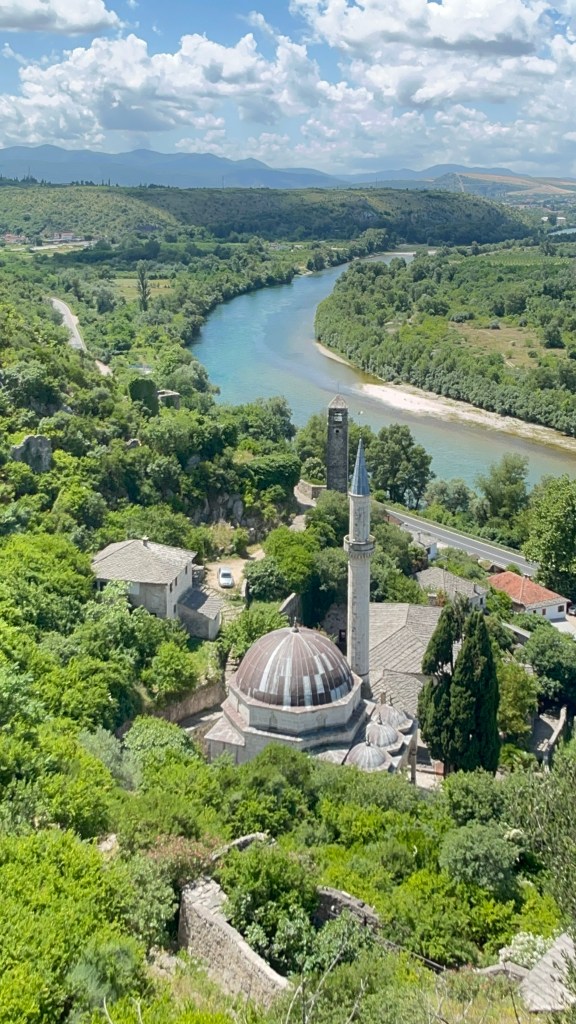
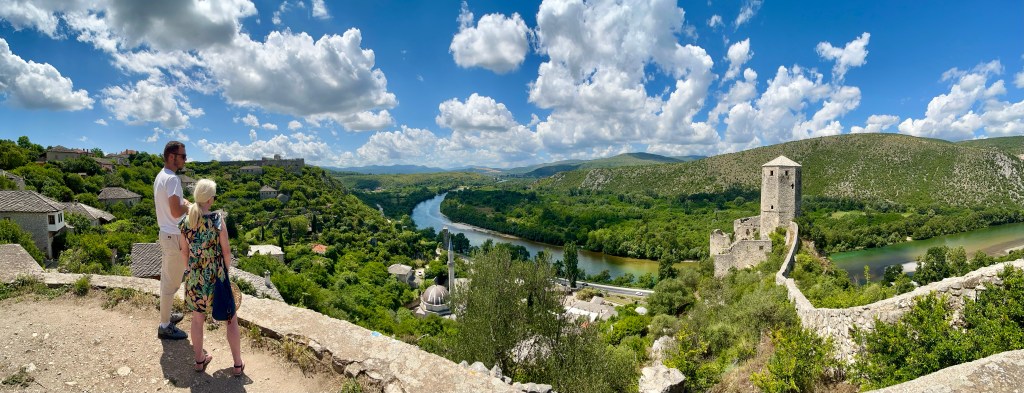
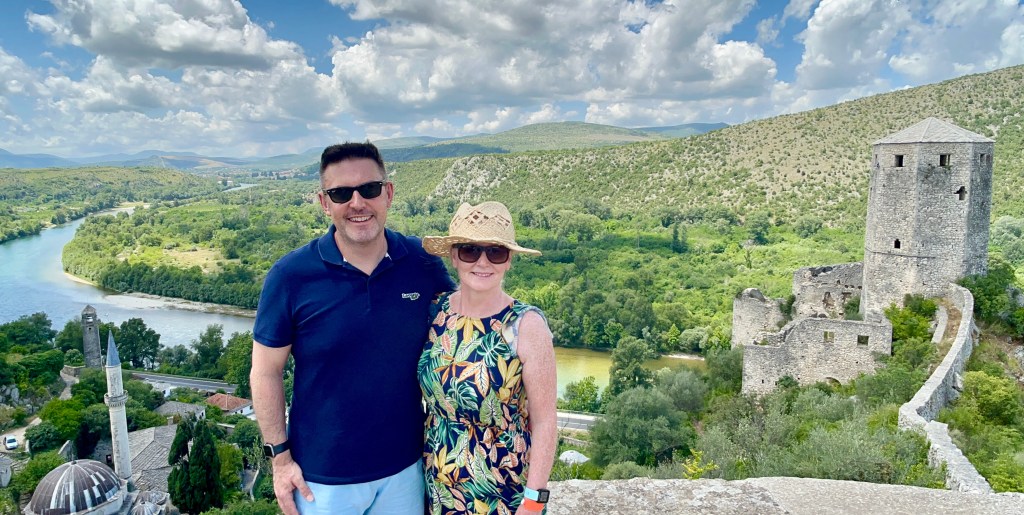

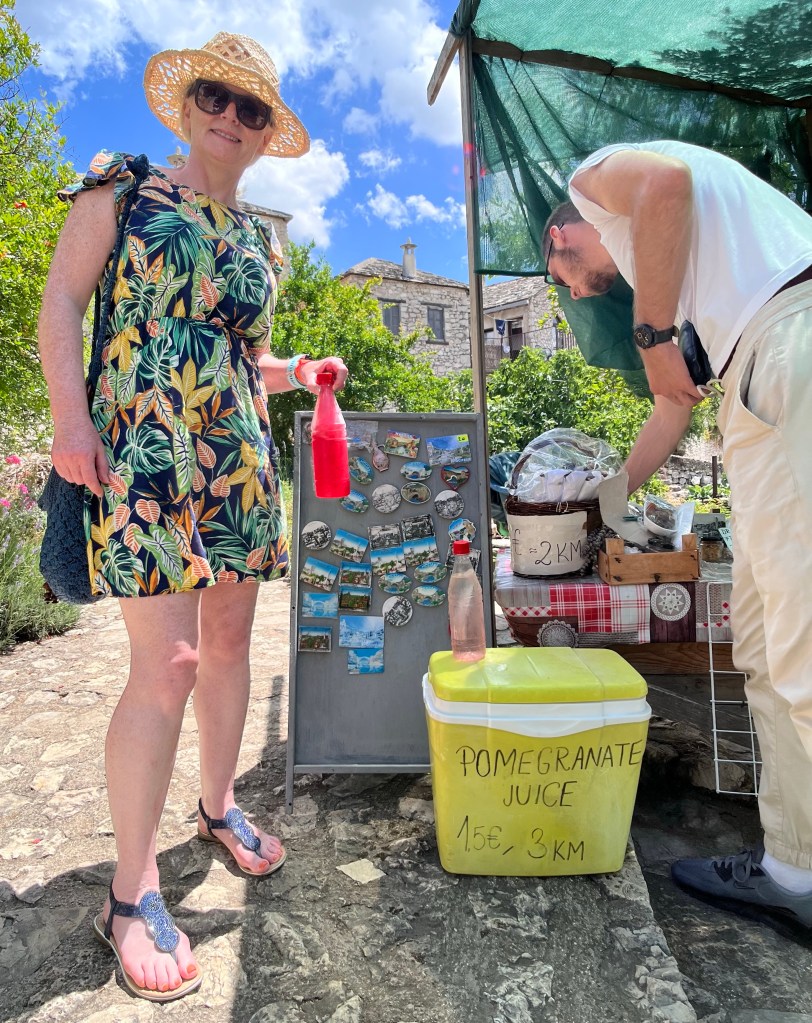

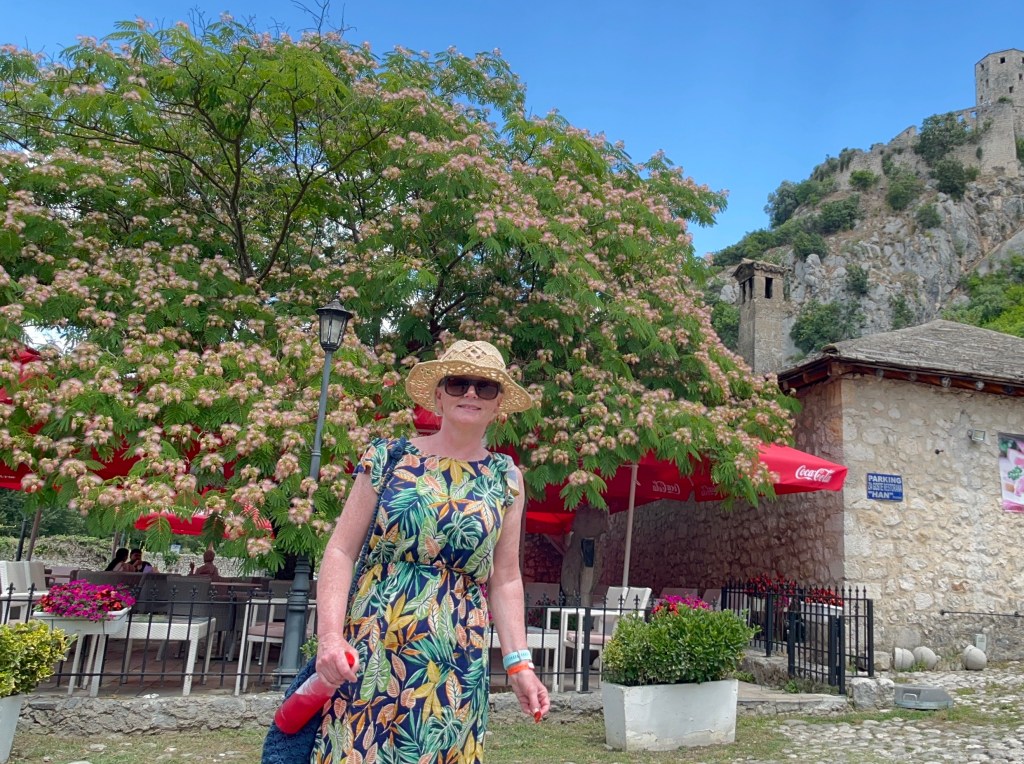
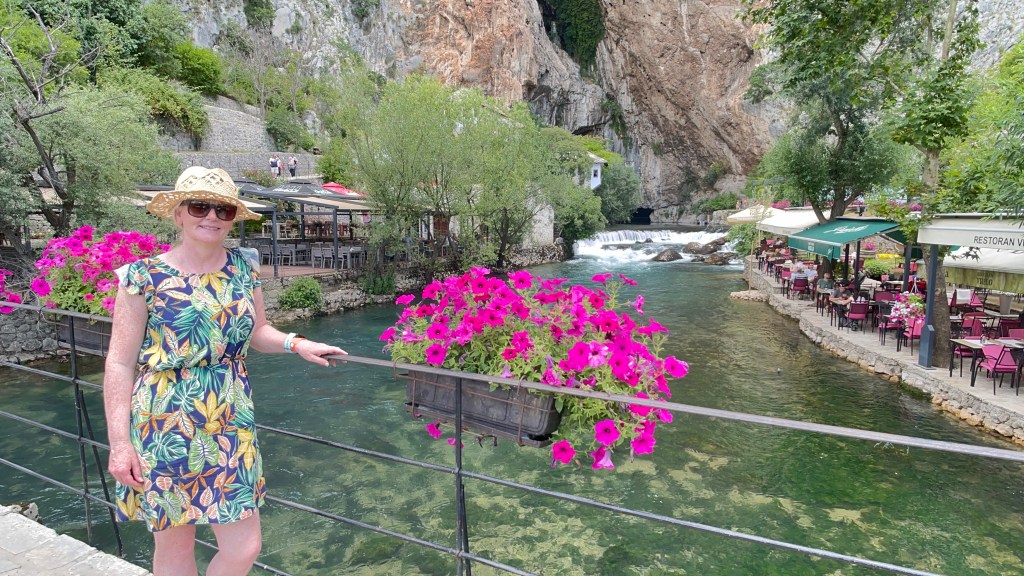
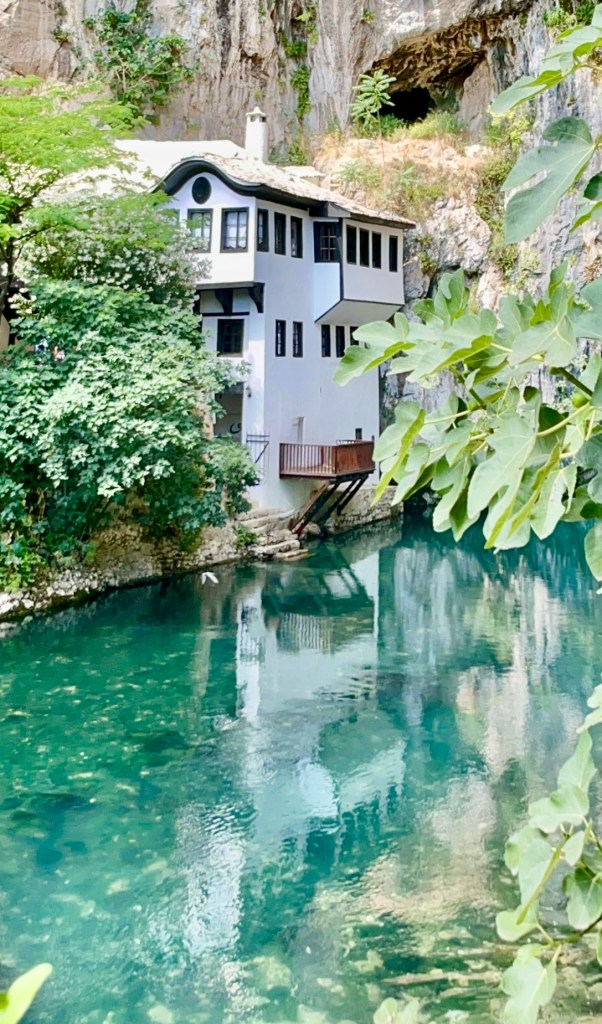
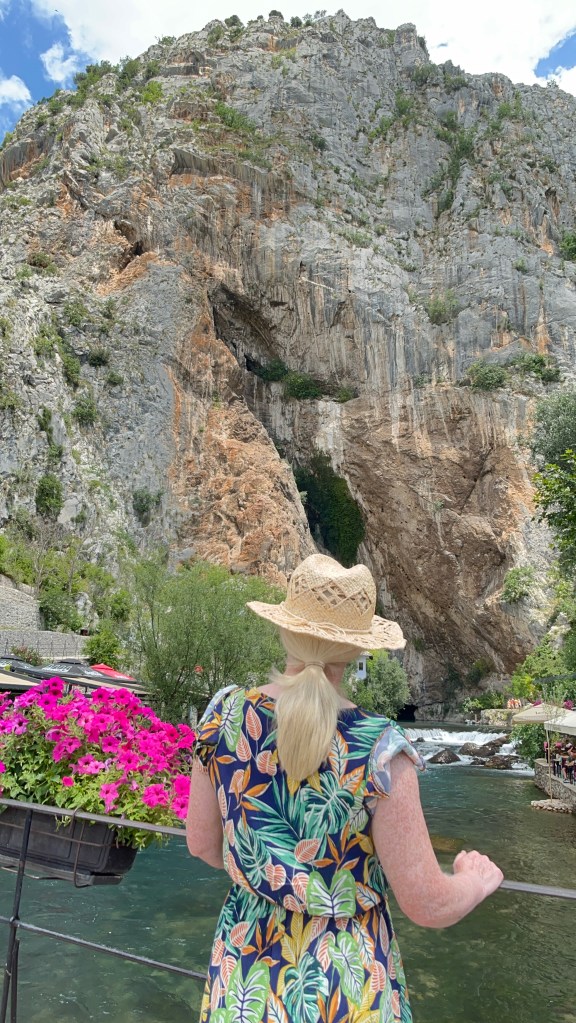
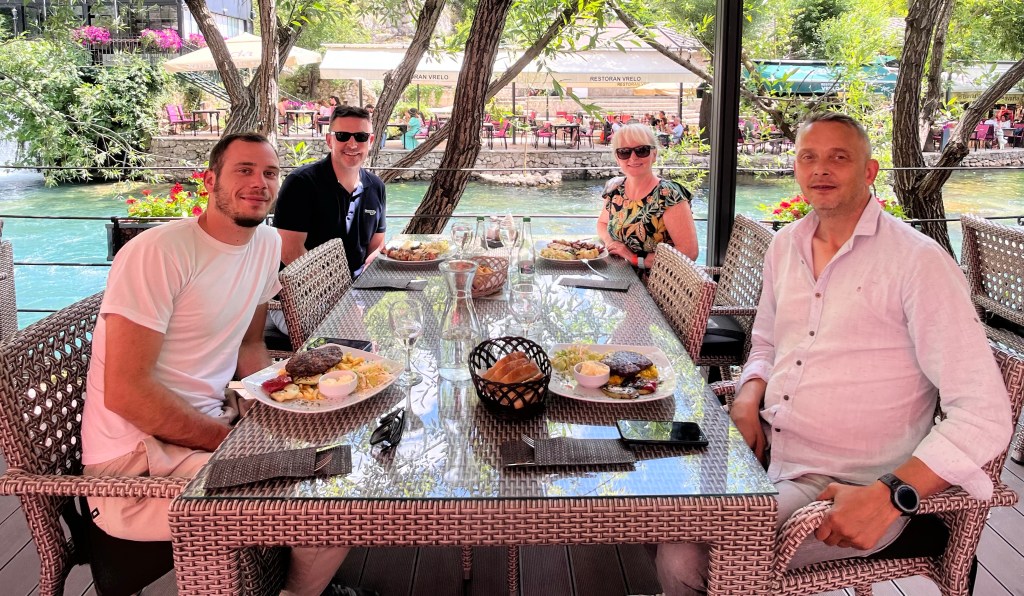
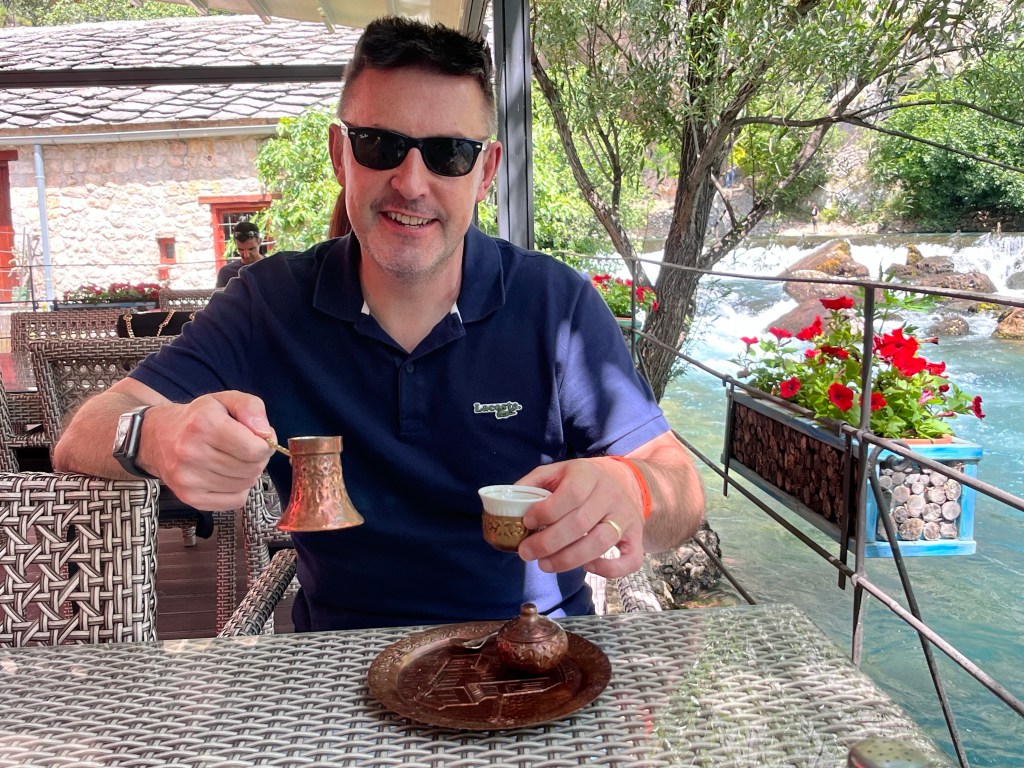
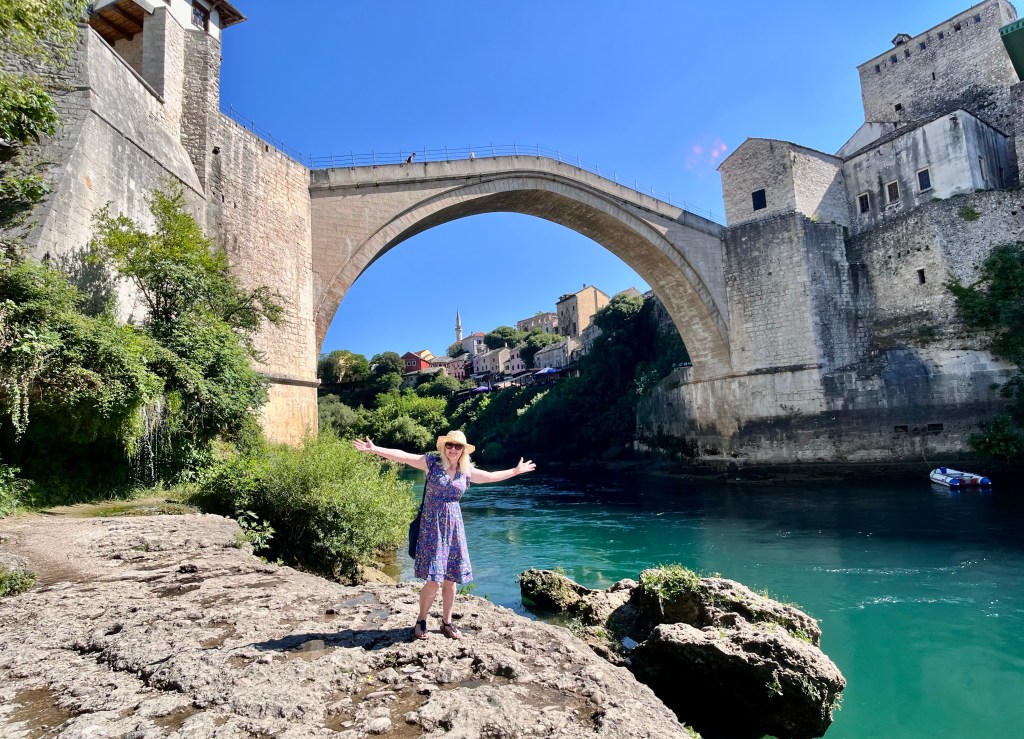
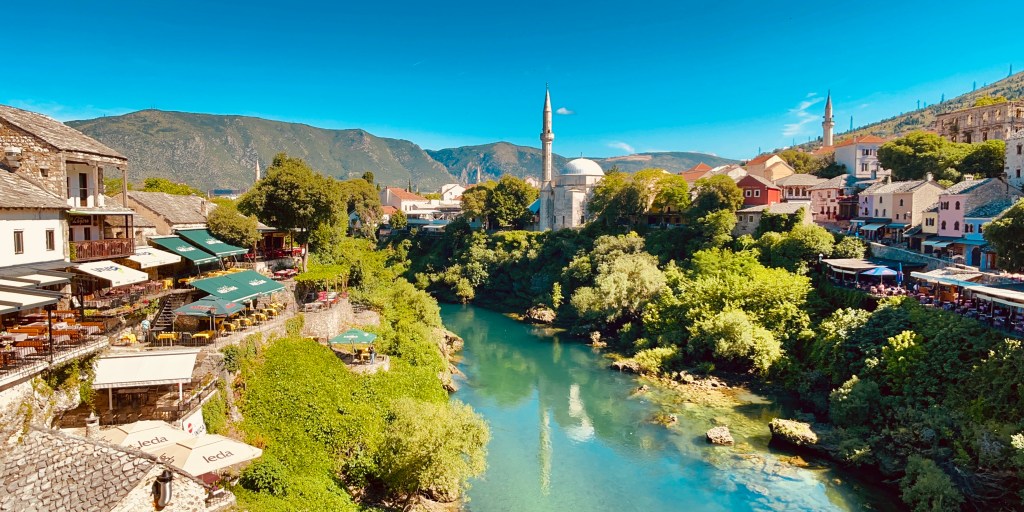

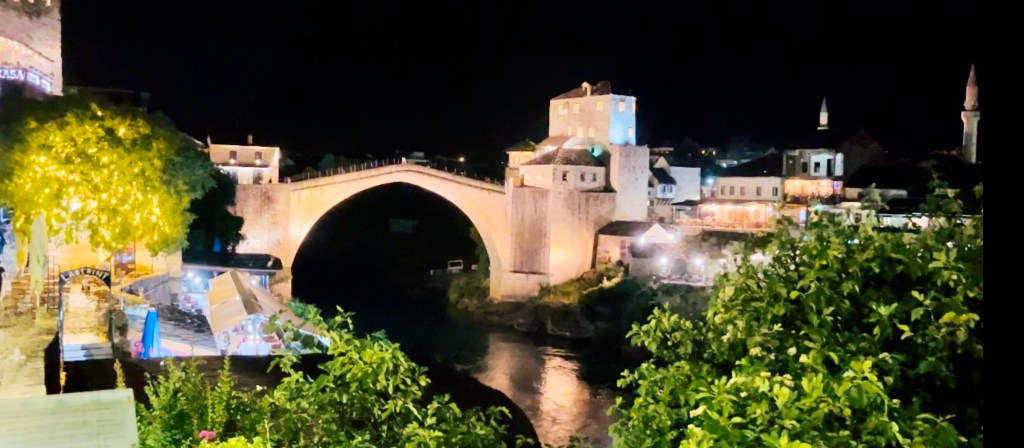

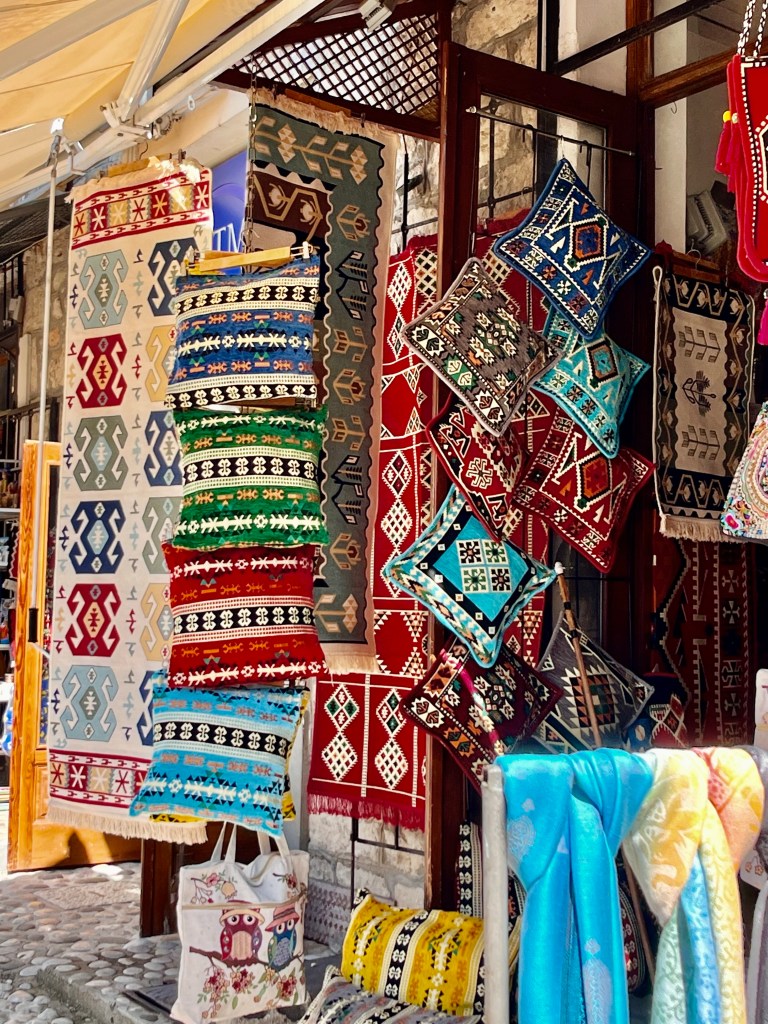
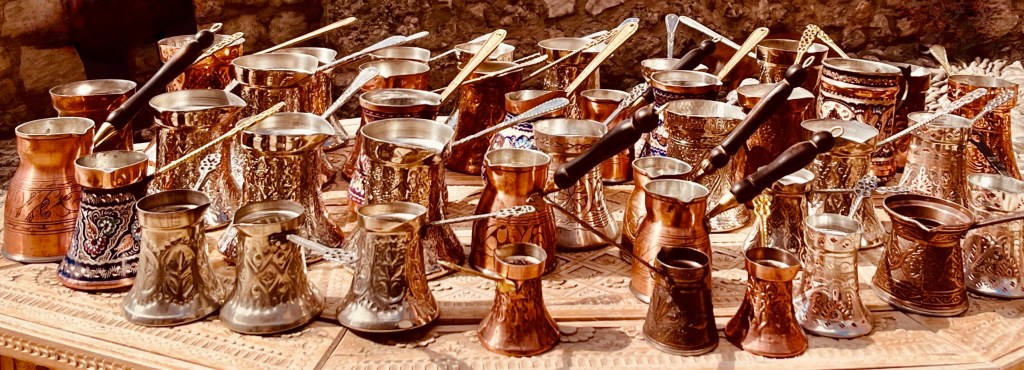
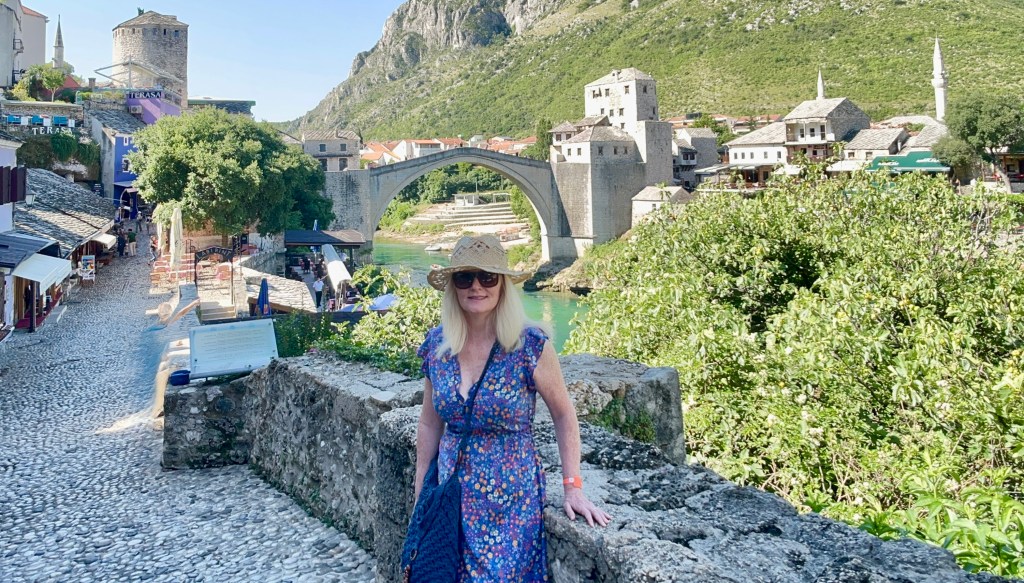
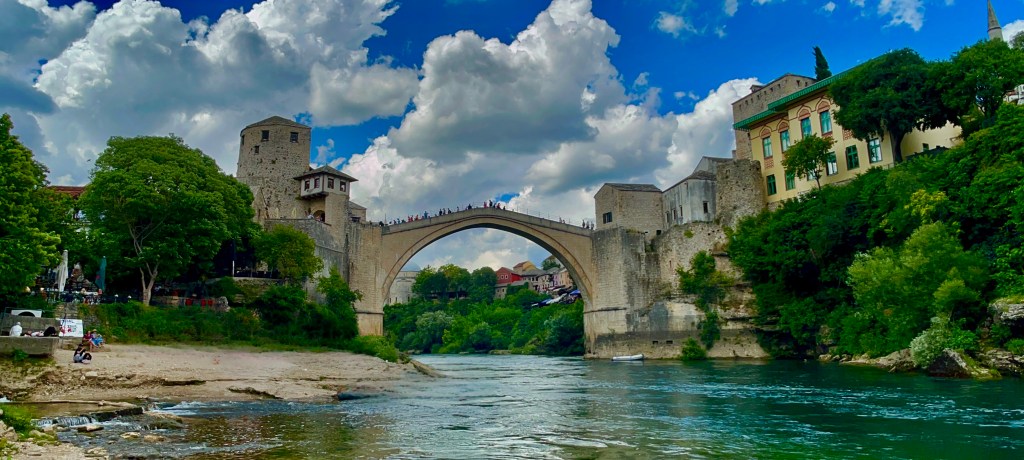
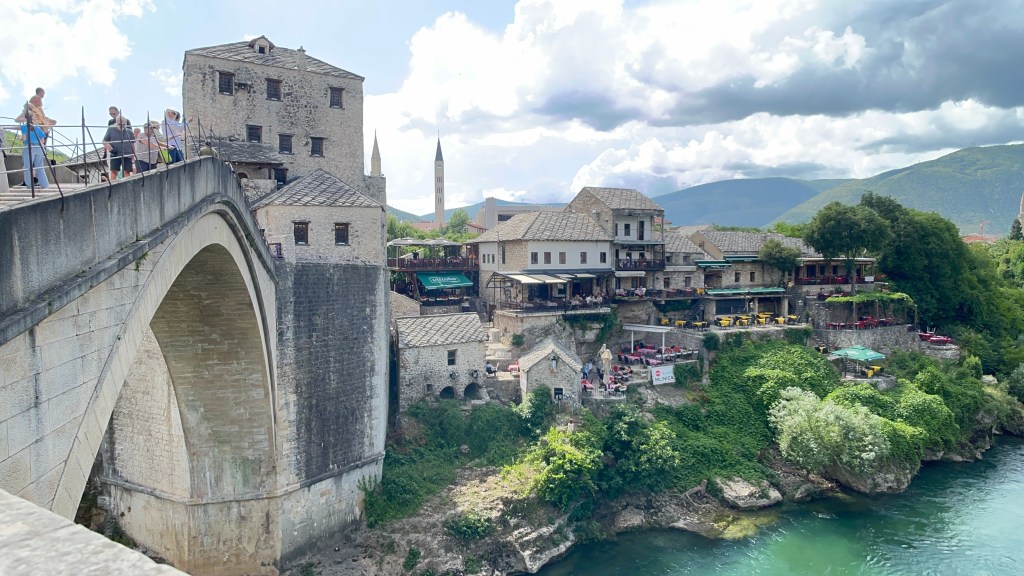
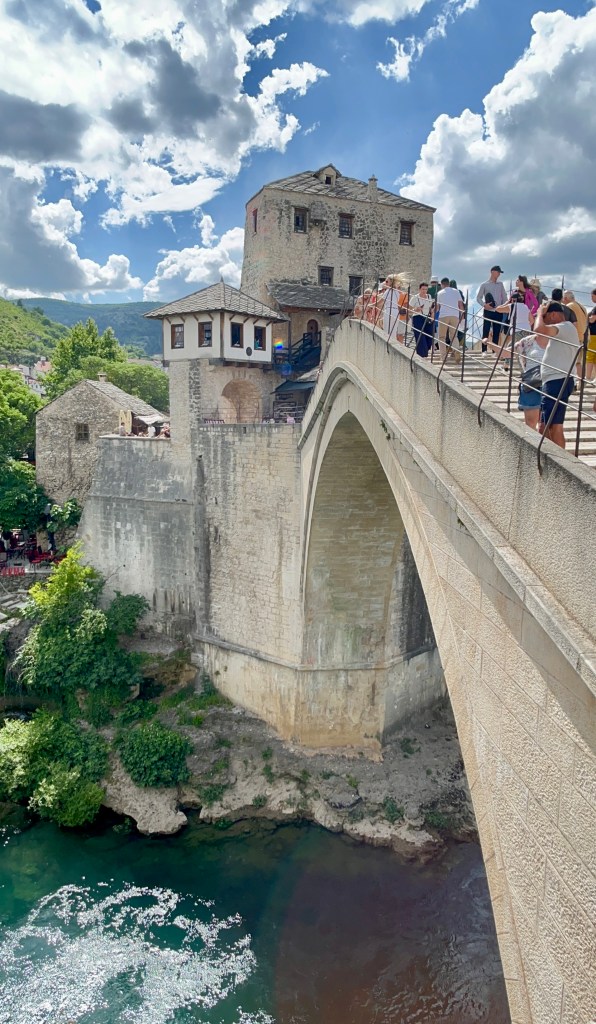
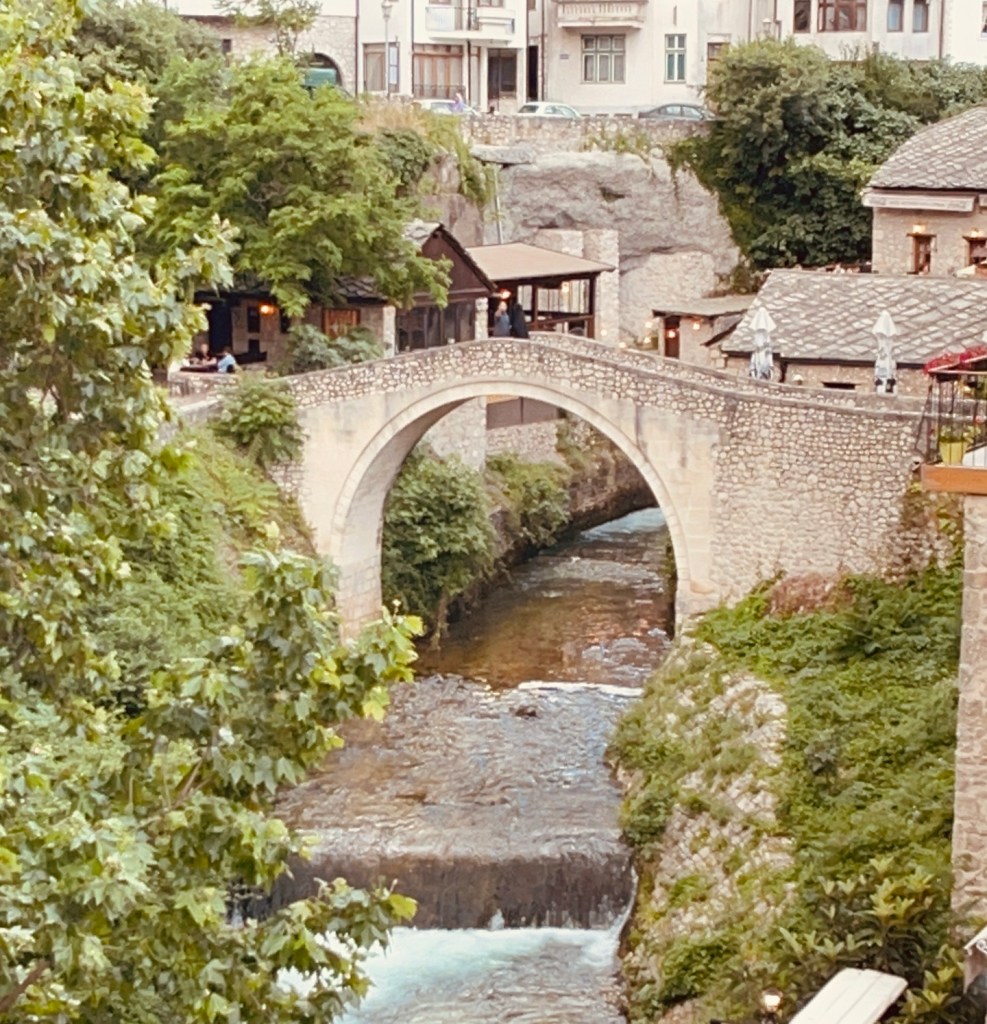
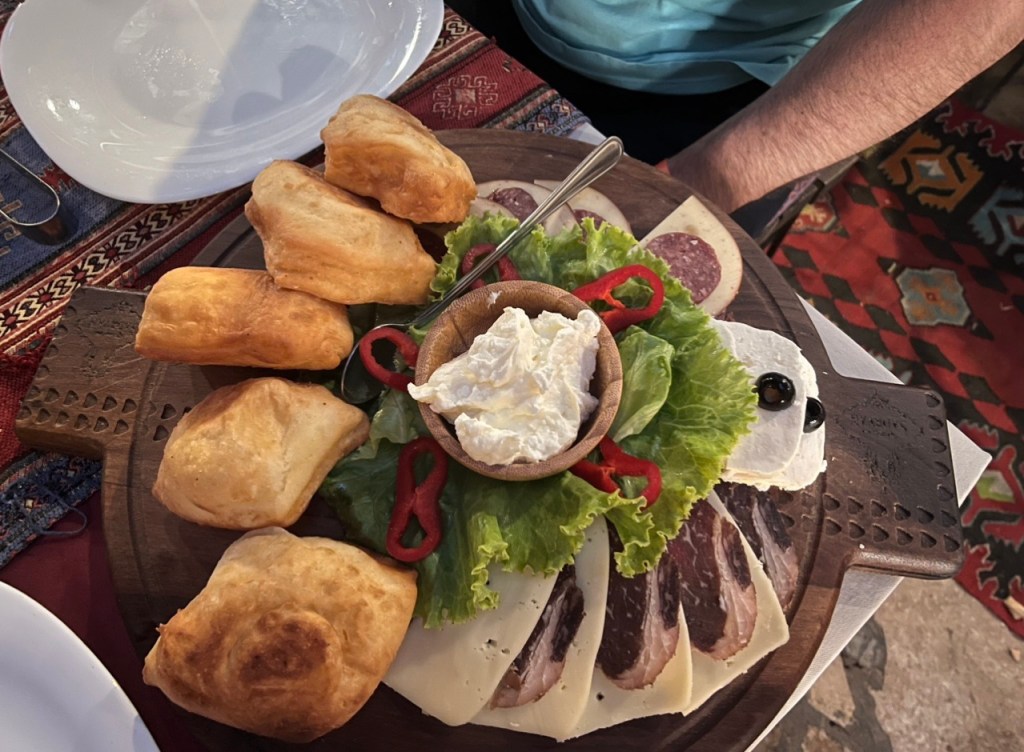

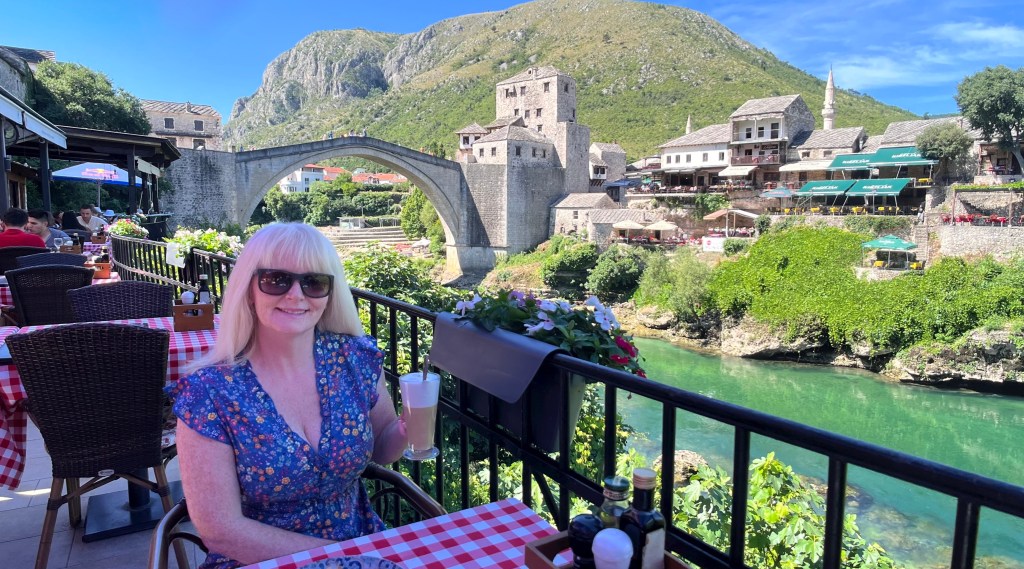
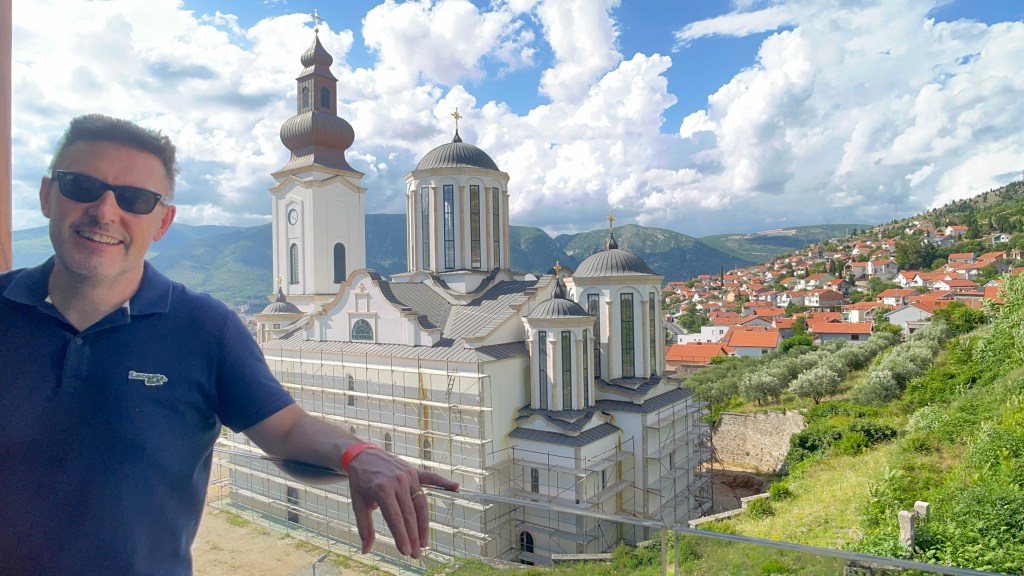
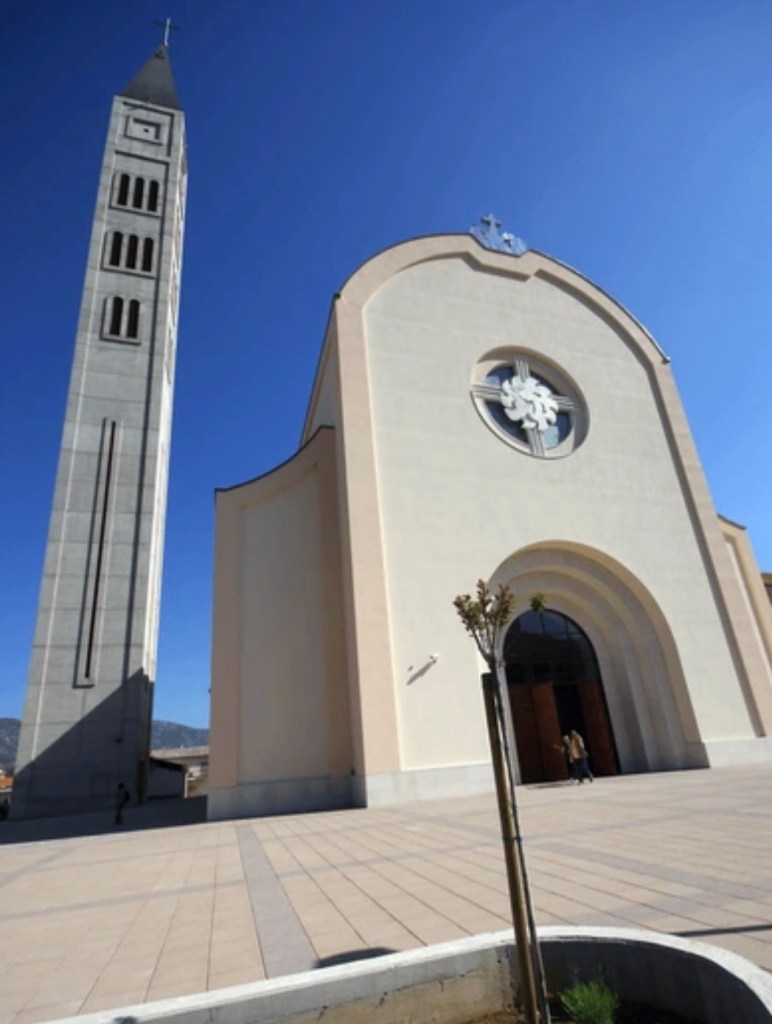
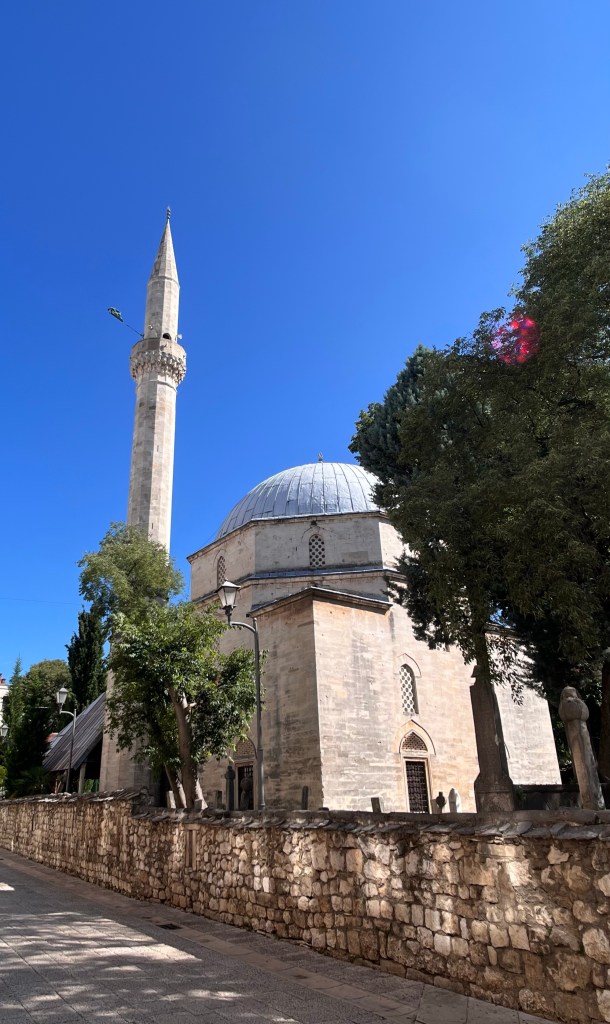
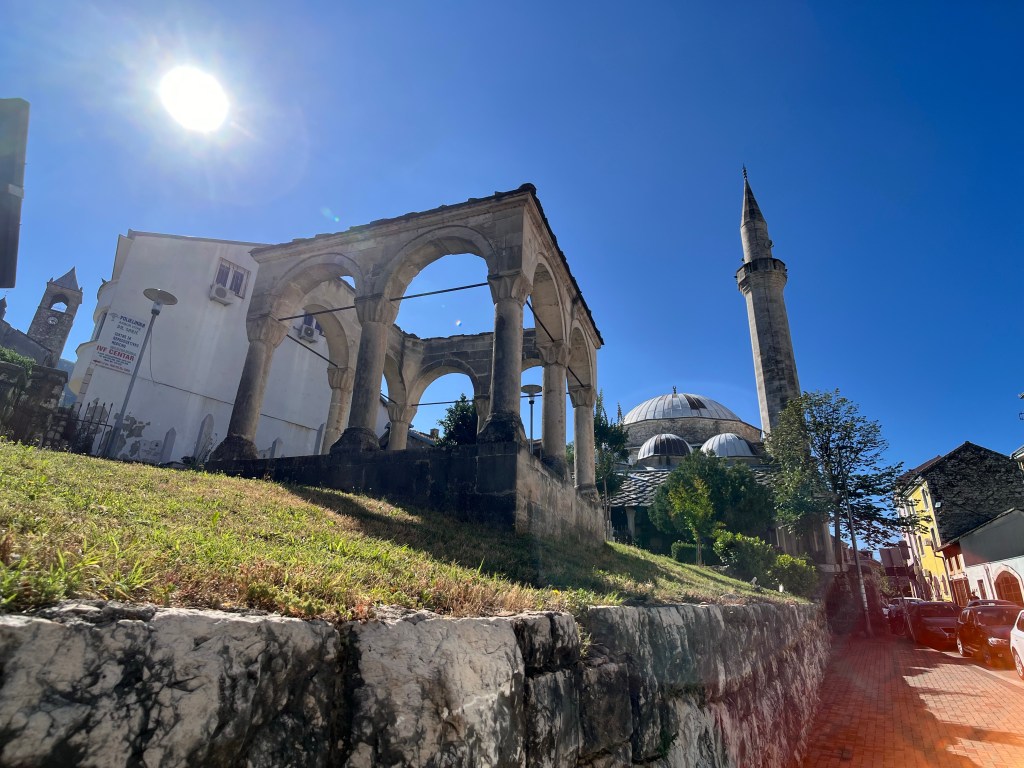
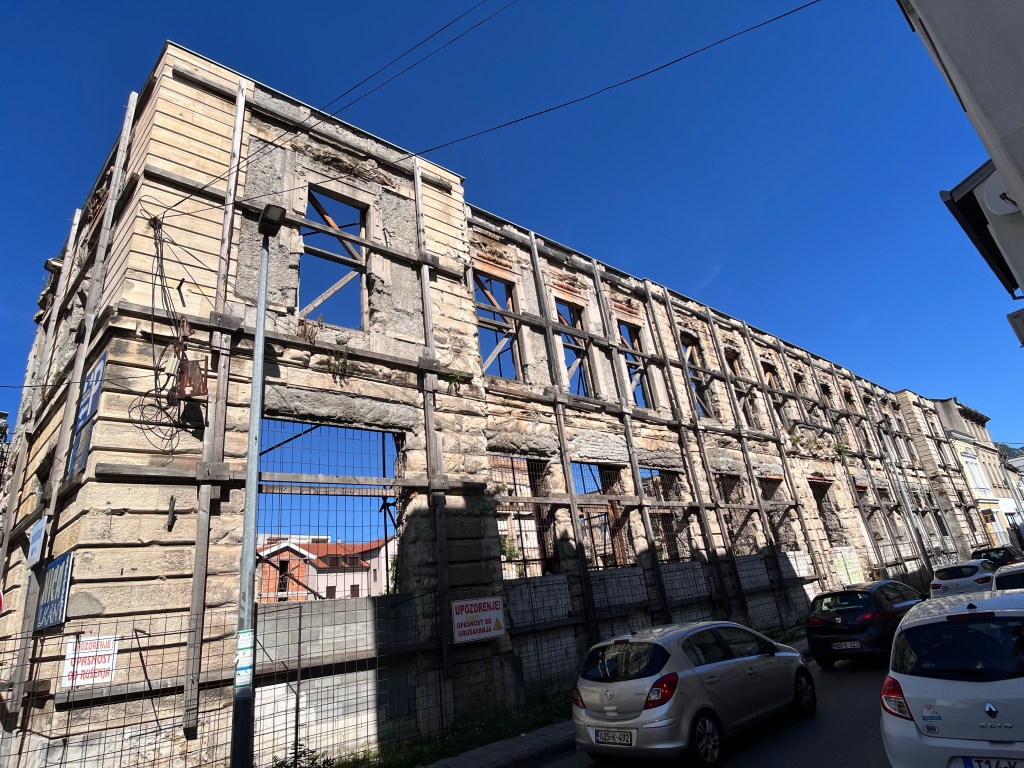

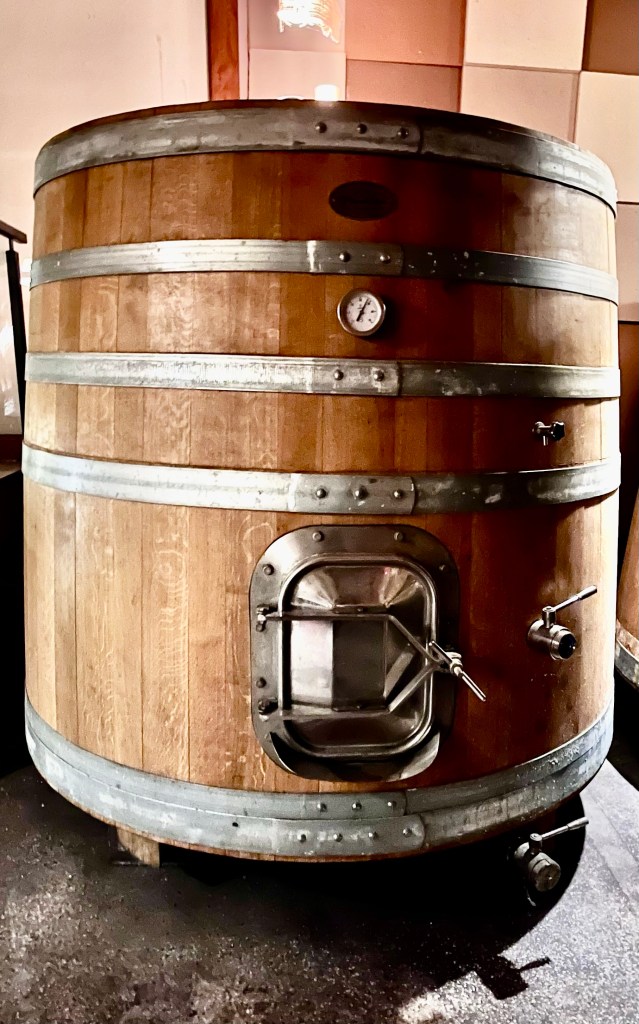
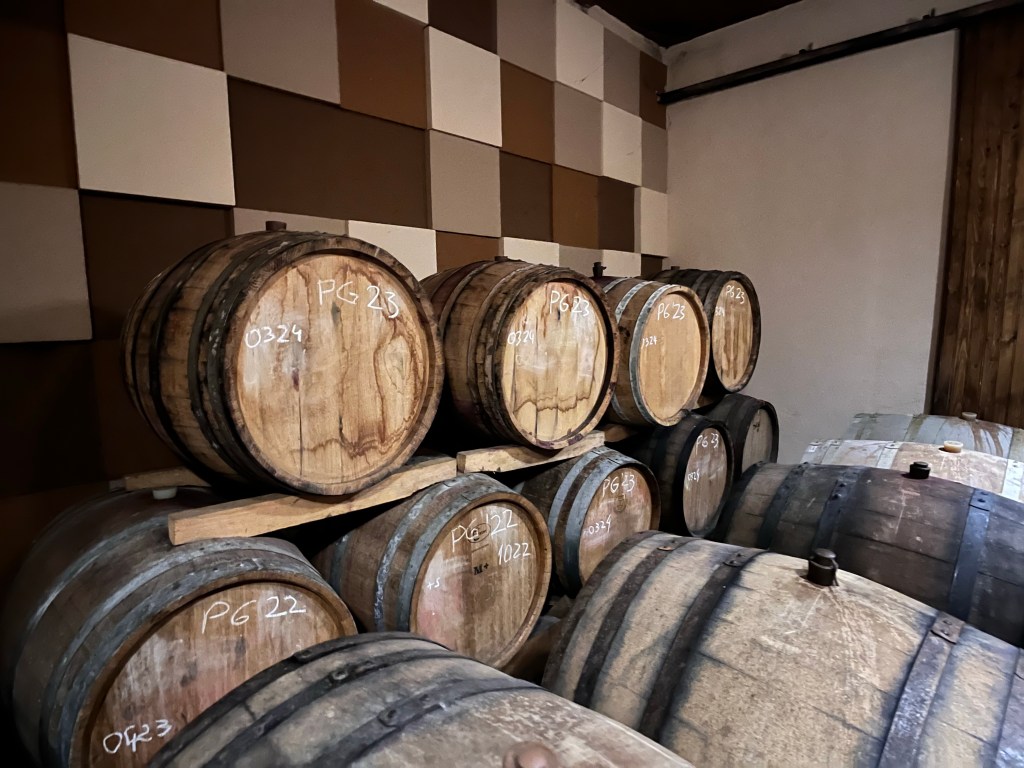
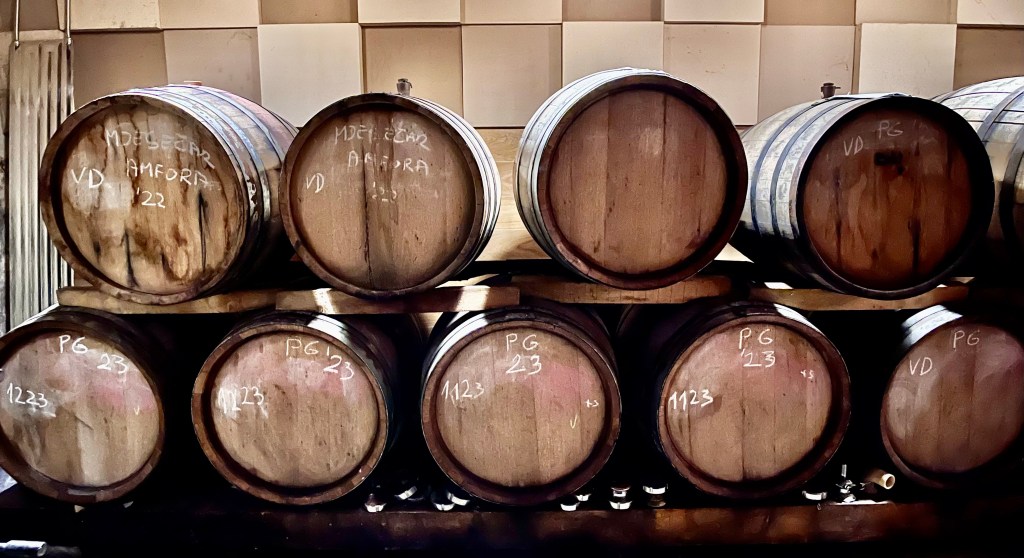
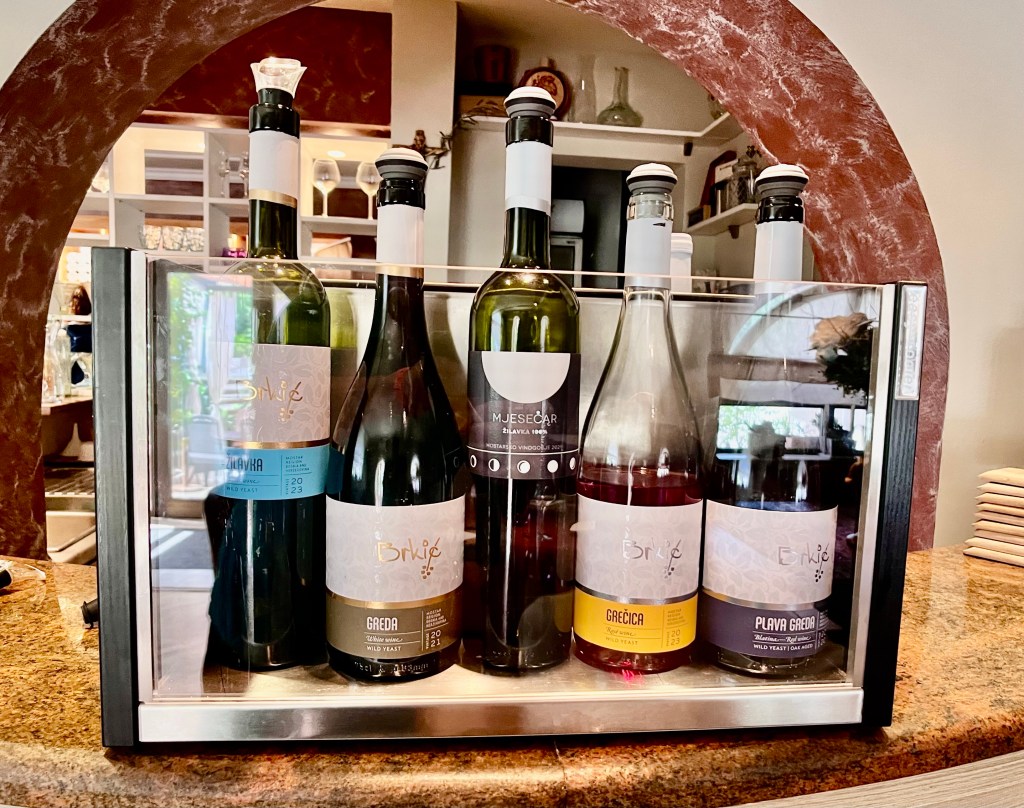

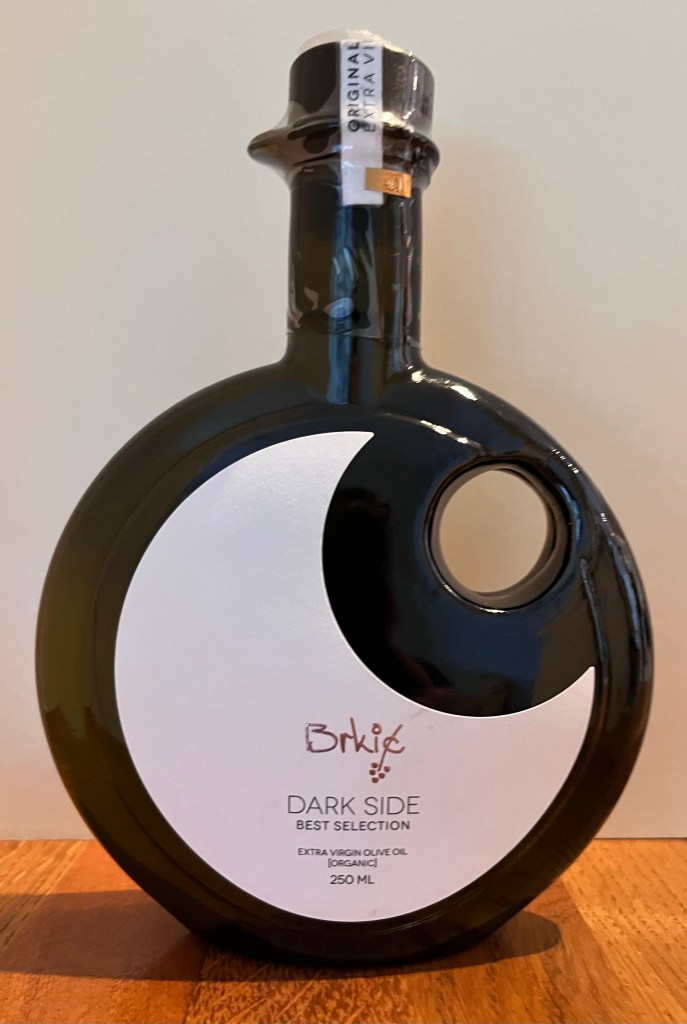
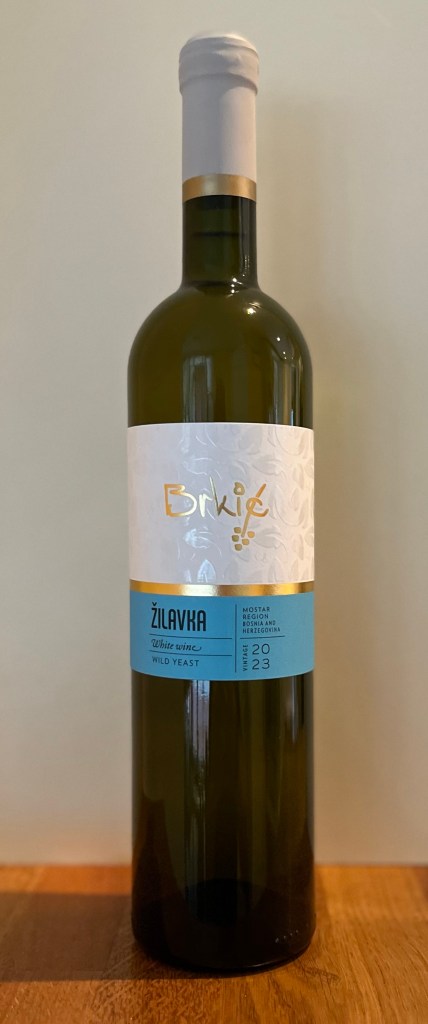


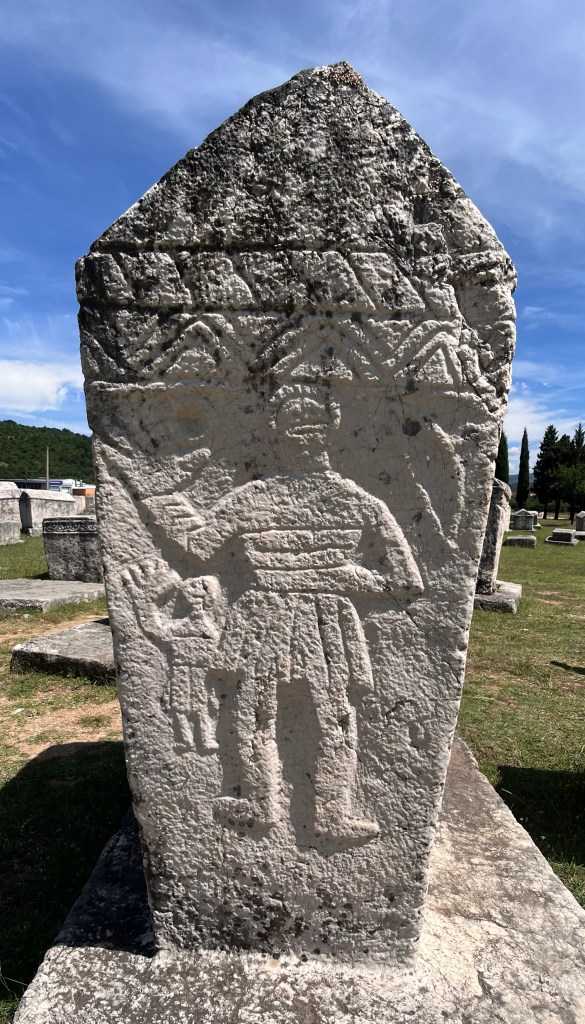
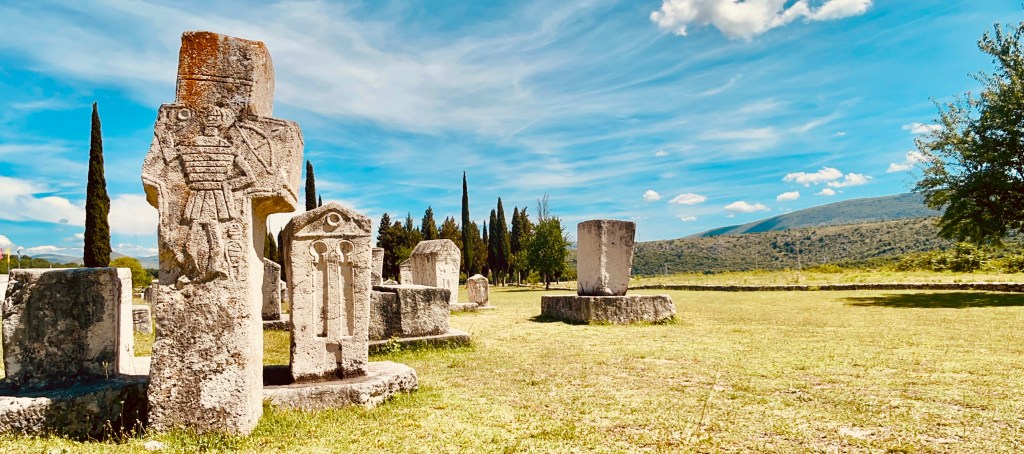

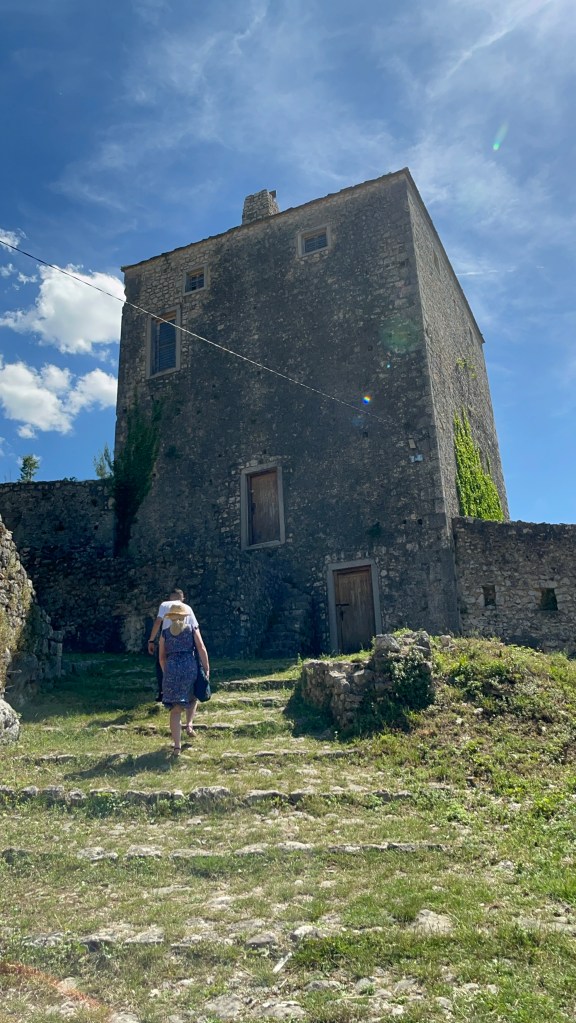


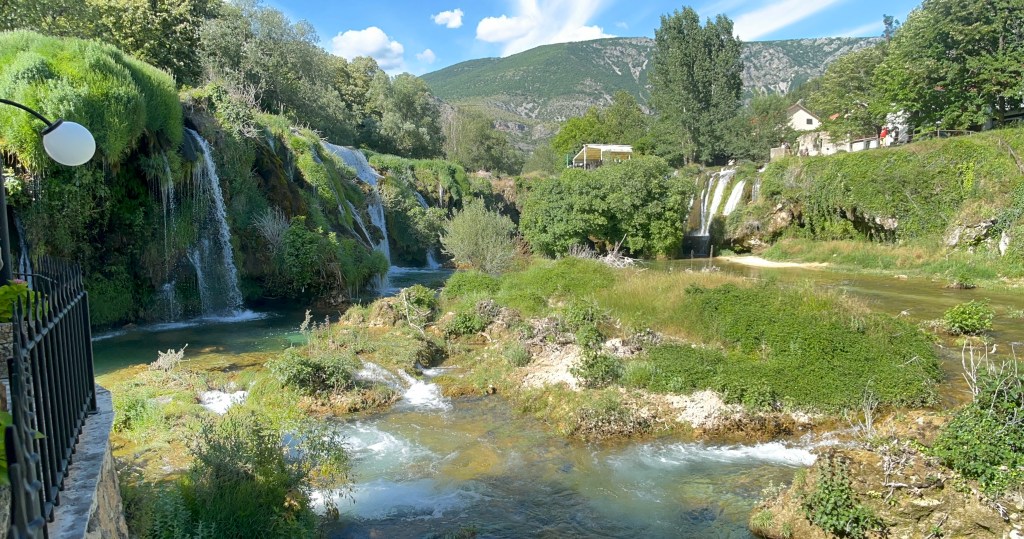

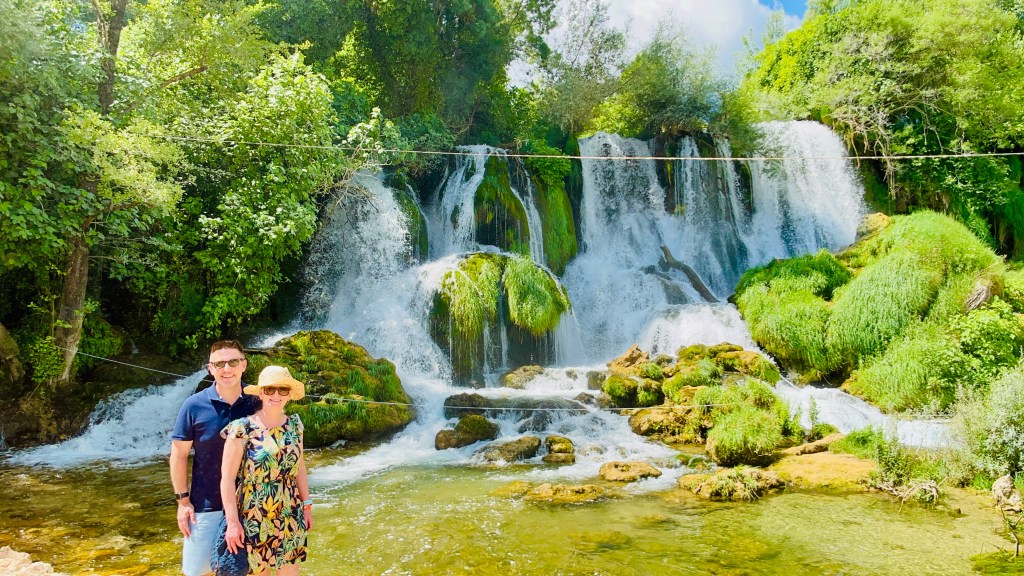
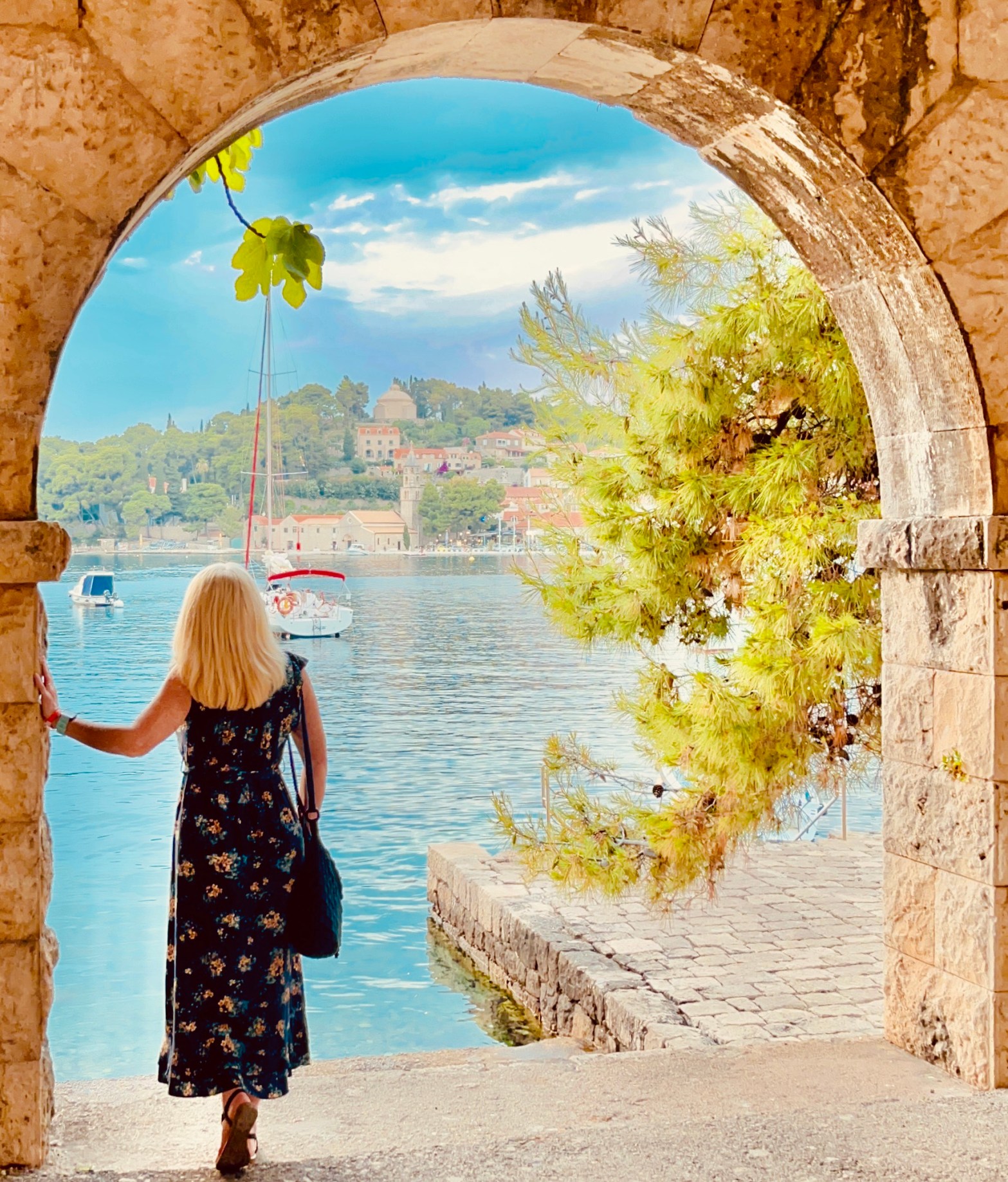
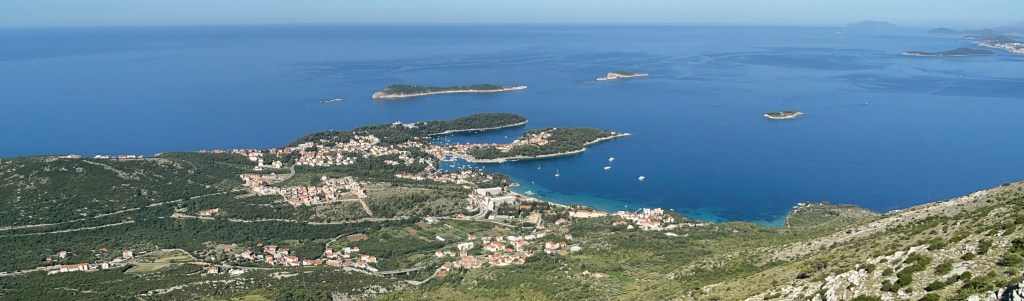
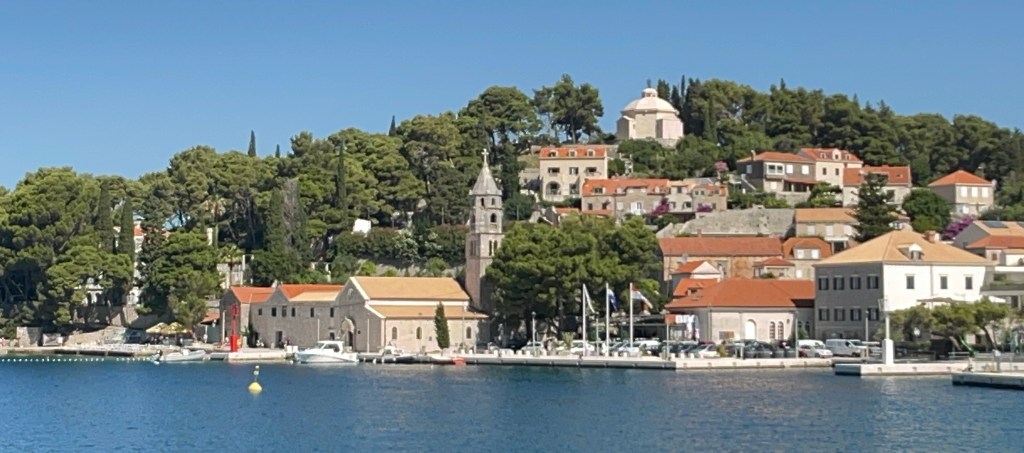
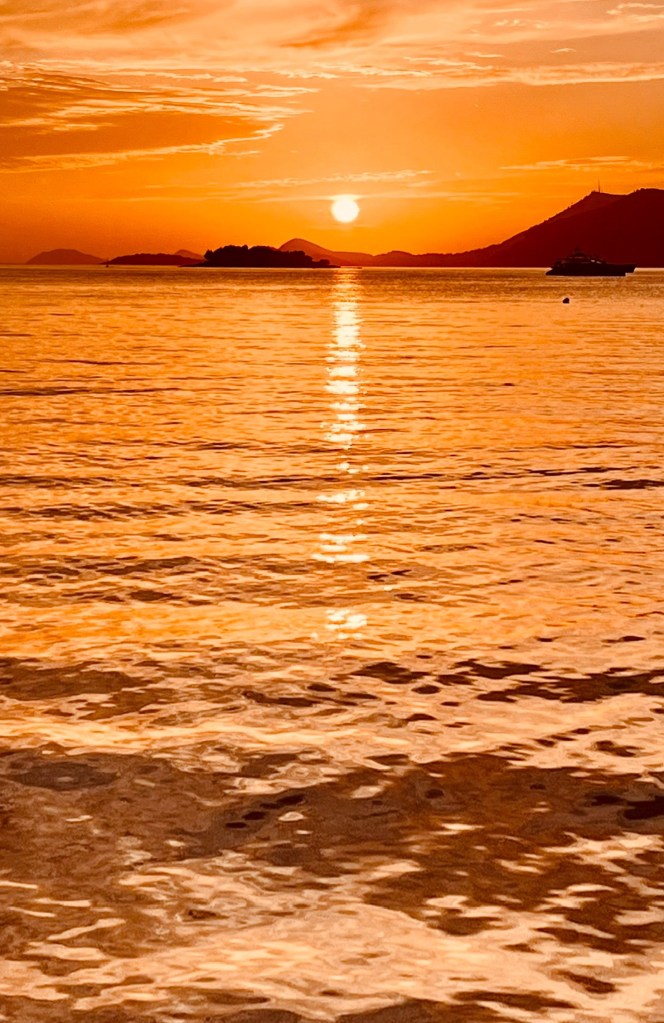
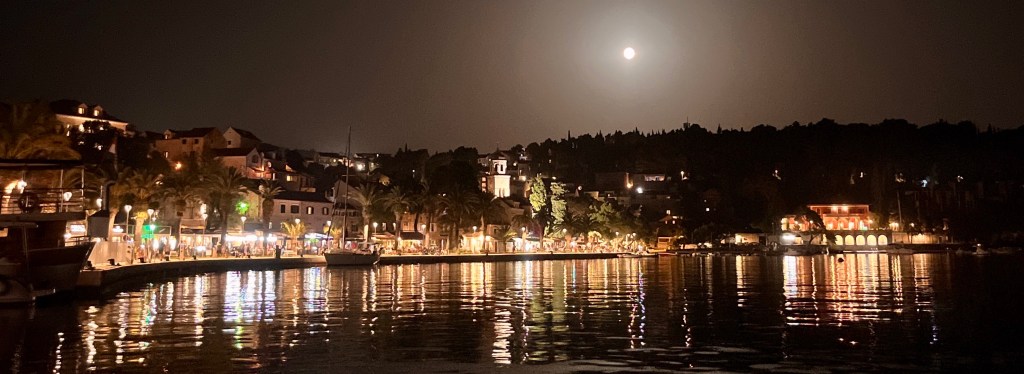
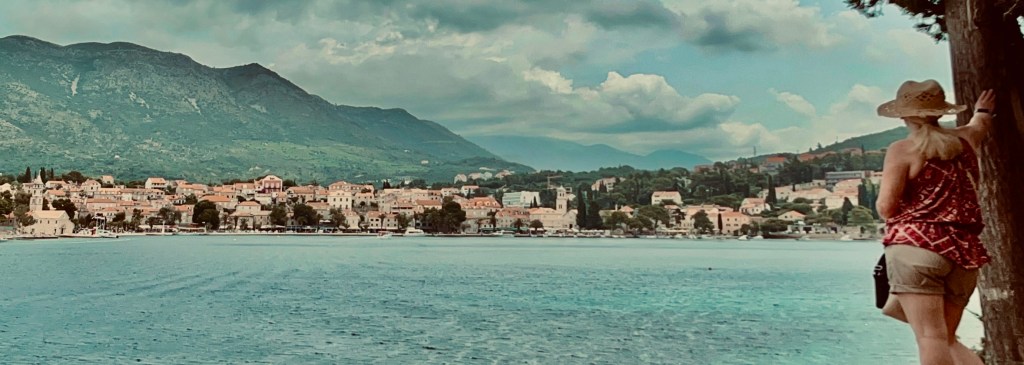
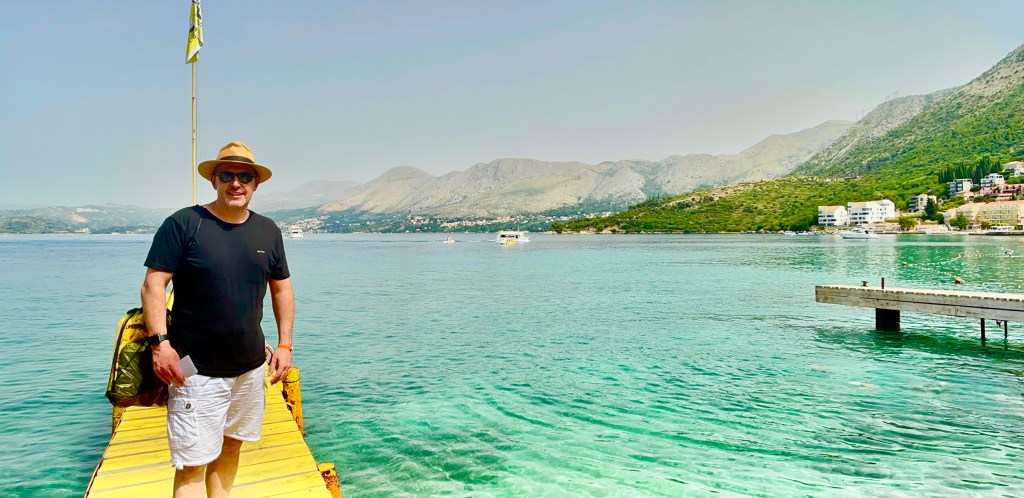
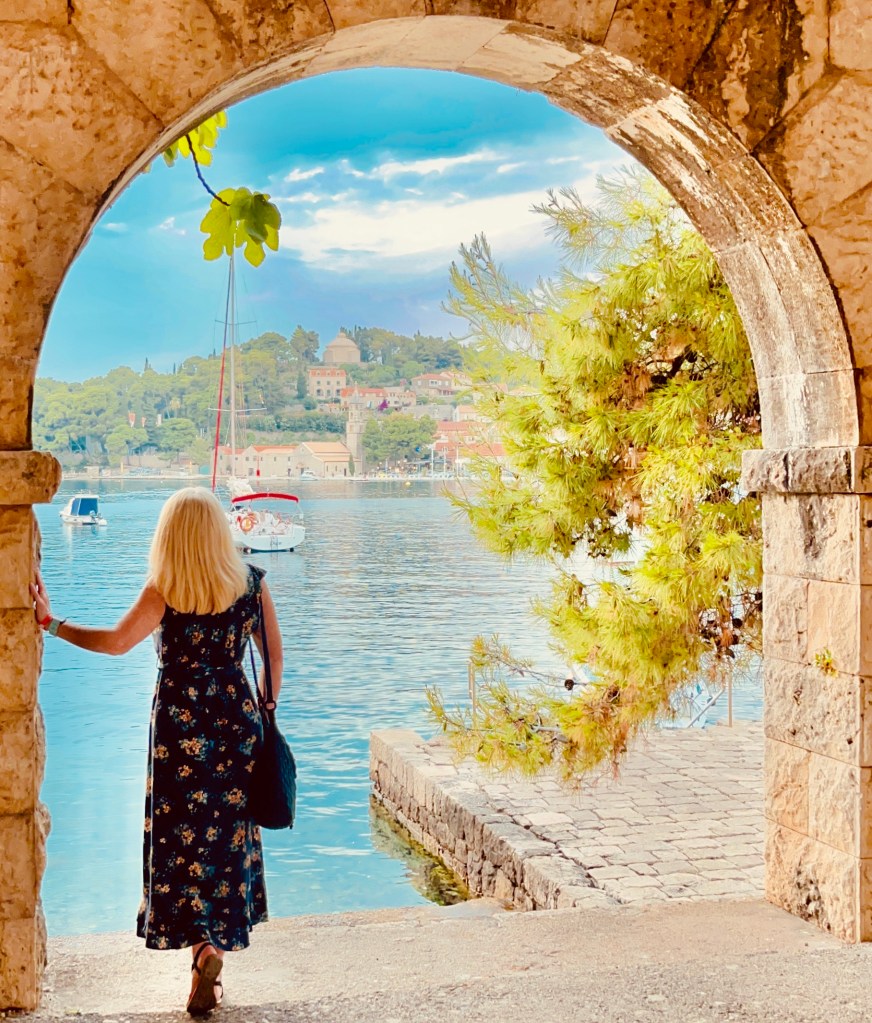
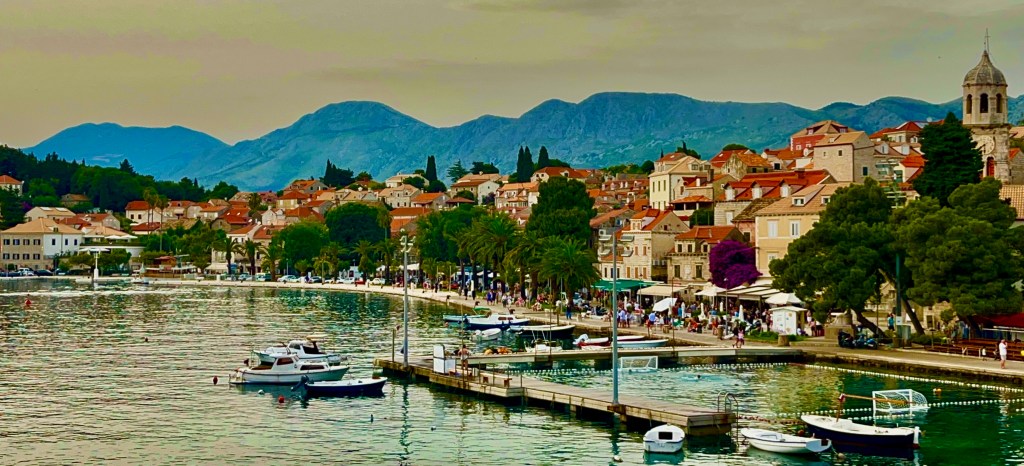
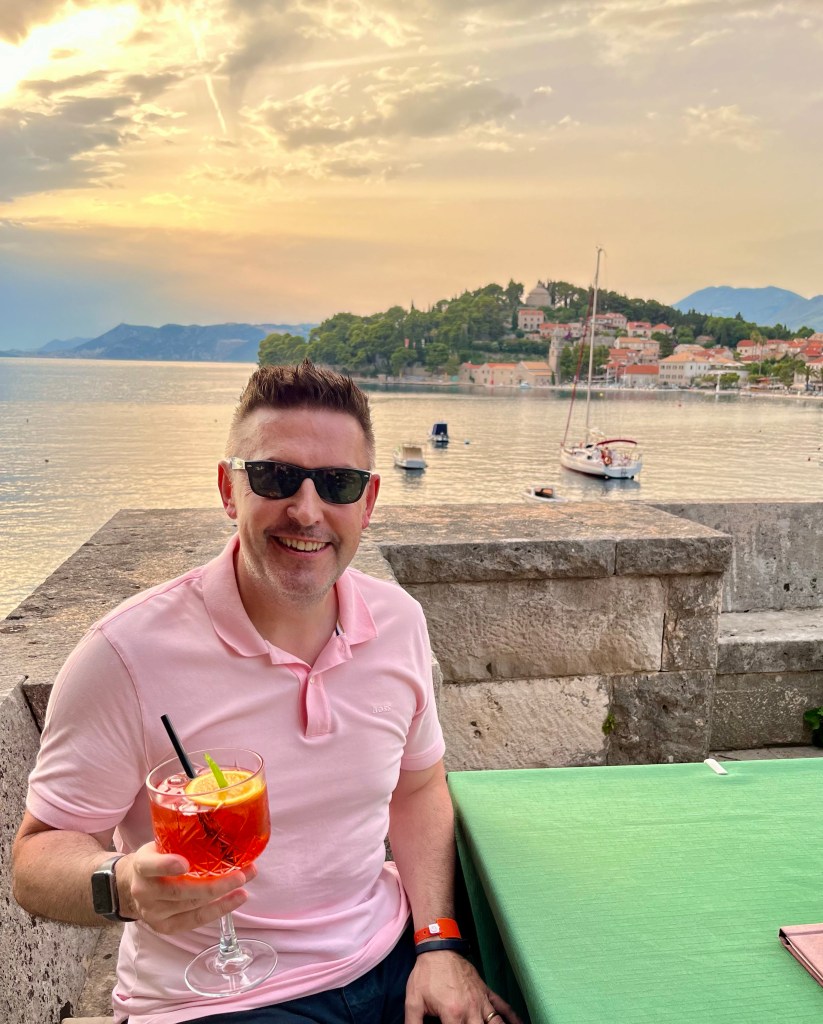
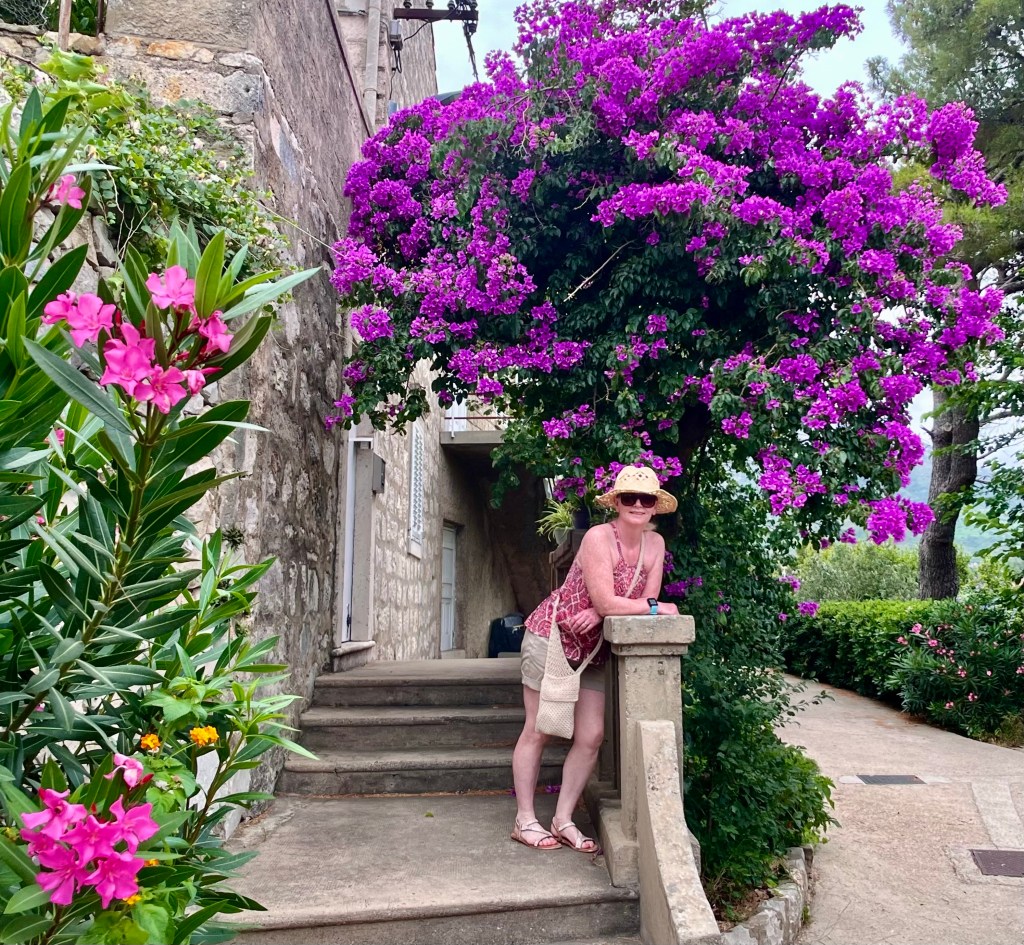
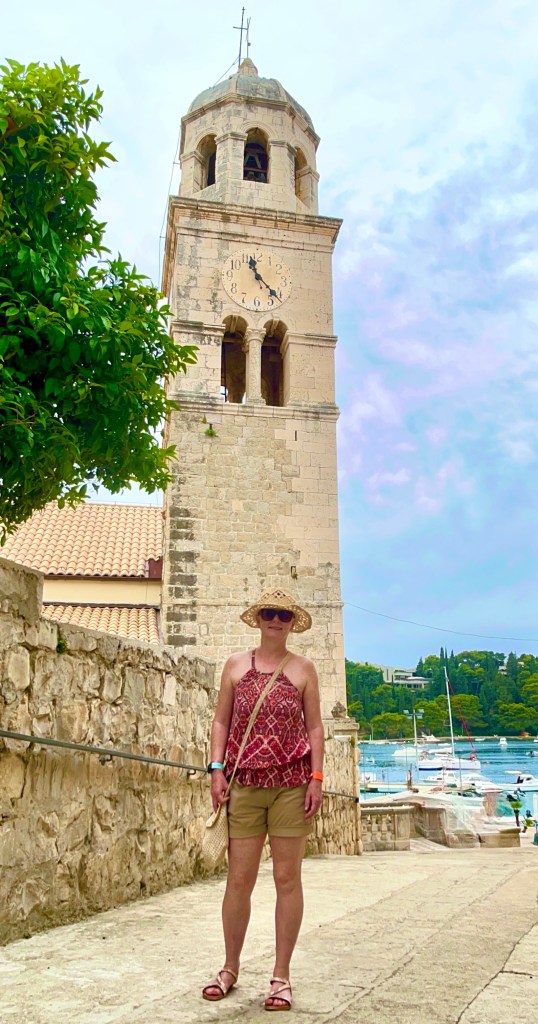
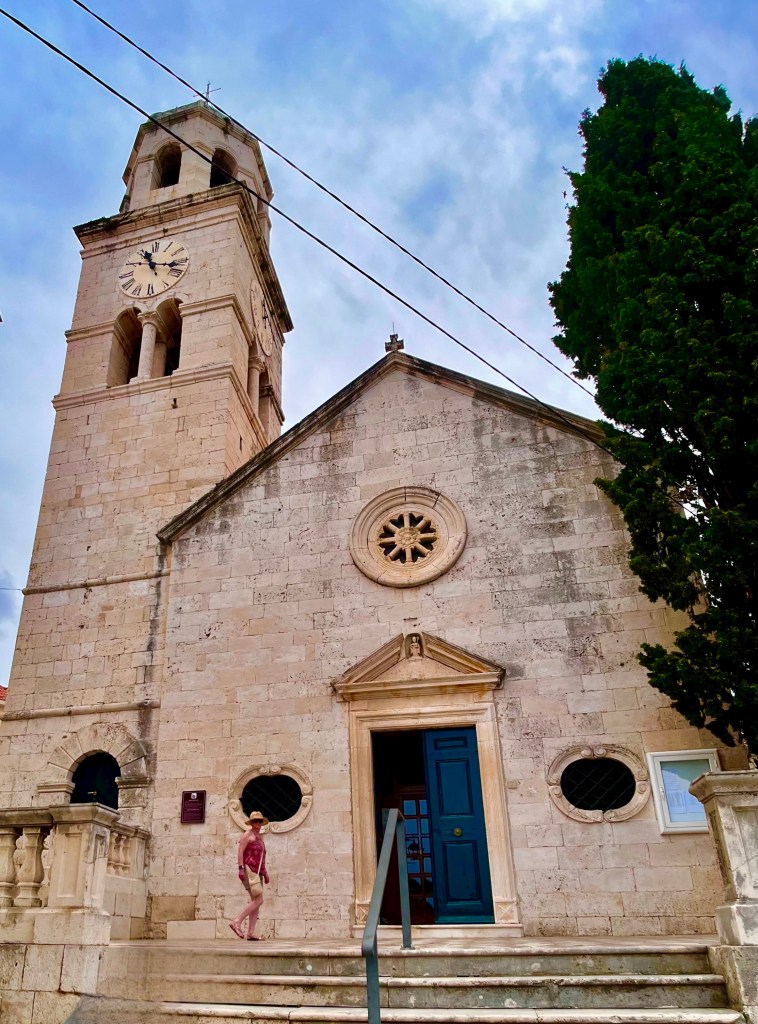
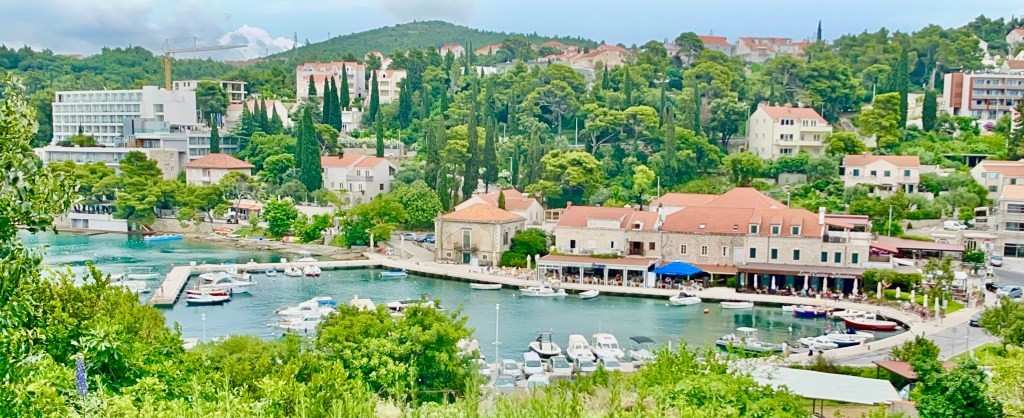
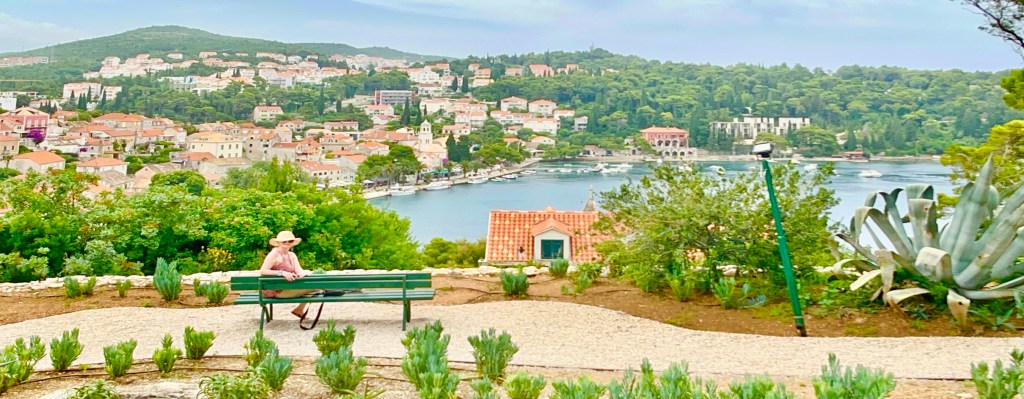
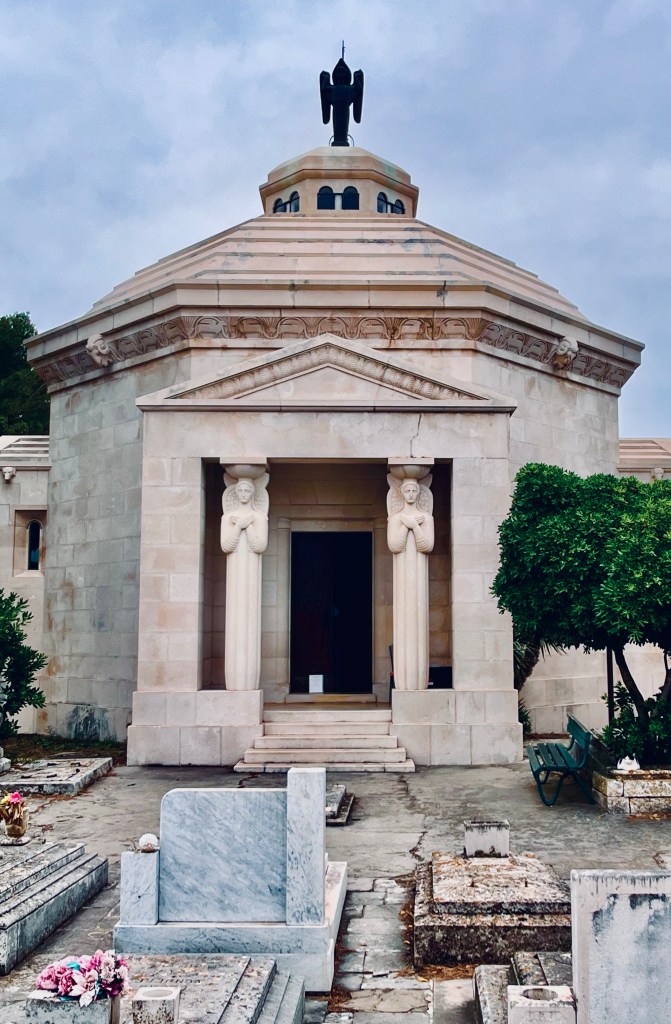
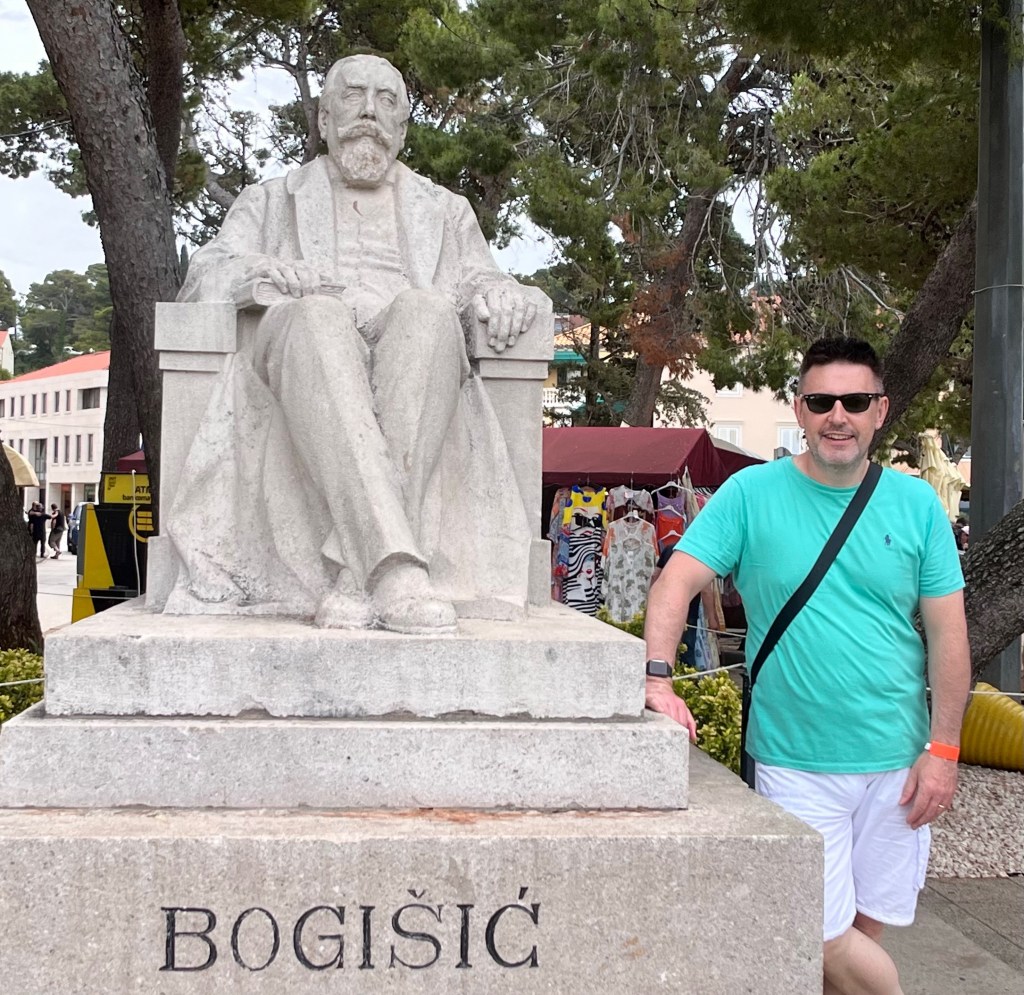
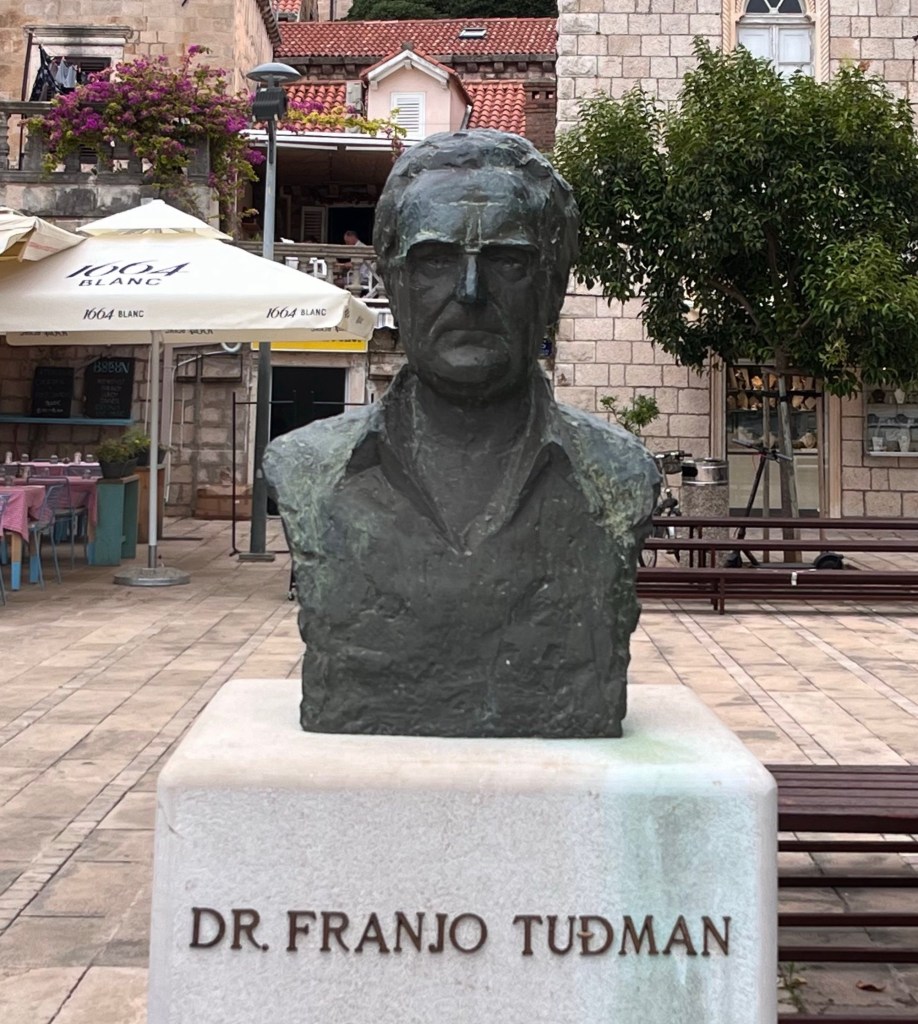
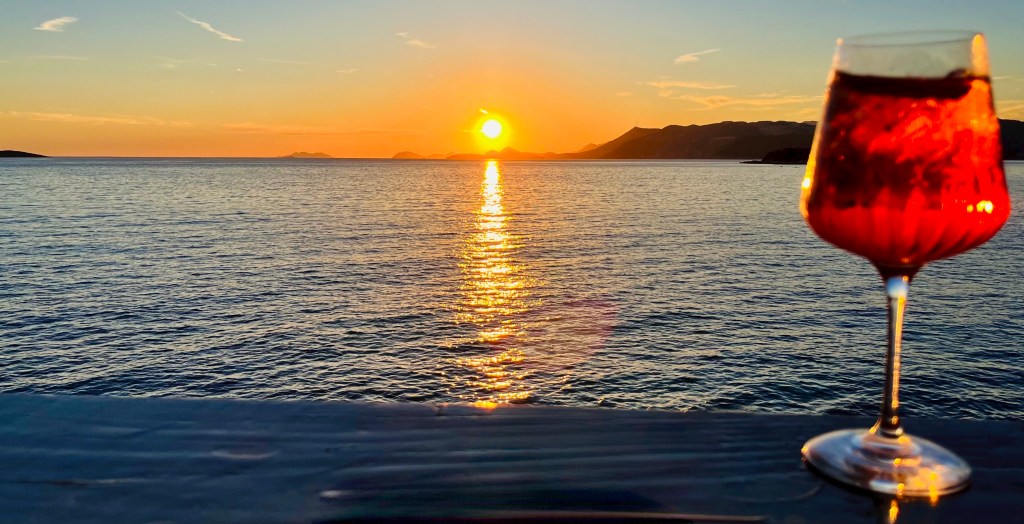
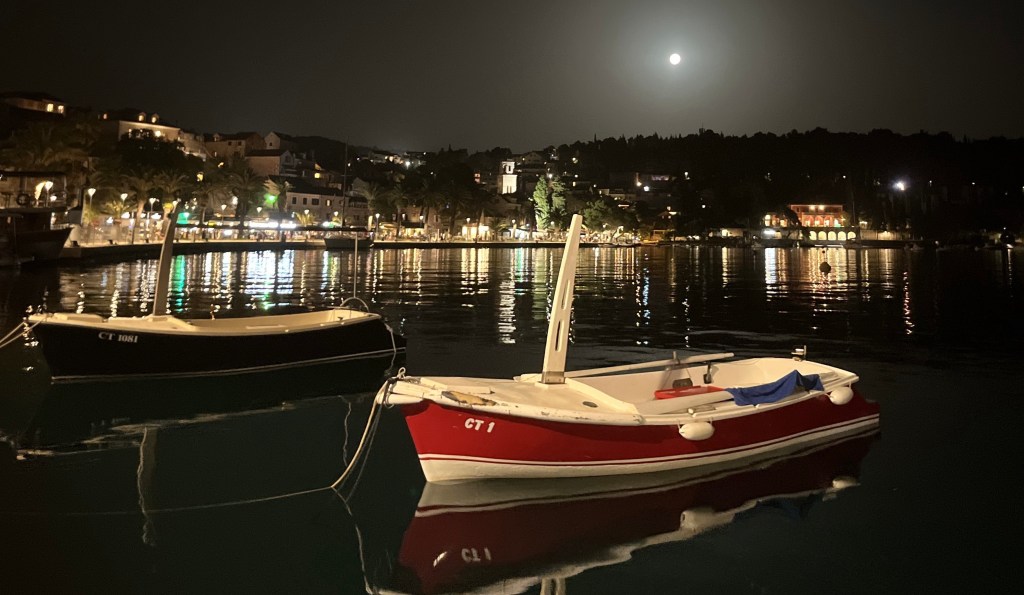
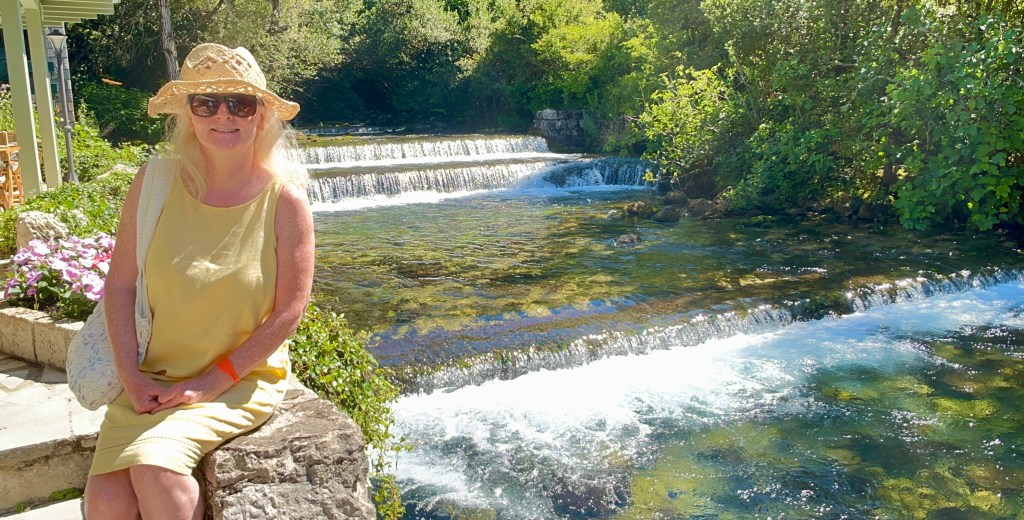
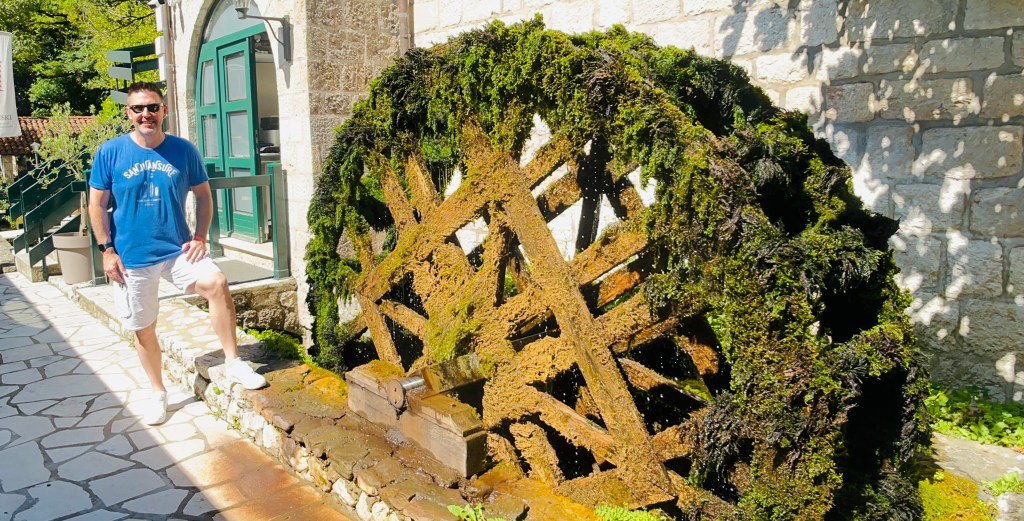
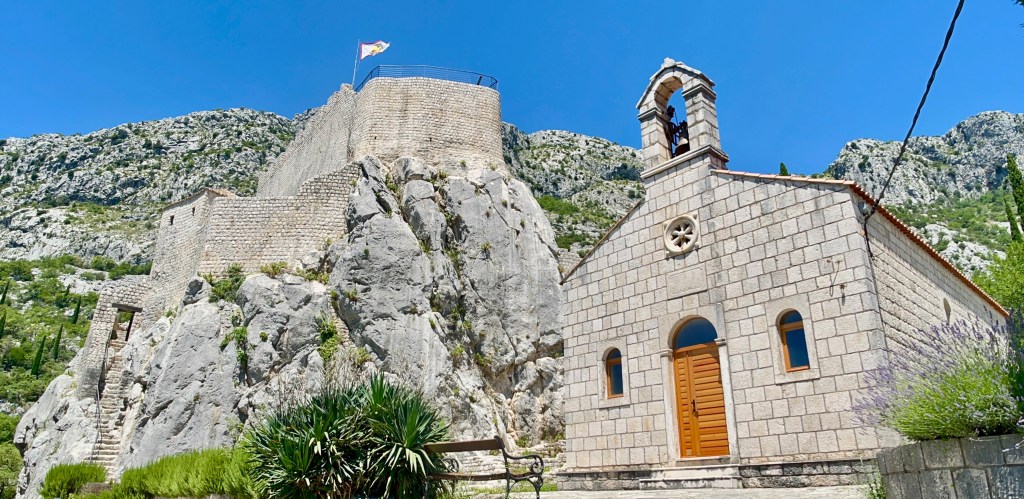

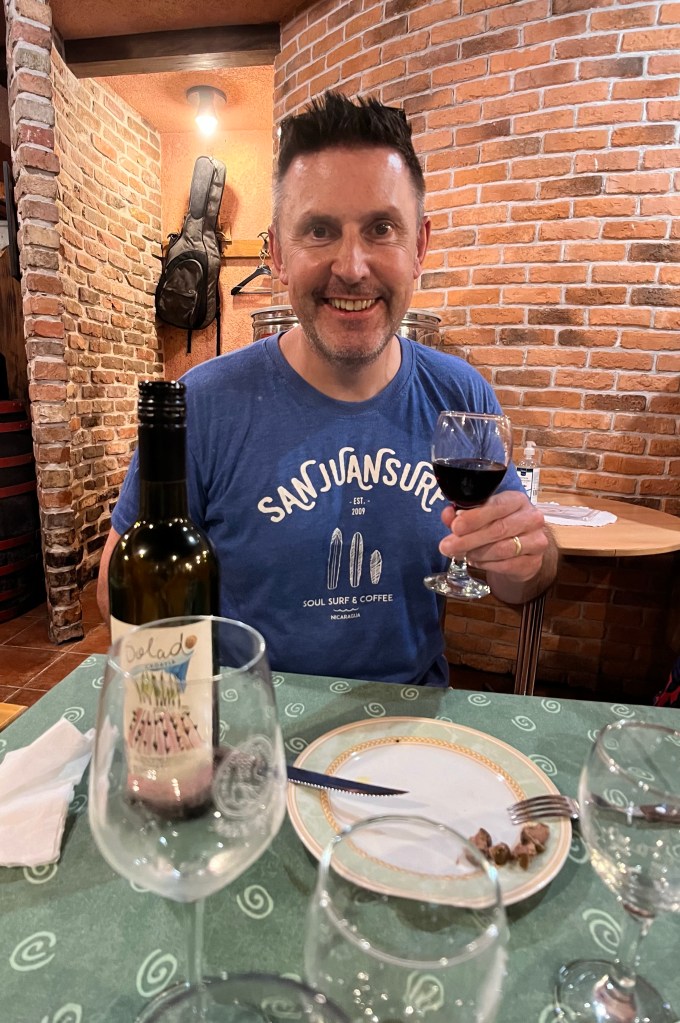
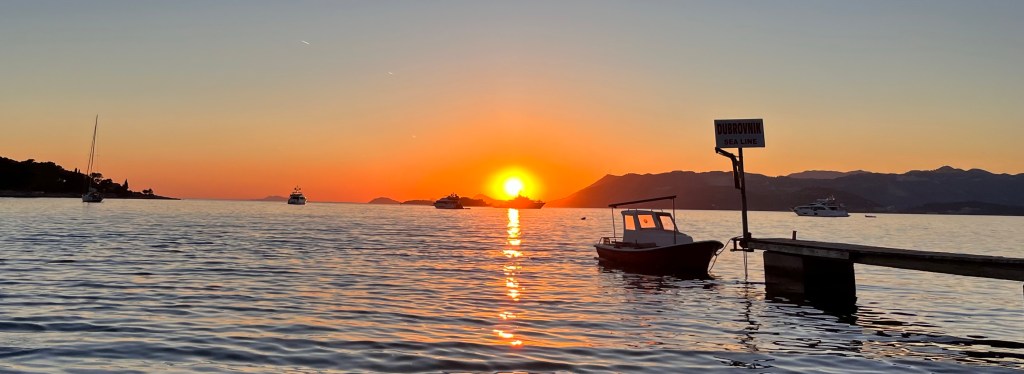


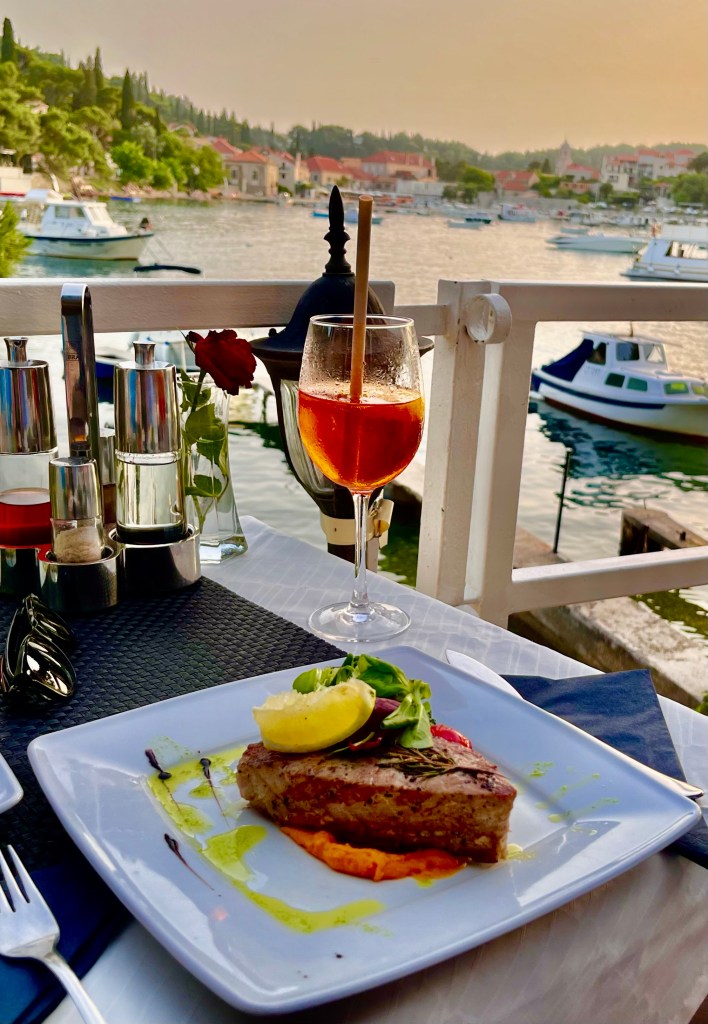
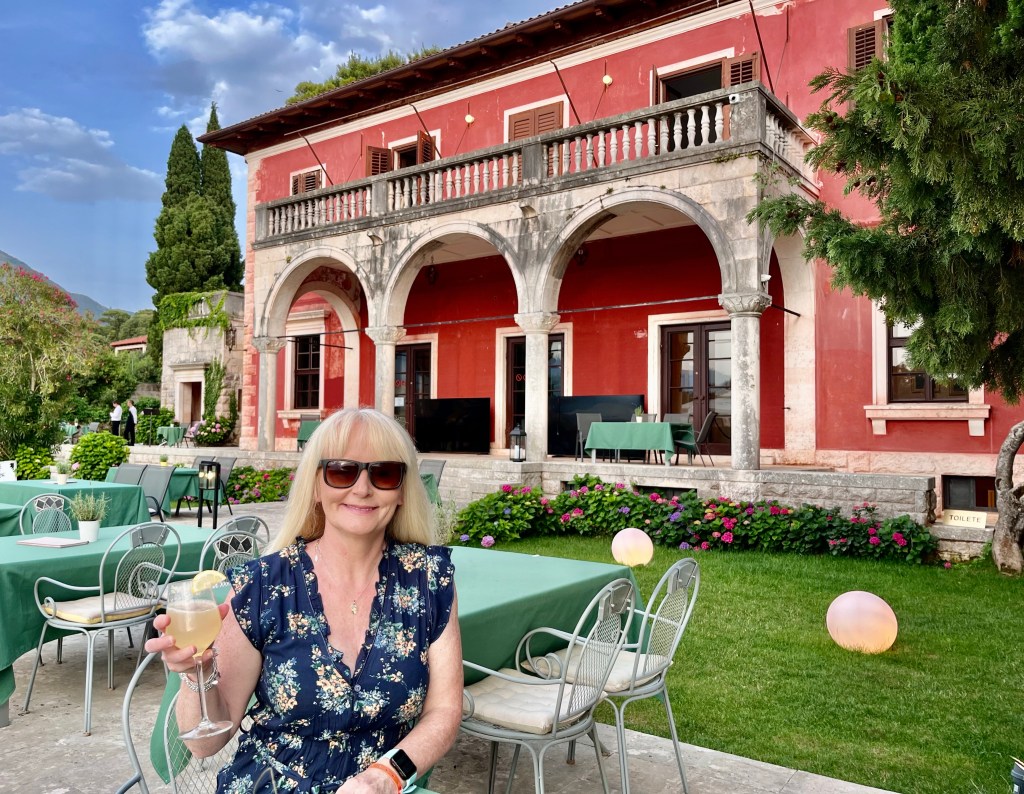
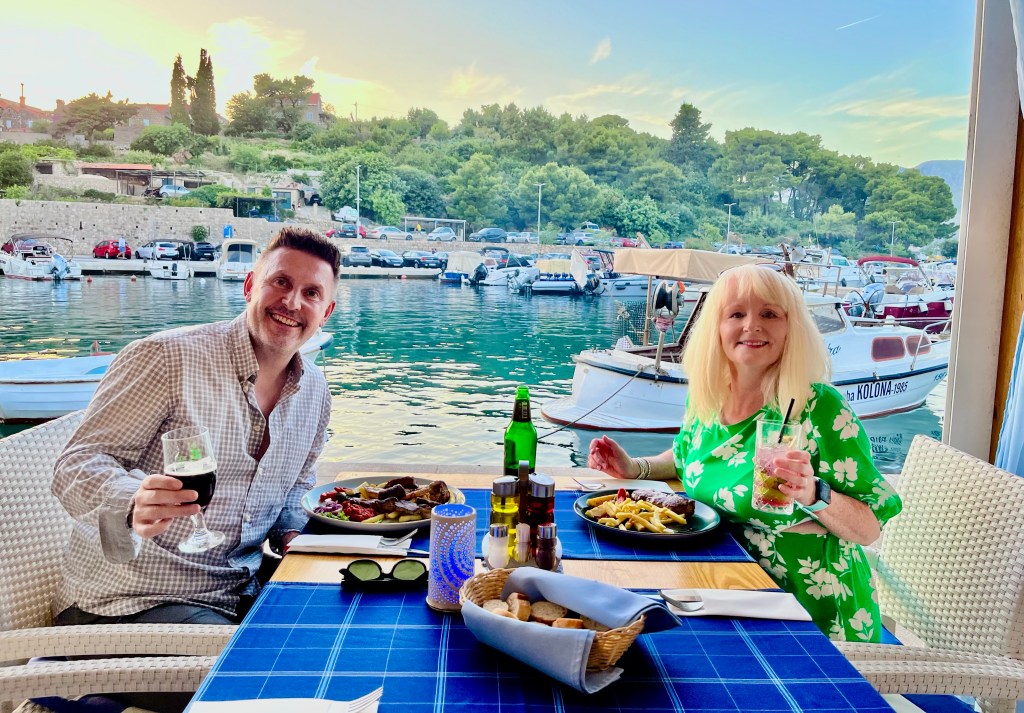
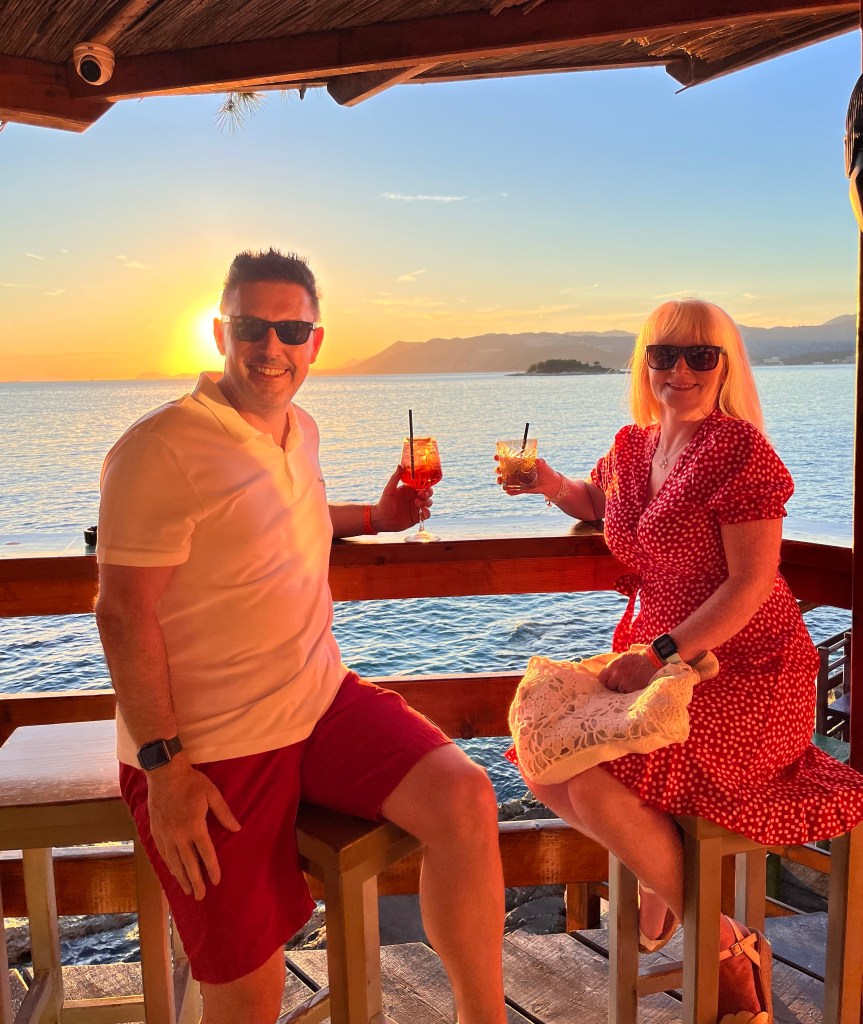

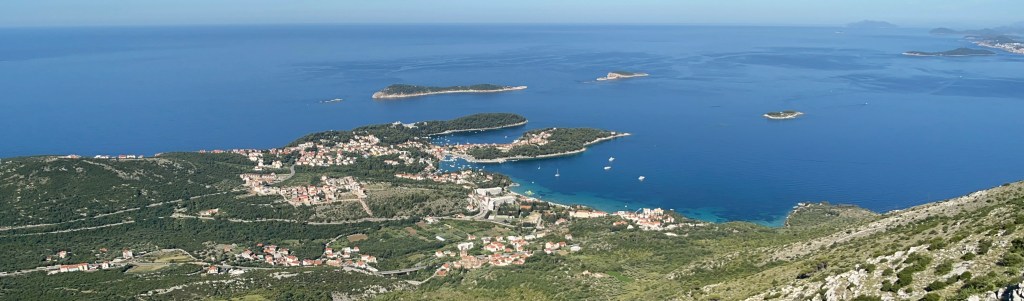
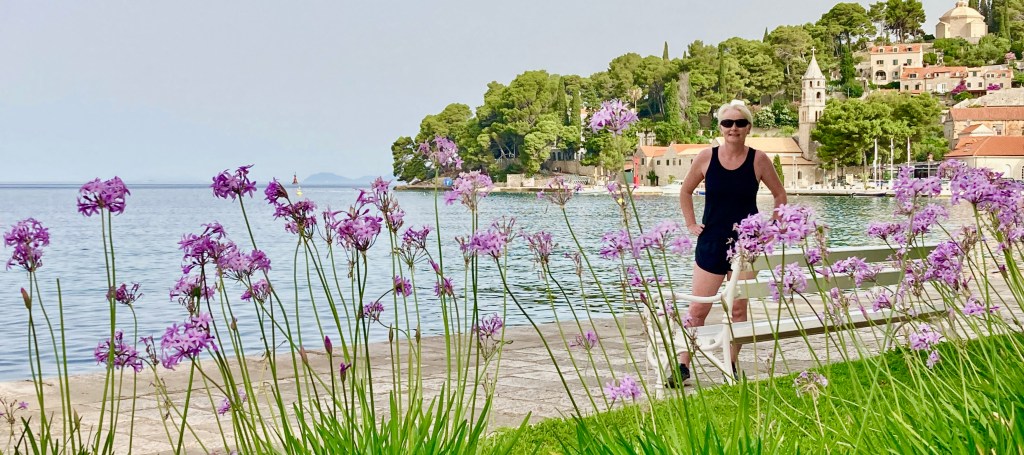

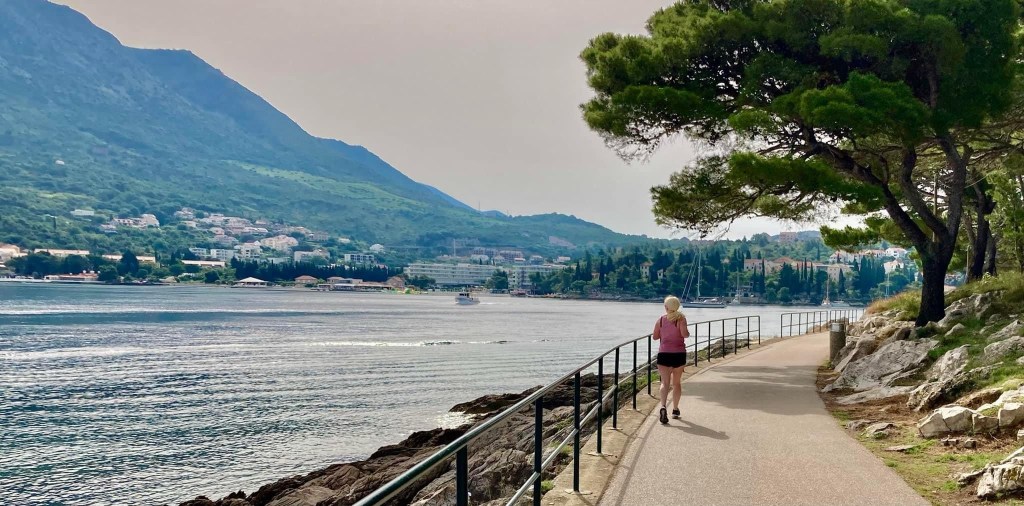
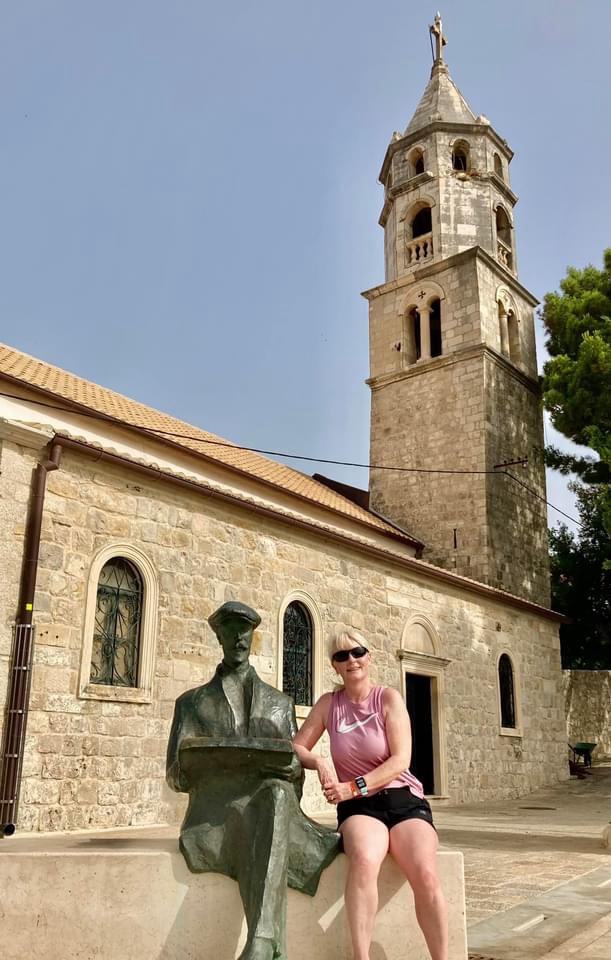
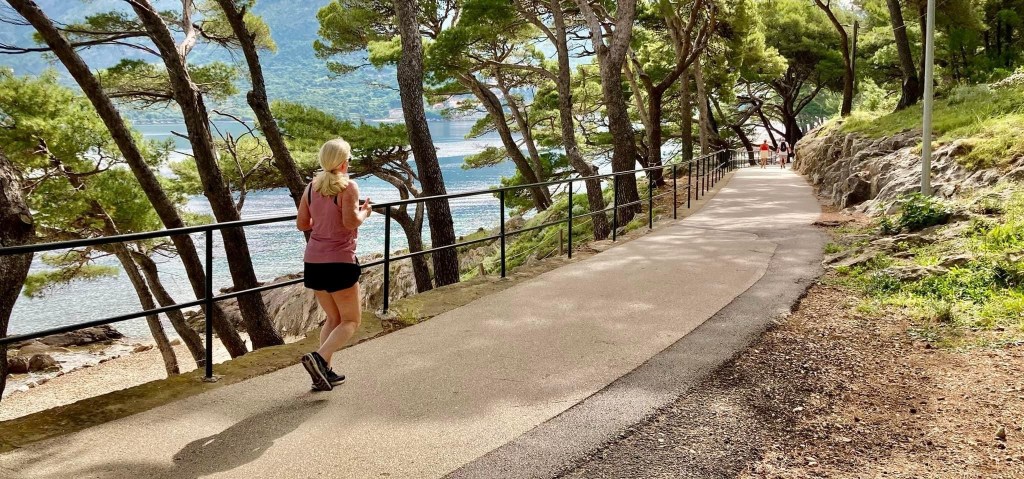

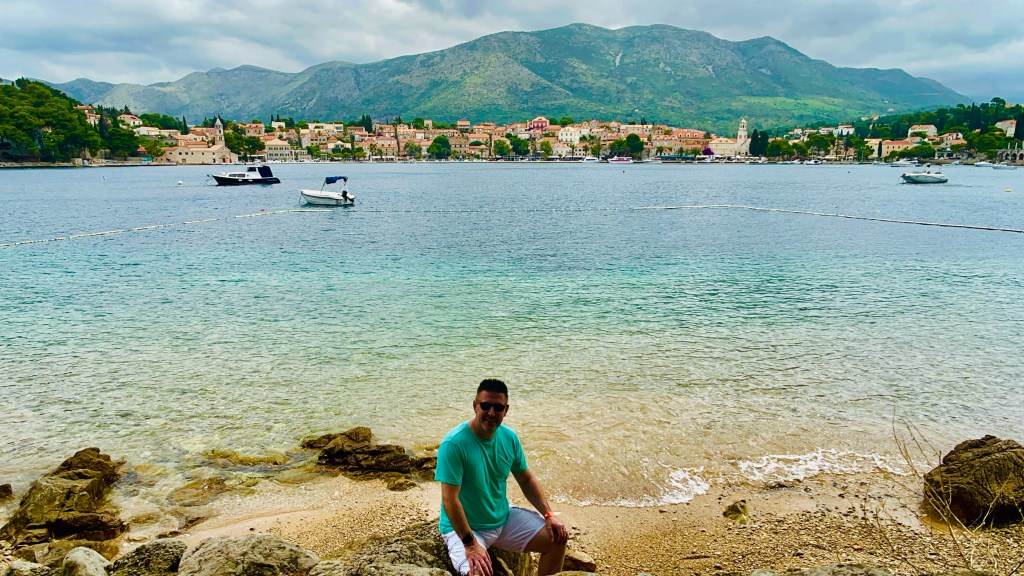
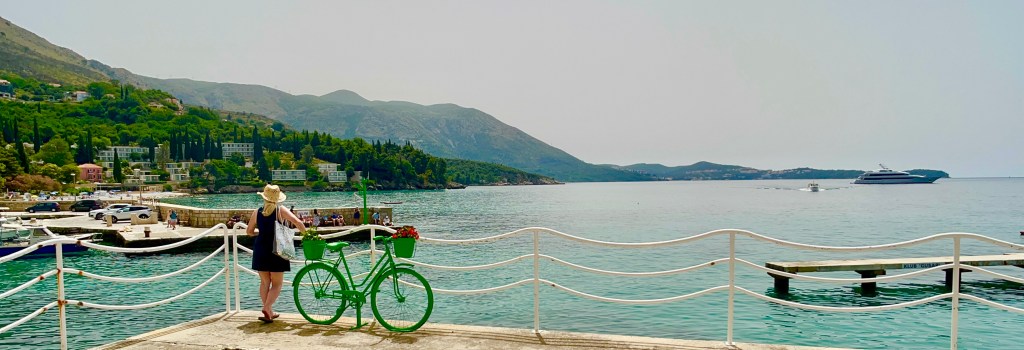
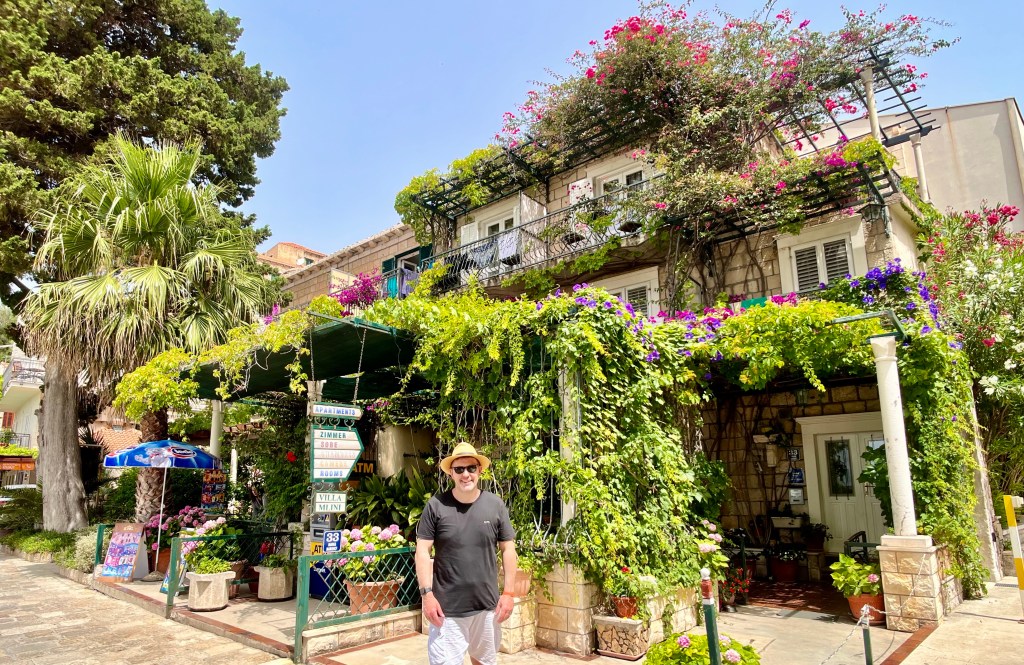
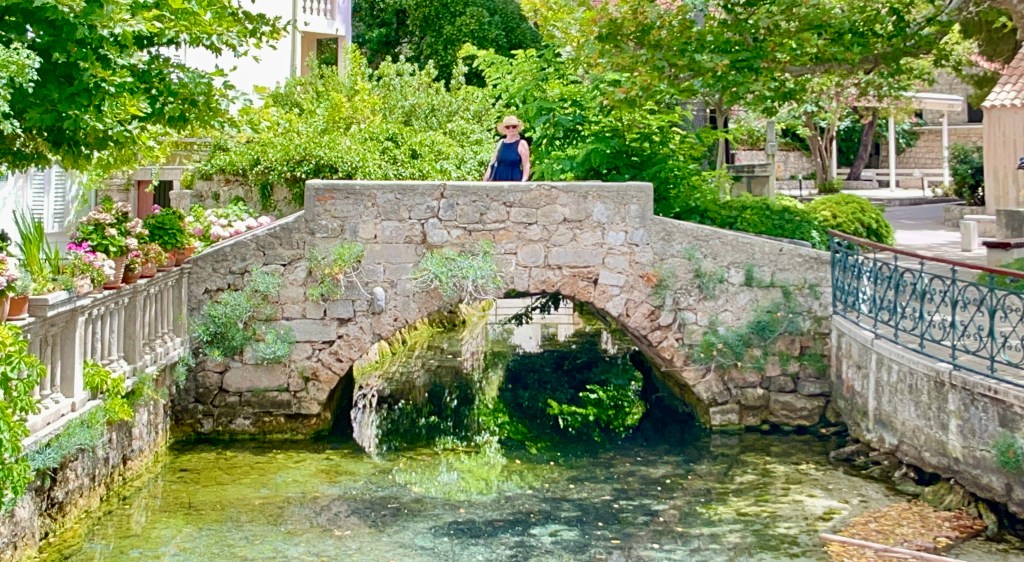
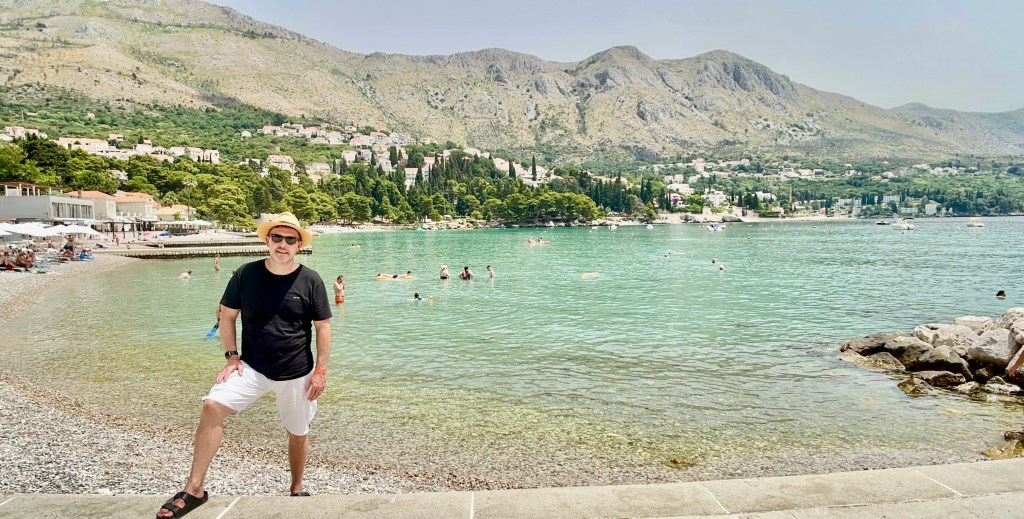
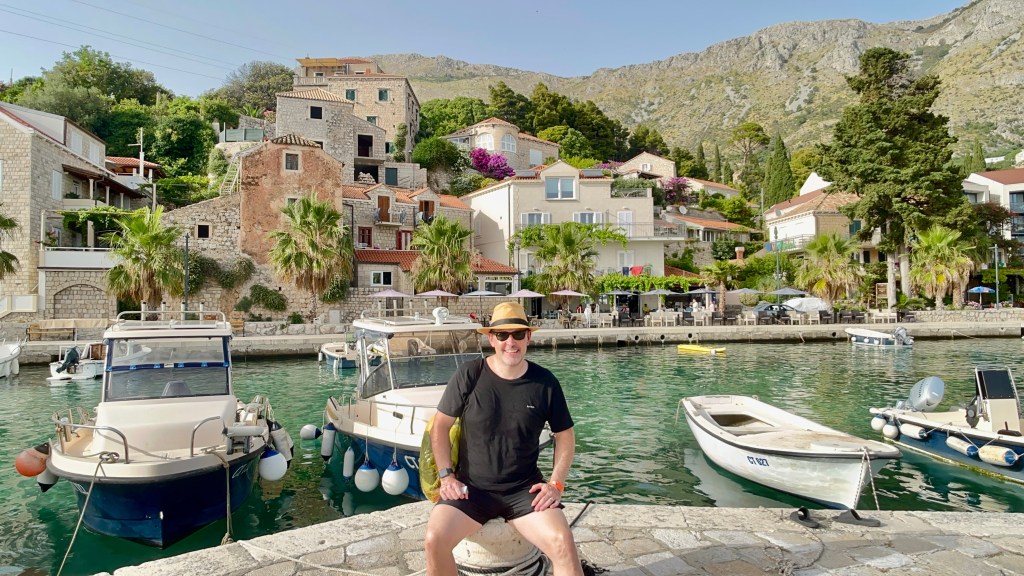
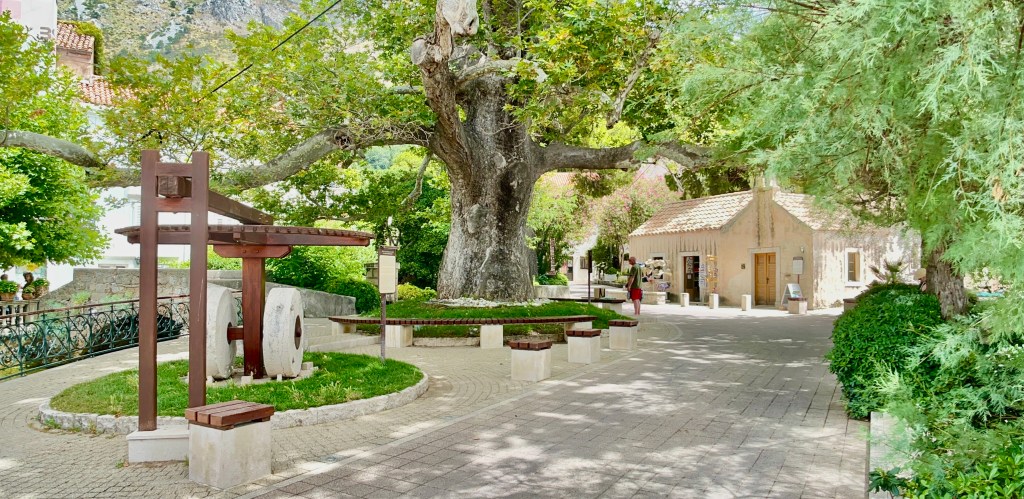

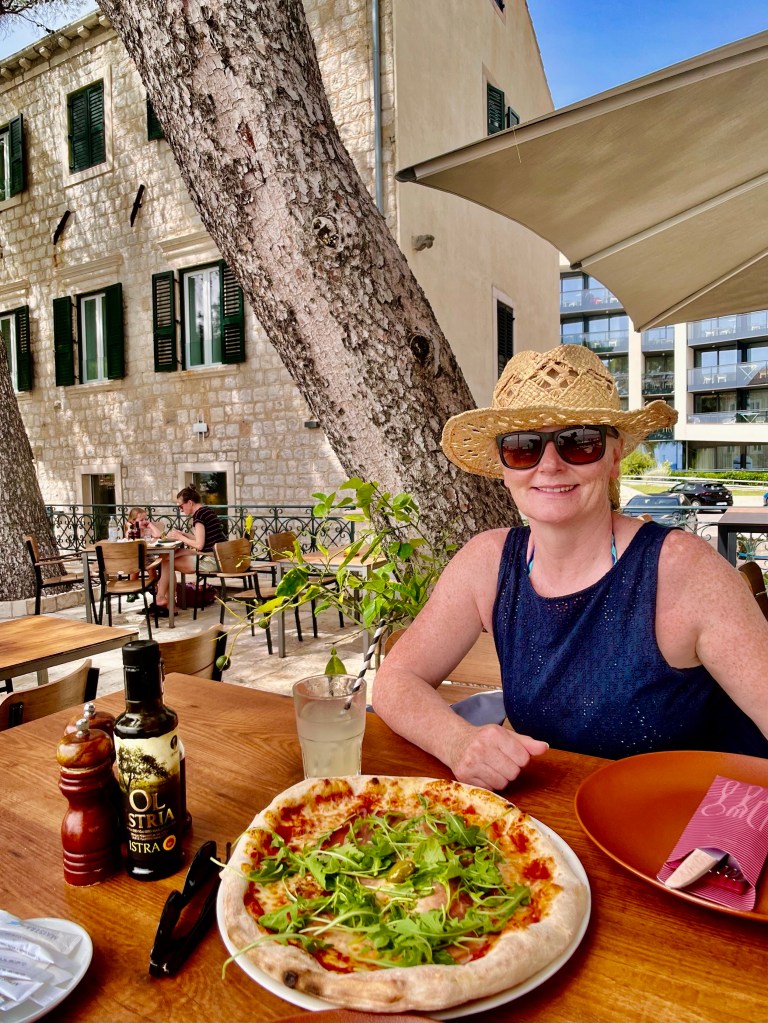
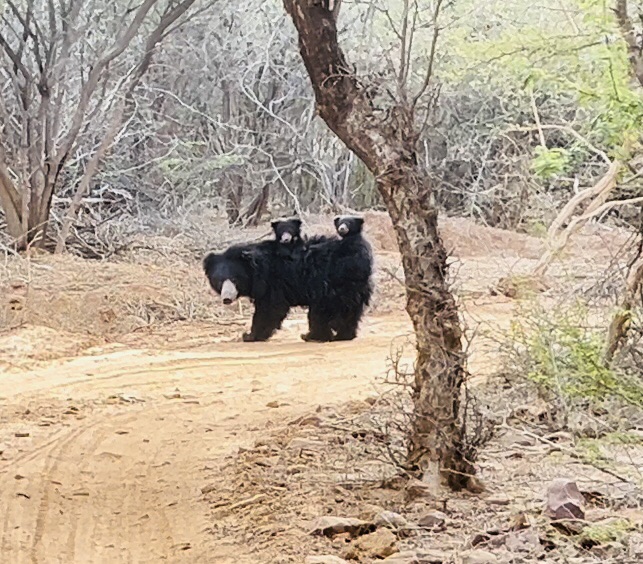
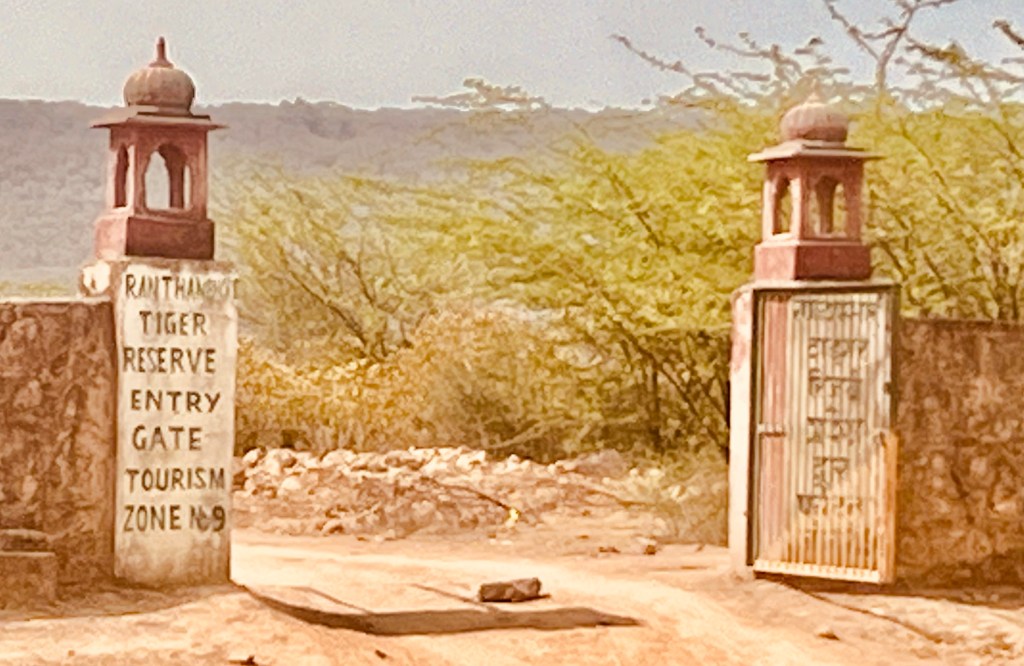

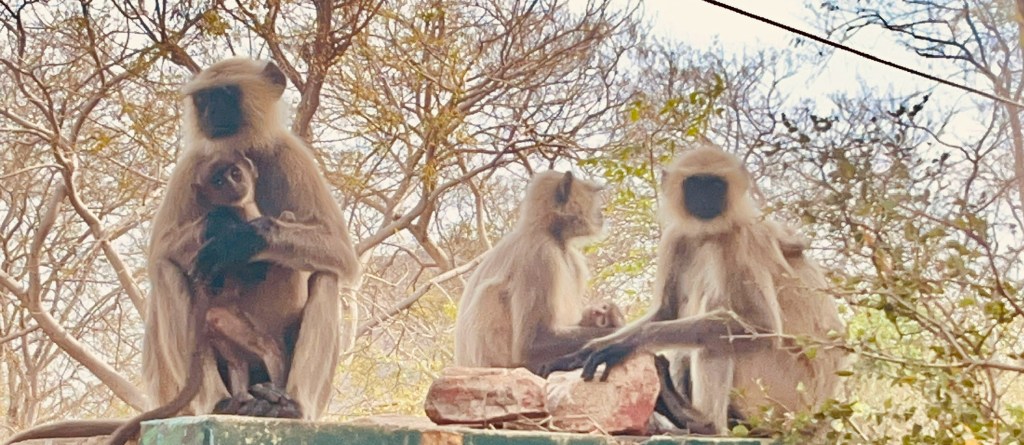
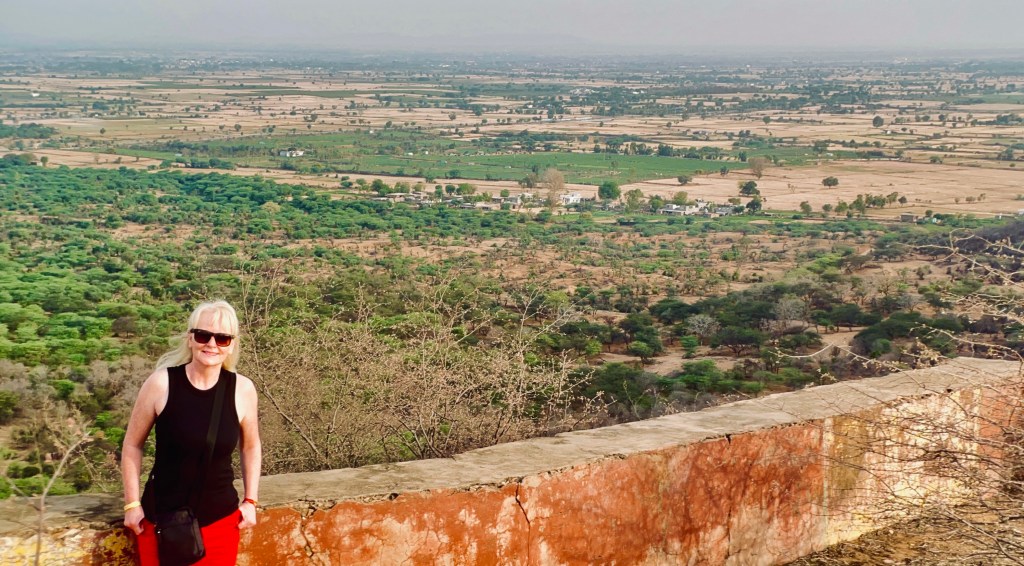
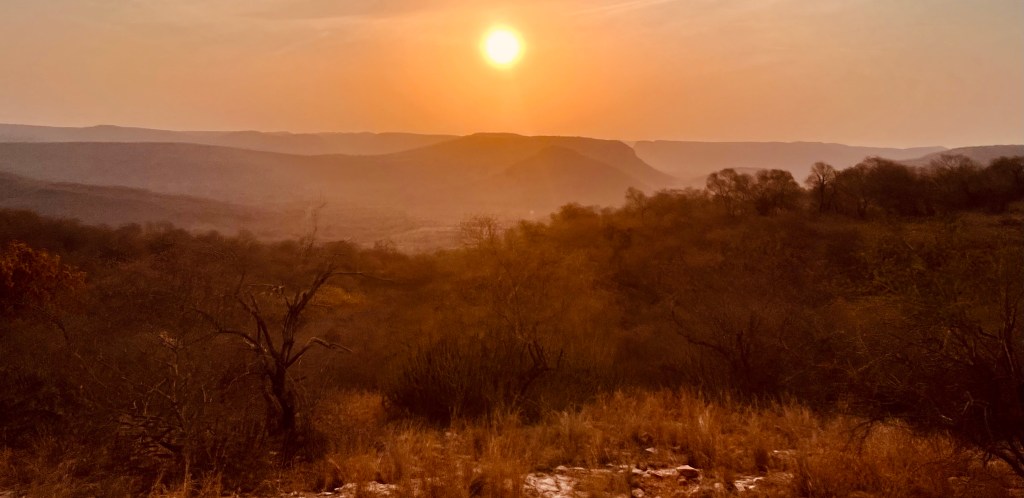
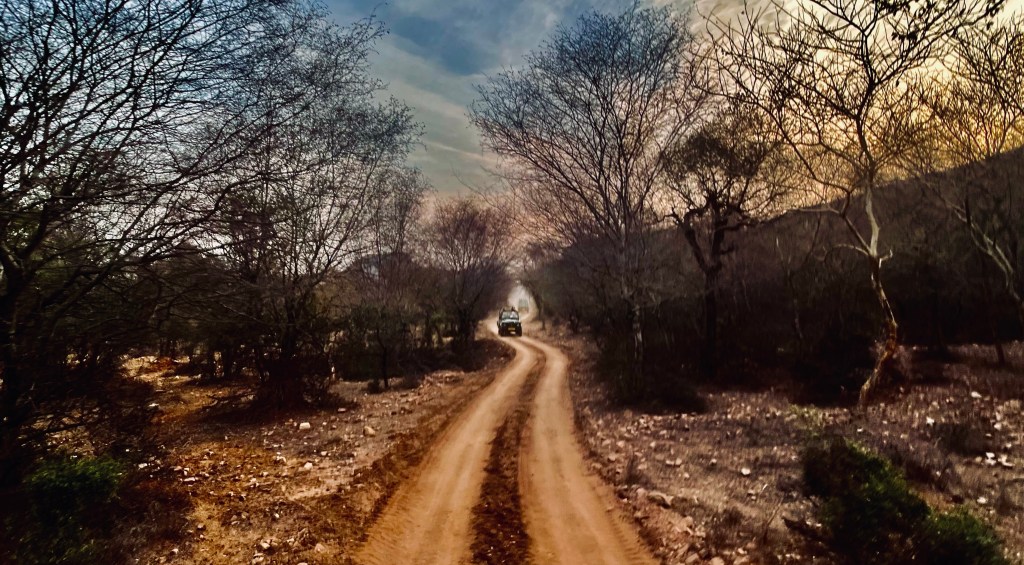
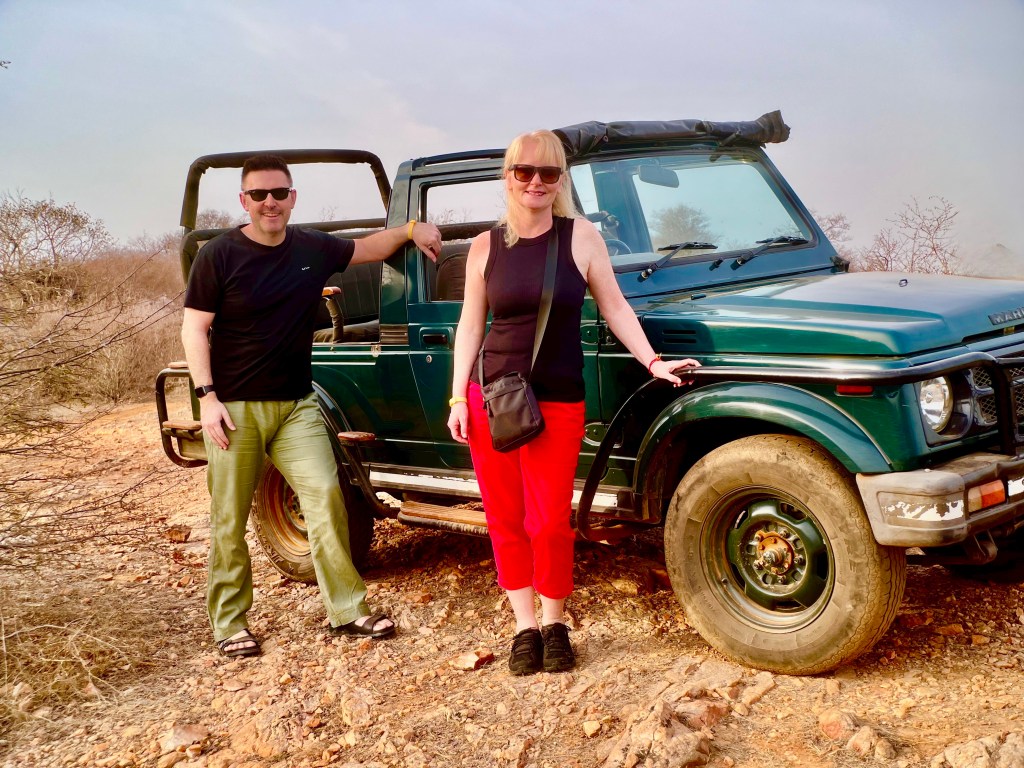
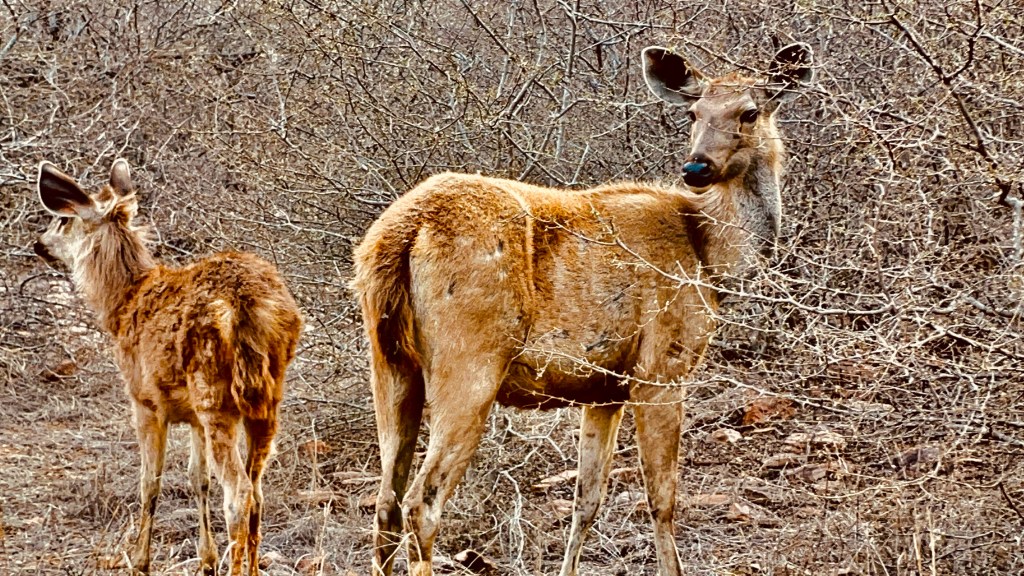
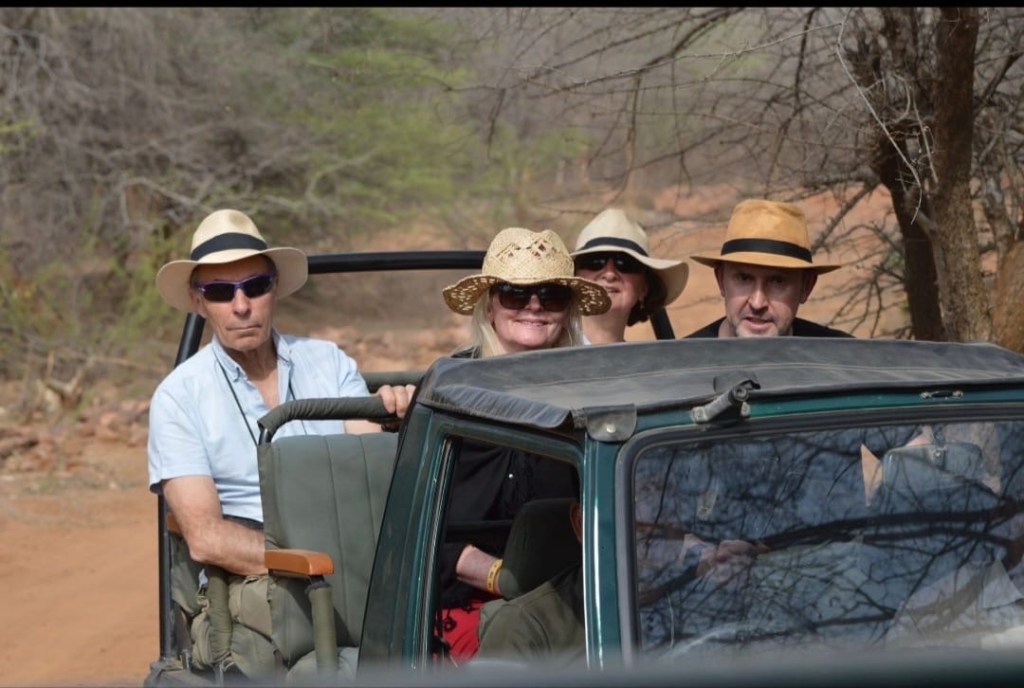
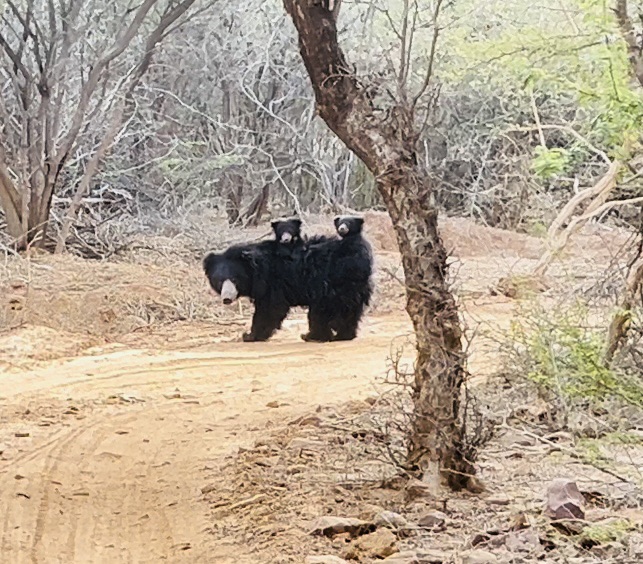
 We were born to do more than go to work, pay bills and die. See the world while you are alive and kicking