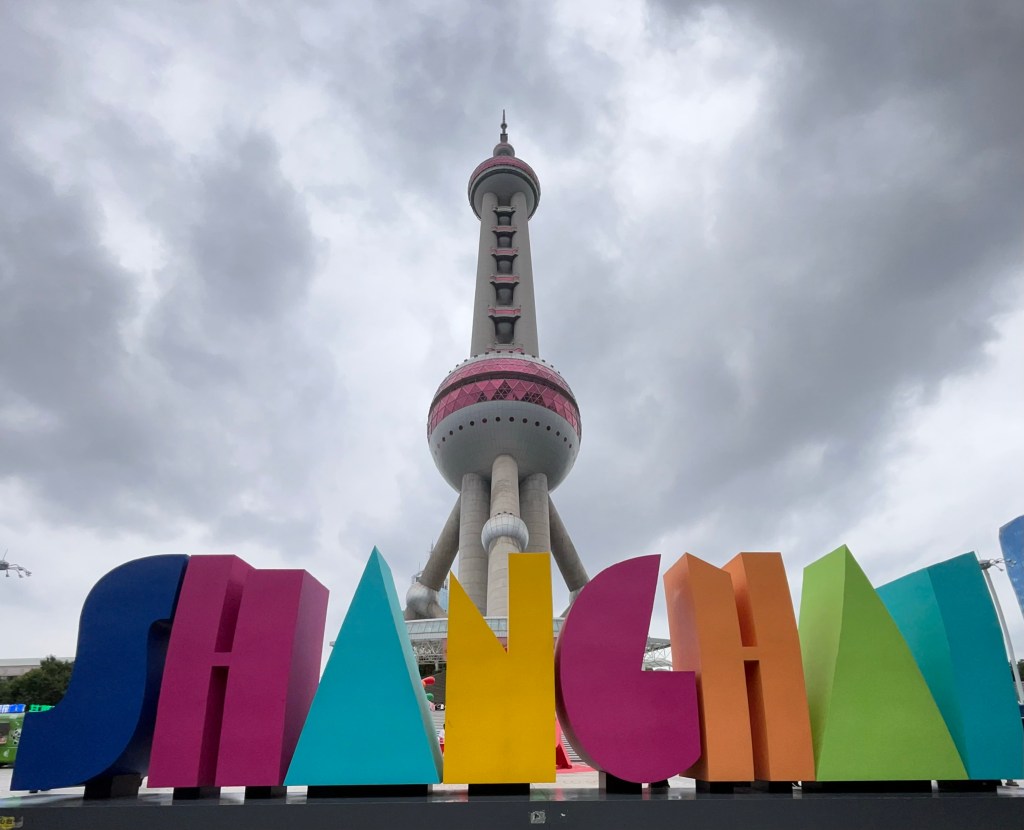
Shanghai, renowned for its striking modern skyline, is a city that beautifully blends a rich historical heritage with contemporary glamour. As a vibrant symbol of both tradition and innovation, it stands out as China’s most cosmopolitan city, showcasing the country’s dynamic spirit and diverse culture.
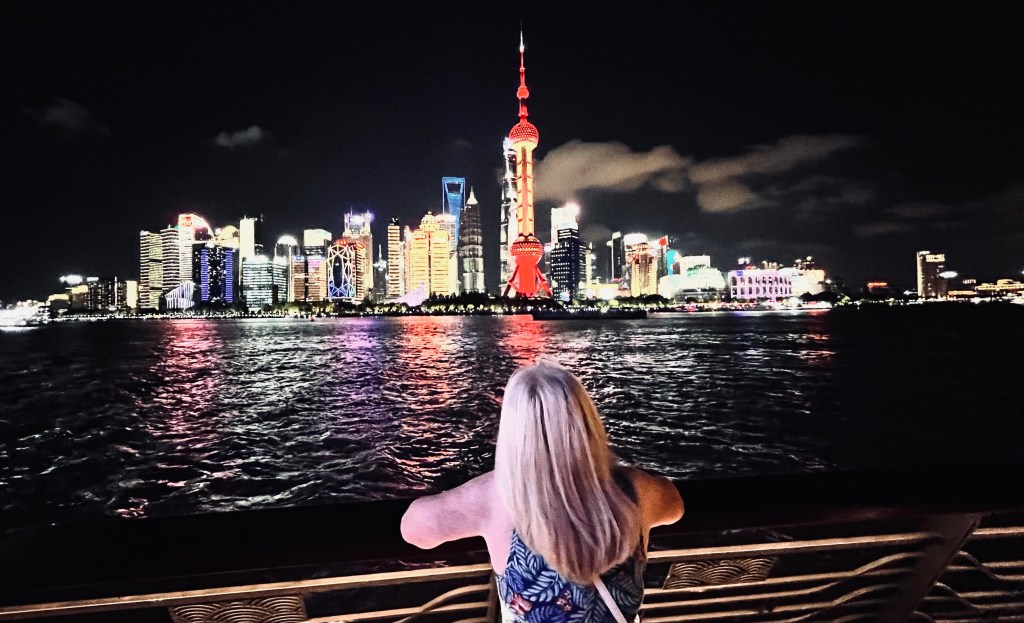
Shanghai is an incredible megacity that truly leaves a lasting impression. During our stay in the city centre, we were constantly awed by the breathtaking views of Pudong’s massive modern skyline. It’s a sight we found endlessly captivating, and I can understand how it can fill anyone with wonder.
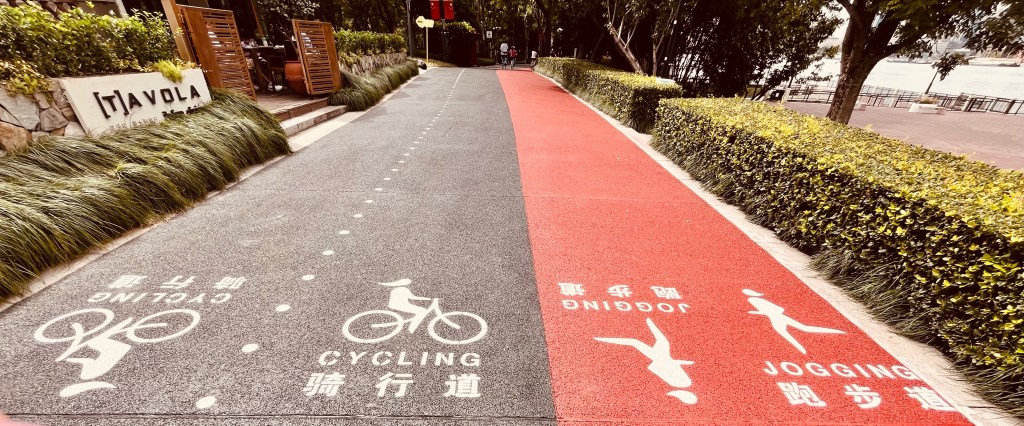
The city is quite accessible, particularly in the city centre where we stayed, which offers a pleasant environment for both pedestrians and cyclists due to its well-maintained pavements. Additionally, taxis are readily available and affordable, while the underground system is extensive and efficient.
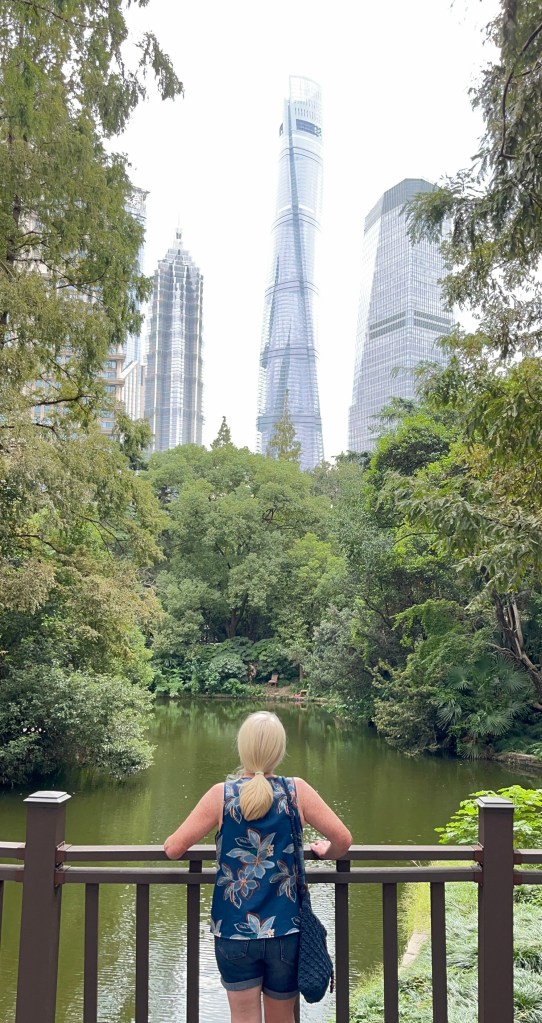
The city blends history and modernity, with rural traditions converging with urban development. Its diverse architectural and cultural landscape has been shaped by a rich multicultural history influenced by British, French, and American concessions.
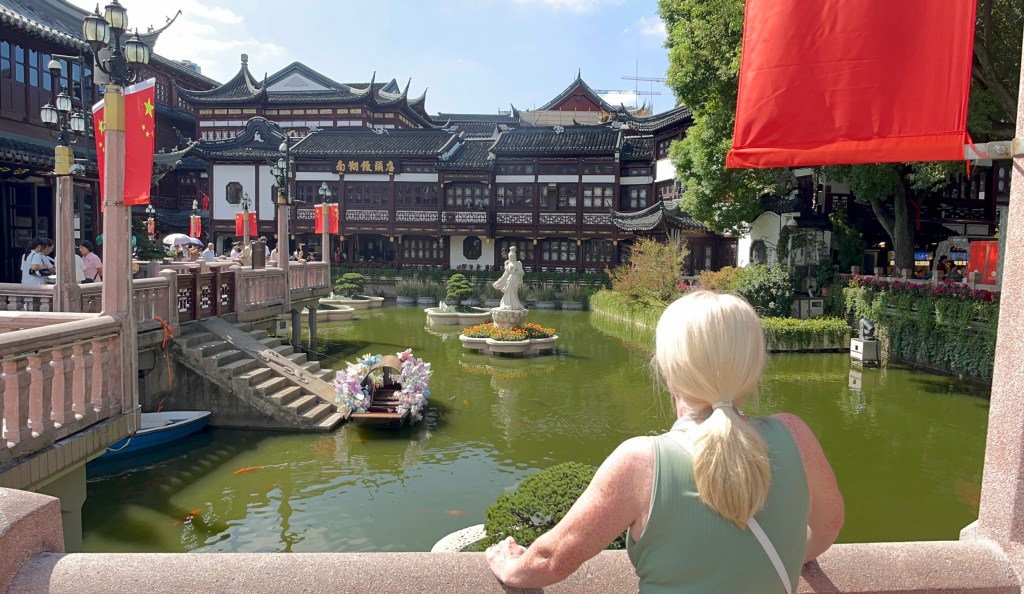
Shanghai is a dynamic metropolis brimming with life, where a rich tapestry of cultural influences converges to create a truly unique atmosphere.
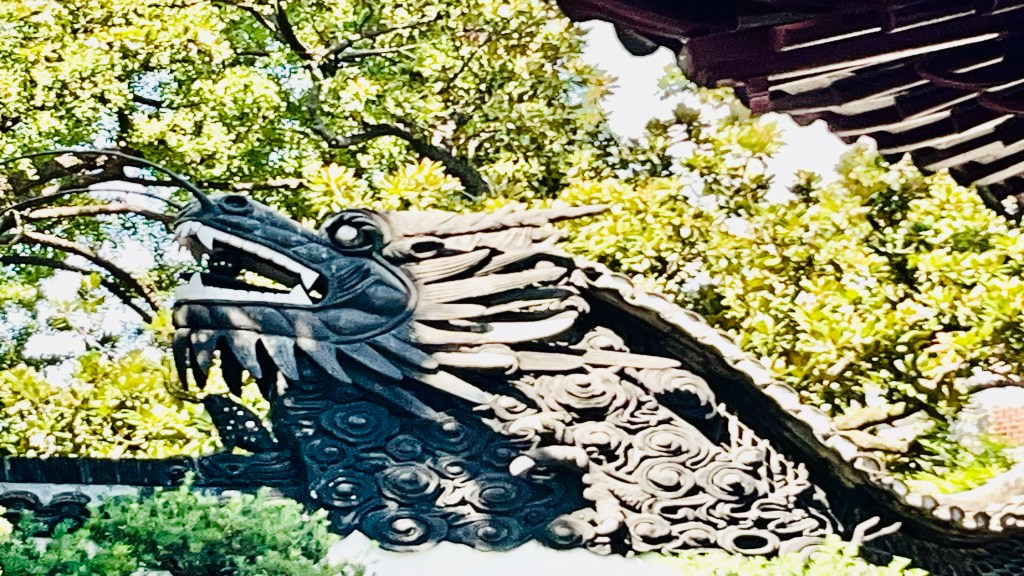
This bustling city not only showcases its distinct character but also beautifully embodies the essence of Chinese identity, making it a captivating destination for anyone seeking to explore the heart of modern China.
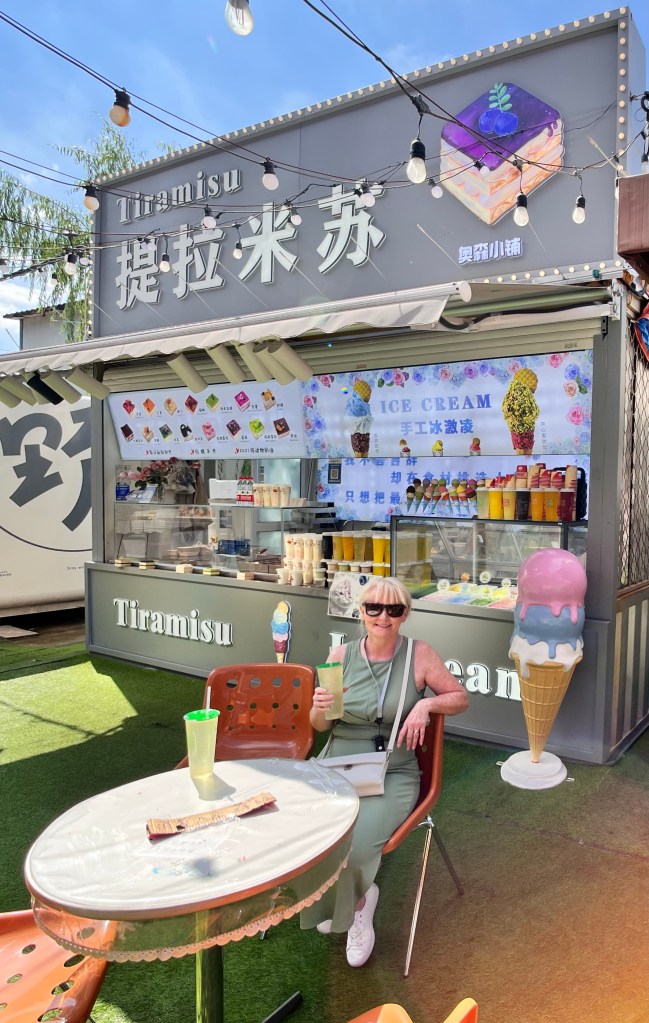
One of the most pleasantly surprising aspects of Shanghai is the city’s surprisingly relaxed atmosphere, especially given its vast size. Visitors can enjoy exploring the delightful parks and gardens or find solace in a charming café, much like we did, while observing the dynamic city life.
Lujiazui Financial district
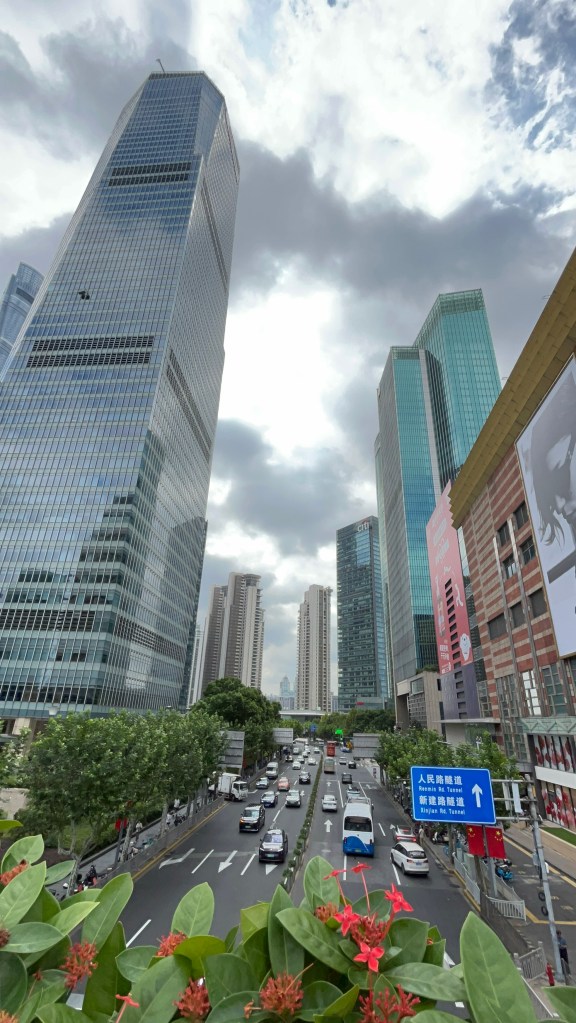
Shanghai’s iconic financial district offers several world-class observation decks providing breathtaking views of the city.
Shanghai Tower
The Shanghai Tower, soaring to an impressive height of over 2,000 feet, stands as China’s tallest skyscraper and a striking symbol of modern architecture. This iconic landmark is a must-visit attraction in Shanghai, offering breathtaking views and a glimpse into the city’s vibrant skyline.
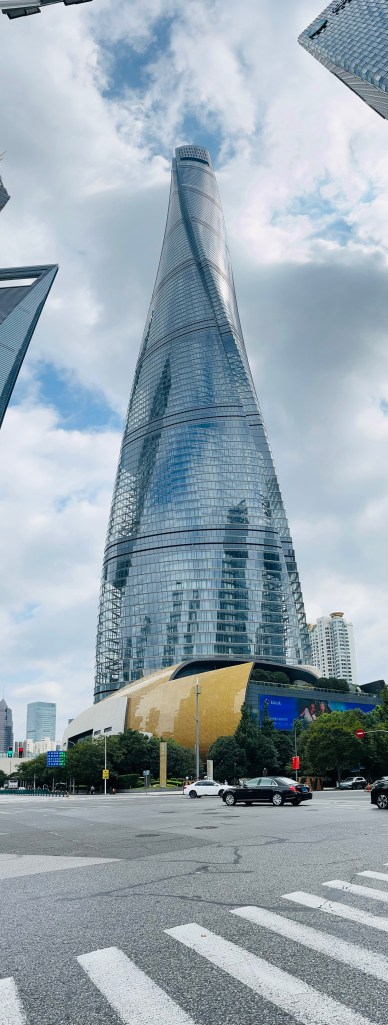
The spiral-shaped tower features two observation decks offering stunning views, a vibrant shopping centre, a museum showcasing fascinating exhibits, a variety of restaurants, and a luxurious 5-star hotel, making it a multifunctional destination for visitors.
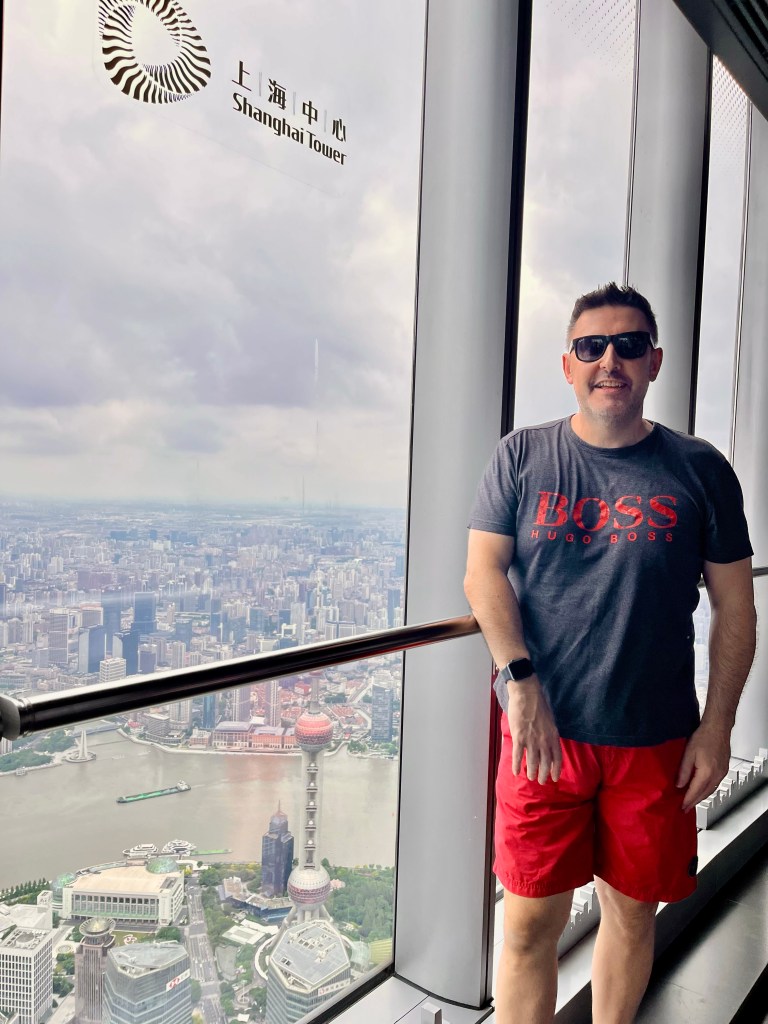
To reach the observation deck, we rode the world’s fastest elevator at 18 meters per second. As we ascended, anticipation grew, and we were soon rewarded with breathtaking views of Shanghai’s vibrant skyline, rivers, and bustling streets.
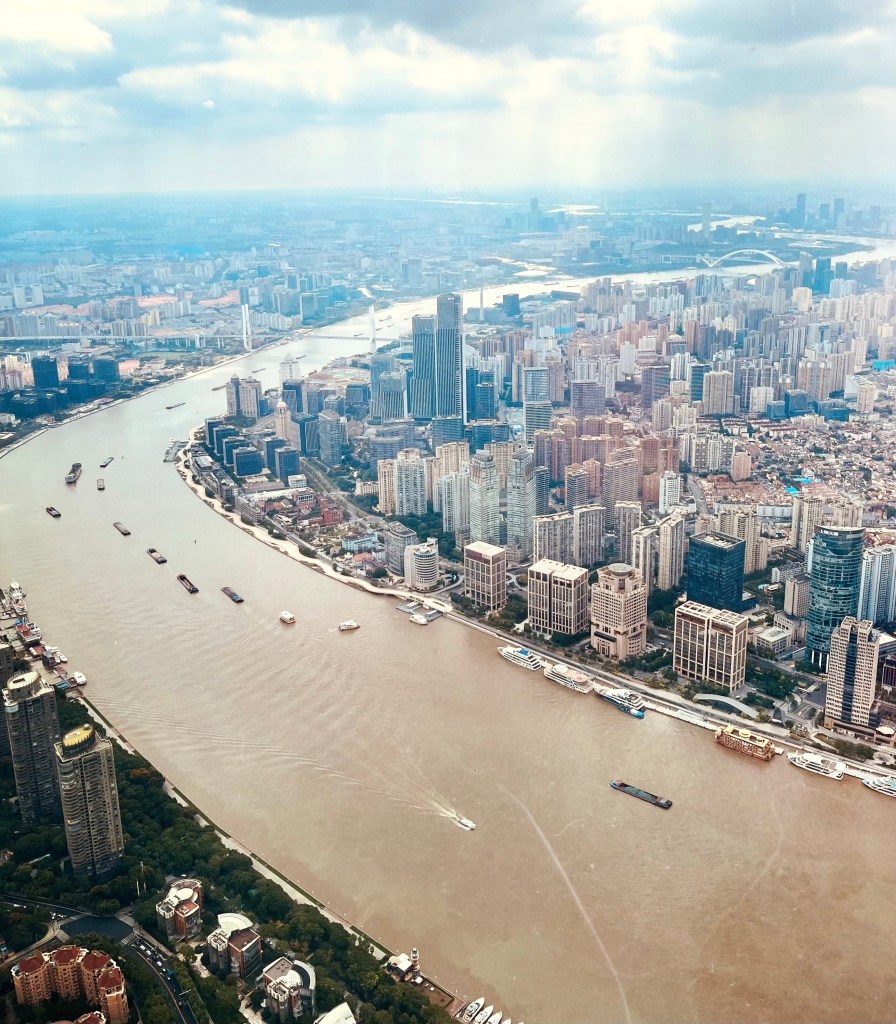
There’s something truly exhilarating about visiting an observation deck! Sure, it might be a classic tourist activity, but the breathtaking views are absolutely worth it. Standing high above the city, I can soak in the sprawling skyline and get a real sense of the urban landscape. It’s an experience that never fails to spark my enthusiasm
Oriental Pearl Tower
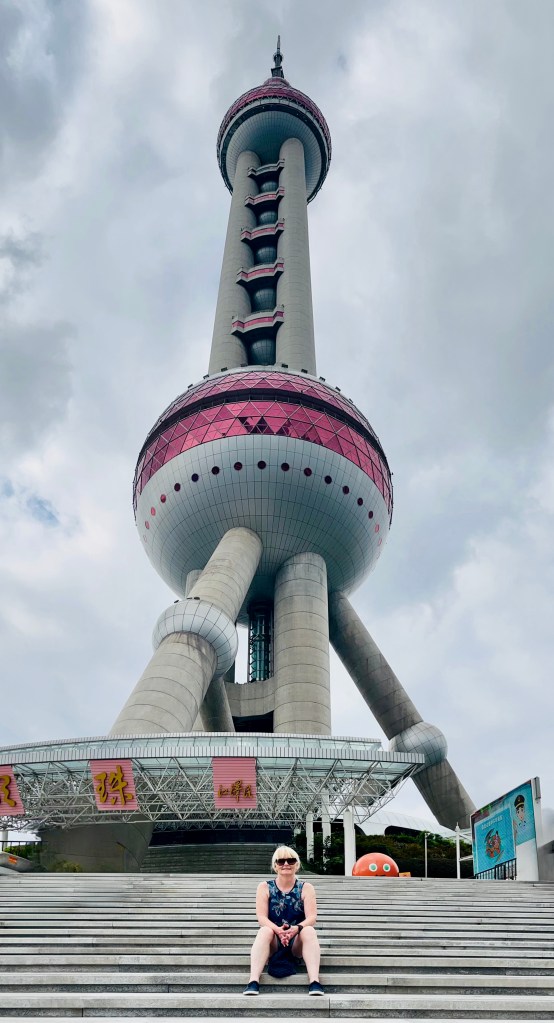
The structure, completed in 1994, was recognised as the tallest building in China until the completion of the Shanghai Tower in 2007.
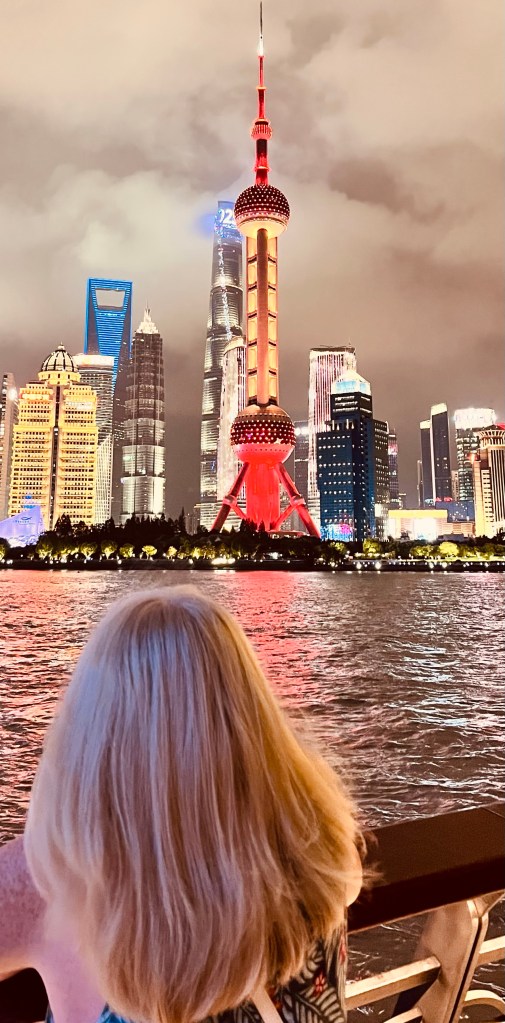
The tower boasts a modern design that highlights its distinctive architecture and remarkable height. It is enhanced by 15 observation decks, collectively contributing to its status as a cultural landmark in Shanghai. This structure is widely regarded as one of the most recognisable buildings in the city.
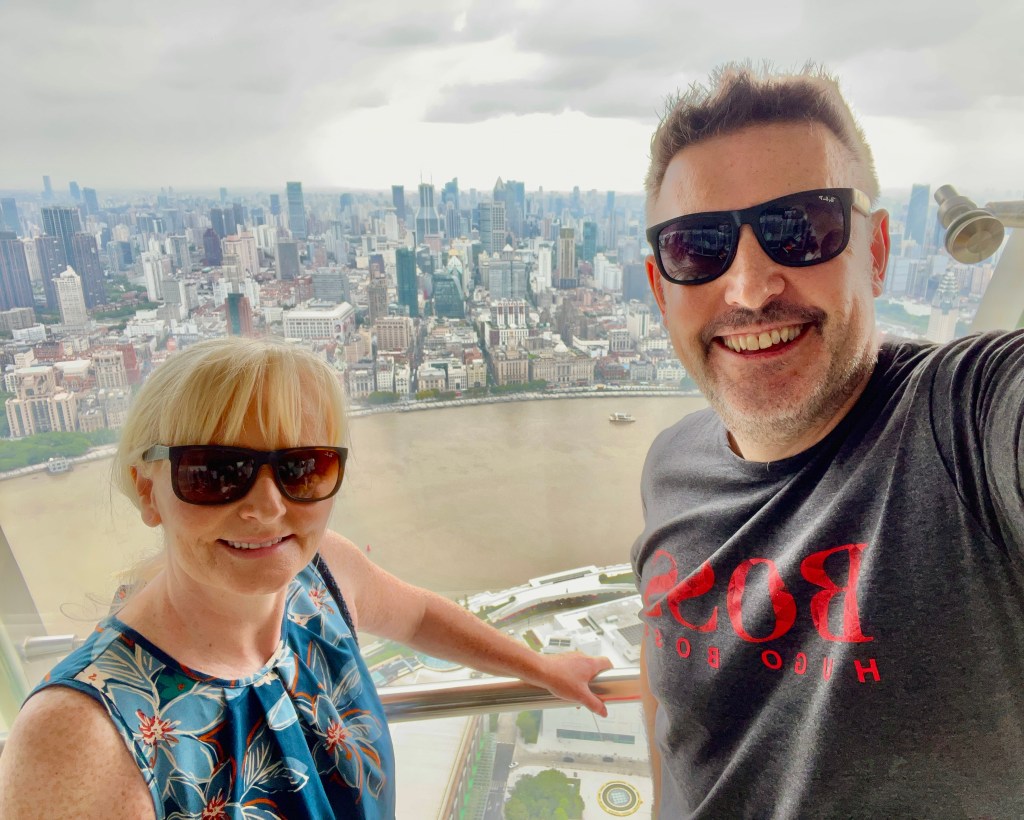
This historic “skyscraper” might not rival the tallest buildings in Shanghai, but its prime riverfront location offers captivating views that invite visitors to connect with the city’s vibrant skyline. Unlike the distant perspective from the Shanghai Tower, it creates a more intimate engagement with the city’s dynamic energy and architectural elegance.
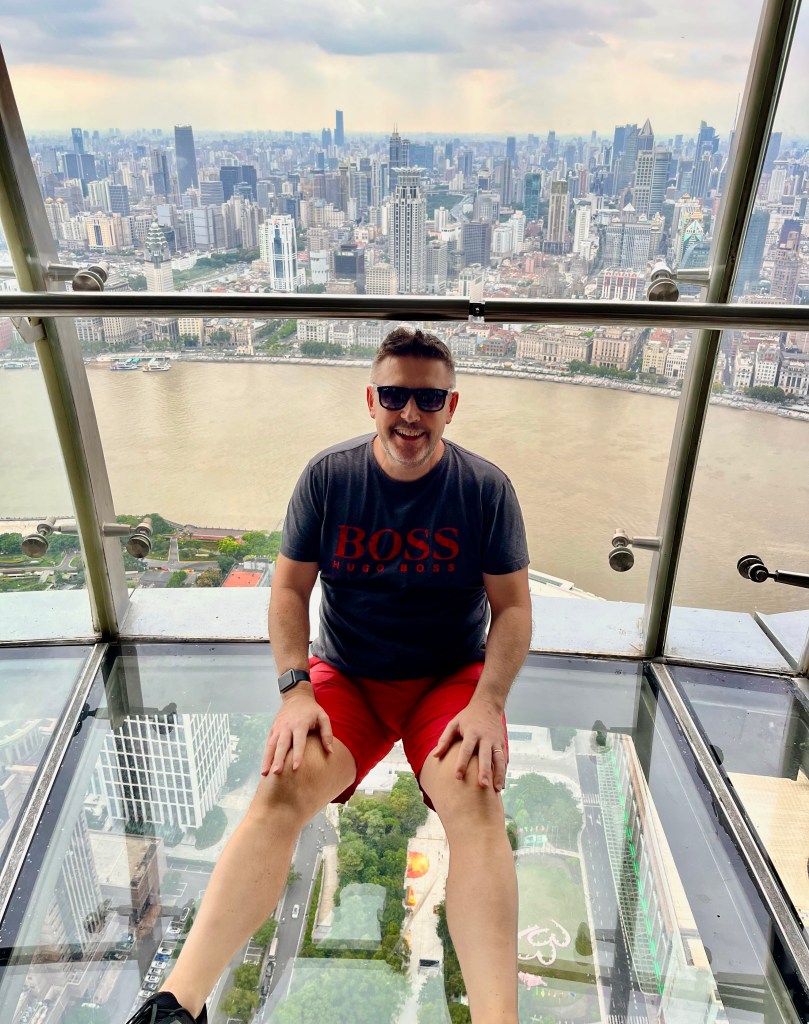
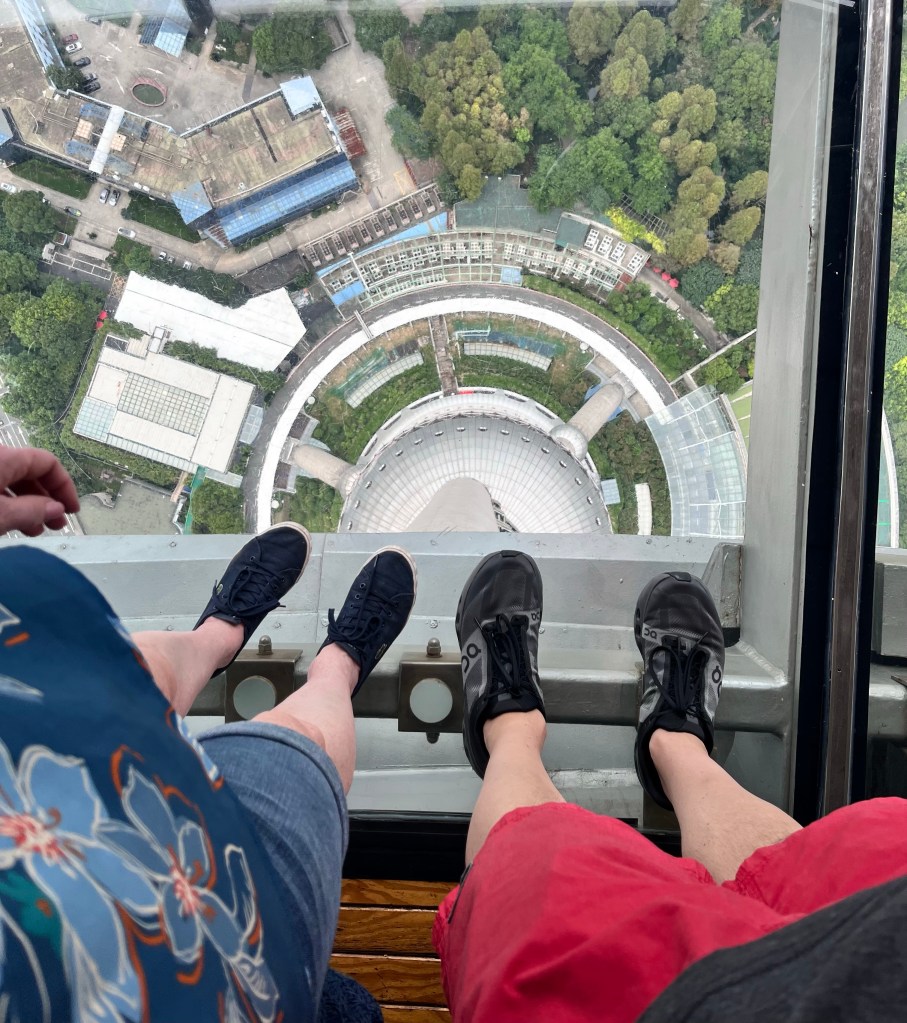
The Oriental Pearl Tower offers much more than just being a tall building. Visitors can explore a museum, enjoy a multimedia show, walk on a glass floor, experience a roller coaster, and dine in a revolving restaurant. The glass floor is amusing, letting you see right down to the ground below and adding an exciting twist to your visit!
In my opinion, having visited both the Oriental Pearl Tower and the Shanghai Tower on the same day, I found my experience at the Pearl Tower more enjoyable. The visitor engagement there seemed more immersive than at the Shanghai Tower, which primarily features an observation deck. The Pearl Tower offers a broader range of attractions that enrich the overall visitor experience.
Shanghai waterfront
A stunning riverside promenade where we uncovered iconic attractions and unforgettable experiences, all while enjoying breathtaking vistas of the city.
The Bund
The Bund is a historically significant waterfront area in Shanghai, renowned for its impressive colonial architecture and picturesque views of the Pudong skyline.
The stark contrast between the historic charm of The Bund and the modern skyline of Pudong is strikingly pronounced. The Bund, with its elegant colonial architecture and the gentle flow of the Huangpu River, evokes a sense of nostalgia and timelessness.
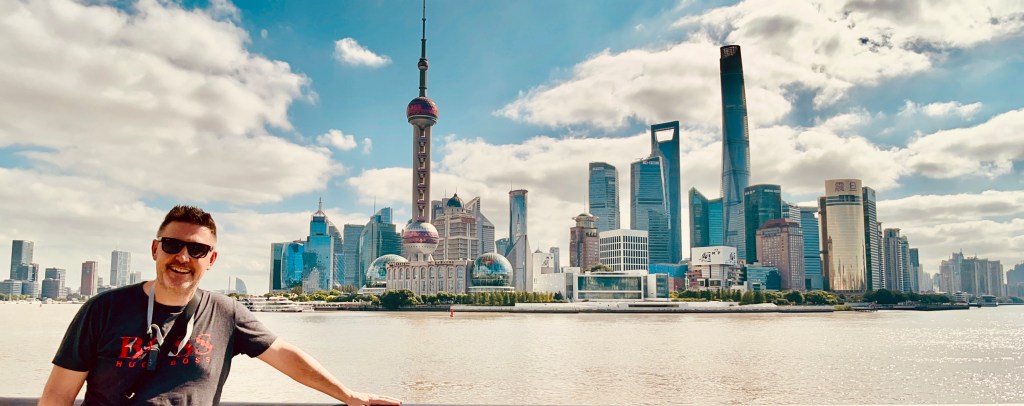
In sharp contrast, Pudong boasts futuristic skyscrapers that pierce the sky, symbolising ambition and progress. This juxtaposition of old-world elegance and cutting-edge modernity paints a vivid picture of Shanghai’s dynamic evolution.
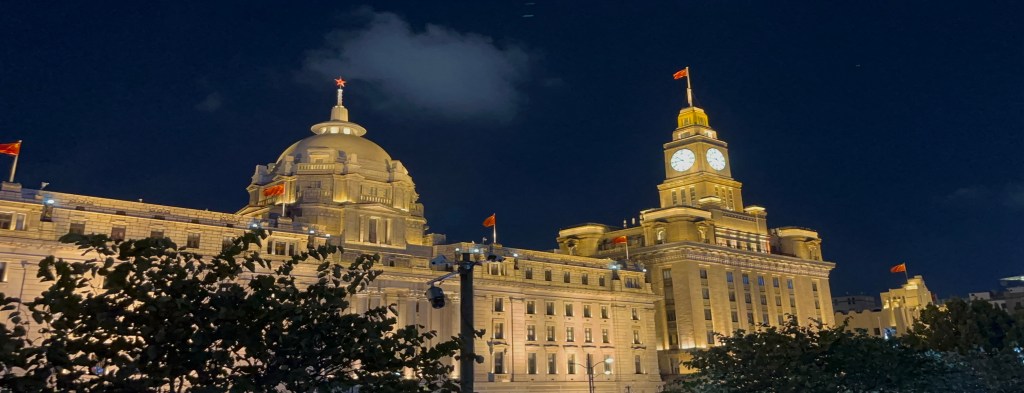
The Bund is a beautiful waterfront promenade featuring 52 buildings with diverse architectural styles, including Baroque, Gothic, Romanesque, and Renaissance. Often regarded as an open-air museum of international architecture, it offers visitors a glimpse into the city’s rich historical and cultural heritage.
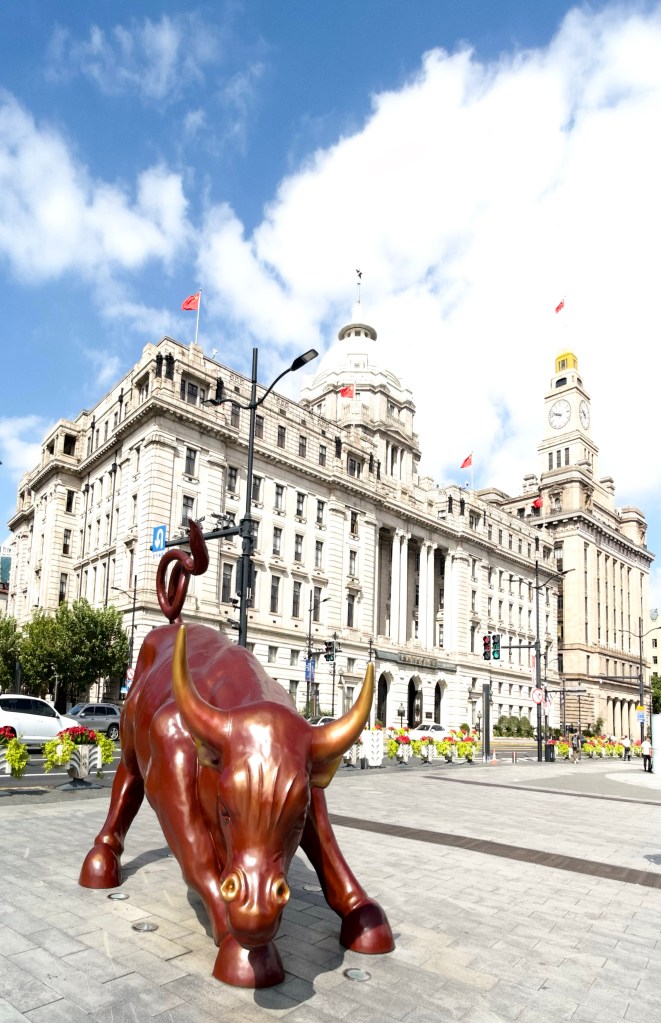
The area developed after the Opium War of 1842, symbolising Shanghai’s history as a global financial centre. While its Western influences were removed under communist control, it has since been revitalised as China’s global confidence has grown.
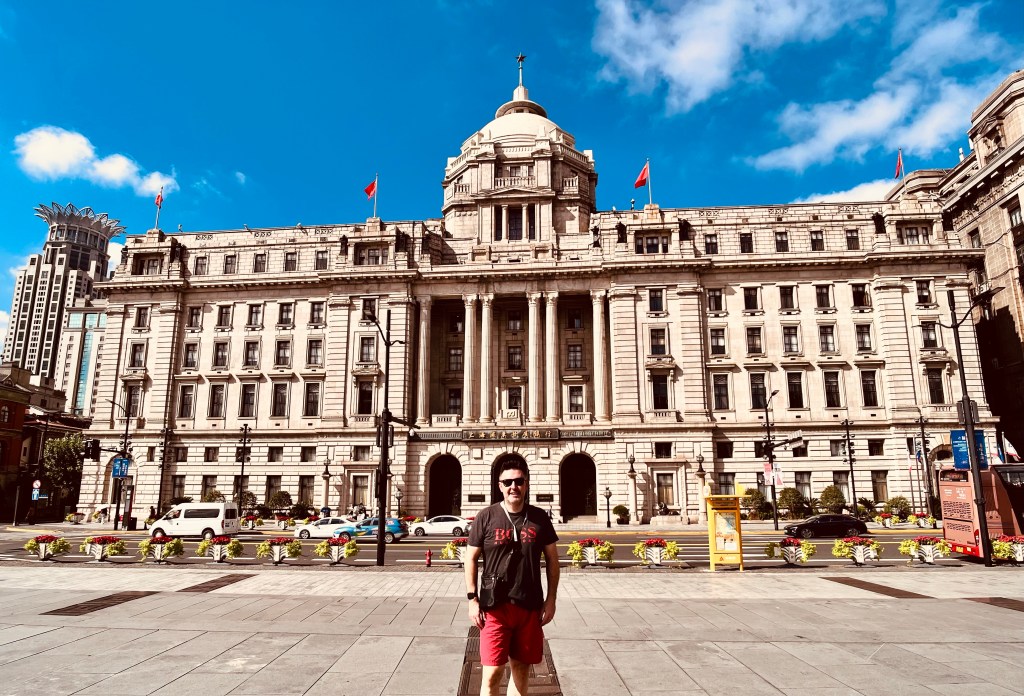
Today, it stands proudly as a renowned historical and cultural centre of Shanghai, celebrated for its stunningly beautiful, intricately designed buildings, densely clustered together. Each structure tells a story, showcasing a captivating blend of architectural styles that reflect the city’s rich heritage and vibrant character.
The North Bund offers a breathtaking view at night.
A great spot to stretch our legs in Shanghai, the riverside promenade offers stunning views of the Pudong skyline and a more relaxed vibe compared to the neighbouring Bund.
It offered breathtaking vistas and, by Chinese standards, was remarkably secluded. The ample open space was adorned with thoughtful landscaping, featuring tranquil rest points strategically placed at regular intervals along the path.
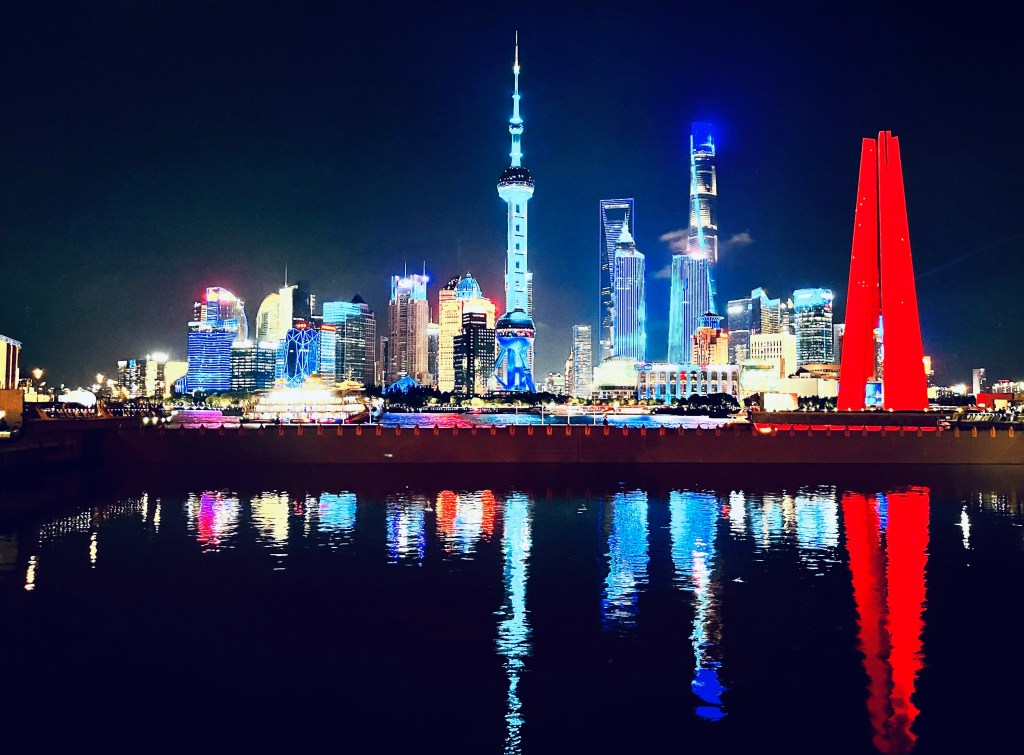
The riverside area has undergone a significant transformation in recent years, evolving into a vibrant modern hub. With breathtaking views of the Pudong skyline, it offers a tranquil atmosphere that contrasts with the busier historical location of the neighbouring Bund. The north Bund successfully integrates contemporary architecture with open pathways, creating an inviting space for residents and visitors alike.
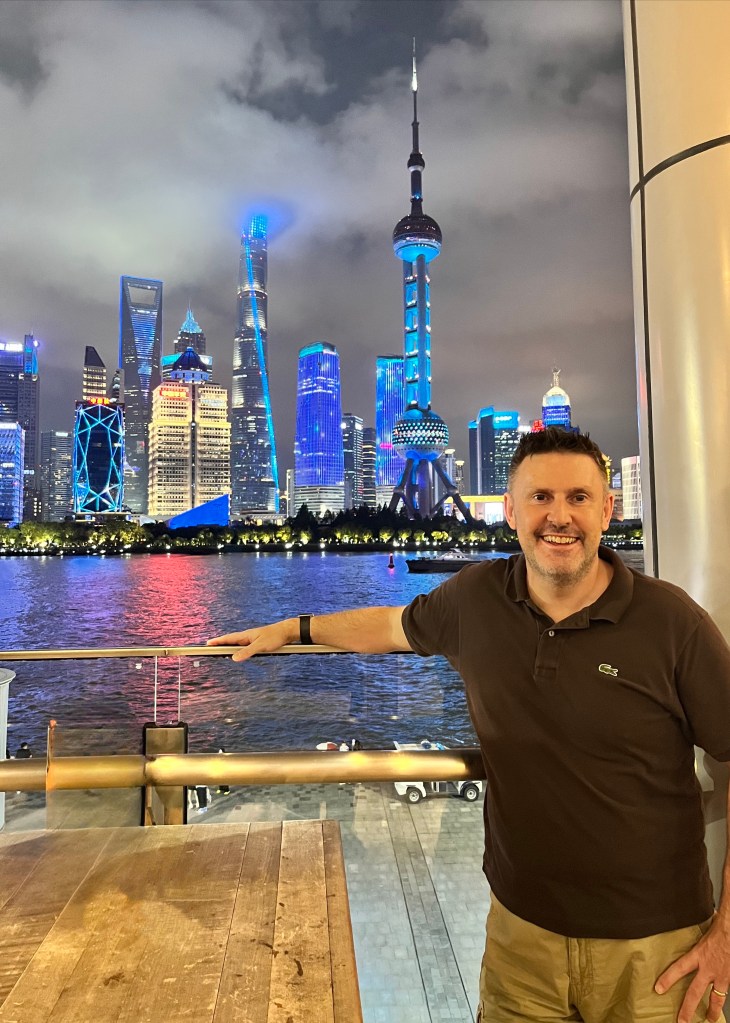
During our stay in Shanghai, we were fortunate to have our hotel conveniently located near this area, allowing us to explore it each night of our visit. Additionally, the cruise terminal is also nearby, making it an ideal spot for those interested in enjoying a river cruise, as we did during our stay.
Haungpu River cruise
An opportunity not to be missed, one of the best ways to admire Shanghai’s classic skyline views
Experiencing the city from a new viewpoint was truly enlightening. The Huangpu River, often called the mother river of Shanghai, plays a crucial role in shaping the city’s identity. Its banks are lined with renowned attractions, luxurious hotels, and significant financial buildings, all of which contribute to the vibrant character of Shanghai.
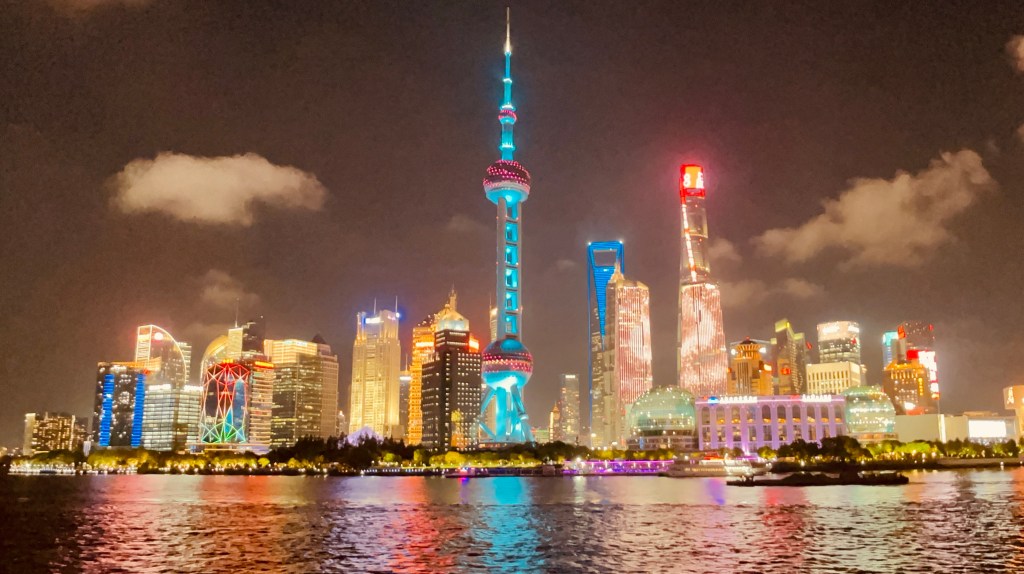
Cruise options can vary in size, capacity, decor, and amenities. There are many different-length cruises; we opted for the classic 60-minute cruise, and we were advised to take the nighttime cruise, when the river is veiled in sparkling neon lights on both sides.
During a relaxing river cruise, we can admire stunning architectural landmarks, including the Shanghai World Financial Centre and the Oriental Pearl Tower, both of which captivate us. The experience is further enhanced as we sit comfortably, sipping on a beer, making for an enjoyable evening.
Yuyuan Garden & Bazaar
This garden, established over 400 years ago during the Ming Dynasty, is renowned for its beautiful scenery and artistic landscapes, making it a highly regarded destination for visitors.
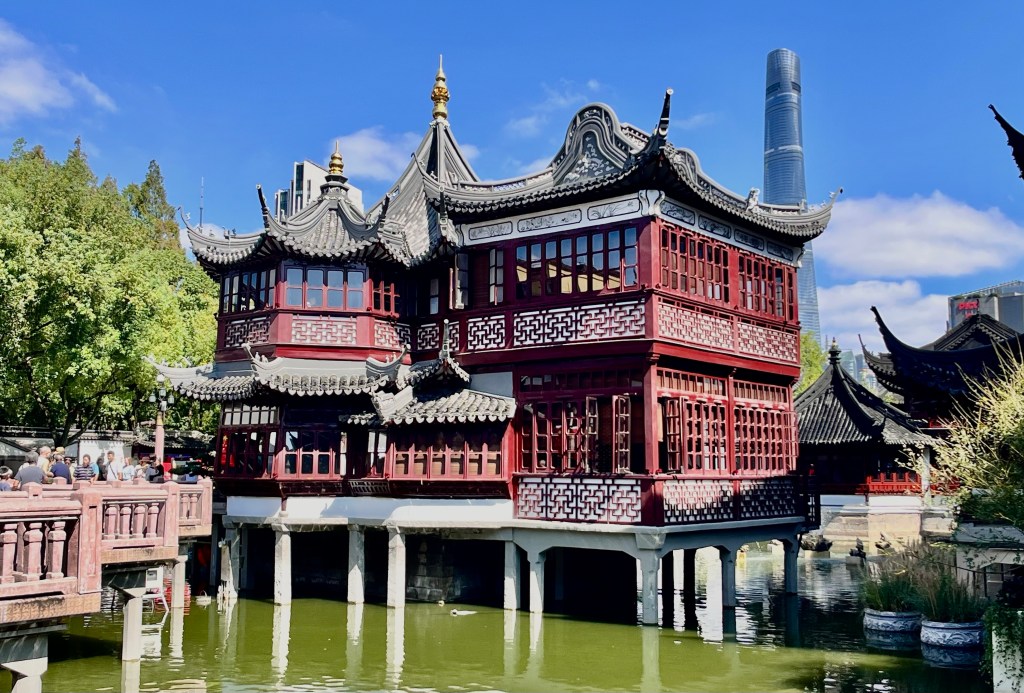
Yu Garden invites us to explore the intricate beauty of traditional Chinese garden design, showcasing the exquisite architectural styles of the Ming Dynasty. With its harmoniously arranged elements, serene ponds, and ornate pavilions, this enchanting oasis provides a captivating journey through history and artistry.
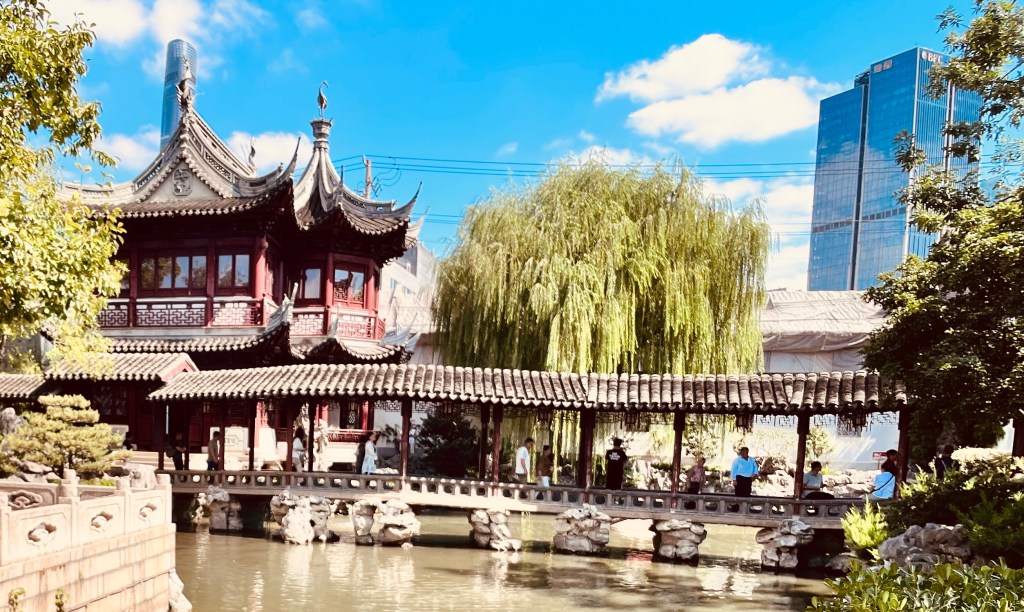
Yu Gardens, located in the heart of Shanghai’s old town, offers a captivating experience for visitors. This historic site appeals to a wide range of interests, making it an ideal destination for history enthusiasts, photography lovers, and those exploring cultural heritage.
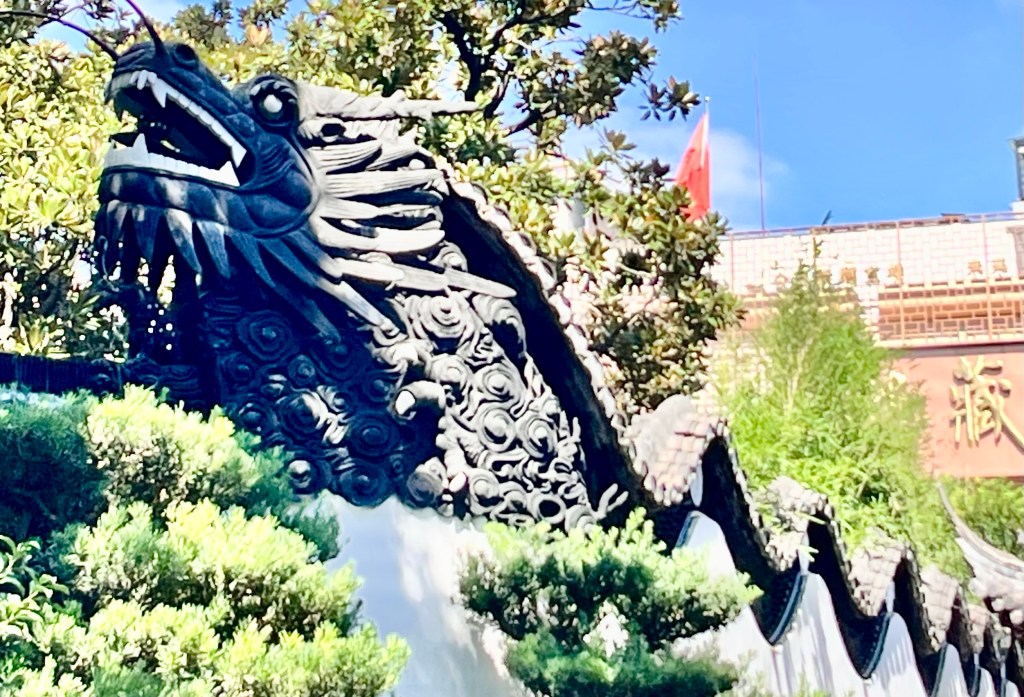
The site spans 5 acres, with one of its most captivating features being the Dragon Walls. These meticulously designed walls not only serve a practical purpose by elegantly dividing various garden spaces but also enhance the visual allure of the surroundings. With their enchanting designs and intricate details, the Dragon Walls create a striking focal point.
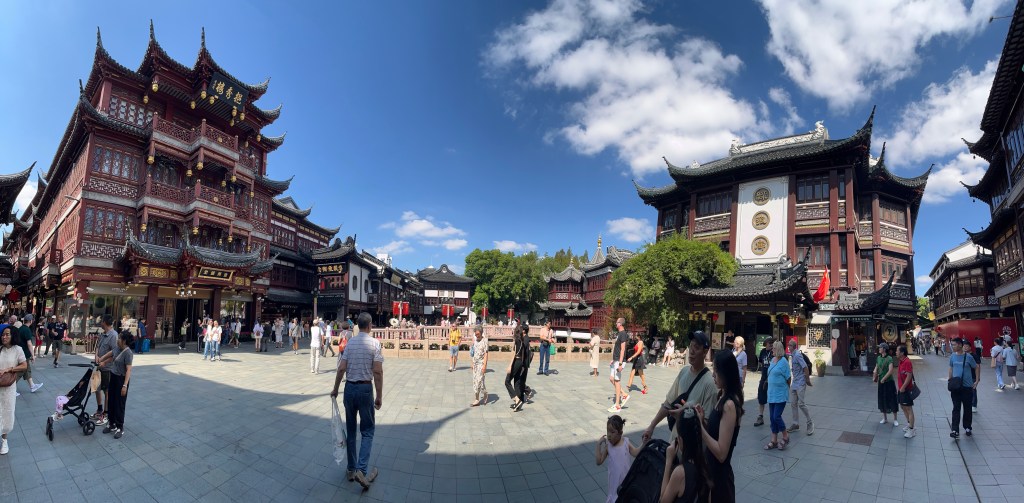
French Concession
An area which was administered by the French from 1849 to 1943. Known for its European architecture and tree-lined streets
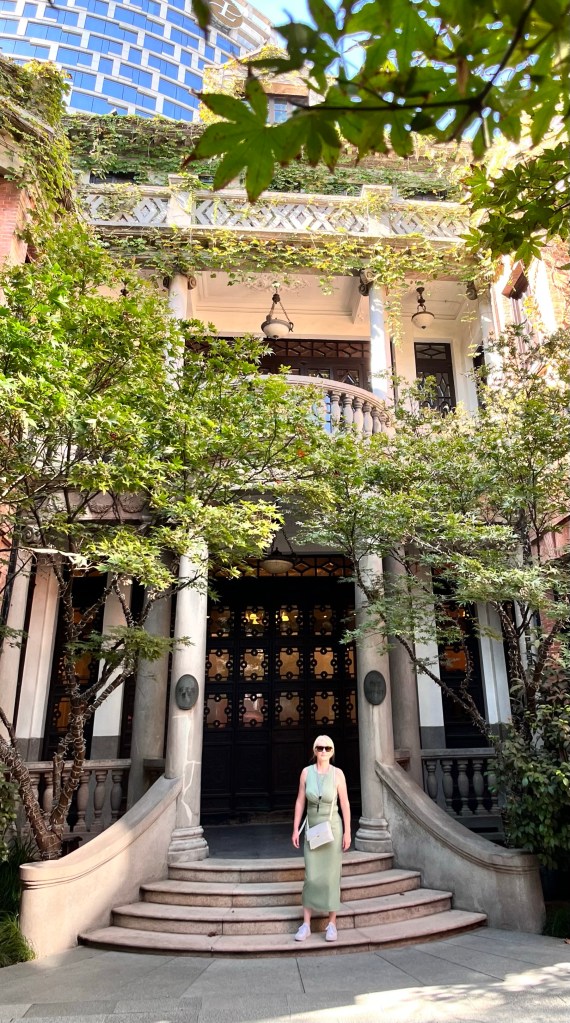
Today, it has become a popular tourist destination, attracting visitors with its charming boutiques, inviting cafes, vibrant galleries, and well-preserved architectural buildings. The area offers an interesting blend of architecture to explore, including charming French-style villas and Art Deco buildings.
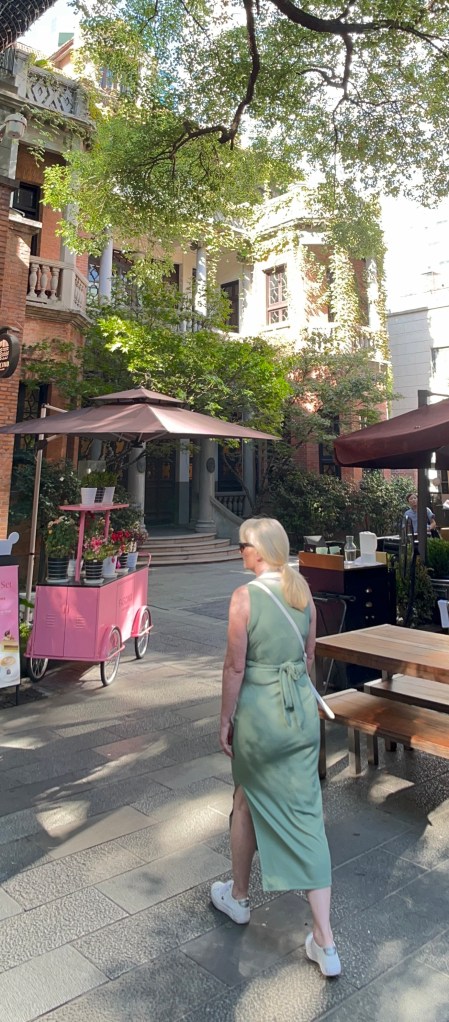
Although the area is dotted with charming Western-style cafes and boutique shops, accompanied by a noticeable price increase, I found these elements didn’t quite capture my interest. Their appeal felt a bit superficial, lacking the depth and character I often seek in a vibrant atmosphere.
Nanjinglu Street
Shanghai’s premier shopping street is a lively 5-kilometre (3.2-mile) stretch filled with energy. Home to over 600 diverse businesses, it features a mix of traditional shops, modern boutiques, and bustling markets, making it a shopper’s paradise.
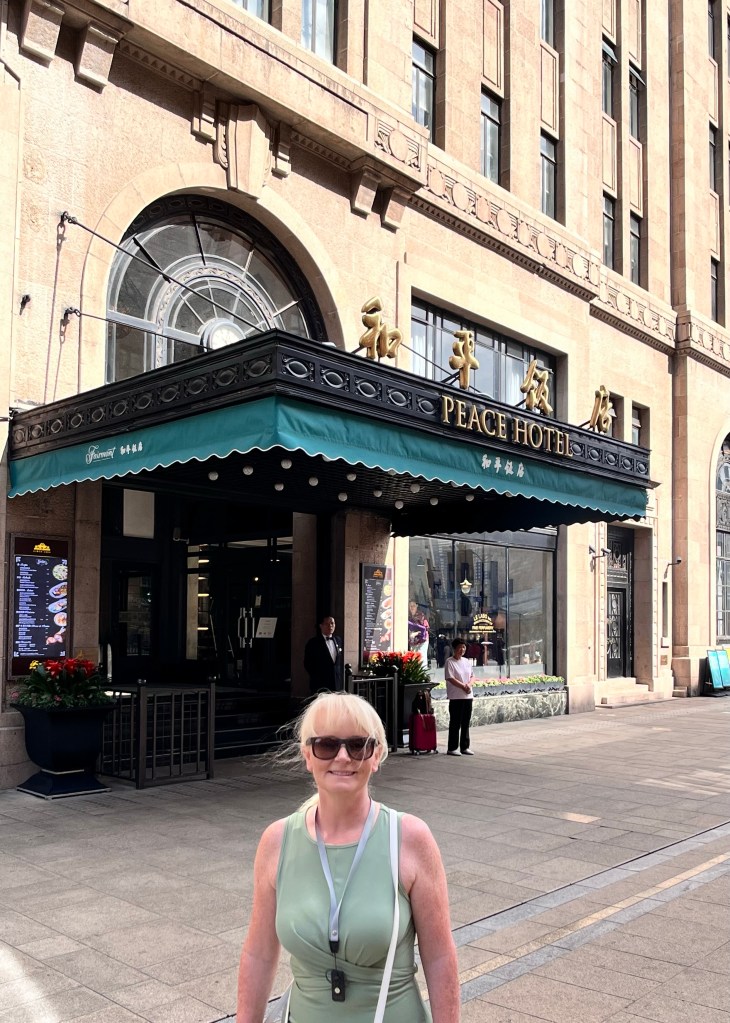
At the beginning of Nanjinglu Street, located right on the Bund, stands The Peace Hotel, a boutique hotel designed in the Art Deco style and constructed in 1929. Renowned as one of the most famous hotels in Shanghai, it has a storied history and is currently part of the Fairmont hotel group.
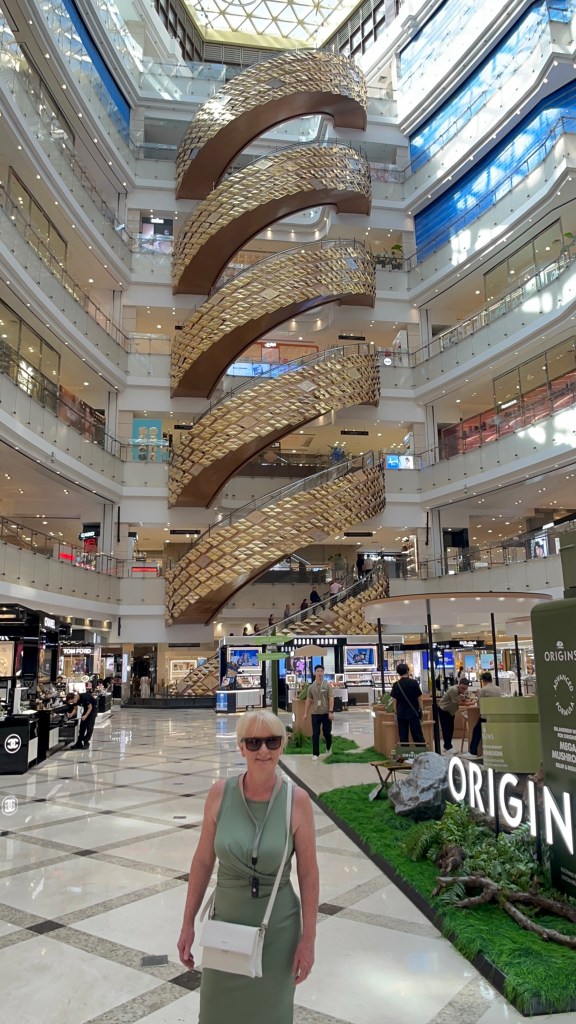
We also discovered a remarkable array of shops, particularly the striking eight-storey New World Dawan Department Store. Its stylish interior boasts a distinctive spiral escalator, reputed to be the largest in the world. This department store stands as a Chinese counterpart to Harrods, offering an equally luxurious shopping experience, complete with an eclectic mix of high-end brands.
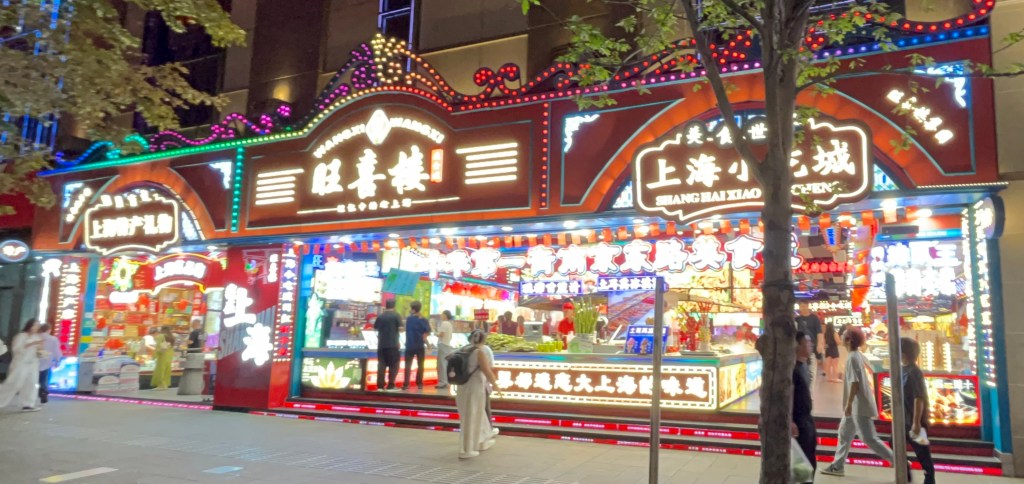
We had the opportunity to visit again in the evening, and the atmosphere was enhanced by brightly illuminated shopfronts that drew the attention of both locals and tourists. This time of day offers a more lively experience than the daytime, showcasing a vibrant scene that emphasises the diverse retail options.

 We were born to do more than go to work, pay bills and die. See the world while you are alive and kicking