Chengdu can be reached from Chongqing, which is the final destination of the river cruise. Chengdu may not be located on the Yangtze River, but it promises an exciting blend of experiences.
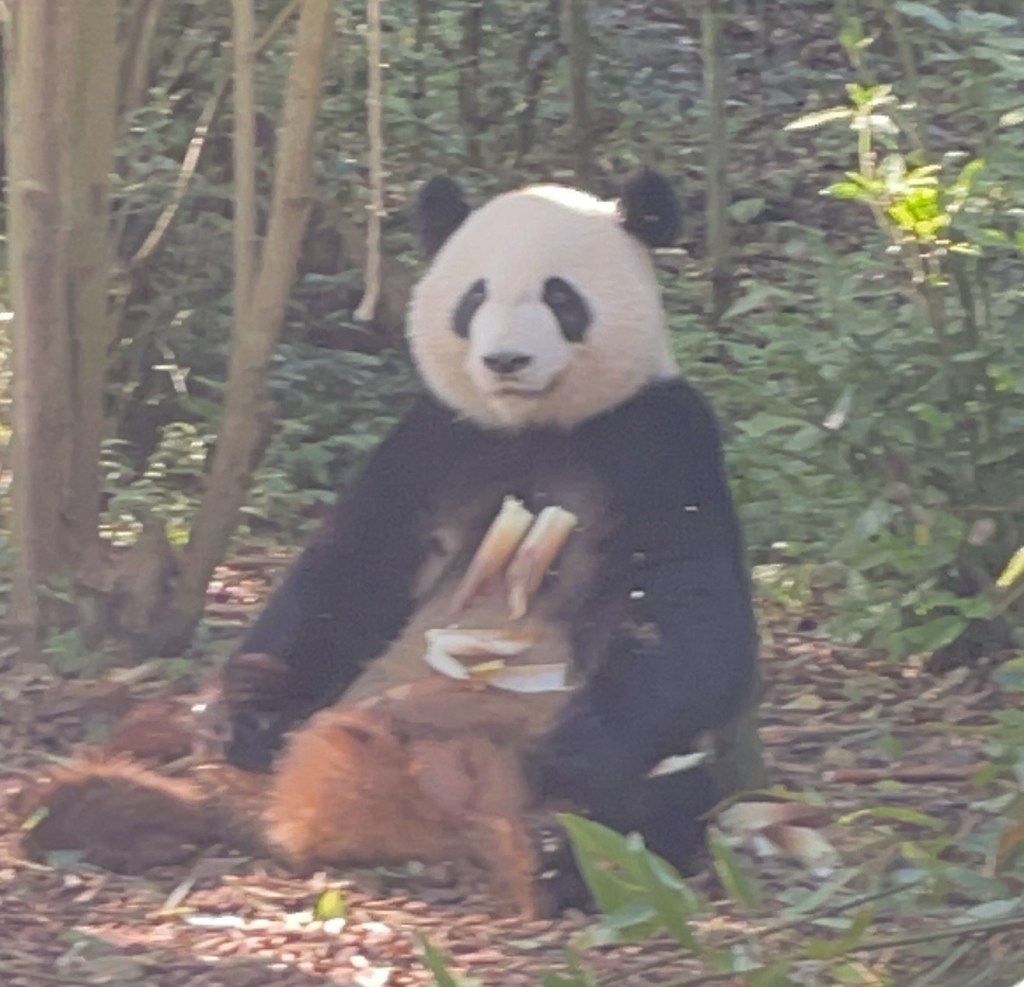
Several cruise companies offer exciting itineraries that include a stop in Chengdu, allowing travellers to experience the charming local culture and meet the famous pandas. During our memorable 18-night journey from Shanghai to Beijing, we enjoyed a scenic river cruise with enriching stops, making it a well-rounded exploration of this incredible region.
Our journey was a thrilling adventure, embracing the wonders of planes, boats, trains, and automobiles. We soared from Shanghai to Yichang Airport, then journeyed by car to the river, where we boarded a ship and cruised gracefully down the majestic Yangtze River to Chongqing, before hopping on a speedy bullet train to Chengdu.
The journey promises to be incredible, filled with excitement and a hint of exhaustion as we look forward to travelling through the air, on land, and on water. We can’t wait to experience everything that lies ahead!

To truly understand a country, we must immerse ourselves in its culture and experiences. While it may be tempting to take the easy route, genuine firsthand experiences offer the most profound fulfilment. Seeking out these moments opens us to life’s rich tapestry.
Chengdu

Before my visit, I only associated Chengdu with pandas. However, I quickly discovered that this vibrant city has so much more to offer. Its relaxed atmosphere, rich culture, and mouthwatering cuisine captivated me. And, of course, the Chengdu Research Base of Giant Panda Breeding is a must-see!
Chengdu Research Base of Giant Panda Breeding.
If you’re interested in experiencing the majesty of a giant panda up close, this is the ideal location for you. Situated just 6.2 miles north of Chengdu, the base is dedicated to the conservation of this remarkable species and its diminishing habitat.
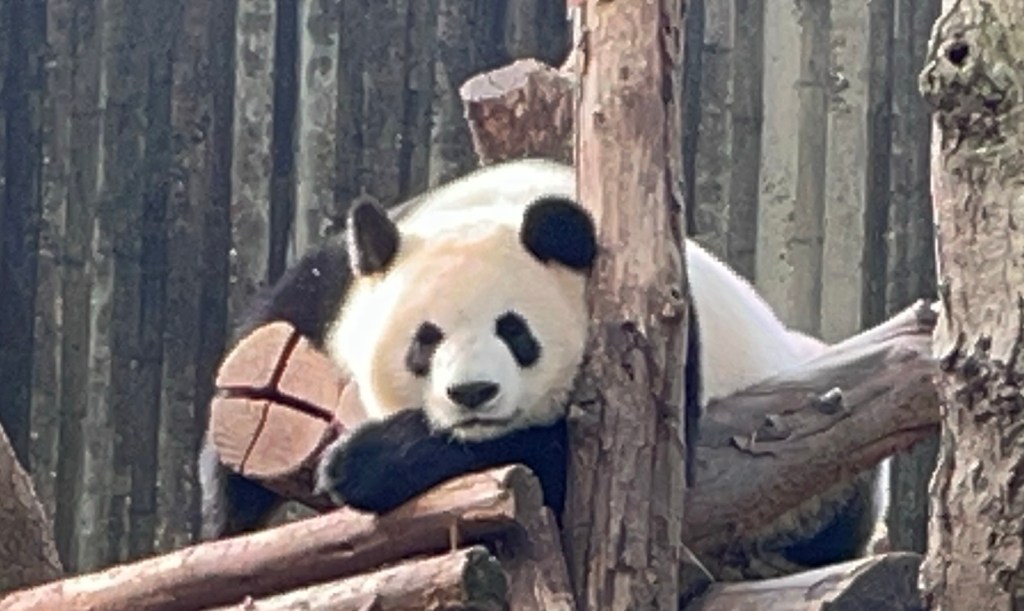
The diverse landscapes of Sichuan’s northern mountain ranges, including bamboo forests, constructed habitats, rocky terrains, caves, and rivers, provide a suitable environment for the natural roaming of giant pandas
The diligent efforts and conservation initiatives being undertaken to recreate this environment are poised to play a crucial role in significantly advancing our progress toward reducing the pandas’ status on the endangered species list in the near future.
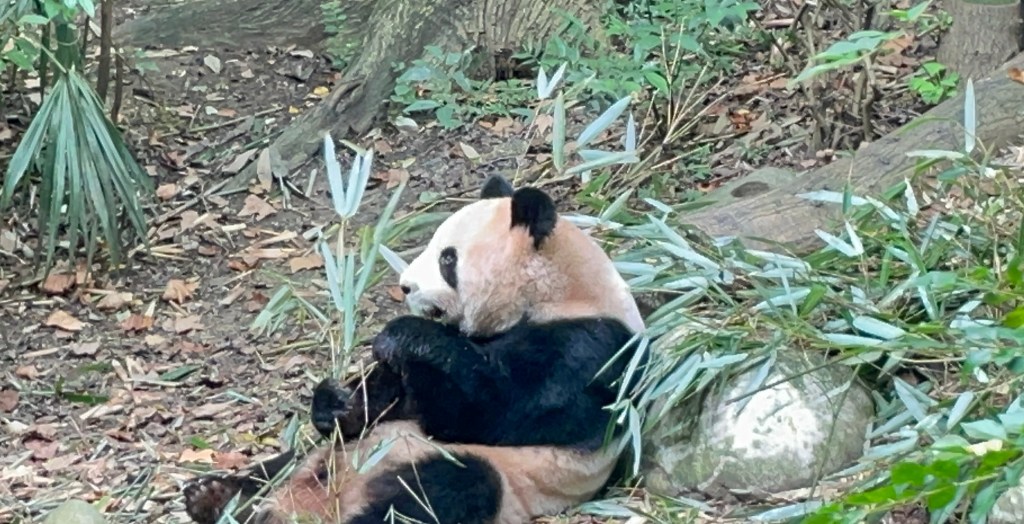
I typically have reservations about animals kept in captivity; however, I observed that the pandas in this facility have access to a significantly larger habitat than those in traditional zoos. Nonetheless, I felt that the centre operated more as a tourist attraction than a dedicated animal conservation facility, particularly given the large number of visitors, including me.
Nonetheless, the giant panda is classified as endangered. Since its establishment in 1987, the centre has been a key player in conservation, starting with six rescued pandas. By 2008, it achieved 124 successful births and maintained a captive population of 83, significantly contributing to panda reproduction research and reinvesting profits into global conservation partnerships.
Tianfu Square
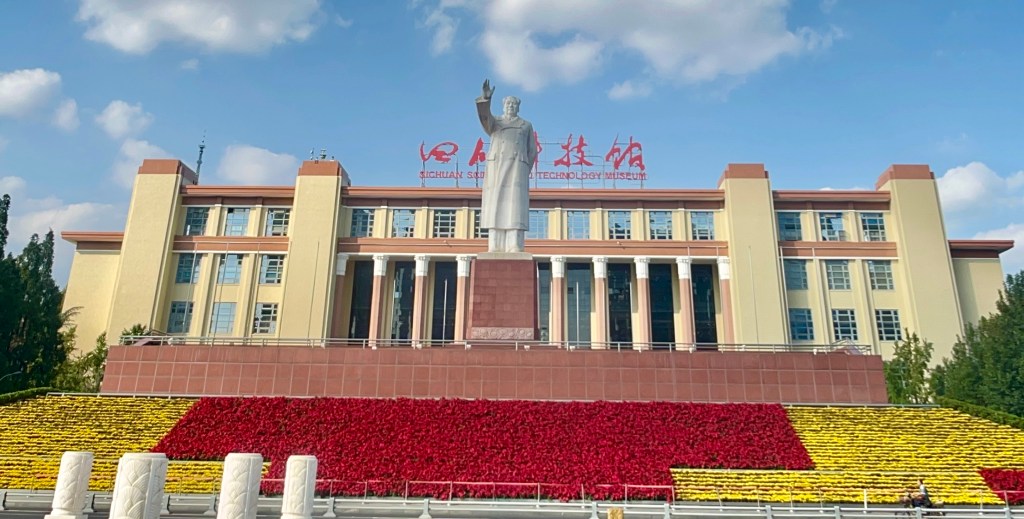
Tianfu Square is the pulsating heart of Chengdu. A blend of history, culture and modernity. One of the largest squares in China.
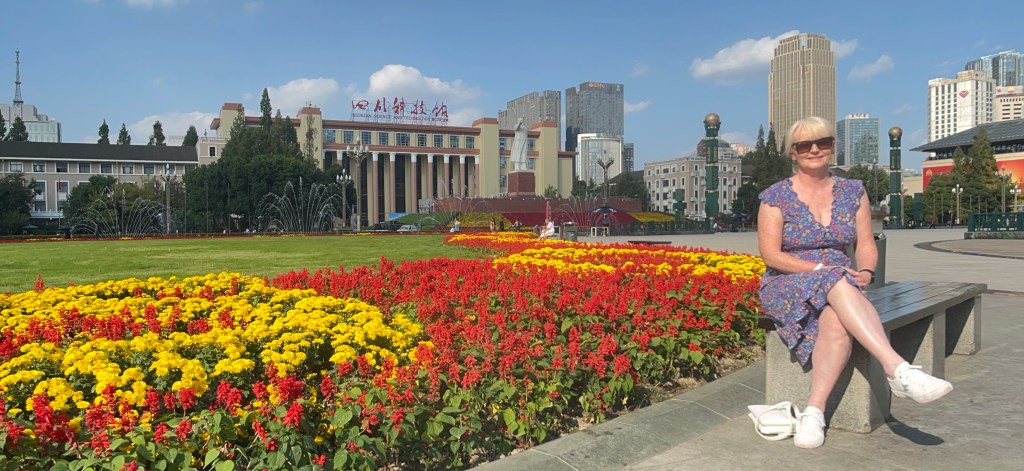
This bustling hub is where locals and visitors alike gather to experience the city’s vibrant life. Encircled by towering skyscrapers, Tianfu Square is where modern urban design, vibrant culture, historic monuments and modern shopping centres
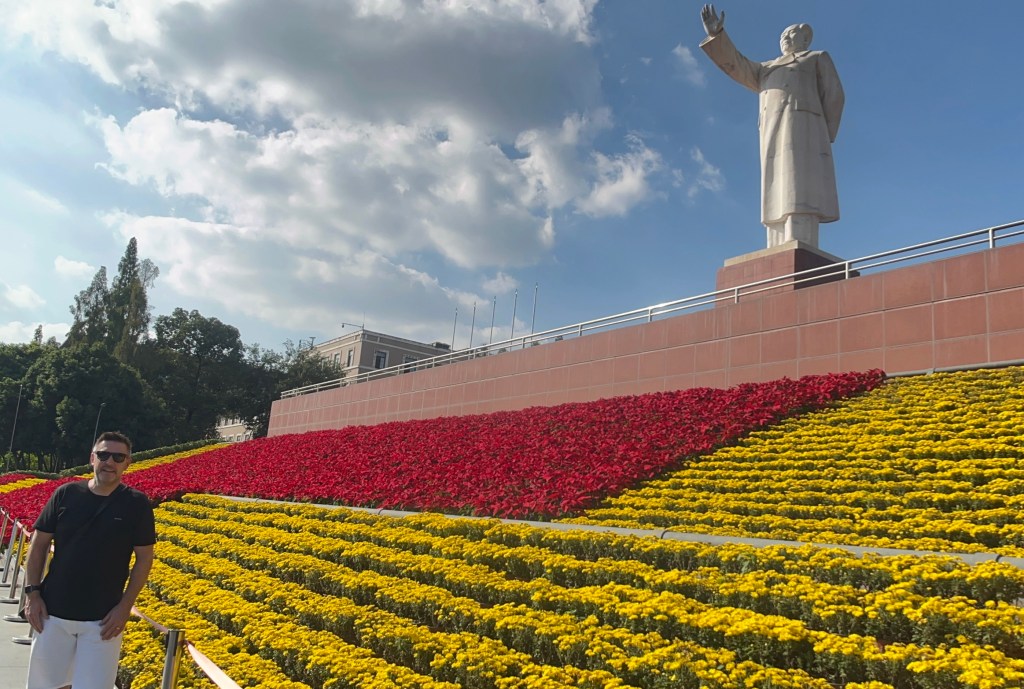
At the northern end of the square towers a commanding 30-metre statue of Chairman Mao, who faces south and waves his right hand toward the entire city. Tianfu, which translates to “Land of Abundance,” perfectly encapsulates the essence of this vibrant square. It stands as a testament to Sichuan’s fertile plains and Chengdu’s rich 2300-year history as a bustling metropolis.
Chengdu could easily earn the title “City of Lights!” The area around Tianfu Square, where we stayed, comes to life at night, transforming into a mesmerising wonderland of dazzling neon lights and stunning skyline reflections. It’s a vibrant spectacle that captivates the senses and makes the city glow like a dream!
Chengdu after dark transforms into a vibrant playground! The skyline ignites with a dazzling display of colours, casting a magical glow over the entire city. Neon lights flash brilliantly, leading you through upscale shopping havens and inviting a tantalising array of street food stalls. The nighttime scene in Chengdu is nothing short of exhilarating!
People’s Park
People’s Park in Chengdu boasts one of the city’s largest parks, a serene oasis in the city centre where residents and visitors can unwind and enjoy nature.
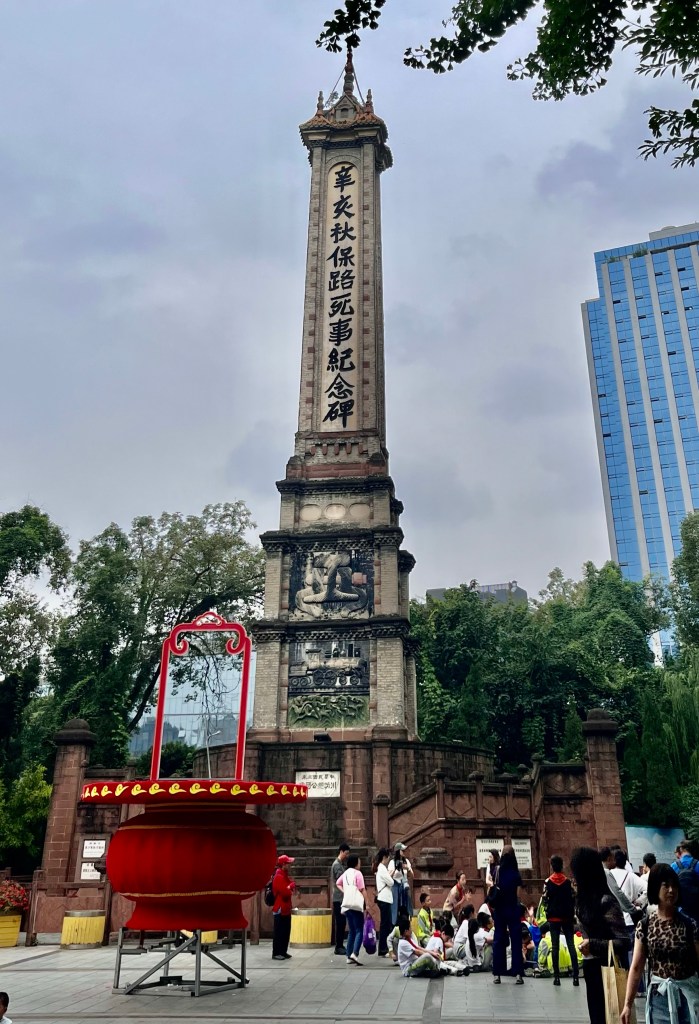
The Railway Protection Monument, is designated a Major Historical Site in China. The Railway Protection Movement erupted in Chengdu 1911 which led to the Xinhai Revolution that overthrew the Qing Dynastyand replaced it with the Republic of China.
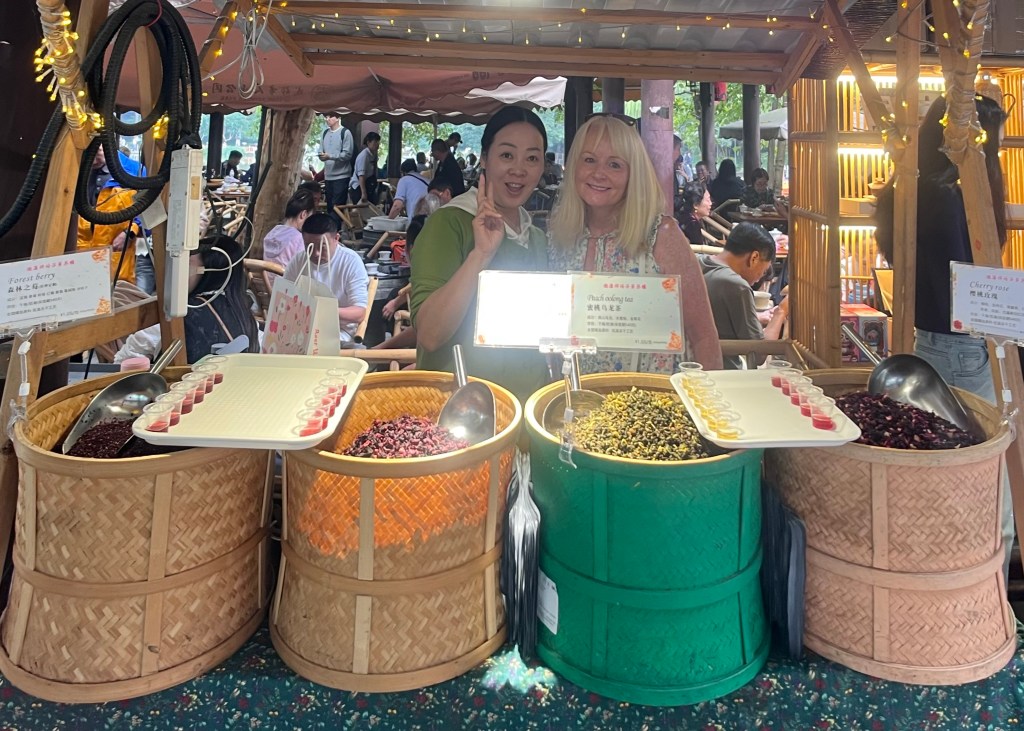
The park is a lovely spot to enjoy Sichuan tea, featuring charming tea houses where you can relax with a cup. While sugar is often offered to enhance the flavour, asking for milk might raise some eyebrows! You can also purchase tea to take home, making it a great way to experience local culture while savouring a fine beverage.

There’s a boating lake right in the middle of the park. But honestly, with how many boats they have for rent, it would get pretty crowded if everyone decided to rent one at the same time.
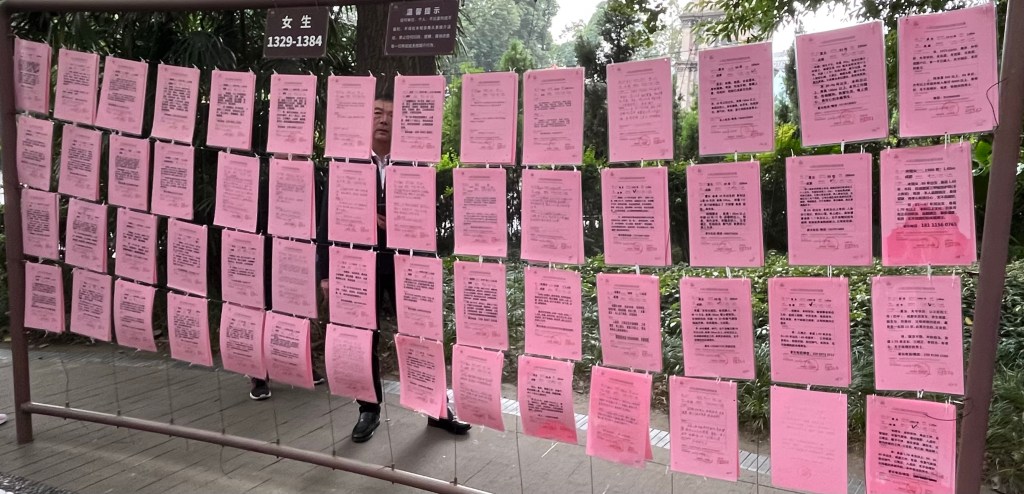
There’s a matchmaking corner reminiscent of Tinder, featuring leaflets hanging on a string and overseen by matchmakers. Parents eager for their children to marry often turn to this setting, where details like height, appearance, salary, and home ownership are formally listed. Who said romance was dead?
Chengdu’s Old Town
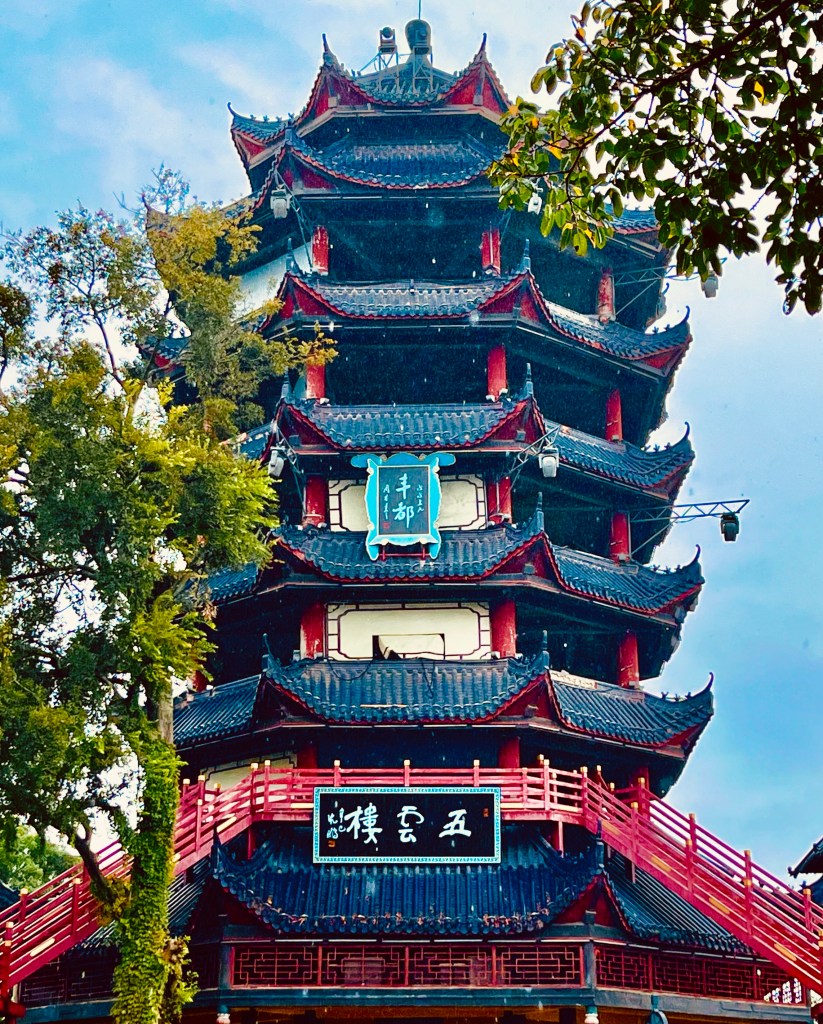
Chengdu isn’t just about pandas; it also has an old town full of charm, with pedestrian streets, temples, shops, tea houses and street food.
Wenshu Monestary

It is a Buddhist temple surrounded by impressive gardens, originally built around 600 AD, and is one of the largest and most popular temples in the city.

A favoured destination for locals and visitors alike, this spot offers a perfect opportunity to unwind and immerse yourself in a serene, tranquil atmosphere.
Jinli Street
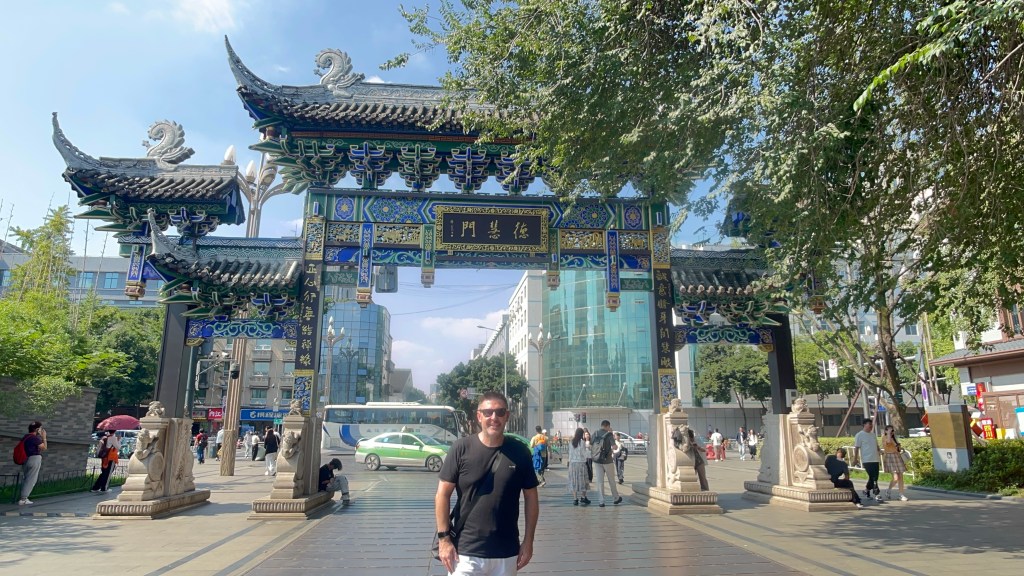
The street is located to the east of Wuhou Temple—one of the oldest streets in Chengdu, dating back to 206BC.
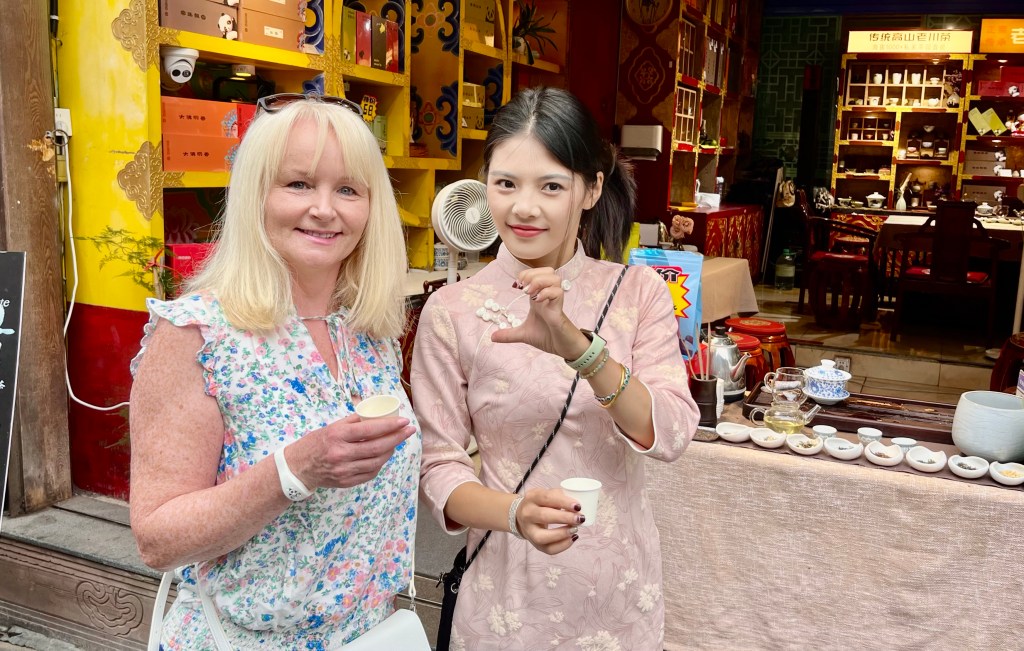
Today, you can find almost anything in old-world stores selling traditional products, tea houses tempting you to buy after a free sample. What surprised me was that, despite it being a bustling location, the stores were peaceful and relaxing with no pressure to buy
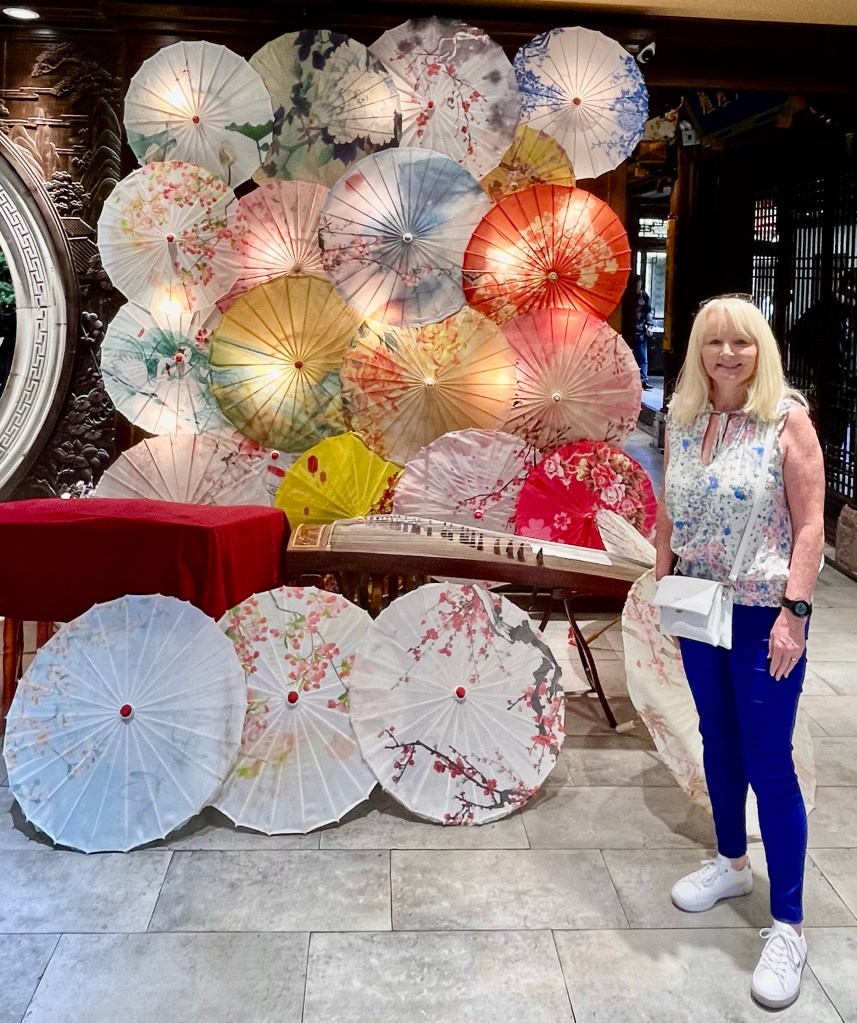
Despite the traditional atmosphere, you can still buy something fashionable or modern, and the prices are very reasonable. There are also many cafes, restaurants and food vendors. It certainly blends modern elements seamlessly with the old town.
Yangtze River cruise
The Yangtze River, often called the lifeline of China, is vital to the country’s history and culture. As a resource since the dawn of early civilisations, it attracts those interested in exploring China’s rich heritage and diverse landscapes. A tour along the river provides an opportunity to witness its historical and cultural significance.

The Yangtze River, the third-longest river in the world, winds gracefully through the heartland of China, extending nearly 4,000 miles. Along its majestic course, we encountered a breathtaking array of sights, each reflecting the rich culture and stunning landscapes that define this remarkable region.
Three Gorges
The scenic highlight of the cruise is a mountainous stretch known for its dramatic valleys carved between cliffs, including the three gorges: Qutang, Wu, and Xiling.
The highlight of my journey was undoubtedly sailing through the breathtaking Three Gorges. Xiling Gorge, the longest at 47 miles, unfolds like a grand tapestry of cliffs and serene waters, each turn revealing nature’s artistry.

Wu Gorge captivates with its stunning beauty, where lush greenery clings to towering limestone peaks, creating a scene that feels almost otherworldly.

Finally, Qutang Gorge offers a dramatic vista, with its cliffs rising sharply from the river, leaving an indelible impression of nature’s raw power and majesty.
The Three Gorges Dam
A fantastic feat of engineering and one of the world’s most significant hydropower sources. Work commenced in 1991 and was completed in 2009.
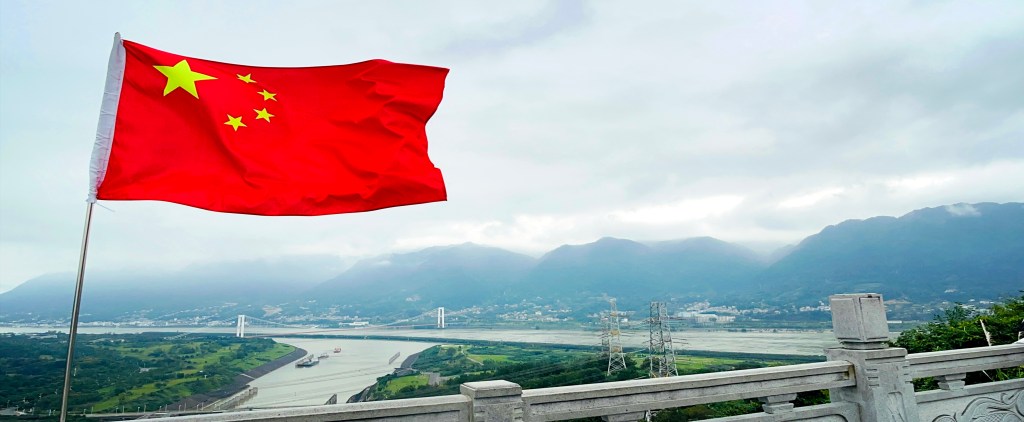
It brings significant benefits in areas such as flood control, power generation, shipping navigation, and, of course, tourism. Although a project of this scale also generates fair debate around environmental and ecological issues. One aspect that remains unquestionable is the sheer brilliance of engineering.
The escalators that whisked us up to the dam’s pinnacle were nothing short of remarkable, showcasing innovative design and functionality. The Chinese leave no stone unturned when it comes to thoughtful construction and meticulous planning.
Three Gorges Tribe Scenic Area
The Tribe of the Three Gorges Scenic Area captivates with its stunning natural beauty. The vibrant landscape, featuring deep greens of forests and shimmering blues of waterways, enchants visitors and invites exploration of its serene environment.
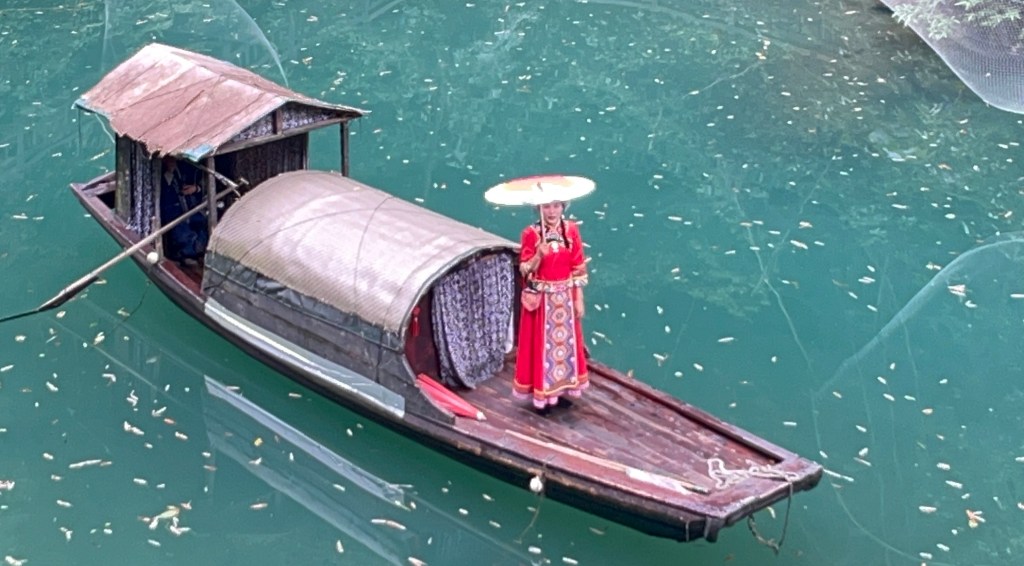
Tucked away in the embrace of The Three Gorges lies a hidden realm where time meanders gently, and age-old traditions continue to flourish. This enchanting landscape, with its majestic cliffs and serene waters, creates an atmosphere steeped in history and culture, inviting visitors to immerse themselves in its tranquil beauty.

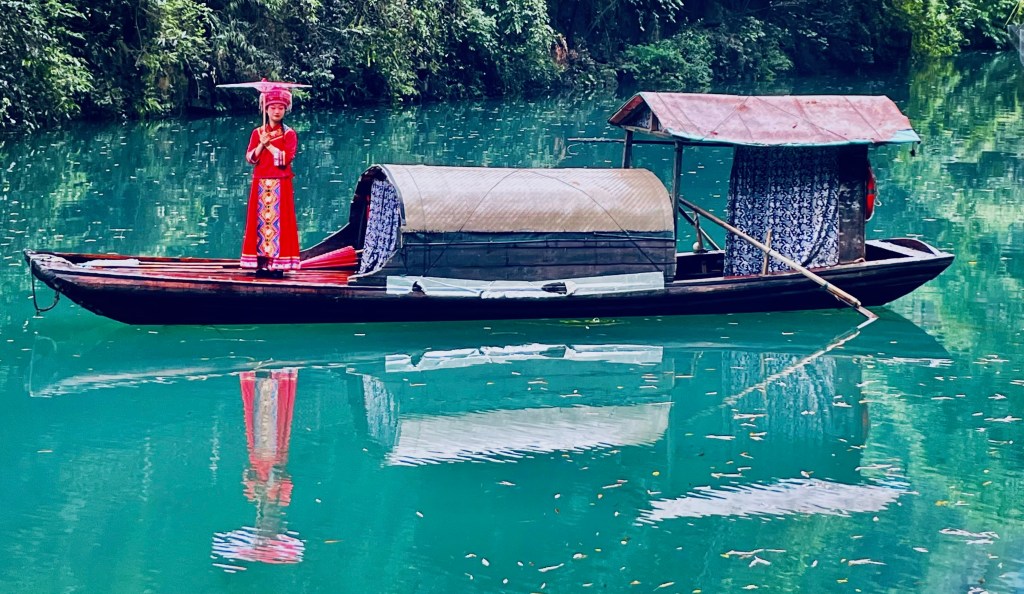
The region’s vibrant culture attracts visitors with its artistic expression and rich heritage. During our visit, we witnessed local performers in stunning traditional attire, skillfully narrating musical tales of the ancient Ba People. The performance beautifully blended history and artistry, immersing us in the timeless stories of this unique culture.
In the picturesque landscape, particularly at the far end by the captivating Monkey Rocks, we had the exhilarating opportunity to observe monkeys up close. These lively creatures often frolic along the riverbanks and venture into the lush forests surrounding them. This specific area has become their cherished refuge, where they congregate in large, animated groups, adding a vibrant energy to the serene environment.
Baidicheng (Baidi City)
Baidicheng boasts a rich tapestry of historical and cultural heritage, intricately woven with stories of the past, while its breathtaking natural scenery captivates the senses.
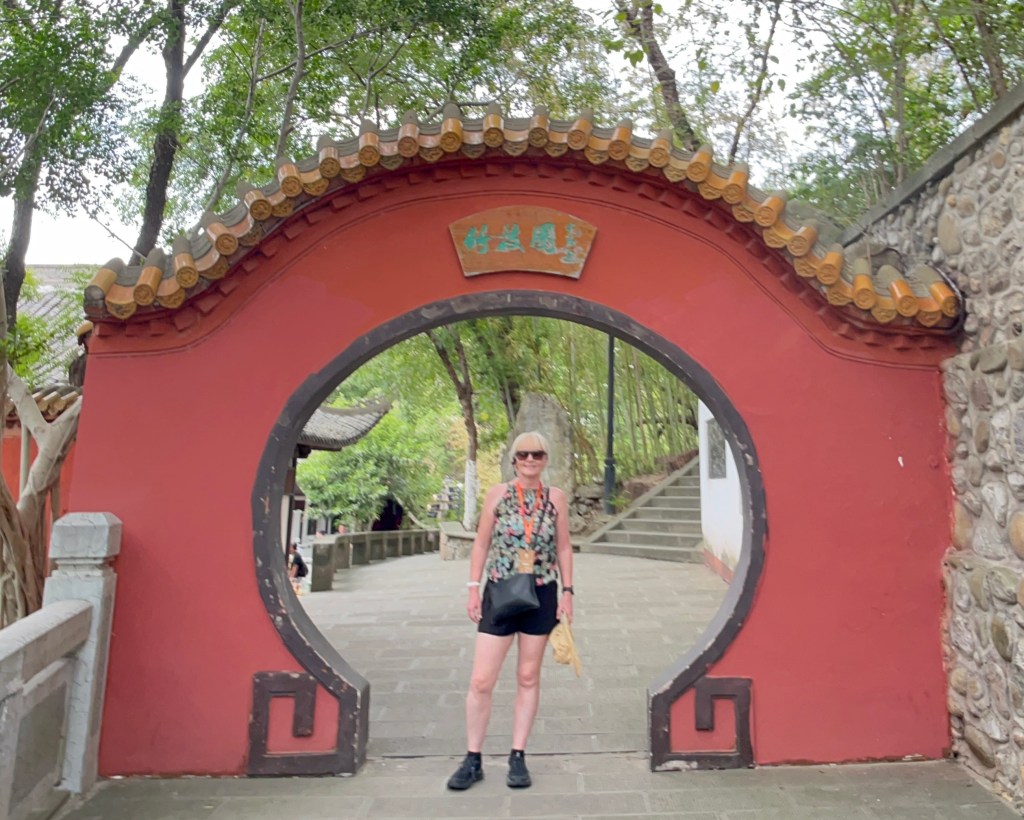
The picturesque landscapes, adorned with lush greenery and majestic mountains, create a stunning backdrop that complements the site’s deep-rooted traditions and legends.
Baidi Temple
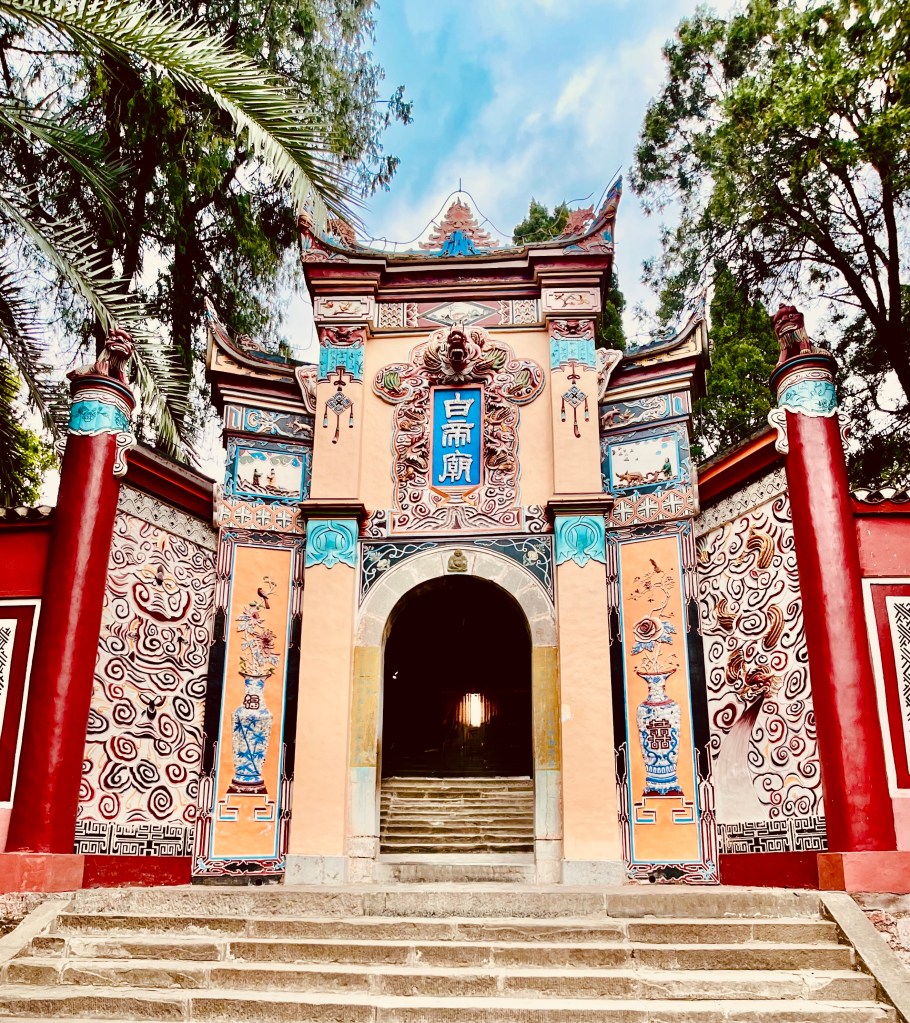
Badicheng is an ancient mountain city. The main attraction undoubtedly is the Baildi Temple. It has a history going back over two millennia and stands as a testament to Chinese culture and history. It is a sacred sanctuary which offers a window into Chinese spirituality.
Kumin Observatory
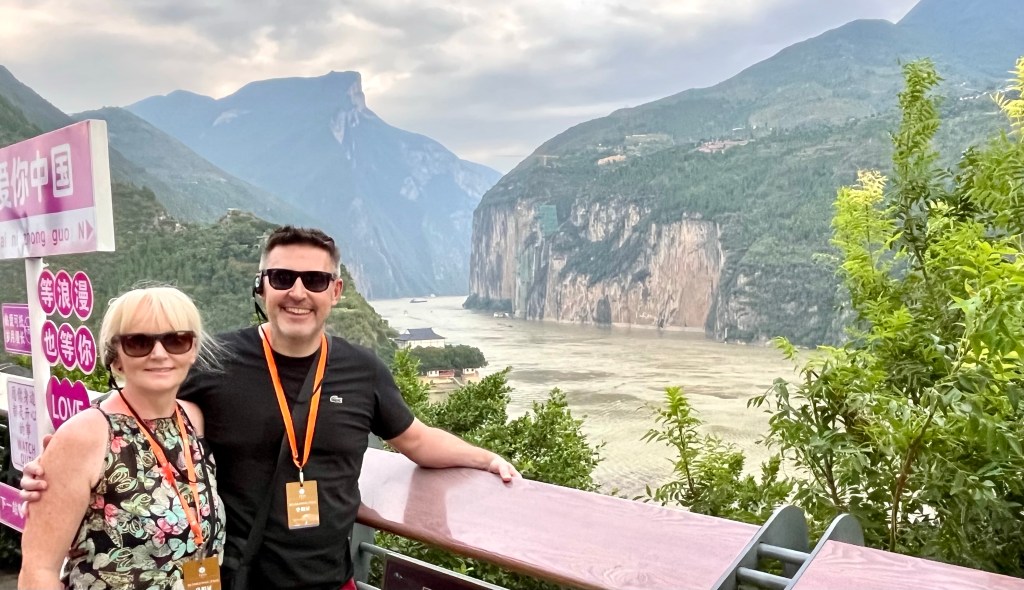
The Kumin Observatory in Baidicheng provides stunning views, making it a favourite among Chinese tourists. It is not only a symbol of the region but also featured on the back of the 10 Yuan banknote, highlighting its cultural significance as the Yangtze River begins its journey through the gorges.
City of Ghosts
This ancient settlement captivates visitors eager to explore the rich tapestry of beliefs surrounding the Chinese afterlife. With its time-worn architecture and serene landscapes, it offers a window into the cultural practices and spiritual traditions that have shaped the understanding of existence beyond death.
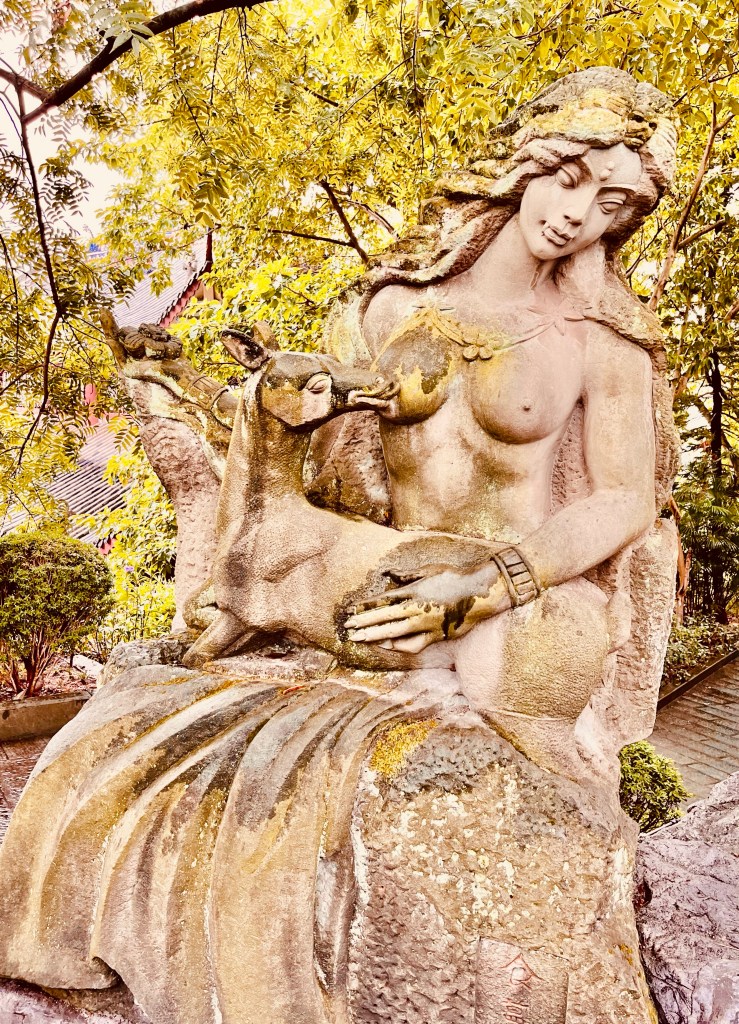
The city has thrived for over 2000 years, its ancient streets and weathered buildings infused with a haunting aura of history. Shadows of the past linger in every corner, inviting a sense of mystery and reverence that envelops all who wander through its timeworn passageways.
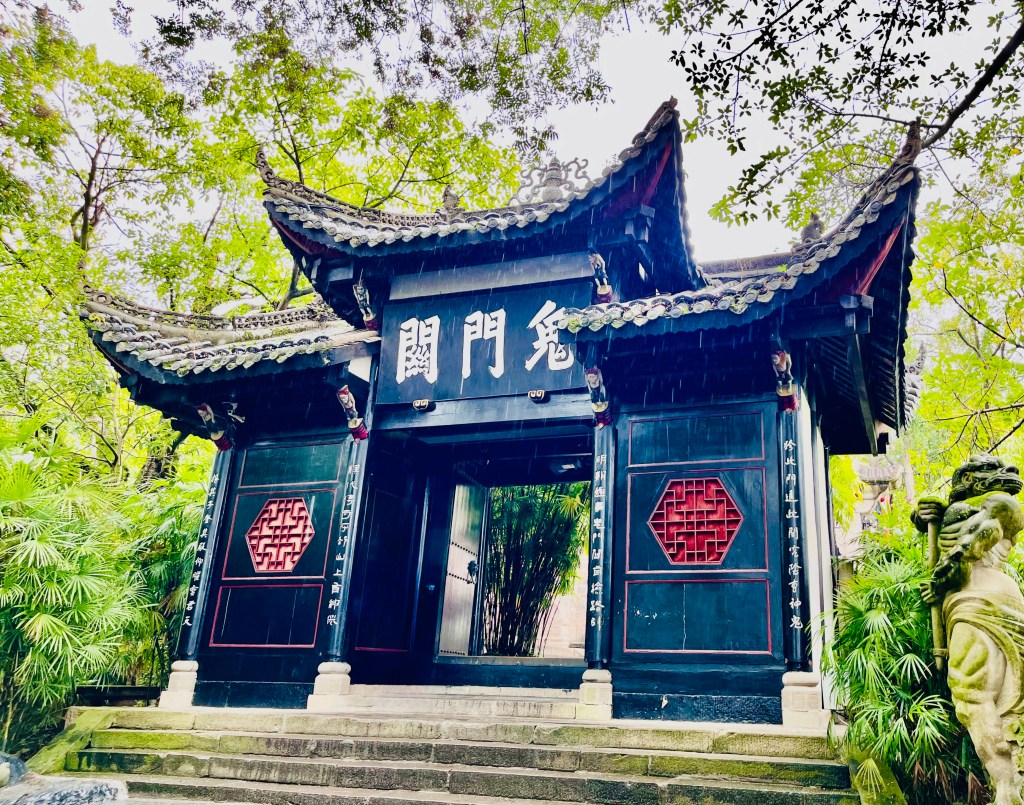
It is best described as a collection of buildings, monasteries, temples and shrines overlooking the river. Two imperial officers came to the location to practice Taoism and, in the process, became immortal.
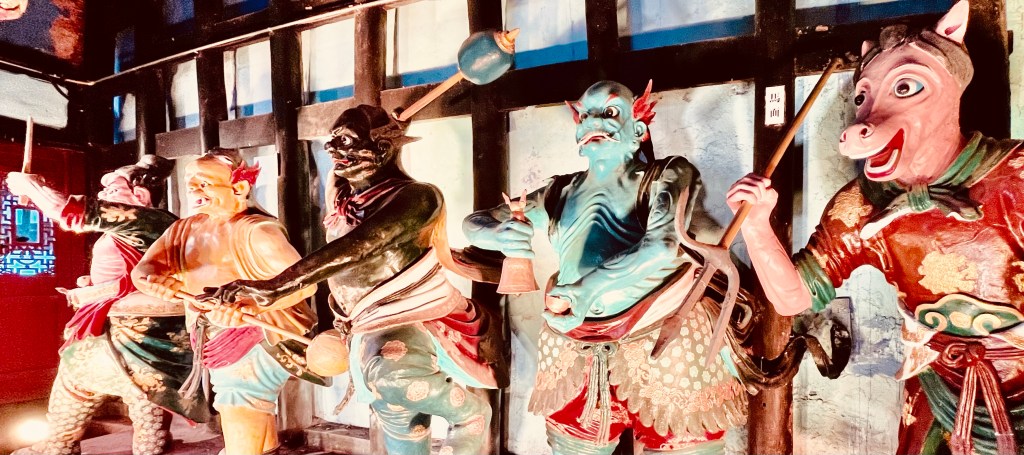
This marked the site’s shift to an emphasis on the underworld. Furthermore, numerous temples and shrines are adorned with vivid paintings and intricate sculptures depicting harrowing scenes of individuals enduring torment as punishment for their sins.
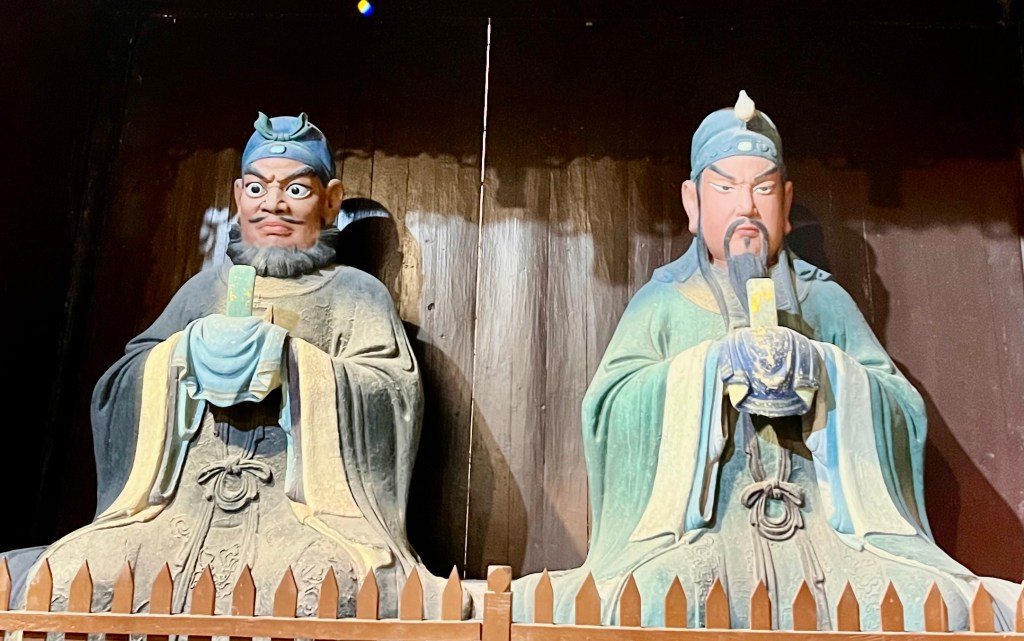
These artworks not only illustrate the severe consequences of moral transgressions but also evoke a haunting sense of the grim reality of the afterlife.

After a captivating 3-day river cruise along the majestic Yangtze River, we finally arrived at our bustling port of disembarkation—Chongqing. The vibrant city, known for its breathtaking skyline and rich history, awaited us, ready to unveil the next thrilling chapter of our Chinese adventure.

 We were born to do more than go to work, pay bills and die. See the world while you are alive and kicking