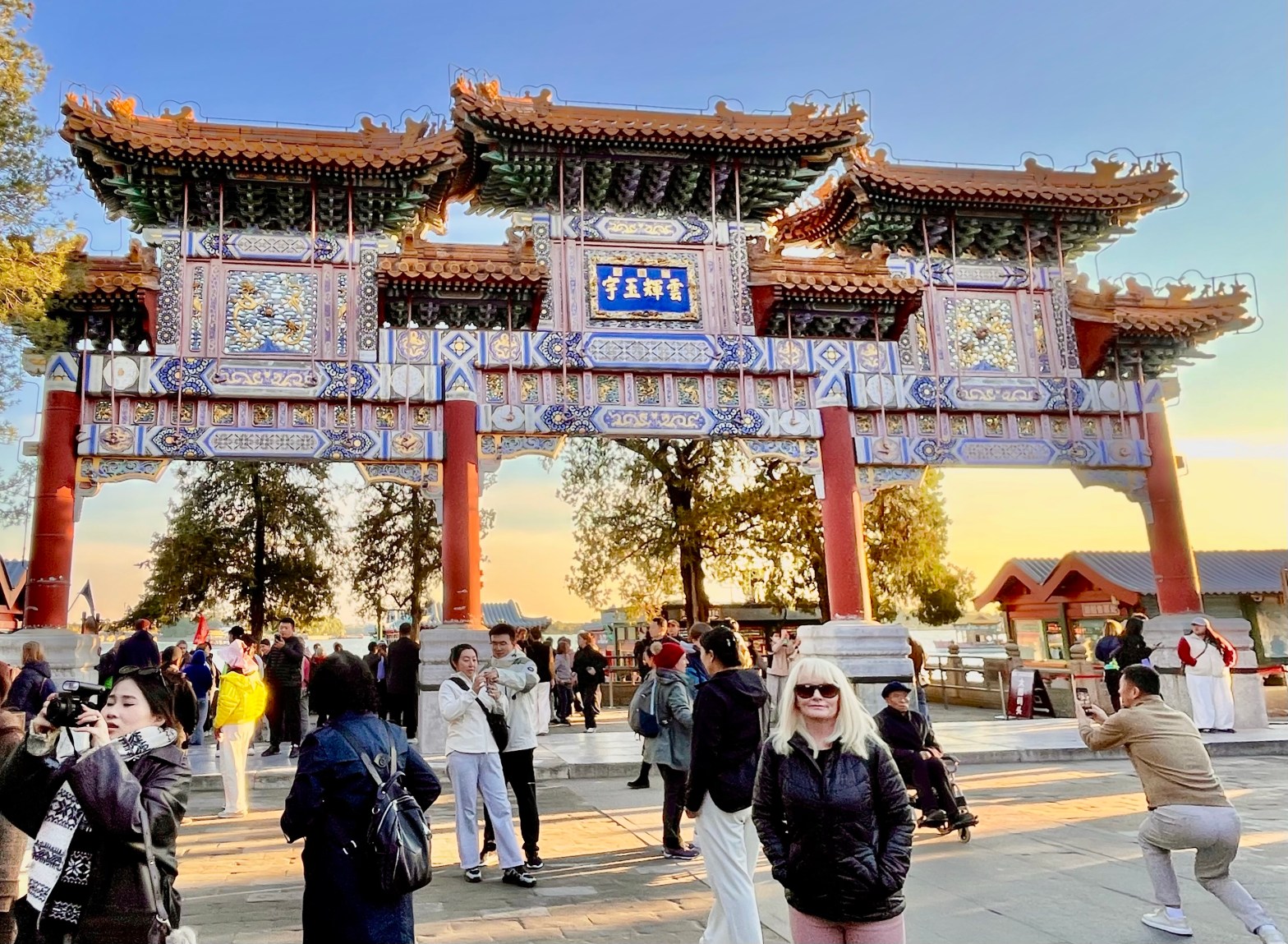
A dynamic hub of energy where the echoes of ancient history harmoniously intertwine with the pulse of modern innovation.
It’s a city that takes you on, offering a rich tapestry of experiences. You can explore its historic temples and landmarks, savour the delightful flavours of traditional street food, or immerse yourself in the vibrant culture that fills the air. There’s truly something for everyone to hear.
Beijing, a city with a rich tapestry woven over several thousand years of history, stands as a vibrant testament to the passage of time. Its ancient streets and storied landmarks whisper tales of dynasties, cultural revolutions, and enduring traditions.

It is fascinating to witness how Beijing has evolved from its rich history as an ancient walled city into a cutting-edge megacity in just under a century. The transformation we’ve seen thus far hints at even more impressive developments on the horizon.
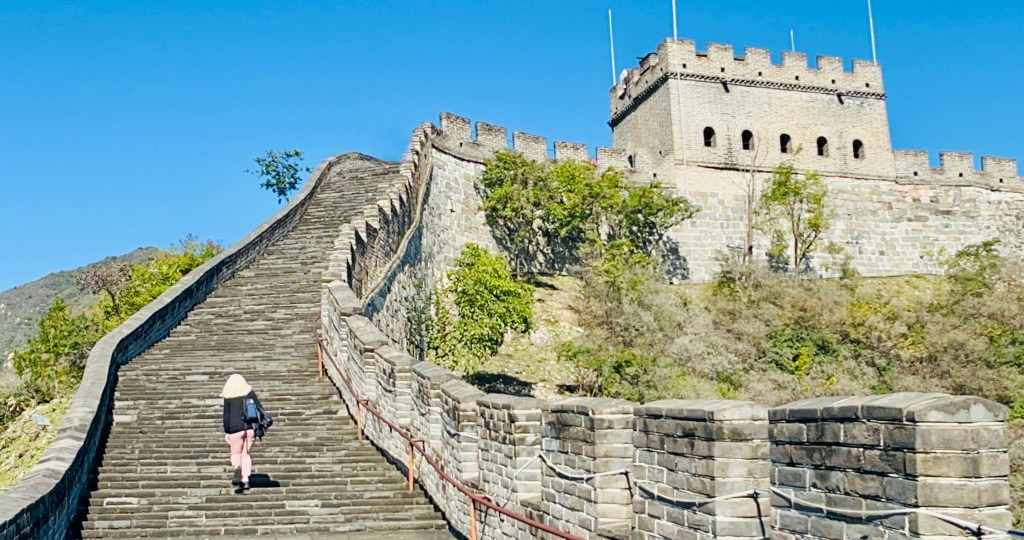
Beijing is the perfect launching pad for your adventure to the iconic Great Wall of China! Just a short drive of around an hour will take you to several breathtaking sections of this ancient marvel, making it easy to explore and experience one of the world’s most remarkable landmarks.
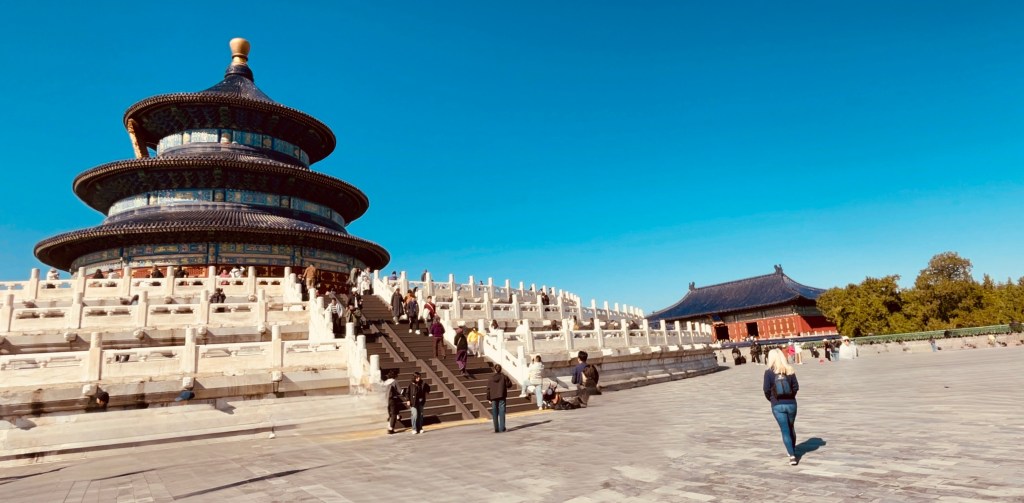
Beijing serves not only as a gateway to the Great Wall but also as a rich repository of history and culture. The city boasts numerous ancient sites, including the Forbidden City, the Summer Palace, and the Temple of Heaven, which harmoniously coexist with contemporary skyscrapers, modern shopping districts, and a dynamic culinary landscape.
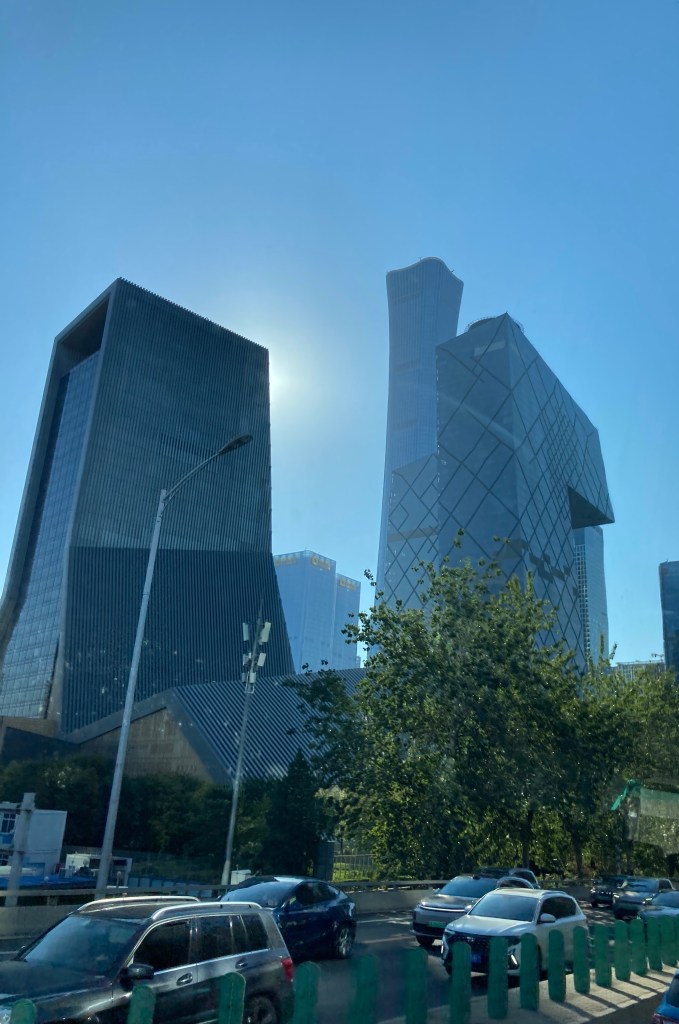
Beijing is a city that has much to offer and can be appreciated by all, especially once you navigate the initial impressions created by its expansive apartment complexes, which accommodate a significant portion of the population, and its wide 8-lane roadways that can seem overwhelming at first.
The Great Wall
China’s most iconic cultural masterpiece, forged over 2000 years. It’s the largest manufactured project in history. No amount of superlatives can truly prepare you for the experience of witnessing it in person.

With impressive sections of the Great Wall near Beijing, it serves as an excellent base for exploring one of the world’s most remarkable wonders.
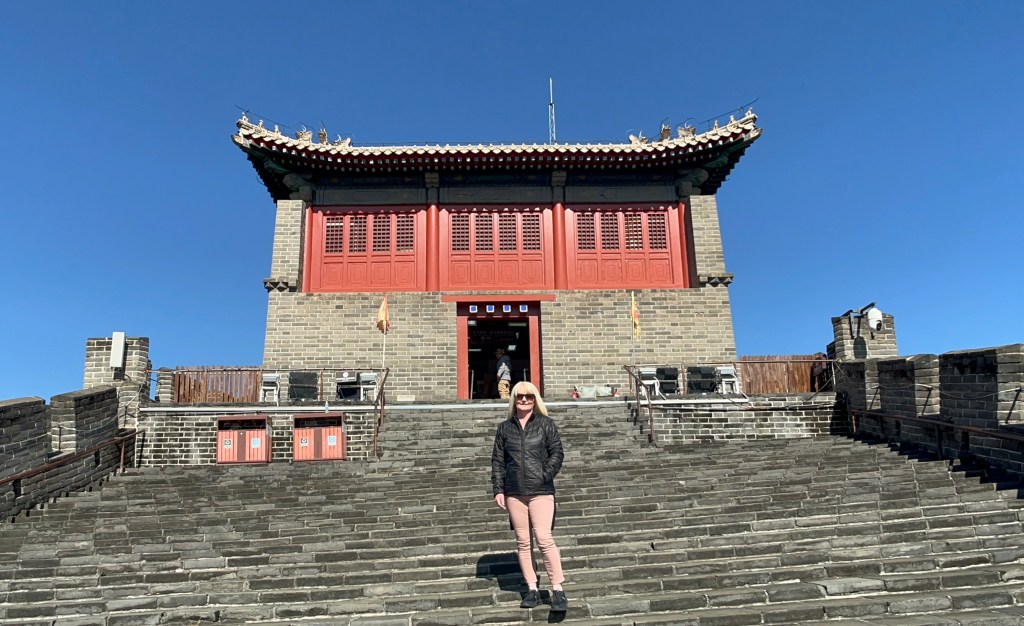
As we look forward to our upcoming adventures, it’s exciting to think about exploring the Great Wall, which stretches over 21,000 kilometres (13,000 miles). Some of the best sections to visit are located to the east and north of Beijing, promising an unforgettable experience in this remarkable location.
We were on an escorted tour, and the section of the Great Wall we explored was carefully chosen for our group’s itinerary, with our unique needs in mind. Factors such as our physical abilities, ages, and shared interests were considered to ensure that everyone could enjoy this remarkable experience.

The location chosen for us was Juyongguan. This section of the wall is in the Guangou Valley, which, in ancient times, was one of the most vulnerable northern access routes to Beijing, just 37 miles from central Beijing in the Changping district.
The Juyong Pass section, to give it its official title, was built by the Ming Dynasty (1368-1644) in this strategic valley, which provided direct access to Beijing. This section was built by Emperor Zhu Yuanzhang (1368-1398), who sought to fend off attacks by the Mongol invaders.
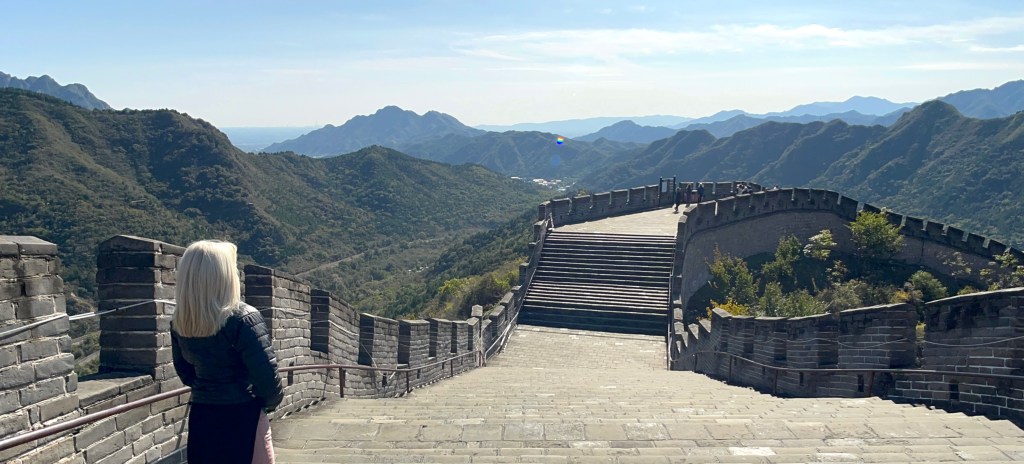
Fortifications in this area have a rich history, dating back to the third century BC. Its remarkable condition piques curiosity, and it’s worth noting that the Chinese government undertook restoration efforts for this section in the late 1990s.
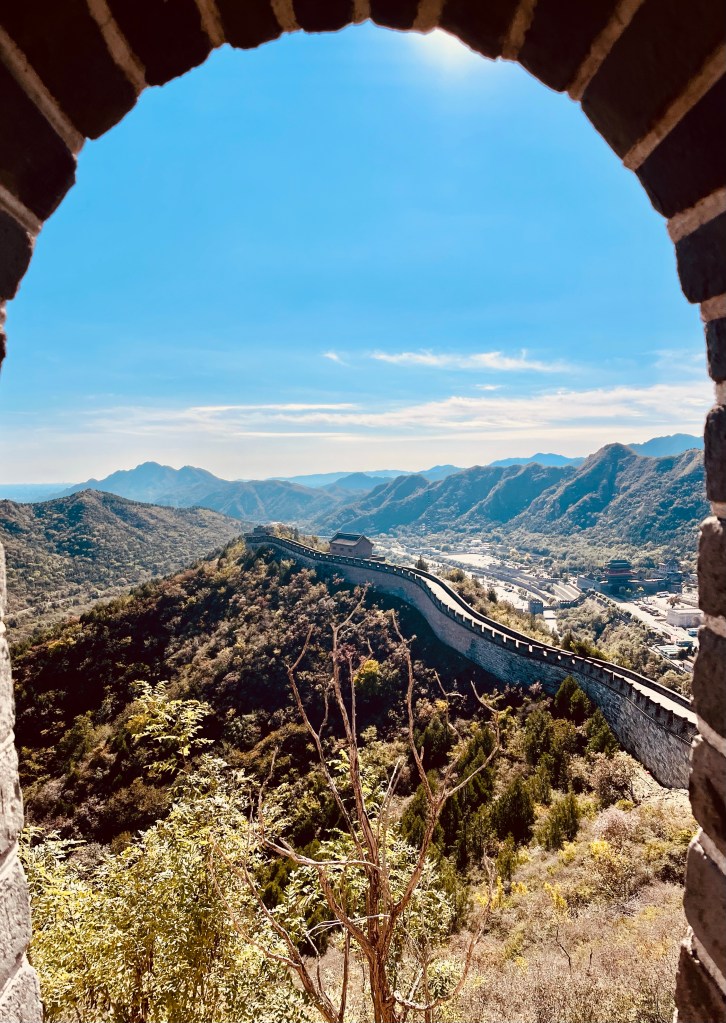
The Juyong Pass is historically significant as one of the key passes along the Ming Great Wall. Throughout history, it has been the site of notable battles, including those against Mongol and later Japanese forces. It is also noteworthy that Genghis Khan traversed this pass with his army, underscoring its strategic relevance in military history.
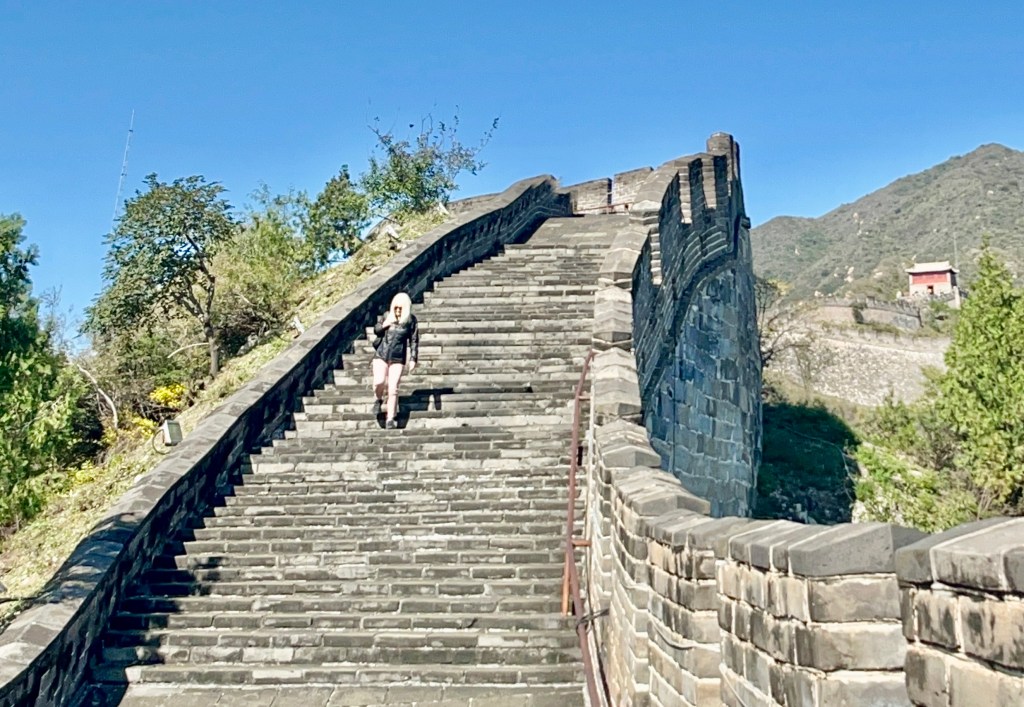
The fort and wall named Joyongguan reflect the involvement of ordinary citizens in the construction of the Great Wall. “Ju” means dwelling, “yong” means common, and “guan” means gate, so Joyongguan translates to The Commoner’s Gate, highlighting the community’s contributions.
The Juyong Pass, a UNESCO World Heritage Site since 1987, is renowned for its stunning views of the Great Wall and the surrounding mountains. Its proximity to Beijing makes it a popular spot for visitors seeking beautiful landscapes.
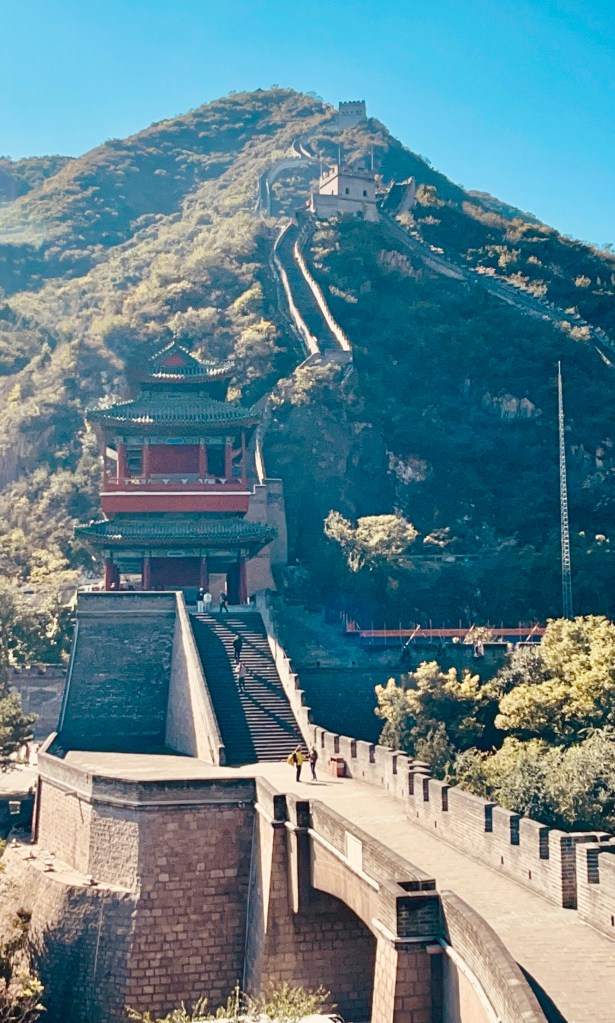
When we visited in late October in the morning, it was an incredibly peaceful and serene experience, largely free of visitors. We concluded our walk at the Juyong Pass Fort, which showcases stunning Ming architectural features that have been beautifully reconstructed.
Forbidden City
The Forbidden City is the Imperial Palace of the Ming and Qing dynasties (1368-1912). It is one of the largest Imperial Palaces, over 3 times the size of the Louvre in Paris.

Considered a divine place, it was indeed forbidden for ordinary people, and that’s why the Forbidden City is so named. In China, it’s now usually called the former palace.
The Forbidden City covers about 180 acres and has a total floor area of approximately 150,000 square meters (1,600,000 square feet).
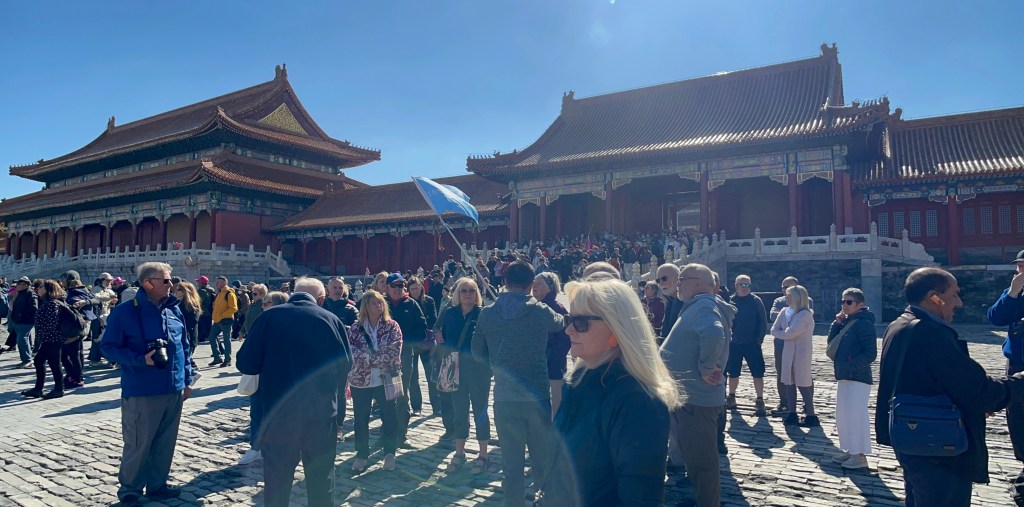
The Forbidden City is the largest and most complete complex of ancient wooden structures in the world. Carpenters used interlocking mortise and tenon joints to build this grand palace “harmoniously” without nails.
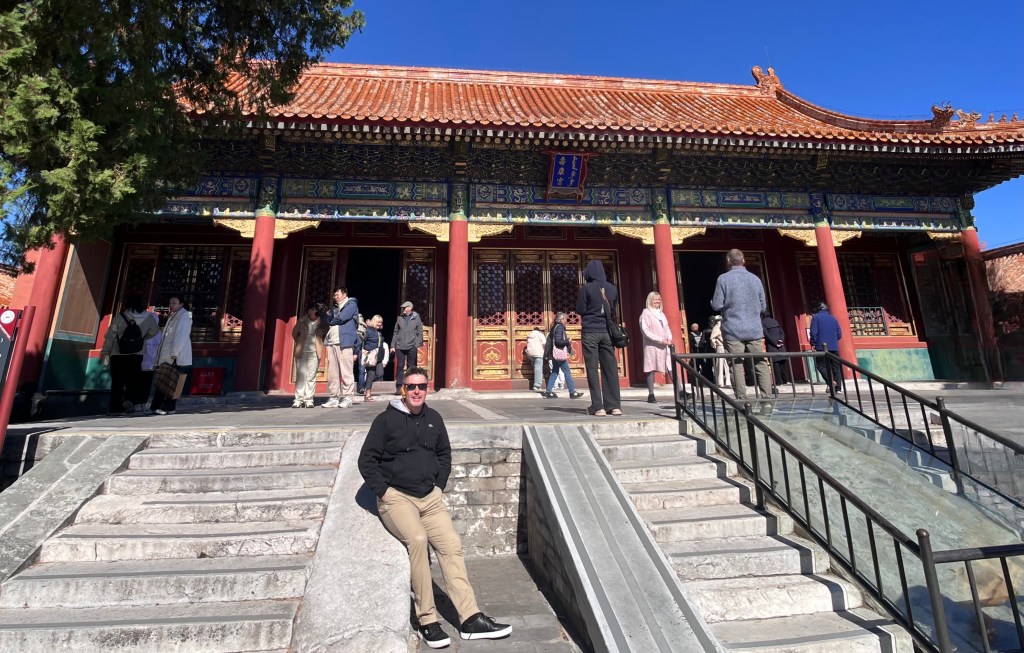
The Forbidden City is characterised by its use of red and yellow hues. In Chinese culture, red symbolises fortune and good luck, while yellow represents supreme power, reserved for the Imperial family during the Ming and Qing dynasties. These colours enhance the architectural beauty and reflect the site’s cultural significance.

The Forbidden City features majestic lions, which are intriguing because lions don’t live in China. In Chinese culture, these lions symbolise strength and guardianship. Their presence in a country more associated with tigers sparks curiosity about their significance and the stories they tell.
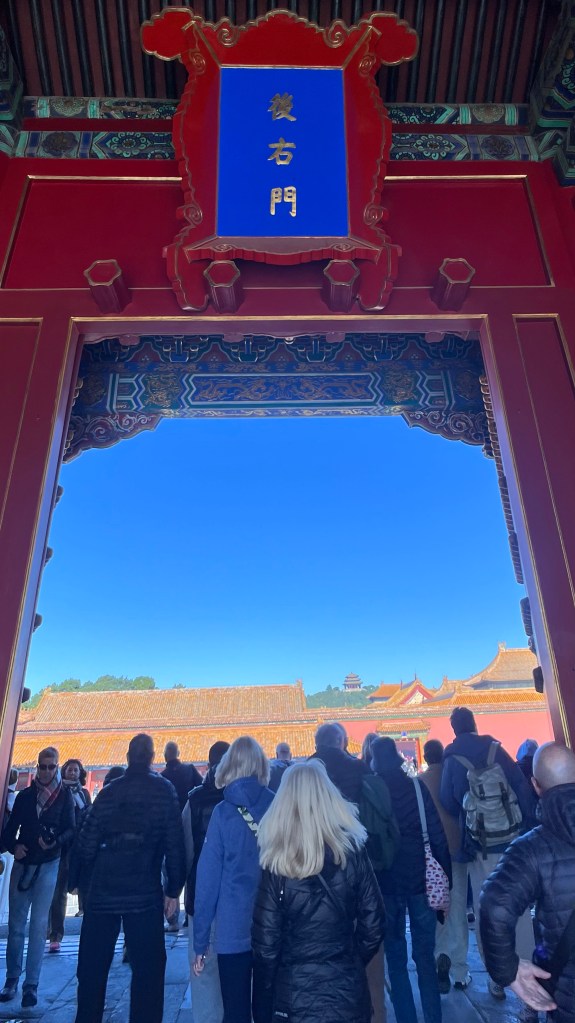
The Forbidden City is a highly esteemed attraction that draws numerous visitors. It holds significant cultural importance for many Chinese and limits daily attendance to 80,000 individuals. To enhance your experience, it is recommended to make reservations well in advance if you plan to visit independently.
Tianmenen Square
Tiananmen Square, situated in the centre of Beijing, holds great historical and cultural significance for the Chinese Communist Party. It serves as an excellent venue for exploration and can be conveniently combined with a visit to the adjacent Forbidden City.
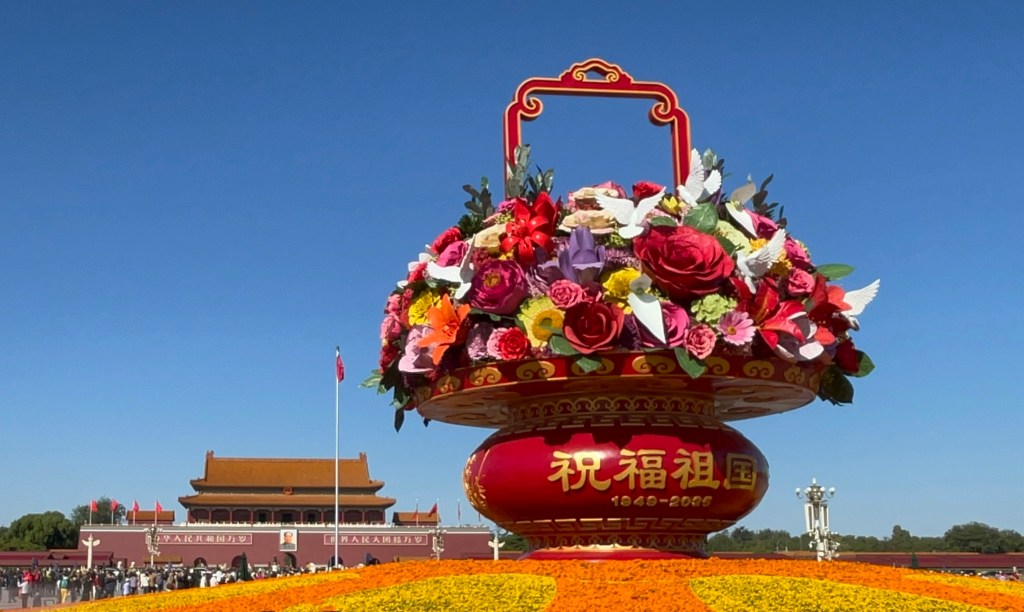
Access to the facility requires a reservation, and security measures are stringent, including passport verification and security screenings. Our experience lasted approximately 40 minutes; however, the tour guide indicated that this was a relatively quiet day. It is not unusual for wait times to extend to two hours.
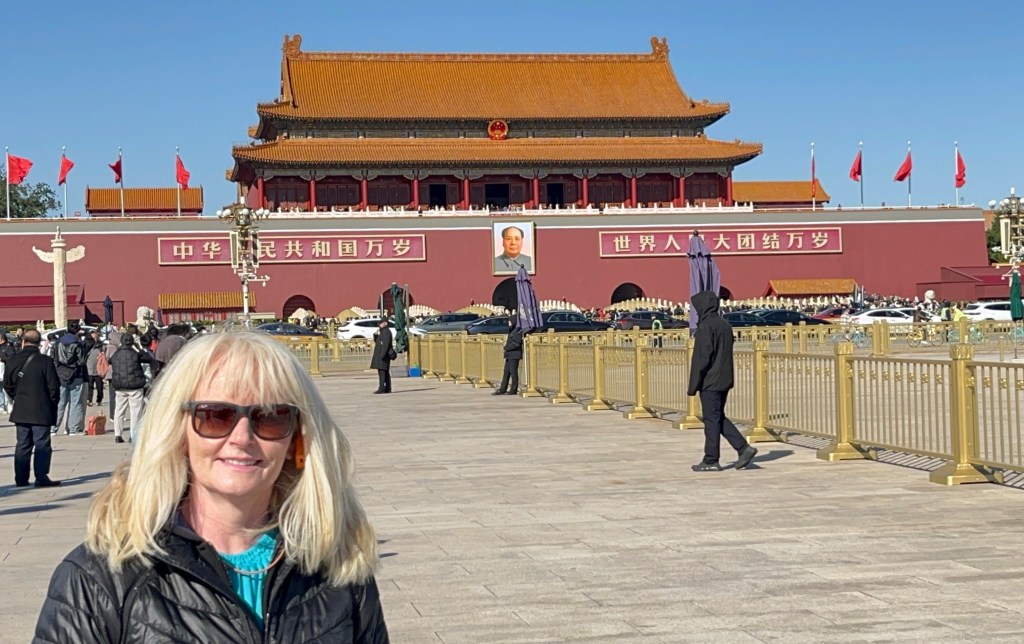
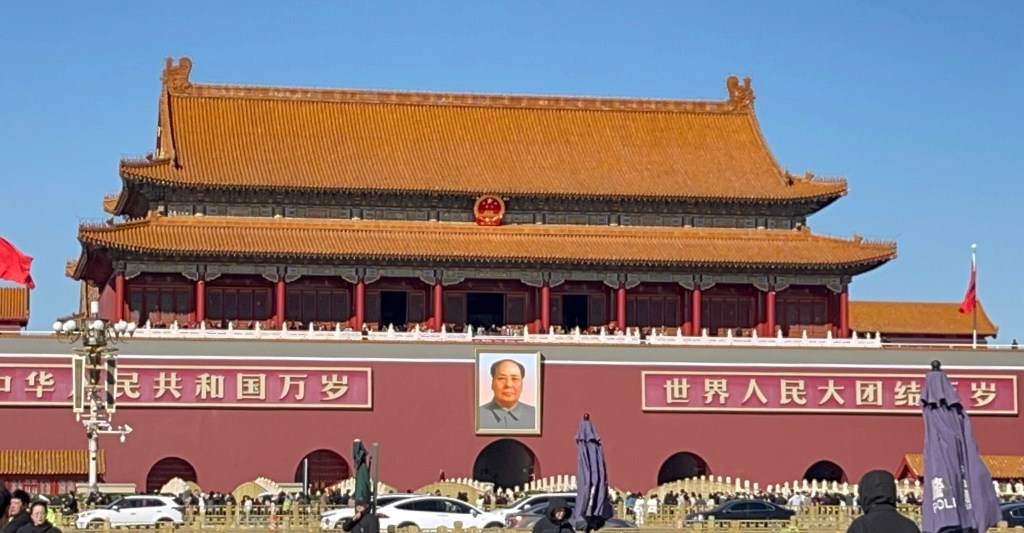
Tiananmen Square embodies China’s dense history and complex politics, surrounded by Soviet-style buildings and ancient gateways, and dominated by Mao Zedong’s portrait on the Gate of Heavenly Peace. The National Museum of China, the Great Hall of the People, and the Chairman Mao Memorial Hall are all located nearby.
We took a stroll around the main square to immerse ourselves in its vibrant atmosphere. This area attracts numerous visitors from China due to its significant cultural resonance and several iconic buildings. While it is often recognised internationally for the pro-democracy protests of 1989, which were marked by tragic events, its historical and cultural importance continues to draw attention and reflection.
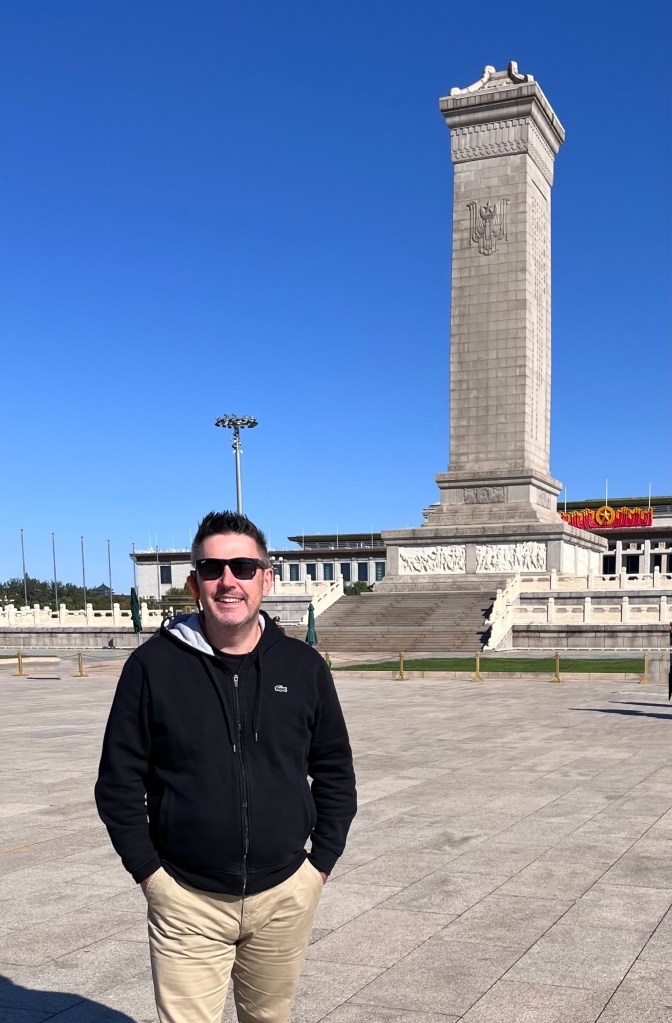
While in Beijing, I thought it was essential to visit Tiananmen Square. The security protocols and queuing system are pretty thorough, which can be an interesting aspect for international visitors. Overall, it contributes to a unique experience in this vibrant city.
Summer Palace
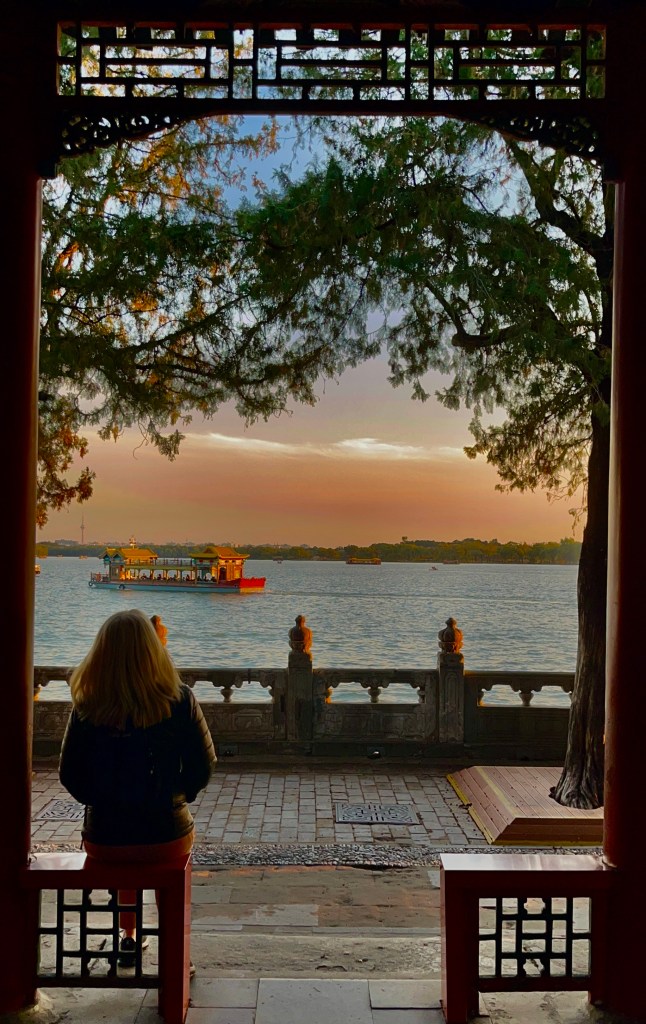
The expansive collection of lakes, gardens, and palaces in Beijing reflects a rich historical legacy, having served as an imperial garden during the Qing dynasty.
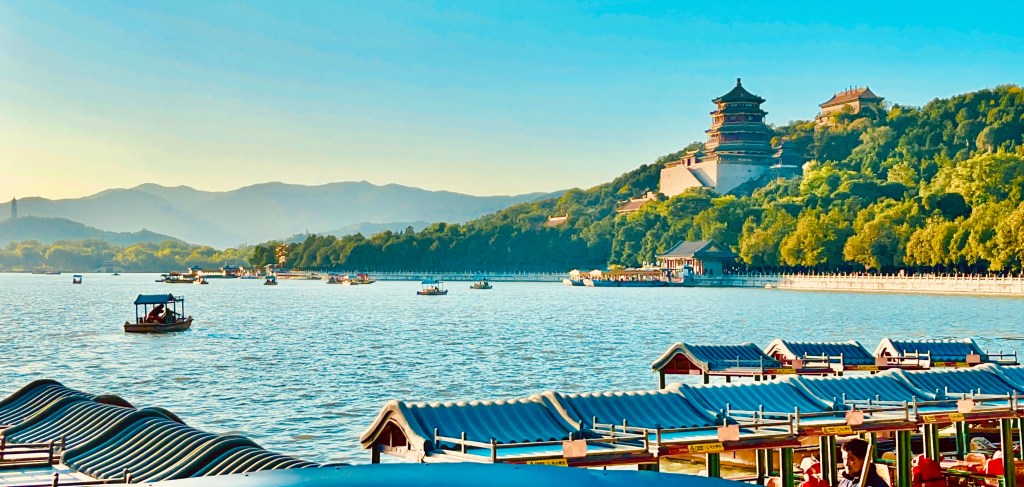
Situated in the northern fringes of the city, the Summer Palace was part of Beijing’s vast collection of imperial gardens. Kunming Lake was first excavated in the 13th century, and the hills behind it were used for temples from the 15th Century onwards.
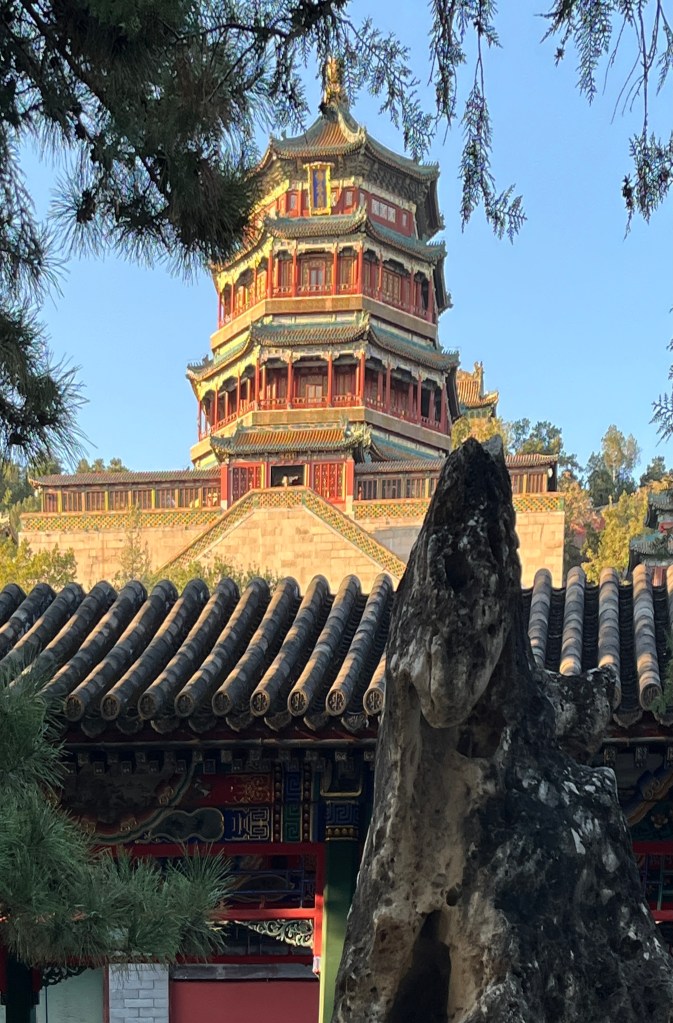
The Summer Palace was built in the 1750s and survived ransacking by British and French soldiers during the Second Opium War. It became the primary residence of Emperor Dowager Cixi and was opened as a public garden in 1913 after the last emperor’s abdication.
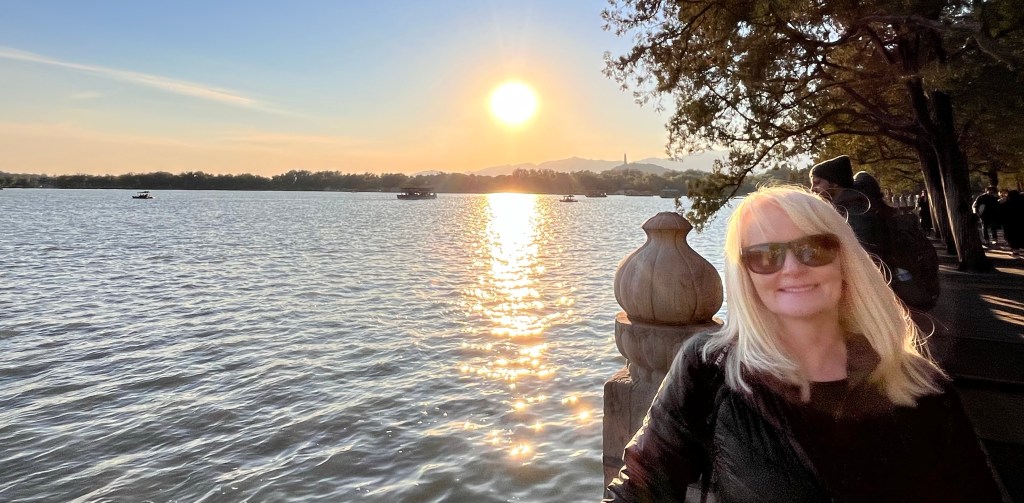
The site is quite remarkable, featuring lovely waterways, temples, bridges, and pavilions. Although our visit was brief and centered around the main attractions, it’s worth noting that the expansive Summer Gardens offer a wealth of beauty and could easily warrant a full day’s exploration.
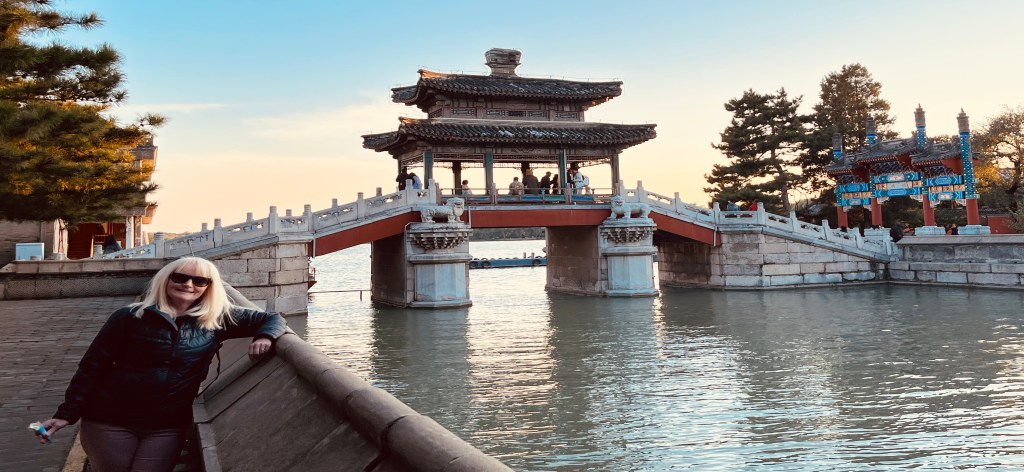
In 1989, this impressive site was designated a UNESCO World Heritage Site. It showcases the pinnacle of Chinese garden and architectural design, covering 1.1 square miles, with about three-quarters featuring enchanting waters.
Temple of Heaven
A UNESCO World Heritage Site founded in the 15th Century. It symbolises the relationship between the earth and heaven.

Although it was used by the Ming and Qing dynasties as a site for sacrifices to heaven and prayers for a bumper harvest.

The temple is larger than the Forbidden City, as the Emperor was not allowed to build his residence larger than the one dedicated to heaven. It is the biggest religious complex in China.
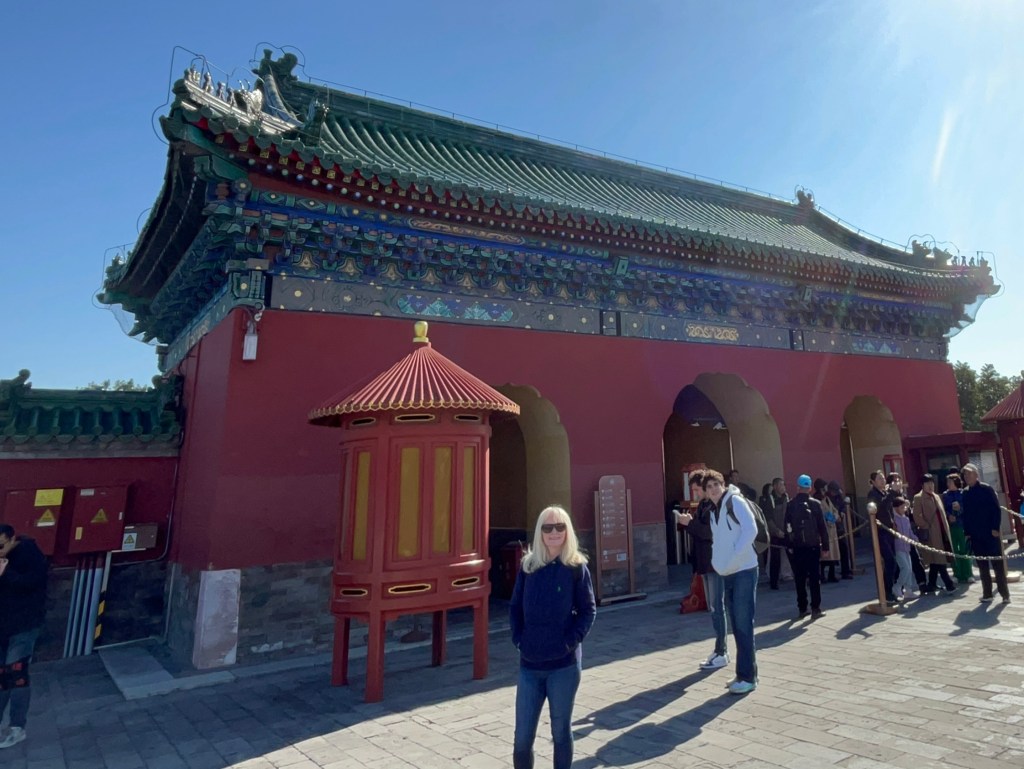
The complex stands as a remarkable testament to Chinese architectural excellence. Its thoughtfully symbolic design features a square southern section of the wall representing Earth, while the northern walls are elegantly semi-circular, symbolising Heaven.
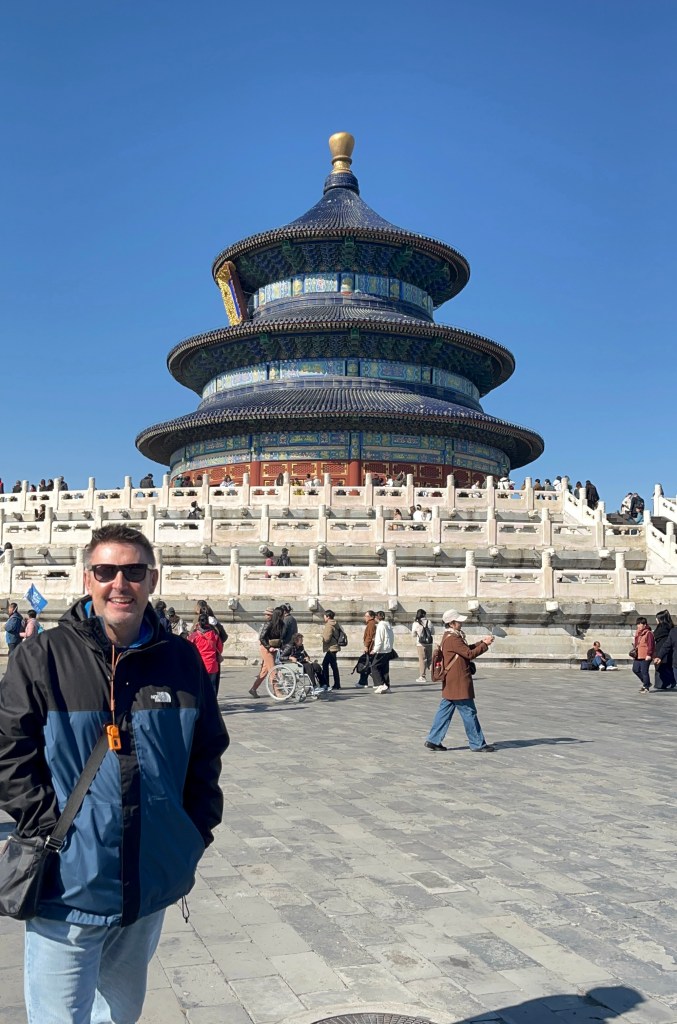
Today, the park surrounding the temple complex serves as a vibrant public space, energising the community with opportunities for exercise, dance, and uplifting social activities.
Chaoyang Park
An enchanting oasis in the heart of Beijing, where vibrant greenery invites you to unwind and escape the bustling city life.
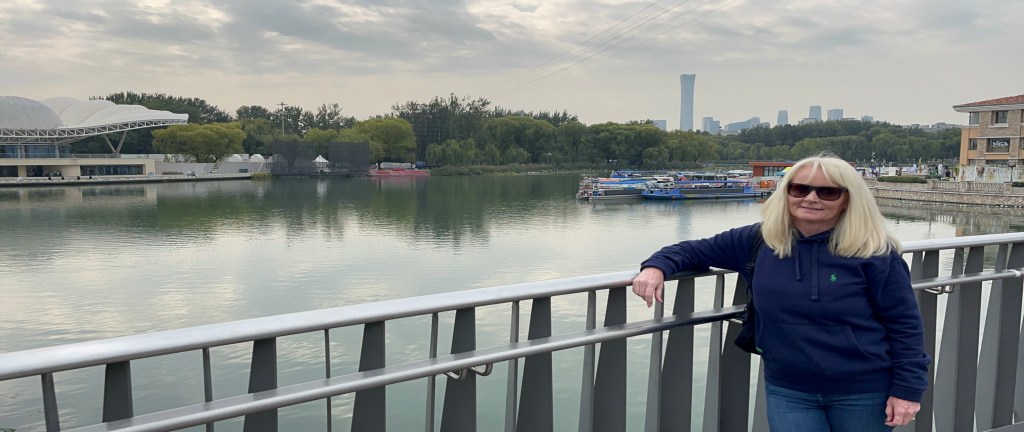
We discovered a delightful green oasis near our hotel, conveniently accessed through an entrance next to a shopping centre we had explored. It was refreshing to find such a tranquil space amidst the vibrant energy of the bustling metropolis around us.
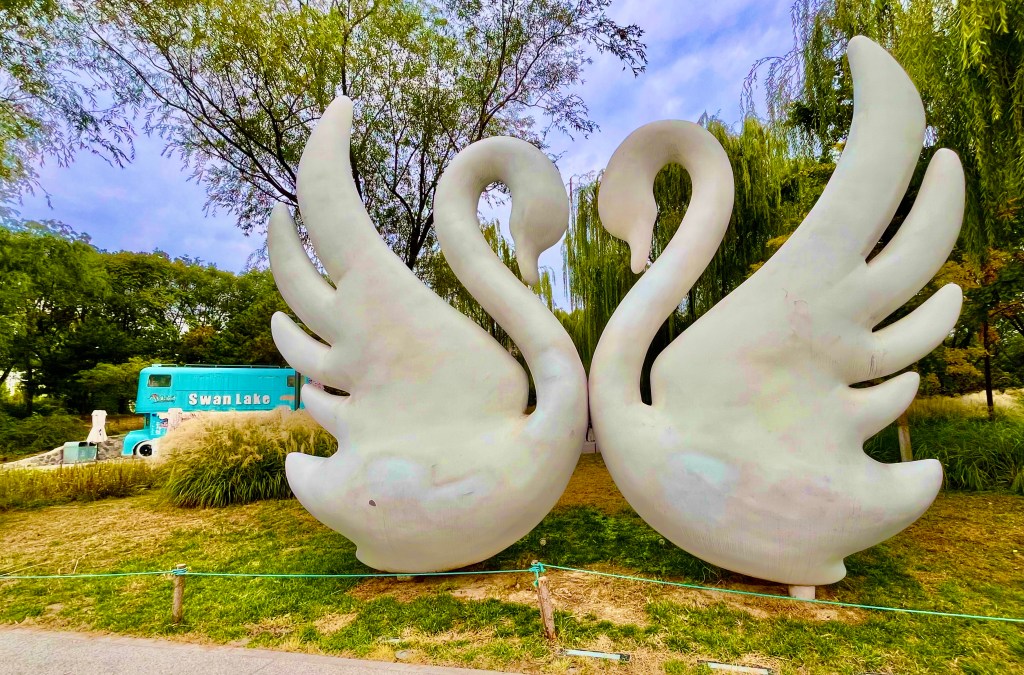
It is Beijing’s largest park, covering 288 hectares and a water surface of 68 hectares. It was constructed in 1984 on the former grounds of the Prince’s Palace.
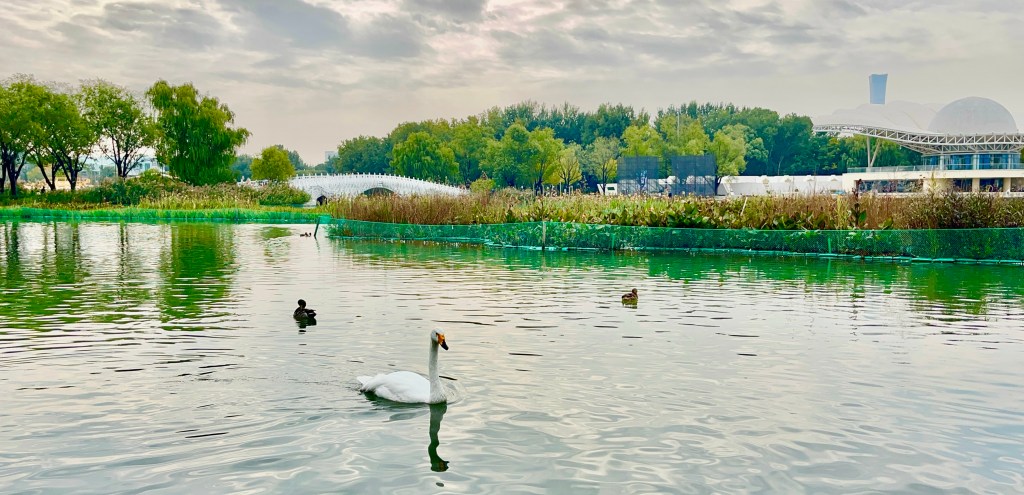
The park is an excellent place to walk, with many scenic spots dotted around. It is popular with families due to its plethora of activities available. The Olympic beach volleyball competition was held here in 2008.
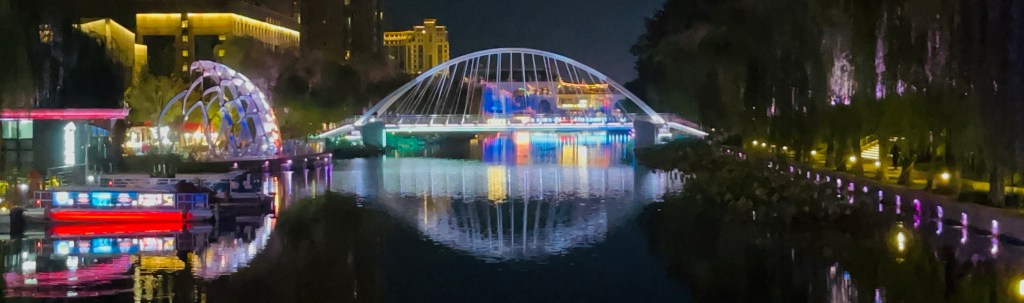
The riverside area that stretches from Chaoyang Park to our hotel is a picturesque destination, especially enchanting at night when illuminated. This scenic spot offers a pleasant atmosphere for walks and social gatherings, enhancing the overall experience of the area.
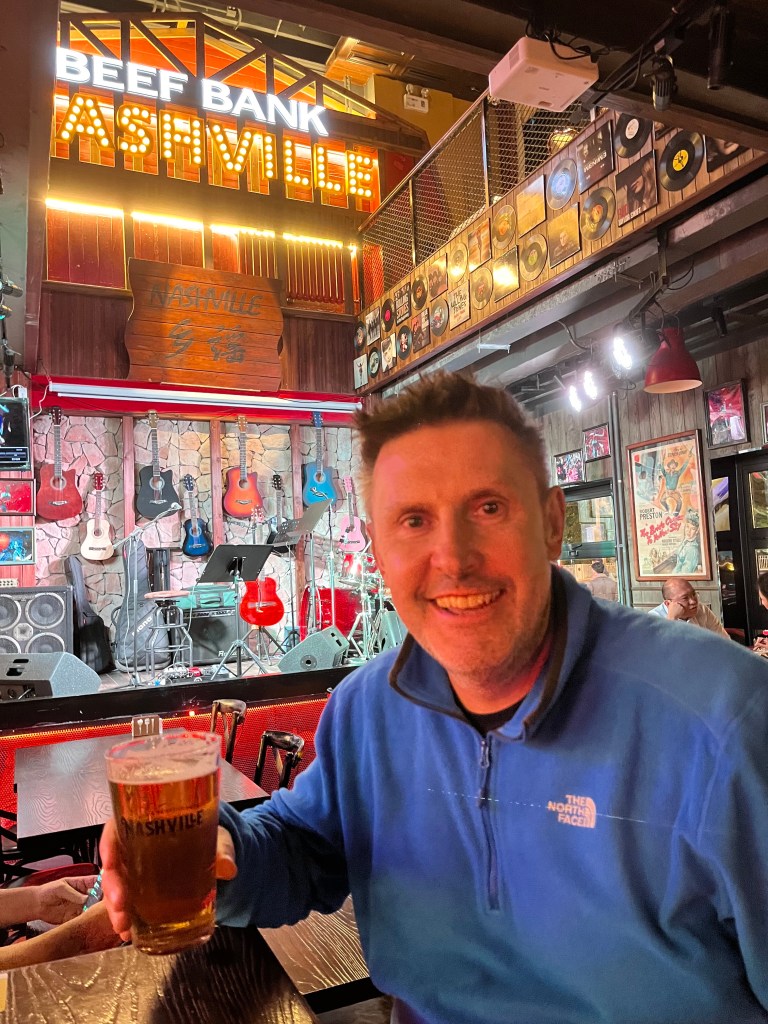
The area had numerous bars and restaurants, each offering a unique culinary experience. After indulging in a feast of flavorful Chinese dishes and vibrant drinks, we yearned for a change. So, we set our sights on Nashville—a charming microbrewery and steakhouse known for its lively atmosphere and talented live bands. It was the perfect escape, drawing us far away from the familiar flavours of Chinese cuisine and immersing us in a completely different vibe.

 We were born to do more than go to work, pay bills and die. See the world while you are alive and kicking