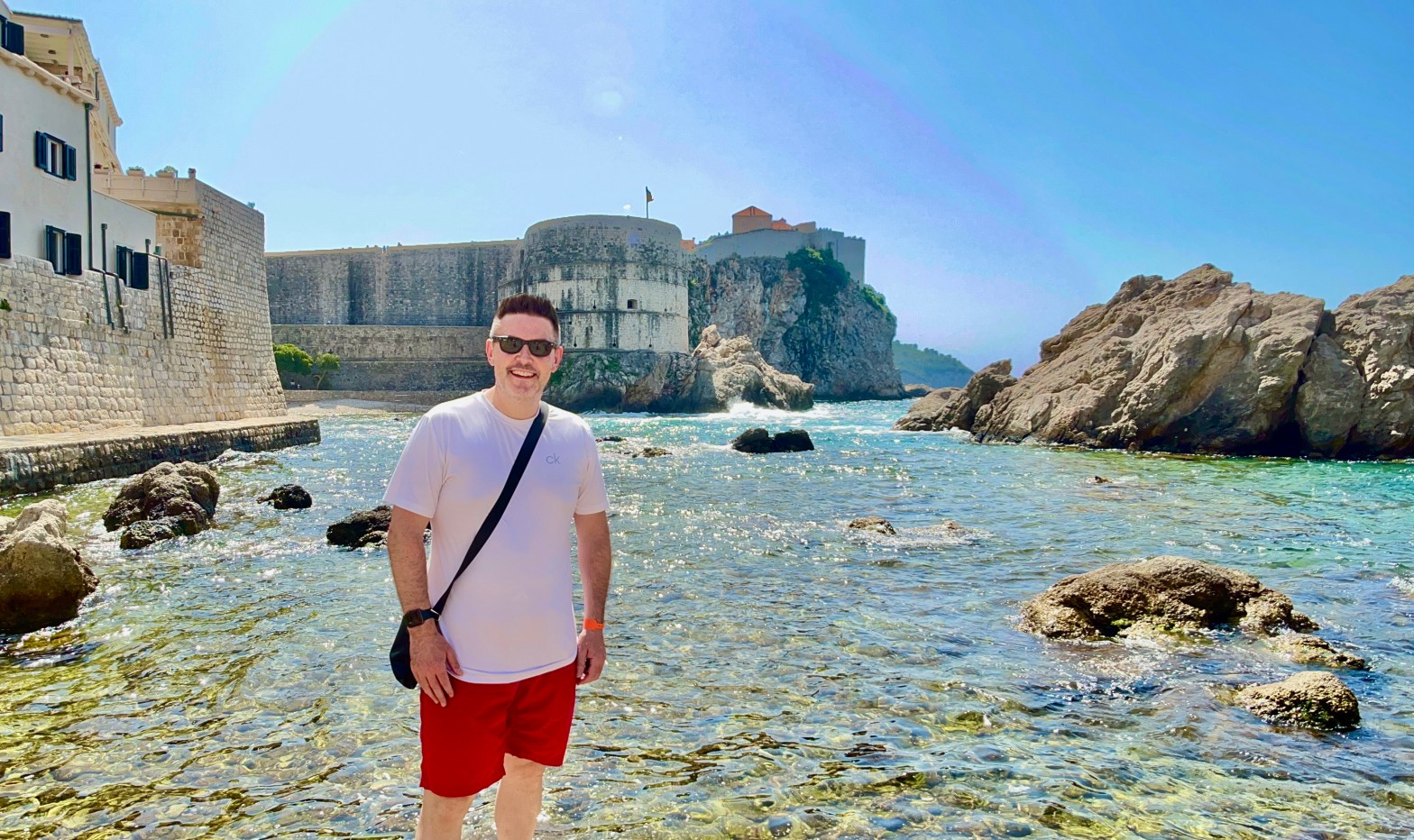
The pearl of the Adriatic full of history and culture with fabulous city and ocean vistas. Then we discovered some stunning islands just a short boat hop away from the city.
Dubrovnik is renowned for its breathtaking beauty and rich history with its Medieval old town surrounded by stone walls and filled with centuries-old architecture.

It is a captivating location there is no doubt, beautiful locations attract lots of visitors. Unfortunately with Dubrovnik, it is small and can struggle to cope with 10,000 visitors a day especially when cruise ships descend on the location.

Dubrovnik is a very expensive place to visit this pushes prices up and in a lot of cases pushes quality down. We were staying at nearby Cavtat where prices were noticeably less and the ambience a lot more relaxed.
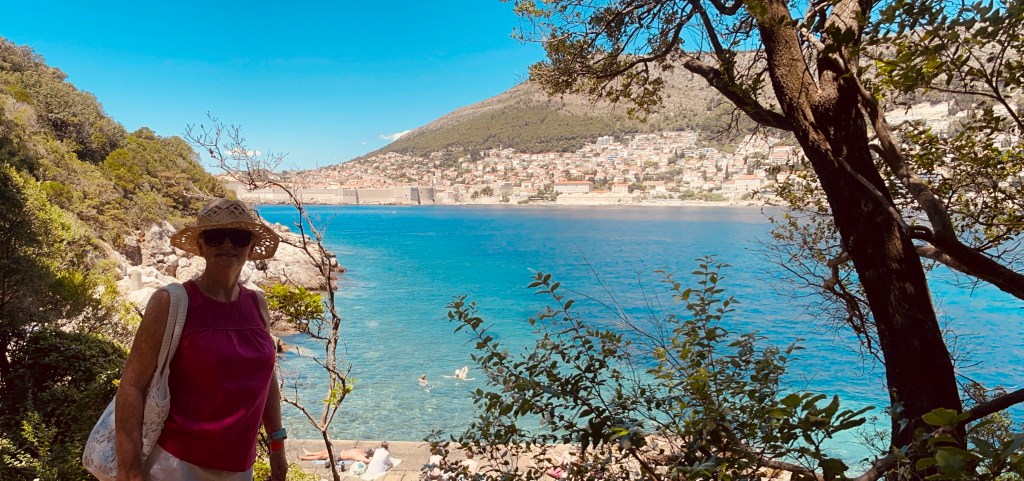
That’s not to say I didn’t enjoy my time in Dubrovnik. We visited on two separate occasions, the first visit on the service bus from Cavtat, not the most glamorous mode of transport granted, but the buses run frequently and are low cost.
On our second visit, we had a water taxi from our hotel to Dubrovnik, a bit more expensive option that gave us some excellent views coming into the old town.
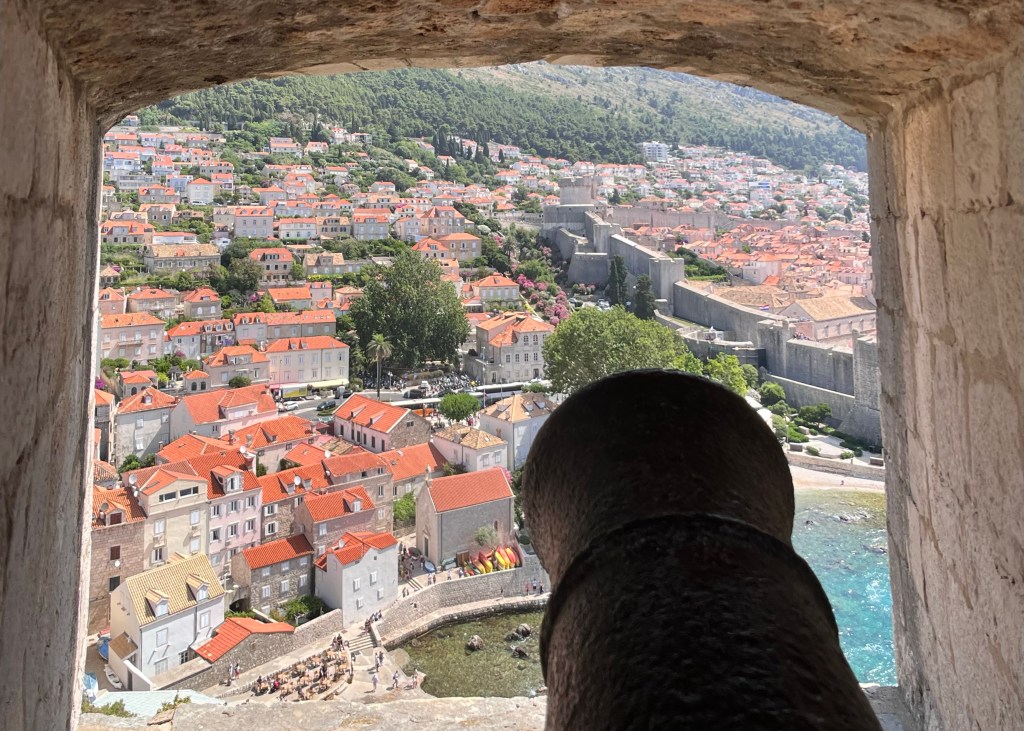
There are lots of things to do in Dubrovnik. Due to limited time, we decided that we would concentrate our time on discovering the City Walls and Old Town on our first day, on the second day we visited Lokrum Island and Dubrovnik cablecar. Visiting Elaphtiti Islands on a another day.
Dubrovnik City Walls
One of Dubrovnik’s most popular attractions and for good reason. We pre-booked entry tickets.

Included in our City Walls ticket was an entry to Minceta Fortress and Fort Lovrijenac. At €48 it is certainly not cheap, like most things in Dubrovnik. We entered at the Pile Gate entrance which is the main entrance point.
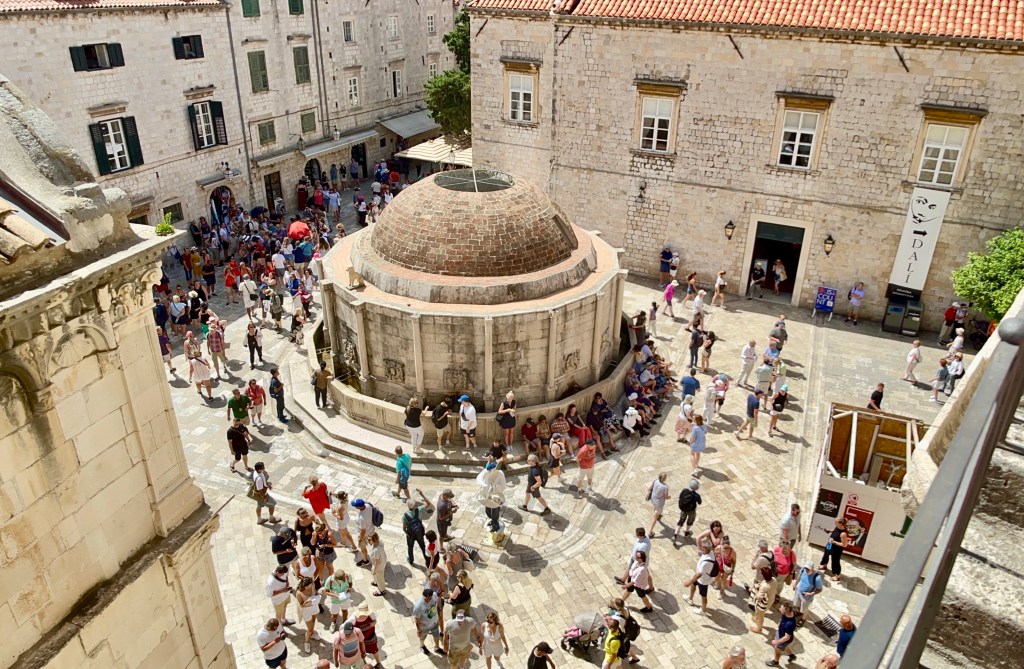
There are two other entry points Ploce Gate and Fort St John by the port. The walls are very busy, if you are looking to avoid the crowds early morning or early evening is best. Another tip check to see if there are any cruise ships docked in on the day you visit.
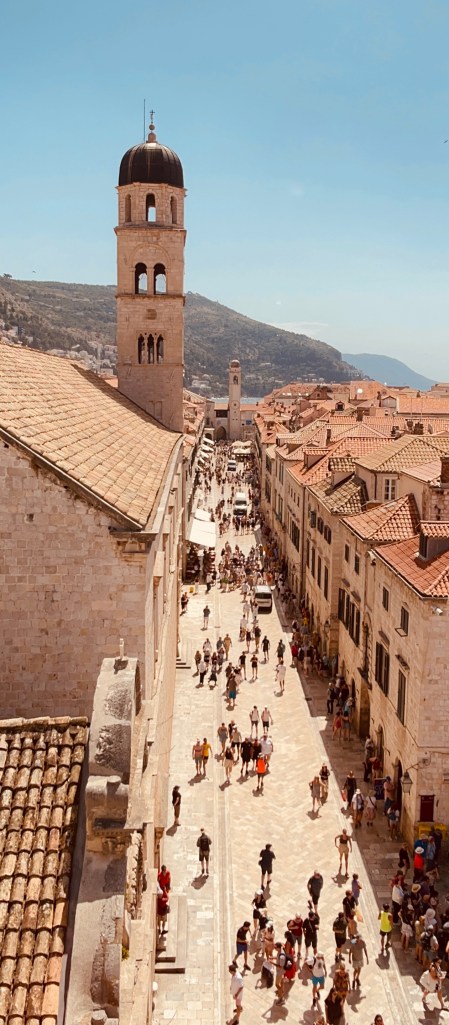
The walk around the walls took us about 1 hour with a few strategic photo stops along the way. We got a fantastic view of the famous Stradun Street and the bell tower of the Franciscan Monastery. There are some cafes if you want refreshments dotted along the walls.
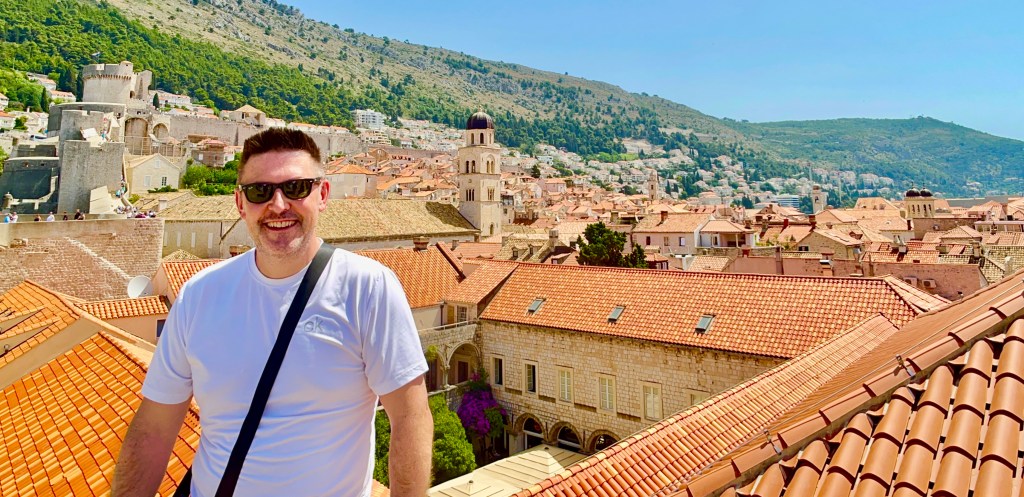
We had endless photo opportunities of picturesque houses with red roofs within the old town. We also got the opportunity to glimpse into some hidden gardens and courtyards in the residential fringes of the Old Town.
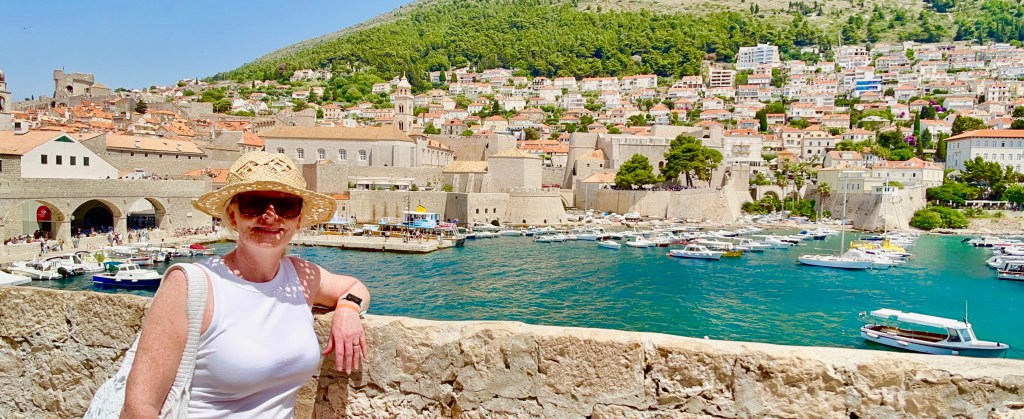
On the south side of the City Walls, we came to the seaward side, where we could see sailing boats and Lokrum Island. Then as we walked around we had a fantastic view of the Old Port of Dubrovnik. Fort St John is situated here its another entry/exit point from the Old Walls and gives access to Dubrovnik’s Old Harbour, where you can get a boat to Lokrum, Elaphiti and shuttles back to our base in Cavtat.
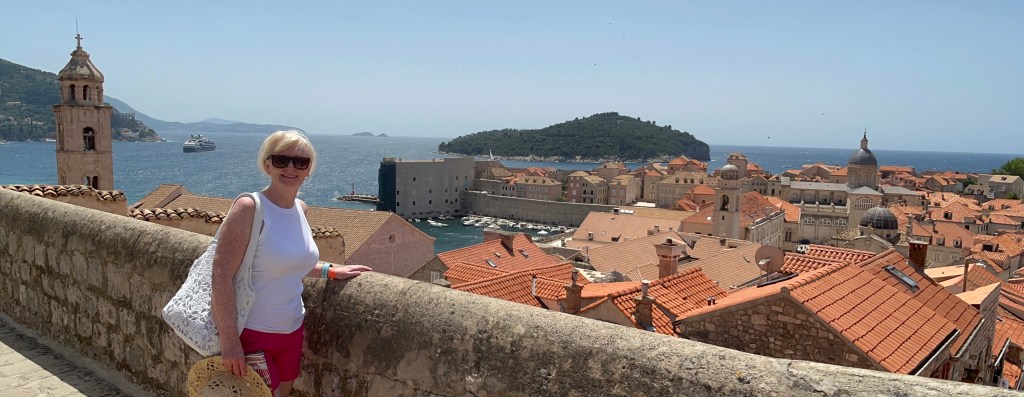
Visiting the City Walls is definitely worth it. They are Dubrovnik’s defining feature encircling the Old Town and they are amongst one of the world’s finest preserved. The walls also gave us breathtaking panoramic views of the Old Town, the Adriatic Sea and the surrounding landscape.
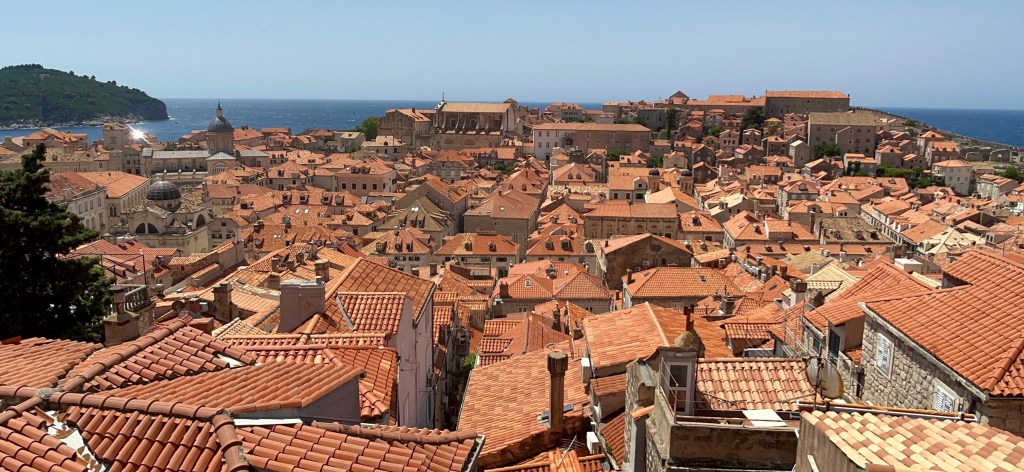
If time is limited it gives you an opportunity to immerse yourself in Dubrovnik’s rich history and architectural heritage, as well as explore various historical landmarks and attractions along the way such as forts, towers and gates.
Fort Lovrijenac

Included in the City Walls ticket is the entrance to Fort Lovrijenac. This is known as Dubrovnik’s Gibraltar, perched on a high rock at the edge of the city 37 metres above sea level was certainly a very impressive sight.
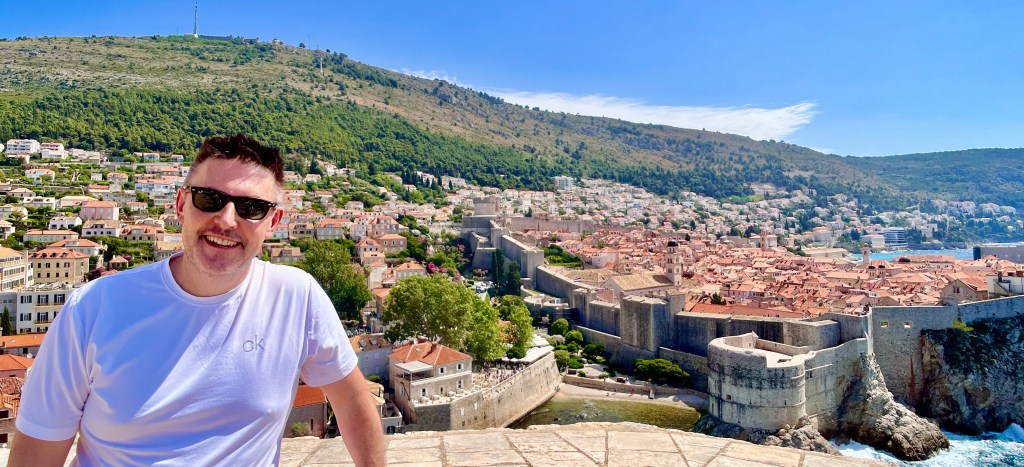
The fortress defended the city from the sea and covered the western Pile Gate. It is a fantastic location to enjoy a panoramic view of Dubrovnik’s Old Town. Today it is used for summer festivals and an open-air theatre.
Fort Minceta
Another place we were able to access with our ticket was the Minceta Fort. A large circular tower with a huge battlement. It was completed in the 14 century. It is the highest point in the Old Town. Views are not great from the fort due to its fortifications and are best admired from afar to admire its power and nobility.
Dubrovnik Old Town
The heart of the city the Old Town is enclosed by the Medieval City Walls.
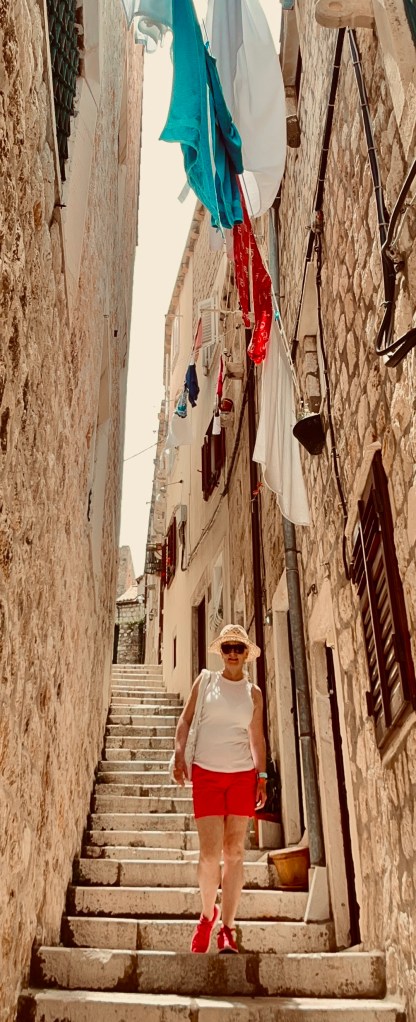
Dubrovnik Old Town is one of the most perfectly preserved Medieval cities in the world. For centuries it rivalled Venice as a major trading port. It was reconstructed in 1684 after a major earthquake and also after the civil war of the early 1990s.
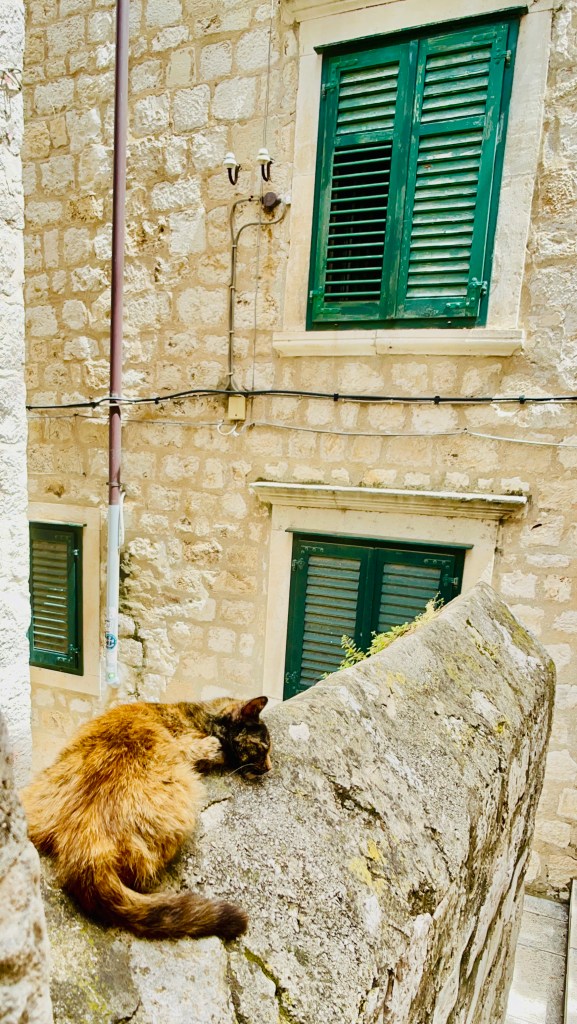
Much of the allure of the Old Town lies in the fact that it is still a lived-in city, vibrant and bustling with locals and a few cats. Homes line the narrow streets and squares. Making the Old Town a living breathing location full of life and character.

Wondering around the Old Town away from the major monuments we found cobbled streets, ancient steps, terracotta roofs and a city that has remained unchanged over the centuries.
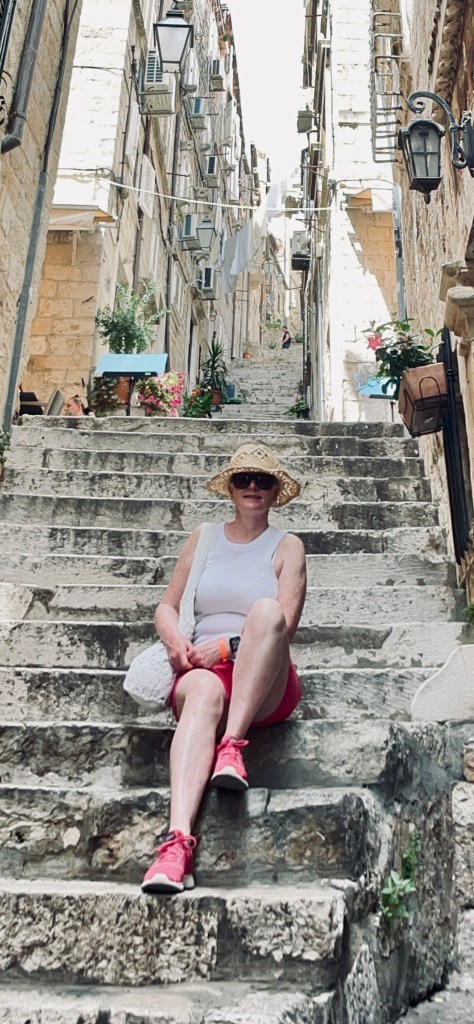
A UNESCO World Heritage Site the Old Town is finely preserved due to ongoing major and neat construction work. There are lots of grand landmarks to see, but discovering the hidden Old Town was just as rewarding an experience away from the crowds at a less frenetic pace.
Cable car
Connects the old town to the top of Mount Srd
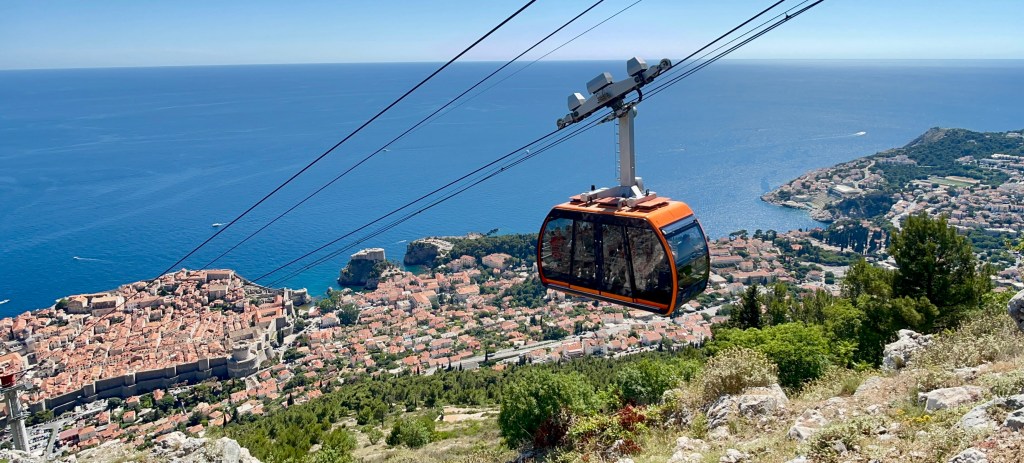
This modern, fast and very orange mode of transport is one of the top draws in the city and gives fantastic views as you rise above the old town.
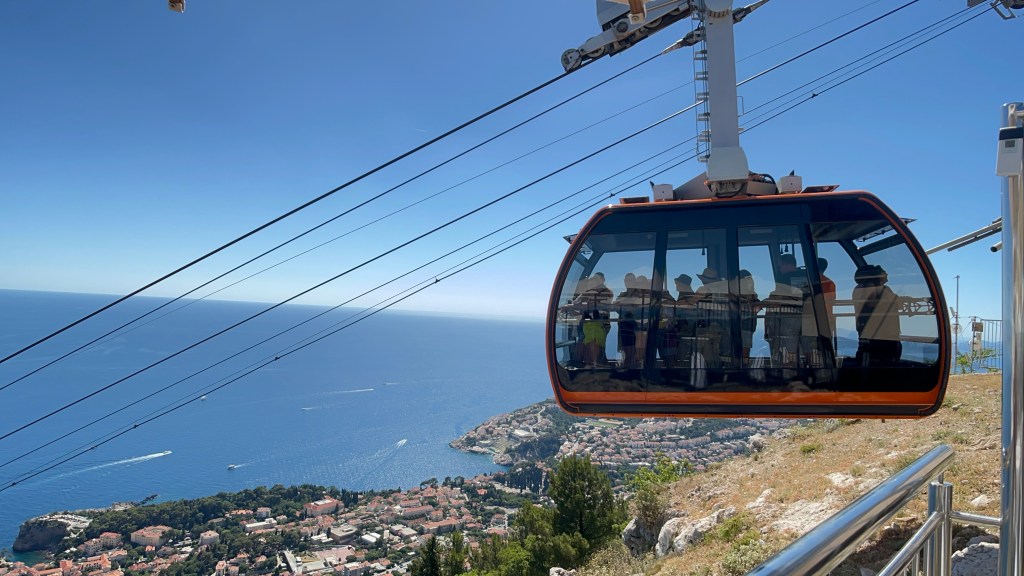
There has been a cable car in the city since1969 which was the first built in the Adriatic Region. Sadly this was severely damaged during the siege of Dubrovnik in 1991. This modern reincarnation underwent a £5 million renovation and was reopened in 2010.
It takes 3 and half minutes to ascend the hill travelling a distance of 778 meters and the upper station is located 405 meters above sea level. Each car carries 30 people with the two cars departing one ascending the other descending.
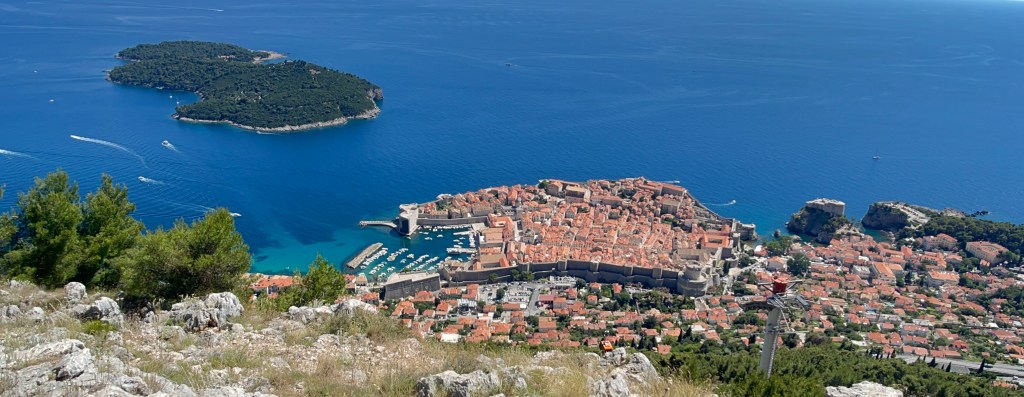
Once at the top, we had fantastic views of the Old Town and Lokrum island which is the main reason for getting to the summit of Mount Srd.
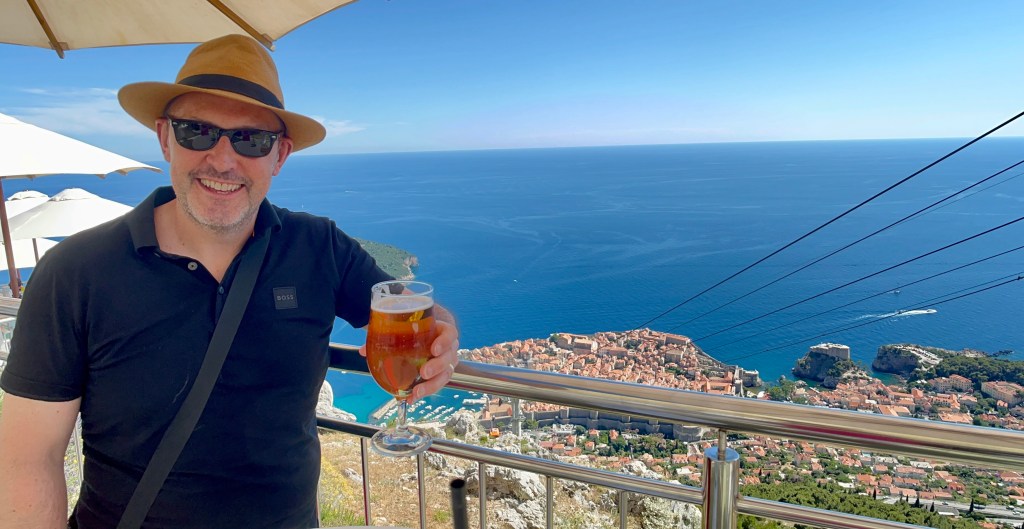
There is a restaurant and bar to enjoy a drink with a spectacular view. Although an enjoyable experience if I had more time I would have walked up to the summit which is free, €54 for the two of us was certainly not cheap for a return trip. Unfortunately like most things in Dubrovnik are not cheap.
Island Hopping from Dubrovnik
The historic city of Dubrovnik is surrounded by a wide variety of idyllic islands that make for great excursions and day trips by boat.
Lokrum island
A small island and nature reserve situated very close to Dubrovnikk
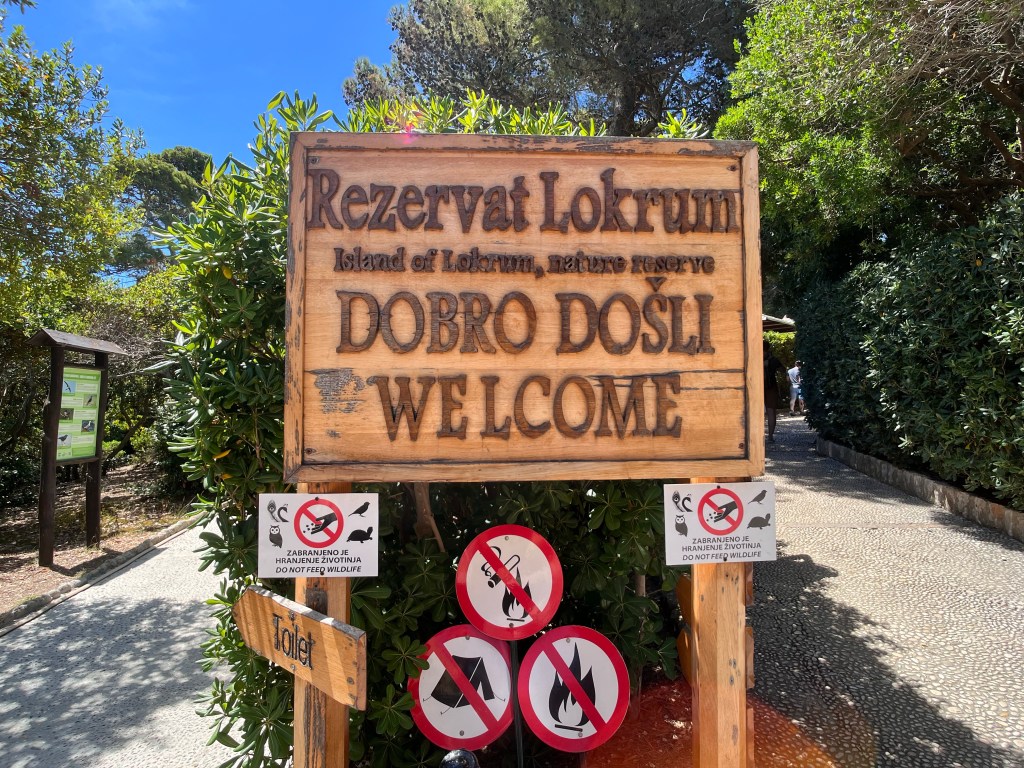
If the madness of Dubrovnik is all getting too much, why not catch a ferry from the Old Port in Dubrovnik and take the short 10-minute journey over to the oasis of calm which is Lokrum Island? Boats run regularly every 30 minutes to to and from Dubrovnik.

The island is a very pleasant way to spend a couple of hours. We spent the morning at Lokrum and had a nice lunch as there were a few dining options to choose from. Lokrum is largely uninhabited although it was bought by Austrian Archduke Maximilian I in 1858. Much of the botanical plant life and grand gardens stem from his ownership.
Dead Sea
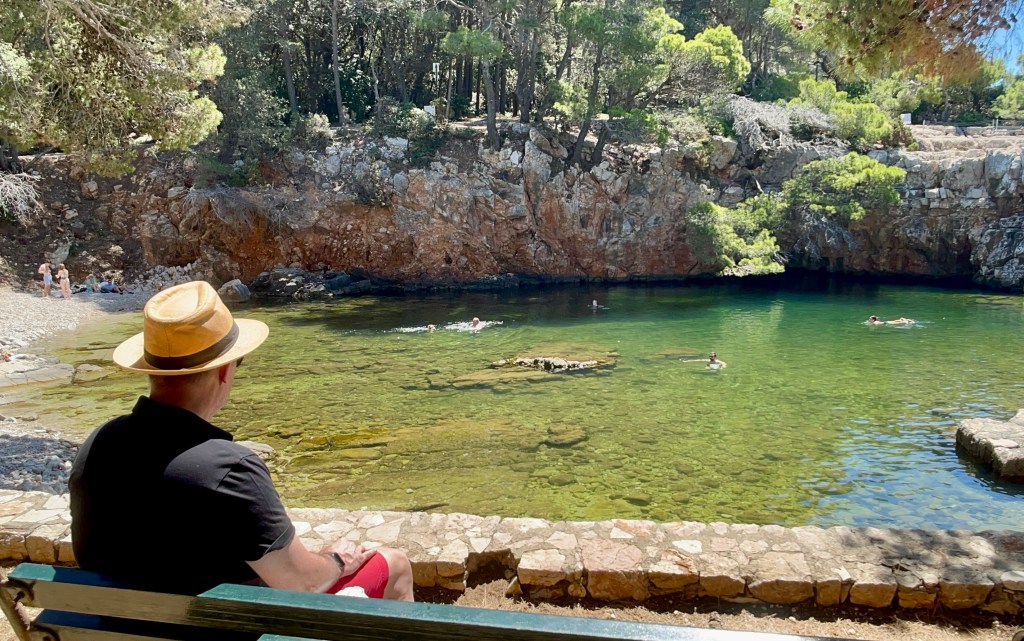
Most people visit Lokrum Island for its peace and tranquillity. Although there is plenty to see, whether it’s a walk around the island, checking out a few points of interest or just spending some time relaxing by the water.
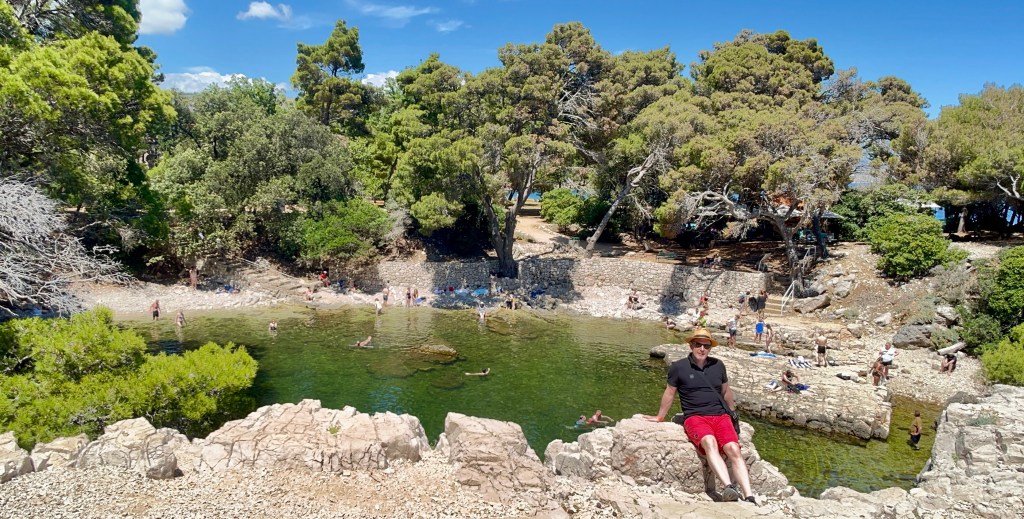
This takes me to the Dead Sea, not really like its more famous namesake in the Middle East, this is still a salt lake. Located on the southern end of the island this is a popular spot for bathing in the calm peaceful waters.
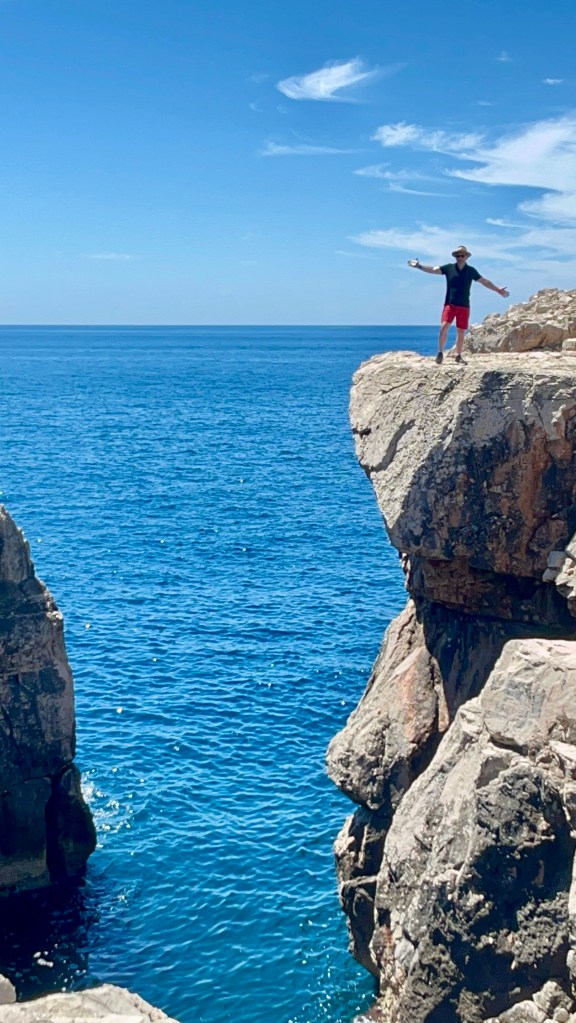
I saw lots of rocks on Lokrum Island mainly congregated along the southwest coast of the island, some are almost otherworldly and are definitely worth a look as they give the island a very dramatic appearance.
Benedictine Monastery
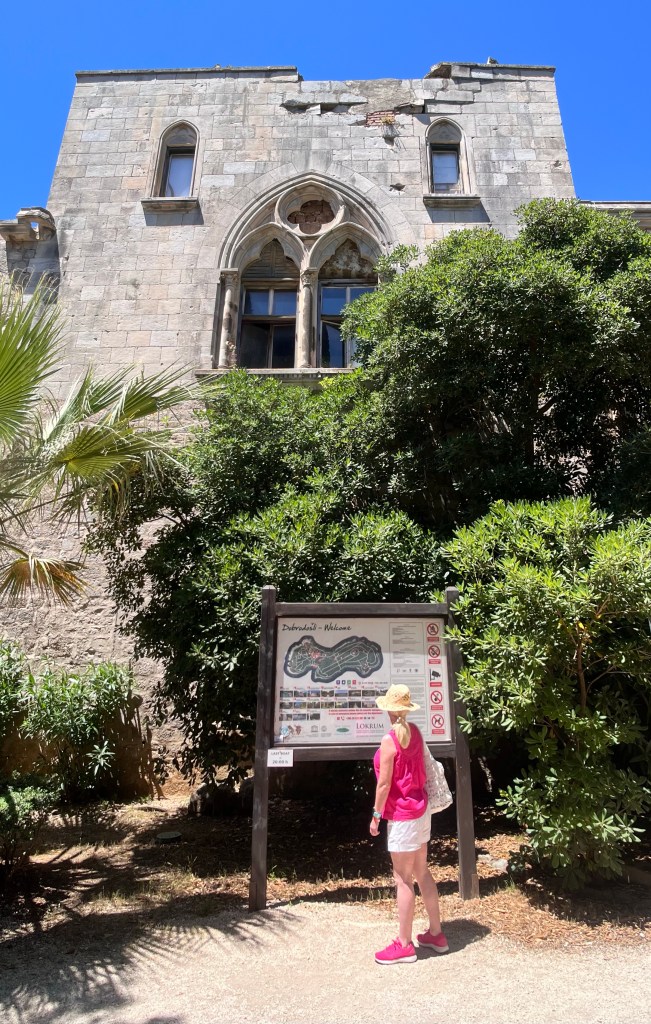
Initially built in the 11th century. The monastery was badly damaged in 1667 by an earthquake, parts of the monastery were rebuilt around this time. In the 18th century Maximilian of Habsburg used this as his summer residence.
Fort Royal
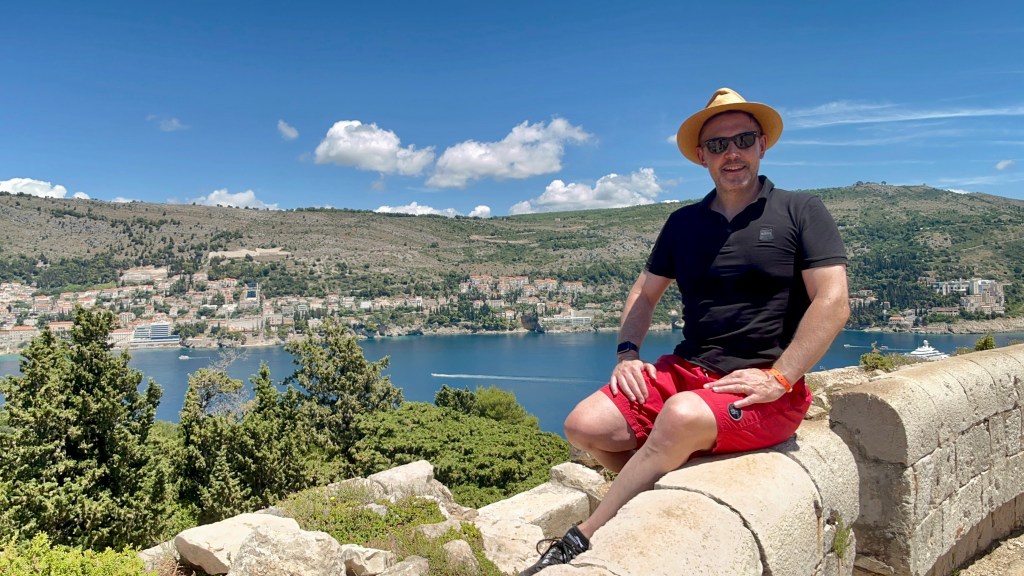
At the highest point of the island, we discovered Fort Royal, built by the French during their brief occupation in the 19th century and completed by the Austrians.
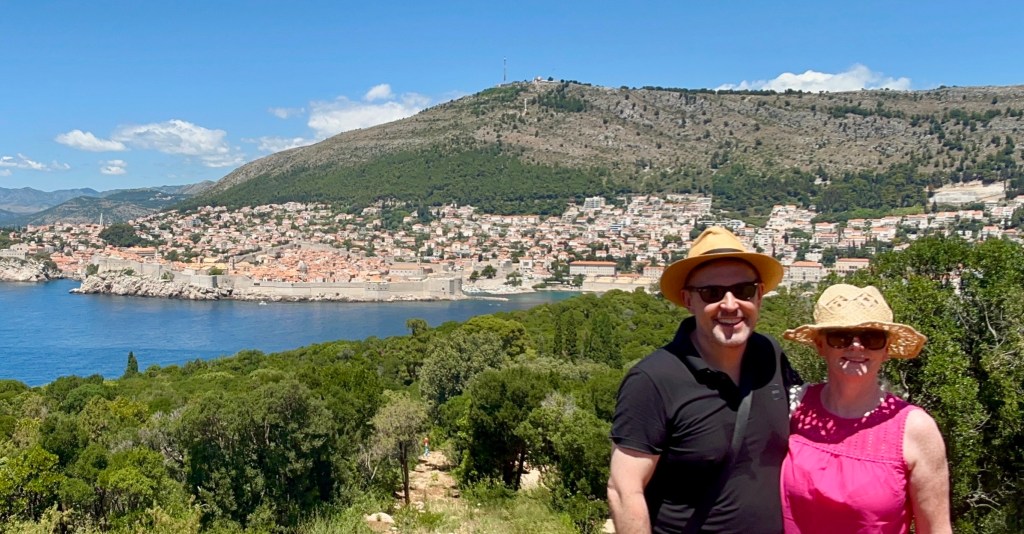
There were some gorgeous views from Fort Royal, taking in Dubrovnik’s Old Wall and Old Town and Mount Srd. The path up to the fort is steep and can be uneven underfoot, suitable footwear is definitely advised.
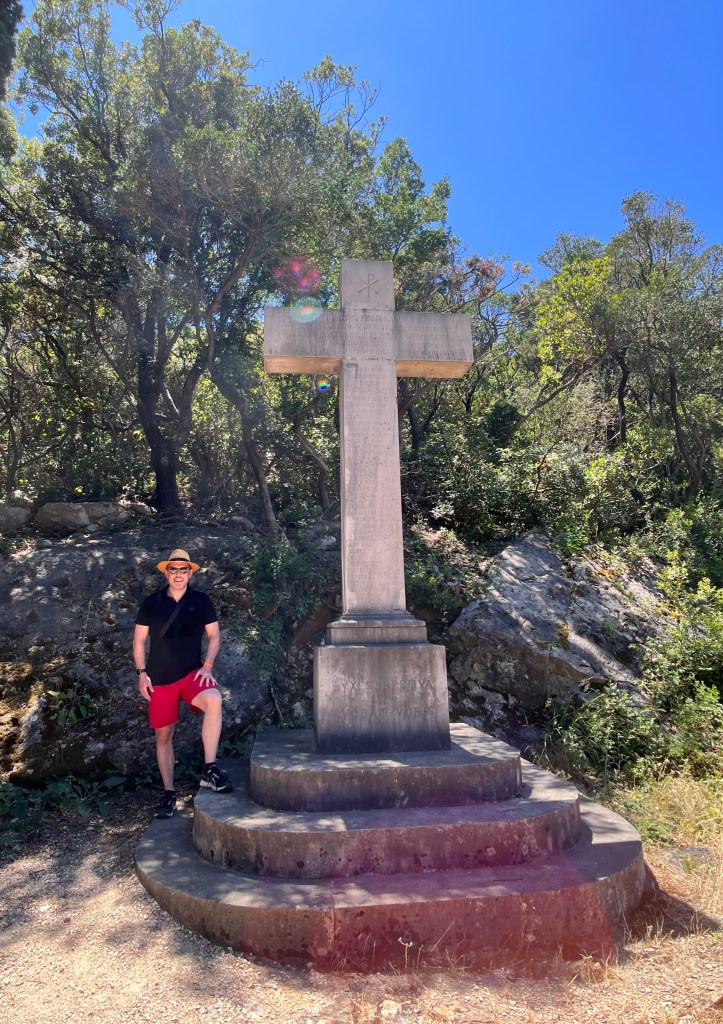
On the way down from the trial we came across excuse the pun a cross. Tritons Cross was erected in memory of sailors whose lives were lost, a very peaceful location and the cross was clearly visible from the water.
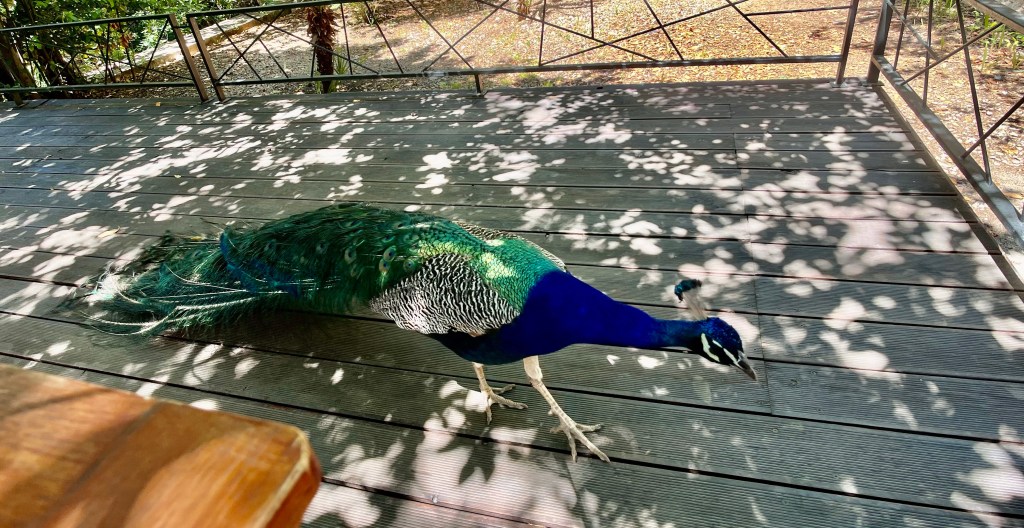
And finally, we saw plenty of wild peacocks, peahens and peachicks running freely around the island. Lokrum is well known for its resident wild peacock population.
Elaphiti Islands
These islands sit just off the coast of Dubrovnik making it an easy day trip.

The Elaphiti Islands archipelago consists of six islands. Which are situated north-west of Dubrovnik. On our boat trip, we visited three of them Kolocep, Sipan and Lopud. These three islands only have a combined population of 1000 people.
Kolocep
One the three inhabited islands. Which had been part of Dubrovnik since the 11th century.

The island is the smallest and only has a population of 300. As the smallest island, it is considered the most tranquil and has a very calm and relaxing atmosphere.
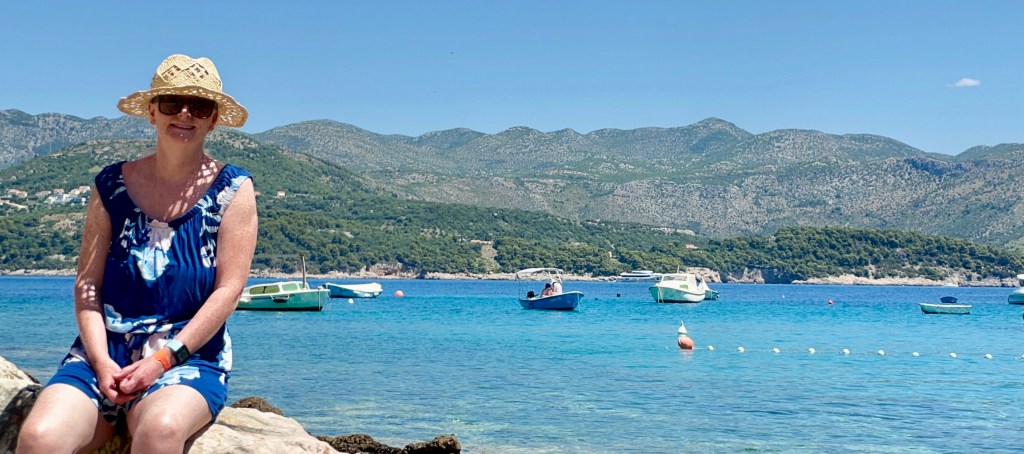
Very close to Dubrovnik so you have the best of both worlds close to the city but away from the hustle and bustle. With sandy and pebble stone beaches to enjoy the peacefulness of the island.

The island is also car-free so it’s an ideal place to enjoy leisurely walks “although some of the trails didn’t seem that leisurely” They go through the dense pine forests and along the coast. The trails crisscross the island and are signposted.

The island has some fantastic secluded coves and sandy bays. Where we found golden beaches and crystal clear waters, which makes the island popular for swimming and snorkelling.
Sipan
Sipan is the largest of the Elaphiti islands.
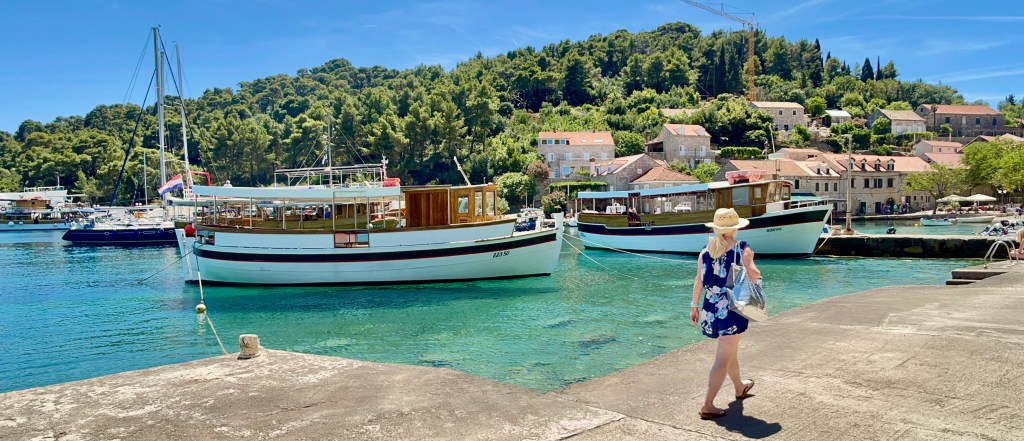
There are cars on this island but it is still fairly quiet. We docked on the southeastern side at the village of Sudurad. Ferries operate daily as well as numerous boat tours.
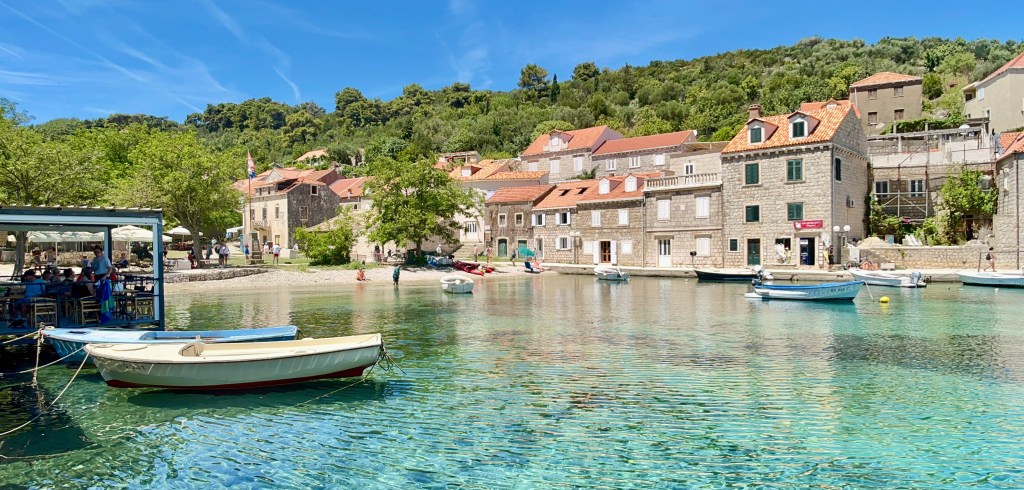
The population of Sipan is just under 500 inhabitants. It was my favourite island stunningly beautiful with a laid-back rustic charm. With crystal-clear waters, the island is famous for its olive production, with the largest concentration of olive trees relative to its size and population. Sipan is very different to Kolocep with its palm trees rather than pine forests.
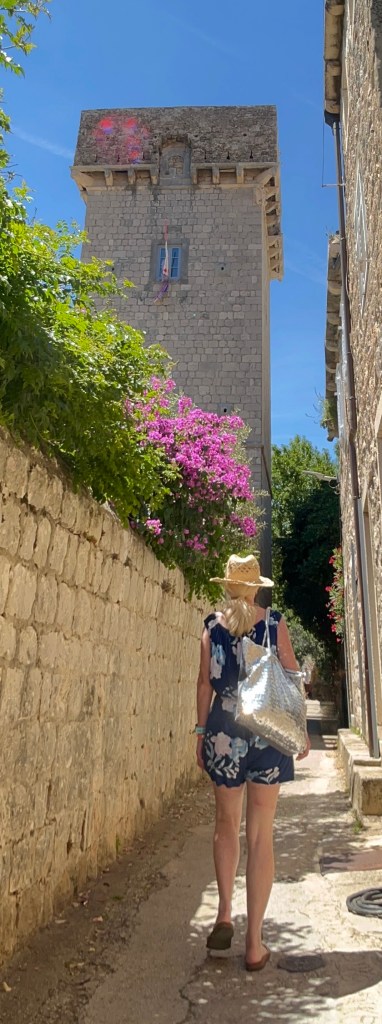
Sipan for such a small island is home to several historic sights and monuments, an ideal location for history buffs, with as many as 30 churches, many of which are in ruins dating back centuries.
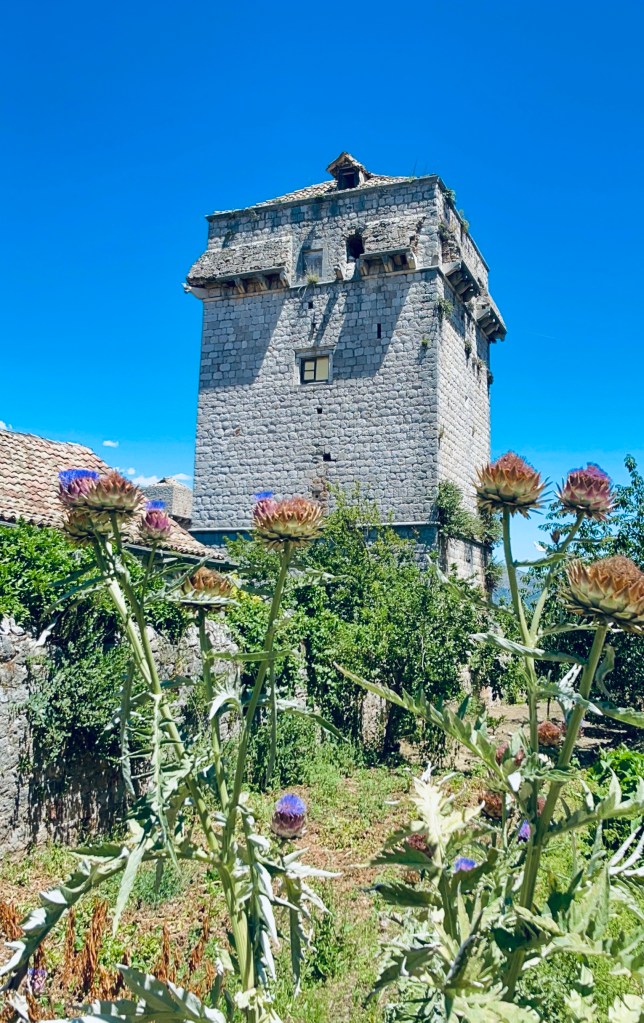
In Sudurad there is a very prominent building, the large fortified Skocibuha Villa and Tower which was built in the 16th century.
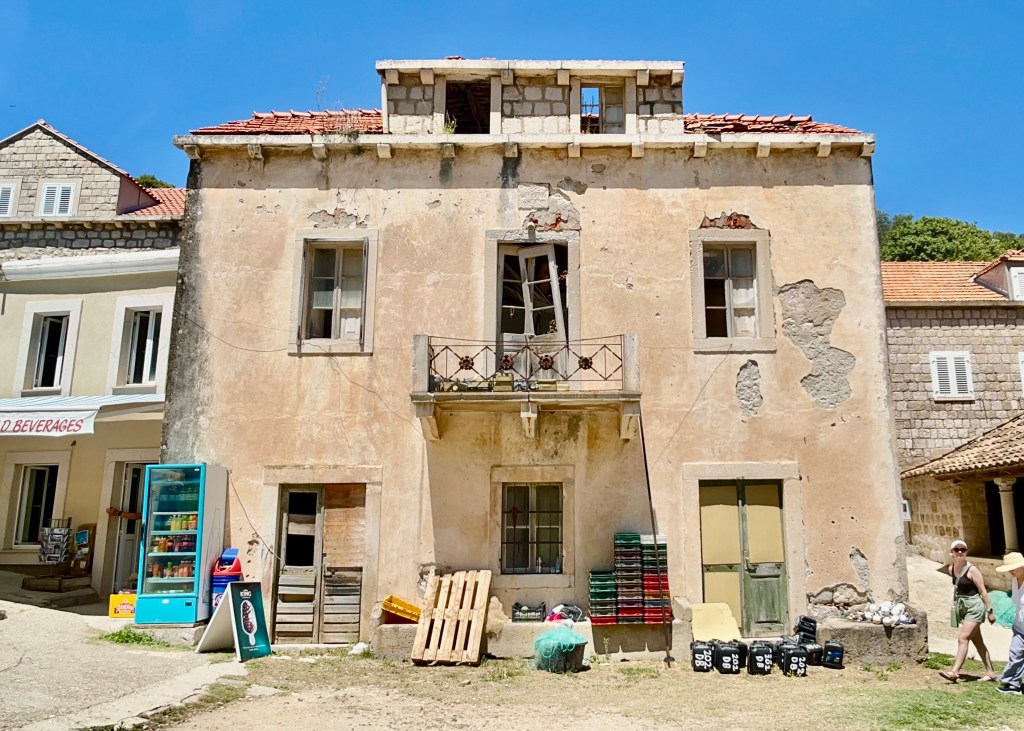
The island was a favourite with Dubrivnik’s aristocracy which might explain the amount of faded grandiose buildings that was dotted around the town. It seems to have held on to the sprit of the past where time has seen to have stood still.

The pretty harbour is the focal point of the village and most of the restaurants are situated here offering simple and tasteful meals, its an excellent spot to enjoy an ice cream or drink and watch the world go buy quietly and very slowly.
Lopud
Just 14 kilometres from Dubrovnik. Conveniently connected with a daily ferry from Dubrovnik as well as charter boats.
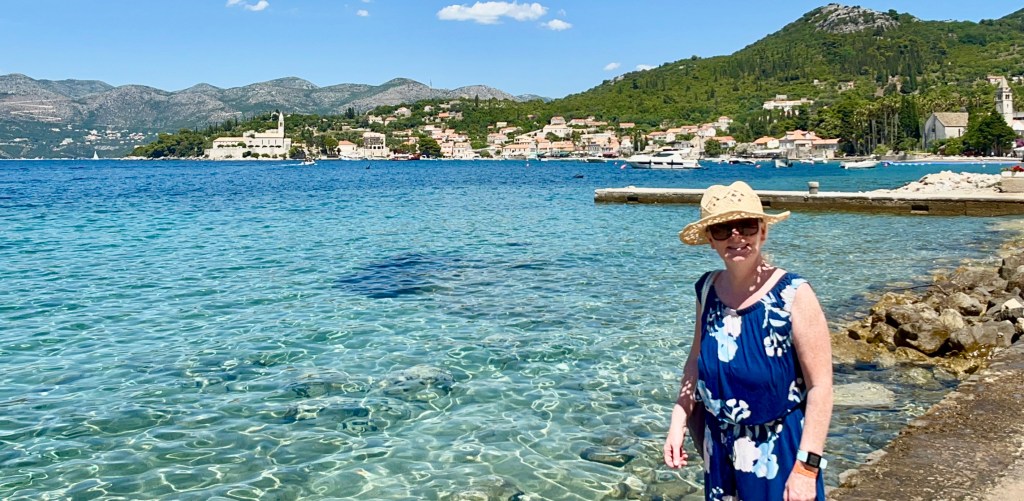
Once the domain of the Dubrovnik aristocracy. Today it has become popular with visitors from much further afield
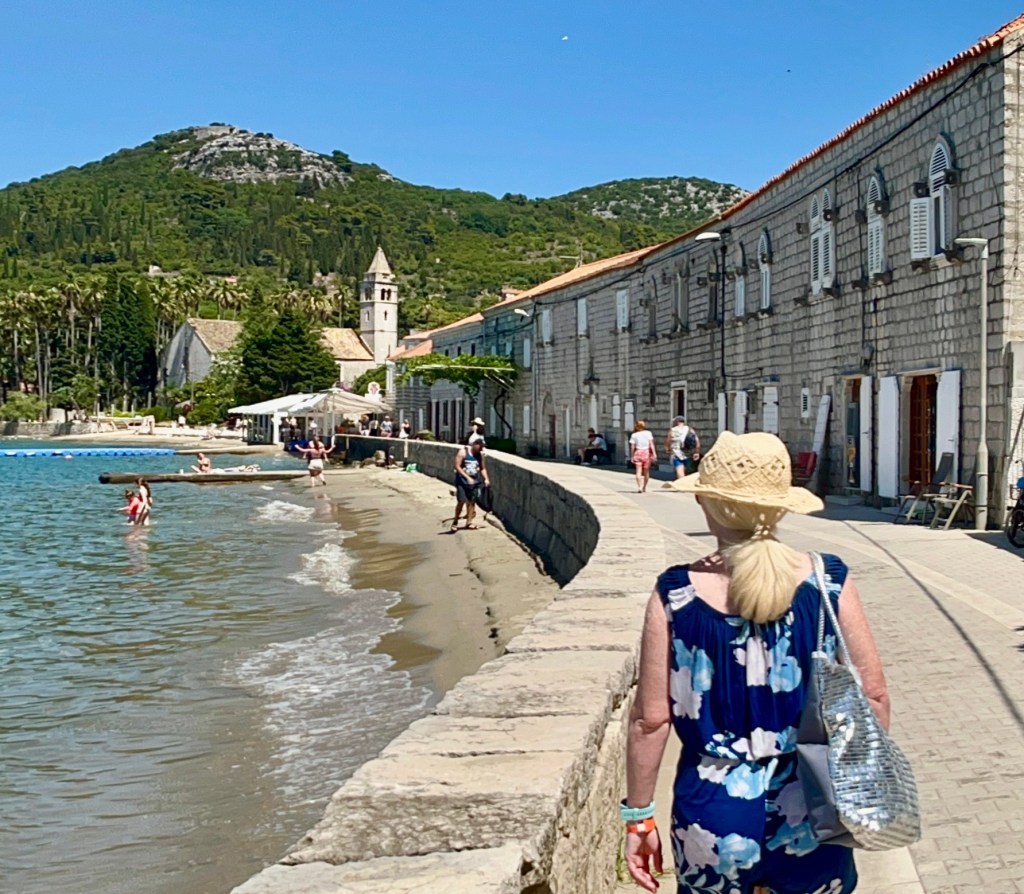
Lopud home to only 200 people is considered the most picturesque of the three islands. It only has one village also called Lopud, which curls around the bay, with little side roads that climb up the hillside, don’t worry about cars as it is another car-free island.

Lopud did have a bit more going on there, with a few bars, restaurants, shops and a couple of hotels. The village is very charming with lots of stone houses surrounded by exotic gardens. With a little beach in the town, it’s a very relaxed location.
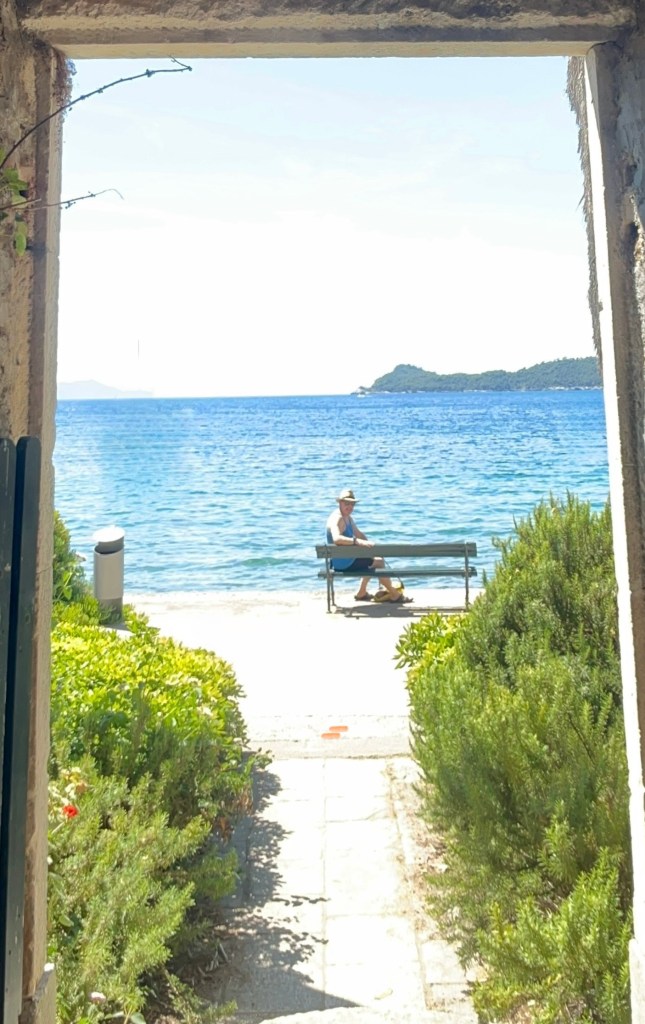
All along the bay is a promenade which was full of activity as the promenade adjoins narrow sandy beaches as well as the waterside bars and restaurants. Just off the promenade is shady Dordic Mayneri Park laid out in the 19th century which has some botanical plants from around the world.
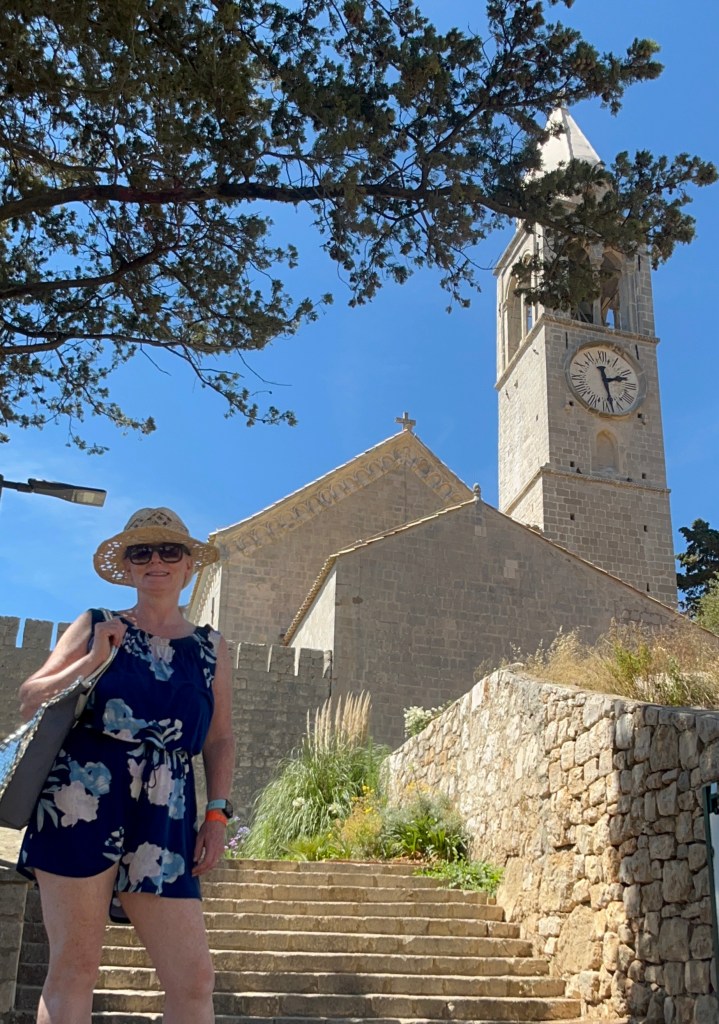
Overlooking the village the 30m high bell tower of Lopud’s 15th-century Franciscan Monestary. It was abandoned in 1808 and recently restored to its former glory.
After visiting Kolocep, Sipan and Lolud three islands of the Elaphiti Archipelago, which had been a fascinating and relaxing day, it was back to the boat for our transfer back to Cavtat.

 We were born to do more than go to work, pay bills and die. See the world while you are alive and kicking