Medellin may well be Colombia’s capital of cool with its cultural experiences, vibrancy and nightlife. However it is also a great base to discover all this region has to offer. There are lots of beautiful locations within a short distance from Medellin showcasing Colombia’s one-of-a-kind culture and natural beauty.
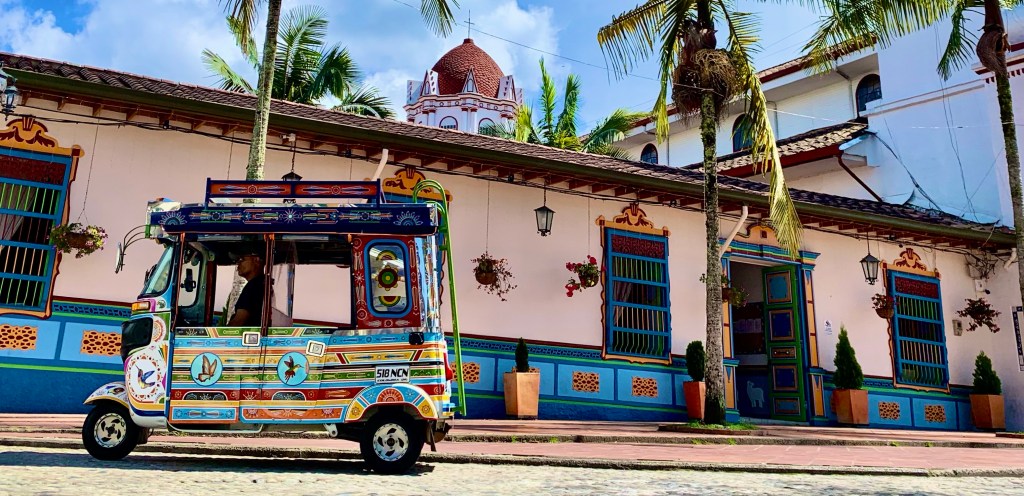
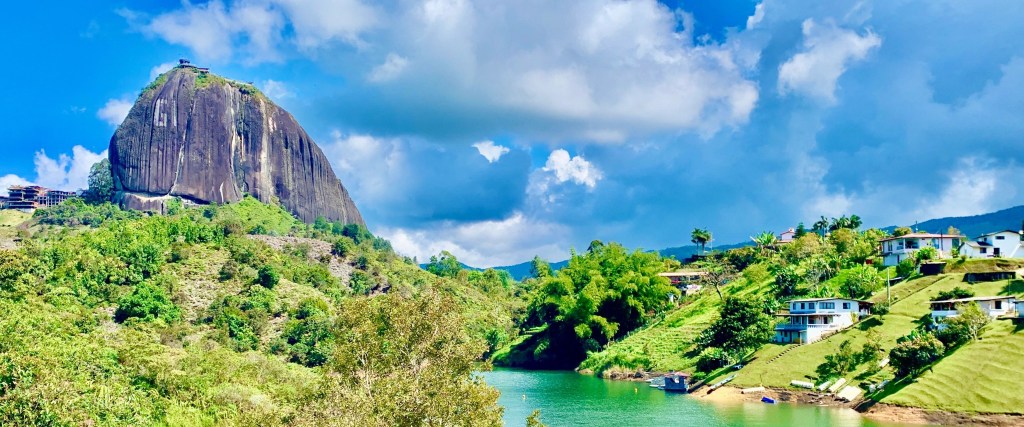
Our next adventure takes us to the area of Eastern Antioquia, situated to the southwest of Medellin. The picturesque Anitoquian countryside has no shortage of attractions in which to engross us. Starting with the colourful town of Guatape where I found many colourful houses and the nearby El Penon de Guatape a large rock which dominates the area.
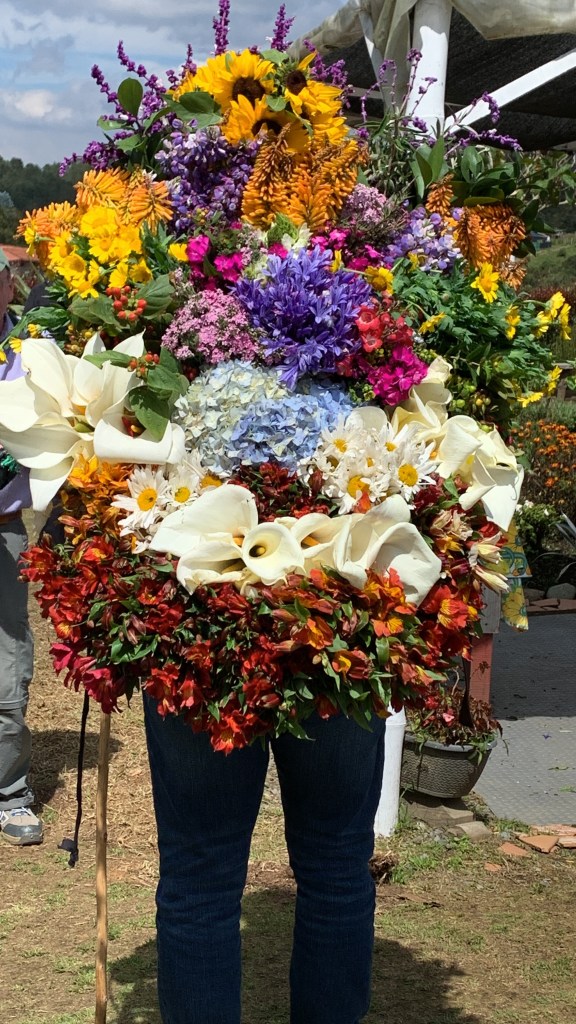
The region is also famous for its flower cultivation with many flower farms in the area. Colombia is the second biggest exporter of flowers, only the Netherlands exports more. We visited Saint Elena which is the birthplace of the Colombian flower industry and is just outside of Medellin.
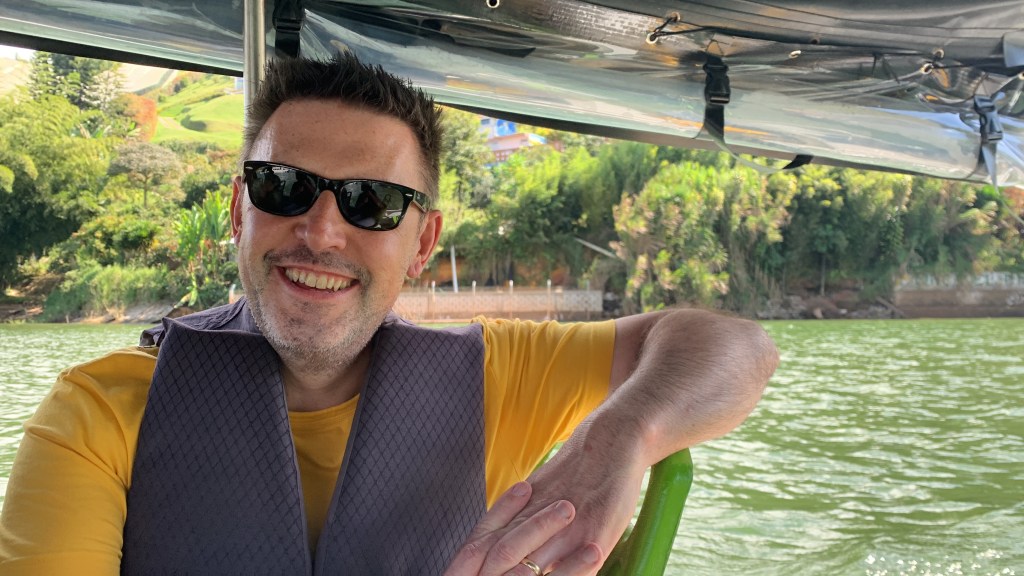
The area is naturally captivating being situated within the Andean Mountain range. We discovered lush national parks, natural wonders, colonial towns and beautiful lakes, where we enjoyed some time on the water.
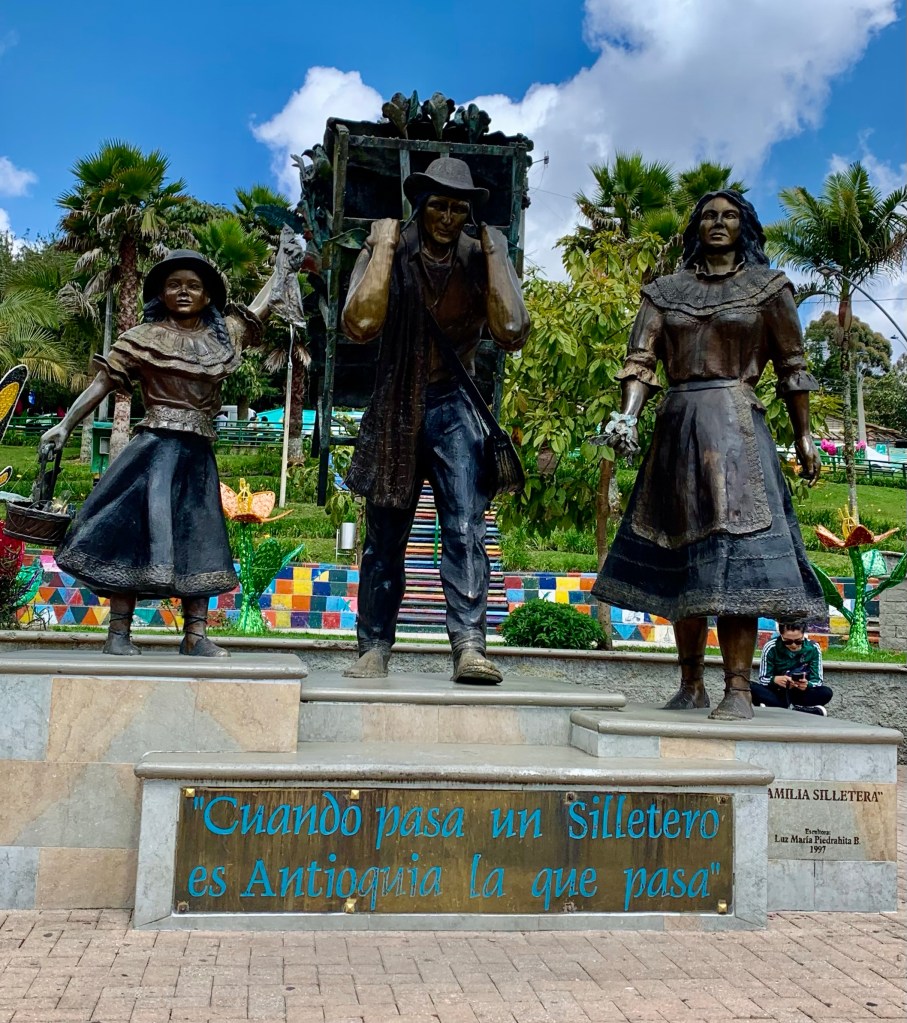
A different landscape and pace of life await. There is so much to discover in so little time. Some locations were familiar to me, others were unbeknown to me. All great locations to visit and explore. Colombia was certainly a land of contrasting landscapes, peoples and cultures.
El Penol de Guatape
Not too far from Medellin (80 kilometres in fact) is the pretty town of Guatape and the famous granite rock which overlooks the town.
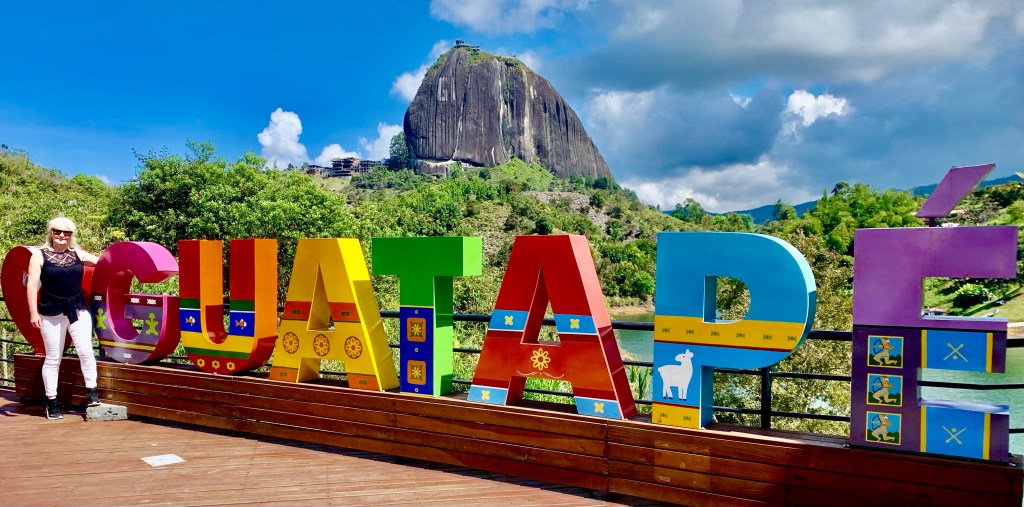
The rock itself is quite a contentious issue. Due to its cultural-historical significance and its value as an iconic tourist location in Colombia, there has been long-disputed ownership of the rock between the towns of Guatape and Penol. This can be seen in the name as it is known as The Rock of Gutatape and The Stone of En Penol.
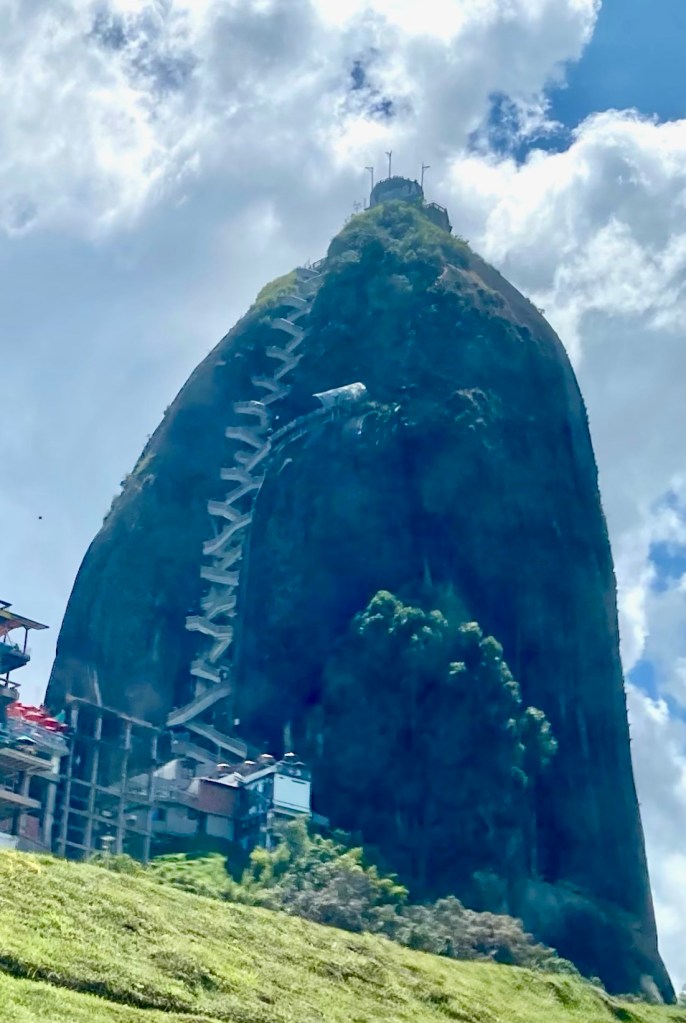
A few facts about the rock itself. It is known as an inselberg, which is a lone prominent rock in a mostly flat landscape. It is ten million tonnes in weight, is over 65 million years old, stands 200 meters in height and has great cultural significance to the local indigenous community.
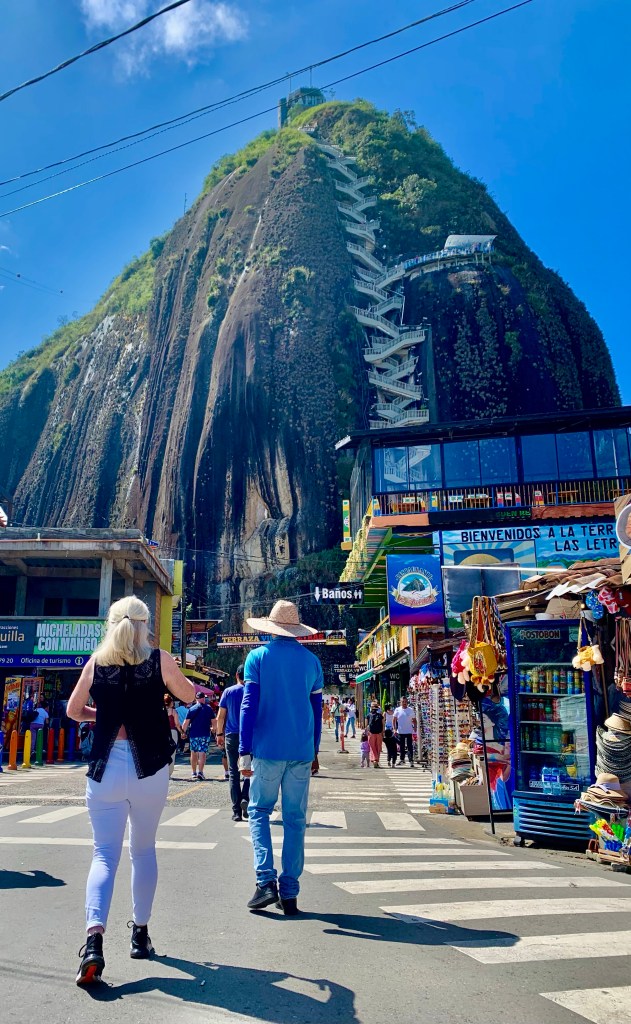
We arrived early as this is one of the most popular things to do in the area. At the bottom of the rock, we found lots of souvenir shops, cafes and food vendors. It was certainly a hive of activity. At the top of the rock, there will be fantastic vistas of the valley and Lake Guatape, as well as more souvenir shops, cafes and food vendors. To do this however we had to negotiate the 675 steps (740 steps if you include the tower) which gets you to the summit of the rock.
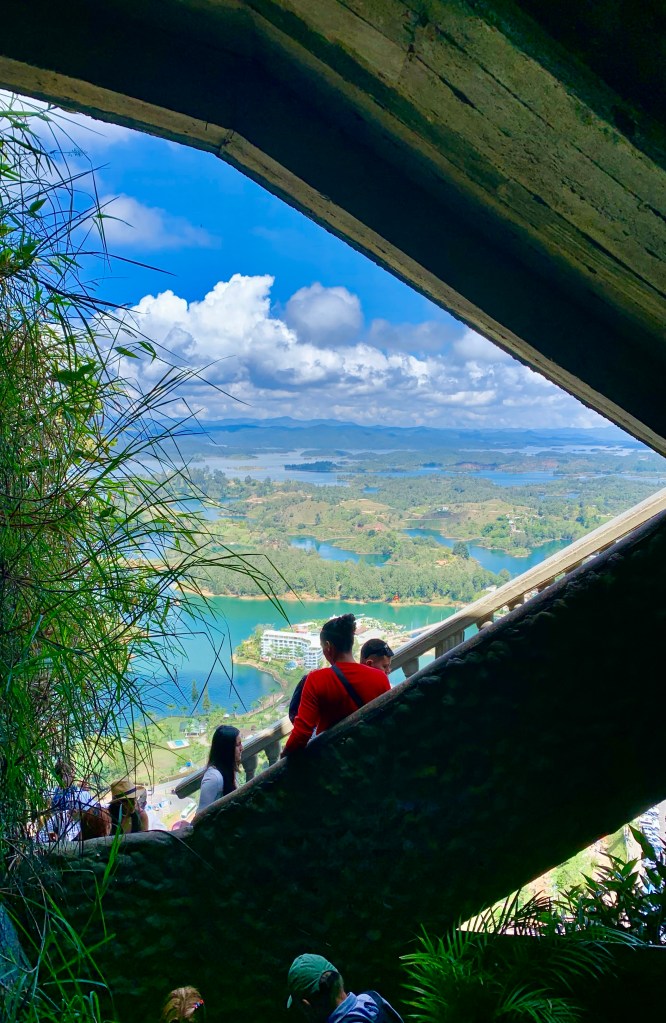
Climbing the rock is like scaling 45 flights of stairs so I am told. It took us about 15 minutes although others in our group of 8 took about 25 minutes. Regardless of the time it’s achievable for most people with some level of fitness. The stairs are one way up and another way down, so this helps with the flow of people and eases bottlenecks. The new stairs were constructed by the Colombian government in 2006, prior to this there was only one staircase up and down the rock.
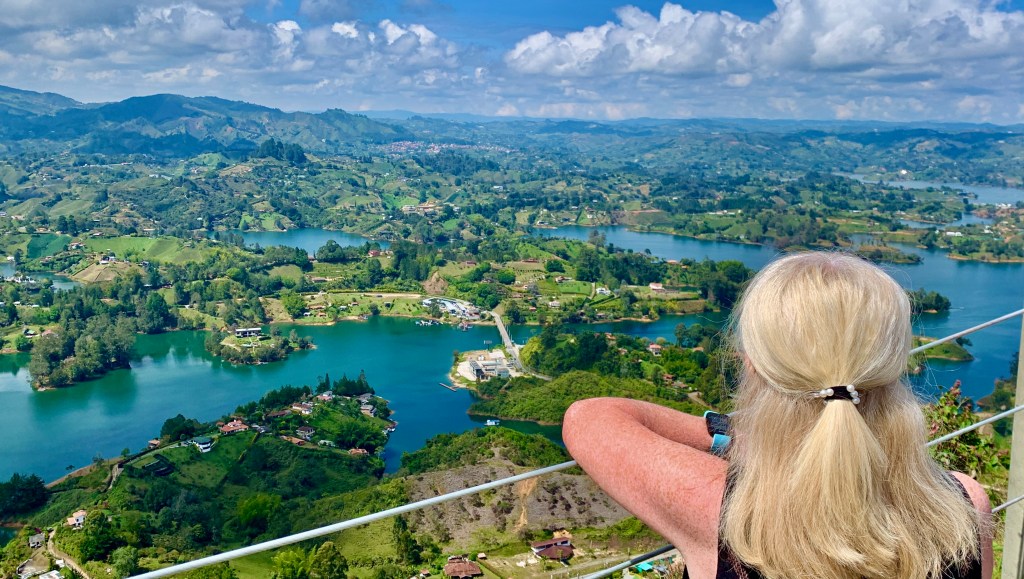
At the top of the rock, we were rewarded with stunning 360-degree panoramic views of the entire countryside. To get to this you will have to walk up a small spiral staircase which takes you to the tower which is on top of the rock. This is the only time when people had to walk up and down the stairs at the same time and was very congested.
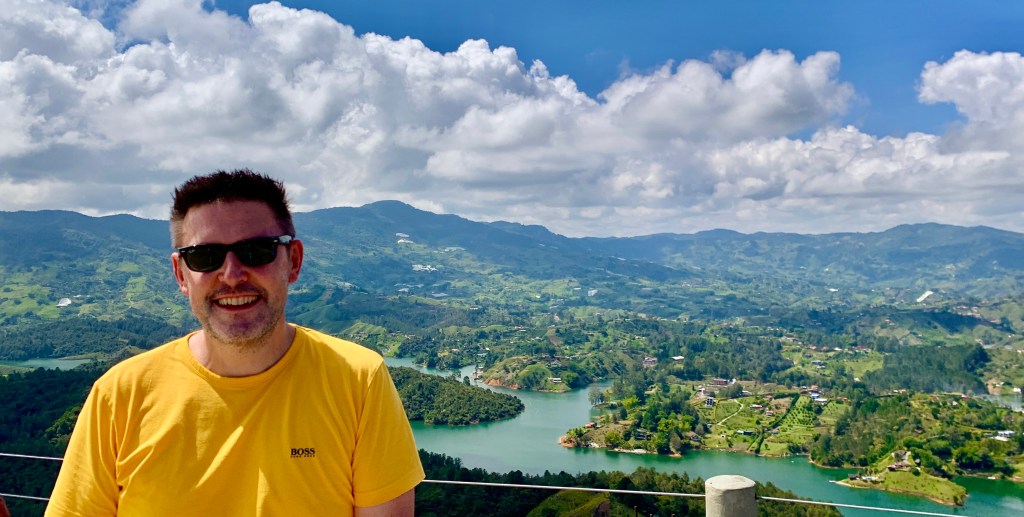
Luckily for us, the day was clear and we were able to see for miles and miles in every direction. To the south we had a beautiful green landscape with rolling hills and picturesque villages dotting the landscape
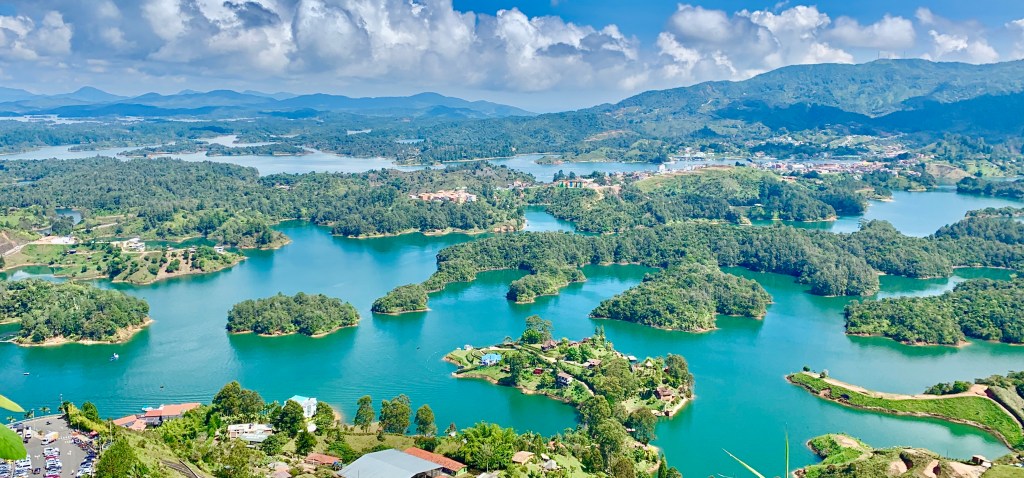
To the north, the topography was different, we had views of Lake Guatape. Surprisingly to me this is an artificial lake which has been created to harness the natural environment to produce cleaner electricity.

It’s well worth spending some time at the top to enjoy the stunning views and location. We spent about 45 minutes there. Then we started our descent back down the other stairs to the bottom.
Guatape
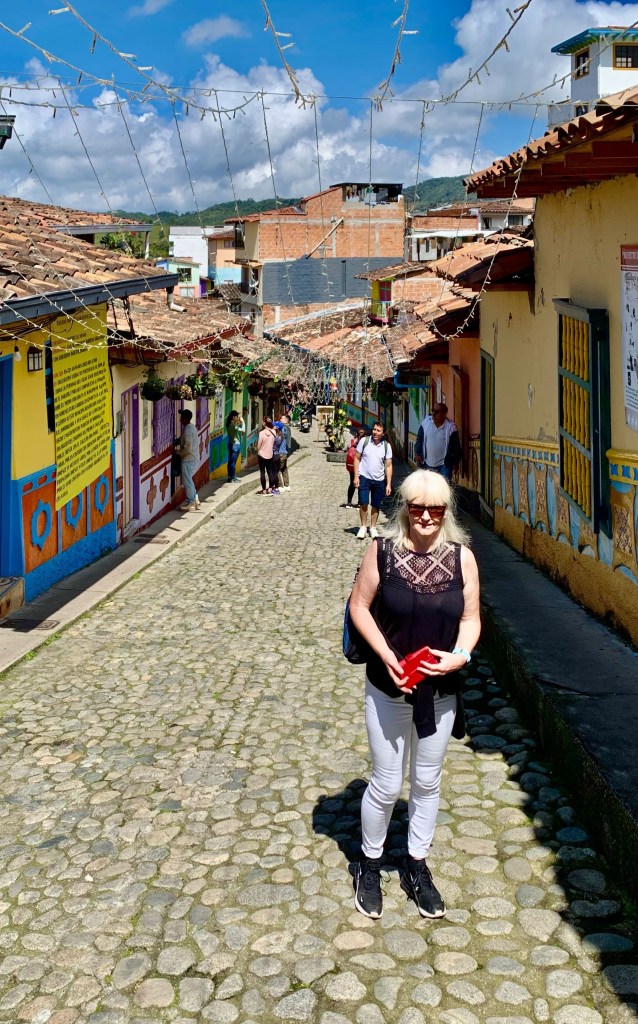
Guatape is one of the most colourful towns in Colombia. It is 49 miles from Medellin and is a great combo with the nearby rock which dominates the surroundings.

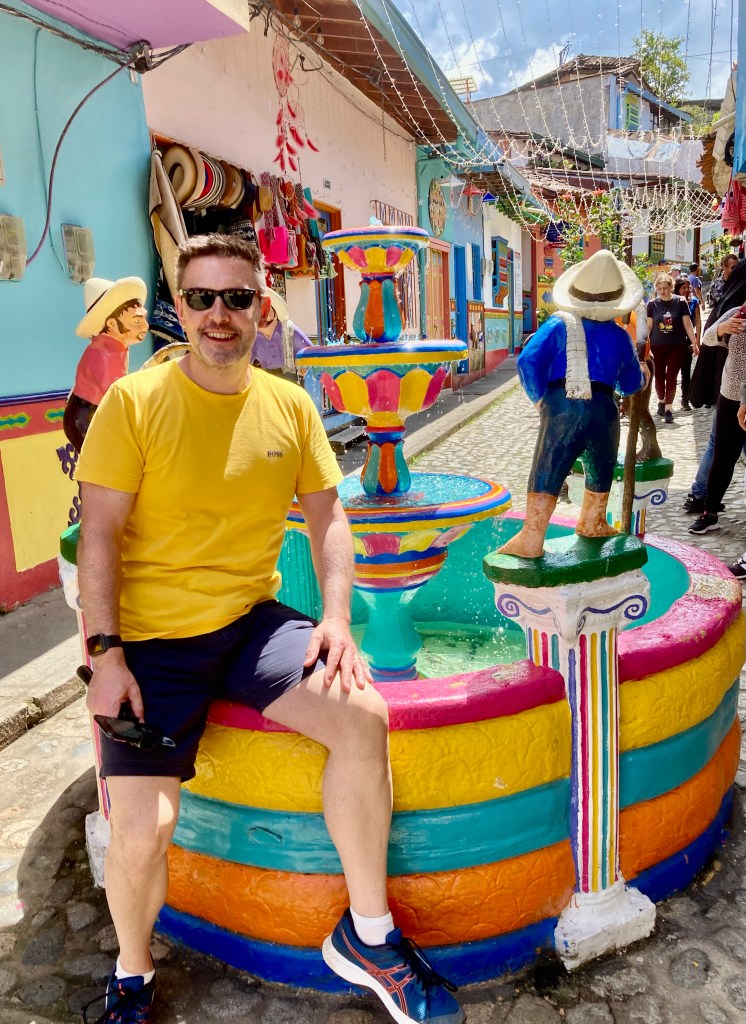
These colourful towns seem to be something of a phenomenon in Colombia. I visited a couple during my visit, and without a doubt my favourite one was Guatape. Although it is a very busy tourist attraction, it wasn’t too crowded to view the many vibrant street art, cobbled streets and interesting squares it had to offer.
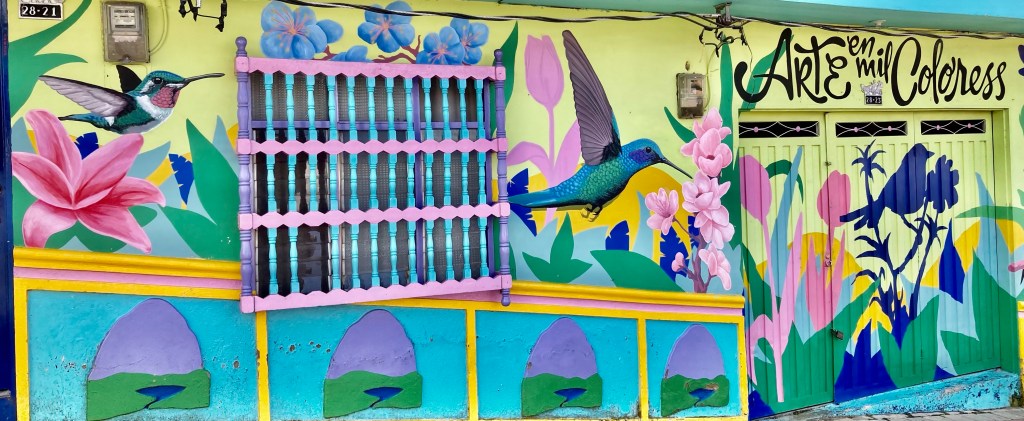
The town is very compact and is easily accessible on foot. It was a fantastic place to wander around with my camera in hand looking at the brightly coloured buildings and trying to decipher the meanings of what has been drawn and displayed on the buildings.
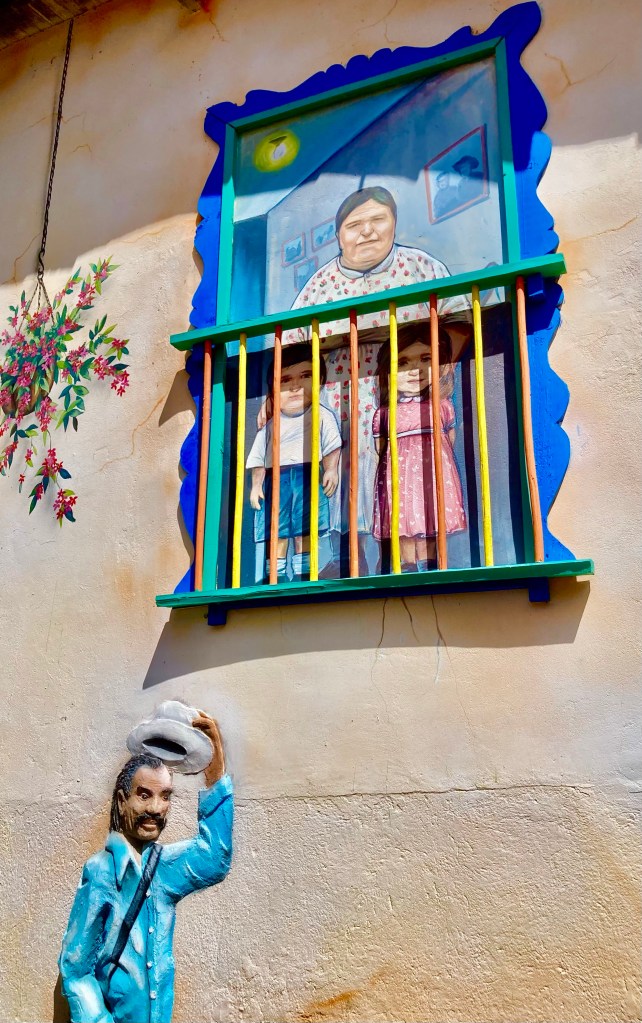
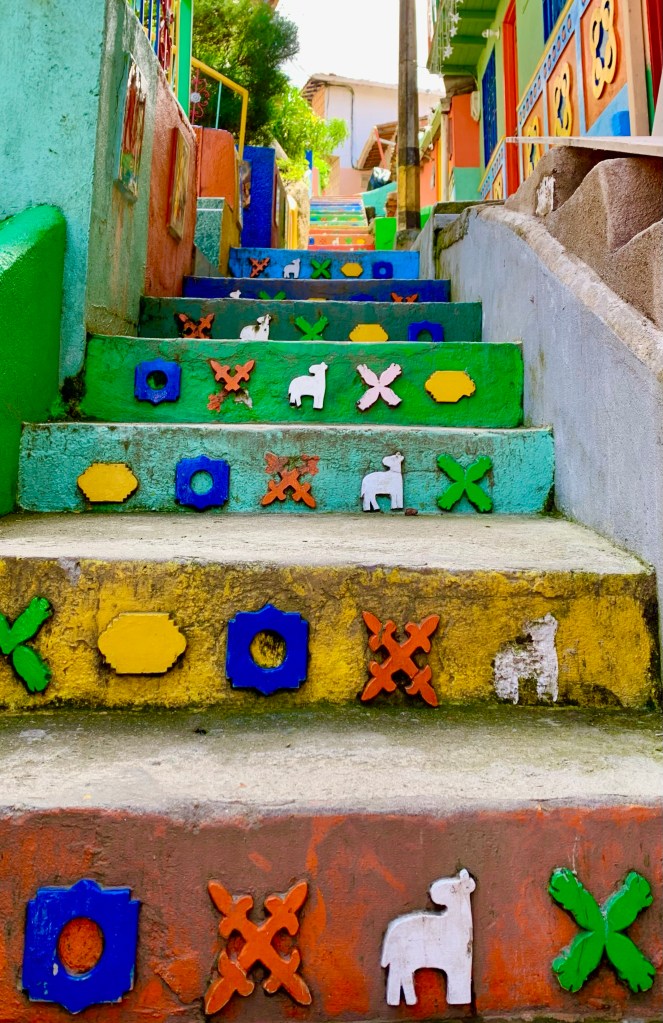
Traditionally it told the story of the heritage of the family or the business which owns the building. Donkeys, sheep and chickens were quite common, although I did see a few dragons and coming from Wales 🏴, I thought there may have been a Welsh connection. 😆

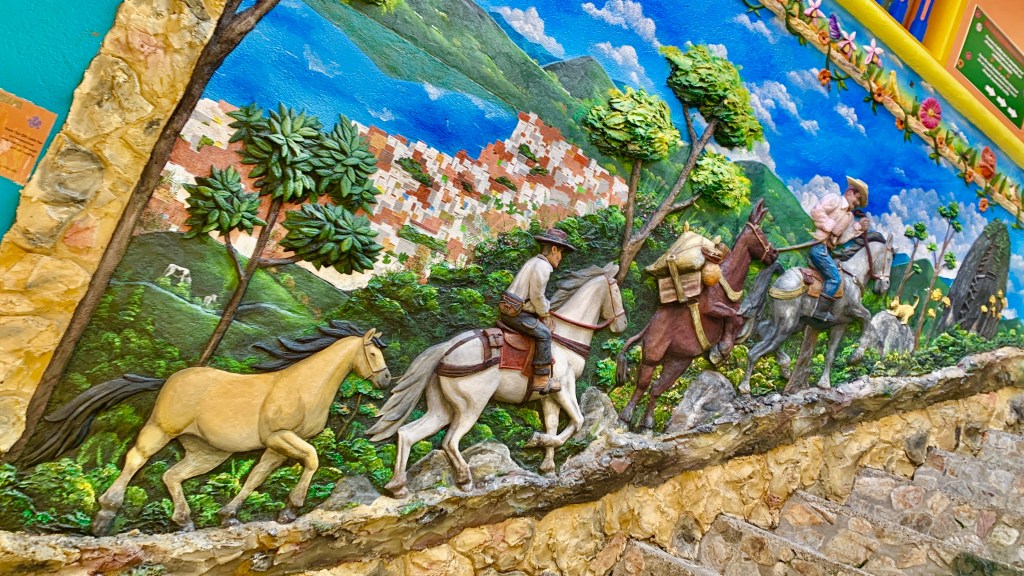
Around every corner, we saw brightly coloured Zocaloas which is what the locals call them. Rumour has it families painted them on their houses for fun, and the trend caught on and the once quiet town has now become something of a tourist wonder.
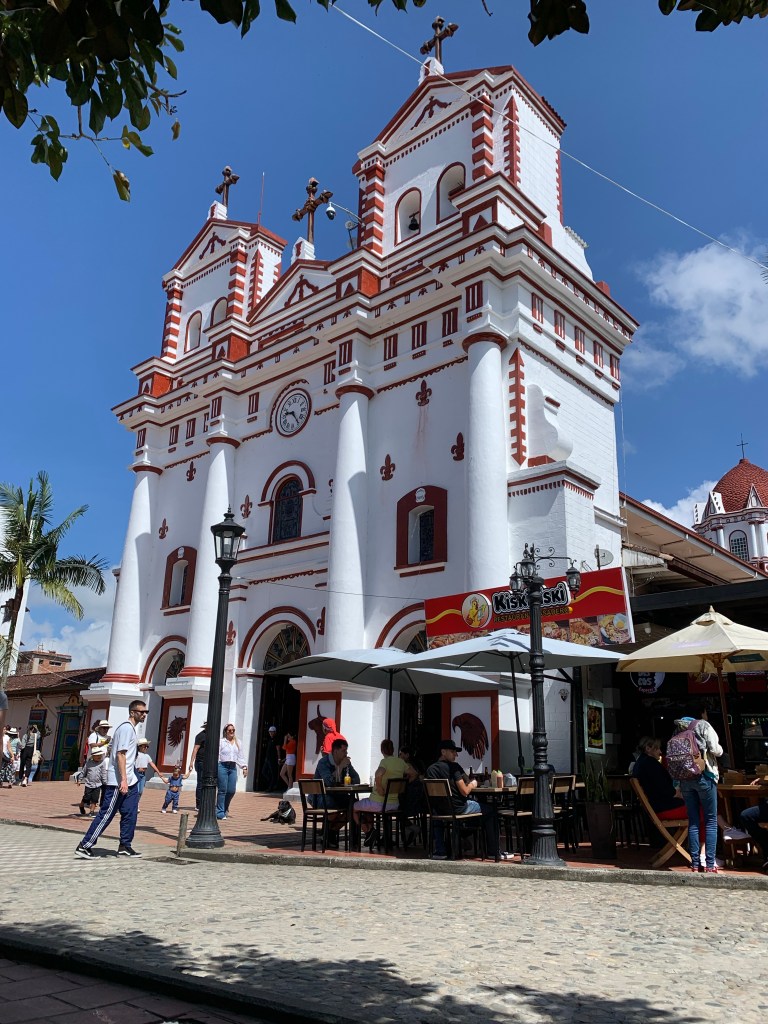
One building that seemed to have not been painted in a myriad of colours is the town’s impressive Catholic Church. Although this is Guatape so it’s not totally painted white.
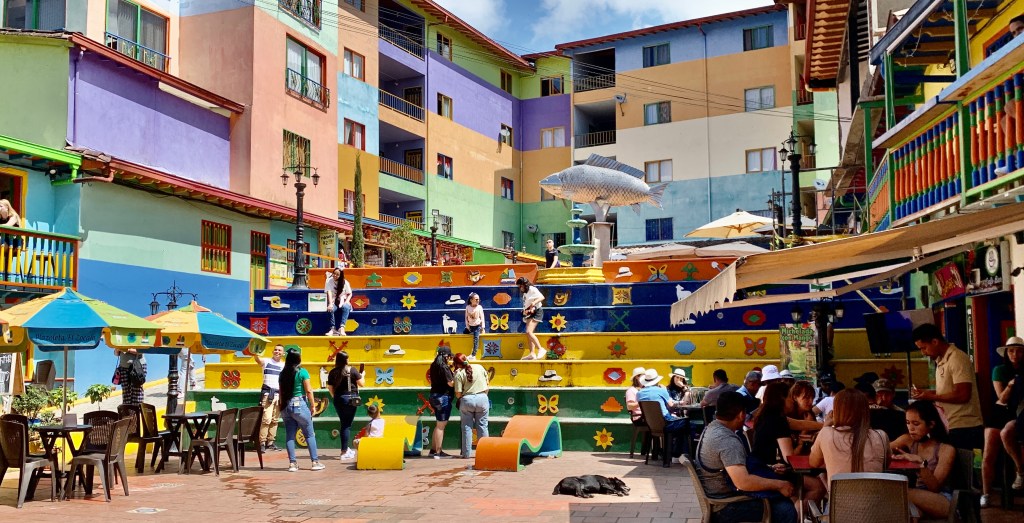
In the centre of town, we found the Plaza de Zocolas a pretty little square surrounded by cafes and shops, the perfect place for a coffee or buy a souvenir, or if you like people-watching this is the place to be.
Guatape is a fantastic place to visit. It’s free and you don’t need a guide. An hour or two gave us ample time to discover what has been dubbed Colombia’s most colourful town.
Penol Guatape Reservoir
A fetching waterside location is actually a man-made reservoir with a connection to one of Colombia’s most infamous countrymen Pablo Escobar.
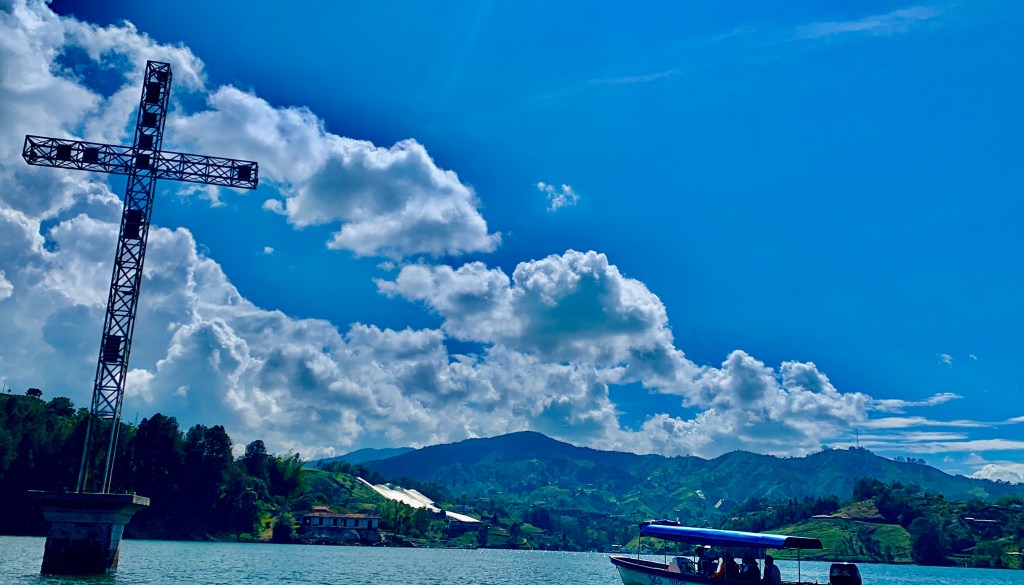
The reservoir was formed when the Guatape River was dammed in 1972 to facilitate a hydroelectric power plant. Some houses had to be demolished as they would have been on the flooded Plains, and some were moved to Medellin as a cultural visitor attraction. Today the reservoir is lined with forested shores and spectacular villas. The area is a popular weekend retreat from Medellin.
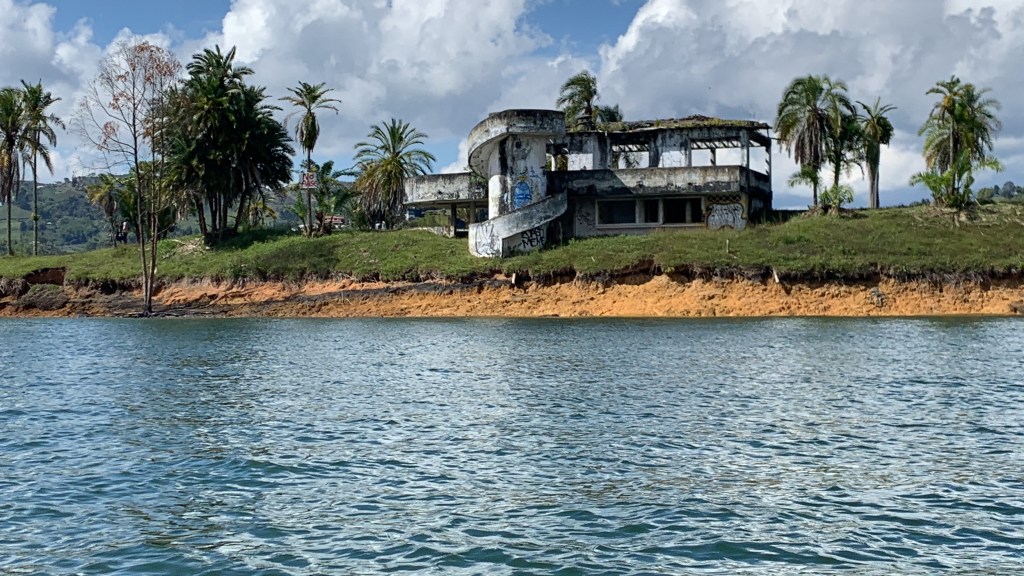
Although by far the most famous or should I say infamous place on the lake is one of Pablo Escobar’s lavish holiday homes, La Manuela, which now stands derelict beside the waterside. The site covered over 20 acres, with every amenity imaginable including a helipad and seaplane dock which was kept secure by 120 “guards”
Its derelict appearance is no accident. It was bombed in 1993 by a vigilante group called People Persecuted by Pablo Escobar. Allegedly funded by the rival Cali cartel and other enemies of Escobar. Escobar himself was killed eight months after the bombing by the Colombian authorities.
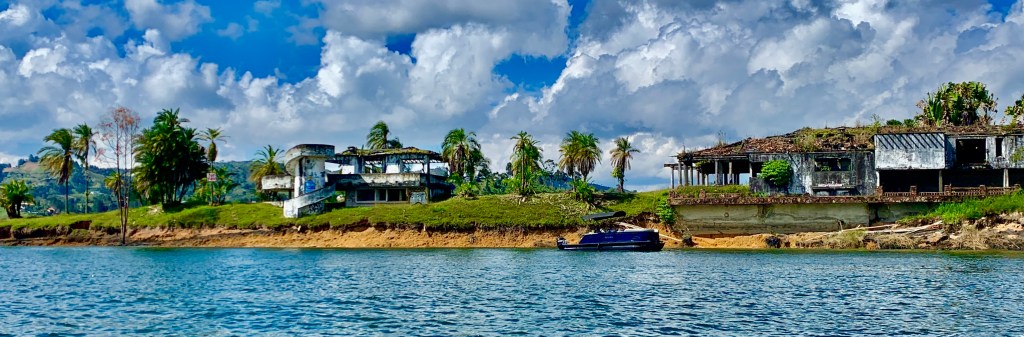
The area has now been reclaimed by nature. You can visit although probably not recommended as there is widespread disapproval within Colombia. It is seen by many as glorifying the head of one of the world’s most violent drug cartels, fueling “narco tourism”. Best viewed from the water.
Santa Elena
The small town of Santa Elena is renowned in the area for it’s sprawling flower farms.
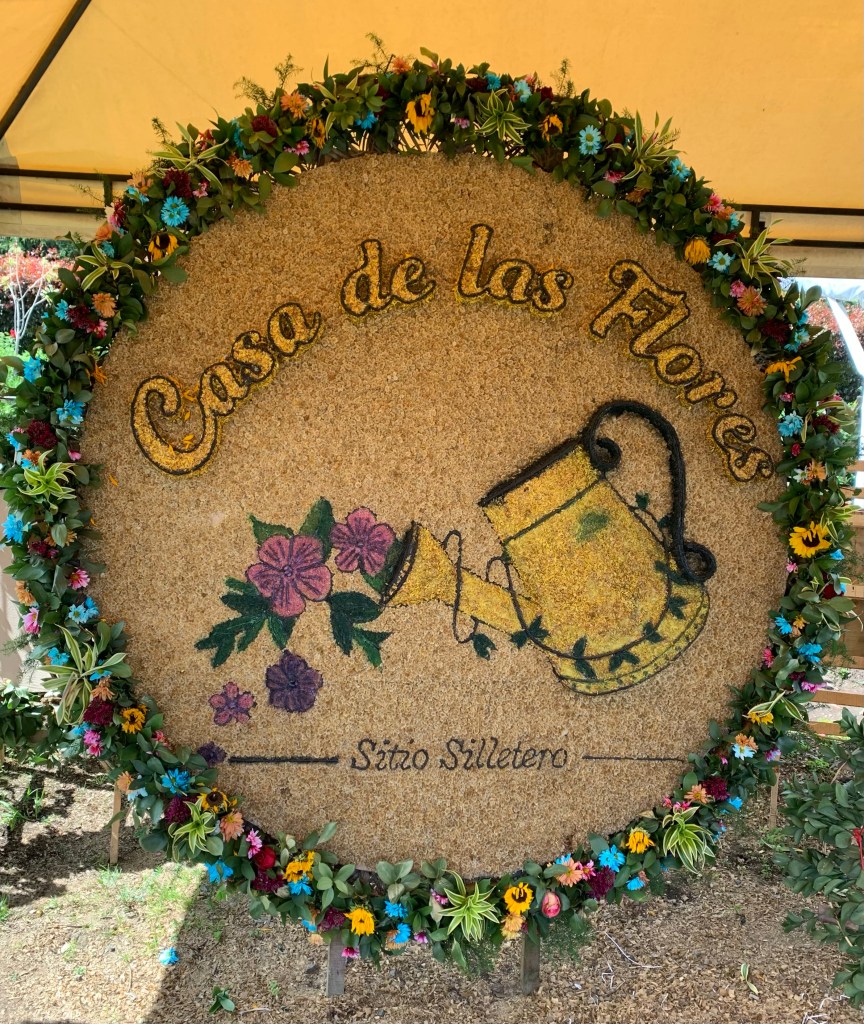
While in the area we were taken to one of the flower farms as part of our tour. If I am being completely honest I wasn’t particularly looking forward to the visit and just viewed it as a bit of a “time filler” while we were going to the airport in Medellin later that afternoon.
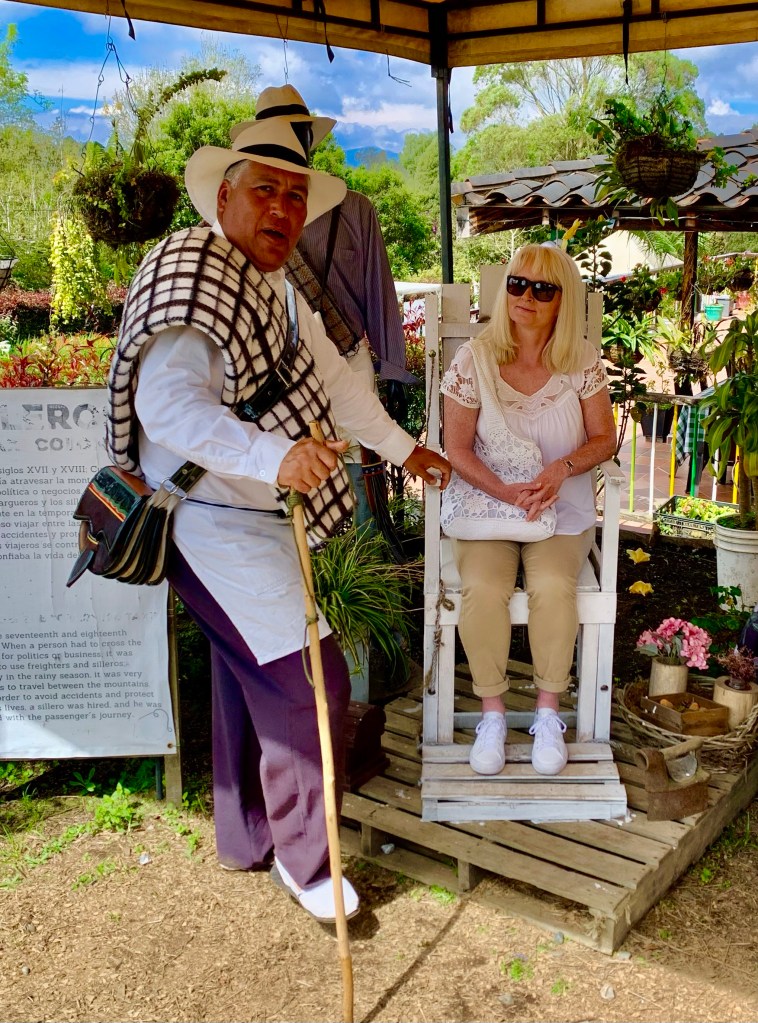
However, I couldn’t have been more wrong. We were given a very interesting tour of a flower farm by the owner, in complete traditional dress, whose enthusiasm for his flowers was very infectious

He told us that the area was rich in horticultural history. Medellin is famous throughout Colombia for its flower festivals and farmers like himself would spend the whole year growing and maintaining flowers to be displayed at the annual festivals, winning brings prestige and a big cash prize. The farm we visited had won the top prize on more than one occasion
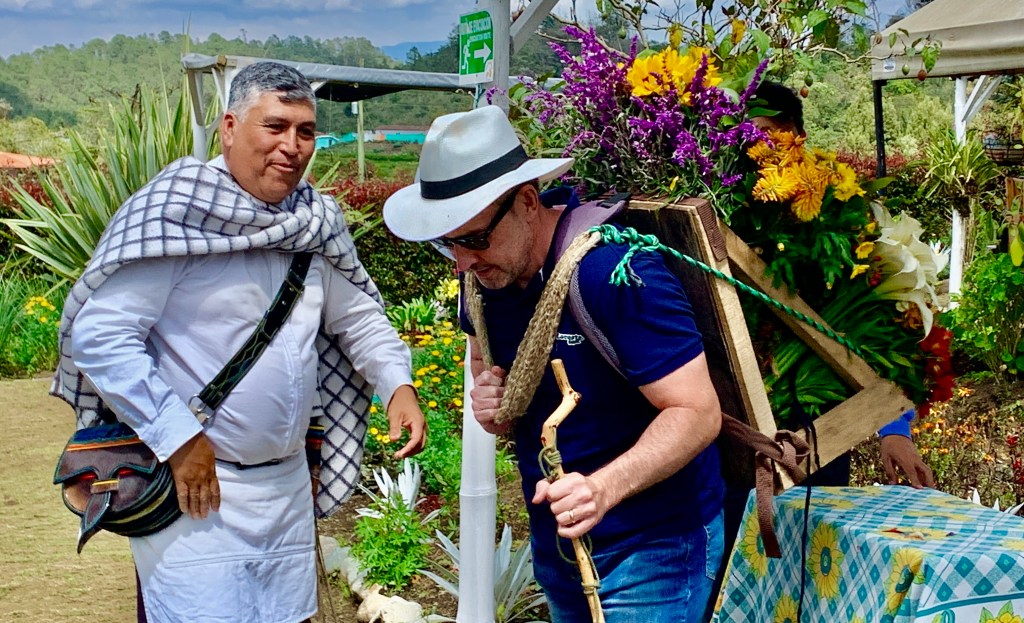
He explained the whole cultivation process from seed to the intricate arrangements that had brought him top prizes in competitions. After all his hard work arranging his flowers in perfect order, he wanted someone to carry his display. Who was I to let him down when he asked me to carry his flowers 😆
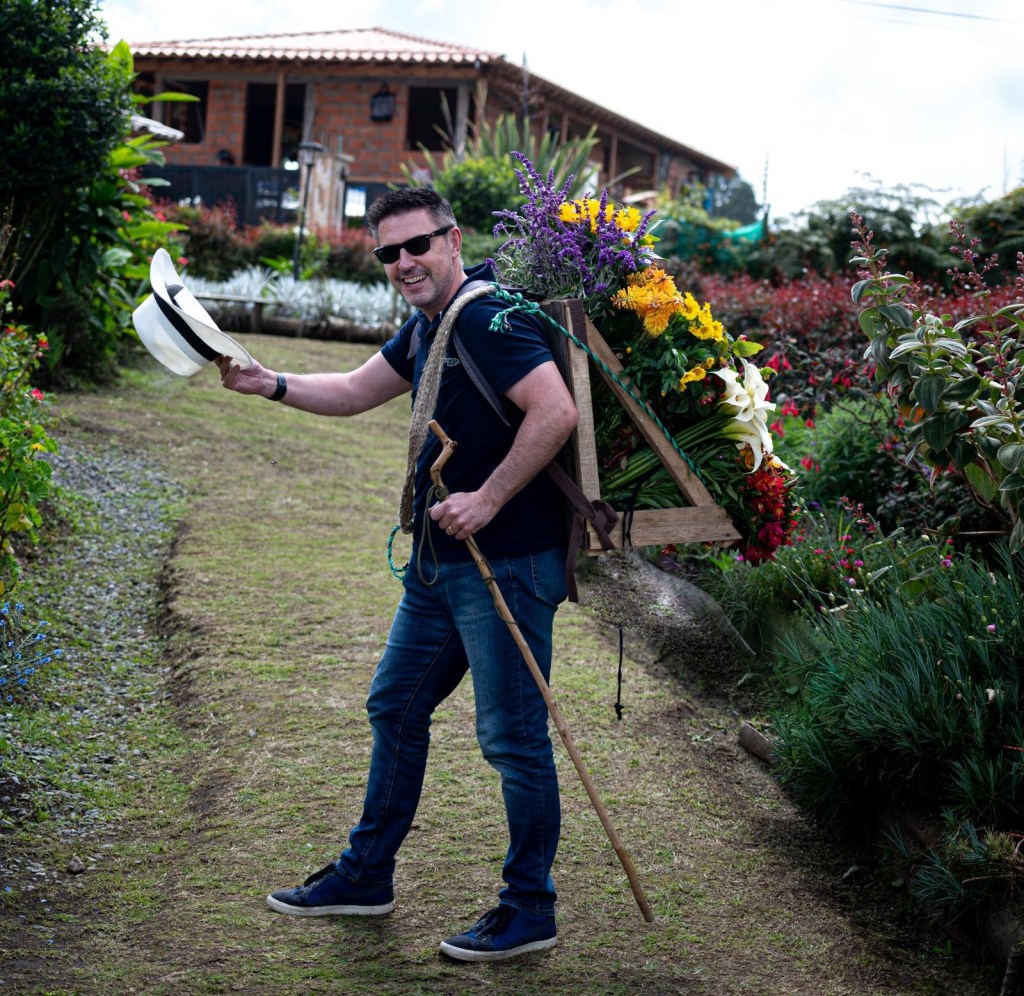
The flowers arranged into place probably weighed about 10 kilograms, which isn’t tremendously heavy. When carrying them throughout the day for displaying and judging purposes you soon start to realise you are carrying a weight on your back.
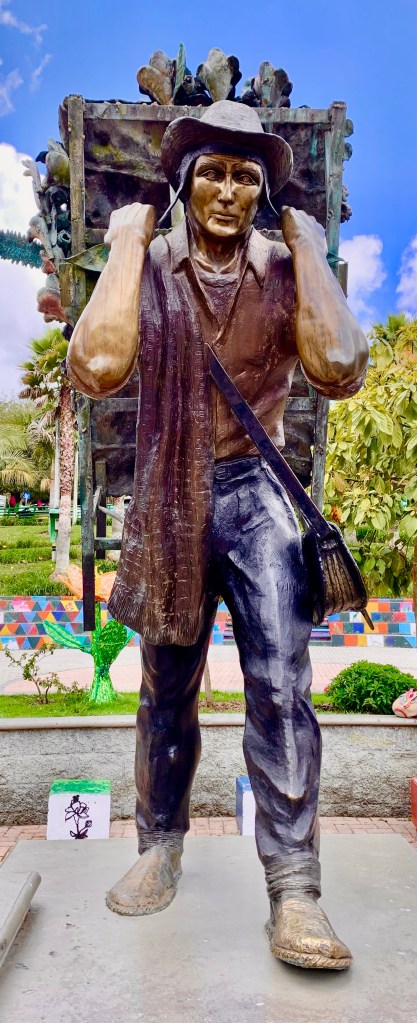
After lunch at the flower farm, it was off to the town itself for a quick visit. Santa Elena was noticeably cooler than Medellin due to its mountain location combined with rainfall, sunshine and nutrient-rich soil, this area has perfect growing conditions for flowers.
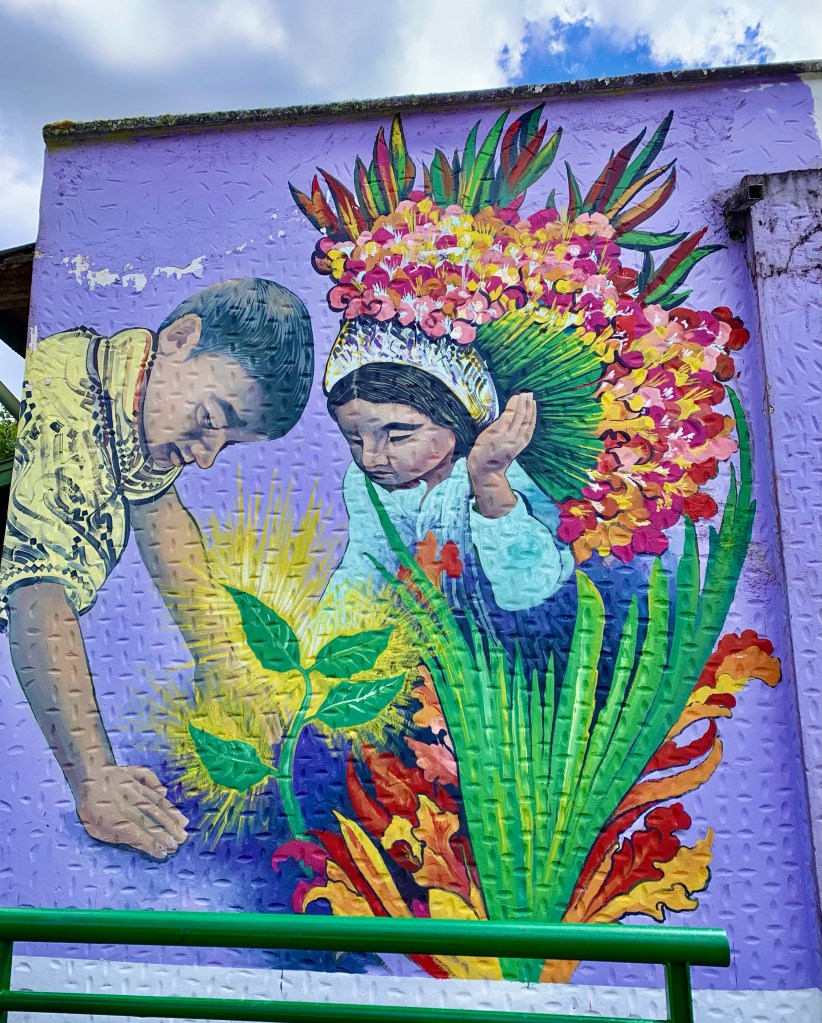
The town truly comes to life in the summer with the annual flower festivals. Starting in the town over 500 farmers participate in parades, they will walk down the mountainside to Medellin which is 10 kilometres away. Entrants come far and wide and the festival is world-renowned within the horticultural community. Medellin and the surrounding area were certainly very intriguing places to explore.

 We were born to do more than go to work, pay bills and die. See the world while you are alive and kicking