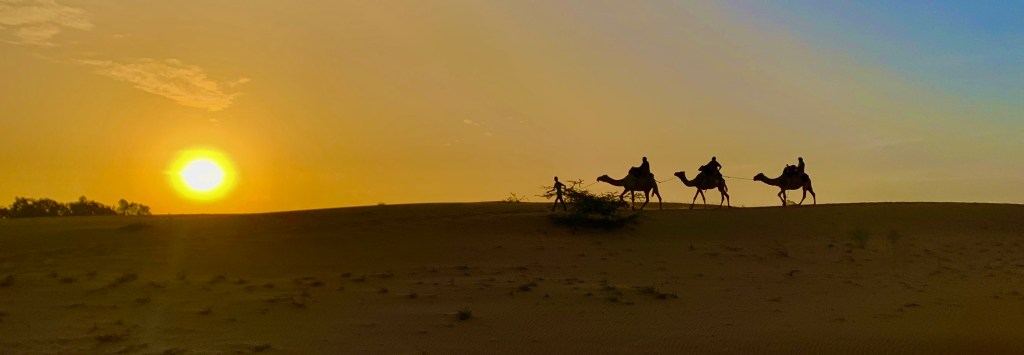
This part of my journey takes me away from the Petite Cote, in the south of the country, on a lengthy journey, to the far north of the country to visit the former capital and UNESCO World Heritage Site Saint Louis, with an overnight stay in the Lompoul Desert.
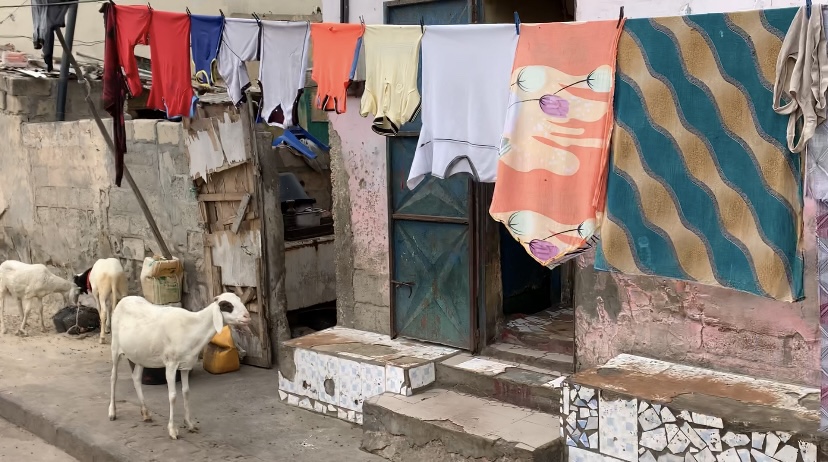
Saint Louis
Located in the far north of the country close to the Mauritanian border. At the beginning of the French Colonial Empire, it was the most important city in Senegal, if not all of French West Africa.

Known for its French colonial architecture. Saint Louis was the capital of Senegal from 1673 to 1902 and the capital of the whole of French West Africa from 1895 to 1902. It was the capital of neighbouring Mauritania from 1920 to 1957
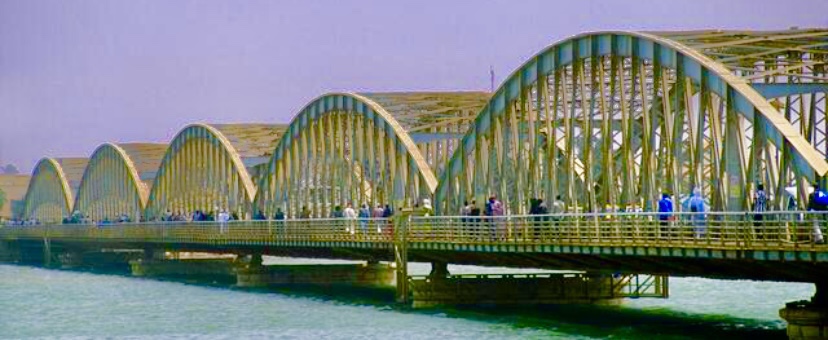
Although our main reason for visiting Saint Louis was to see the old town on N’Bar Island a UNESCO World Heritage Site. The island is linked to the city by the Faidherbe Bridge, constructed in 1865 and designed by Gustav Eiffel who went on to build the Eiffel Tower no less.
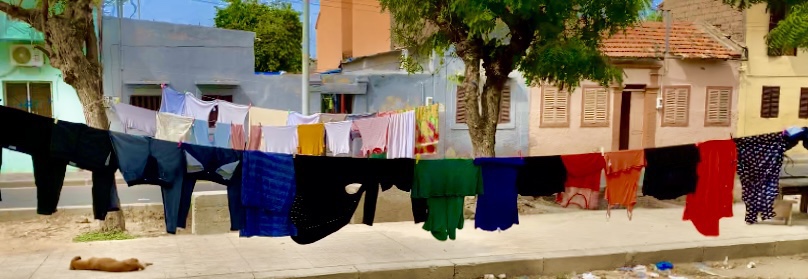
The city of 258,000 was an important economic centre in the early years of French West Africa, but its heyday has long since passed. Although it’s still a major fishing port and has gained in popularity due to its UNESCO World Heritage Site which it achieved in 2000.
My first impressions here for me were a little mixed. The streets are dusty and narrow. There were also lots of rubbish strewn around the streets under thick layers of dust. If I was being kind it looked well-worn and in need of some love. Scratch beneath the surface and you will find a city with a rich colonial history.
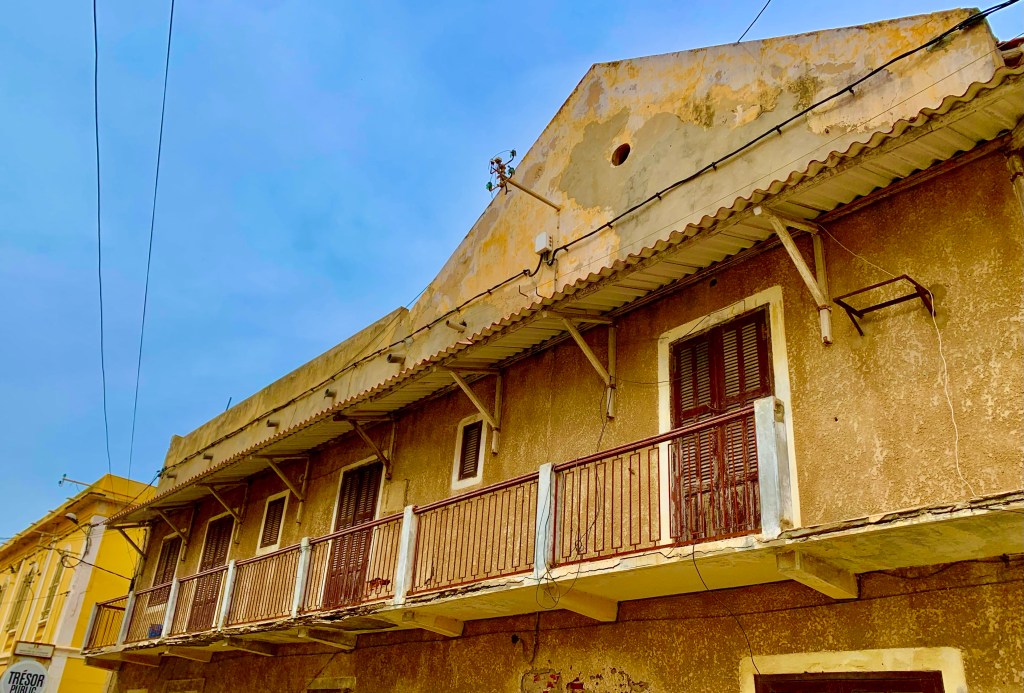
The island of N’Bar is where you will find the majority of the old French Colonial buildings. They all looked a little dilapidated but this for me tells a story of the history of the buildings, documenting the rise and fall of this intriguing city.
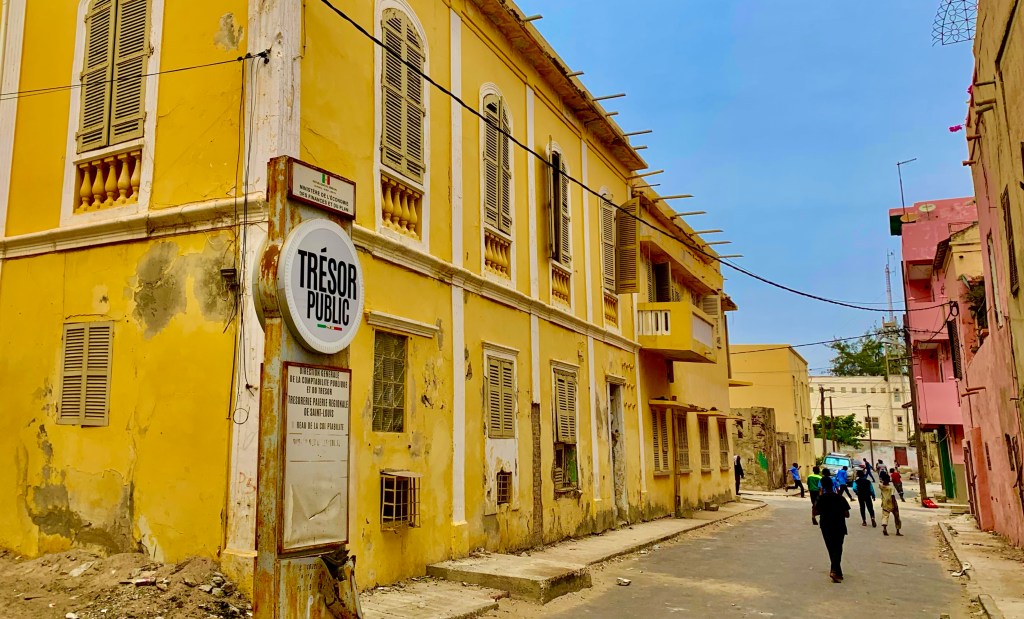
The buildings are all colourful in Saint Louis. It’s worth the time wandering around the historic old town, where you will find many crumbling 19th-century French Colonial buildings in various states of disrepair, from total collapse, in need of renovation to being fully renovated into swanky boutique hotels.
There are a few ways to explore the old town, but I found the best way was to hire a horse and a cart. This was an hour-long tour of the island and the surrounding area, where we experienced how life is for the locals. We were able to have a different vantage point to admire the architecture above us, as well as view what was going on the street level besides us.
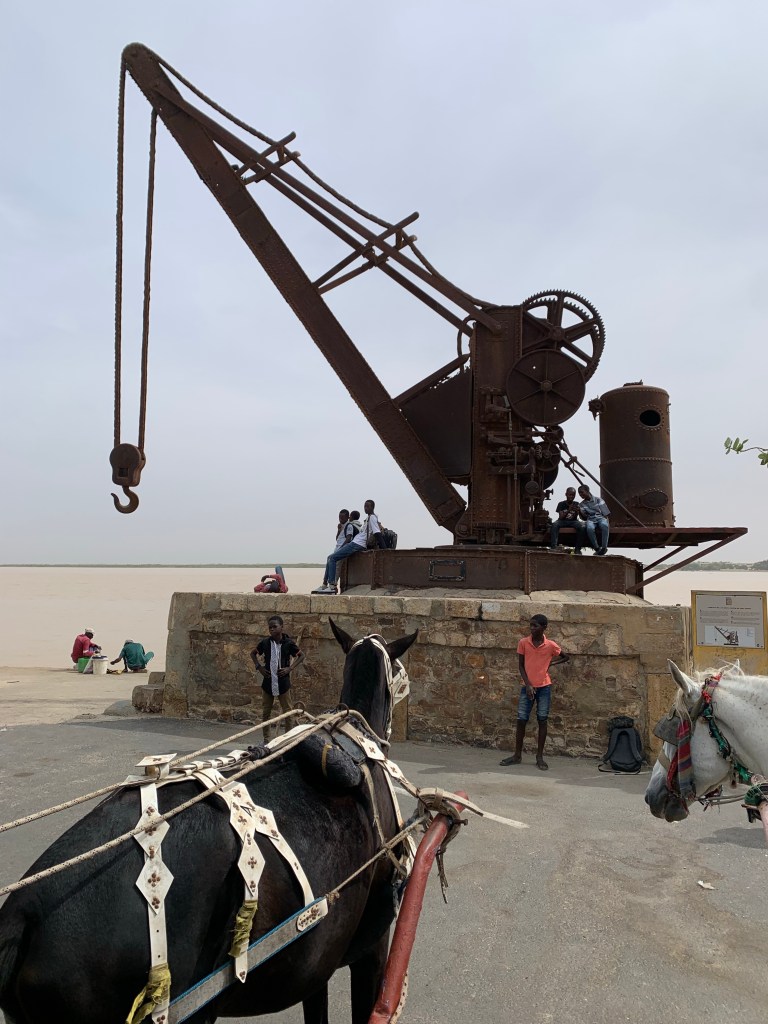
There are reminders all around the island of Saint Louis’s more illustrious past. This old crane in the dock would once have been constantly used in the frantic movement of goods and people,as Saint Louis was one of the main ports for the whole of French West Africa.
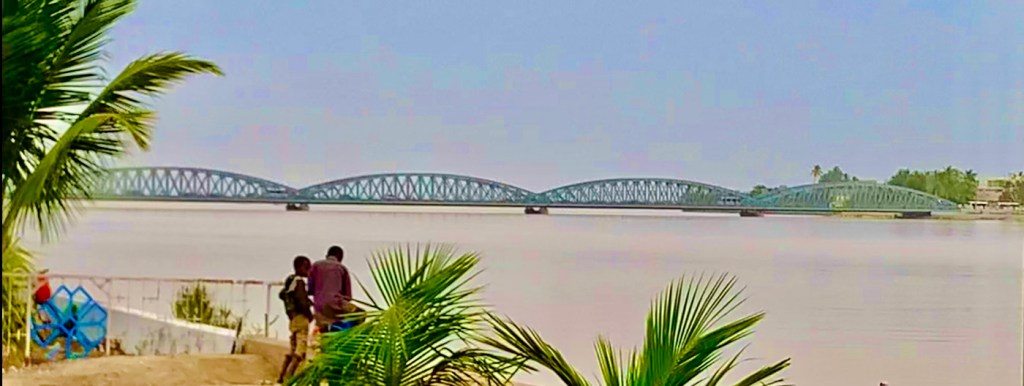
Saint Louis is crossed entirely by the Senegal River which from the Mauritanian border reaches the city dividing it in two and giving life to the east and west areas. The Faidherbe bridge built in 1897 connects the island to the rest of the city in mainland Africa.
Guet-Ndar
The fishing harbour and home to the fishing community in Saint Louis.
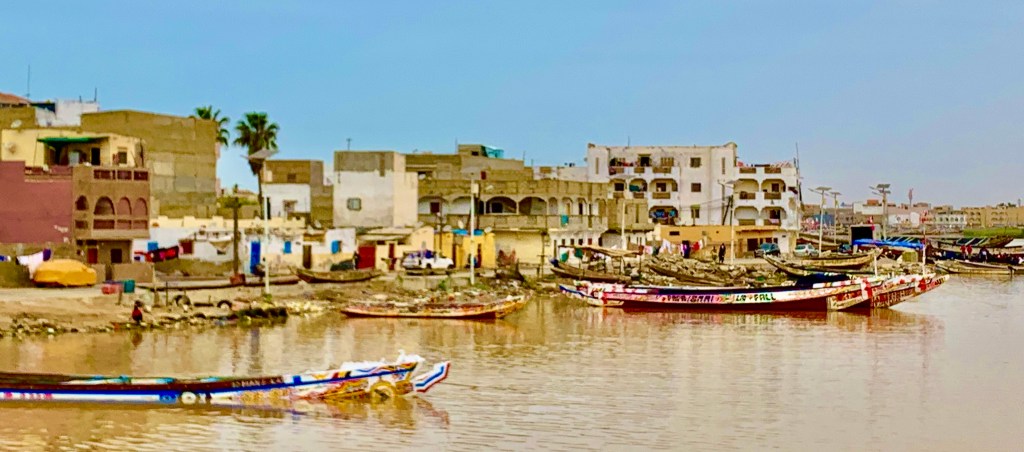
Crossing the bridge over onto the peninsula you will find the centre of the fishing industry Guet-Ndar, where you will row upon row of colourful fishing boats

Although in recent years this way of life has been under threat from two major issues, overfishing and the continual risk of flooding, both of which could have catastrophic consequences for the city and the region.

Saint Louis is vulnerable to climate change, where a sea level rise is expected to threaten the city centre and potentially damage historical parts of the city.
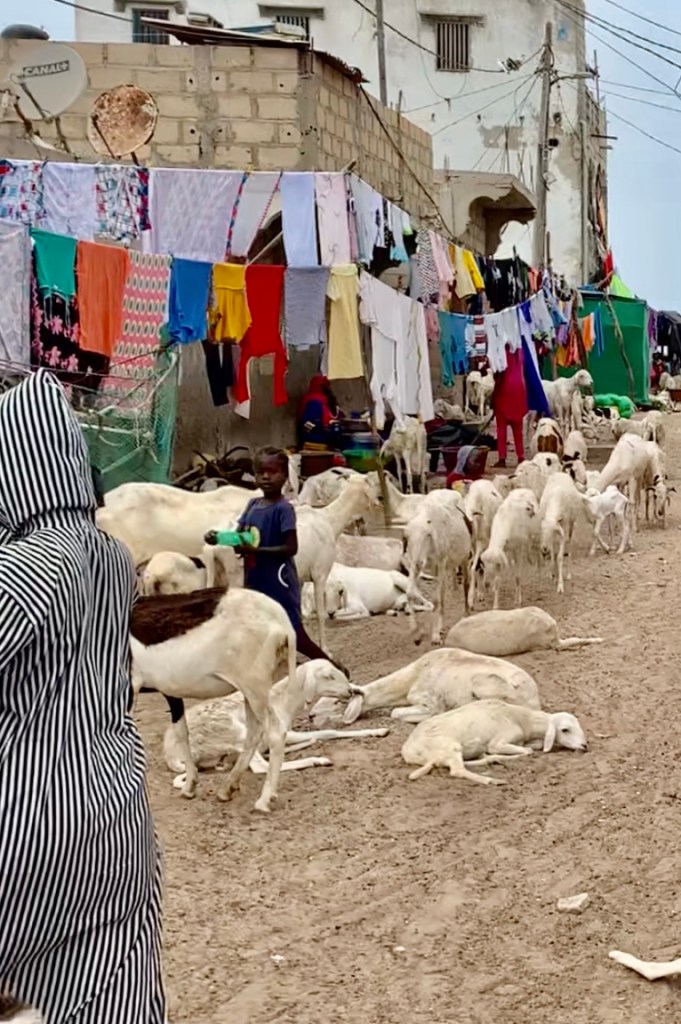
During our horse-drawn tour of the city, it gave an insight into the daily lives of the local people. There are similarities to Dakar which I had previously visited on this trip. Although Saint Louis was more African in look and feel than Dakar with it’s more modern buildings, financial district, shiny SUVs and grandiose buildings.
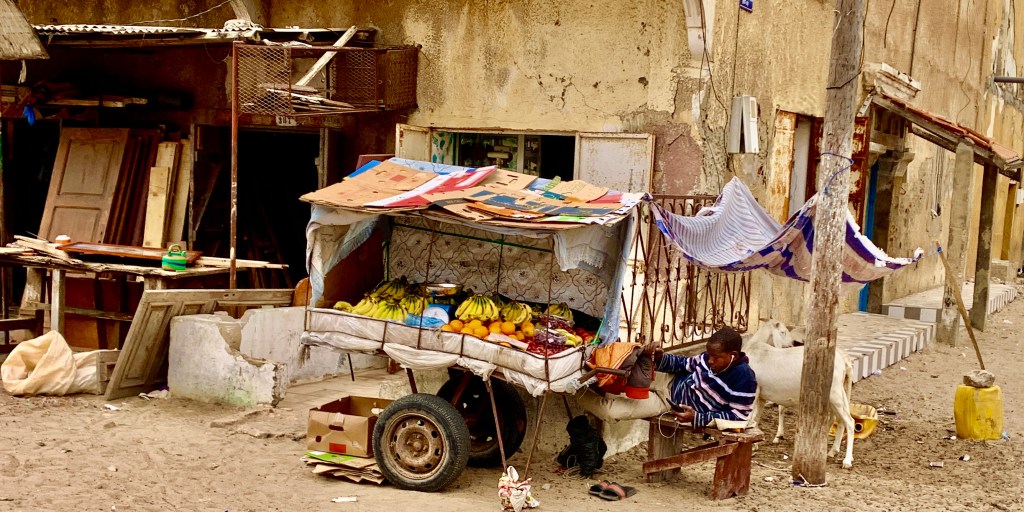
Saint Louis in contrast had a more rustic feel with its faded crumbling buildings and French Colonial architecture that tells a story of the city’s once illustrious past, where you will find horse-drawn carts rather than shiny new SUVs.
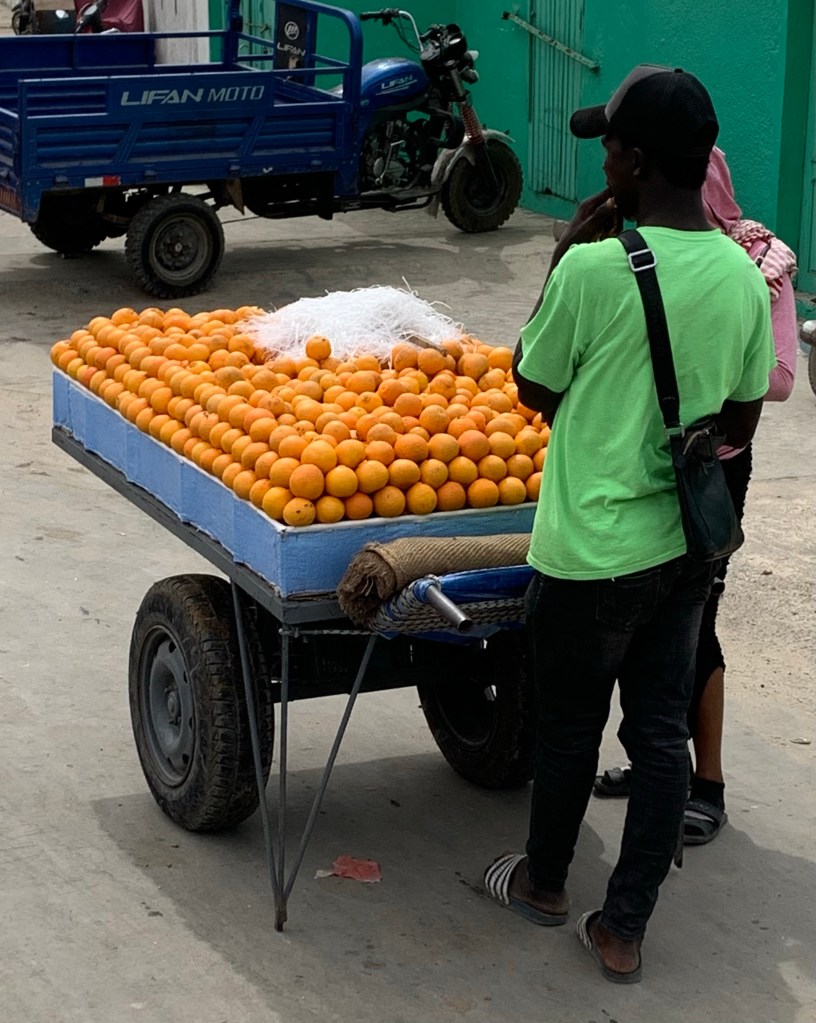
In Saint Louis, there are a lot of street vendors, as you will find in all of Senegal. They can be found in traditional markets, on the street, on the beach and by the roadside. They are characterized by their persistence, resourcefulness and ability to communicate.
Langue de Barbarie
Translated into English from French it means spit of land
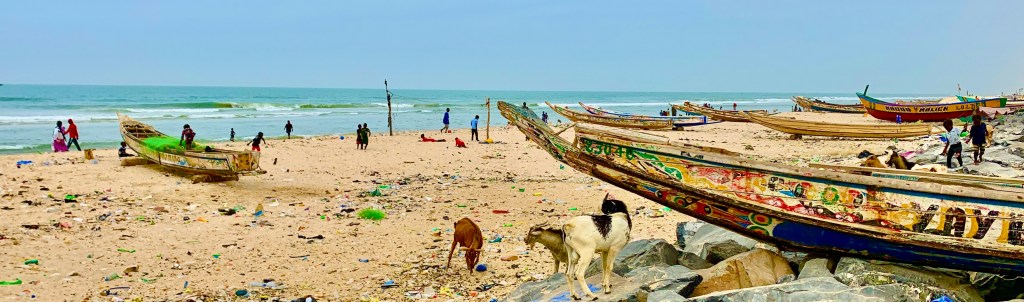
The Langue de Barbarie is a 40-kilometre-long strip of sand, which stretches along the coast of Mauritania down to Senegal The land separates the ocean from the final section of the Senegal River and is Saint Louis’s most westerly suburb.
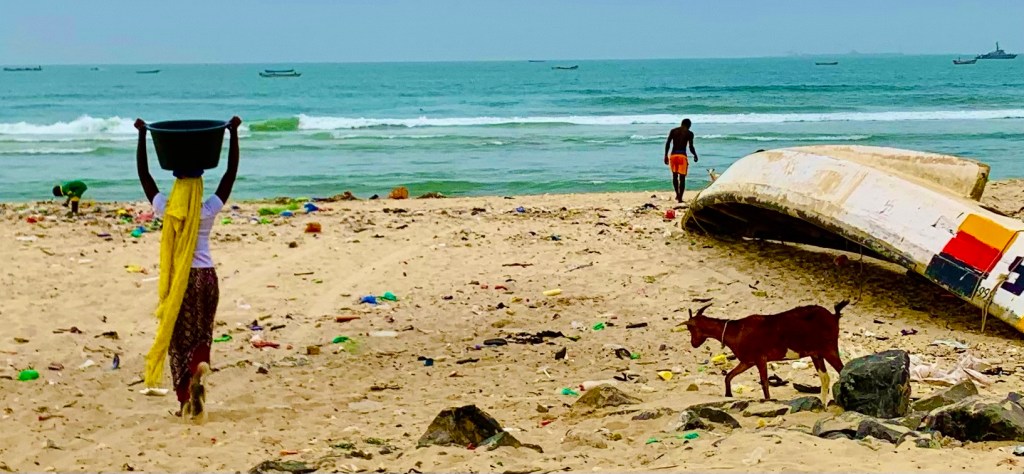
It has been formed by the mouth of the Senegal River where a small lagoon has been created. It is situated west of the old town by crossing Senegal petit bras (little arm) an offshoot of the Senegal River.
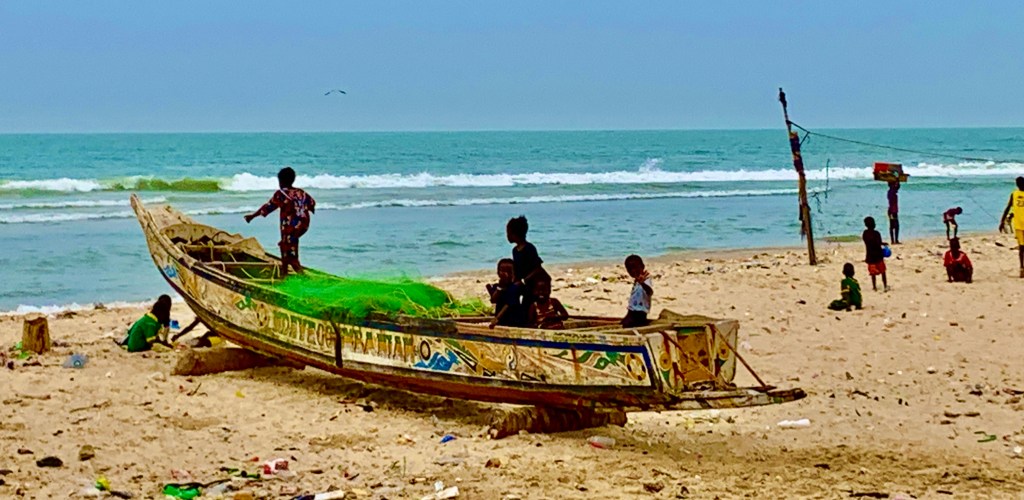
Further along, the coast once you have left the city you will find some nice beaches with soft sand and warm waters. Although there is little evidence of this in Saint Louis, where you will find washed-up rubbish on the beach and discarded fishing materials. The area is in great need of regentrification.
Overnight stay exploring the Lompoul Desert
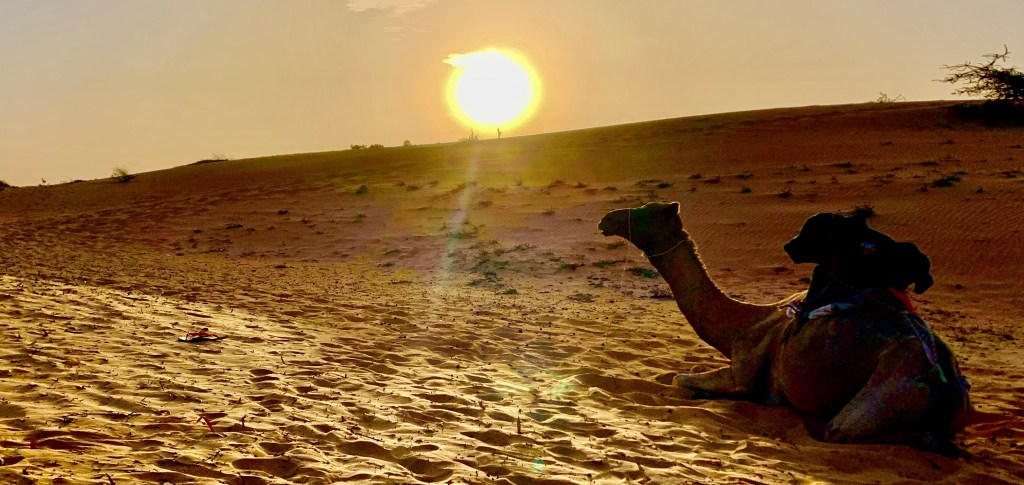
It may not be as big as the mighty Sahara Desert. With an area of about 18 km2 located 145 kilometres south of Saint Louis.
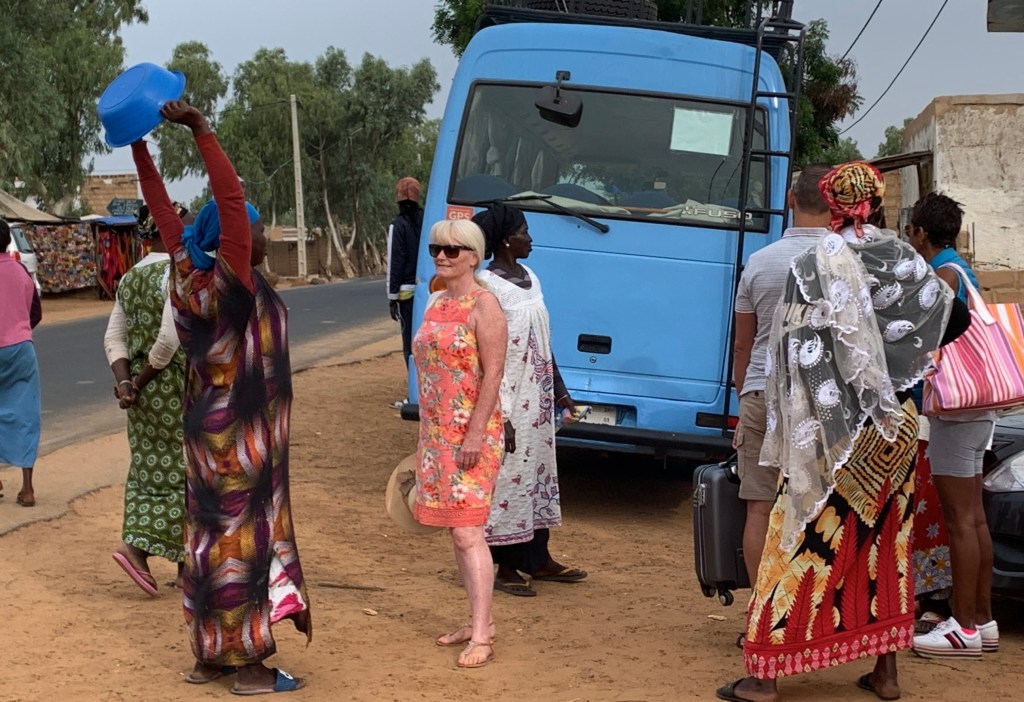
To first get to the lodge we had to get a transfer from the nearest town Lompoul after which the desert is named. The journey takes about 20 minutes to get to the lodge, allowing the local vendors the opportunity to try and sell us some merchandise before our vehicle arrived.
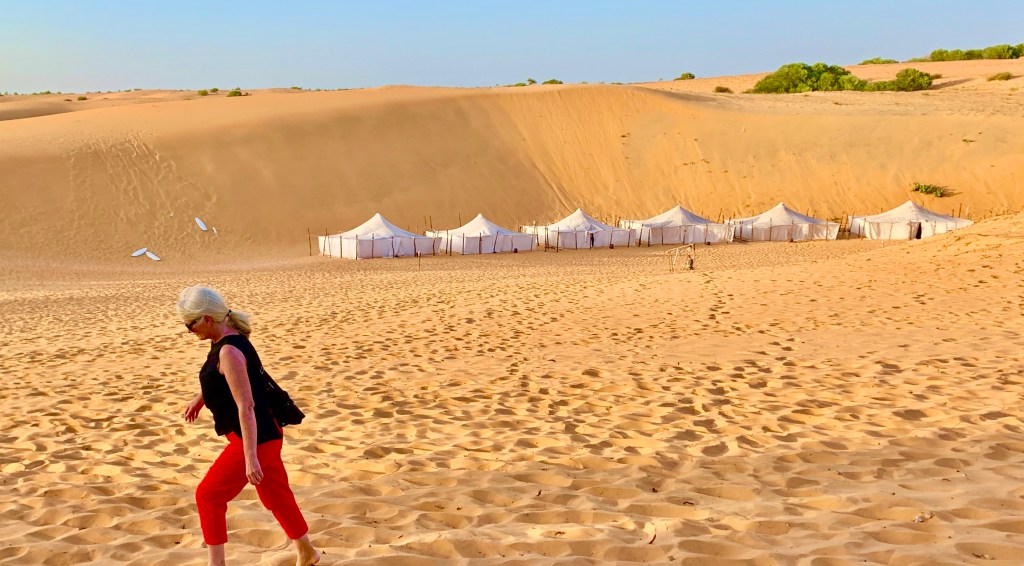
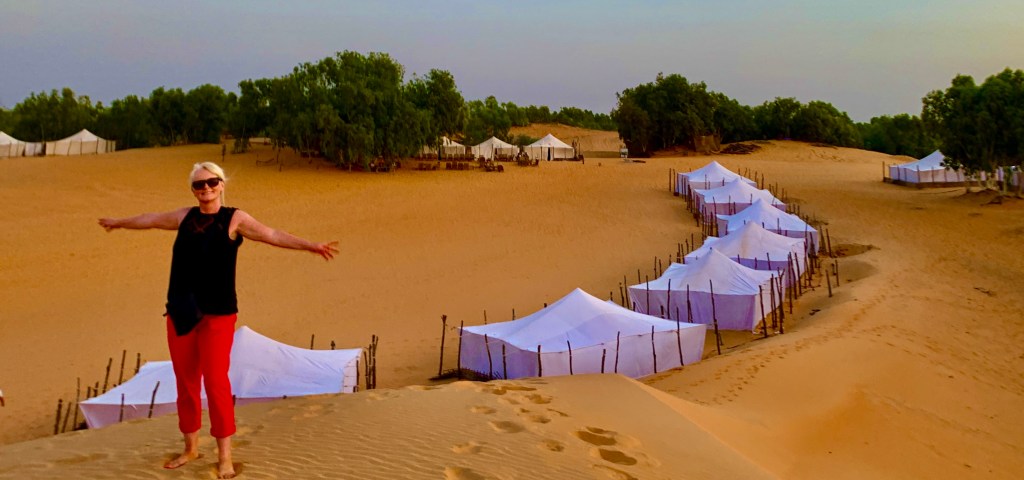
It’s orange sand dunes form a similar landscape similar to those of the Sahara in neighbouring Mauritania, rather than the more tropical climate usually found in Senegal.
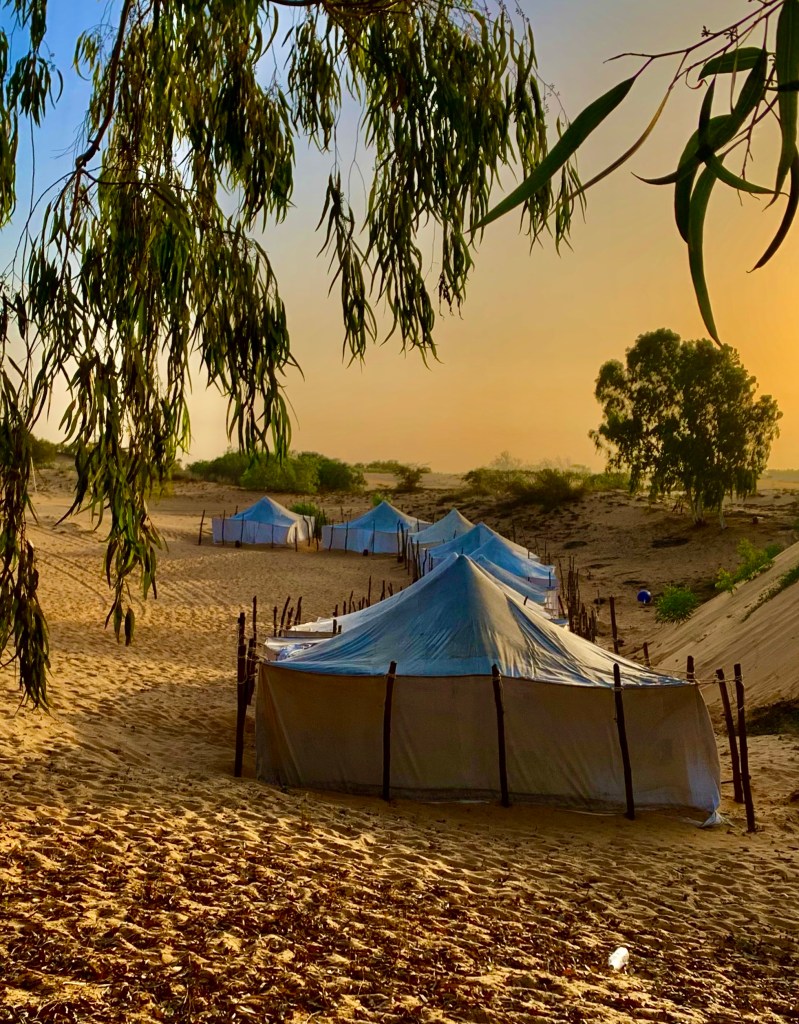
In recent years the area has become something of a tourist hotspot. With several lodges available to stay where the visitor can sleep in the desert amongst the sand dunes
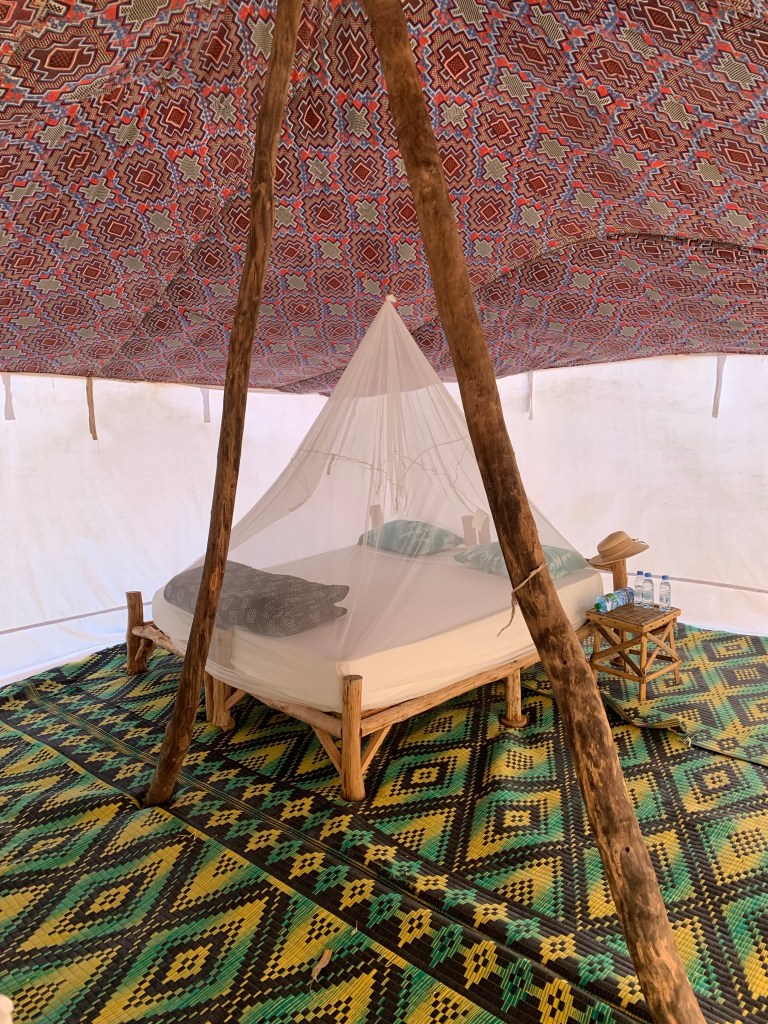
Whichever you choose the lodges catering to tourists are of a good standard. I was told they were going to be very basic, in all honesty, it was more akin to glamping with a flushing toilet, shower and a large double bed complete with mosquito net. The only real inconvenience was no charging points for phones and tablets in the tent but points were available in the main dining tent.
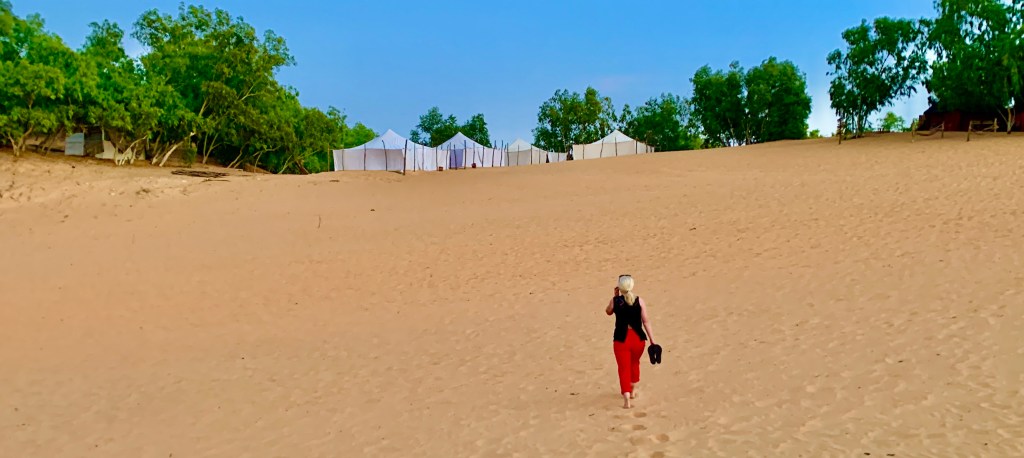
The only thing to consider is that once you are at the lodge that’s it, you will have to have your evening meal and drinks at the lodge as you are in the desert. Food at our lodge was simple, traditional Senegalese cuisine which was delicious, but make sure this is included in your itinerary as they generally cater for a set number of guests.
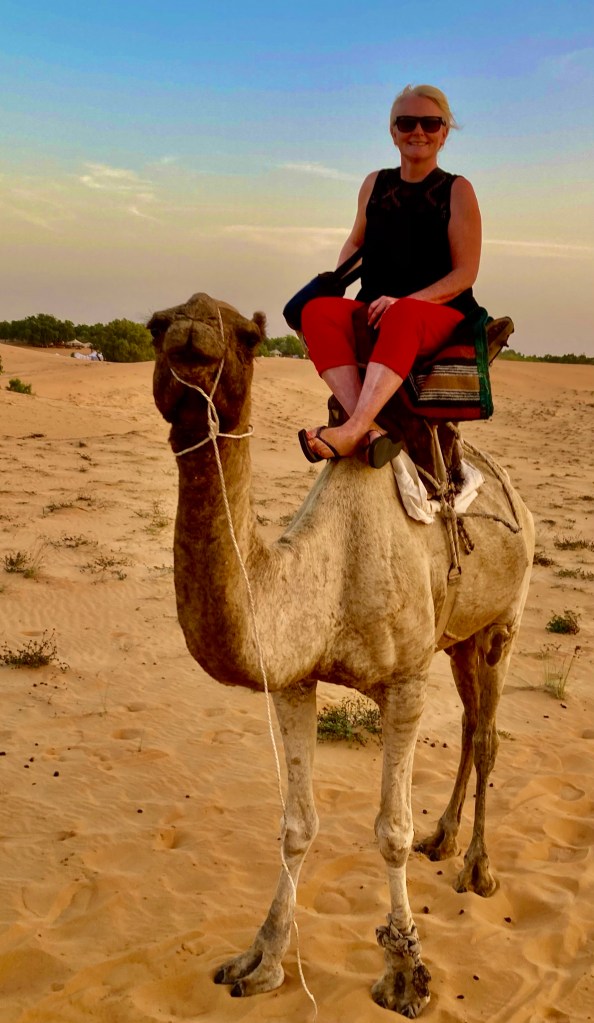
Before our evening meal, we were treated to one of the lodge’s signature activities. Being in a desert what can that activity be? A camel ride of course.
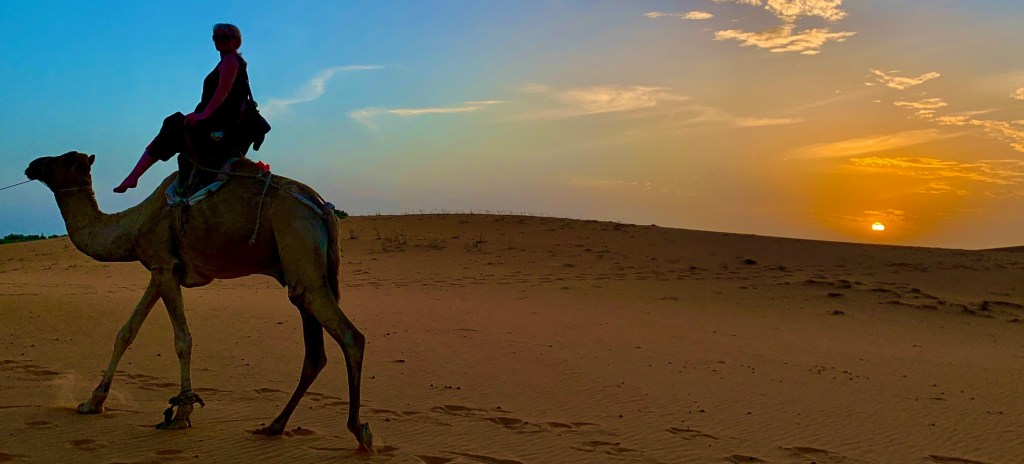
Have previously done these camel rides on a few occasions and have come away disappointed. However, on this occasion, the experience was simply incredible to catch the various shades of the desert as the sun was setting, in all honestly was a magical experience.
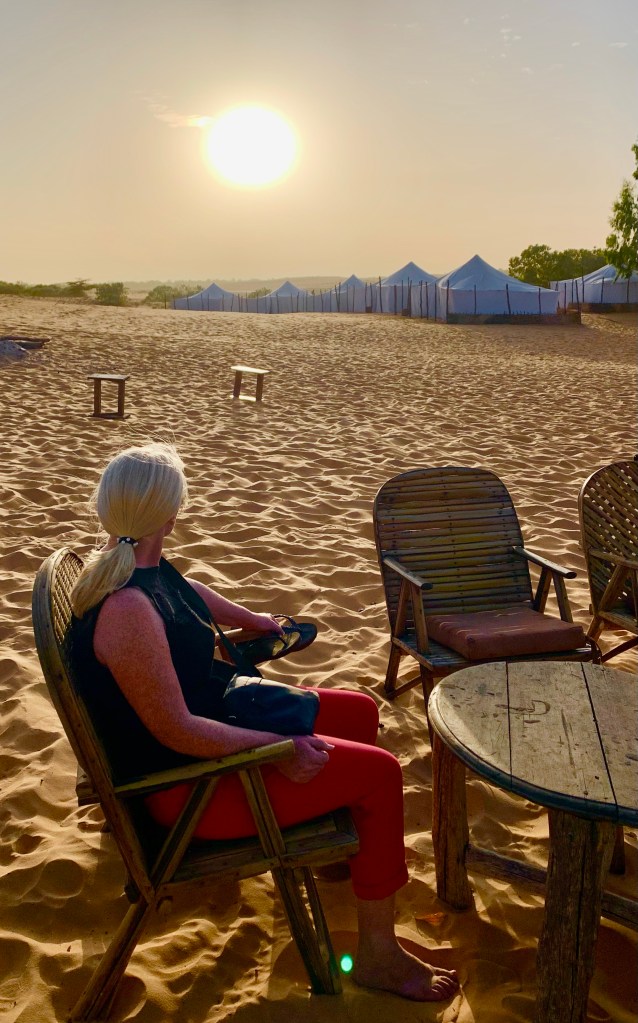
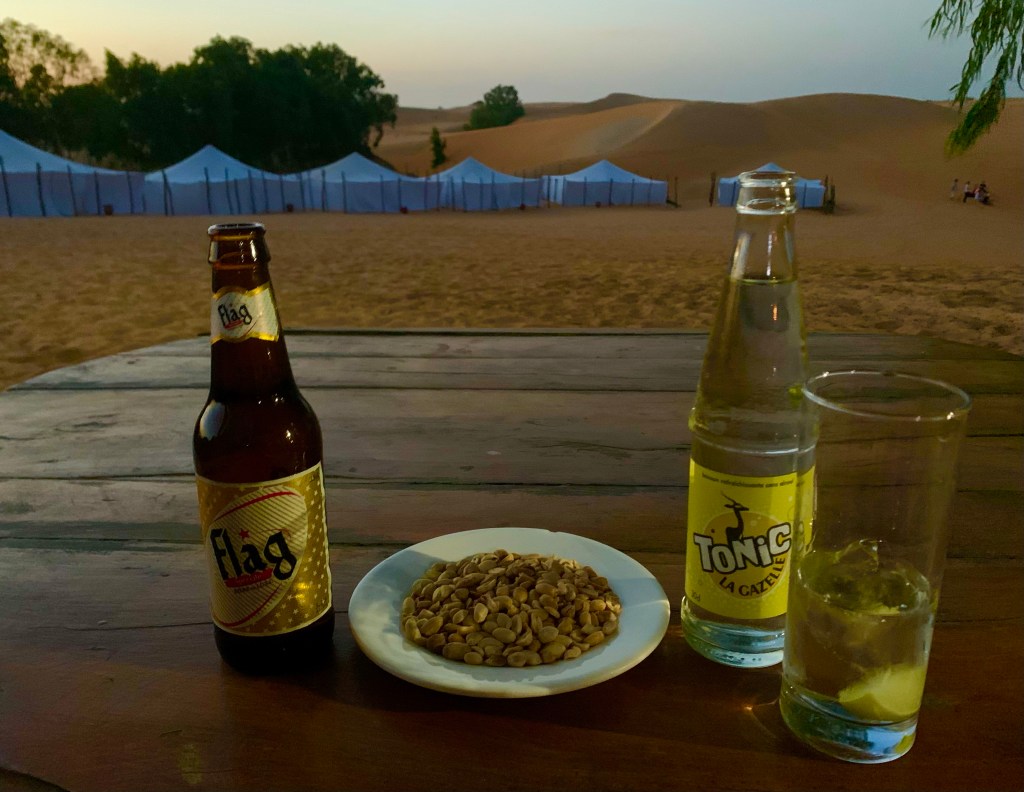
After the camel rides, back to the tent to freshen up, then time to reflect on the day’s experiences. Perhaps a pre-dinner drink was in order as it will soon be dark. The drinks at the bar were very reasonable and the service was excellent. In high season there is usually a pre-dinner show with Senegalese themed music and dance.
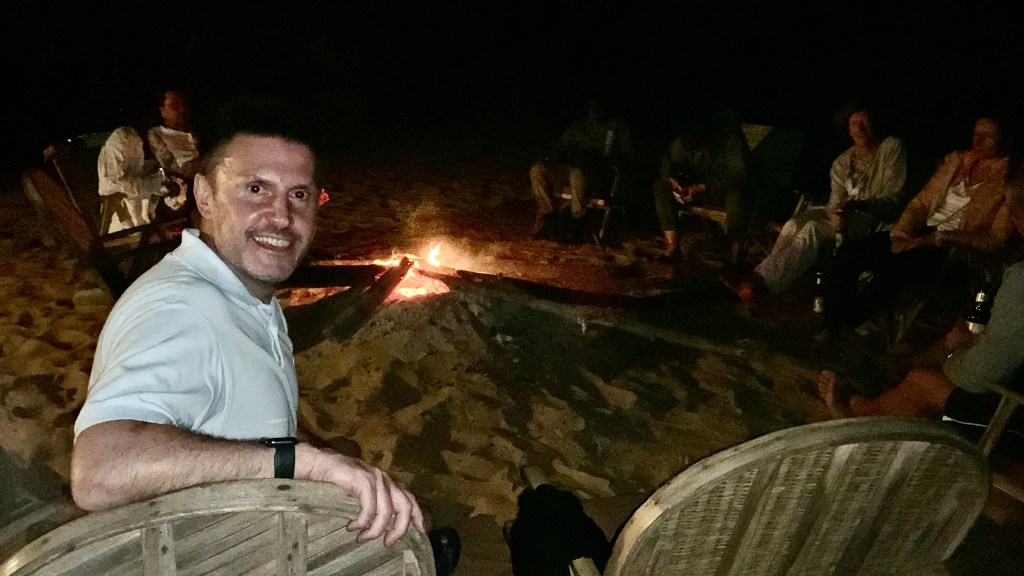
After a delicious dinner in the dining tent with our fellow guests, the evening focal point was the open-lit fire, where we enjoyed the rest of the evening gazing up at the moon and stars which illuminate the lodge at night, we got amazing views as the sky was clear and there is no light pollution. It may have been low key but a wonderful way to finish what had been a long but very rewarding day.
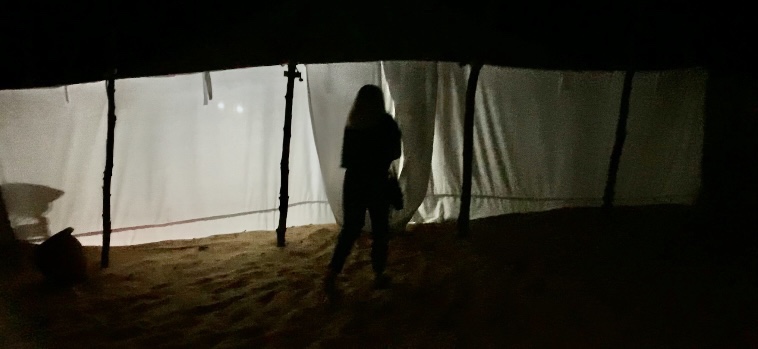
All that was left to do was find our way back to the tent, a torch is highly advised, as the lodge is pitch black at night, remember your tent number as you can walk into any tent, with potentially embarrassing situations. 😊
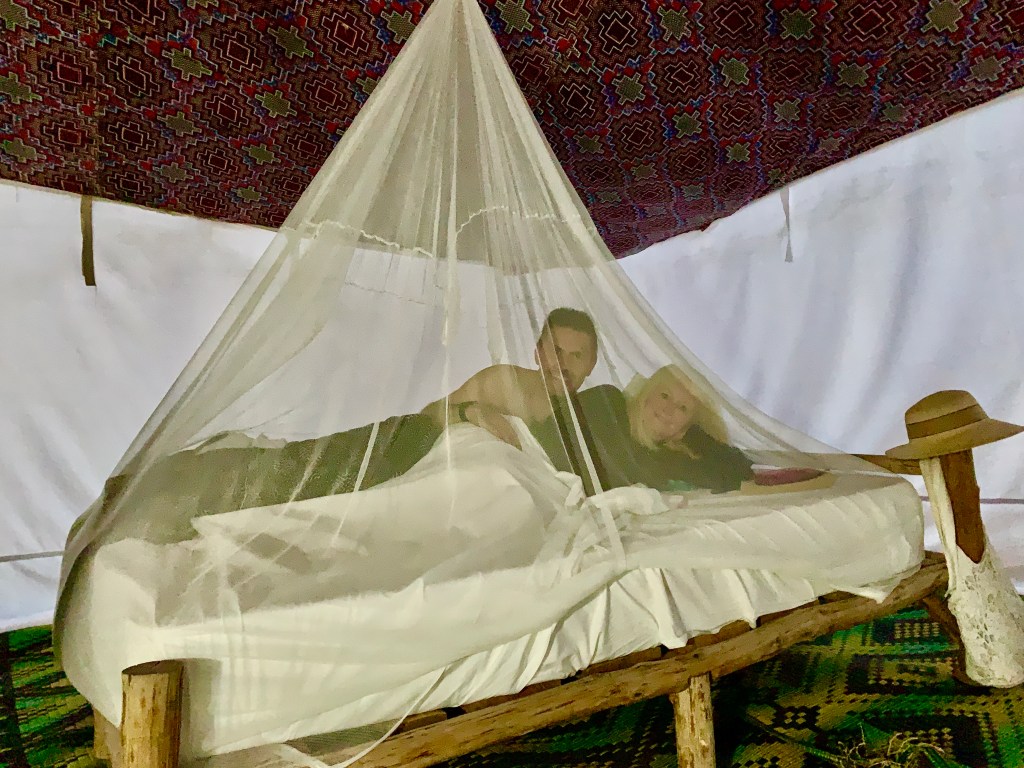
The sleep we had was good only being disturbed by the local wildlife once, a couple of the lodge’s resident cats 🐈 fighting 😆

 We were born to do more than go to work, pay bills and die. See the world while you are alive and kicking