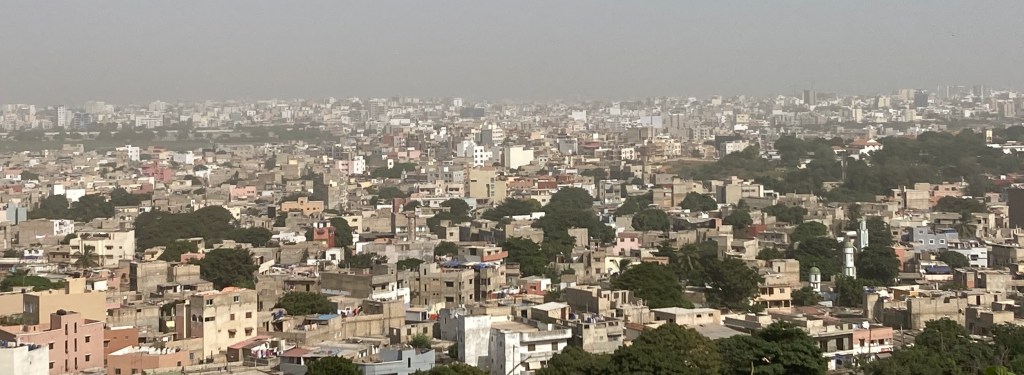
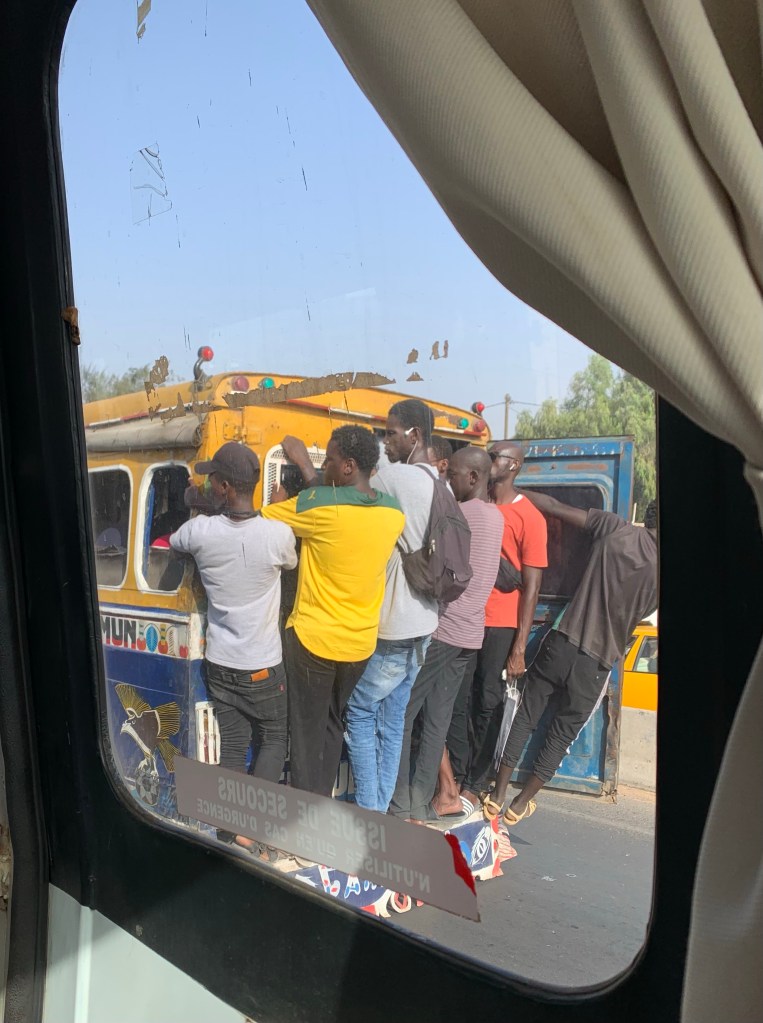
Perched on Africa’s most westerly point and surrounded by water on three sides. Dakar is home to 4 million people. It can seem like a city of extremes where horses and carts share the road with shiny new SUVs, French Colonial architecture is interspersed with African buildings
Although due to its independently mined people, colonisation didn’t come to the area till the middle of the 19th century, more than 400 years after the Portuguese set up their first trading post just across the water in Goree Island.

Such was Dakar’s strategic location and importance, little after 50 years of the city’s foundation it became the capital city of all French West Africa and one of its most important cities within the French Empire.
Dakar is a city that wears its heritage with pride and takes comfort in its diverse history and identity, very much the exception to the rule in this part of the world. Senegal being one of the few African states not to experience a coup d etat or exceptionally harsh authoritarianism.
Today Dakar is a major financial centre home to over a dozen International banks, including the Central Bank of West Africa which manages the unified West African Franc.
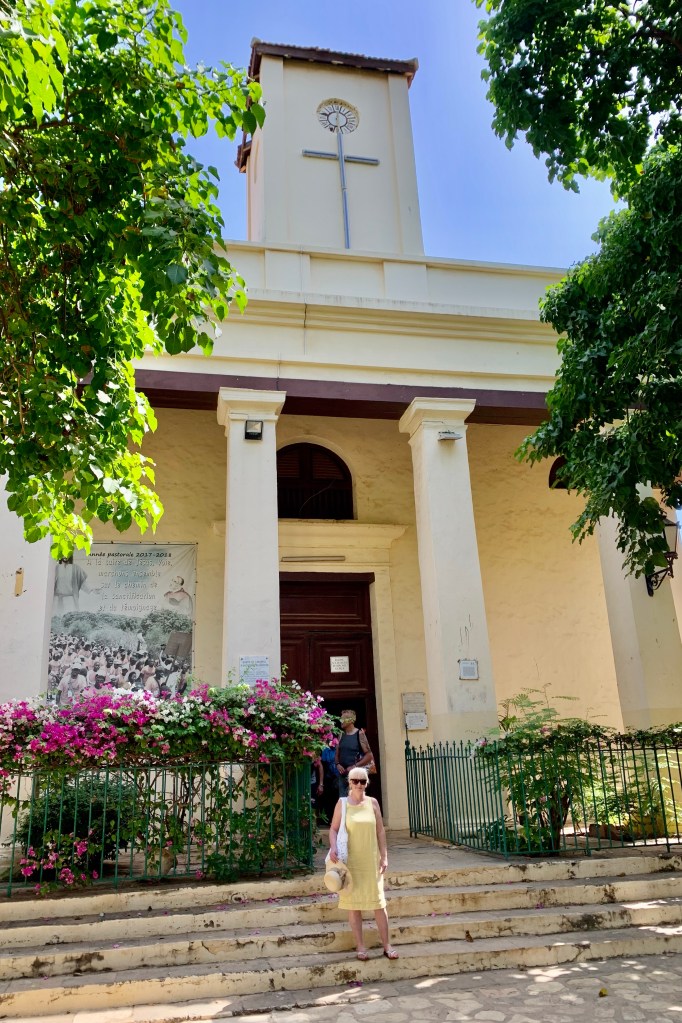
The French have not severed ties completely, with over 20,000 French expatriates living in Dakar. The French still operate an air force base near the city and the French fleet is still serviced in Dakar’s port and the French language is used.
The Plateau District
The city of Dakar is certainly full of surprises. It is a member of the Organization of World Heritage Cities and contains several landmarks. Unfortunately for us, time was in short supply with a ferry to Goree to catch, so it was just a visit to some of Dakar’s prominent sights.
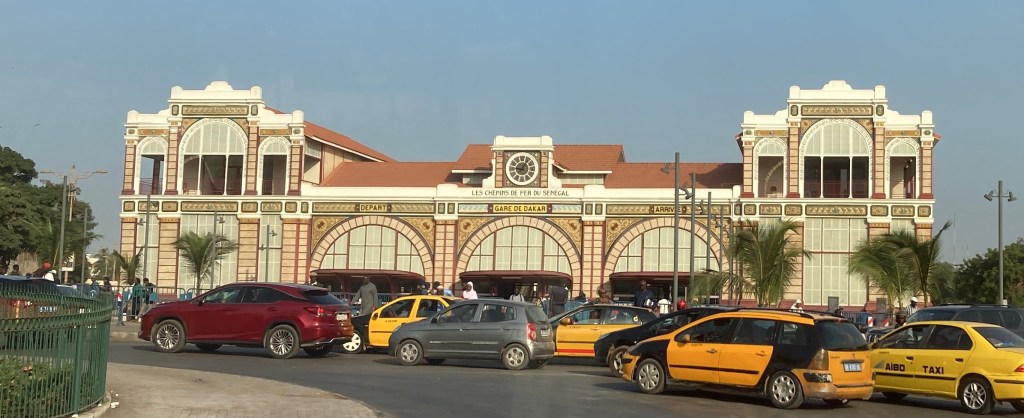
This compact area next to the ferry terminal is full of French Colonial relics, like the beautiful railway station and though Senegal currently has no operating train service, this and other buildings have been well maintained. They are considered proud parts of Senegalese heritage.
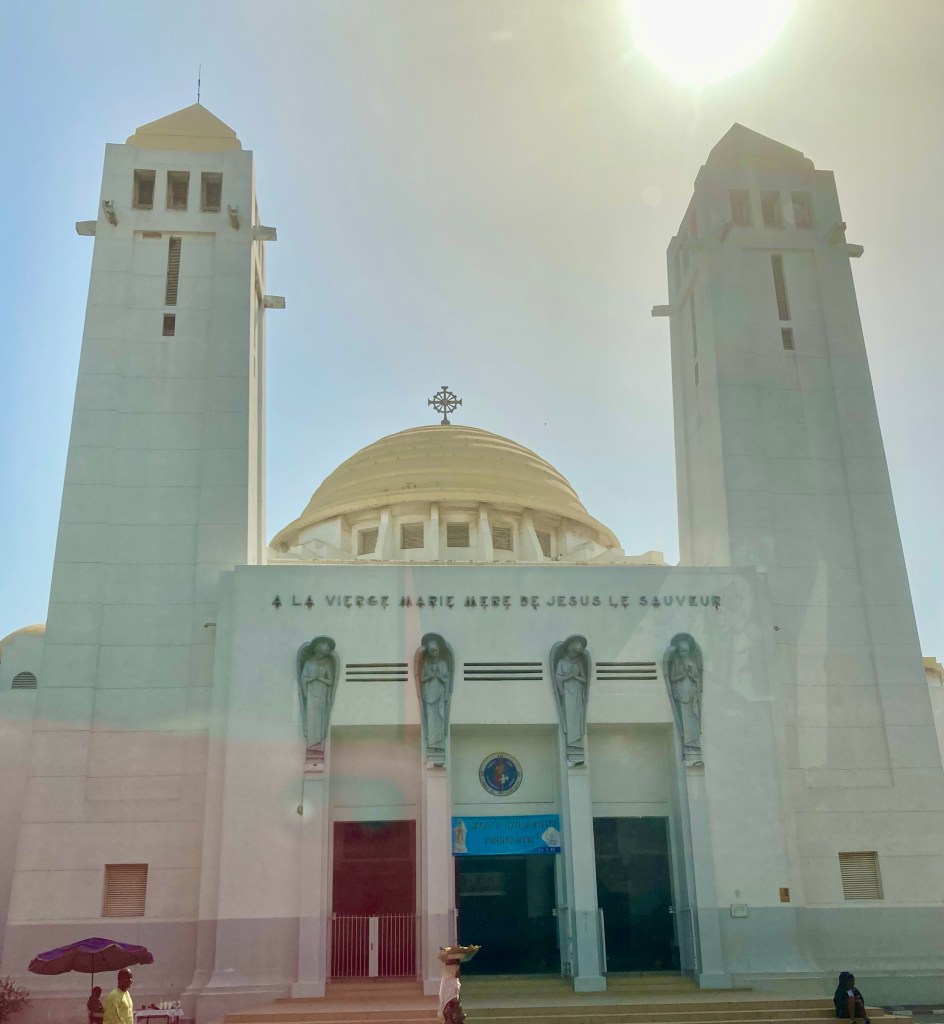
The Catholic Cathedral of Dakar built in 1936 can also be found in The Plateau district. Catholicism was brought by the French although today less than 5% of the population are Catholics, it stands as a symbol of Senegal’s multicultural society where all religious tolerance is respected.
Ouakam
The beachside suburb is famous for surfing, The Mosque of Divinity and The African Renaissance Monument.
The Mosque of Divinity
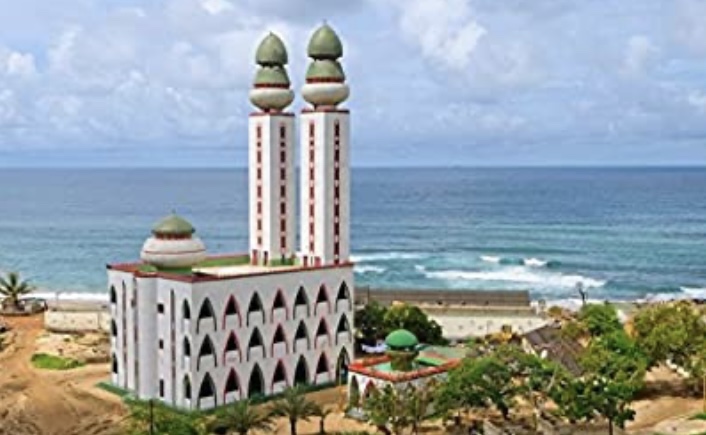
The mosque is a relatively new building which was completed in 1997. Its structure has two minarets and is located in an impressive beachfront location with unobstructed views of the Atlantic Ocean.
The African Resistance Monument
A statue which symbolises African liberation from centuries of oppression? or an expensive vanity project? Officially unveiled on April 4th 2010 National Day in Senegal.

The 160-foot statue is impossible to miss. Perched high on a hill, the mighty Soviet Esque bronze statue of a man, woman and child overlooks the Atlantic Ocean and dominates the horizon of the capital Dakar.
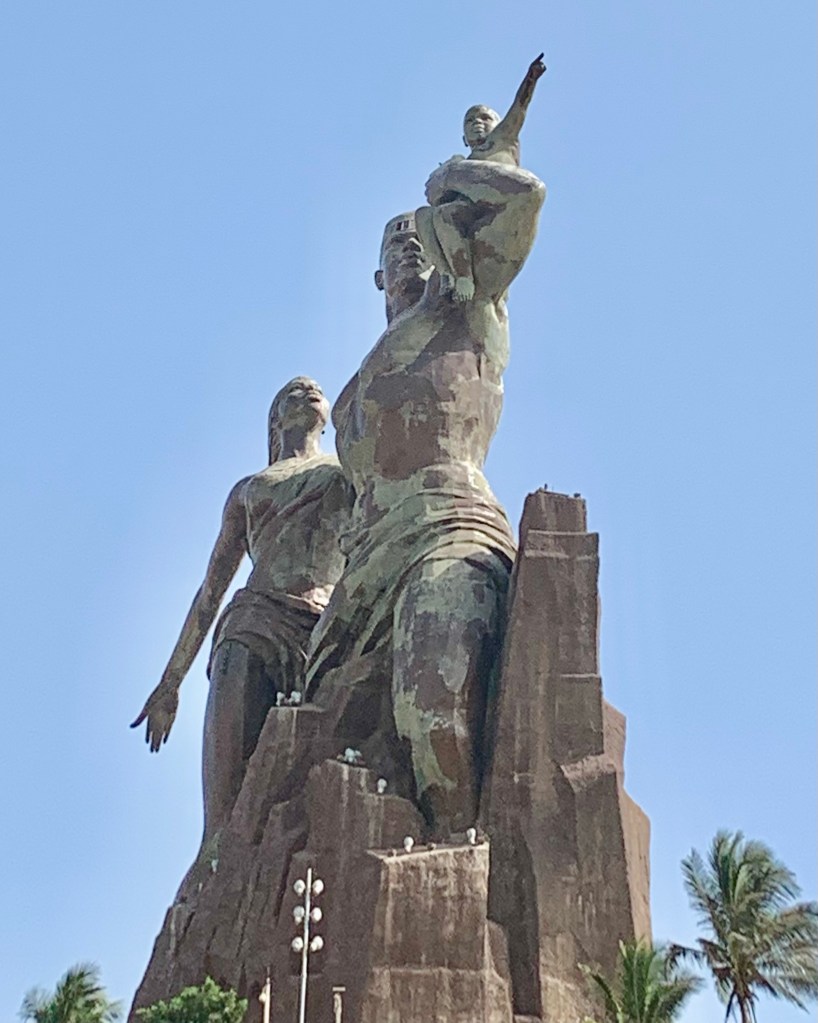
The project was launched by then Senegalese president Abdoulaye Wade, as a prestige project to provide monuments to celebrate African Renaissance. Designed by a Senegalese architect Pierre Goudiaby Atepa and built by a North Korean sculpting company.

The construction cost of £17 million deeply divided opinions at the time, even leading to public demonstrations a rare occurrence in Senegal, when many ordinary people were struggling to put food on the table. The rather austere design was poorly received by art aficionados. The former president owns intellectual property rights to the sculpture, which entitled him to profits raised by the sculpture, which further adds to the controversy.

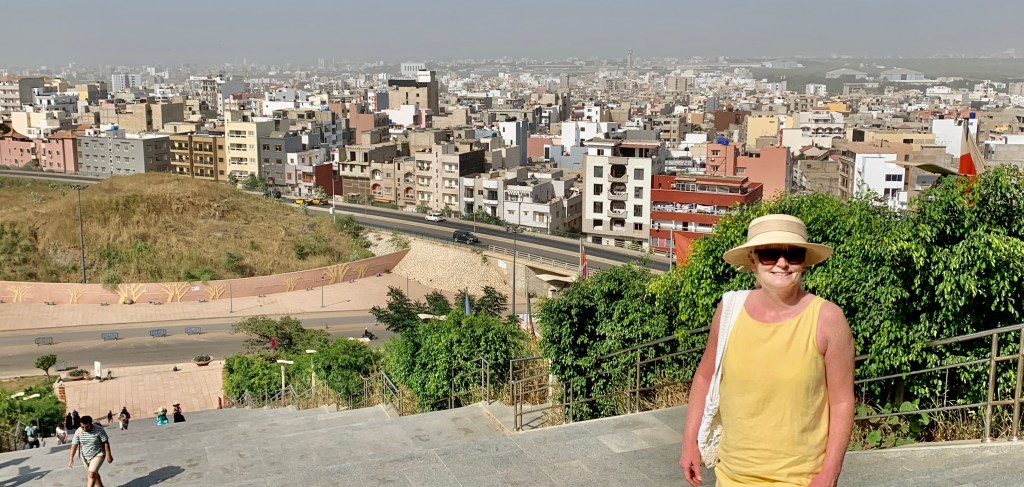
The statue is certainly in a fantastic location on top of one of the twin hills known as Collines des Mamelles, giving fabulous panoramic views of Dakar and the Atlantic Ocean.
Goree Island
The primary reason for my visit to Dakar was to visit Goree Island which lies just off the coast of Dakar. This beautiful colourful island has a dark disturbing history.

The island is a UNESCO World Heritage Site. From the 15th to 19th Century it was the largest slave trading centre on the coast of Africa. Ruled in succession by Portuguese, Dutch, British and finally French colonial rulers.

The only way to reach Goree Island is by boat. Ferries depart regularly from the port at Dakar, the trip takes 25 minutes and boats depart every 1-2 hours and run from 7 am up until just past midnight.
Maison Des Esclaves
The island of Goree was first discovered by the Portuguese in 1444 and used primarily as a transportation hub for slaves.
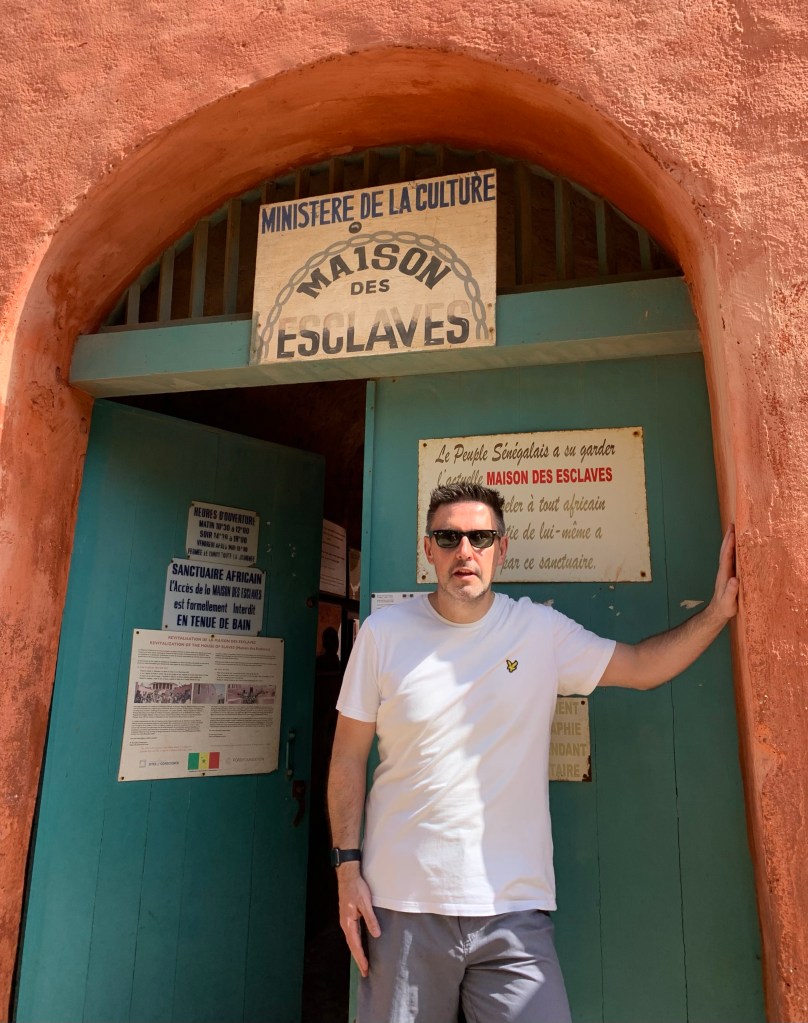
In 1780 the famous House of Slaves “for all the wrong reasons” was built. It was one of the first stone buildings on the island
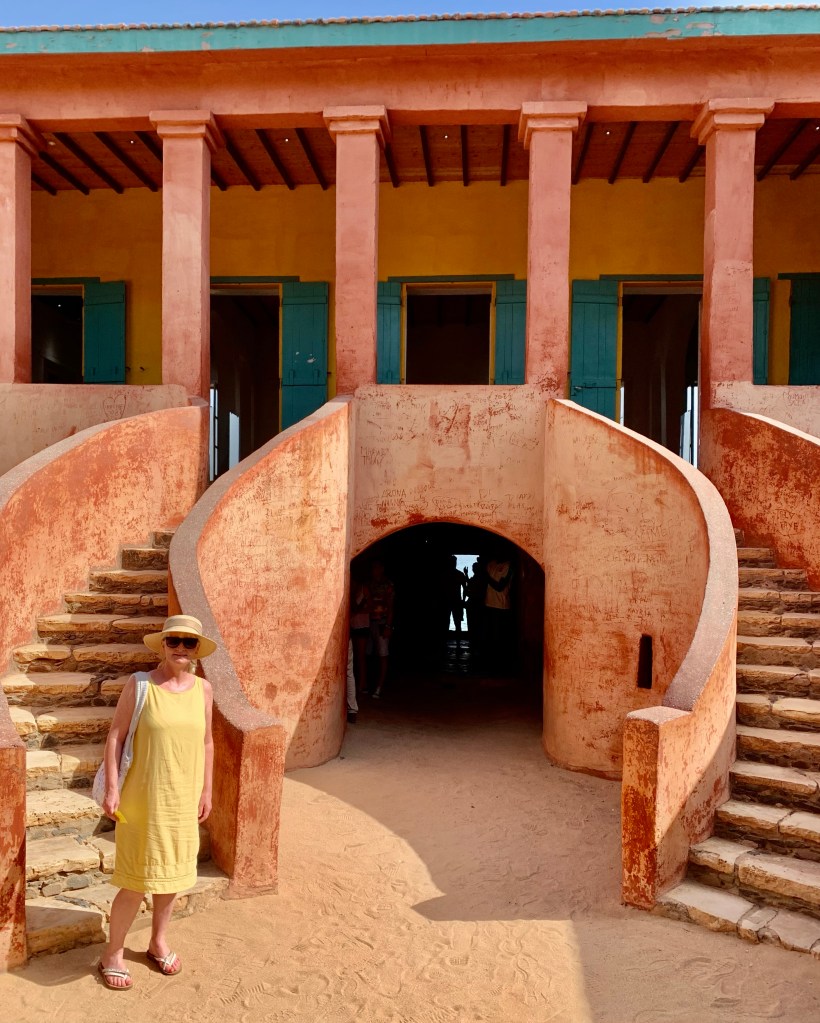
The House of Slaves had now been turned into a living history museum. For me, this is an unmissable and profound part of my travels to Senegal.

It is estimated that thousands if not millions of enslaved peoples passed through the chambers of Goree before they met their fate across the ocean in the Americas. An African Ellis Island if you like, with one major difference, none of these African people had a choice of seeking their new world and certainly wasn’t for a better future.
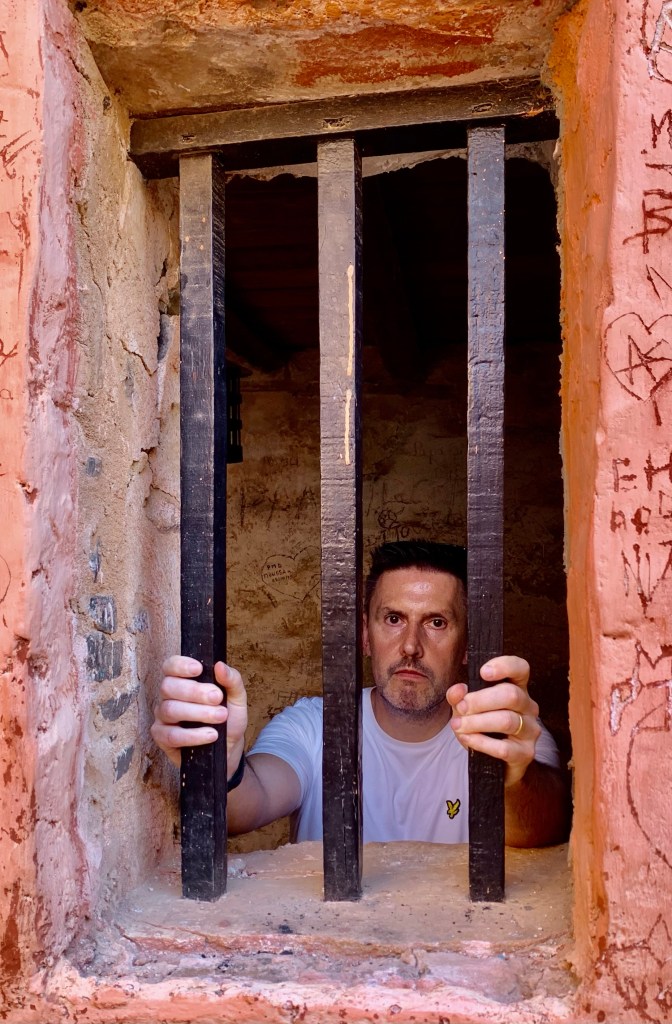
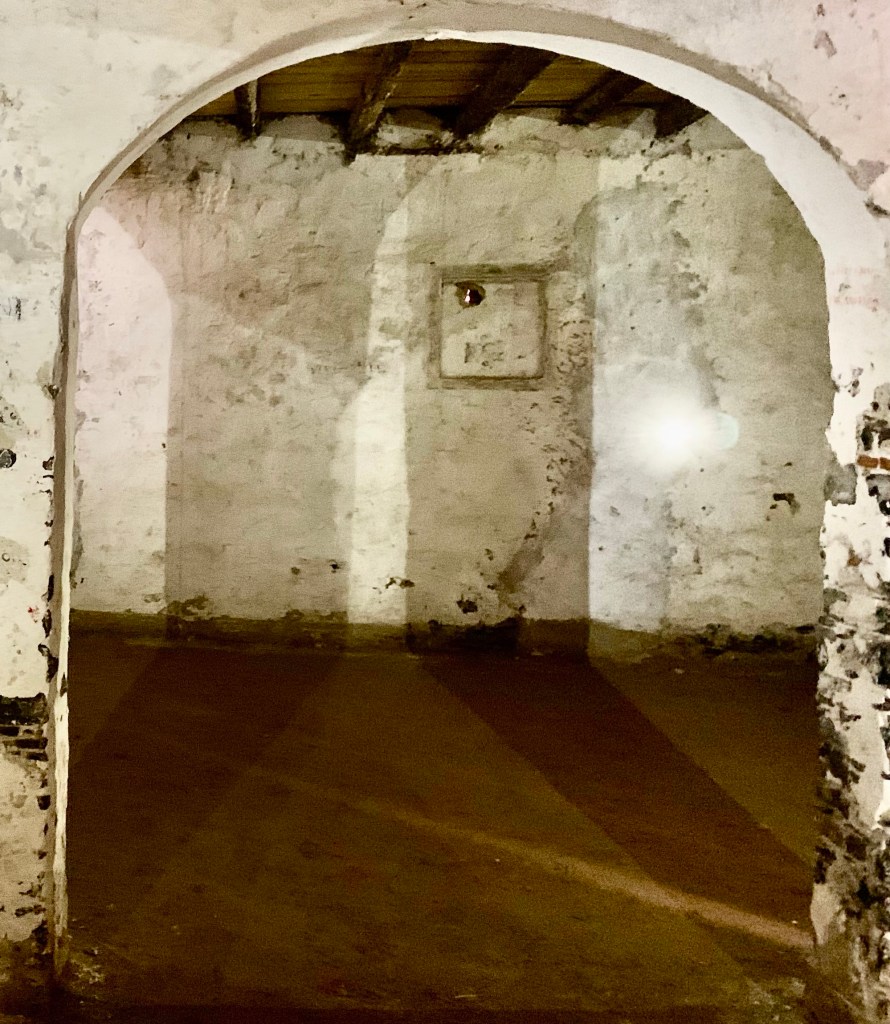
Today it has been left more or less untouched, a permanent and important reminder of the human toll of the suffering and misery of the African people and the devastation of several centuries of European colonisation. Although judging by the rise of modern slavery have we learned anything at all?
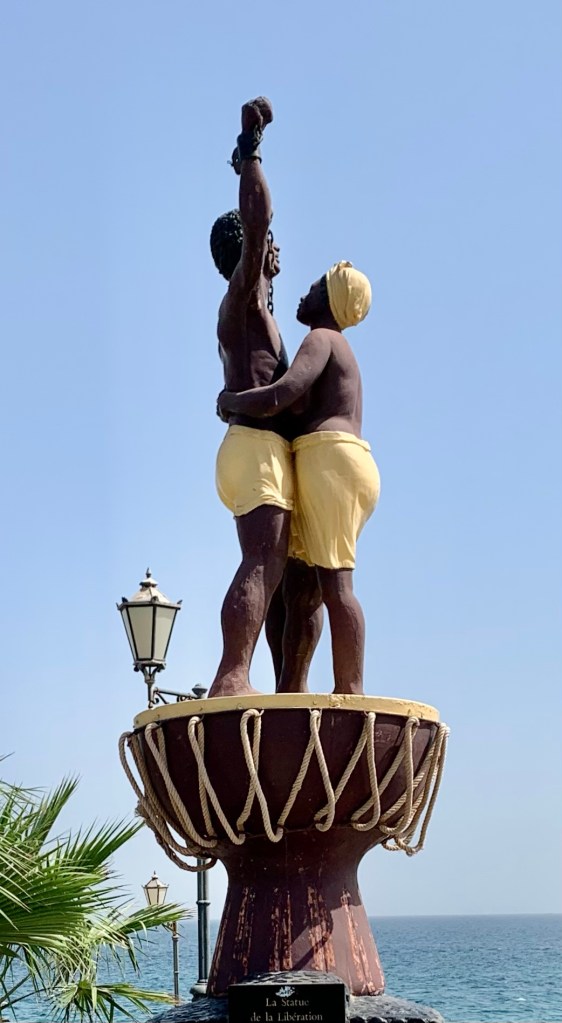
On Goree Island, you will find the Statue Of Liberation, which is a very poignant sculpture of two free slaves one male and one female which is located overlooking the Atlantic Ocean. The statue was a gift from France, a symbol of the abolition of the slave trade and the reconciliation between the two nations.
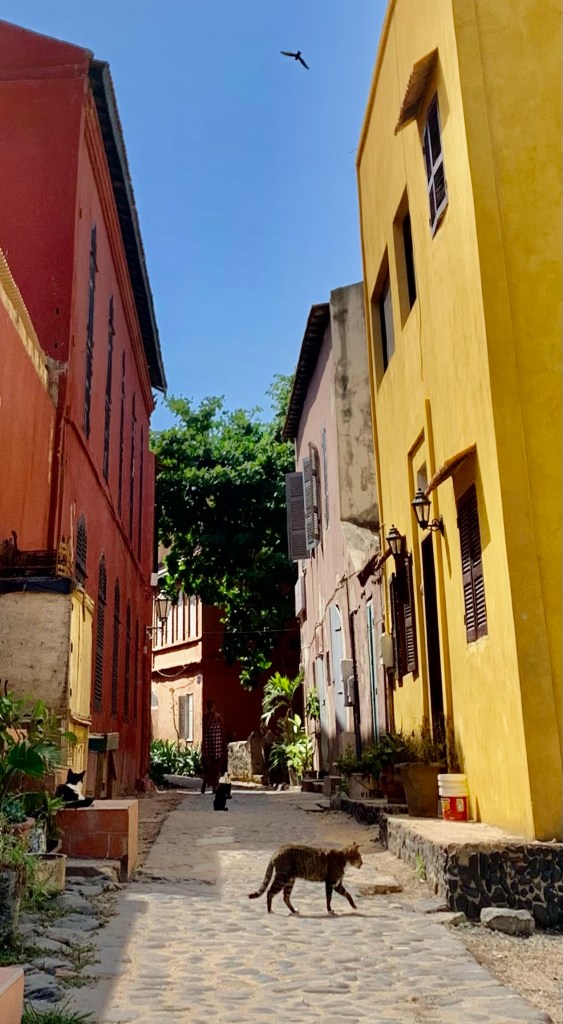
The rest of the island is in stark contrast to the House of Slaves, where you will find no cars, little crime and lots of cobblestone streets with prettily painted pastel-coloured houses.

Slavery ended in 1848 (it was previously abolished by the French in 1794 and 1815) but was never enforced in its colonies. Goree then became the first western-style municipality in French West Africa, complete with an elected mayor and council, finally gaining independence on the island from the French in 1929.
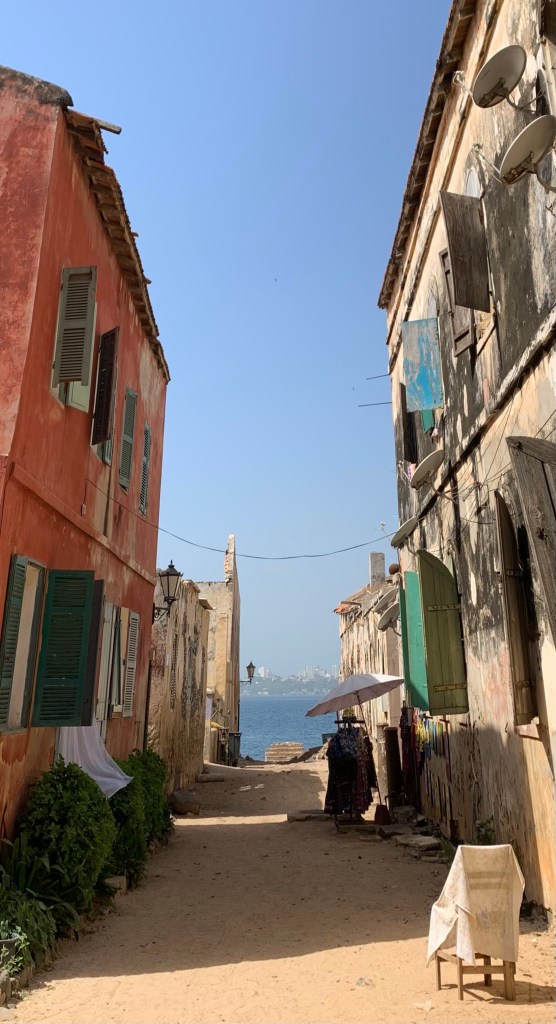
Today Goree feels like a million miles from the constant hustle and bustle of Dakar. Where I found colonial era houses with wooden shutters, painted in pastel colours weather beaten over time giving the houses a faded grandeur, where time slowly passes by.

Although Goree is not an island without life. The island is home to 1700 people, you will see many children playing in the public squares on the island, artists lining the main boulevard and many craft shops.

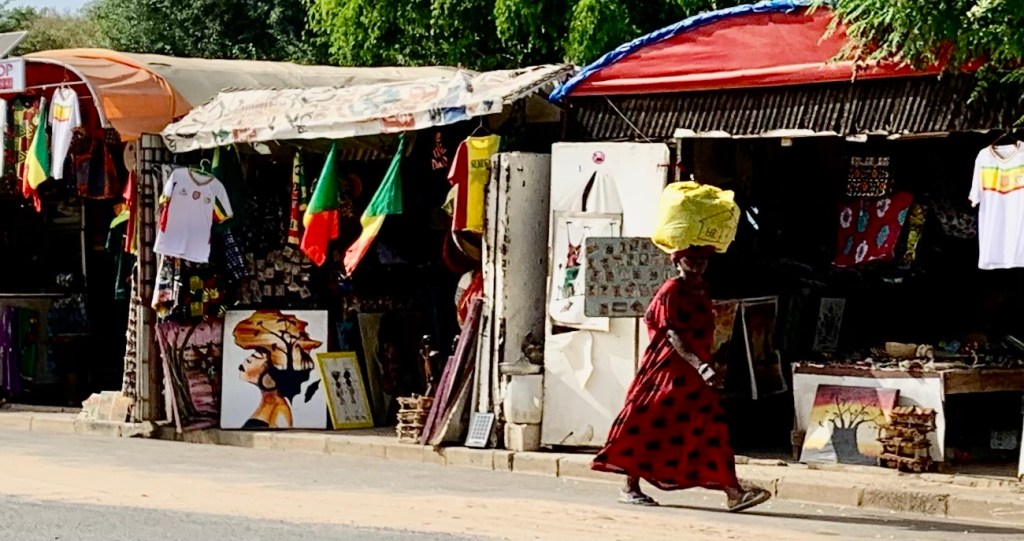
Situated not from the ferry terminal you will find many vendors selling their goods to the many visitors who come to Goree for the day. Although they can be persistent they are generally good natured and prices were reasonable.
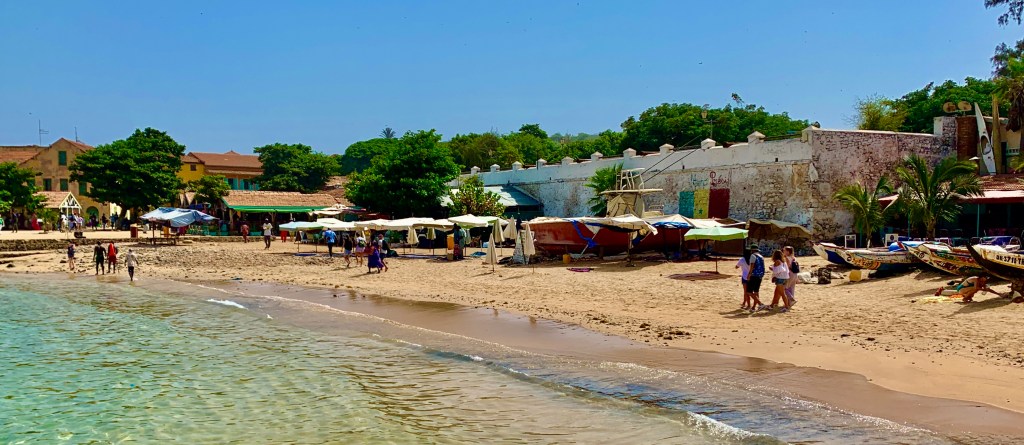
With my wife’s purchase safely packed away, it was time to take a walk along the beach back to the ferry terminal. The 3-kilometre ferry journey back to Dakar. Goree is a place with a very sad history, a place of pilgrimage for some, but it’s also vibrant and colourful, with a feeling of calmness.

Goree can look forward to the future but at the same time serves as a reminder of the human atrocities carried out on this idyllic island. We can move forward only if we remember the mistakes of the past.

 We were born to do more than go to work, pay bills and die. See the world while you are alive and kicking