Belfast is an intriguing city and tends to be the main place to visit in Northern Ireland along with The Giant’s Causeway. The Antrim Coast which is situated between these two most popular destinations is well worth discovering.
I found lots of interesting things to do in the region. I had the opportunity to visit Cave Hill Country Park, Antrim Coast and Glens AONB, The Giant’s Causeway, Causeway Coast AONB, Bushmills Distillery and a few Game of Thrones locations, which meant nothing to me as I have never seen an episode but were still enjoyable nonetheless.
It’s a relatively small area and is close to Belfast so it’s very achievable in a day. Although Giant’s Causeway was the standout location, I enjoyed all stops on my trip of discovery to County Antrim.
Cave Hill County Park
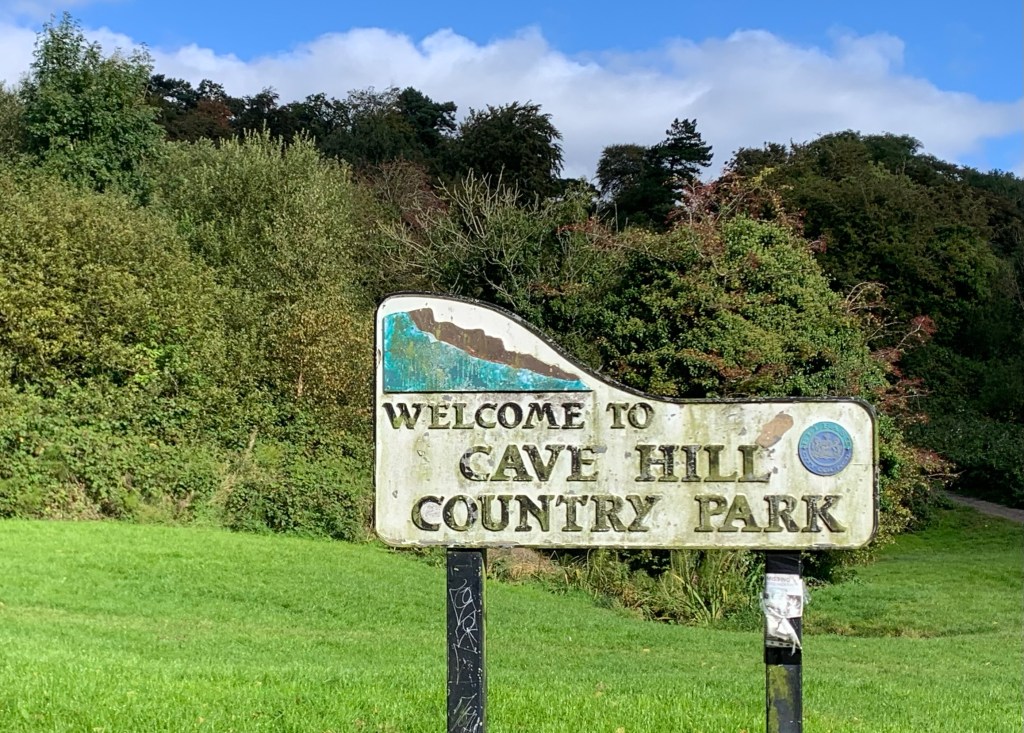
Although Cave Hill County Park is run by Belfast City Council. I have included it in this blog due to its very naturalistic feel, and very imposing presence, as it looms large over Belfast and the surrounding area which forms County Antrim.
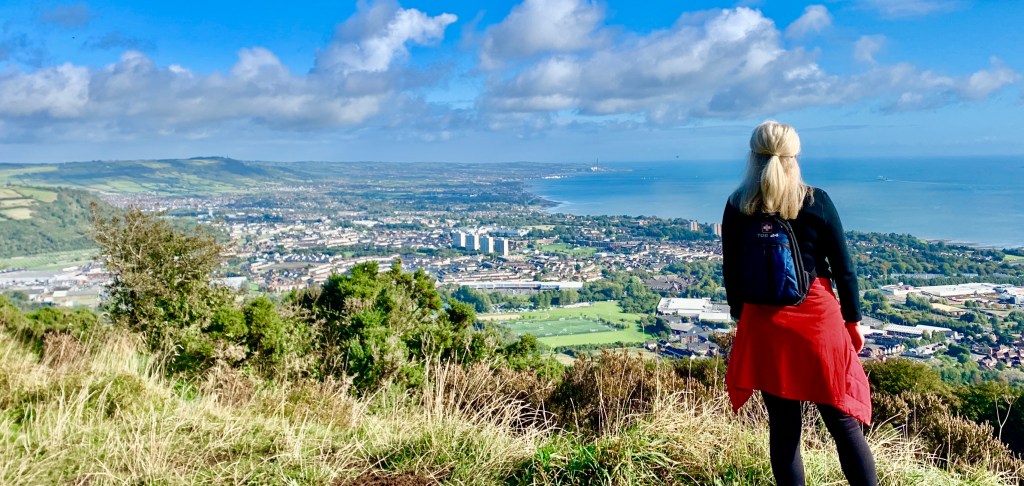
The park is located on the northern fringes of the city, it covers an area of 300 hectares, the park was established in 1993, and is one of the most frequented areas of the Belfast Hills.
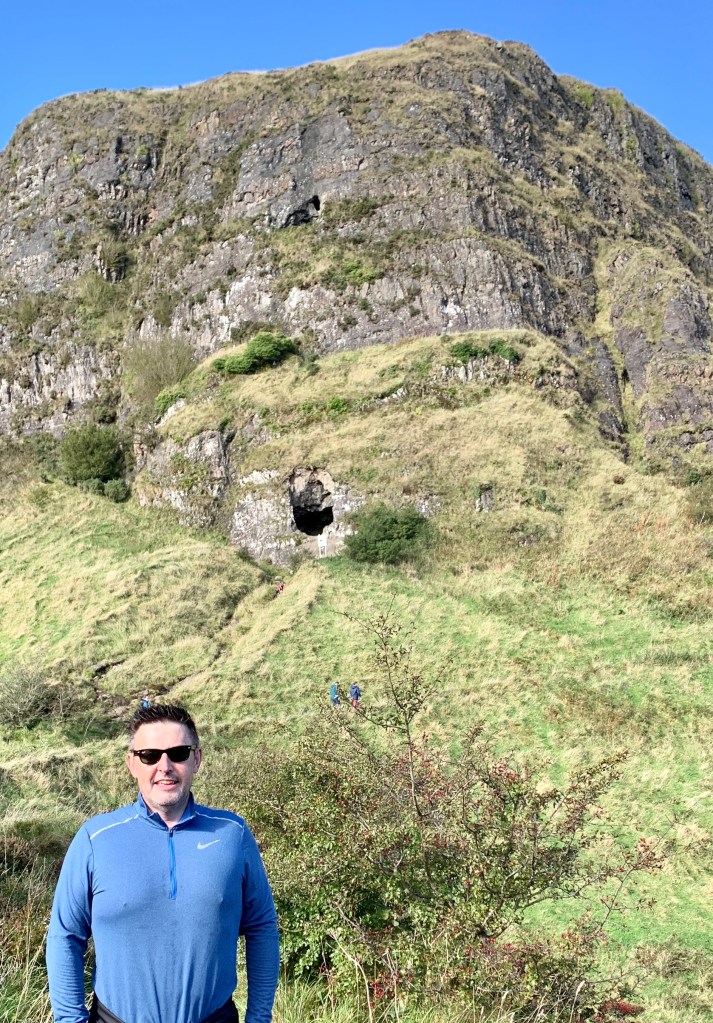
The main purpose of our visit was to walk the popular Cave Hill County Park circular trail route. This 4.5-mile trail starts and finishes at Belfast Castle. It gave us some fantastic vistas of the city and beyond, it took two hours to complete this walk. There are some less challenging routes to walk to enjoy this wonderful Country Park.
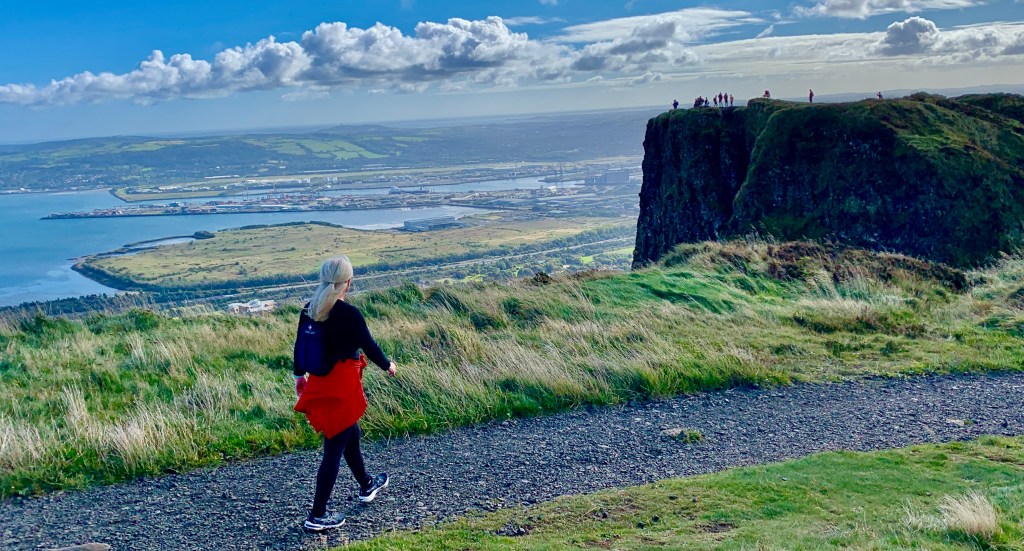
The first part of the walk can be physically challenging if you have little in the way of fitness, but for us it was ok. The steepest section is at the start of the walk as we ascended the mountain trail, this evens out, and the walk from there on is flat, you then begin a descent back down to Belfast Castle. It’s a much easier route if you walk it anti-clockwise rather than clockwise.
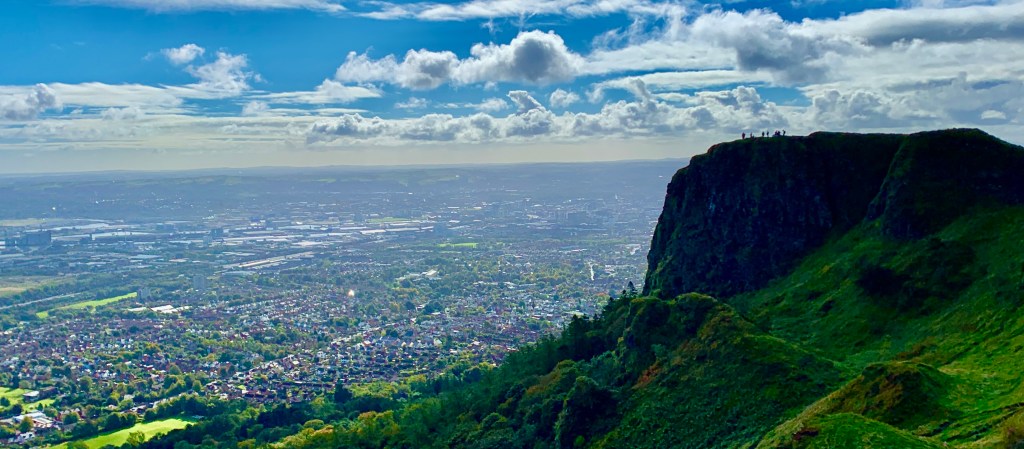
The highlight of the walk for me was the panoramic views of Belfast taking in the green hillside in which the ruins of McArt’s Fort can be found. The mountain itself is visible from most streets in Belfast and provides an imposing backdrop to the city.

At McArt’s Fort, we continued to get unobstructed views of Belfast, Belfast Lough, Mourne Mountains, the Irish Sea and Scotland from the 1207 feet (368) meters summit, with views like this, the effort was undoubtedly worth the reward.
Belfast Castle
The castle sits in a prominent position in Cave Hill Country Park. As castles go it’s a little underwhelming, more stately home than a formidable castle. However, it was well worth a visit for the great trail walks and unobstructed views of Belfast.
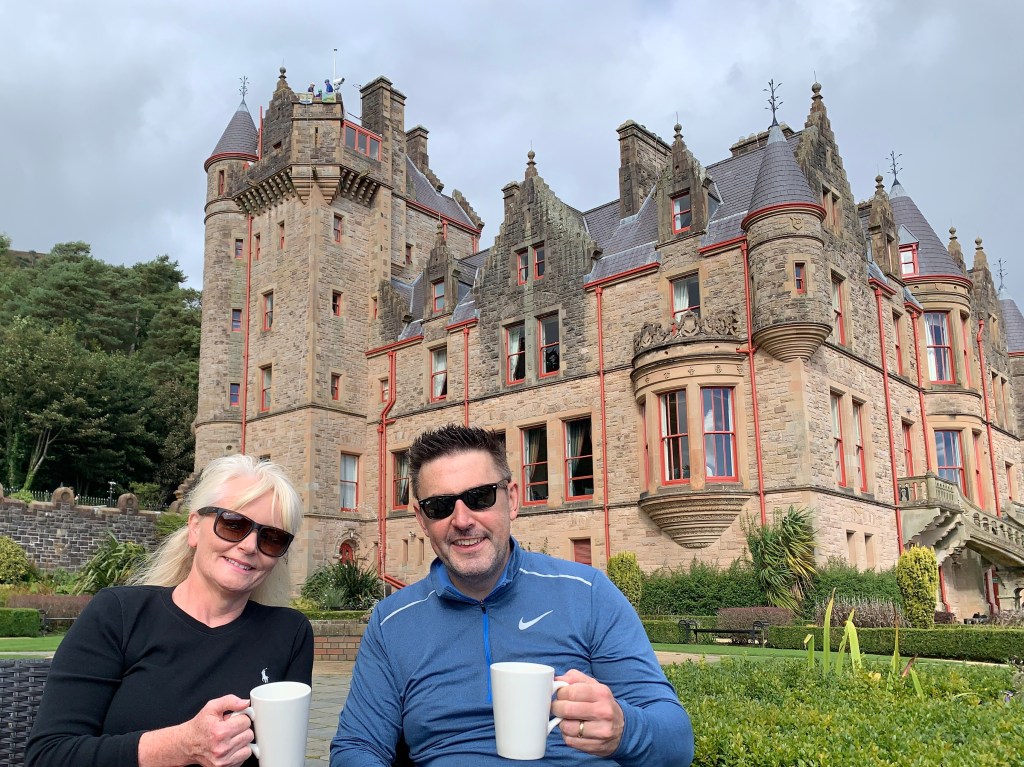
Belfast Castle was the starting and finishing point of our walk to Cave Hill Country Park, we were able to enjoy a warm drink after we finished our trail walk, within the beautiful grounds, with the castle as a fabulous backdrop.
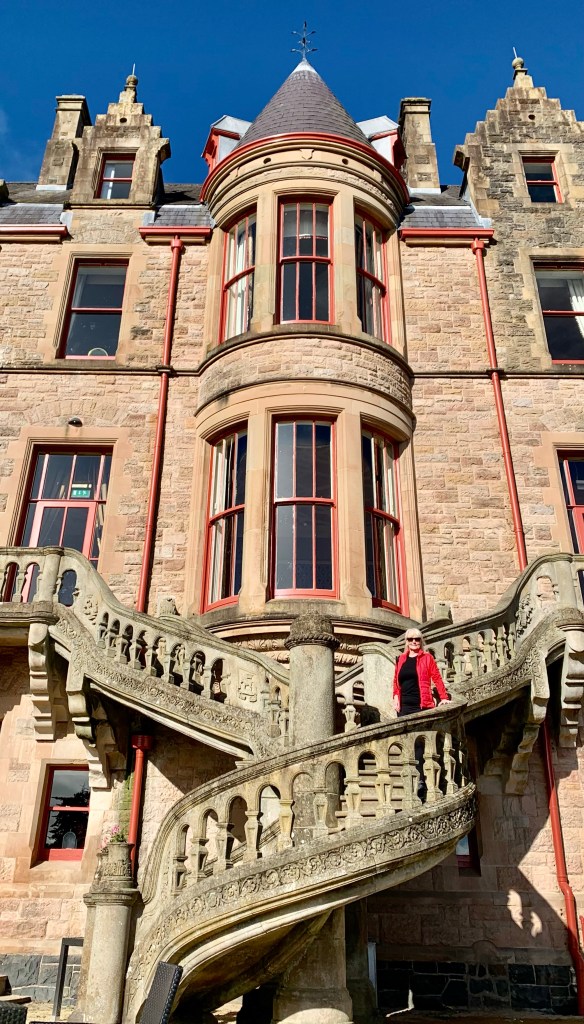
Although the castle looks relatively modern, built-in 1870 there has been a castle at this location since Norman times. The first castle was constructed in the late 12th century, and a second castle was built in 1611, which burnt down until the present castle was constructed.
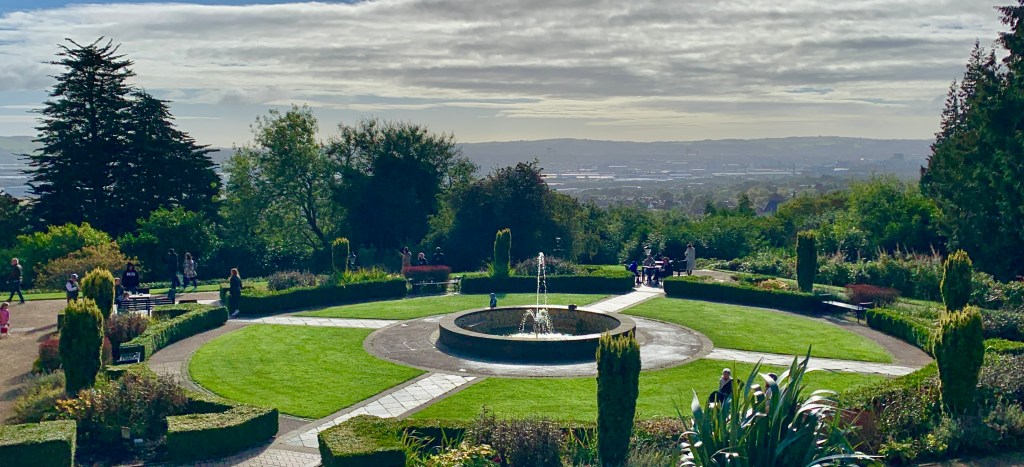
The castle has extensive grounds and gave us spectacular views of Belfast and Belfast Lough. Unsurprisingly, because of its fantastic location, it is a very popular venue for weddings.
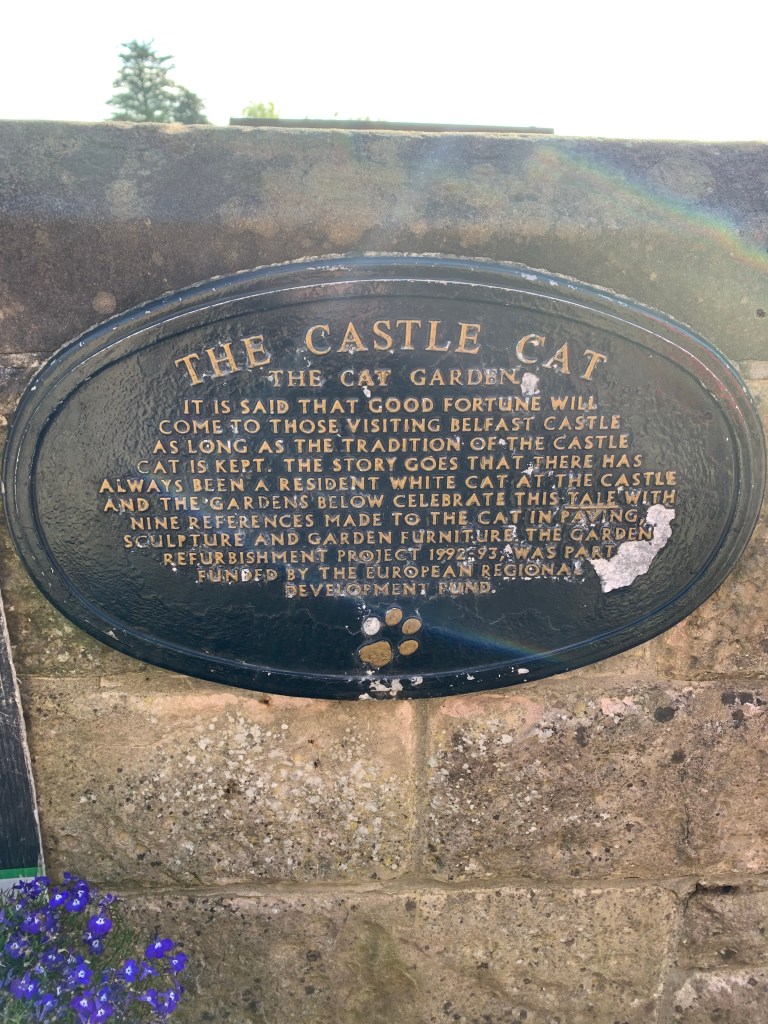
A rather unique aspect of Belfast Castle is the cat garden. As someone with four cats, this was always going to pique my interest. There has always been a cat at Belfast Castle, and it has been said that good fortune will come to those visiting the castle as long as this tradition is kept.
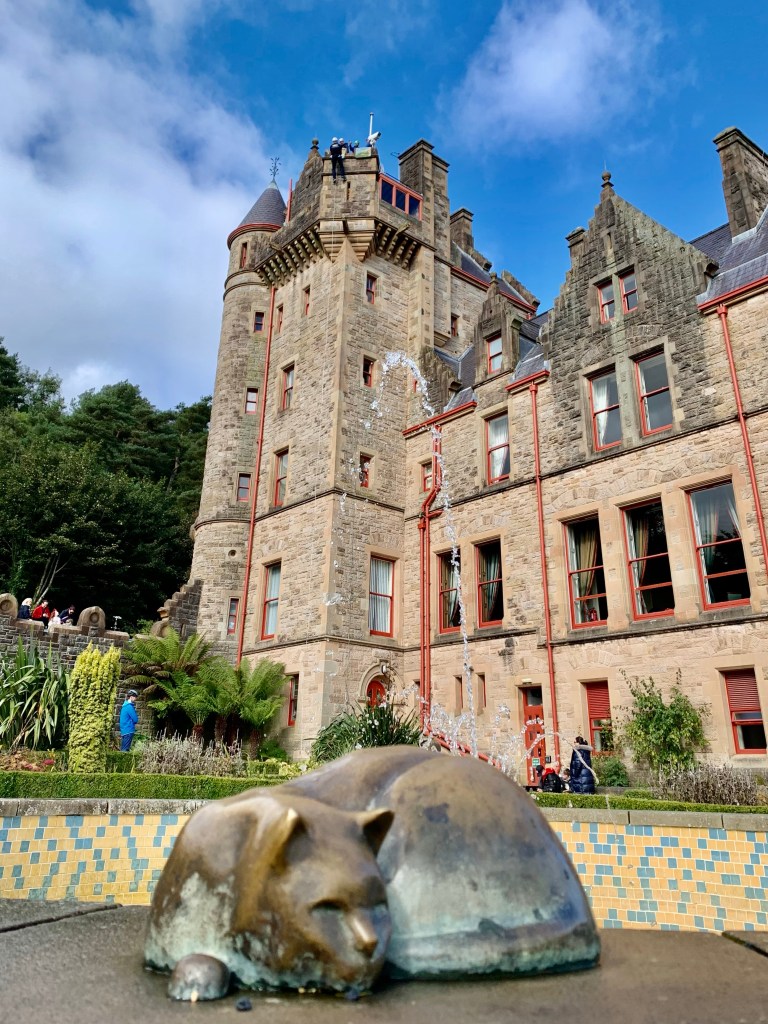
Within the immaculately kept castle grounds, nine cats have been added to the “cat garden” in the form of sculptures, topiaries and sculptures. It’s a bit like a cat treasure hunt, unsurprisingly there are no dogs allowed in the “cat garden” 🤣
Causeway Coast AONB
Established as an Area Of Outstanding Natural Beauty in 1989, it stretches from Larne to Ballycastle.
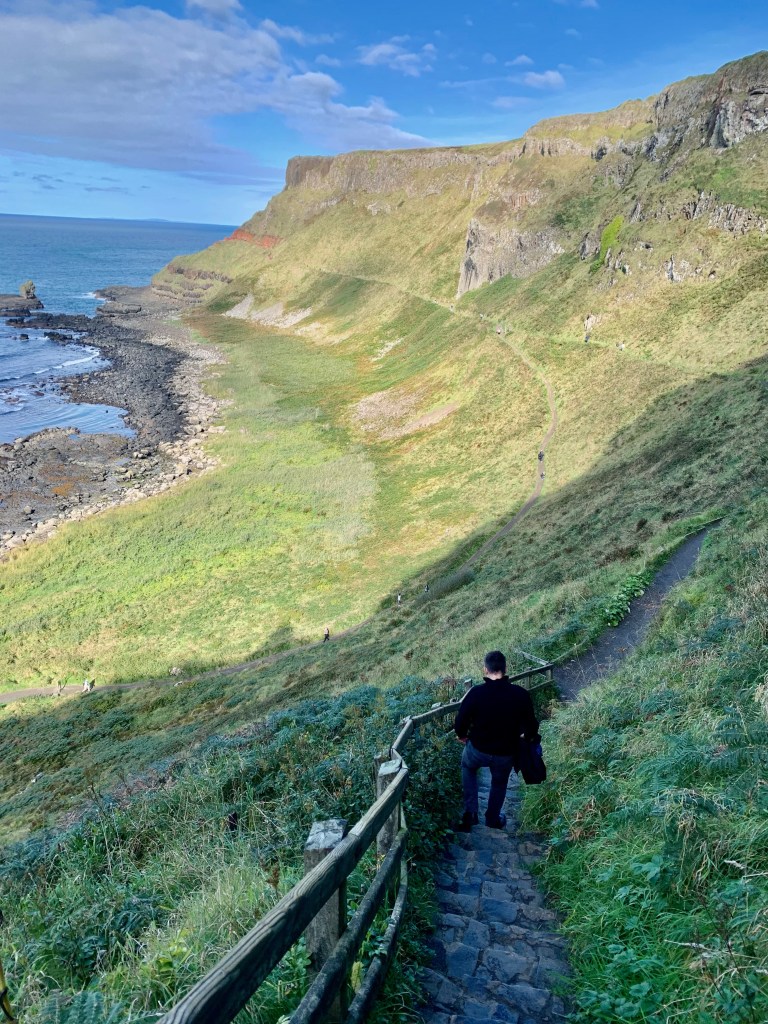
It may be small in area and less than thirty miles in length, nonetheless its rugged beauty soothes the eyes and soul, with an abundance of stunning views, historical sights and geological wonders to discover.
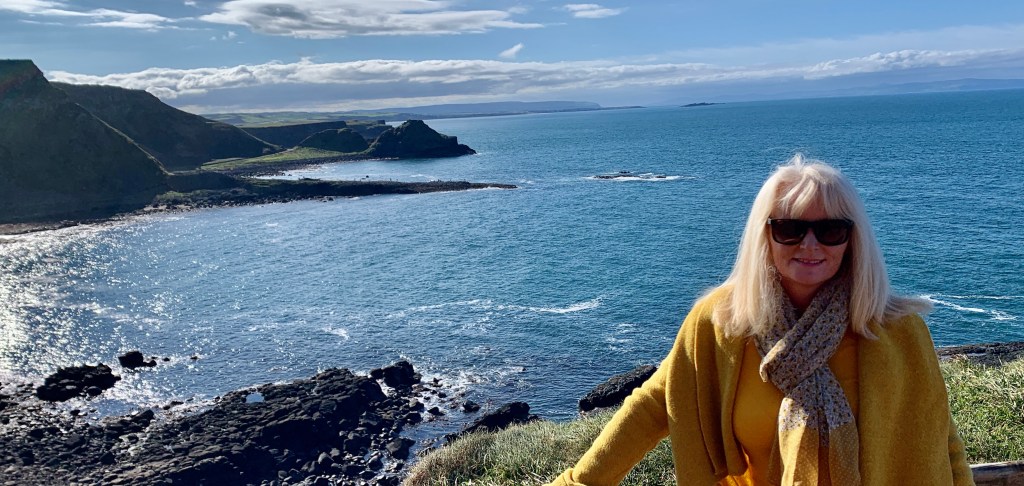
The Causeway Coast AONB is known the world over due to its Giant’s Causeway World Heritage Site, Northern Ireland’s first and to date only World Heritage Site. The Causeway Coast for me personally was certainly one of Northern Ireland’s highlights.
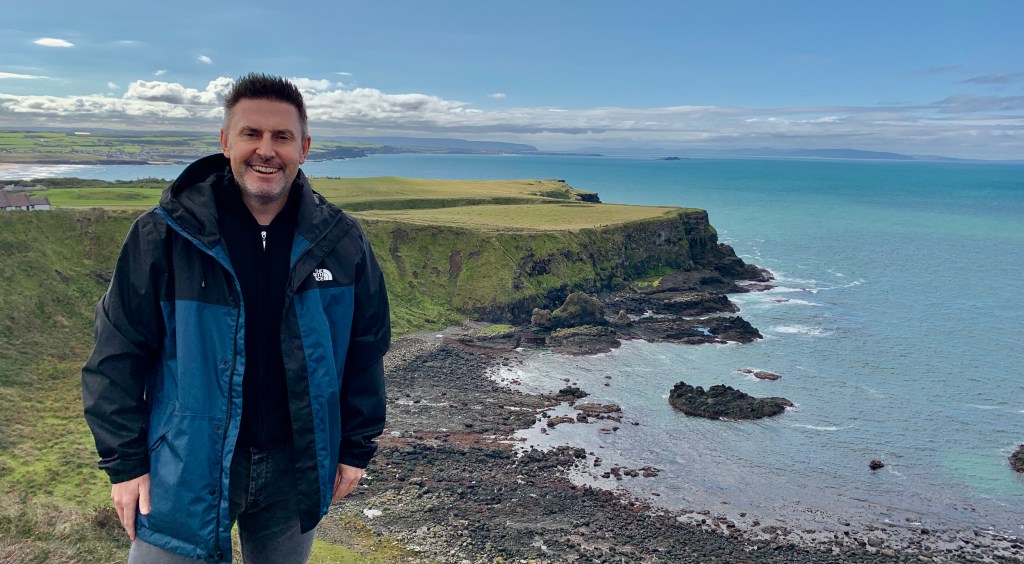
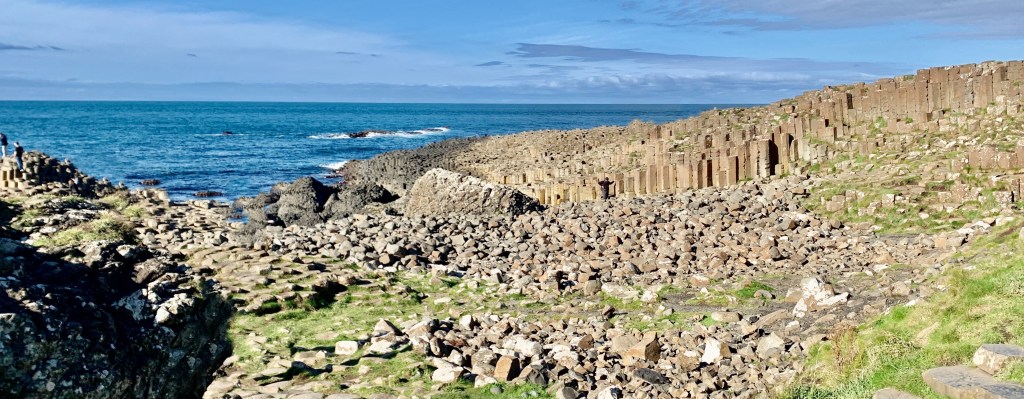
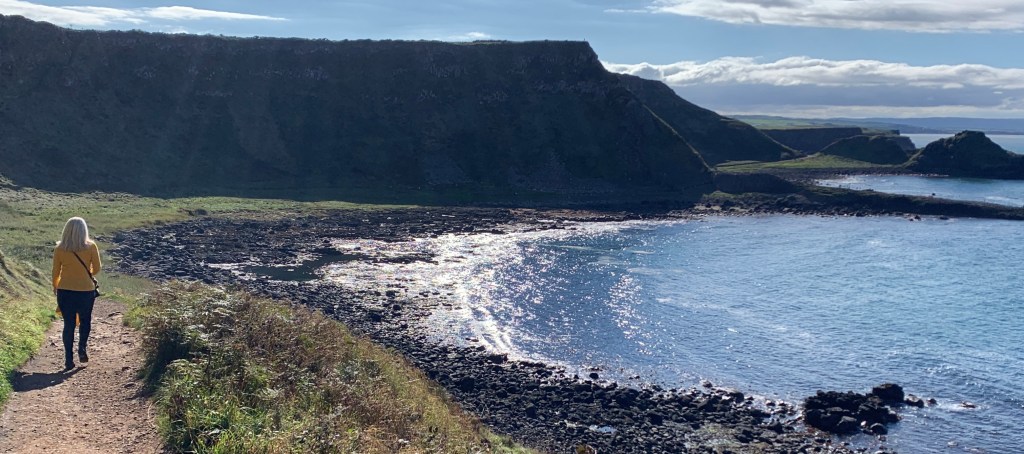
The unique geology of the area has formed this spectacular coastal scenery. Volcanic rocks have formed at this particular location which provides a dramatic backdrop as the cliffs plunge into the sea.
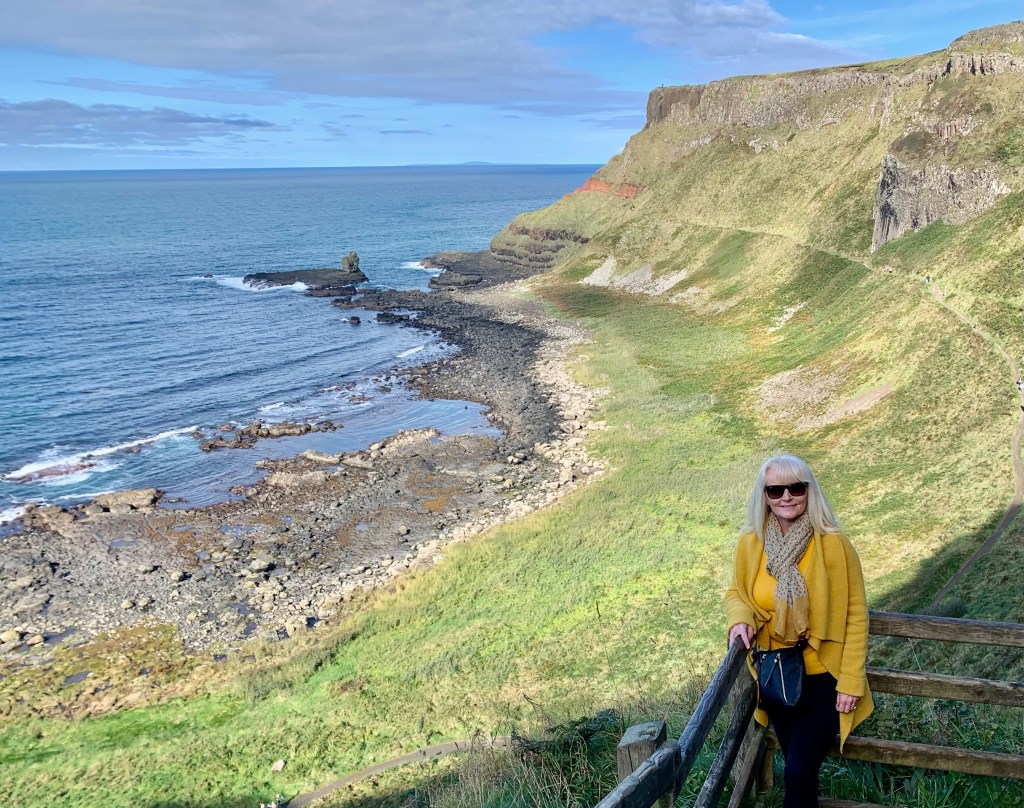
Due to time constraints, we were only able to discover a small section of the coast. We followed one of the trails from The Giant’s Causeway which hugged the cliff edge as we then descended to the seafront looping back to the Giant’s Causeway.

A walk that was just over 3 miles (5 kilometres) where the landscapes varied enormously. Contrasting with this wild coastal scenery are the gentler landscapes of woodland and farmland.
Giant’s Causeway World Heritage Site
The Giant’s Causeway is located in County Antrim on the northeastern coast of Northern Ireland.
It was affirmed as a World Heritage Site by UNESCO in 1986, and a nature reserve in 1987 by the Northern Irish Government. It is one of the UK’s greatest natural wonders.

The Giant’s Causeway is an area of 40,000 interlocking basalt columns, the result of an ancient volcanic eruption.
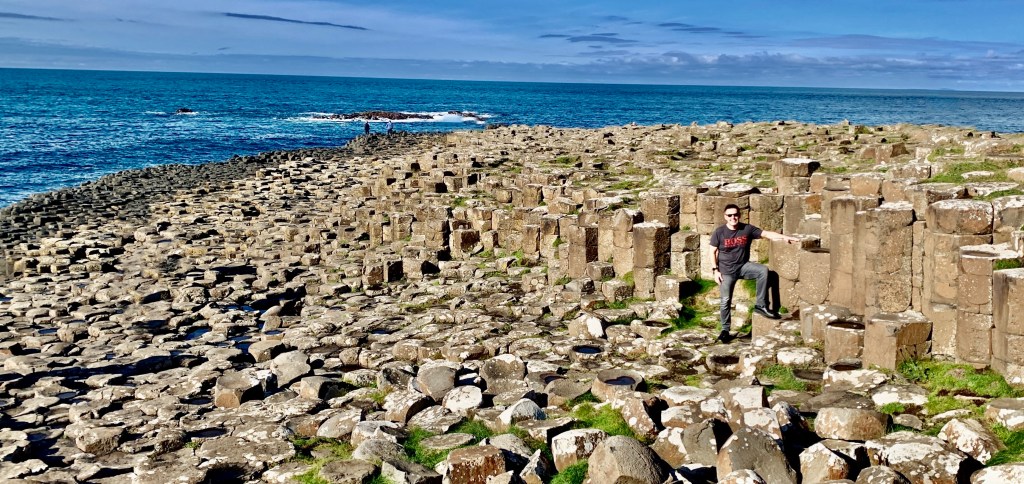
The tops of the columns form stepping stones that lead from the cliff foot and disappear under the sea. Most of the columns are hexagonal, although there are some with four, five, seven and eight sides.
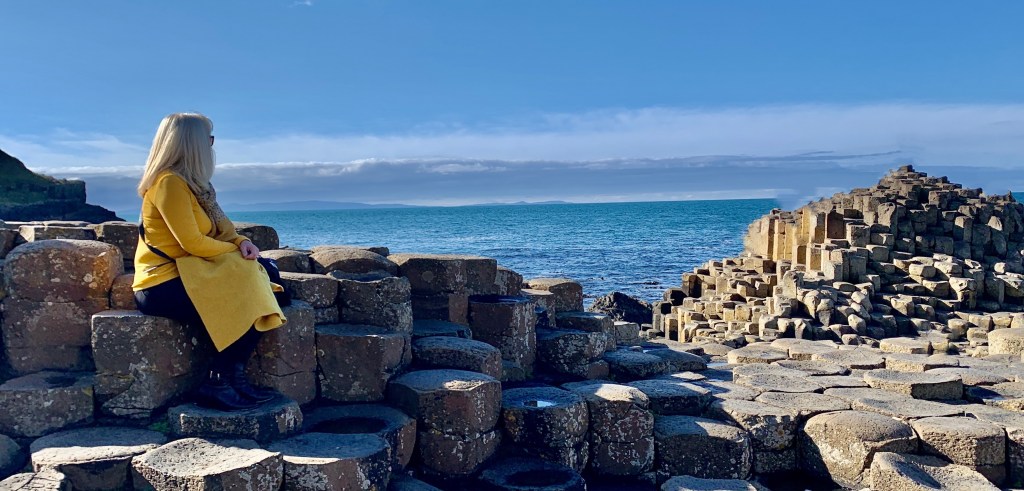
For centuries The Giant’s Causeway has been a place where myth and legends meet. Where the spectacular basalt columns formed through the rapid cooling of lava from an underwater volcano, or as some may say, created by the legendary mythical Irish Giant Finn MacCool??
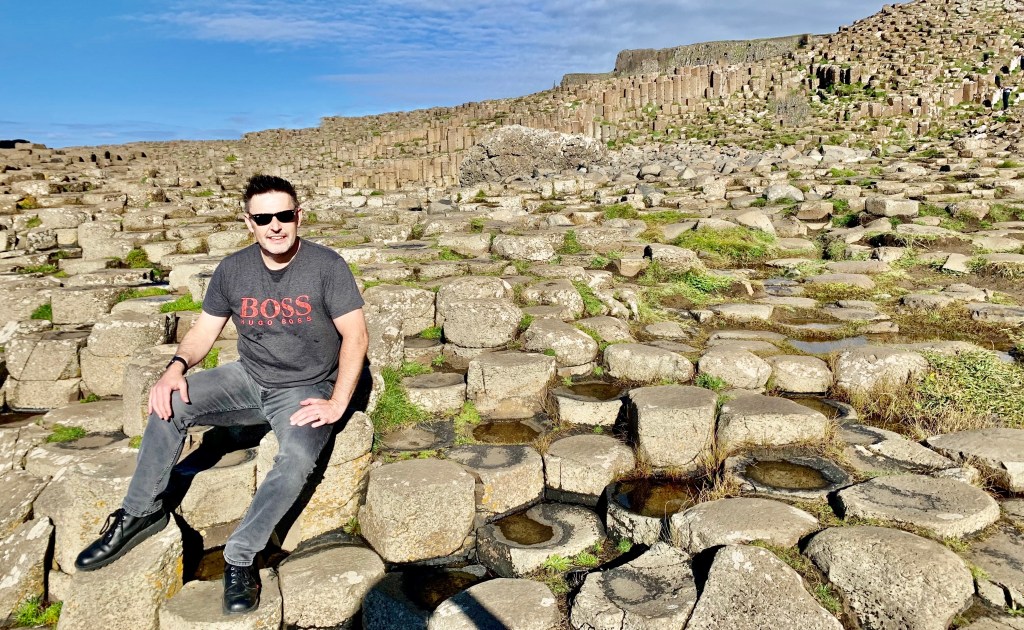
Today The Giant’s Causeway is one of Northern Ireland’s most visited locations. Situated on one of the world’s most spectacular coastlines, its unique rock formations have, for nearly 60 million years stood as a natural barrier against the continual ferocity of the North Atlantic storms.
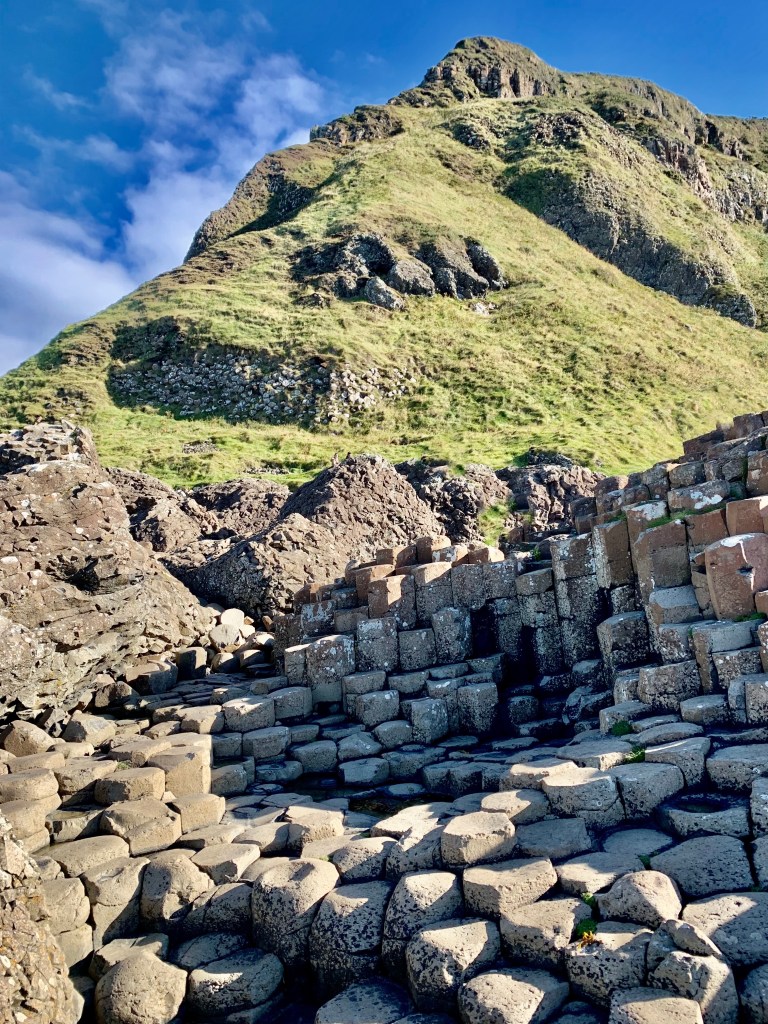
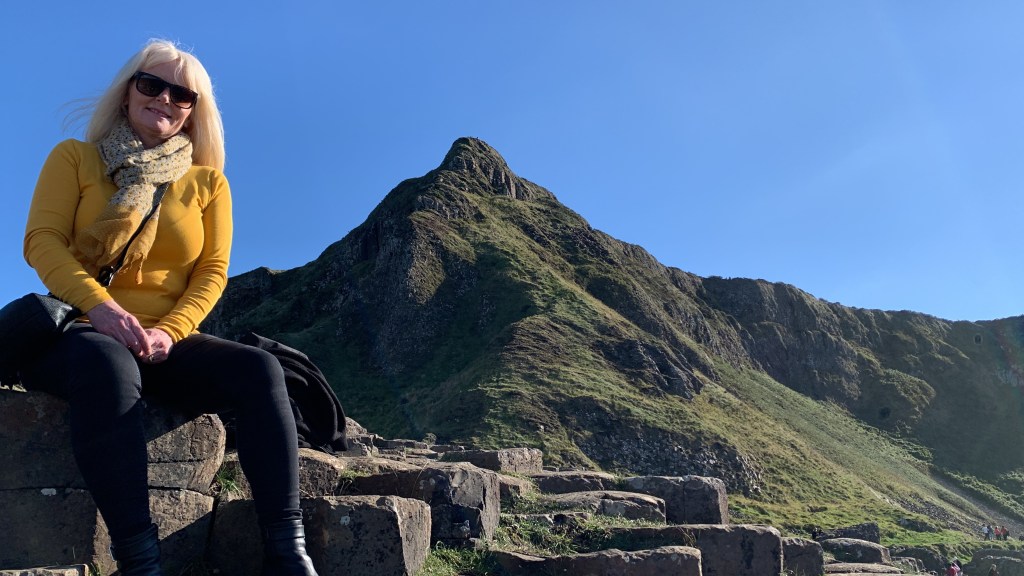
Although I have seen pictures of The Giant’s Causeway many times, nothing compares to viewing it for yourself. The rugged symmetry of the columns amazed and intrigued me. One of the natural wonders of the world.
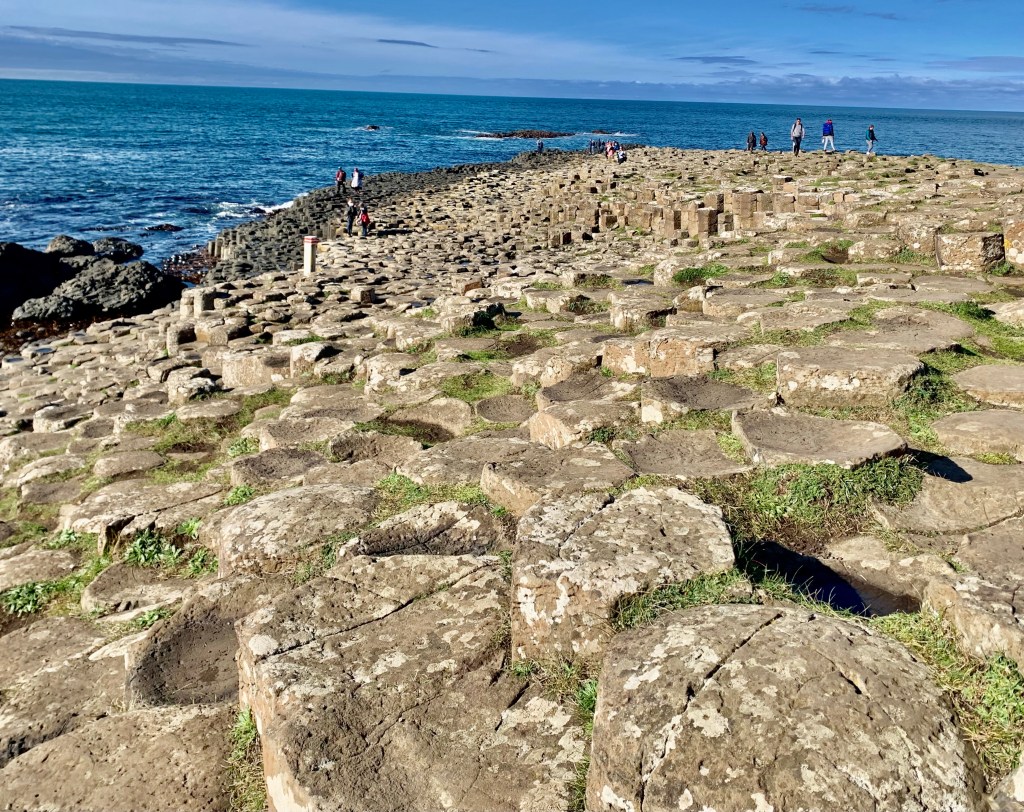
Today much of the Giant’s Causeway is owned and managed by the National Trust. Access to the Giant’s Causeway is free. There is a visitor site which charges an entry fee, being the National Trust this will not be cheap, and in all honesty, it won’t add any value to your visit to the Giant’s Causeway. Just enjoy the beautiful natural surroundings and unique geology.
Bushmills Irish Whiskey distillery
The old Bushmills Distillery is an Irish Whiskey Distillery. A popular visitor attraction, only a few miles from the Giant’s Causeway, well worth a short stop on your way back from The Giant’s Causeway.
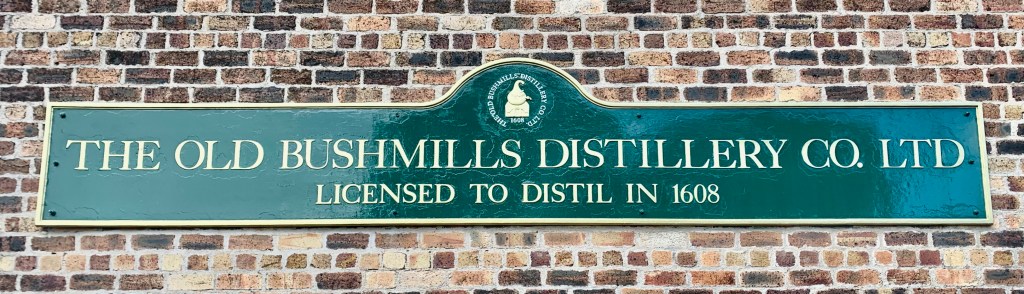
Ireland has a long history of whiskey distillation and Bushmills is the oldest working distillery on the island of Ireland.
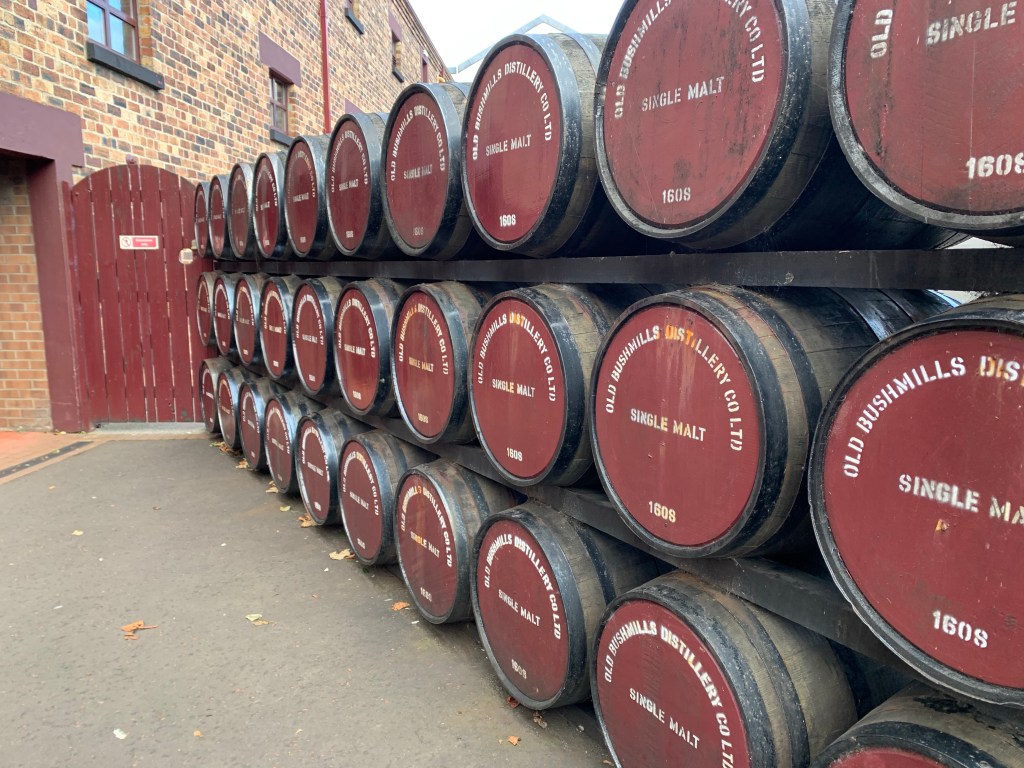
Tours are available which give a full guided tour of the distillery to see how this famous spirit is made and understand all about the distilling process.
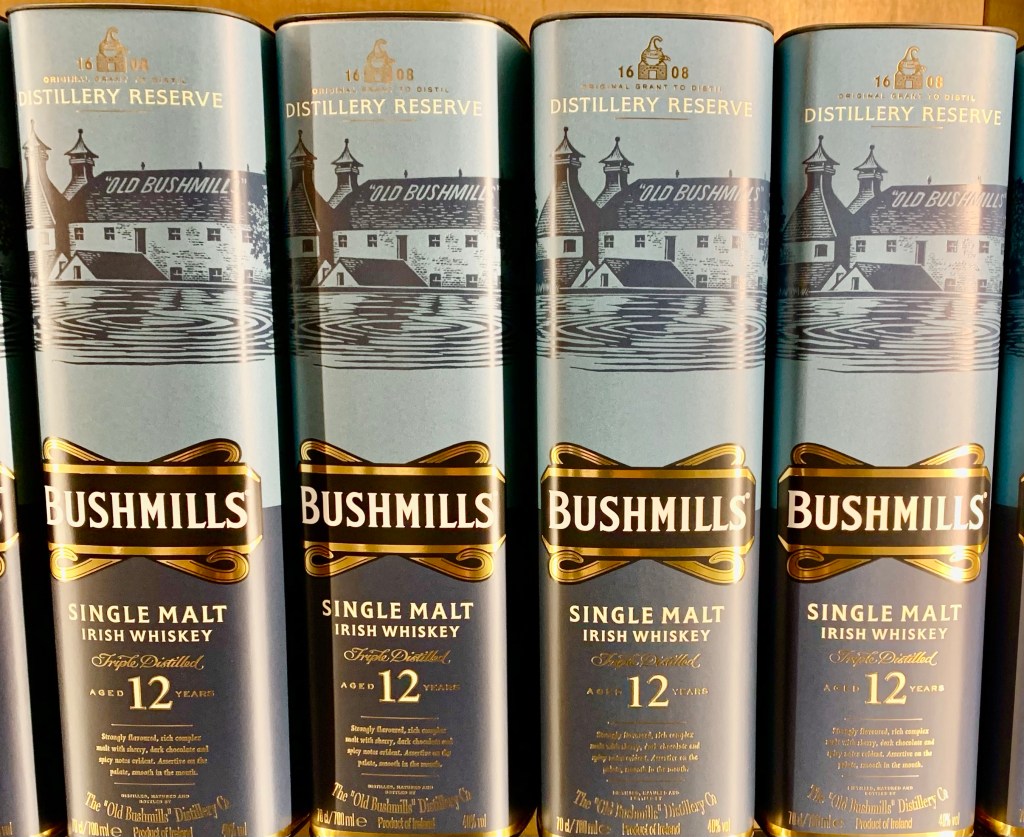
You don’t have to take a tour of the distillery, part of the distillery is open to the public. This inevitably includes the Bushmills shop where whiskey and other merchandise are available to purchase. Whatever you decide it’s an interesting stop and worth a short visit.
Cushendun Caves
One of the Locations where Games of Thrones was filmed. A lot of Games of Thrones was filmed on location in this part of the Antrim Coast.

The caves are very old and situated on the picturesque Antrim Coast. They have only recently come to prominence due to the caves being a filming location for Games of Thrones.
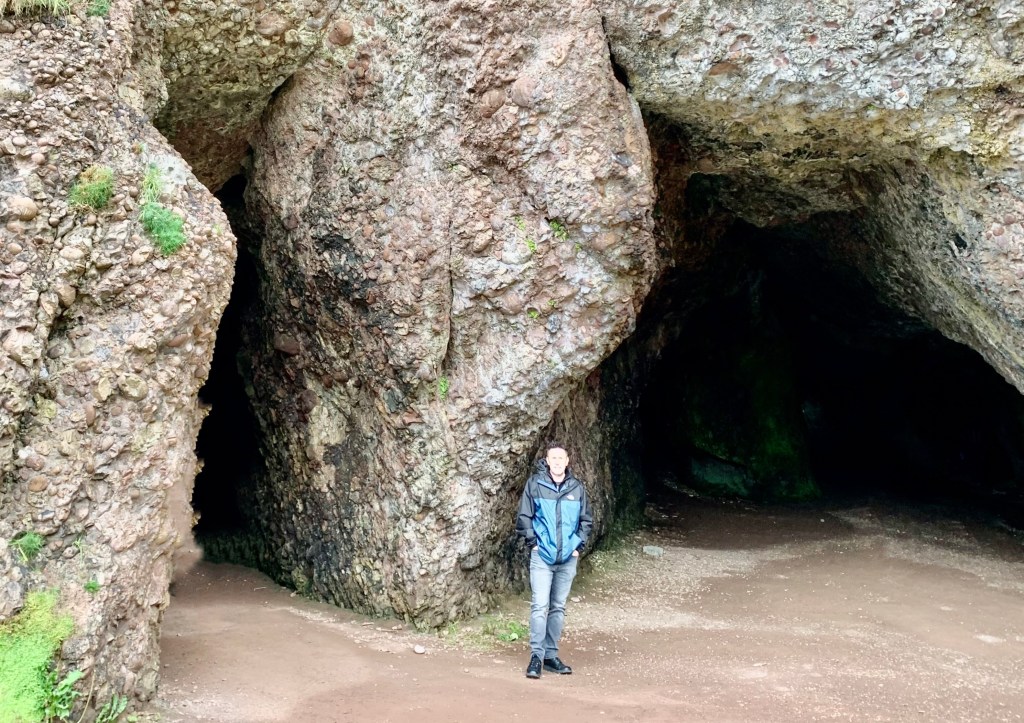
Easily accessiblee next to Cushendun Beach. The area has been formed by over 400 million years of natural erosion.

It was a stop on an organised tour to The Giant’s Causeway. If I’m being honest it was of little interest to me, but Game of Thrones fans seemed to be pretty enthralled with the location.
The Dark Hedges
The Dark Hedges is an avenue of beech trees, which forms an atmospheric tunnel, another location that has been used in Game of Thrones.

Having never seen an episode of Games of Thrones this location although very atmospheric and picturesque meant very little to me, although unlike Cushendun Caves I found this location much more photogenic.
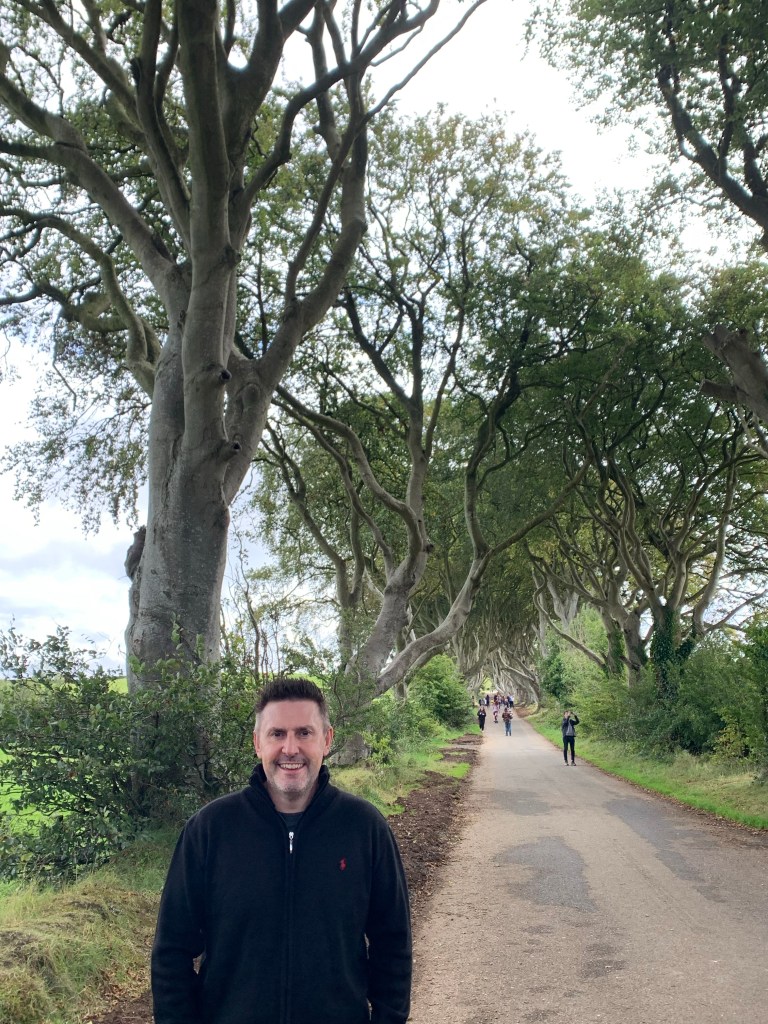
It’s a very popular area and is probably Northern Ireland’s most photographed location. To have the eerie, silence and picture-perfect opportunity you will have to visit very early. It is in a rural location so you will have to visit by car or organise trips.
Carrickfergus
Carrickfergus sits on the north shore of Belfast Lough and is one of Northern Ireland’s oldest towns.
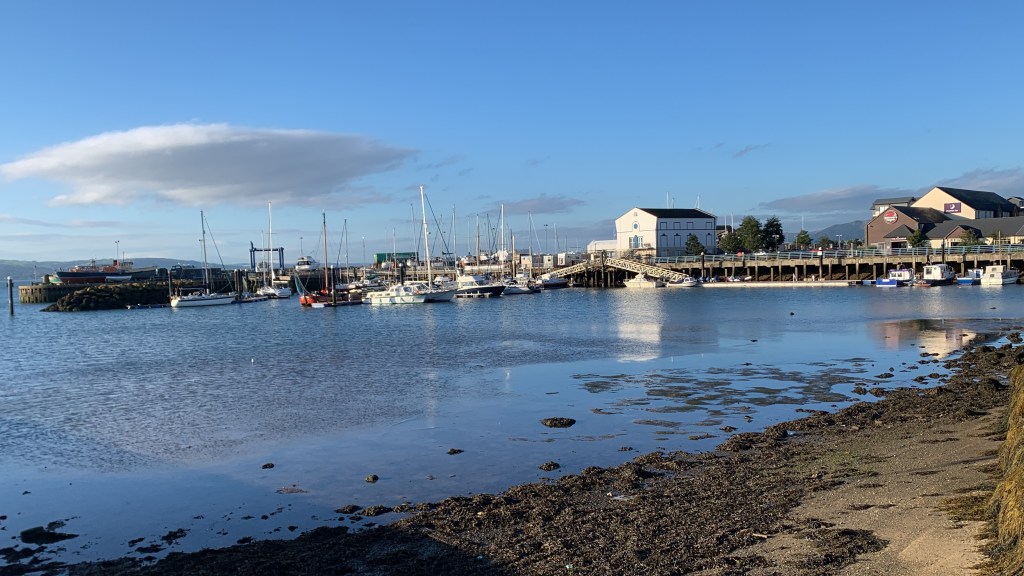
Carrickfergus is close to Belfast although as a town it considerably predates Belfast and the town has great historical significance. It is the start of the Antrim Causeway Coastal Route.
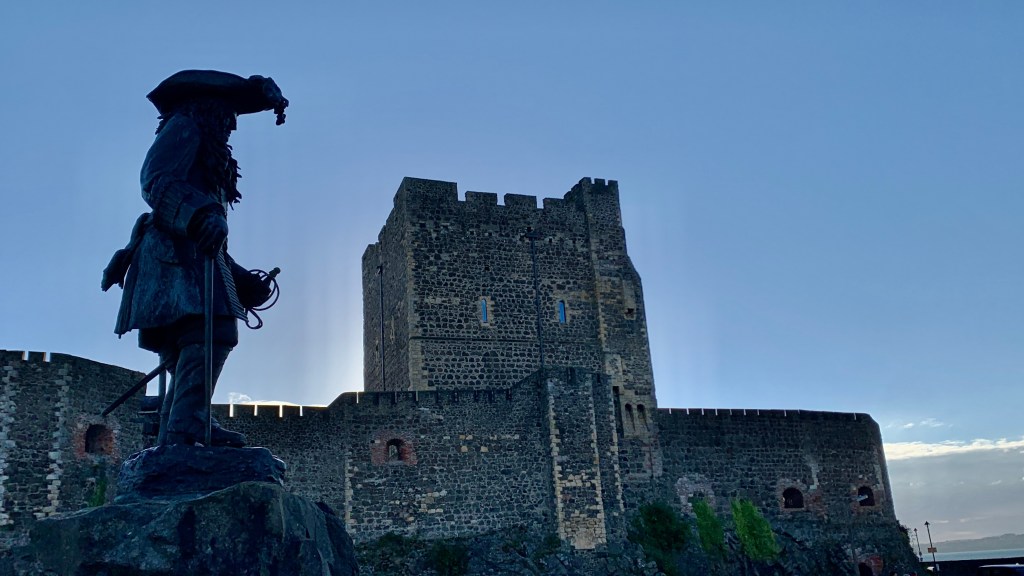
It has great historical significance as it is the place where King William III first set foot in Ireland, his victory against the Catholics at the Battle of the Boyne is still celebrated by Protestants to this day.
It had a small but significant role in the American War of Independence where a naval battle between American and British forces took the place off the coast of Carrickfergus.
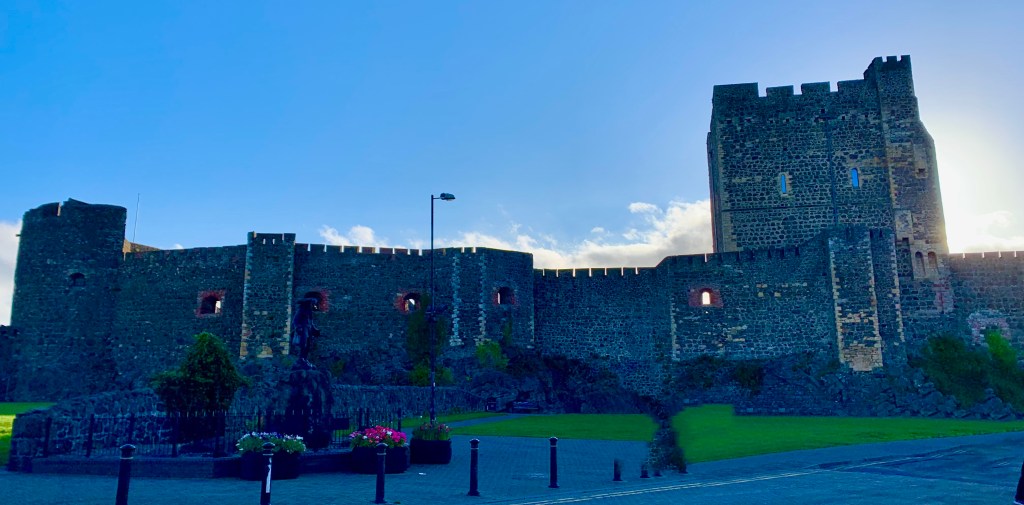
Although Carrickfergus is most famous for its castle, which dates back to the 12th century. During its long lifetime, it has survived multiple sieges from Scottish, Irish French and English, forces, despite this Carrickfergus Castle remains one of the best-preserved medieval structures in the country.

 We were born to do more than go to work, pay bills and die. See the world while you are alive and kicking